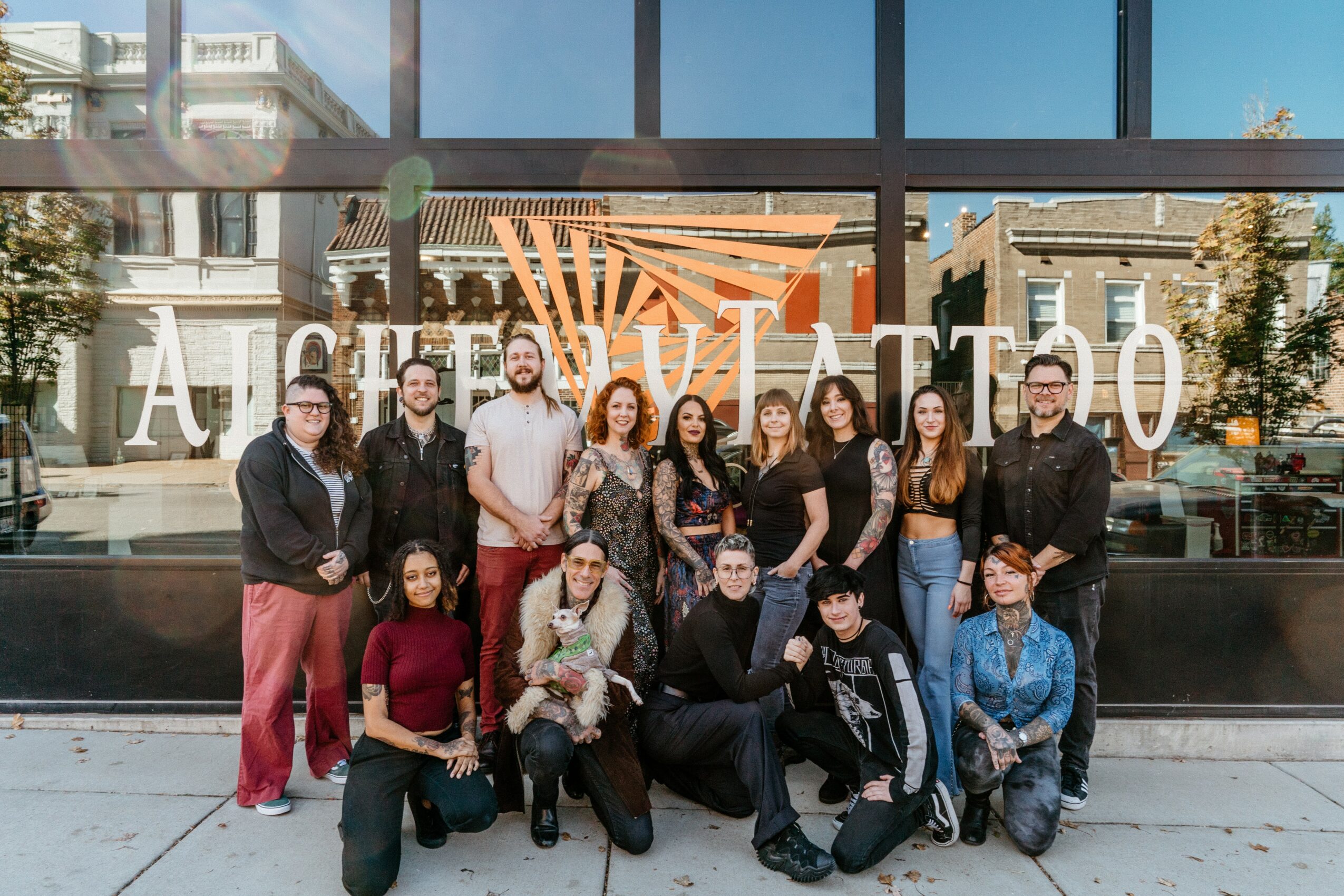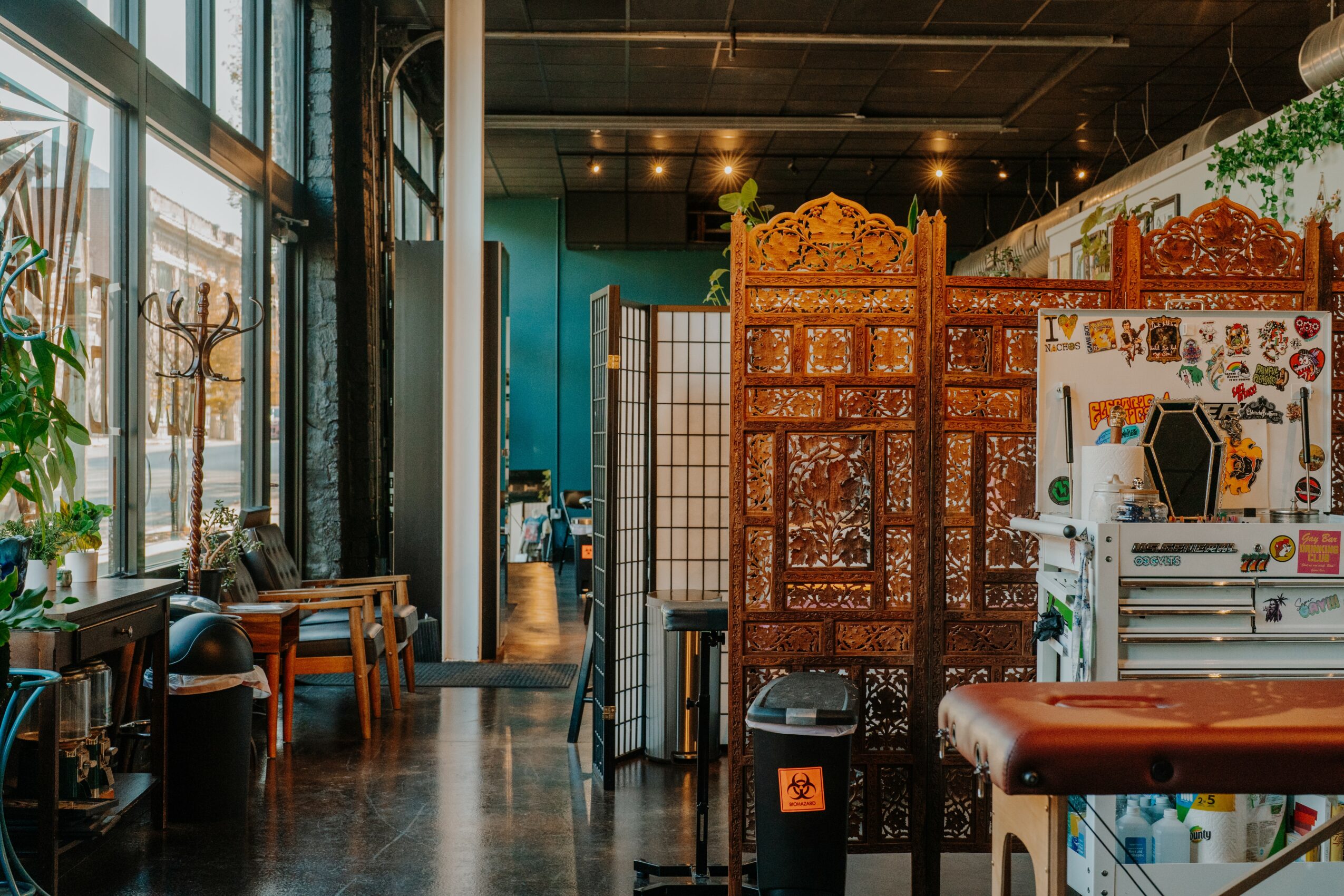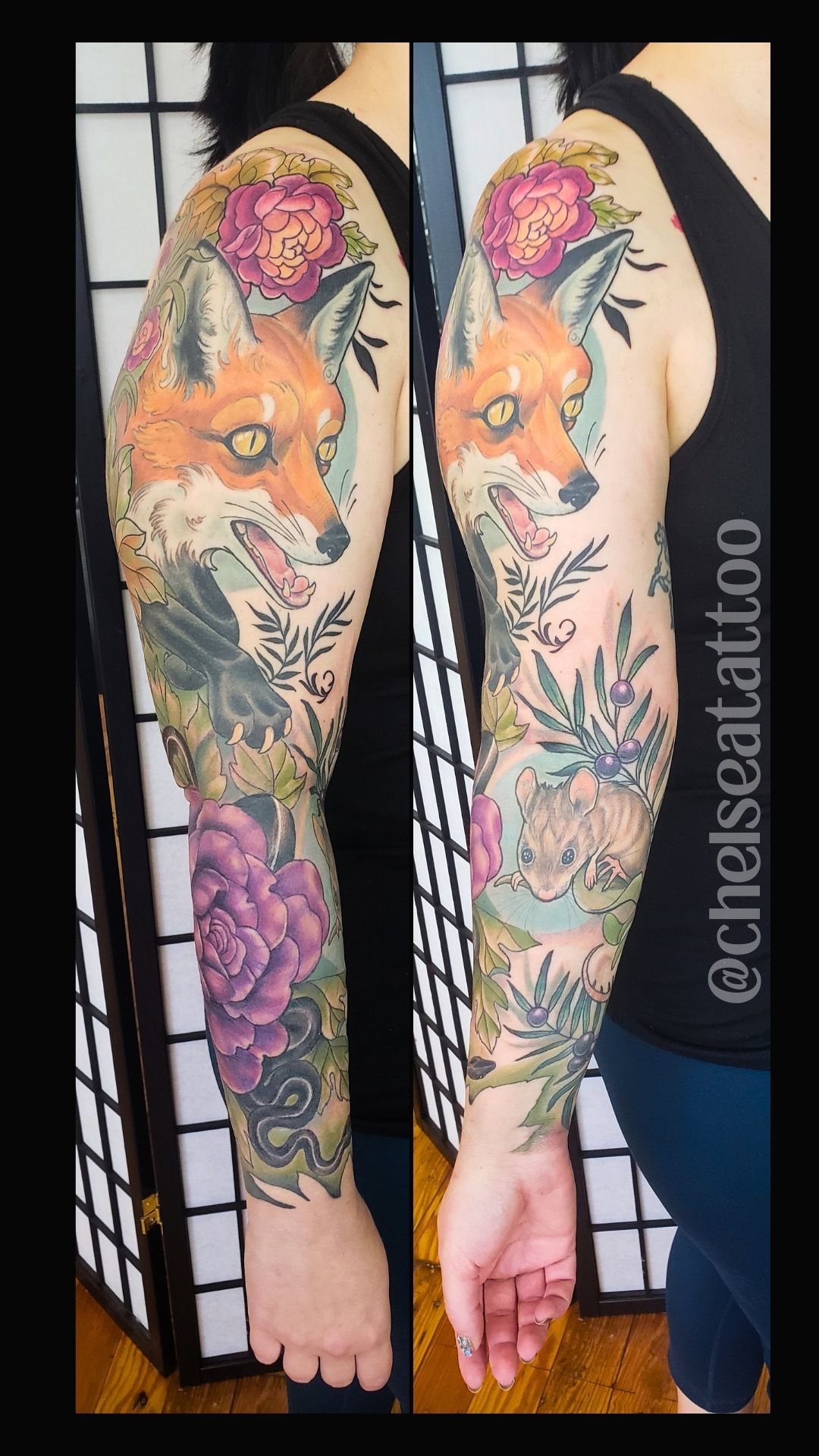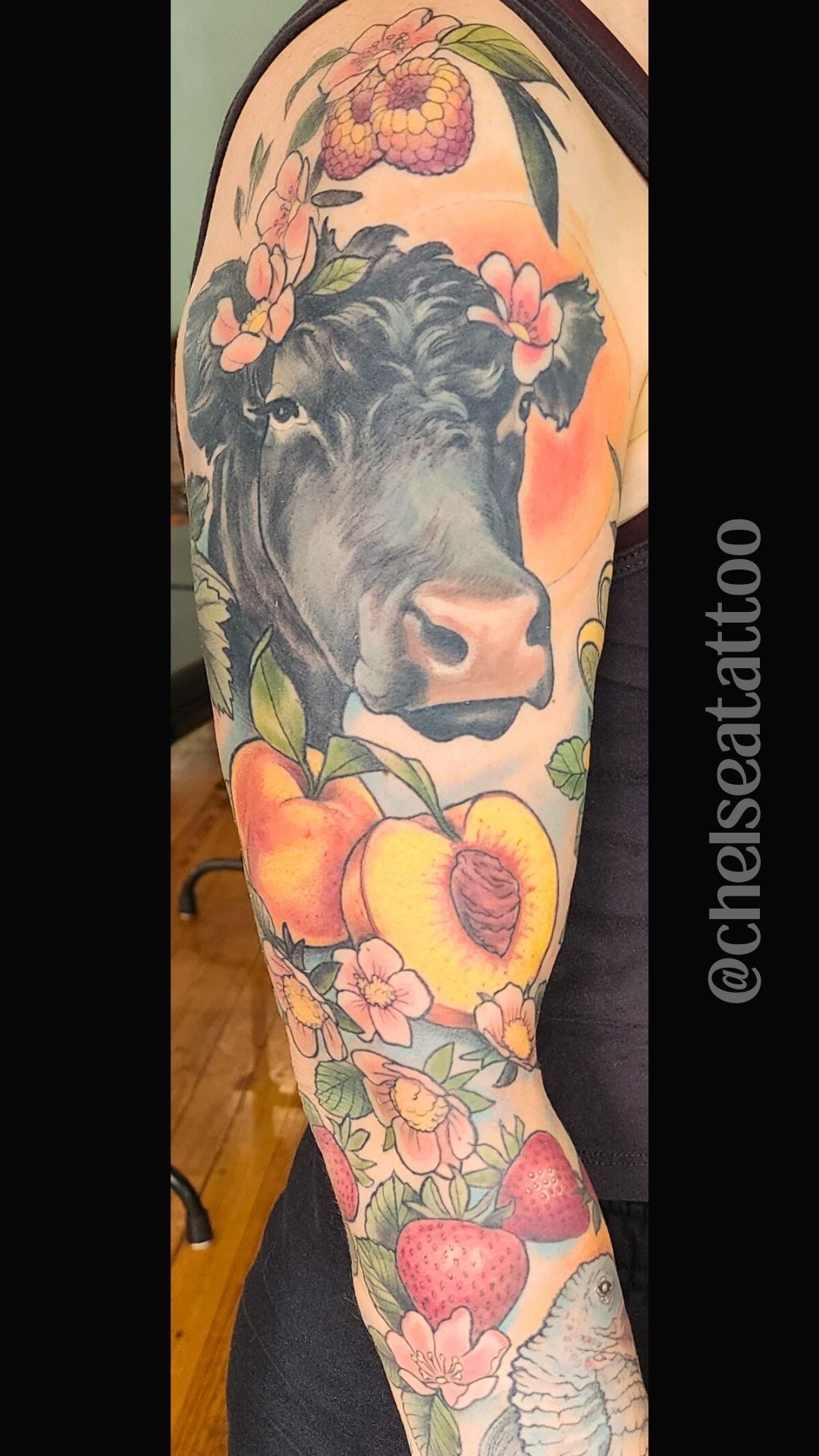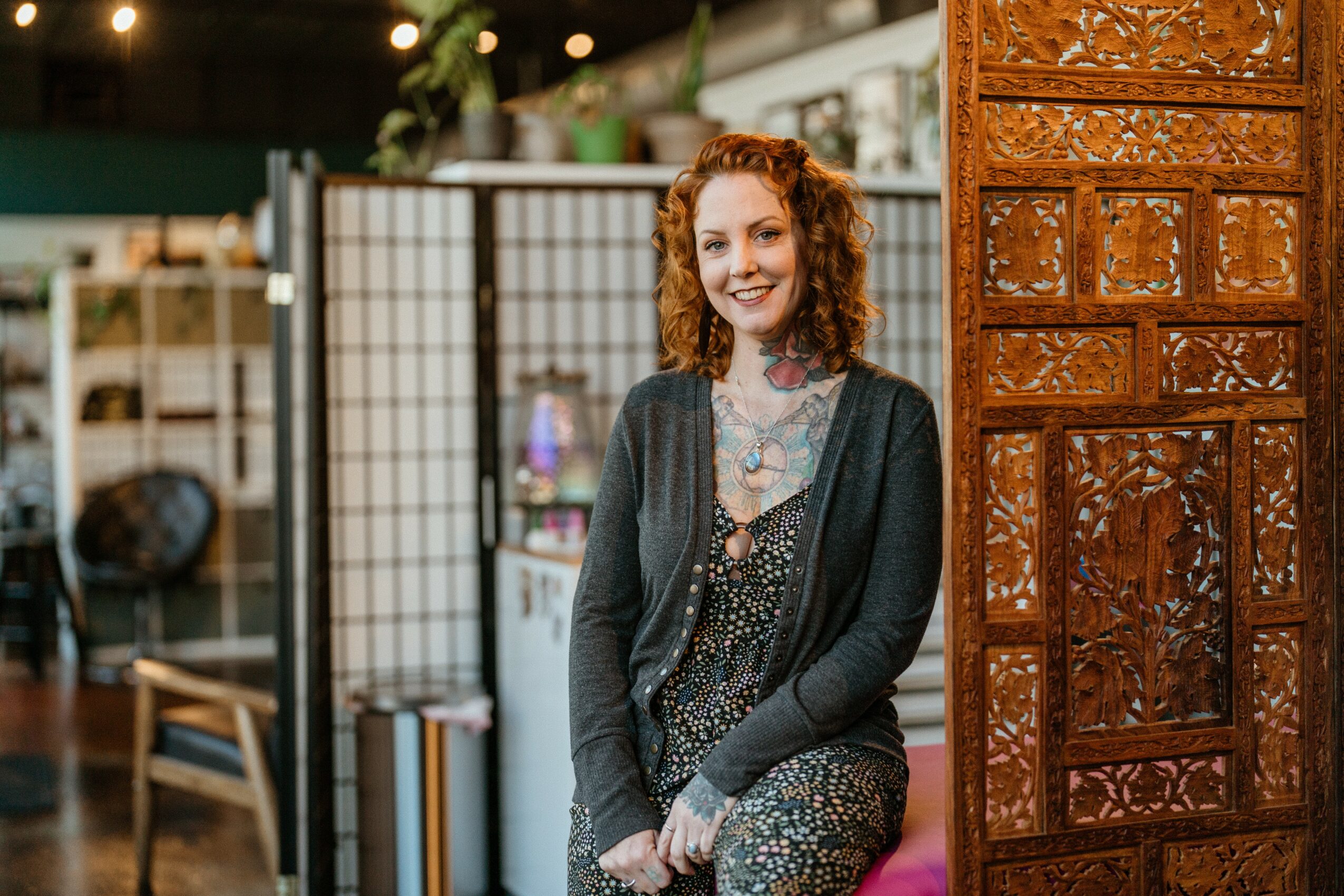
Today we’d like to introduce you to Chelsea Holloway.
Hi Chelsea, please kick things off for us with an introduction to yourself and your story.
Art has always been my sanctuary. I was that kid who did my homework and filled the margins (and my white Keds) with doodles—because I’ve never met a surface that didn’t look better with a little art on it. When I was nine, a neighbor’s dad noticed my drawings and, instead of just offering a passing compliment, he sat down and sketched with me. I was starving for that kind of encouragement and attention, and it meant more than he probably realized. Later, I watched him tattoo someone, and that moment fascinated me in a way I didn’t fully understand at the time. I didn’t know it yet, but that small spark—both his guidance and seeing tattooing up close—would stick with me for years.. In grade school, I dreamed of being a professional artist, but college seemed financially impossible. At 23, I had my first child, and my dream felt even further away. At 25, I took a leap and enrolled in art school. One year and $30,000 of debt later, I realized I needed a more sustainable path—one that didn’t require selling a kidney. Tattooing became that path. By 2008, I was tattooing professionally.
Over the years, I worked in a lot of shops—many of them brand new—watching owners figure things out as they went. Some I helped, but mostly, I observed. I saw what worked and what absolutely didn’t. My very first shop had zero sanitation protocols—seriously, I couldn’t even find a Clorox wipe. There was no training, no discussions about technique—just a “figure it out” mentality. I knew I wanted something different.
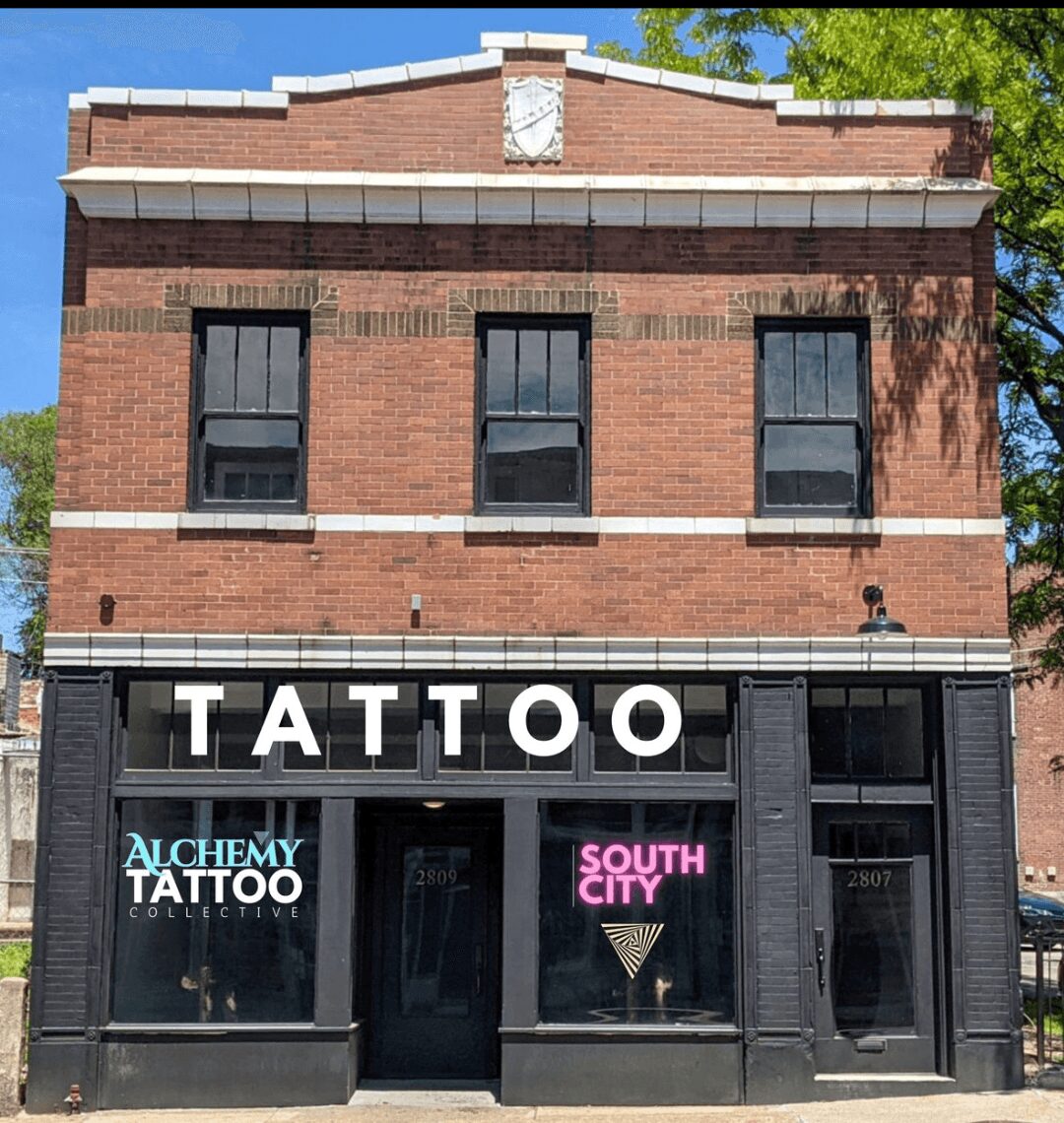
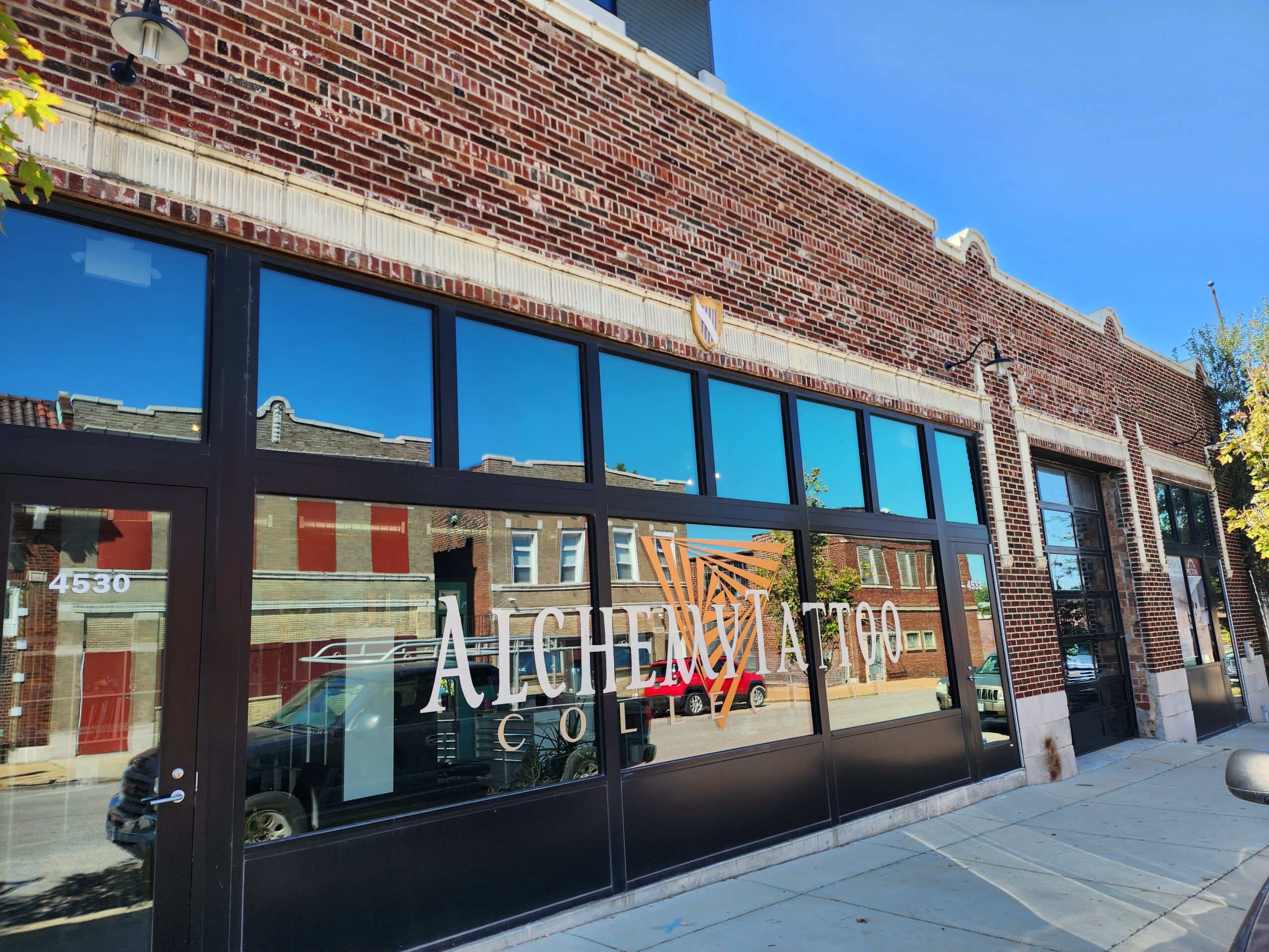
In 2015, I opened my own shop—not just to be my own boss, but to build a space where inclusivity, education, and growth were priorities. Over time, I started mentoring apprentices, and in 2022, I launched a structured program to provide the guidance I wished I had. By 2023, I expanded to a second location. Today, my focus is on fostering creativity, mentorship, and transformation for both artists and clients.
We all face challenges, but looking back would you describe it as a relatively smooth road?
Definitely not. Getting into tattooing back then felt like trying to join a secret society where no one tells you the rules, but they all expect you to already know them. The industry has long been built on gatekeeping—many artists believed that because they had to struggle to get in, everyone else should too. The idea was that if you really wanted it, you’d figure it out, no matter how impossible it seemed. When I started, getting a tattoo license was easy—you filled out a form, paid a fee, and boom, you were legal. Actually learning to tattoo? That was the real challenge. Like a lot of artists, I had to teach myself much of it. My apprenticeship was far from structured, so I pieced things together however I could—watching other artists, practicing on my own, and, yes, tattooing in my kitchen. It wasn’t ideal, but I was determined to make it work.
Meanwhile, I was raising a family. Most of my kids’ lives, I was a single mom. I thought owning a shop would give me more balance, but in reality, I just kept piling more and more onto my plate. Running a business and raising kids at the same time felt like playing a game on expert mode without a tutorial. I didn’t have a mentor showing me the way, so I read my way through every problem. Nonfiction became my lifeline—business books, leadership books, and every self-help book on the market, anything that could help me figure things out as I went. If I hadn’t taken that approach, I don’t think I would have made it through.
When I formalized my apprenticeship program in 2022, I knew it would upset some people. A few artists left, feeling that making education more accessible was a betrayal of their own struggles. Change is hard, and a lot of people resist it, even when it’s clearly for the better. But keeping people out doesn’t protect the industry; it weakens it.
Now, the biggest challenge is oversaturation. The internet has given aspiring tattooers more access to knowledge and equipment than ever before, which is both good and bad. On one hand, it’s removing barriers. On the other, it’s led to a flood of new tattooers, not all of whom are learning the right way. My focus now is making sure my apprentices build sustainable careers while keeping quality and professionalism at the center of what we do.
Looking ahead, I’m expanding part of our apprenticeship program online. This will allow us to reach more people while still being selective about who we bring into our team. Growth is necessary—not just for my shop, but for the industry as a whole. And if I can help shape that future while ensuring artists don’t have to struggle as much as I did? Even better.
Thanks – so what else should our readers know about your work and what you’re currently focused on?
Tattooing is about creativity, connection, and transformation. Whether it’s a client marking an important moment in their life or an apprentice developing their craft, I want to create a space where people feel valued and supported.
A huge part of my time goes into developing our apprenticeship program, a project I’ve built almost from scratch. The industry has never had a clear path for education, and I wanted to change that. Teaching has also shaped my own growth as a tattooer—mentoring others has made me more intentional in my work, pushed me to refine my skills, and reminded me that learning never really stops.
What I’m most proud of is the business I’ve built—not just because it exists, but because it reflects everything I care about. Turning an idea into something real, shaping it, refining it, and watching it grow—that’s its own kind of alchemy. But beyond the business itself, I want it to stand for positive change—whether that’s through mentorship, supporting clients on their journeys, or giving back to the community. Kindness and connection belong in every part of this industry, and if I can create a space where that thrives, then I’ve done my job.
Where do you see things going in the next 5-10 years?
The tattoo industry is evolving fast, and the next 5–10 years will bring big changes. With more artists entering the field than ever, competition is going to be fierce. The gap between well-trained professionals and those cutting corners will only grow, and clients are getting better at recognizing the difference. Shops and artists who focus on quality, education, and professionalism will thrive, while those relying on outdated methods or rushing into the industry without a strong foundation will struggle to keep up.
I also think we’ll see more emphasis on originality. Clients are moving away from mass-produced trends and seeking tattoos that feel more personal and custom. More than ever, they’re researching specific artists, following their work online, and booking based on style rather than just walking into a shop and picking something off the wall.
Tattoo shops will also need to evolve. It’s not enough to just be a good artist—branding, client experience, and professionalism will play a bigger role in success. Clients expect a clean, welcoming atmosphere and strong communication, and the artists and shops that invest in these things will stand out.
As for my role in all of this? I plan to keep pushing for better education, mentoring artists who want longevity in their careers, and making sure quality doesn’t get lost in the flood of new tattooers. The industry is changing whether we like it or not, but I’d rather help shape that change than fight against it.
Contact Info:
- Website: www.alchemytattoocollective.com
- Instagram: https://www.instagram.com/alchemytattoocollective
- Facebook: https://www.facebook.com/alchemytattoocollective