Today we’d like to introduce you to Mark Sarich.
Alright, so thank you so much for sharing your story and insight with our readers. To kick things off, can you tell us a bit about how you got started?
We actually started as a venue for young experimental musicians, poets and painters in 1994. Our founder had just rehabbed his grandfather’s drugstore and saw it as an opportunity to fill an overlooked need. By 2001 it expanded to include touring performers of many varieties of music. We operated on a shoestring as an independent venue in the DIY scene.
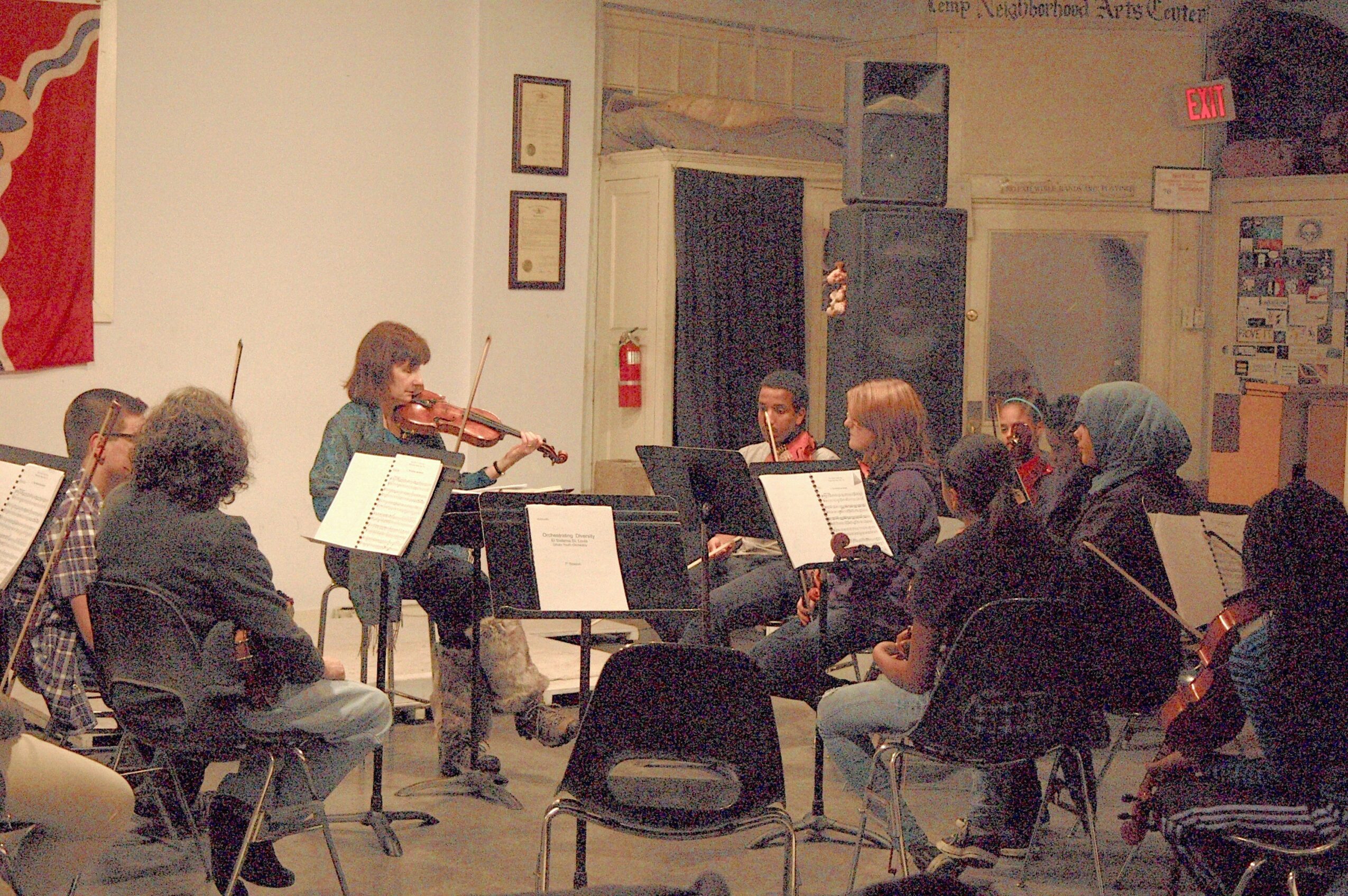
In 2008, with the help of an undergrad at Washington University we applied for a Gephardt Center grant in order to fulfill a long-standing dream to provide quality music education to the underserved youth in St Louis. At that point we were largely volunteer using the grant to pay for general expenses. That same year we became aware of the El Sistema movement and saw that their goals methods aligned with those our director had established through years teaching at a work study college and community colleges. El Sistema is a music for social change program founded by Jose Abreu in Venezuela. It has become a worldwide phenomenon.
After a lengthy conversation with the head of the Abreu Fellowship, we were declared a “nucleo in training” (nucleo being the term applied to a specific program). In 2009 we were visited by members of the Abreu Fellowship and became the eleventh official nucleo in the US.
By 2016 support for the venue was diminishing and we focused our attention on growing the El Sistema program. With the founding of El Sistema USA, our director became a founding board member. And over the years we have undergone a number of changes including switching to mostly paid positions and reducing our name to simply El Sistema St. Louis.
We benefit from volunteer students from local universities as well as professional and amateur musicians. Washington University remains an important supported where our piano program is run by student volunteers. The ultimate goal is to spread the program to East St. Louis fulfilling another dream of our director
Can you talk to us a bit about the challenges and lessons you’ve learned along the way. Looking back would you say it’s been easy or smooth in retrospect?
By far the biggest struggle we have faced has been the pandemic and it’s after-affects. As a music education initiative our activities were frozen. Further we had two years of no recruitment. The result has been a severe decline in the number of children we serve. With changing mechanisms for recruitment and attitudes about extra-curriculars we have yet to fully recover. This has been exacerbated by the cut in NEA funding. We’re currently navagating how to function on a decreased budget while seeking further funding.
Appreciate you sharing that. What else should we know about what you do?
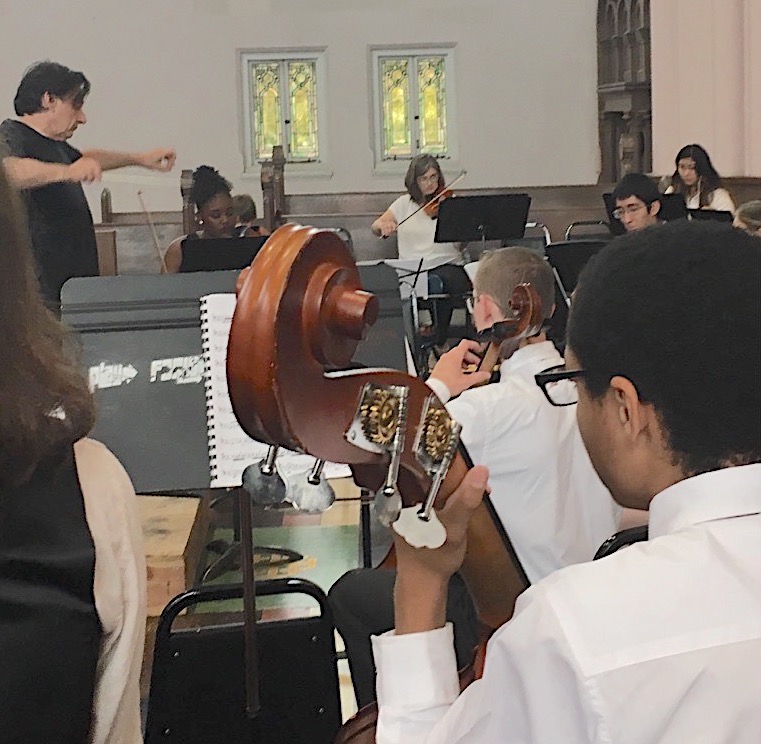
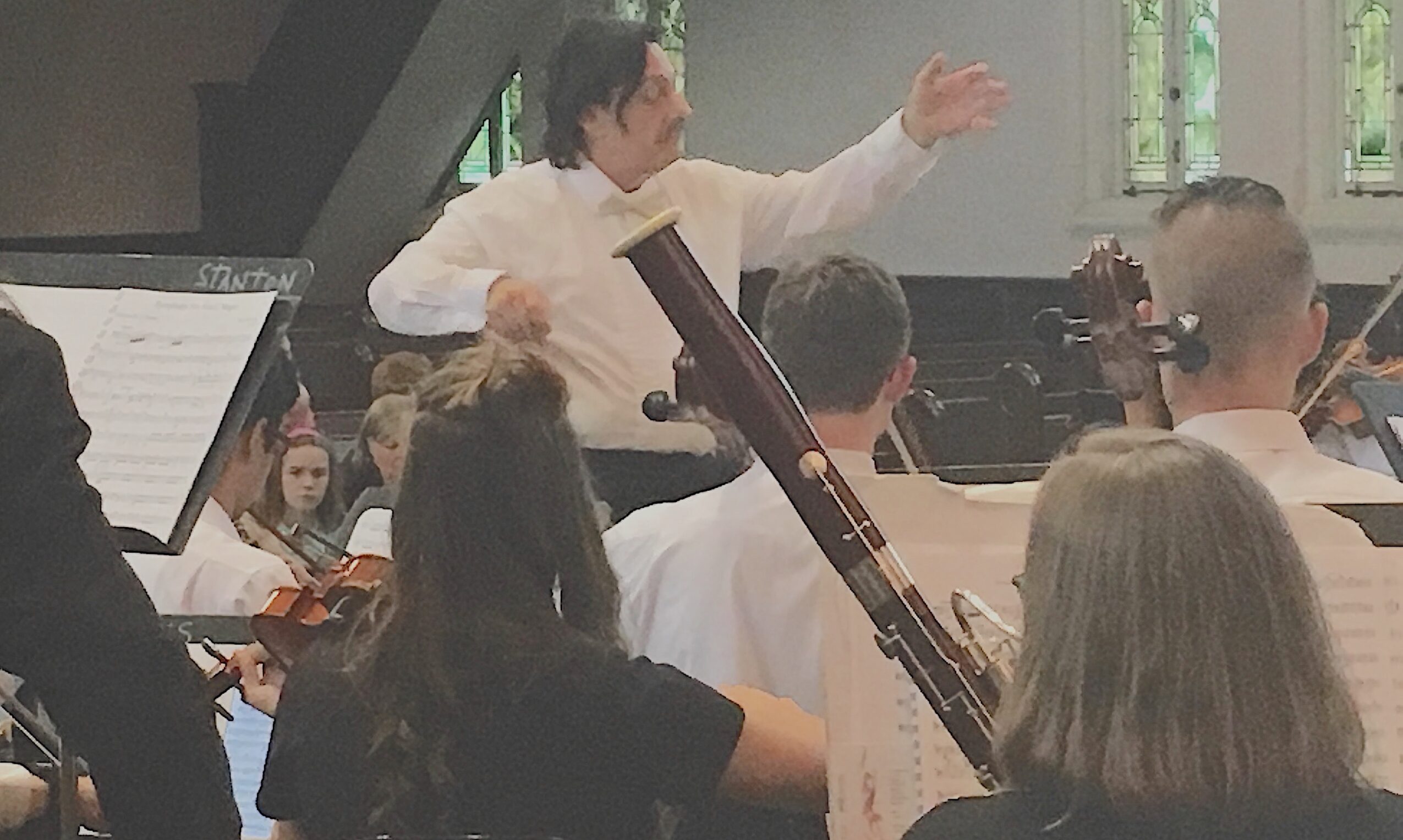
From the start we have had the desire to expose young people to the transformative power of music. Ultimately this led us the El Sistema model. Our version of this focuses on young people being given the opportunity to perform the same music they would hear if the attended Saint Louis Symphony concerts or any other professional orchestra. As a result we have performed such challenging works as Brahms’ 1st Symphony, Beethoven’s Emperor Concerto, Saint-Saens’ Organ Symphony and Sibelius’ 2nd Symphony. The change this prompted in the self concept of the youth involved cannot be overstated!
Our director has both degrees in music theory and special training in period performance practice. For the uninitiated, this is performing music with the tuning systems and instruments used when the piece was new.
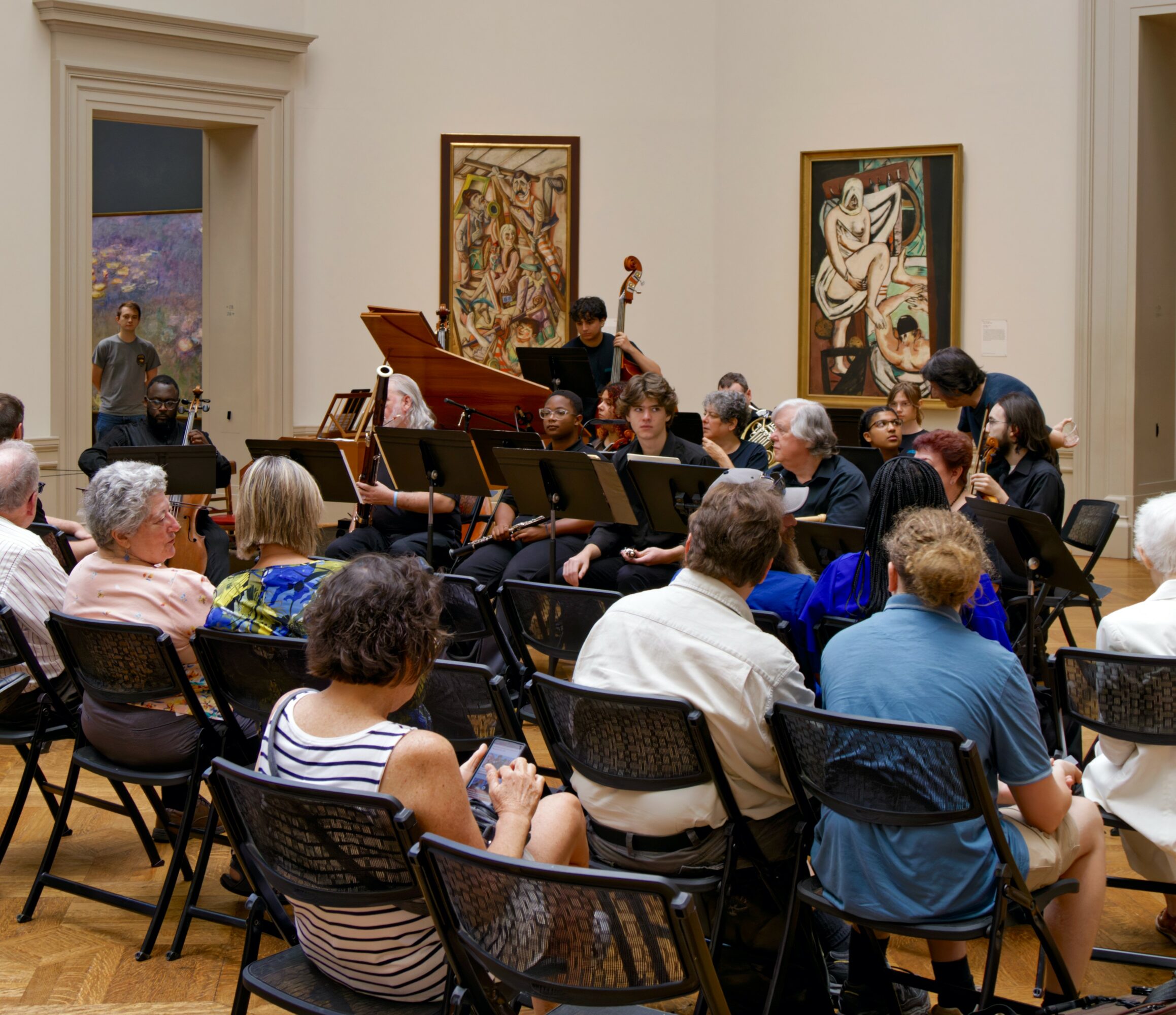
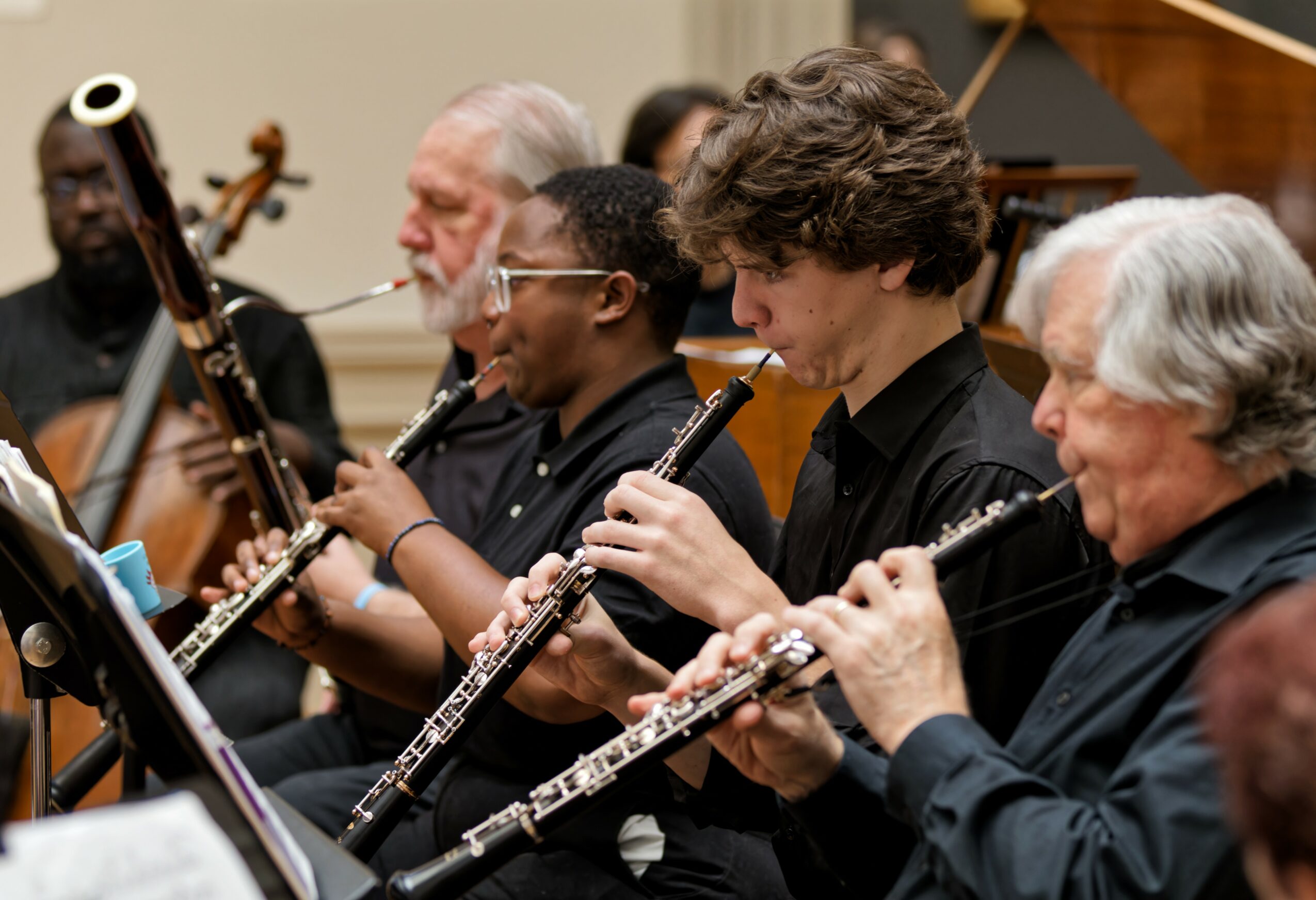
A gift of a harpsichord has given us the opportunity. to perform works of Bach, Handel, Corelli, Telemann and others. We have recreations of 18th century violin bows and our horn player has an 18th century instrument. A highlight for us has be the chance to perform three of Bach’s beautiful Brandenburg Concerti at the St Louis Art Museum.
We have developed an 8-week theory program which has consistently over the past 16 years resulted in virtually all of the students performing well on a second semester college midterm exam in music theory. And a thorough but concise book outlining the history of this music is in the works.
Any advice for finding a mentor or networking in general?
Think big -act big! If you have a clear conception of what it is that you want to accomplish, make sure everyone knows it. They can’t say yes until you ask!
Pricing:
- free to all St Louis youth
Contact Info:
- Website: https://www.lemp-arts.org
- Instagram: @orchestrating_diversity
- Facebook: https://www.facebook.com/OrchestratingDiversity
- Youtube: https://www.youtube.com/@thelemp5249