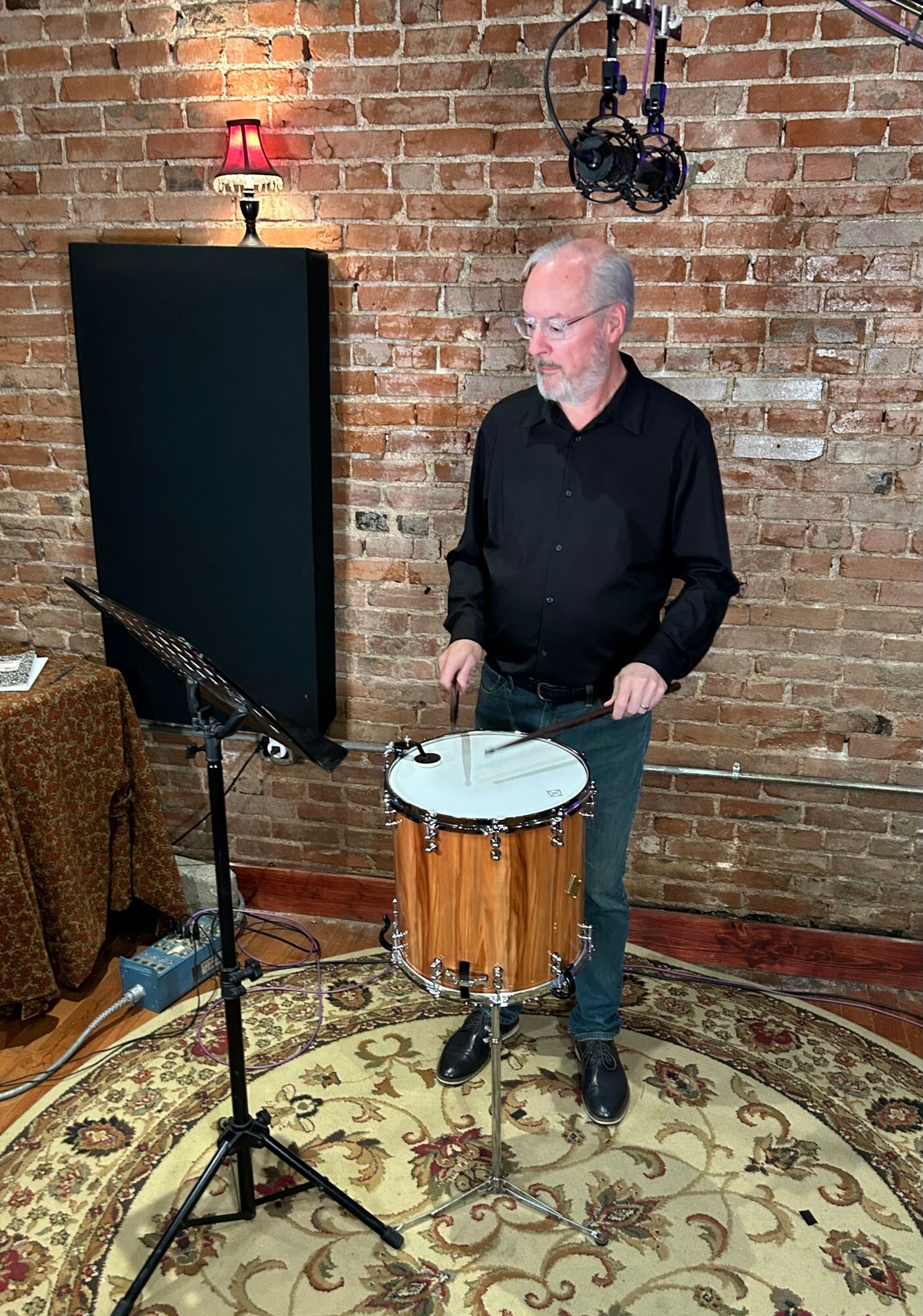
Today we’d like to introduce you to Michael Faris.
Hi Michael, thanks for joining us today. We’d love for you to start by introducing yourself.
The company’s origins are deeply rooted in my own lifelong journey as a performer. I began as a young percussionist in my native Washington State, eventually serving as Principal Substitute Timpanist with the Seattle Symphony and the Pacific Northwest Ballet.
After relocating to St. Louis, I earned my Master of Music degree from the St. Louis Conservatory and performed with the St. Louis Symphony, St. Louis Ballet, and St. Louis Opera, as well as serving as principal percussionist with the Illinois Symphony with whom I made my Carnegie Hall debut. During this period, I began experimenting with prototypes for a new concept in timpani mallet design. Through this effort, I felt I discovered a means of producing the level of music I had been seeking for many years. This process would later define Faris Percussion.
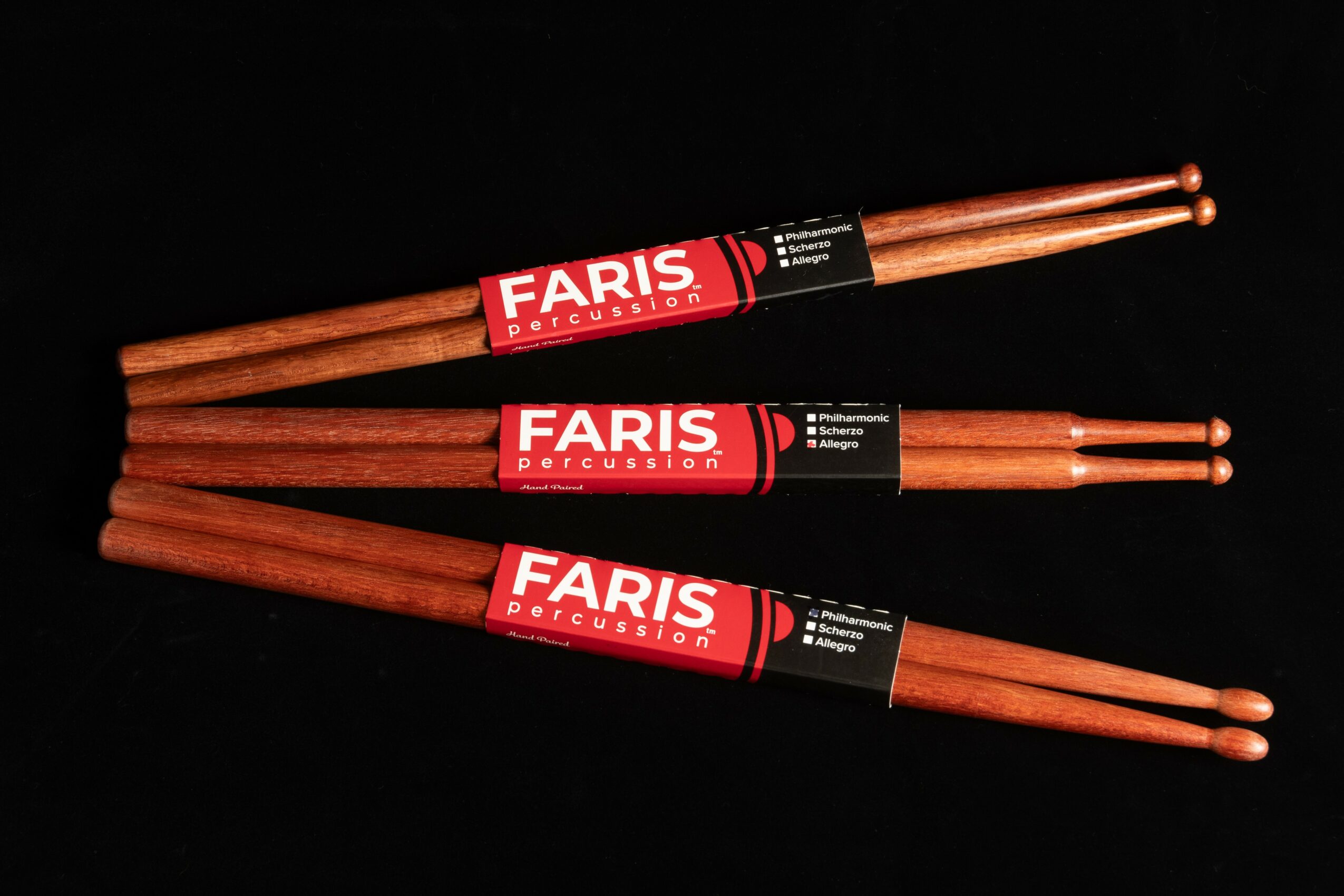
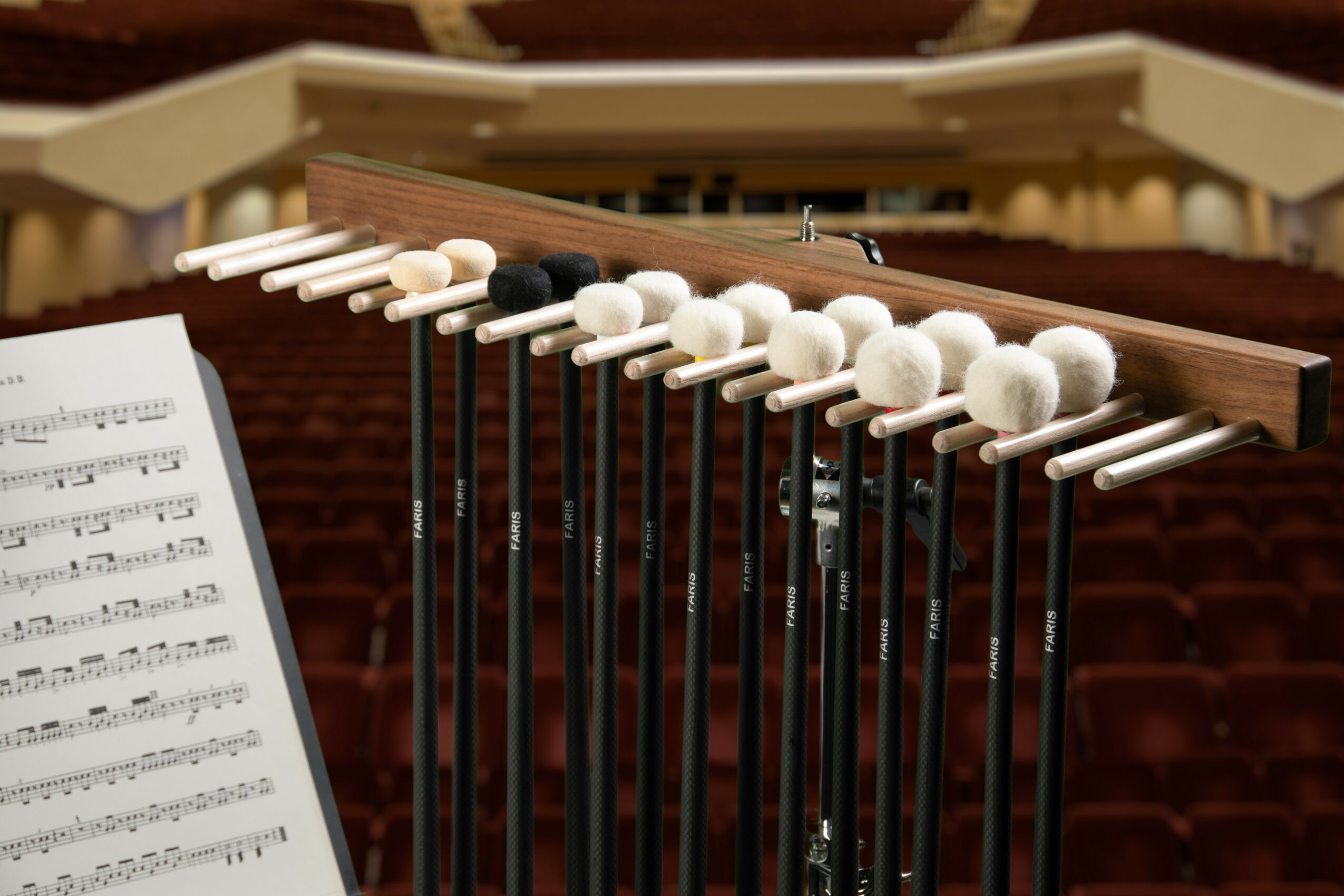
Following my retirement from performance in 2019, and with the encouragement of my friend and colleague, Kevin Harlan of Harlan Percussion, I turned my attention fully to product development. Since 2022, Faris Percussion has proudly offered a professional line of timpani mallets, concert snare drum sticks, and related accessories—crafted with the precision, balance, and artistry demanded by today’s top performers. Along with my wife, Lenore, we are looking towards a bright future for Faris Percussion!
Alright, so let’s dig a little deeper into the story – has it been an easy path overall and if not, what were the challenges you’ve had to overcome?
Because this venture began as a side project, I wasn’t relying on it for income — and that freedom made all the difference. Developing a new product line came with its share of challenges: sourcing quality materials, finding the right specialists to help refine the design, and navigating countless revisions between concept and production. The process took years, but because my primary income came from performing and teaching, I had the rare luxury of time. That freedom allowed me to perfect each product without the pressure of financial strain — turning what could have been a struggle into a true creative process. I now feel I’ve discovered what professionals are seeking.
Thanks for sharing that. So, maybe next you can tell us a bit more about your work?
My journey in music began in elementary school, when I first picked up a pair of drumsticks in my 5th grade music program in Yakima, Washington. Before long, the other percussion students had moved on, leaving me as the lone drummer in the program—a role I embraced with pride. That summer, my family relocated to Ellensburg, Washington, where my father enrolled me in the middle school band. From that moment on, I knew music wasn’t just an activity—it was my calling.
I continued to follow that passion through high school and into college, majoring in percussion and music education at Central Washington University. There, I had the privilege of studying under my mentor, John Moawad, whose influence helped shape my musical foundation.
At one point, my path took an unexpected turn when I left school to tour as the drummer for a West Coast cover band—believe it or not—called Quiet Riot (no, not that one that made it big!). Life on the road was exciting and full of lessons, but it also clarified something essential: my heart belonged to classical percussion. Returning to school with renewed focus, I studied with Mike Crusoe of the Seattle Symphony, whose mentorship led me to begin performing with the orchestra and pursuing a professional career in performance.
In the late 1980s, I moved to St. Louis to attend graduate school at the Conservatory. There, I began performing with major regional ensembles and, over time, developed the ideas that would eventually grow into the products I now offer through my company.
Any advice for finding a mentor or networking in general?
The two most important and obvious pieces of advice I would offer someone is 1) get as much experience in the field you are interested in as possible, and 2) connect with those individuals who are considered leaders in their area. Whether working for them or studying with them, these connections are the most important.
Contact Info:
- Website: https://farispercussion.com
- Facebook: Faris Percussion