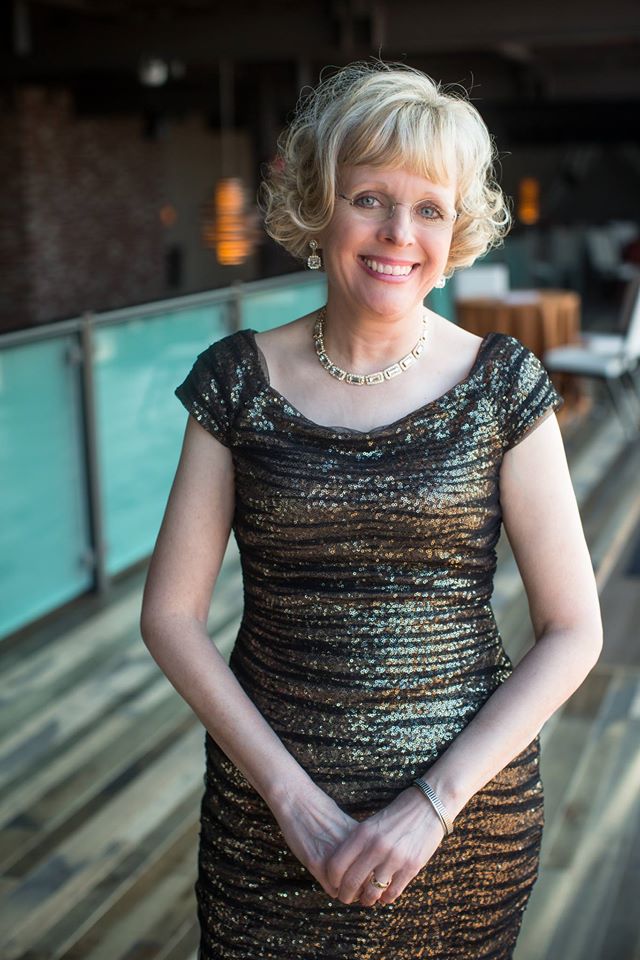
Today we’d like to introduce you to Cathy Hartmann.
Hi Cathy, so excited to have you with us today. What can you tell us about your story?
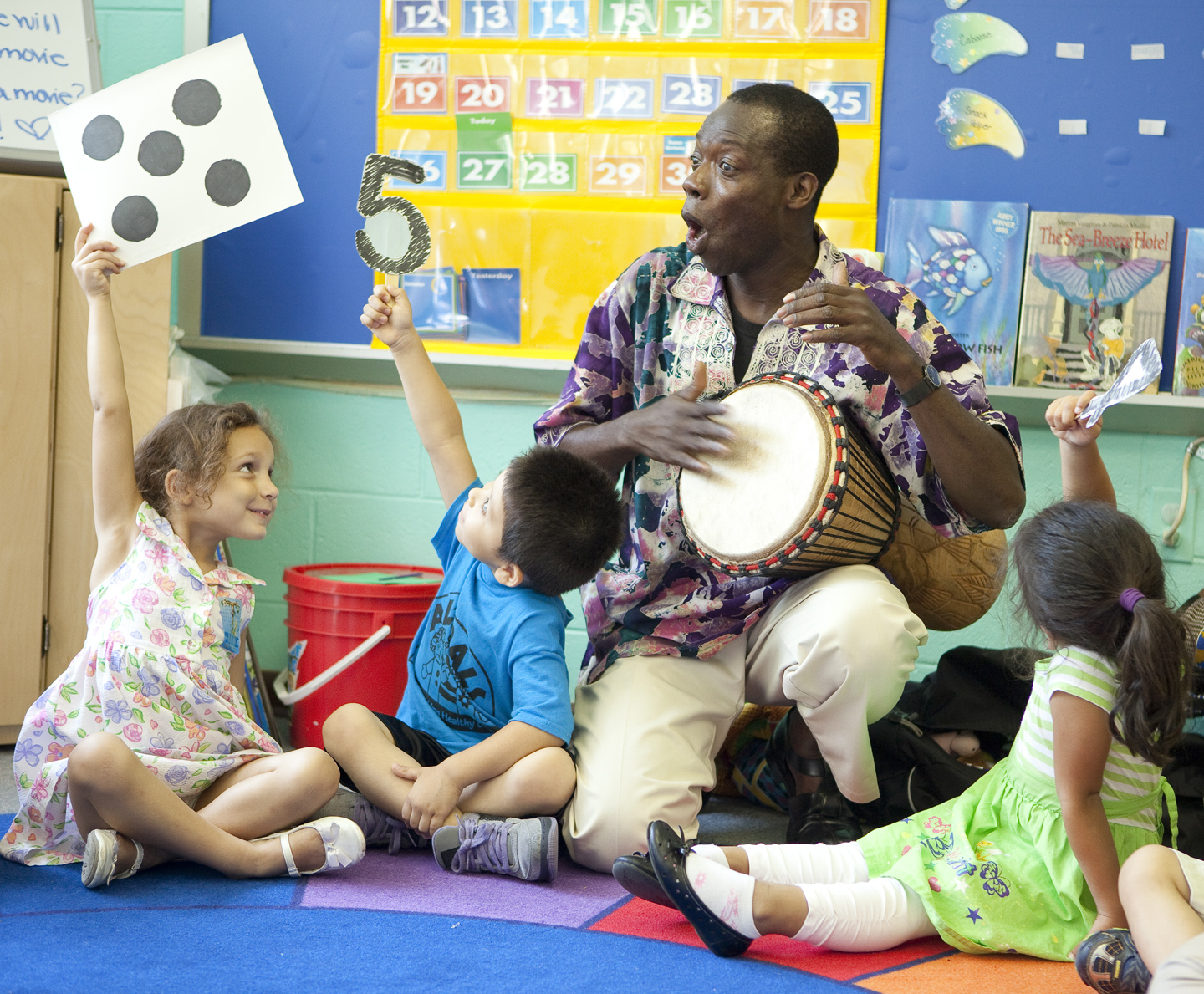
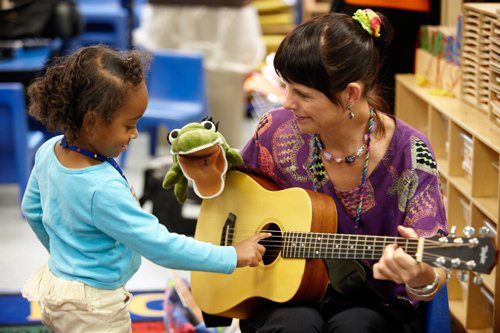
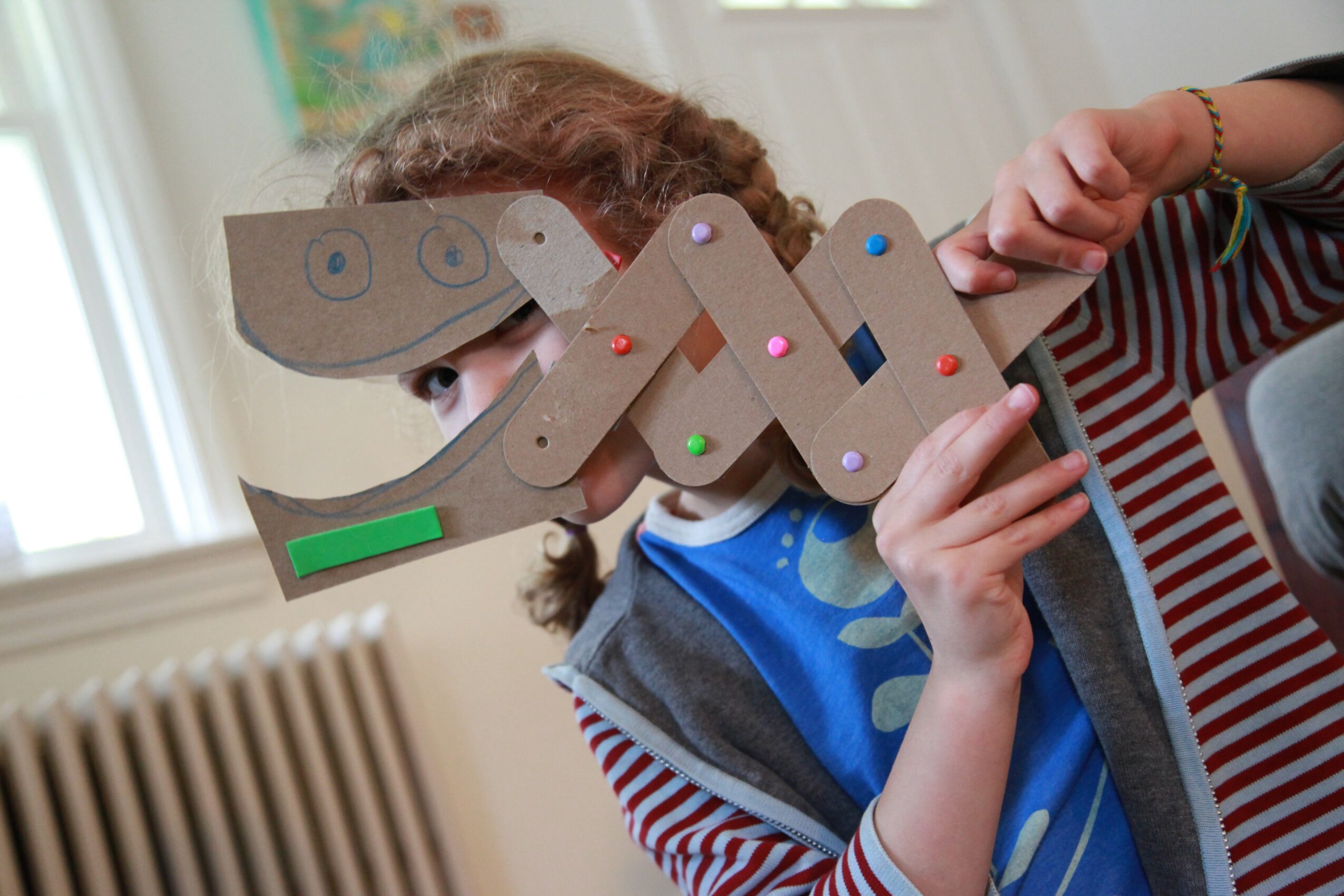
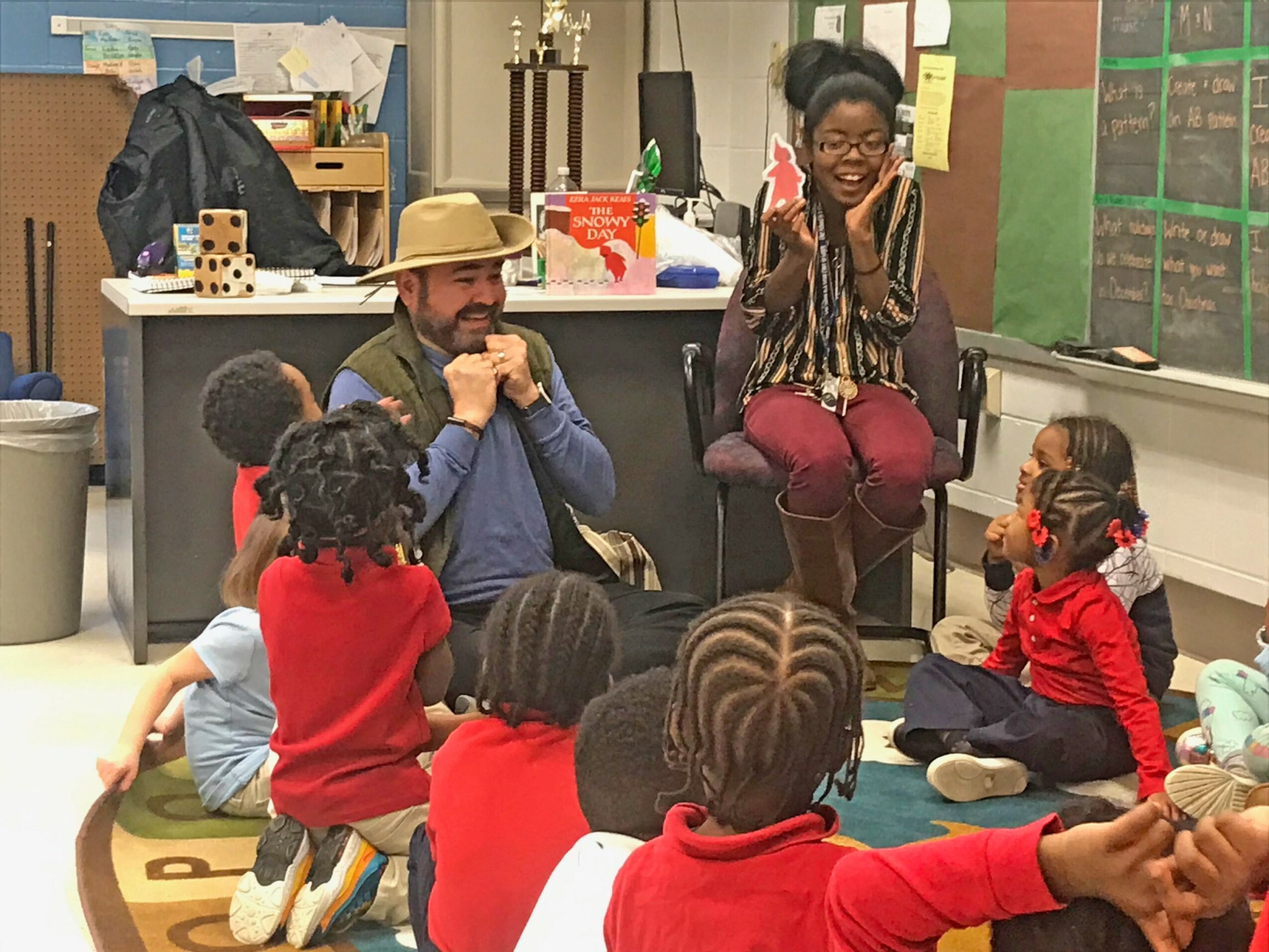
My story began in 6th grade when I was cast as the nosey neighbor, Mrs. Bates, in an all-school play. It was then that I learned that I had a love for the stage. That love led me to engage in the performing arts in High School and during later years as an adult. The interest finally led me to Springboard to Learning in 2013, serving as the organization’s Executive Director. Springboard remains a good fit for my interests as its mission is to develop children’s abilities to think critically, create, collaborate and communicate. The organization accomplishes this mission by placing teaching artists, individuals with expertise in music, dance, performing and visual arts and design thinking, into schools to connect to curriculum and ignite students love of learning. Springboard believes that meaningful, memorable learning experiences transform a child’s worldview. My experience in 6th grade was certainly memorable and life changing as it awakened me to interests, I never knew existed. Springboard envisions a day where all children are passionate, engaged learners. I’m honored to help lead the charge toward that goal.
I’m sure it wasn’t obstacle-free, but would you say the journey has been fairly smooth so far?
Springboard to Learning is charged to raise 100% of the funds necessary to implement the work of the organization. While St. Louis is a very philanthropic community, there are many non-profits competing for funds. For the last five years, Springboard has hosted a Lip Sync Battle, recruiting community leaders to compete as lip sync contestants, raising funds on behalf of the organization through sponsorship, ticket sales and votes. This year I will be taking to the stage on Saturday, October 5 at UMSL’s Lee Theater. In order to win, I must raise more funds than my competitors. Anyone interested in voting, buying tickets or sponsoring the event, can go to www.springboardstl.org/lipsync.
Thanks for sharing that. So, maybe next you can tell us a bit more about your work?
I am the Executive Director of Springboard to Learning. Springboard to Learning was established in St. Louis Public Schools in 1965 by Elise Schweich to help students experience arts and cultures through innovative programs. In 2006, Springboard merged with Young Audiences, an affiliate of the national Young Audiences Arts for Learning. In 2017 Springboard added a second affiliation, becoming the Greater St. Louis affiliate of Wolf Trap Early Learning Through the Arts, and now provides innovative arts-integrated teaching strategies embedded in a fully customized residency to early childhood educators, and young children through the disciplines of drama, music, and dance.
Springboard serves 30,000 – 50,000 students, annually. It holds the distinction of focusing solely on arts-integrated educational programs and serving the under-resourced. During the 2023/2024 school year over 95 percent of clients were under-resourced, qualifying for free or reduced lunch, a primary indicator of childhood poverty.
In terms of your work and the industry, what are some of the changes you are expecting to see over the next five to ten years?
The 2022 Missouri Report on Poverty states, “Children who grow up in poverty often lack food, shelter, healthcare, and education they need to thrive. This can have a profound impact on future economic stability. According to the US Census Bureau’s American Community Survey, 17.4% of Missouri children live in poverty; 19.3% of children under 5 years of age in Missouri are in poverty. US Census data reveals higher poverty rates for Missourians with lower educational attainment.” The 2020 report indicated that Disparities persisted for different races in Missouri with both adults and children. Non-Hispanic White and Asian populations saw a decrease in poverty. However, Black, and Hispanic/ Latino populations saw an increase with black children having a poverty rate of 39.1% and Hispanic/Latinos at 26.8%, both higher than the state average.
Childhood poverty impacts learning, health, and life, positioning a child for failure. Studies show that average scores for math and reading proficiency were 21-27 points lower for students living in poverty and absenteeism and dropout rates are higher. Individuals with lower levels of education experience a decreased life expectancy and are at increased risk for poorer health outcomes.