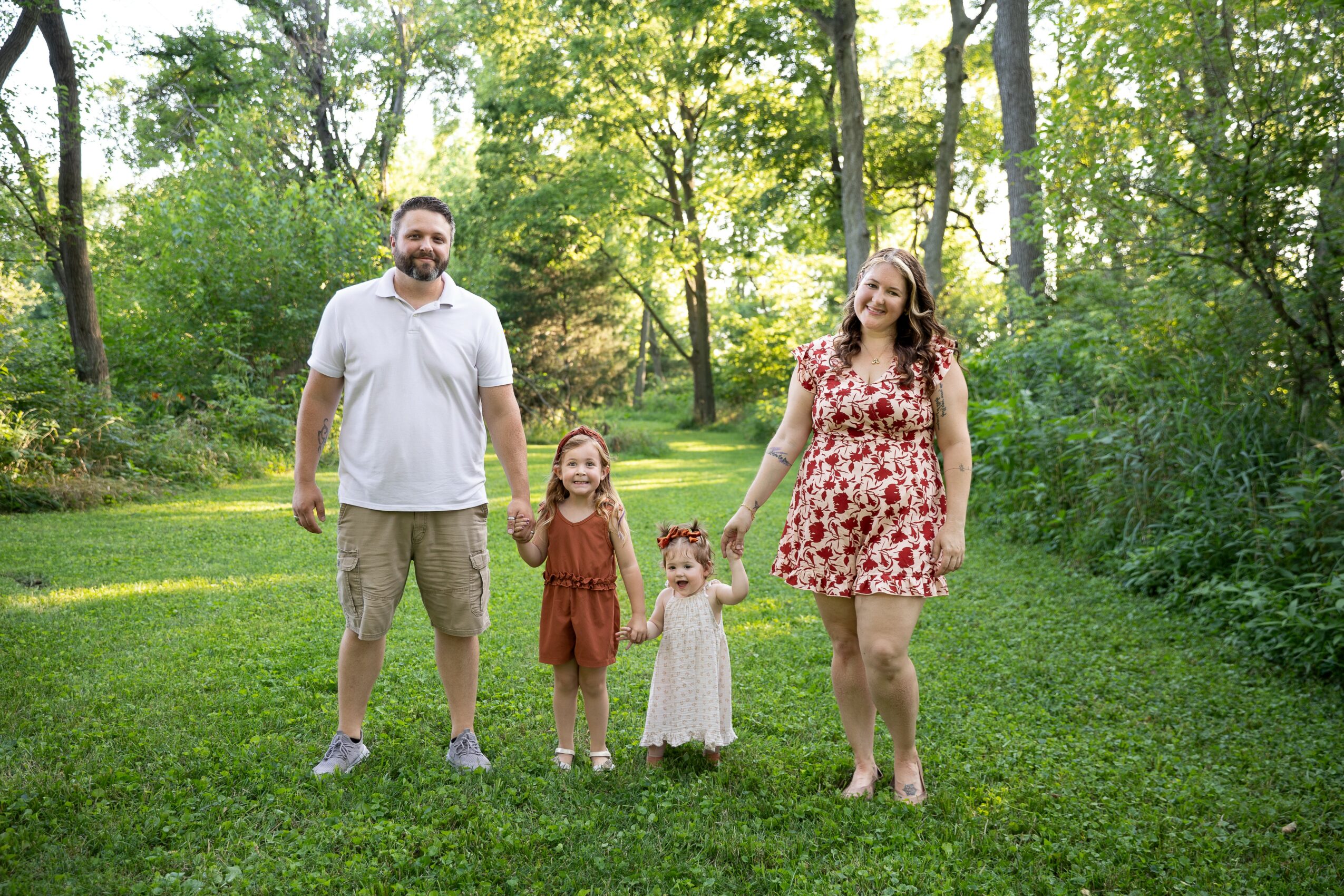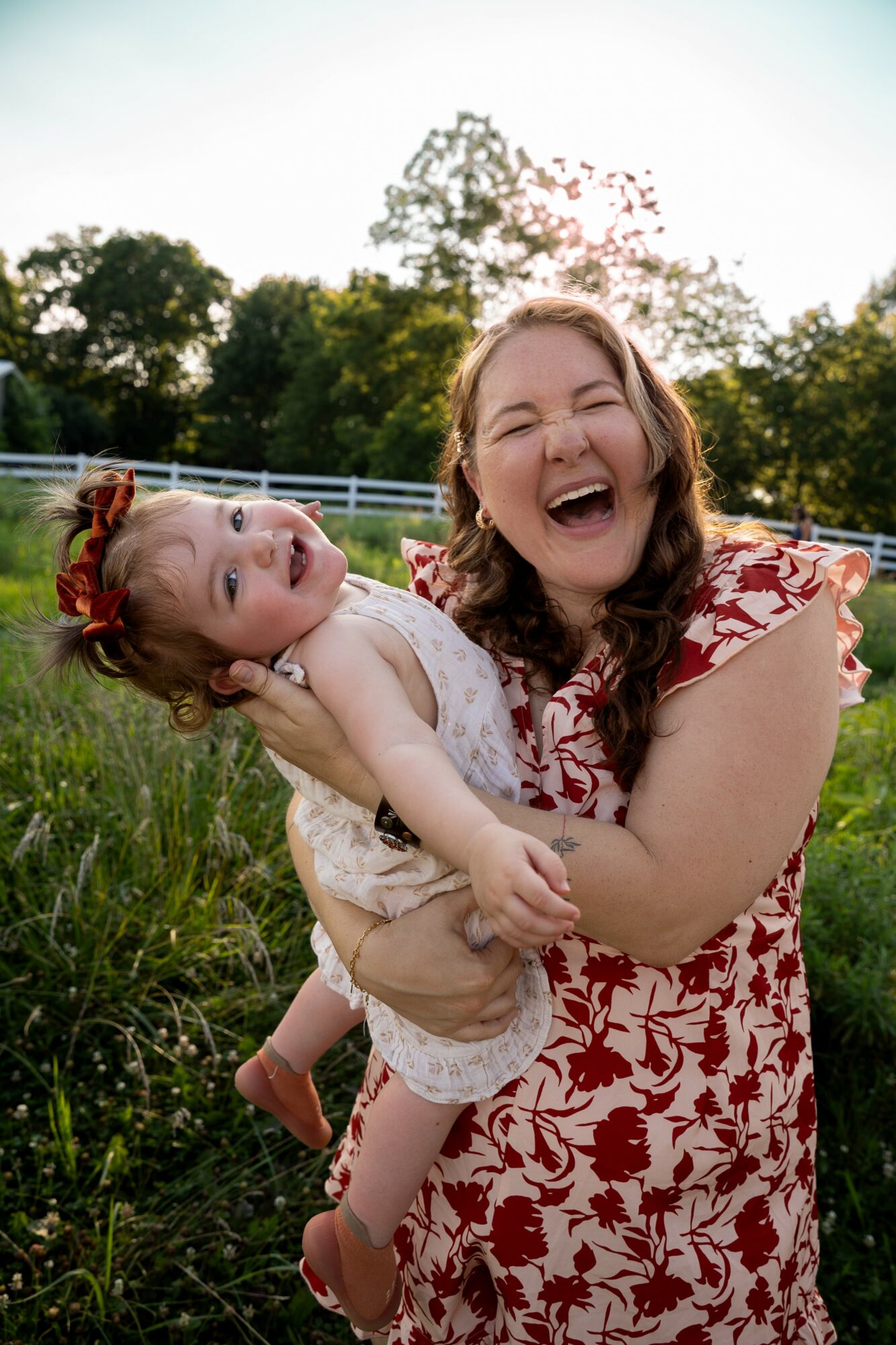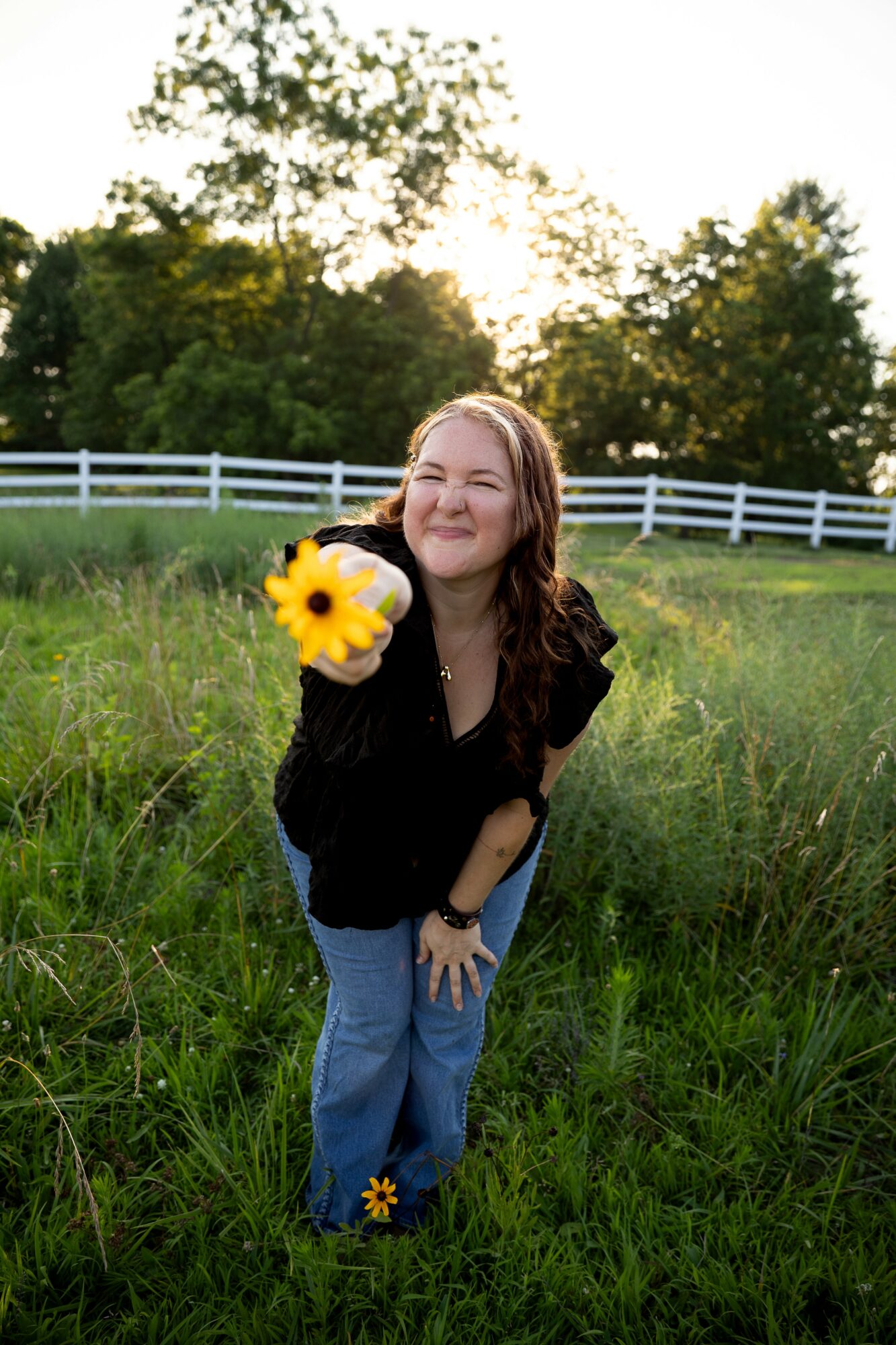
Today we’d like to introduce you to Amanda Wilkinson.
Hi Amanda, we’d love for you to start by introducing yourself.
Like so many others who work in the perinatal field, my passion for supporting moms began with my own experiences of motherhood. We had to rely on IVF in order to get pregnant, and there was virtually no mental health support available through our fertility clinic. I also wasn’t able to identify any providers in the community who offered fertility-informed therapy, so that was the first big gap I experienced.
I finally became pregnant after 3 long years of fertility treatment, and when I gave birth to our first daughter, I experienced a horribly traumatic birth and hemorrhage that resulted in a permanent injury to my pituitary gland. I received poor care in birth and poor follow up care after my hemorrhage, so my physical and mental health postpartum were severely affected. Again, I was not able to find any mental health support specifically to help with birth trauma, and I so I struggled to articulate what I was experiencing the few times I did go to therapy. My traumatic birth made breastfeeding extremely difficult due to the damage to my pituitary gland (which produces the hormone needed to make milk), and I had to navigate a score of other terrible physical postpartum symptoms basically alone due to poor support and follow-up care from my doctor. The lack of specialized mental health resources for postpartum moms left me feeling desperately alone and blaming myself for my emotional and physical challenges. It could have been a game-changer for me if someone had helped me find the right support.
So, when I was pregnant with my second daughter, I stared Weeding the Garden to provide the kind of support that I needed postpartum and wasn’t able to find. While I was working for my mom’s private lactation practice, Momentum Lactation, I ran all of our monthly free peer support groups. We typically expected moms to come with breastfeeding questions, but over time, I was shocked by the number of moms who came and expressed serious mental health challenges related to their birth, breastfeeding, or just the transition into motherhood. I had my own experiences with this, but I wanted to be able to offer them more skilled, evidence-based support. So that’s what prompted me to enroll in the PMH-C certification program through Postpartum Support International on the affiliated professionals track.
When I stopped working for the practice full-time, I knew that I had to find a way to keep providing this critical support to mothers, and so I “put out my own shingle” and started Weeding the Garden: Peer Support & Coaching for Perinatal Mood Disorders. I offer 100% virtual peer support sessions where we can work on anything from symptom identification, resource navigation, screening, teaching coping skills, narrative processing, or referral out to a higher-level provider if needed. I am also developing a collection of in-depth resources that are instantly downloadable so that moms have 24/7 access to targeted, evidence-based support. The areas that I’m most passionate about are birth trauma, infertility trauma, and breastfeeding grief/trauma.
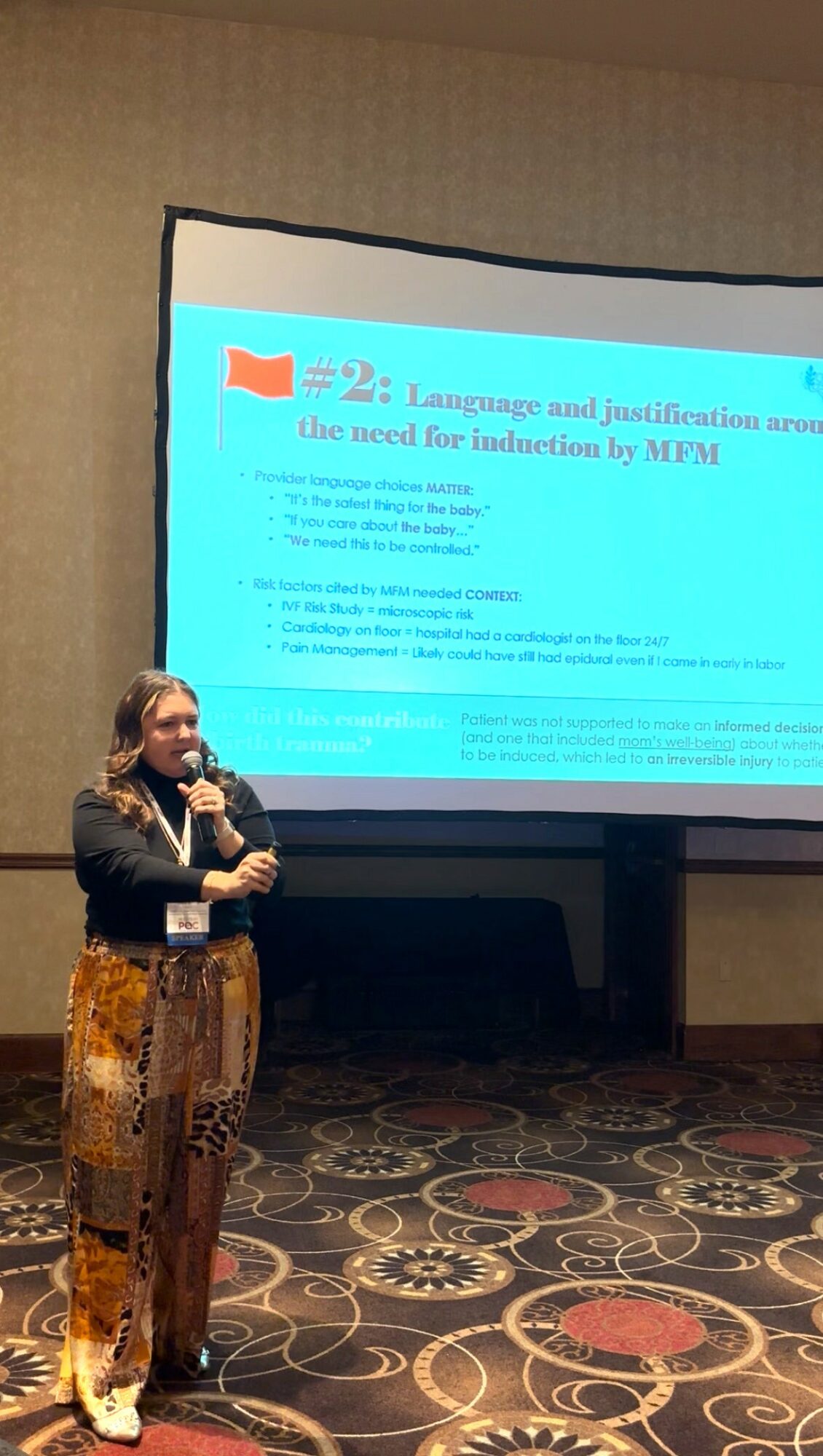
I still work with my mom’s practice often, collaborating on resource identification for her patients, sharing new research/studies that affect the perinatal population, and presenting or speaking at different professional events on the intersections of mental health and breastfeeding.
Would you say it’s been a smooth road, and if not what are some of the biggest challenges you’ve faced along the way?
I think one of the biggest challenges of starting Weeding the Garden is that there really isn’t an existing business model for someone to do “private practice” peer support. Most Peer Support Specialists work within a hospital or clinical program like an intensive inpatient or outpatient mental health program, or something that’s supervised by a clinical-level provider. When I started doing research about the scope of practice for a Peer Support Specialist, there really aren’t clearly-defined parameters like there are for a lactation consultant or therapist. So, I tapped into my robust network of local mental health providers and worked with them to understand the role of peer support within the full spectrum of mental health care.
Then, once I felt confident in my scope and mission, the hardest part was just making the leap and putting myself out there! Since I’m 100% virtual I didn’t have and physical overhead or logistics to deal with, but I still had to find the right platform to host my support sessions, take payments, advertise my services, etc. All the nuts-and-bolts kinds of things. Ultimately, I ended up on Instagram as my primary platform (rather than a conventional website) because that’s where 99% of my clients are looking for help and answers–moms who are suffering with postpartum anxiety, OCD, birth trauma, breastfeeding struggles, and many other perinatal mood disorders are scrolling frantically at 3am trying to find help, and I just have to hope that they find my page and content among all of the other toxic, harmful, and incorrect information out there on social media! Trying to be a voice of evidence-based, skilled care in the sea of online content is definitely one of the biggest challenges when trying to support a population who gets most of their information from the internet. But I have to keep trying to put myself and my practice out there in hopes that the moms who need me can find me.
Thanks for sharing that. So, maybe next you can tell us a bit more about your business?
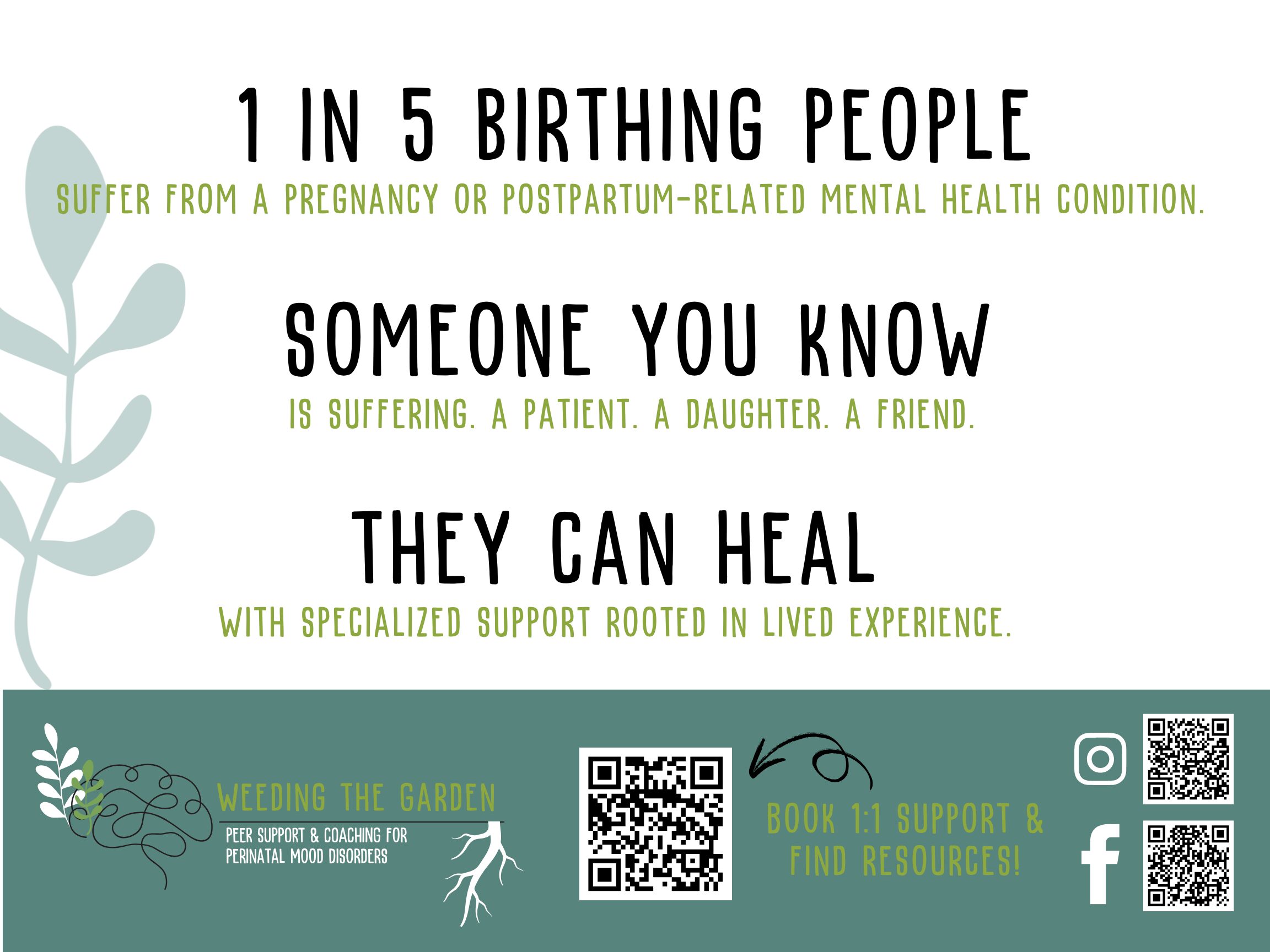
My practice is born out of the fundamental belief that women and birthing people deserve safety, dignity, and compassion throughout their conception, pregnancy, birth, and postpartum experiences. This may not seem like such a novel concept, but when 1/3 of women in the US describe their birth as traumatic–clearly women aren’t getting the care they deserve. And when things go wrong, many are left to navigate the aftermath of their shattered expectations, bodies, and identities, alone.
I am the only standalone, perinatal-specialized, Peer Support Specialist in the STL Metro area that I am aware of! Not only am I certified in perinatal mental health, but I am also a Certified Lactation Specialist. Supporting moms specifically with mental health challenges associated with breastfeeding and pumping is an extremely unique skillset, but addresses a challenge that is becoming more and more prevalent in today’s birthing population (since 84% of women nationally initiate breastfeeding after birth).
My practice has 2 components: I offer 1:1 virtual peer support sessions that people can self-schedule via my platform, and I also offer evidence-based, downloadable resources to educate, guide healing, and promote self-advocacy that moms can get delivered right to their email inbox instantly.
What makes me unique as a provider is truly the essence of what makes peer support special–I have lived experience. When I’m supporting a mom through a failed IVF embryo transfer, she doesn’t have to explain the side effects of the aggressive medications to me. I’ve taken them. I get it. When I’m supporting a mom who didn’t feel like she was listened to during her birth–she doesn’t have to explain how dehumanizing it is to have a provider ignore you. I’ve felt that pain. I get it. Being able to give mothers a safe space to express their struggles without the burden of having to educate me, as the provider, about what they’ve been through can really be such a relief for someone seeking help.
Research shows that peer support is very effective for supporting recovery from behavioral health conditions.
Benefits include: increased sense of control and ability to bring about changes in their lives, increased engagement in self-care and wellness, decreased substance use and depression, reduced hospital admission (and re-admission) rates, and increased community engagement.
All of these things are critical for mothers in the pregnancy and postpartum periods, when they may be more physically, emotionally, and mentally vulnerable. That’s why I’m so passionate about what I do!
Can you tell us more about what you were like growing up?
Oh boy… where do I begin! I was raised by a Army Officer father and a Labor & Delivery Nurse mother, and we traveled extensively during my childhood due to my father’s military job. I loved living overseas and getting to experience new countries, foods, sights, and people. Just picture it–growing up as a little girl obsessed with 90’s Disney and then getting to go visit actual castles from the 1500’s on the weekends! Casual! It was incredible, and I’m so grateful for a childhood that equipped me with an outgoing personality, a taste for adventure, and a deep love and connection with my family.
Growing up, you could find me writing the script and choreographing a home theatrical production, writing story after story, hanging out in out local barn after a riding lesson with my horse, eyeballs-deep in homework (I LOVED school and still constantly pursue learning opportunities), concocting new (and frankly, inedible) recipes in the kitchen, reading a literal pile of books, and just being outside in nature.
In my full-time job, I’m a copywriter for a large humanitarian healthcare organization, so my love of writing and helping others has totally manifested itself in that professional route–but the work I do with Weeding the Garden fuels a deep, almost ancient calling to care for and support women, who are truly the most powerful beings in the world.
Pricing:
- $27 – Birth Trauma Healing Starter Kit PDF
- $50 – Book a MAMA LIFELINE Call with Me
- $100 – Book a LET’S DIG IN Call with Me
Contact Info:
- Website: https://stan.store/weedingthegarden
- Instagram: @weedingthegarden618
- Facebook: https://www.facebook.com/profile.php?id=61556067267046