Today we’d like to introduce you to Erica McBride.
Hi Erica, thanks for joining us today. We’d love for you to start by introducing yourself.
I was born and raised in North City St. Louis, a community that shaped my values, perspective, and commitment to service from an early age. Growing up in an area often defined by what it lacks rather than what it produces, I learned early how resilience, community care, and resourcefulness function as survival tools. I attended Saint Louis Public Schools from kindergarten through 12th grade, where I experienced firsthand both the strengths of public education and the inequities that exist within underfunded systems. Those formative years made me deeply aware of how race, geography, and access intersect to shape opportunity long before adulthood.
After high school, I attended Truman State University, where I earned a Bachelor of Science in Health Science with a concentration in Disability Studies and Pre-Occupational Therapy. During my undergraduate studies, I was selected as a Ronald E. McNair Scholar, an experience that fundamentally shifted how I understood research, knowledge production, and my place within academia. Through the McNair Scholars Program, I was introduced to scholarly inquiry, academic writing, and graduate-level research, and for the first time, I saw research as a tool for advocacy and liberation rather than exclusion. This experience sparked my interest in research and laid the foundation for my pursuit of advanced graduate study.
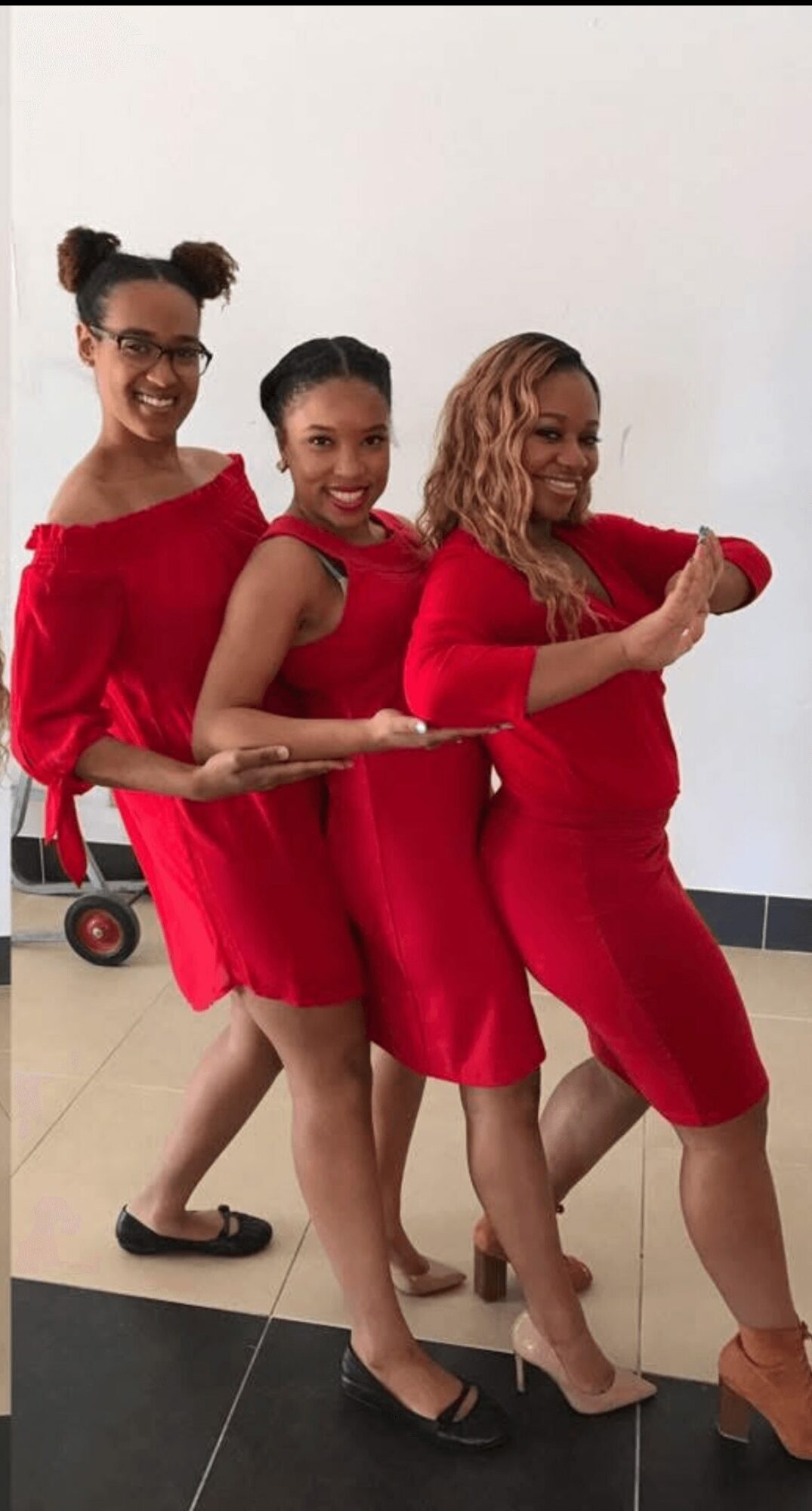
While at Truman, I also became a member of Delta Sigma Theta Sorority, Inc., an organization grounded in public service, scholarship, and the collective uplift of Black communities. My membership deepened my commitment to social action, leadership, and accountability, reinforcing the importance of using one’s education and influence in service of others. The sorority’s legacy of activism and advocacy continues to shape how I approach leadership, community engagement, and institutional responsibility.
My academic focus in Disability Studies reinforced these values, teaching me to interrogate how barriers are socially and institutionally constructed rather than rooted in individual deficit. Pre-occupational therapy coursework further emphasized holistic, person-centered approaches to care—principles that continue to inform how I think about systems, equity, and leadership.
As my career developed, I found myself increasingly drawn to work that bridged direct service, leadership, and systems-level change. I pursued my Master of Social Work, gaining formal training in advocacy, program development, and organizational leadership, along with certifications in nonprofit and talent management. Social work gave me the language and framework to articulate what I had long observed: that meaningful change requires both compassion and structural accountability.
Professionally, I have spent more than a decade working at the intersection of higher education, nonprofit leadership, and community engagement. My work has centered on supporting historically marginalized populations—particularly Black students, staff, and alumni—within predominantly white institutions. I have led initiatives related to student success, alumni engagement, scholarship development, and pipeline programs, often serving as a bridge between institutional priorities and community realities.
These experiences ultimately led me back to academia as a doctoral student in Higher Education Administration. I am currently completing my Ph.D., with research that examines intragroup dynamics between Black professional staff and Black support staff at historically white colleges and universities. Building on the foundation laid through the McNair Scholars Program and my lived experience, my scholarship interrogates how historical trauma, racialized labor hierarchies, and institutional power reproduce division within Black communities in higher education spaces.
Today, my work exists at the intersection of research, practice, and community accountability. Whether mentoring students, leading alumni initiatives, developing scholarships, or producing scholarship-driven research, I remain grounded in the belief that equity requires honesty, courage, and action. My journey—from North City St. Louis to doctoral scholarship and institutional leadership—has never been about assimilating into systems that were not built for me, but about reshaping them so that others do not have to survive them in order to succeed.
Would you say it’s been a smooth road, and if not what are some of the biggest challenges you’ve faced along the way?
No, it has not been a smooth road. While I did not enter higher education as a first-generation scholar, my journey has still been shaped by structural inequities, racialized expectations, and the ongoing challenge of being my true, authentic self in spaces that were not designed with me in mind.
Growing up in North City St. Louis and attending under-resourced public schools meant that I often entered academic and professional environments needing to bridge gaps institutions rarely acknowledge—particularly around access, credibility, and institutional navigation. Within predominantly white institutions, I experienced moments where authenticity felt risky, where professionalism was narrowly defined, and where parts of my identity had to be negotiated in order to be seen as competent or credible.
Balancing academic work, professional responsibilities, and personal obligations required constant adjustment, but one of the most significant struggles was learning that success did not require self-erasure. Pursuing research and leadership rooted in Black experiences and community truth meant pushing against norms that favored comfort over honesty. There were moments of pushback, isolation, and exhaustion, especially when my scholarship and leadership challenged dominant narratives or institutional power.
Over time, I learned that authenticity is not a liability—it is a strength. Reclaiming my voice, setting boundaries, and leading without apology became acts of resistance and survival. Those lessons reshaped how I approach scholarship, leadership, and service.
The road has not been smooth, but it has been intentional. Every challenge reinforced my commitment to showing up fully, naming inequities honestly, and creating spaces where others do not have to choose between success and authenticity.
Appreciate you sharing that. What else should we know about what you do?
I am a senior higher education and nonprofit leader whose work sits at the intersection of equity, institutional strategy, community engagement, and student and alumni success. I specialize in translating values-based commitments—particularly around diversity, equity, and inclusion—into sustainable systems, policies, and measurable outcomes.
My career has been shaped by both practice and scholarship. Professionally, I have led multicultural engagement, alumni relations, and cross-cultural programming at a large research university, supervised and developed staff across multiple functional areas, and built strategic partnerships with community organizations, donors, and institutional leaders. Alongside this work, I have maintained active involvement in crisis intervention, clinical case management, and community-based service, which keeps my leadership grounded in the lived realities of the people institutions are meant to serve.
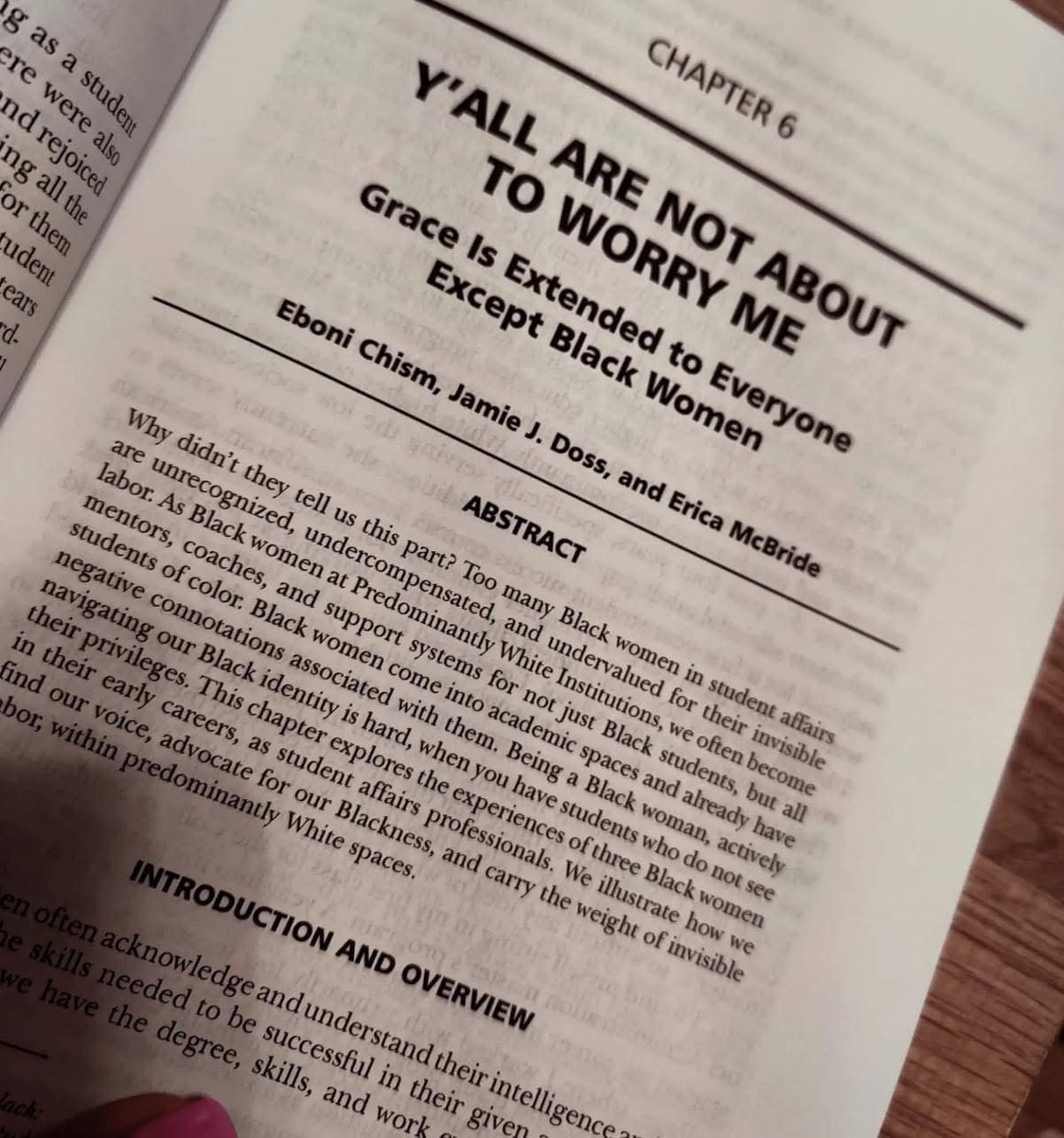
I am particularly known for my ability to bridge silos—between academic and student affairs, campus and community, strategy and implementation. I bring a rare combination of executive leadership, clinical training, and critical race scholarship, allowing me to navigate complex institutional dynamics with both rigor and empathy. My doctoral research examines intragroup dynamics among Black professional and support staff in Historically White Colleges and Universities, which informs how I approach organizational culture, power, and leadership development in real time.
What I am most proud of is my ability to build trust while leading change. Whether stewarding scholarship programs, advancing multicultural alumni engagement, or guiding teams through moments of crisis and transition, I am intentional about creating environments where people feel seen, supported, and accountable to shared goals. I have helped institutions move beyond performative equity toward structural, data-informed change that strengthens organizational culture and long-term impact.
What sets me apart is that I do not lead from theory alone or practice alone—I lead from the intersection of experience, evidence, and purpose. I understand institutions from the inside out, but I also understand the communities they impact. That dual perspective allows me to lead with clarity, courage, and credibility, especially in spaces where equity, power, and accountability intersect.
How do you think about happiness?
What makes me happiest is my son, Jireh-Reign. He is seven months old, and loving him has changed me in ways I didn’t know were possible. His presence brings joy, grounding, and perspective to everything I do. Even on the hardest days, he reminds me what truly matters.
Being his mother has deepened my sense of purpose and softened me at the same time. Watching him grow, learn, and simply exist with curiosity and trust fills me with gratitude. He is a constant reminder to slow down, to be present, and to lead with love—both in my personal life and in how I show up for others.
At the core of it all, loving Jireh-Reign makes me happy because he represents hope, legacy, and unconditional love. He is my greatest joy.
Contact Info: