Today we’d like to introduce you to Tim Dolan.
Hi Tim, it’s an honor to have you on the platform. Thanks for taking the time to share your story with us – to start maybe you can share some of your backstory with our readers?
In the early 1990s, when I began searching for a place for a loved one living with Alzheimer’s disease, I was stunned by the lack of compassionate, home-like care. At the time, dementia was largely viewed as a psychiatric illness, and most options were institutional—locked wards rather than true homes. There was, quite simply, no such thing as memory care. That experience became the catalyst for my lifelong mission to create a better way to care for individuals with memory loss, one grounded in dignity, respect, and a true sense of belonging.
I immersed myself in research on environmental design and emerging dementia-care models across the country, traveling to learn from communities that were reimagining what care for people with dementia could be. I visited a small-home model in Colorado and met with researchers at the Corrine Dolan Alzheimer’s Research Center in Cleveland. These experiences helped refine my vision and reinforced my belief that families deserved something profoundly better.
In 1993, I founded Dolan Memory Care Homes. I wanted small, residential households where individuals with Alzheimer’s and related dementias could live with comfort, safety, purpose, and connection. I never wanted memory care to be an add-on, an afterthought, or part of a larger senior living model—this would be the only care we provide.
Working alongside dementia-design expert Dr. Maggie Calkins, I incorporated evidence-based, state-of-the-art dementia design principles into our model. In 1994, construction was completed on Mason Manor, the first residential care home in Missouri specifically designed for individuals with memory impairment. Conway followed in 2002.
While our first two homes were remodels, I knew that to fully incorporate evidence-based design, we needed to build from the ground up. This led to the development of Schuetz, followed by Villa and Frontier—two sister homes located side by side. In 2014, we completed Les Maisons, a four-home memory care community. Our most recent neighborhood, Waterford Crossing, is a distinctive eight-home memory care community situated on a quiet, sheltered 10-acre site.
Would you say it’s been a smooth road, and if not what are some of the biggest challenges you’ve faced along the way?
We have faced significant challenges, particularly in the early years when public awareness of dementia was limited and stigma around memory care was widespread. That lack of understanding was reflected in Missouri’s licensure categories, which did not align with my home-based, person-centered care model.
For years, we worked to change those regulations in Jefferson City, and in 2006, those efforts culminated in the passage of Senate Bill 616. This landmark legislation repealed outdated classifications and introduced the modern definition of an “assisted living facility,” recognizing a social-model approach to care rather than medical institutionalization. Its passage expanded long-term care options for Missouri families and allowed individuals to age safely in place within their communities.
In 2010, I was appointed by the Governor to serve on the Missouri State Alzheimer’s Task Force, representing long-term care providers statewide. Alongside leaders from healthcare, government, and the Alzheimer’s Association, we examined how the disease affects Missourians and identified ways the state could better support individuals and families living with Alzheimer’s disease.
Thanks – so what else should our readers know about Dolan Memory Care Homes?
For more than 30 years, Dolan Memory Care Homes has specialized exclusively in caring for individuals living with Alzheimer’s disease and related dementias. We’re proud to have supported thousands of residents and families through a model of care that’s intentionally designed to meet people where they are—regardless of cognitive ability.
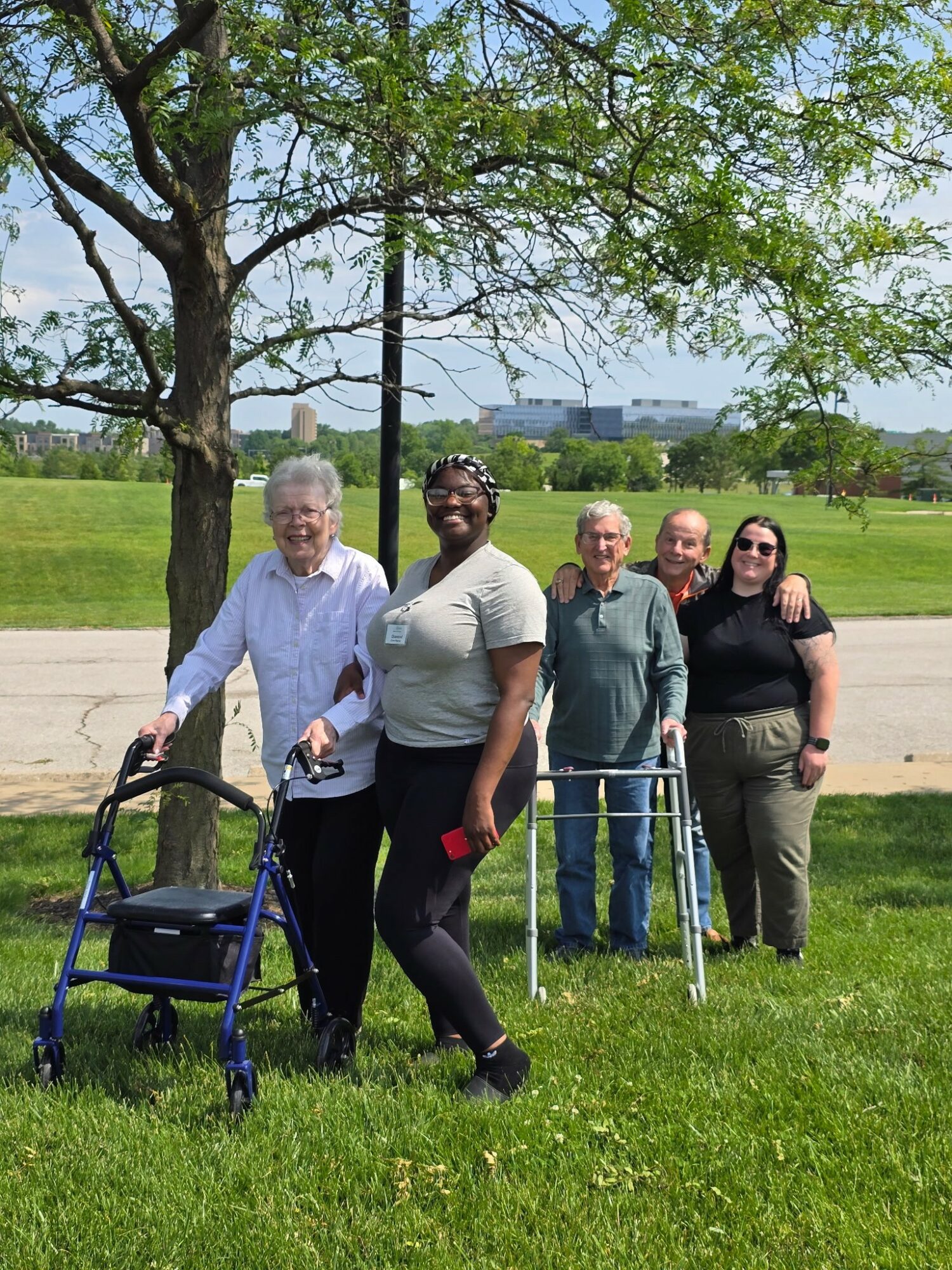
Many individuals come to Dolan after feeling isolated or misunderstood elsewhere. In our homes, because everything is designed specifically for them, residents often become more engaged, more social, and more involved in daily life. Families frequently tell us their loved one has “gotten their spark back,” and honestly, that’s what we’re most proud of.
We’re able to do this because of our 1:4 staff-to-resident ratio and on-site nursing, therapy, and hospice services, which allow residents to age in place without disruptive moves as their needs change.
It’s funny—we somehow manage to fly under the radar for a lot of people in the community. We don’t advertise much and we’re not the cover story in luxury weeklies. But that’s okay. What matters to us is that families trust us with their loved ones and recommend us to other families. Our caregivers truly know each resident as a person—their life story, preferences, and personality—and families never forget that.
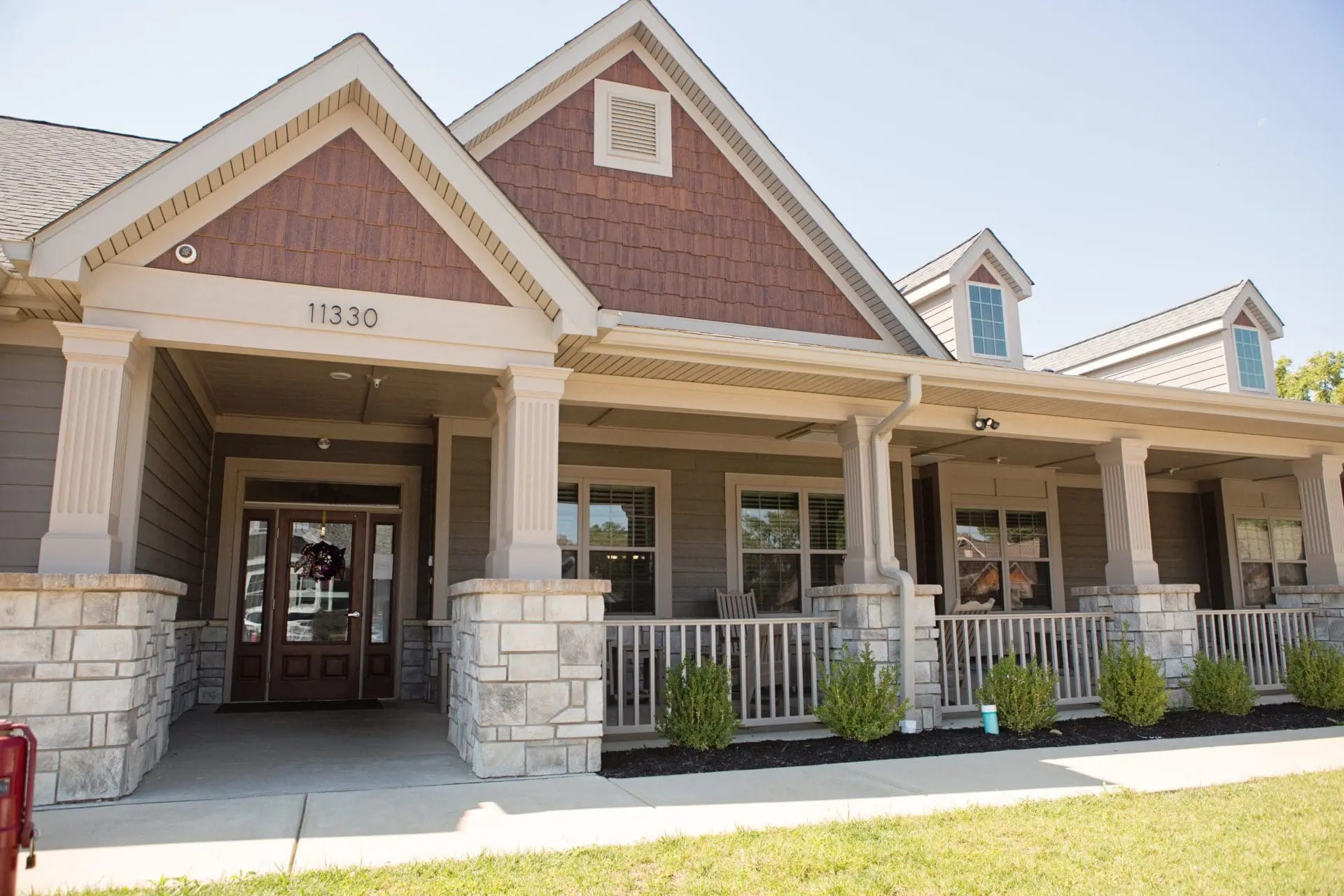
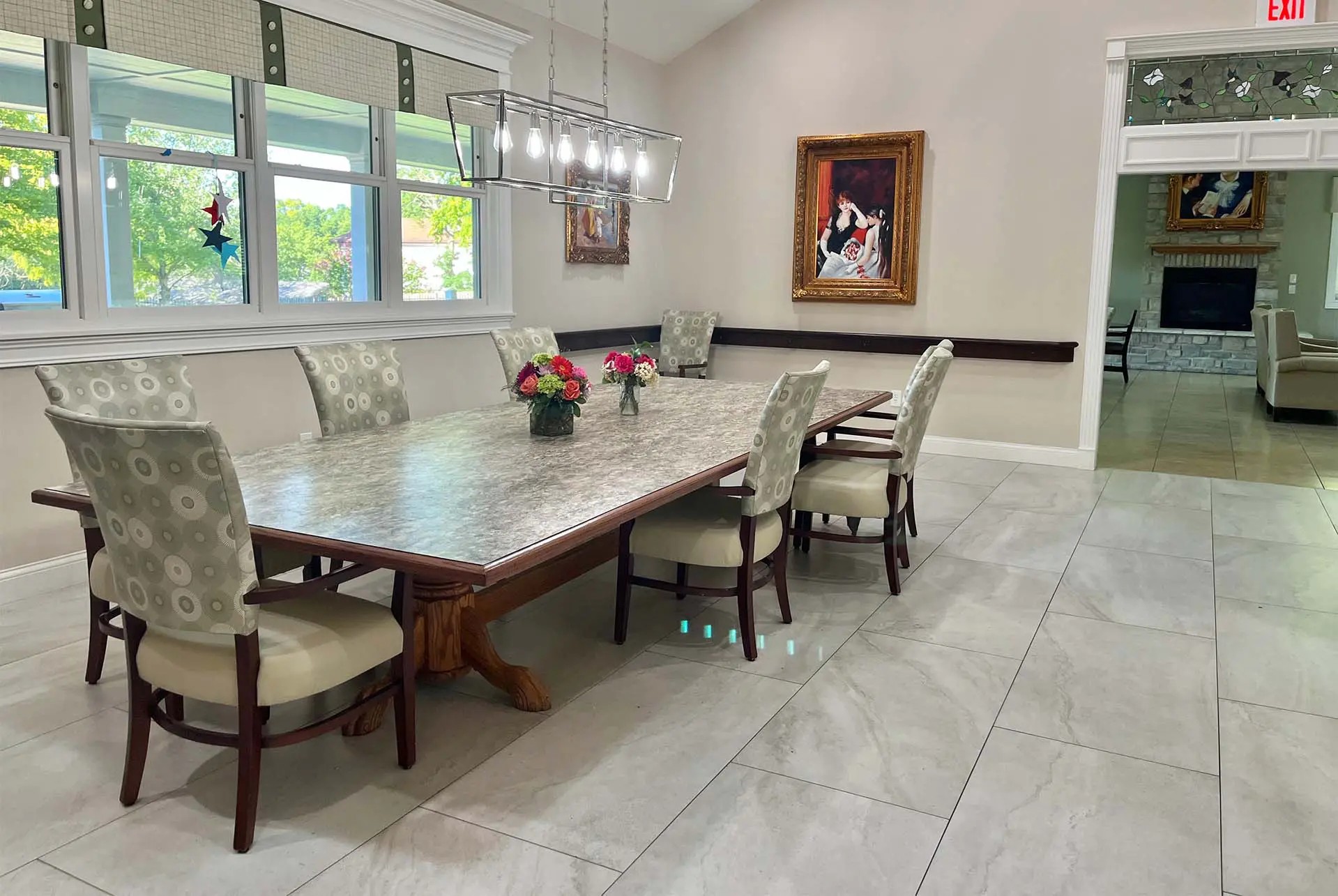
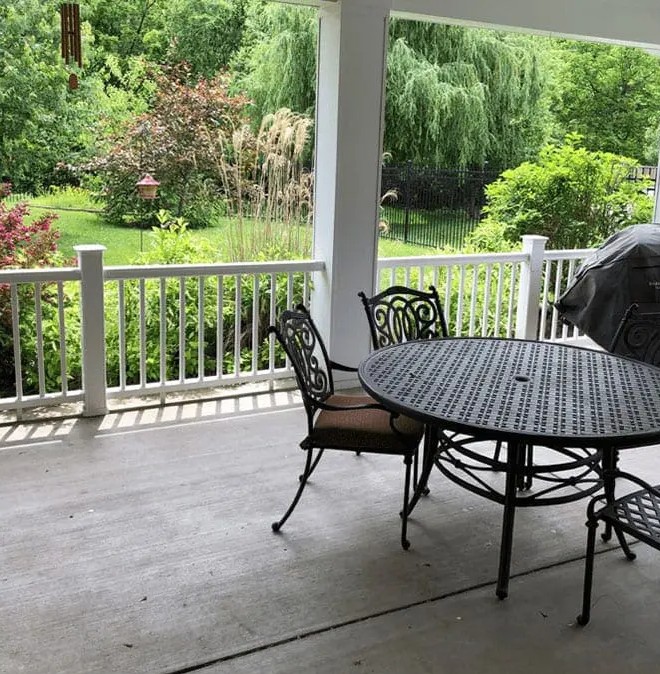
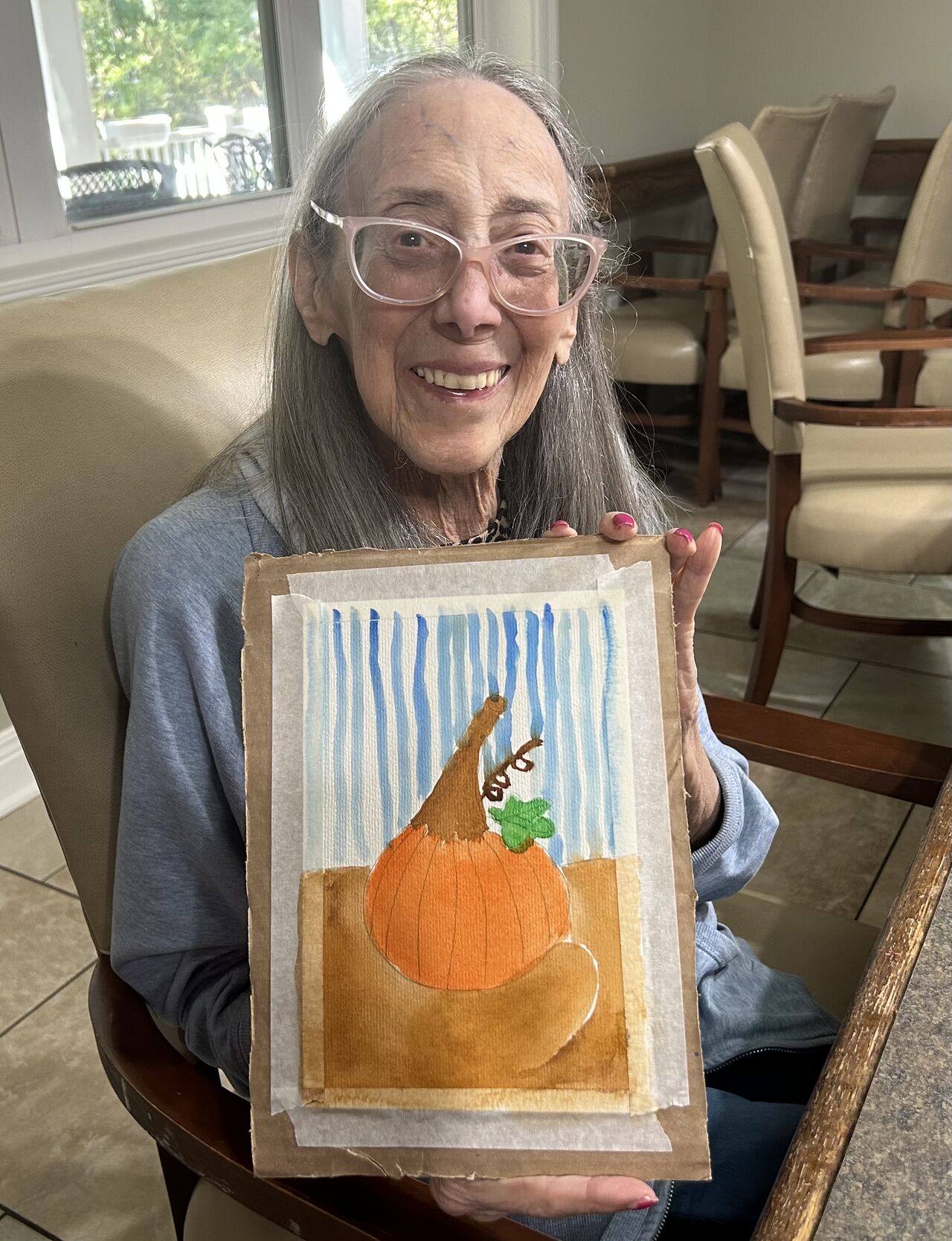
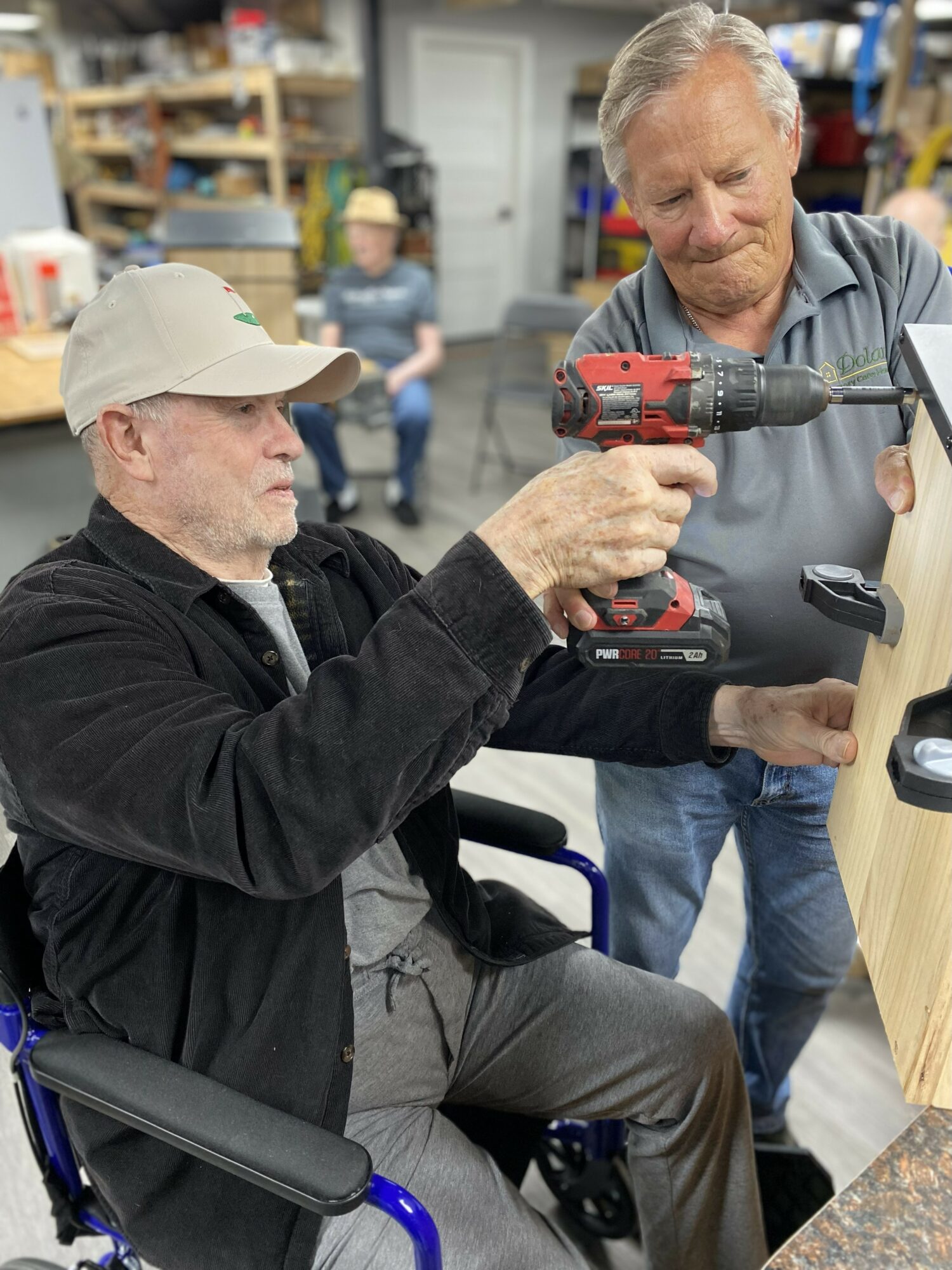
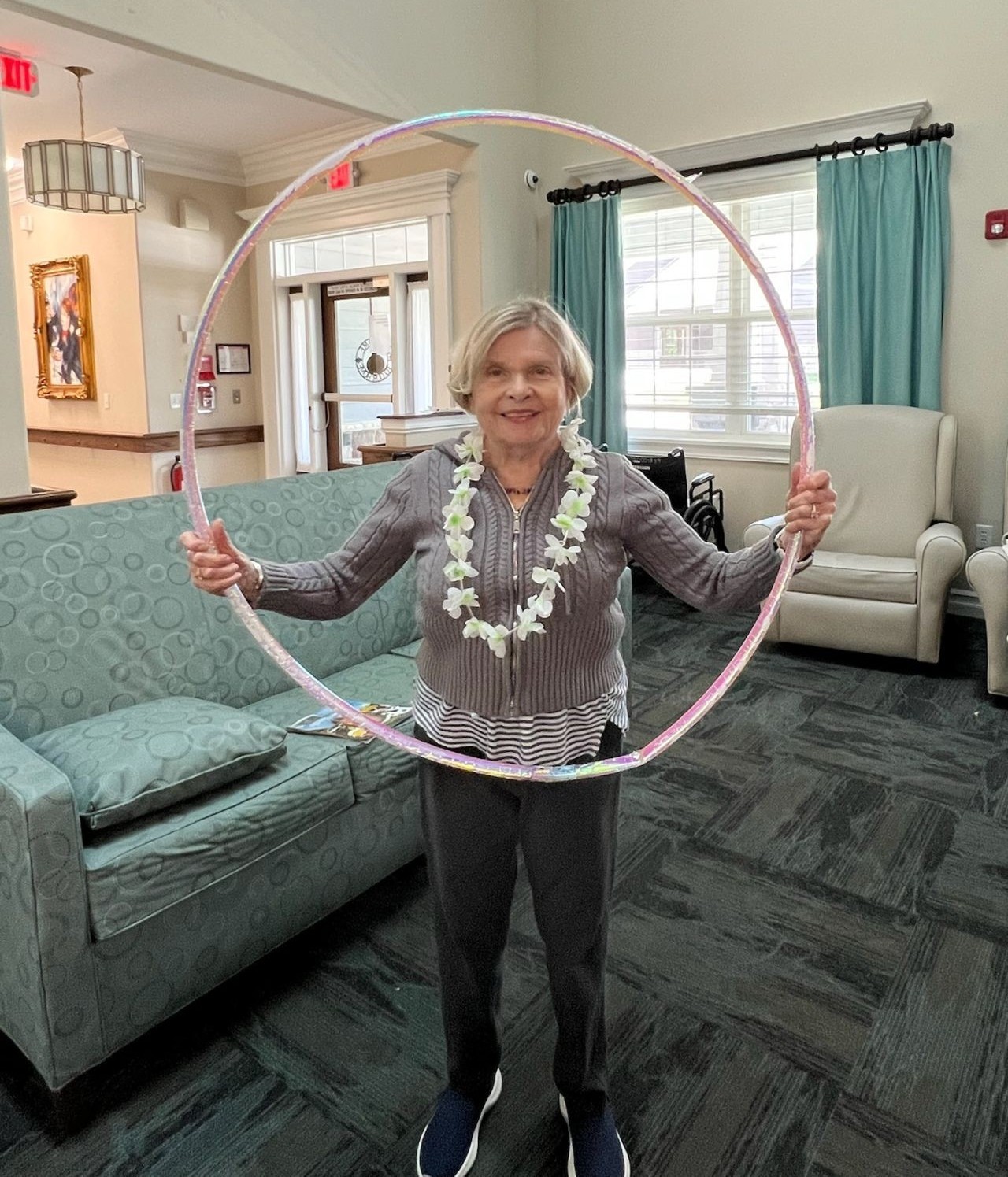
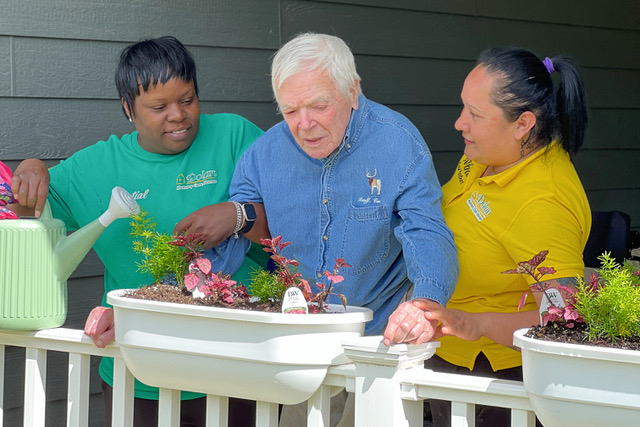
Our small-home model also sets us apart. Each 7,000-square-foot, ranch-style home blends seamlessly into local neighborhoods and includes ten private bedrooms, an open kitchen, dining room, family room with a fireplace, a sunroom, and a secure outdoor courtyard with a walking path. Residents can go outside freely, interact with neighbors, and take part in daily activities like setting the table, gardening, cooking, and exercise. It feels like a real home—because it is.
I always encourage people to come out and visit Dolan Memory Care Homes. You can call my daughter, Allison Dolan -Boschert. She works in our admissions as a Nurse Consultant. More than 35 years ago, I couldn’t find a decent place for my own loved one with dementia. Today, I know we’ve created something truly special here.
We’d love to hear about how you think about risk taking?
When I first saw the unmet need in dementia care and imagined the small-home model, I had no idea what I was getting into. It was a huge risk. In the 1990s, the idea scared local politicians, didn’t fit existing state laws, and even puzzled the bank I tried to get a loan from. Honestly, if I’d known how hard it would be, I might not have started.
What’s funny is that today, with how much more we understand about dementia and small-care communities, none of that sounds risky anymore. That’s the thing about taking risks—when you’re right, it all seems so obvious in hindsight.
Pricing:
- Please call us about pricing details.
- All residents pay the same price, regardless of care level.
- We accept private pay and long-term care insurance. We do not accept Medicaid.
- No surprise charges.
Contact Info:
- Website: https://dolancare.com/
- Instagram: https://www.instagram.com/dolancare/
- Facebook: https://www.facebook.com/DolanCare1994
- LinkedIn: https://www.linkedin.com/company/dolanmemorycarehomes/