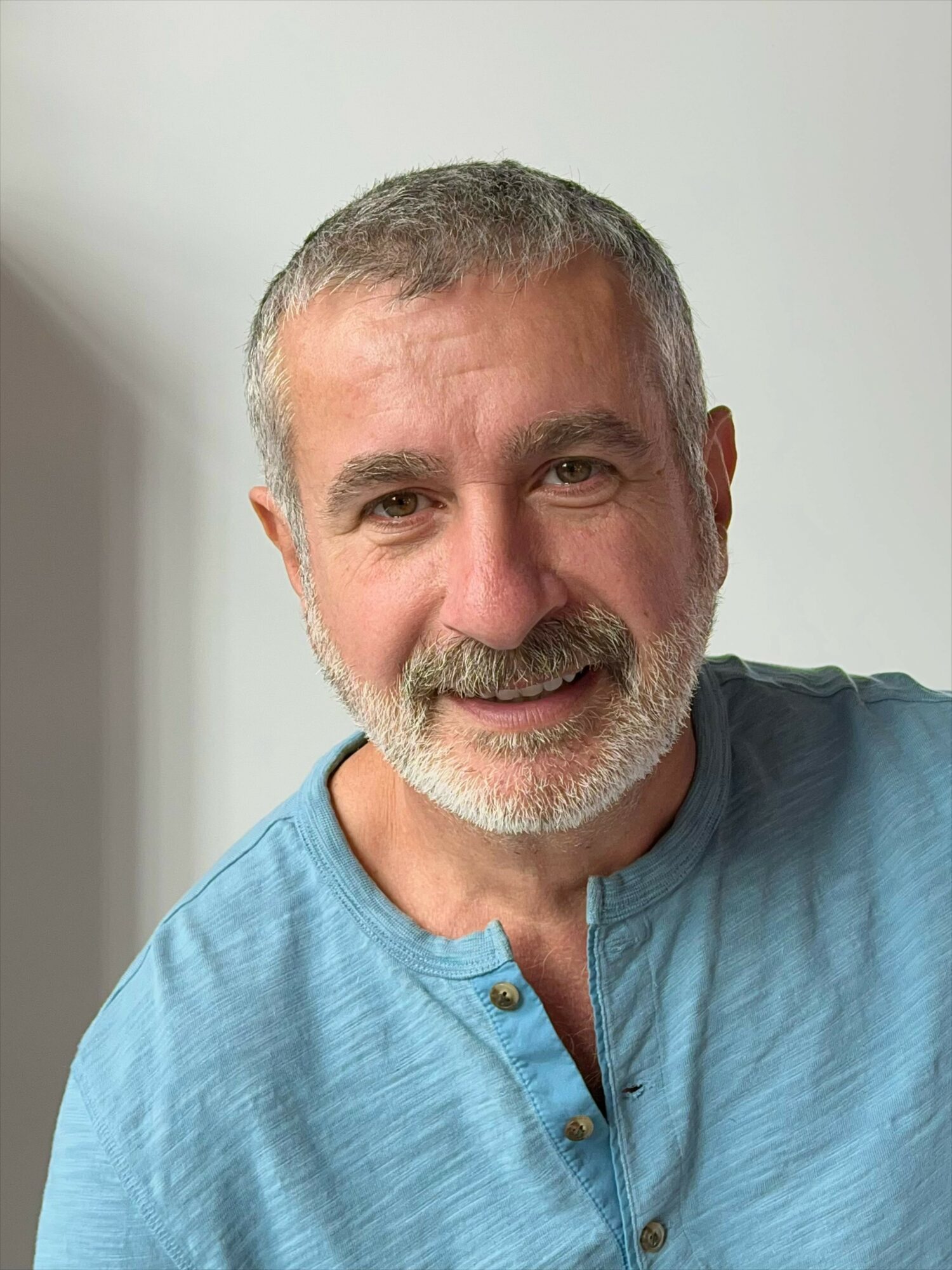
Today we’d like to introduce you to Nabil Mousa.
Hi Nabil, thanks for sharing your story with us. To start, maybe you can tell our readers some of your backstory.
I began my journey as an artist later in life, after walking away from a successful career in real estate development. While that career provided financial stability, it never gave me the sense of purpose I was searching for. Art had always been my true calling, and once I finally allowed myself to fully step into it, everything shifted. What I gained wasn’t just creative fulfillment—it was clarity about how I wanted to live and what I wanted to build.
In 2020, at the height of the COVID pandemic, my husband and I moved to St. Louis with a very clear intention: to create an art community that was accessible, supportive, and rooted in connection. When we arrived, I was surprised to find that many of the buildings I hoped to pursue were already under contract and that commercial prices had risen quickly. It became clear that if I wanted to make something truly affordable for artists, I couldn’t approach it like a traditional development project. The space had to work financially, yes—but more importantly, it had to work for artists.
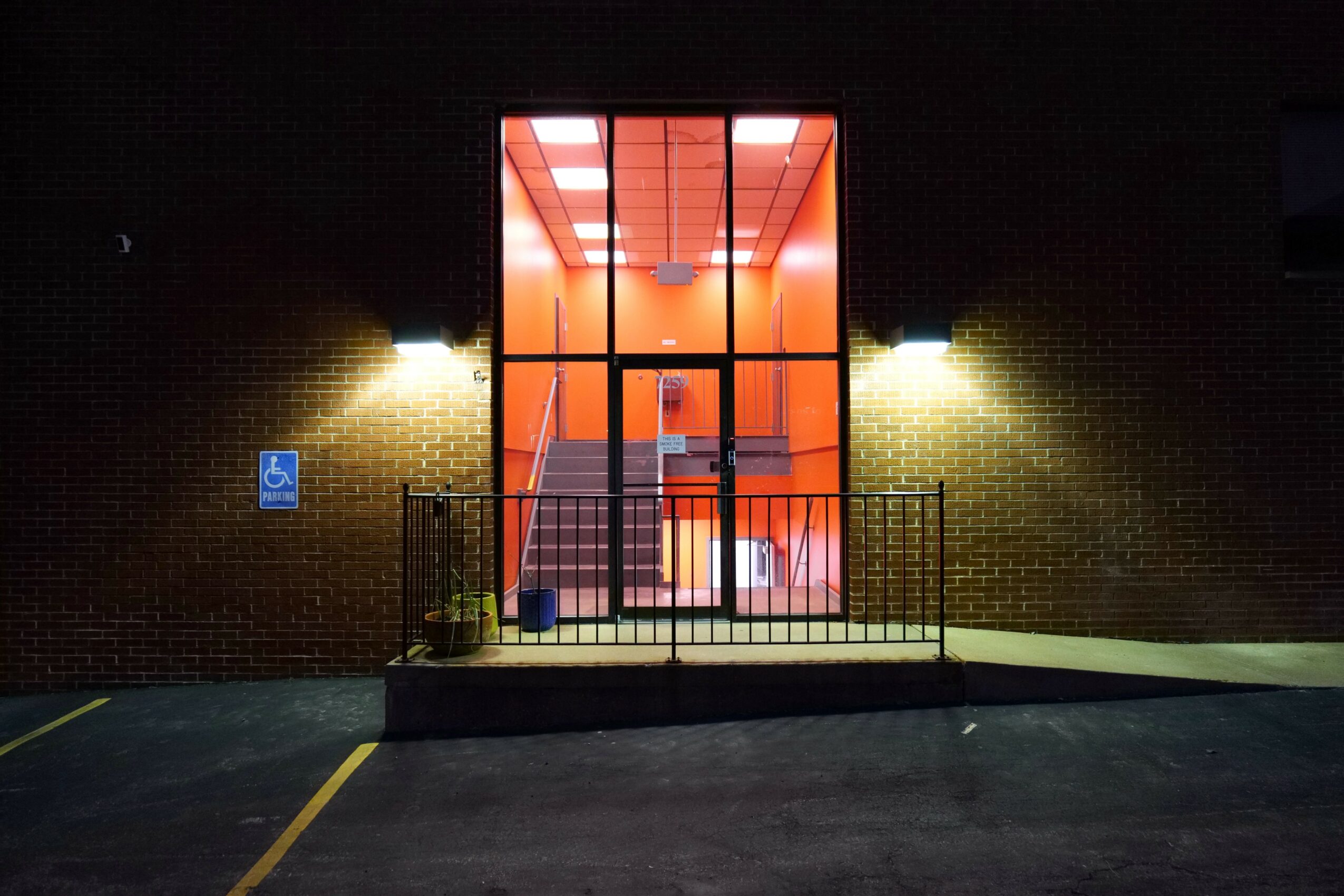
I spent months searching within the city limits, but when those options were exhausted, my search expanded. One building kept resurfacing in my research—the former home of Nurses for Newborns at 7259 Lansdowne Avenue in Shrewsbury. I resisted it at first because I wasn’t familiar with the area, but after seeing it come up again and again, I finally went to see it. The moment I walked inside, I knew the building was waiting for me. I made an offer within two days, trusting my instinct.
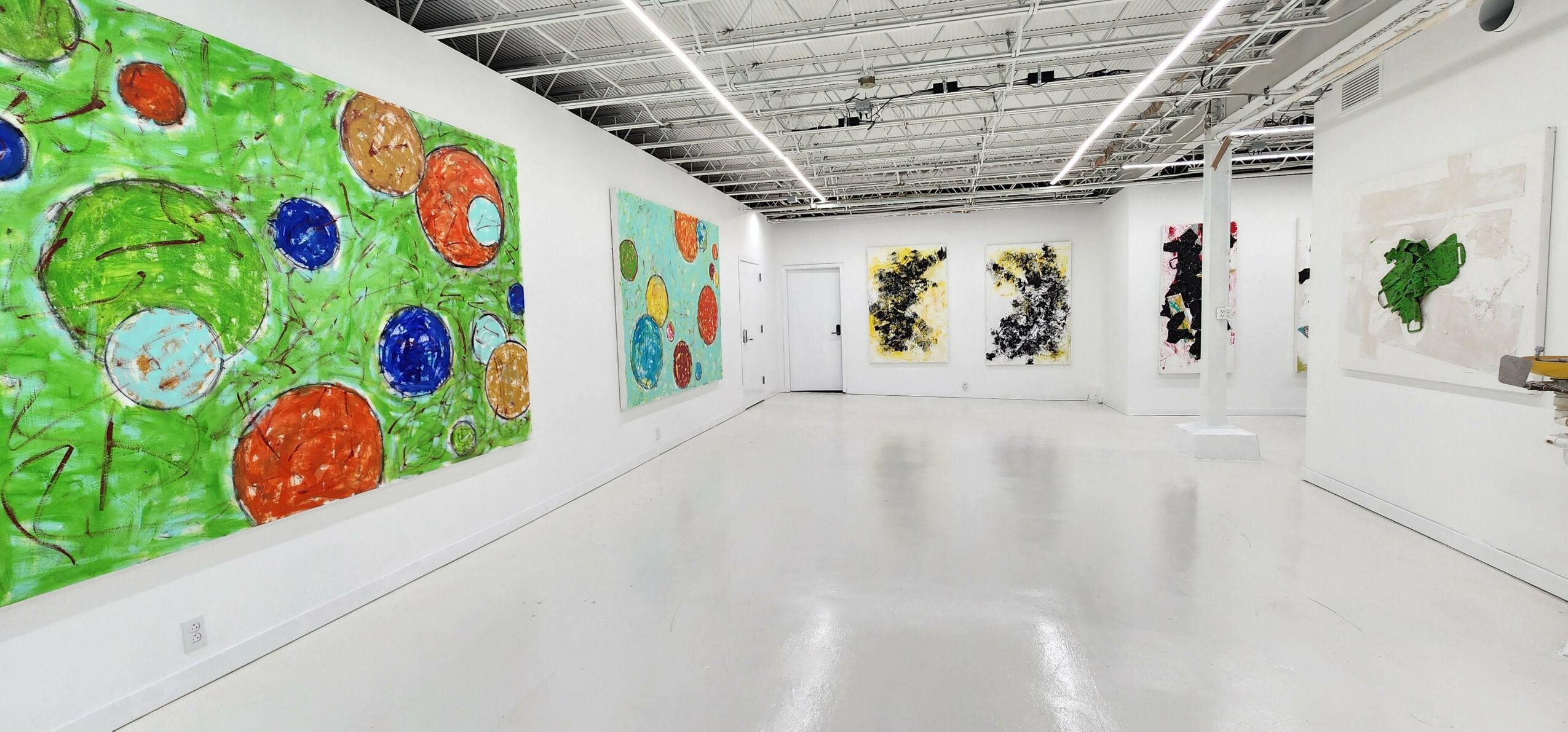
That building became the foundation for Mousa Art Initiative (MAI)—an artist-driven space created to ensure that creatives could afford to work, grow, and be seen. Today, MAI offers 37 affordable artist studios starting at $300, intentionally designed to remove financial barriers and foster a supportive, collaborative environment. Over time, MAI evolved into a full ecosystem that includes Gallery 874, a contemporary exhibition space, and Urban Wellness Studios, which help sustain the arts center while expanding its impact.
We’ve recently completed a major phase of development, and MAI is now entering an exciting period of growth. We are preparing for two major, dynamic art exhibitions opening on February 14 and 15, marking a significant moment for Gallery 874 and the broader MAI community. These upcoming shows reflect the momentum we’ve been building and signal what’s ahead—greater visibility, deeper engagement, and expanded opportunities for artists.
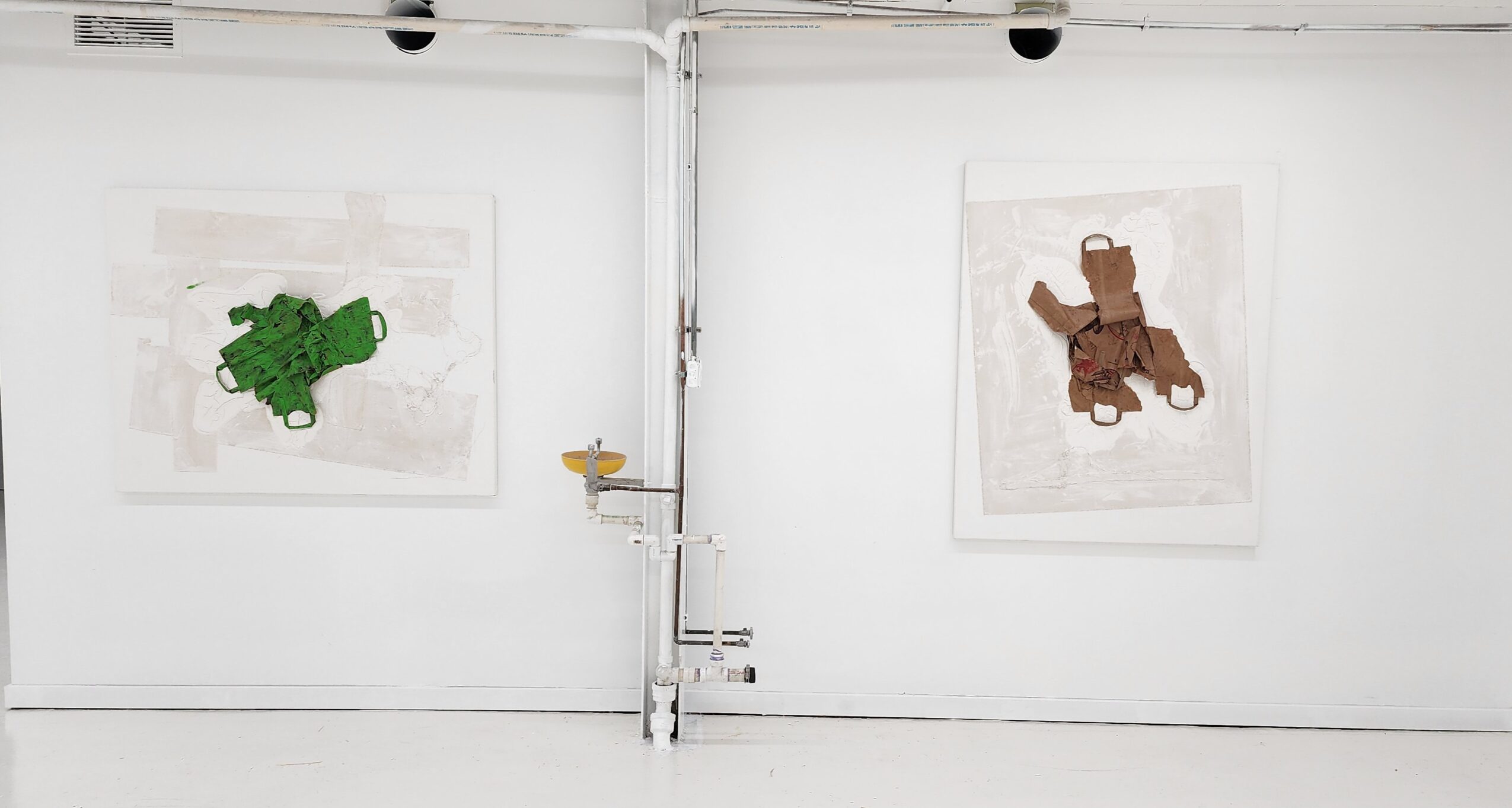
Gallery 874 exists to give artists a professional, accessible platform to exhibit their work without institutional gatekeeping. Whether an artist is hosting their first solo show, building their portfolio, or organizing a collective exhibition, the gallery provides a space where their voice can be seen and taken seriously. It is an artist-run contemporary art gallery dedicated to creative freedom, professional presentation, and meaningful public engagement.
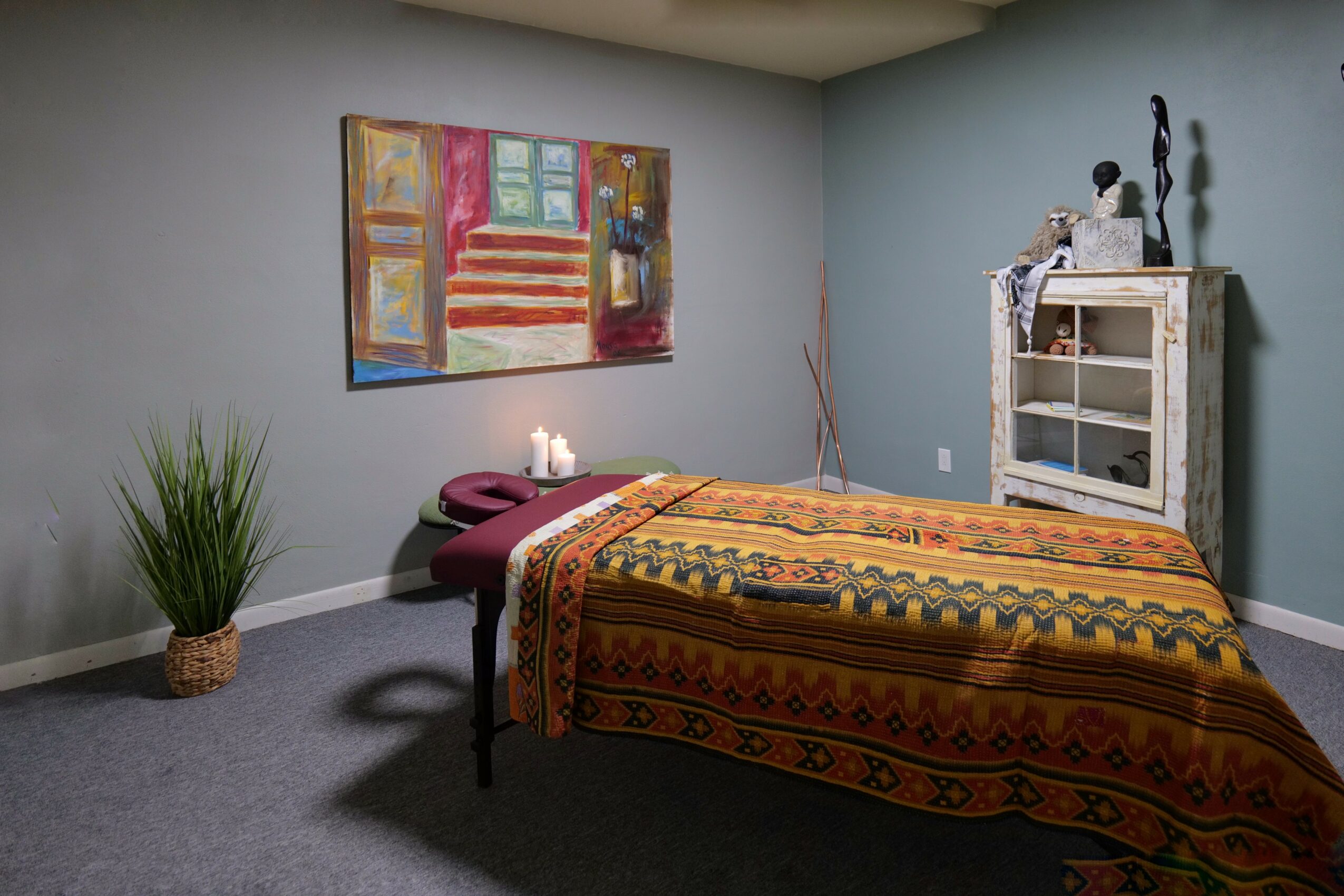
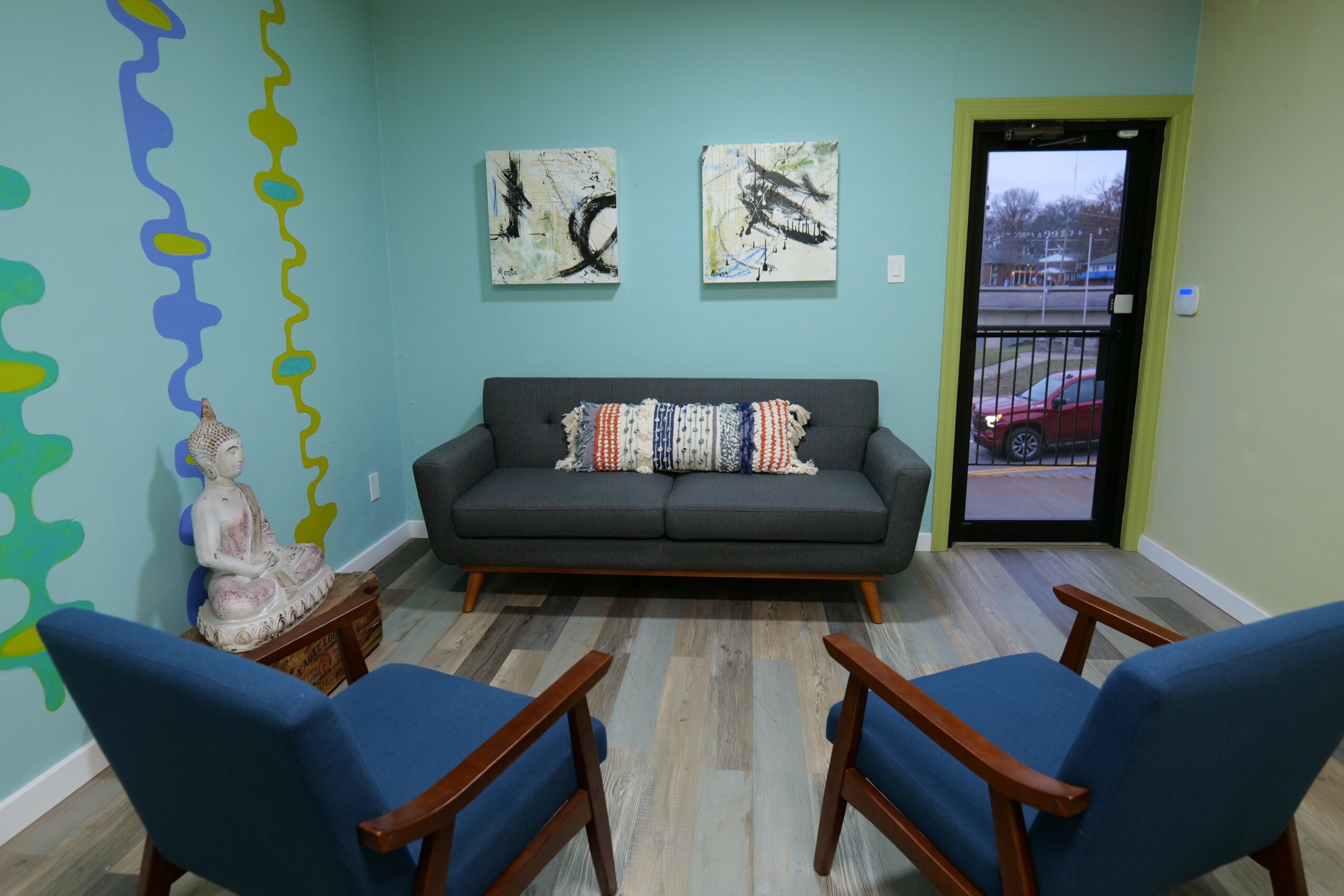
Urban Wellness Studios grew naturally out of this ecosystem. These spaces are rented to wellness professionals—including massage therapists, yoga and Pilates instructors, life coaches, nutritionists, mental health counselors, holistic healers, energy workers, and personal trainers—whose work aligns with care, balance, and community well-being. What makes this model unique is that every wellness practitioner renting space directly helps support MAI’s mission, allowing us to keep studio rents affordable for artists and sustain the creative community long-term.
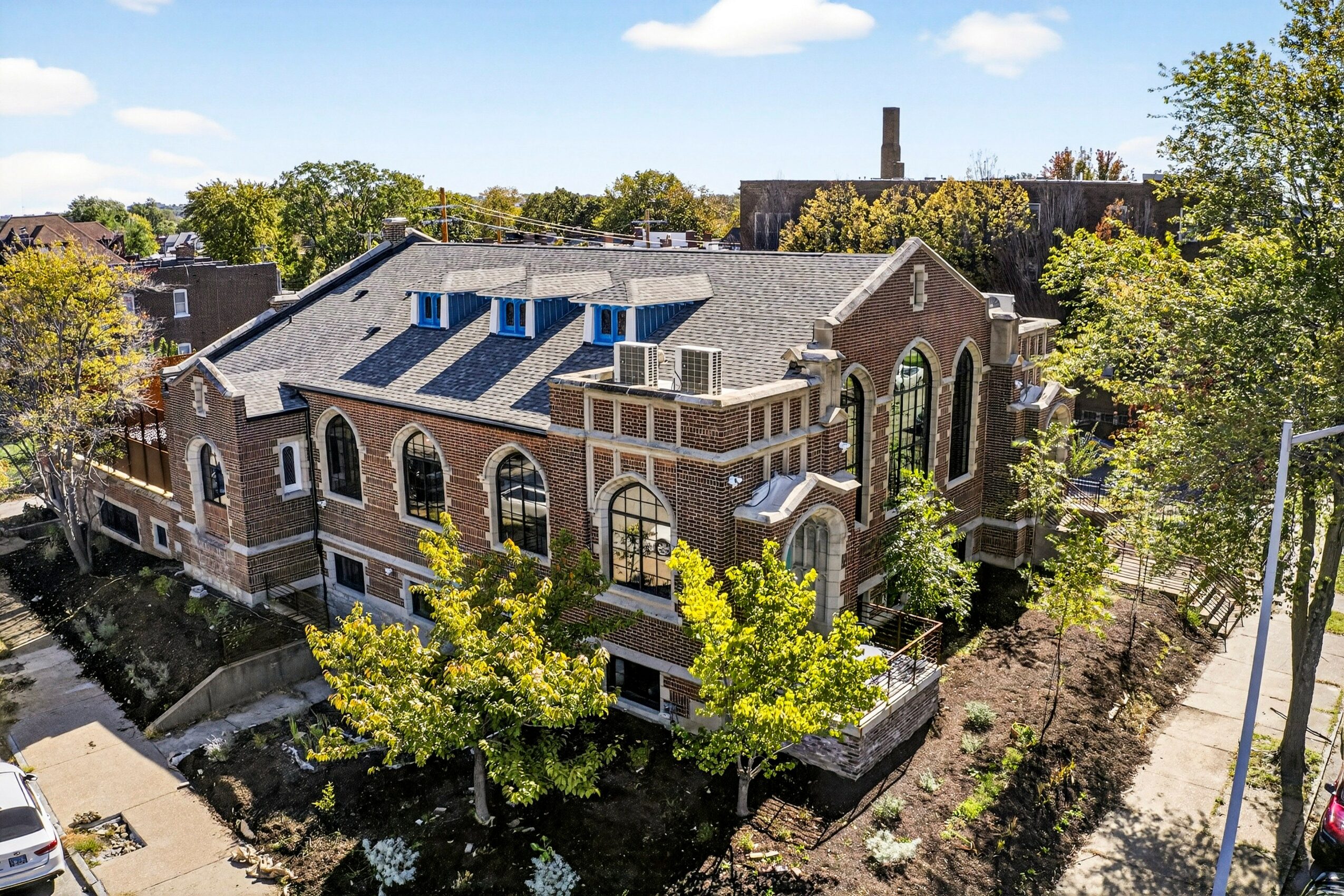
Parallel to building MAI, I was also pursuing another long-held dream: living in and restoring a church. I had made an offer on a church early on but ultimately lost the bid to a higher offer, which was deeply disappointing at the time. Not long after, I found another church in the Grove, located one block from Forest Park, that felt immediately right—both as a place to live and as an extension of the creative life we were building.
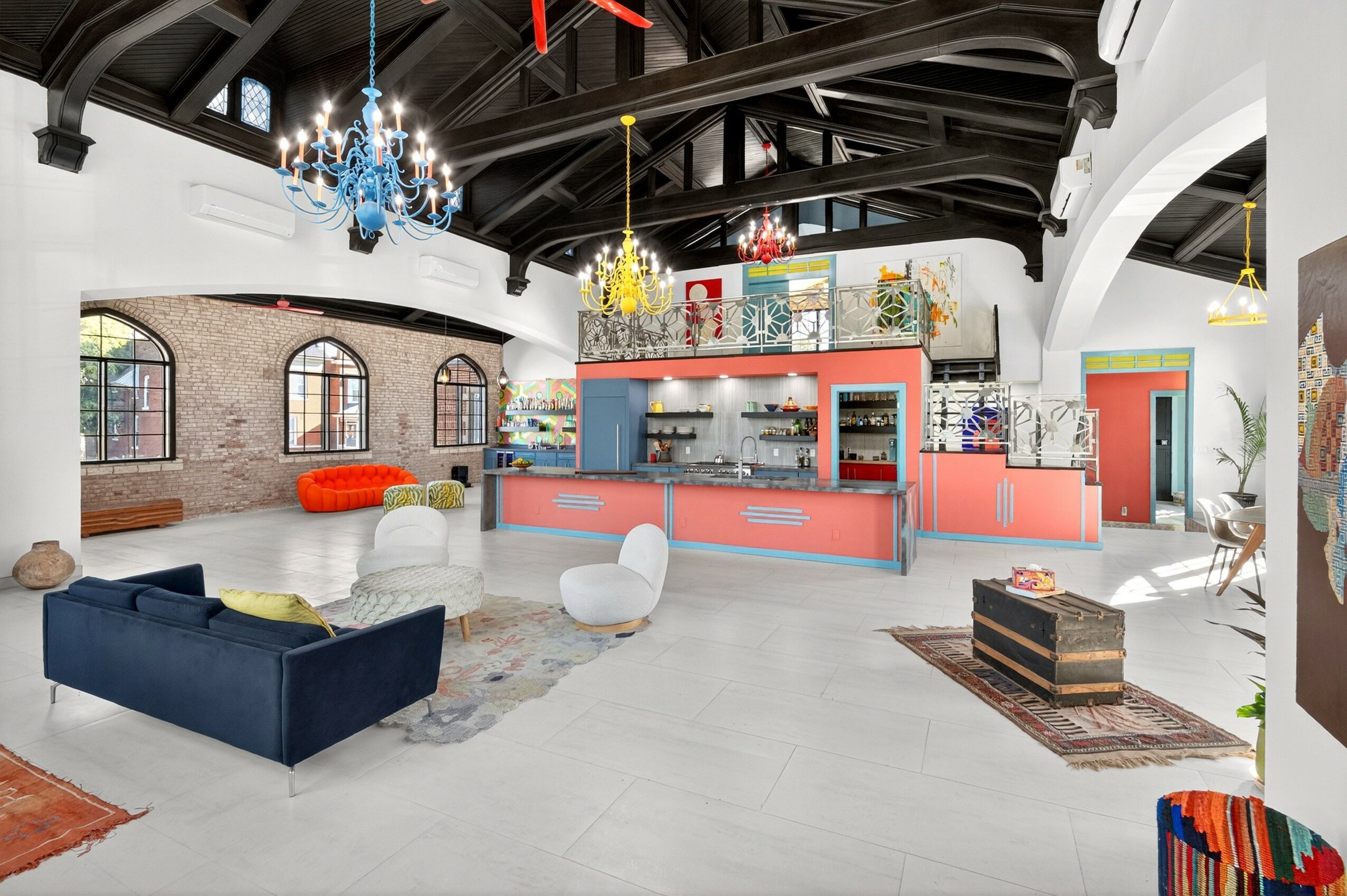
The first time I walked into the sanctuary, I was overwhelmed. The ceilings soared nearly 25 feet high, the woodwork was breathtaking, and despite a massive hole in the roof, water pouring inside, rotted floors, and a structure that needed to be gutted from the roof to the basement, I could immediately see what it could become. Many people saw a building destined for demolition. I saw potential.
I spent three years renovating the church, transforming it into a modern, contemporary mid-century home that is unlike anything else in St. Louis—or Missouri. Every inch of the space demanded creativity, vision, and endurance. Even architects who walk into the building stop in their tracks. They look up, down, and around in silence before finally saying, “We’ve never seen anything like this.” After years of work on a building that was nearly lost, that reaction still feels deeply meaningful.
Together, these spaces—Mousa Art Initiative, Gallery 874, Urban Wellness Studios, and the restored church—reflect the same belief: that art, creativity, and well-being are essential, not optional. They build confidence, restore connection, and remind people—especially during difficult times—that yes, you can create something meaningful, and yes, community still matters.
Would you say it’s been a smooth road, and if not what are some of the biggest challenges you’ve faced along the way?
It definitely hasn’t been a smooth road. Leaving a stable career to become a full-time artist and humanitarian came with uncertainty, financial risk, and a lot of skepticism. Building the Mousa Art Initiative (MAI) has required constantly balancing creativity with sustainability—keeping spaces affordable for artists while maintaining a building, programming exhibitions, and staying deeply engaged with the community.
At the same time, I’m often working on multiple projects at once, which can be challenging to balance. There are moments when I feel stretched thin, but those challenges come from a deep commitment to building something meaningful and lasting. One of my biggest concerns has always been making sure artists from underserved communities don’t fall through the cracks. So many talented artists lack access to studios, exhibition opportunities, or professional guidance, and creating a system that truly supports them—without becoming exclusive or inaccessible—takes ongoing effort.
Mousa Art Initiative and Gallery 874 are still somewhat of a hidden gem, and one of my goals is to change that. It’s important to me that more artists in St. Louis know these spaces exist and are able to benefit from what we offer. Despite the challenges, that mission is what keeps me moving forward.
Thanks for sharing that. So, maybe next you can tell us a bit more about your work?
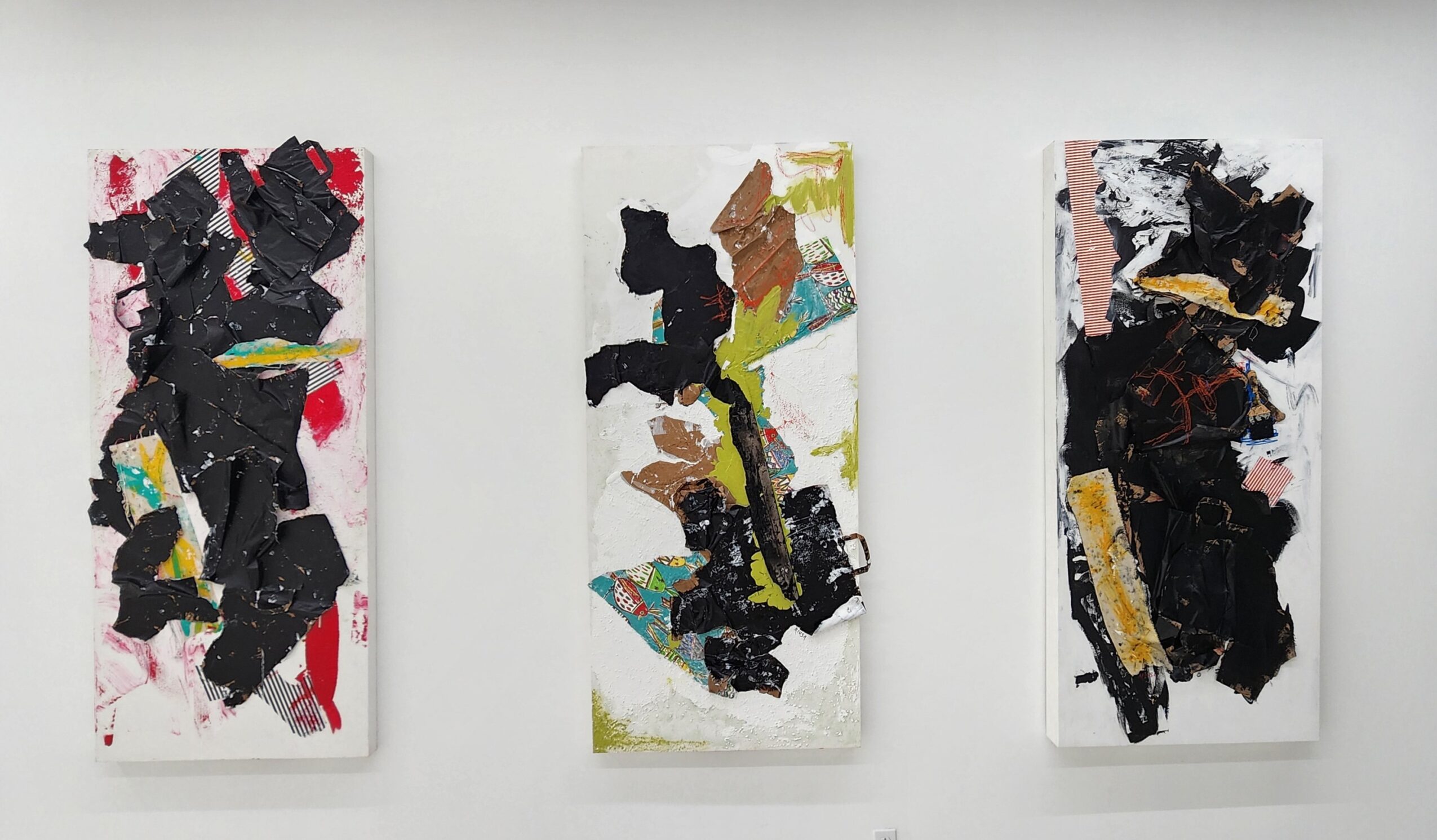
I identify first and foremost as an artist and creator. My work emerges from lived experience and is rooted in themes of identity, displacement, vulnerability, resilience, and healing. Across painting, sculpture, installation, and participatory projects, I explore what it means to exist at the intersections of culture, faith, sexuality, and politics. My practice is driven by a desire to create spaces—both physical and emotional—where reflection, dialogue, and collective understanding can take place.
My work has received national and international recognition. In 2018, my work was featured on the front cover of The New York Times Sunday Art Section, and has also been covered by Art in America. That same period marked a pivotal moment in my career with my first solo museum exhibition, American Landscapes, at the Arab American National Museum. My work and artistic journey are also documented in the published book Nabil Mousa: Breaking the Chains, which further traces the conceptual and lived experiences that inform my practice.
A defining aspect of my practice has been my commitment to engaging the public directly. In past projects such as Judgement Day 9/11, I invited people from diverse nationalities, ethnicities, and faiths to participate in large-scale murals and dialogue-based works. While that project has concluded, it remains central to my approach—art, for me, is not meant to be passive. I believe deeply in the power of collective participation and shared authorship as a way to foster empathy and human connection.
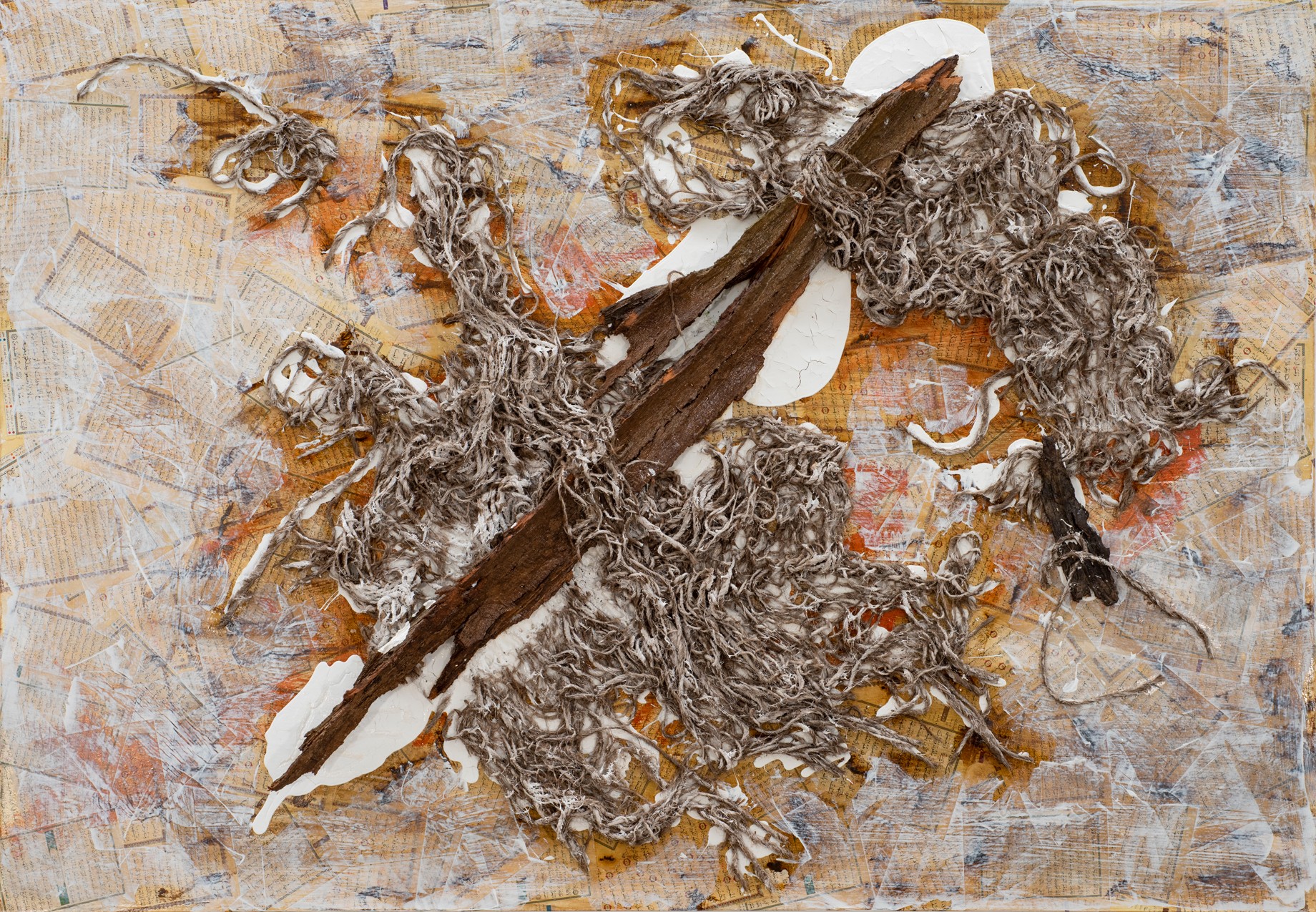
In St. Louis, my work has been exhibited widely and with intentional focus. At the St. Louis Artists’ Guild, I presented Fractured, a deeply personal series born from my response to displacement, marginalization, and survival. Using found and weathered materials—plywood, burlap, rusted hardware, and paper—I explored fragmentation and resilience, drawing parallels between fractured materials and fractured identities searching for belonging.
At the Kranzberg Arts Foundation’s High Low Gallery, I exhibited Veiled Realities, a juried exhibition selected as part of KAF’s inaugural The Call program. This body of work examined the veil as both a physical and symbolic form, drawing from my experiences as a gay man of Arab descent to investigate concealment, revelation, and the politics of visibility. The exhibition included painting, sculpture, and video, and was widely recognized for its emotional depth and social commentary.
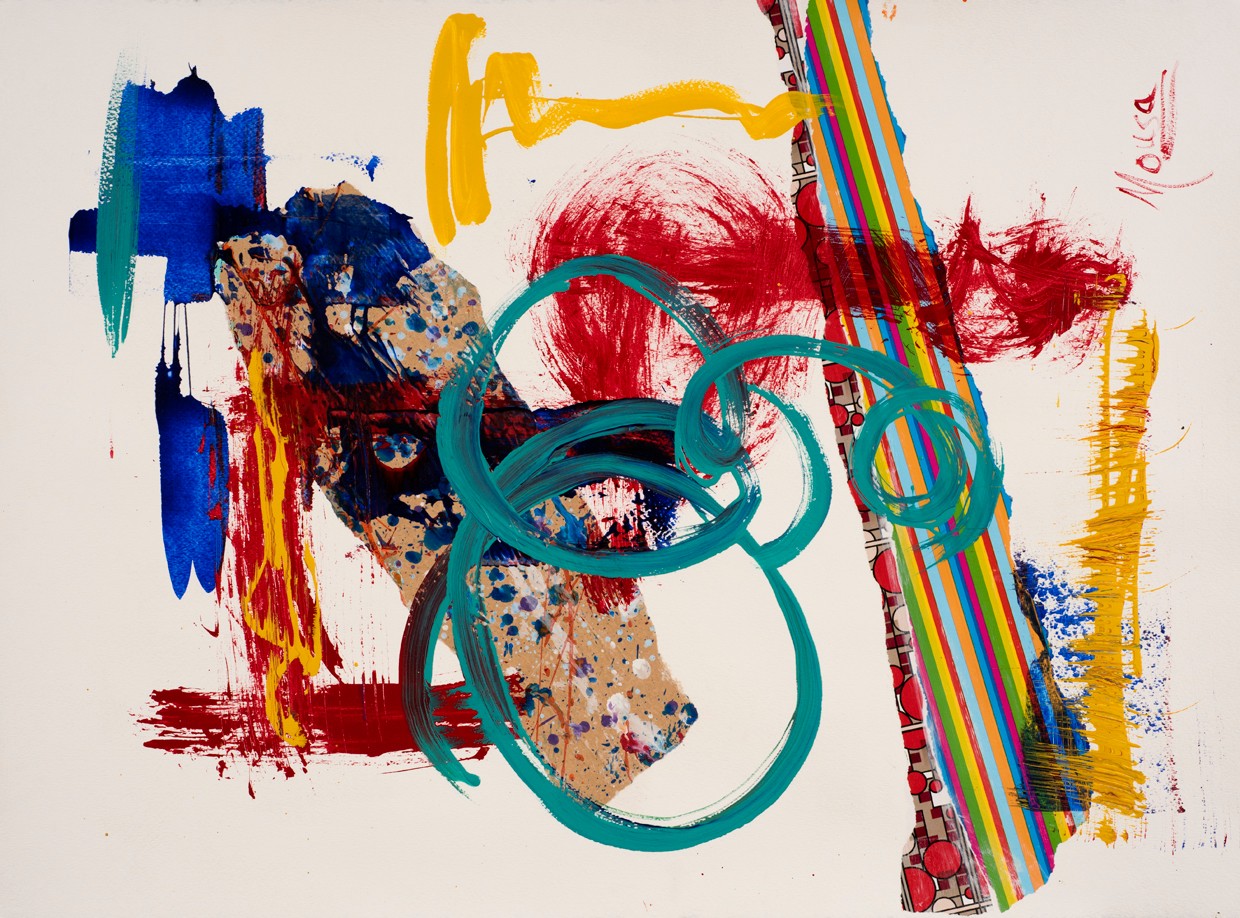
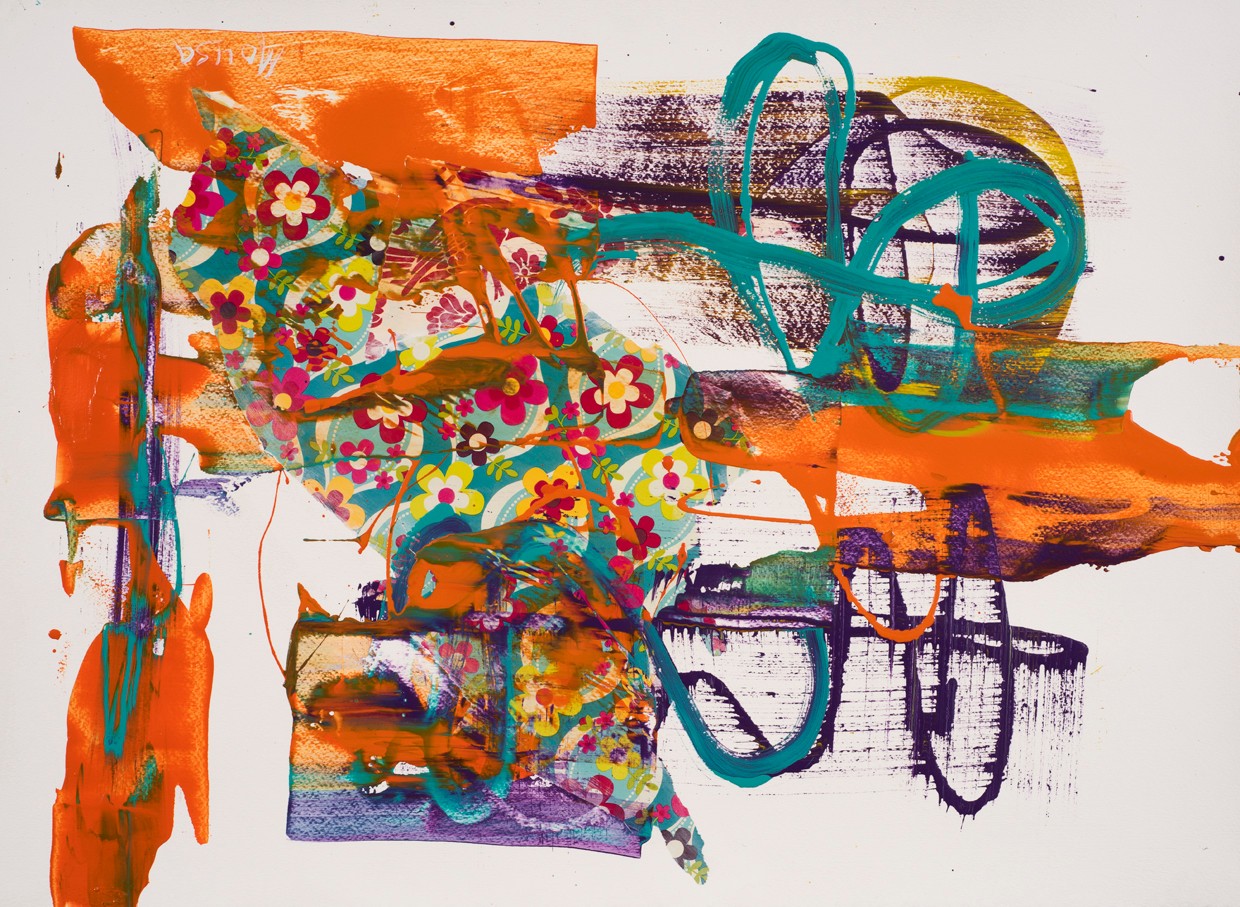
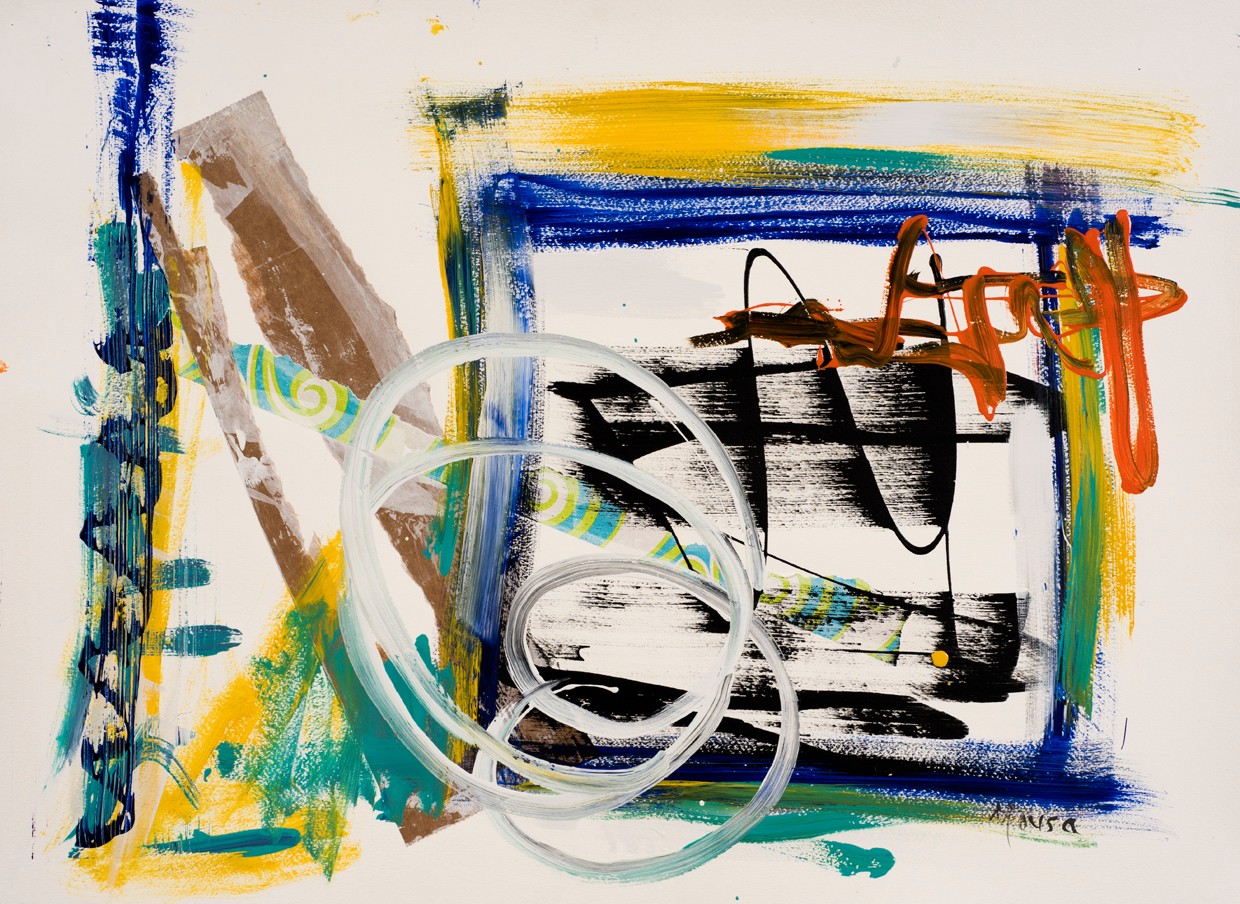
Most recently, I presented Shapes of Transcendence: Exploring Profound Simplicity at the Forest Park Gallery of Contemporary Art at St. Louis Community College. This exhibition marked an evolution in my practice, drawing inspiration from Tantra painting, sacred landscapes, and spiritual abstraction. Through vibrant color, organic form, and layered texture, the work invited viewers into a contemplative experience—one that encourages personal interpretation and spiritual connection beyond language or narrative.
Across all of my work—whether figurative, abstract, political, or spiritual—I have been guided by a belief that art can confront difficult truths while still holding space for connection. However, I am no longer working from a place of resolution or quiet hope. Over the past two years, as the Palestinian Holocaust has unfolded live before the world, my internal and artistic landscape has shifted irreversibly. Witnessing the mass killing, displacement, and dehumanization of an entire people—alongside the silence, justification, and moral collapse of governments, institutions, and media—has fractured any remaining belief I held that empathy naturally follows exposure.
I am now working from grief, rage, disillusionment, and rupture. My current work confronts complicity, abandonment, and the psychological cost of watching humanity fail itself in real time. I am deeply interested in what happens when belief systems collapse—when trust in governments, media, religion, and even our own moral clarity erodes under the weight of undeniable atrocity.
This shift has fundamentally transformed my relationship to the viewer. I am no longer interested in presenting finished positions or resolved emotional conclusions. I am not offering answers, reconciliation, or comfort. The work I am developing now invites shared witnessing—spaces where confusion, anger, grief, shame, and contradiction are not only permitted but named. Where people are allowed to say, I don’t know what to think anymore, I feel betrayed, or I’m struggling with what I’m becoming in response to what I’m seeing.
I currently have several projects in development that emerge directly from this state of reckoning. These works move away from persuasion and toward truth-telling—away from harmony as an assumed goal and toward honesty as a necessary starting point. They represent the most direct and uncompromising phase of my practice to date and will be released soon.
If there is any possibility for healing in this work, it comes only after acknowledgment—after we stop aestheticizing suffering, stop rushing toward optimism, and allow ourselves to sit fully inside the fracture. This is where I am now, and this is where the work is going.
How do you think about happiness?
What makes me happiest is watching someone realize their own potential. I’ve seen it countless times—people who never thought of themselves as artists walking away from a workshop smiling, holding something they created with pride. That moment, when doubt gives way to confidence and joy, never gets old. It’s a reminder of how much untapped beauty lives inside people when they’re given the space to explore it.
I also find deep happiness in practices that allow me to slow down and return to myself. Once a month at Gallery 874, Dr. Charlotte Meier of Alma Luna Chiropractic & Wellness and Julie Scott of Big Sky Breath host Cacao & Sound Ceremonies that combine breathwork, sound baths, and intentional presence. These gatherings give me the rare opportunity to pause, breathe deeply, and reconnect with my inner world. The experience is profoundly grounding—afterward, I often feel light, centered, and renewed for weeks. It’s become something I truly look forward to, not just as an event, but as a personal ritual of care and reflection.
Being centered and grounded in spiritual practice has shaped who I am today. Having a spiritual foundation beneath everything I do has helped me navigate moments of difficulty with more clarity, compassion, and resilience. It reminds me that healing and growth are ongoing processes, not destinations.
Outside of creative and spiritual spaces, some of my greatest joy comes from simplicity. When my husband Scott and I moved to St. Louis, it was important to us to live within walking distance of Forest Park—and we were lucky enough to make that happen. The park has become our backyard. We spend hours walking its paths, sitting by the water, reading on a bench, or simply being present together. Those quiet moments—nature, stillness, shared time—ground me just as deeply as any studio or ceremony.
Art, wellness, nature, and connection all meet at the same place for me. They remind me that happiness isn’t about constant motion or achievement—it’s about presence, honesty, and allowing space for both joy and healing to exist side by side.
Pricing:
- Artist studios start at $300 a month
- Wellness studios start at $800 month
- Gallery rental space starts at $1,600 a week
Contact Info:
- Website: https://mousaartinitiative.com | https://www.gallery874.com | https://www.urbanwellnessstudios.com
- Instagram: https://www.instagram.com/gallery874/
- Facebook: https://www.facebook.com/profile.php?id=61583243323727