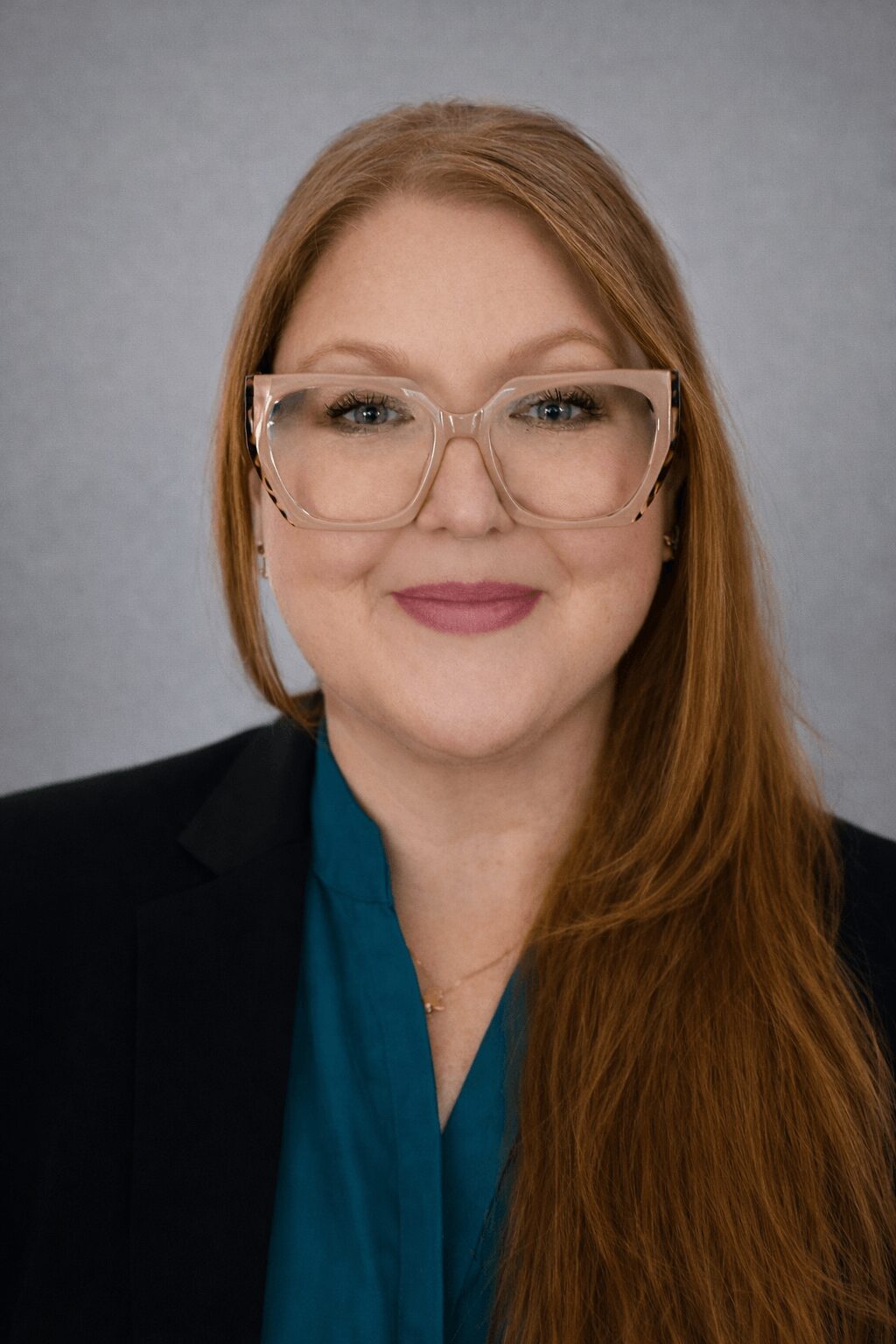
Today we’d like to introduce you to Jamie Benson.
Hi Jamie, it’s an honor to have you on the platform. Thanks for taking the time to share your story with us – to start maybe you can share some of your backstory with our readers?
My journey into therapy began while I was working in an elementary school, where I saw children with significant behavioral and emotional needs often get pushed to the sidelines. These were students who were labeled as “difficult” or “disruptive,” yet what I saw were kids struggling to regulate big emotions without the tools or support they needed. I wanted to help—but at the time, I didn’t fully understand what effective support could look like.
That question led me into research, where I discovered Applied Behavior Analysis (ABA) and the structured, skill-building support it could offer children experiencing mood dysregulation and behavioral challenges. I became a behavioral therapist, working primarily with individuals on the Autism Spectrum. Through ABA, I learned the power of consistency, reinforcement, environmental awareness, and meeting individuals where they are—insights that continue to shape my work today.
Over time, however, I began to notice the limits of focusing solely on behavior without fully addressing the emotional, relational, and systemic factors underneath it. I wanted to understand not just what a behavior looked like, but why it made sense in the context of someone’s lived experience. That curiosity—and a desire to work with a broader population—led me back to school to pursue my Master’s and Doctorate in Marriage and Family Therapy.
Today, my work integrates the strengths of both worlds. I value the structure and practicality ABA provides, while grounding my therapy in a relational, trauma-informed perspective that honors emotions, nervous system responses, and family systems. Whether I’m working with children, families, or adults, my approach centers on the belief that behavior is communication—and that meaningful change happens when we address both the skills people need and the experiences that shaped them.
At the core of my work is a simple belief: people don’t need to be fixed—they need to be understood. When we shift from managing behavior to honoring the story behind it, healing becomes not only possible, but transformative.
Would you say it’s been a smooth road, and if not what are some of the biggest challenges you’ve faced along the way?
No—it hasn’t been a smooth road, and I don’t think meaningful work ever is.
One of the biggest challenges early on was learning how to hold complexity—supporting people through deep emotional pain while also navigating the realities of burnout, systems that aren’t always trauma-informed, and the pressure to “fix” behavior quickly rather than understand it fully. Transitioning from behavioral work into broader clinical and systems-based therapy required unlearning as much as learning—challenging old frameworks, expanding my perspective, and tolerating the discomfort of growth.
Another ongoing challenge has been building something that blends clinical integrity with creativity. Developing resources, books, and tools while maintaining ethical, evidence-based practice took time, refinement, and a willingness to trust my voice—even when it didn’t fit neatly into traditional boxes. There were moments of self-doubt, exhaustion, and questioning whether the work was “too different” or “too much.”
But those challenges ultimately clarified my direction. They taught me how to listen—to clients, to research, and to my own values—and to build a practice that prioritizes depth over speed and understanding over labels. The struggles didn’t derail the work; they shaped it.
Alright, so let’s switch gears a bit and talk business. What should we know about your work?
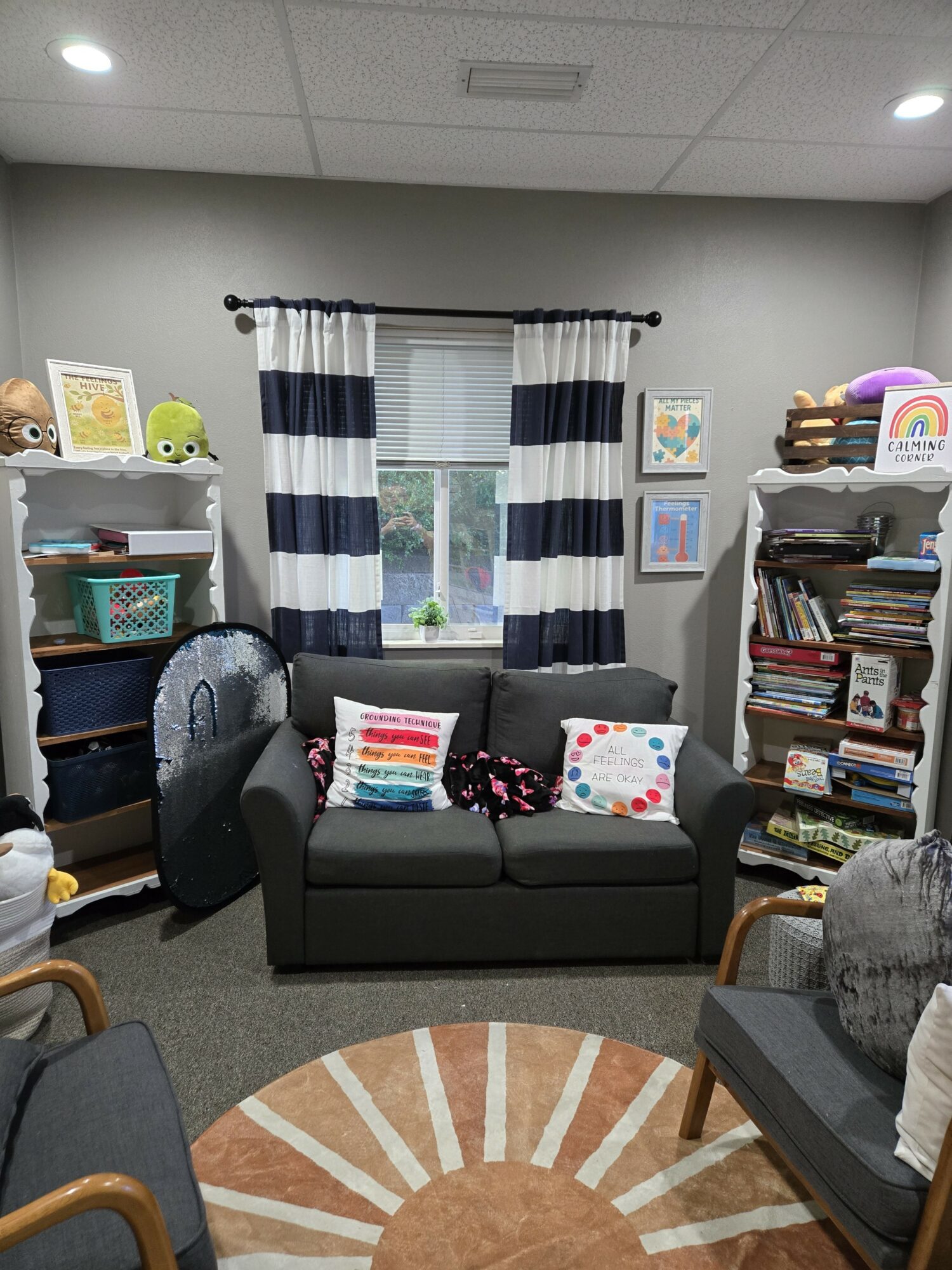
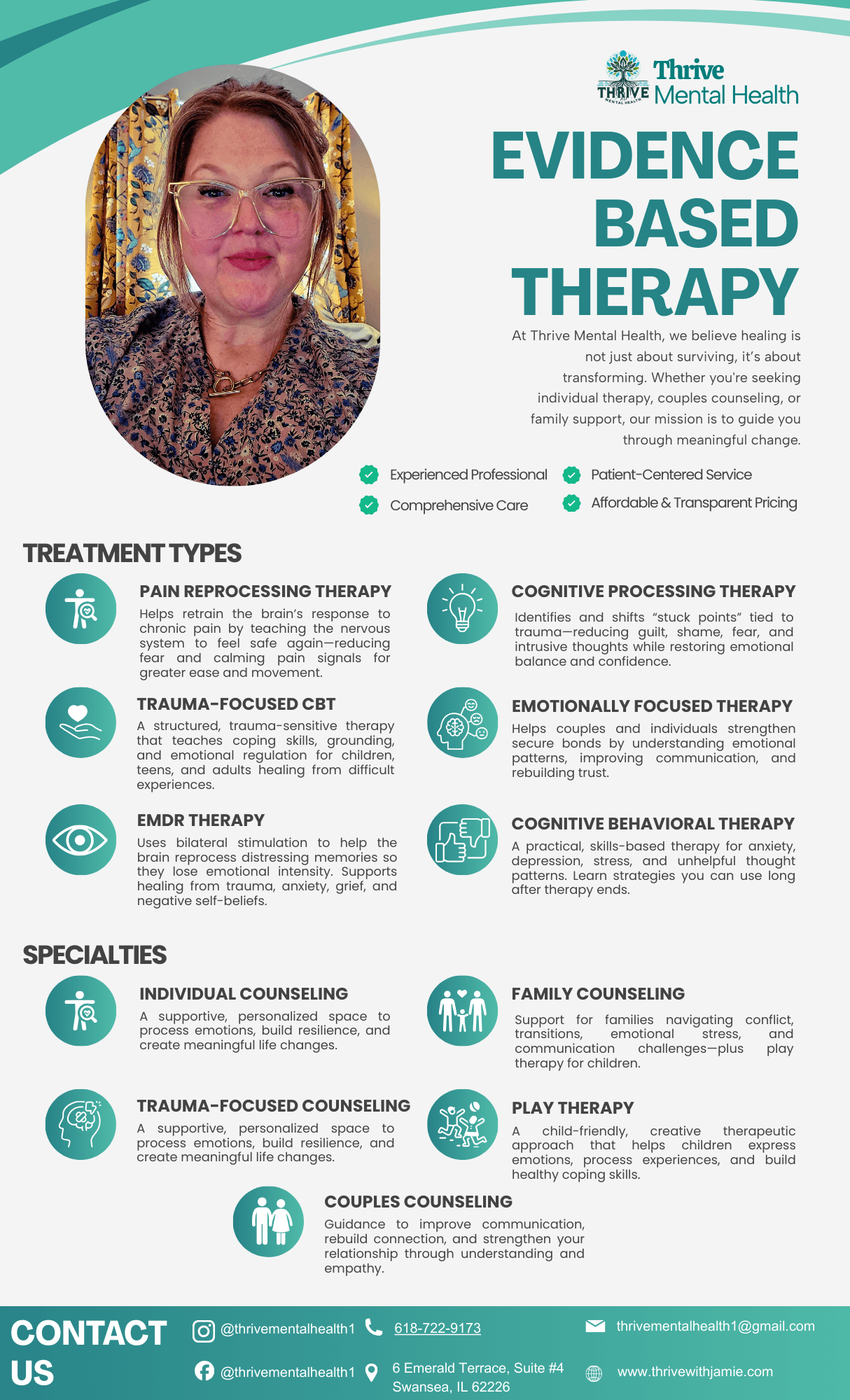
My work centers on helping individuals, couples, and families build insight into their thoughts, emotions, and behaviors—recognizing that life doesn’t always offer clear “why” answers. Instead, healing often comes from understanding patterns, developing new responses, and gradually stepping into a more regulated, empowered version of self. I specialize in emotional dysregulation, trauma responses, intrusive thoughts, complex family dynamics, play therapy for children, and couples counseling, using a trauma-informed, systems-based approach that blends structure with deep emotional understanding.
A core part of my work includes EMDR therapy, which allows clients to process traumatic and distressing experiences in a way that goes beyond talk therapy alone. EMDR helps individuals access and reprocess memories stored in the nervous system, reducing emotional reactivity and creating lasting change. I integrate EMDR thoughtfully with relational and behavioral insights, ensuring clients feel supported, grounded, and understood throughout the process.
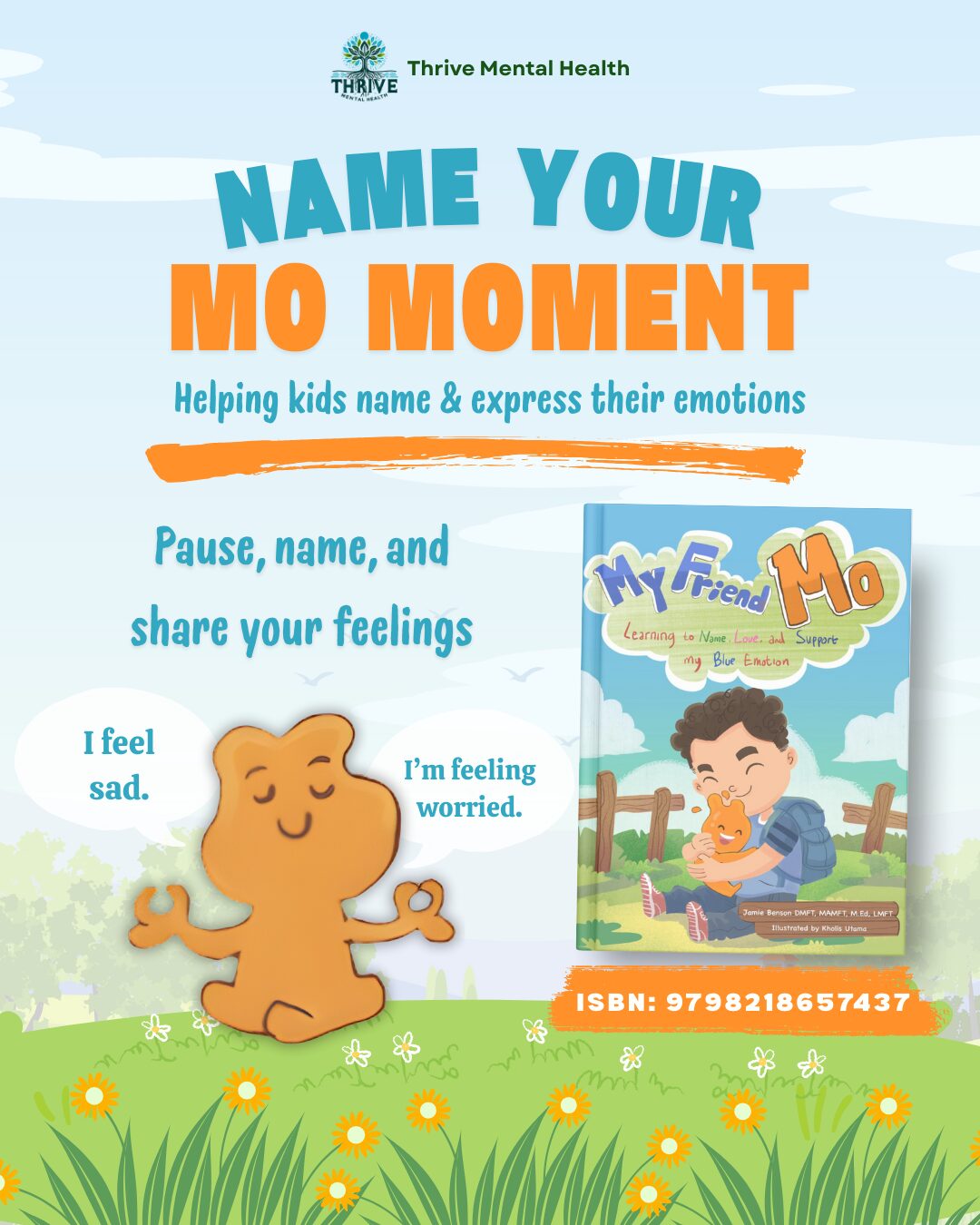
I’m particularly known for translating complex psychological concepts into accessible, practical tools. Whether through therapy, visuals, children’s books, or workbooks, my goal is to bridge the gap between insight and real-world change. In play therapy, this often means helping children express what they cannot yet put into words, while in couples work it involves slowing down reactive cycles and rebuilding emotional safety and connection.
What I’m most proud of is creating work that extends beyond the therapy room. Through Thrive Mental Health, I’ve developed resources that support children, parents, couples, and families—allowing therapeutic concepts to be carried into homes, schools, and daily routines. Seeing people feel understood, sometimes for the first time, is the most meaningful part of my work.
What sets my work apart is the integration of structure and compassion. I combine the practical, skill-based insights of behavioral therapy with a relational, trauma-informed lens that honors nervous system responses and lived experience. Rather than asking “What’s wrong?” my work focuses on “What support is needed now?”—a shift that creates space for genuine, lasting change.
Before we go, is there anything else you can share with us?
If there’s one thing I’d want readers to know, it’s that struggling doesn’t mean you’re failing—it means you’re human. So many people carry quiet shame about their emotions, their relationships, or the ways they learned to cope, believing they should be “past it” by now.
Healing isn’t about becoming a different person; it’s about learning how to respond to yourself with more understanding, flexibility, and compassion. Whether you’re a parent, a partner, or someone simply trying to feel more regulated and connected, small shifts—when supported—can create meaningful change over time.
Most importantly, healing is possible—even when it feels slow, uncertain, or out of reach. Don’t give up. You don’t have to have everything figured out to take the next step; growth often begins with patience, curiosity, and the courage to keep going.
Contact Info:
- Website: https://ThrivewithJamie.com
- Facebook: https://www.facebook.com/thrivementalhealth1/
- Youtube: https://www.youtube.com/@ThrivewithJamie