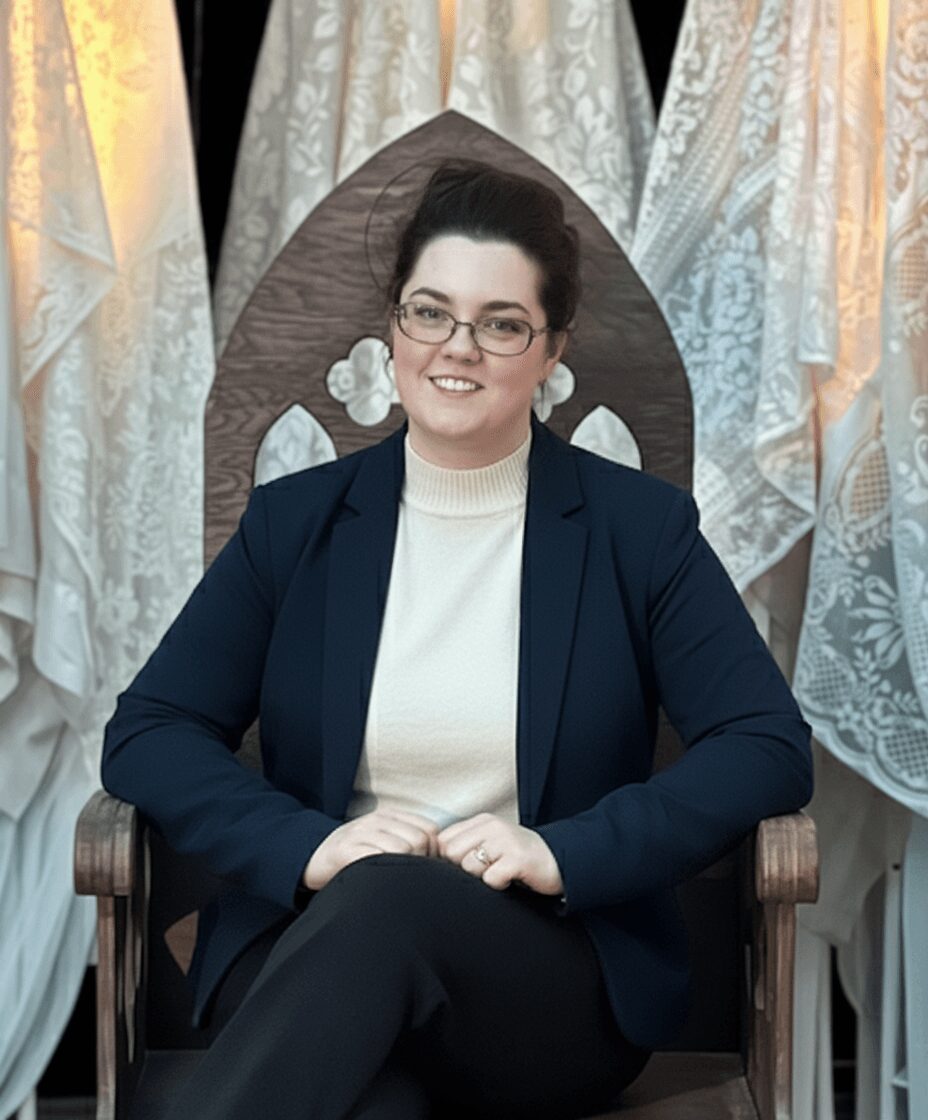
Today we’d like to introduce you to Nicole Graeler.
Hi Nicole, can you start by introducing yourself? We’d love to learn more about how you got to where you are today?
I’ve always been the “I can do that” kind of person.
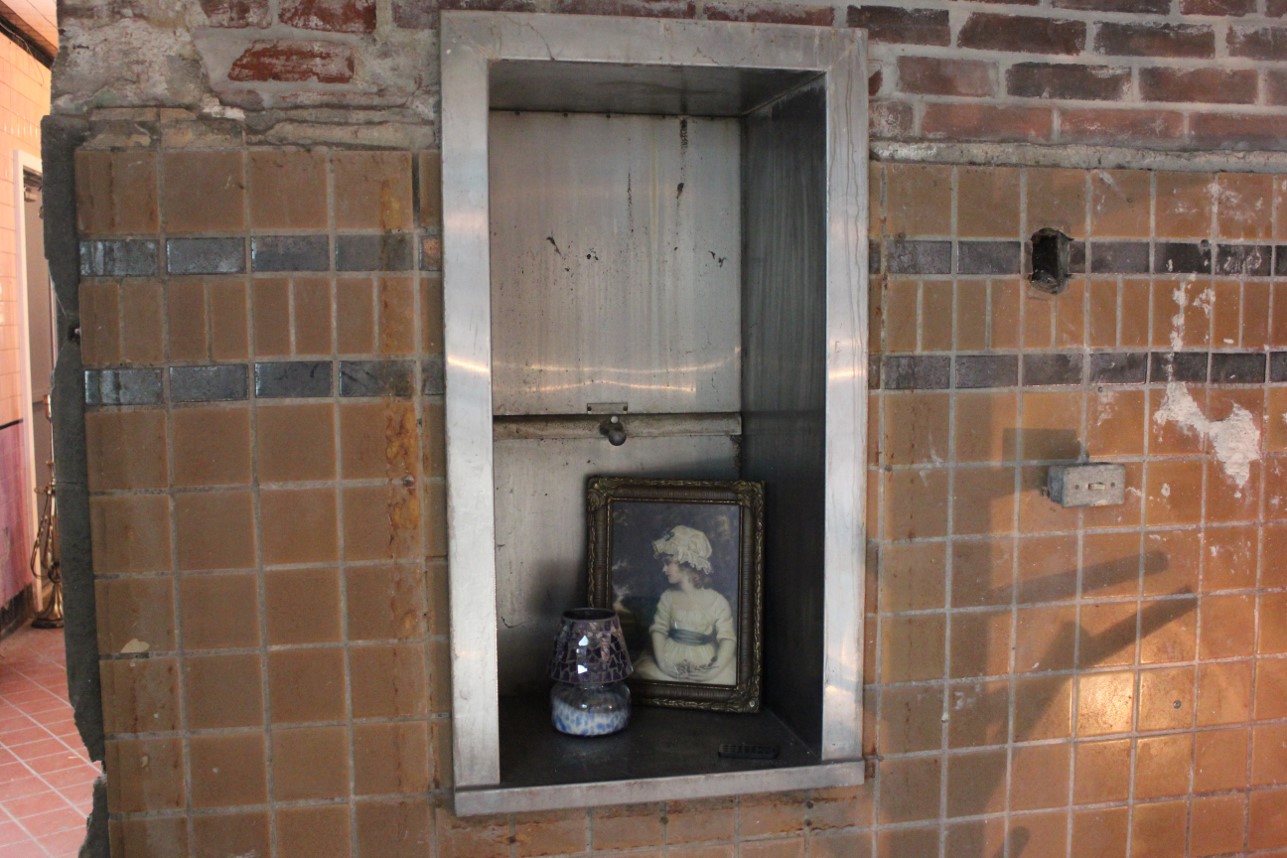
Originally, I thought I’d become a trauma therapist and pursued a degree in folklore and psychology. The deeper I got into that world, the more I realized my real center is storytelling—people, places, and the weird little objects that carry a life inside them. I want to know what happened in a room before I walked into it. I want to know the story behind the “random homemade lamp” on a thrift store shelf. I’m drawn to anything with personality, especially if it’s been overlooked or misunderstood.
For a while, I took a more practical route. I went back to school for massage and bodywork, became an LMT, and built a full book doing corporate chair massage and private clients. I loved the immediacy of it—how your hands can change someone’s day in a real, tangible way.
Then I was in a car accident that catastrophically broke my right leg, and overnight everything I’d built had to be handed off while I learned how to walk again. That season humbled me in a way I’ll never forget. My grandfather was an old-school farmer in the Missouri River bottoms, and he taught me the kind of lessons you only learn when life flips the table: don’t quit, trust the process, keep moving even when the path isn’t clear.
When I could finally move forward again, I returned to what had been calling me for years. I’ve been a tour guide for haunted history tours in some capacity since 2014, and at some point I realized I didn’t want to keep orbiting the work—I wanted to build something of my own.
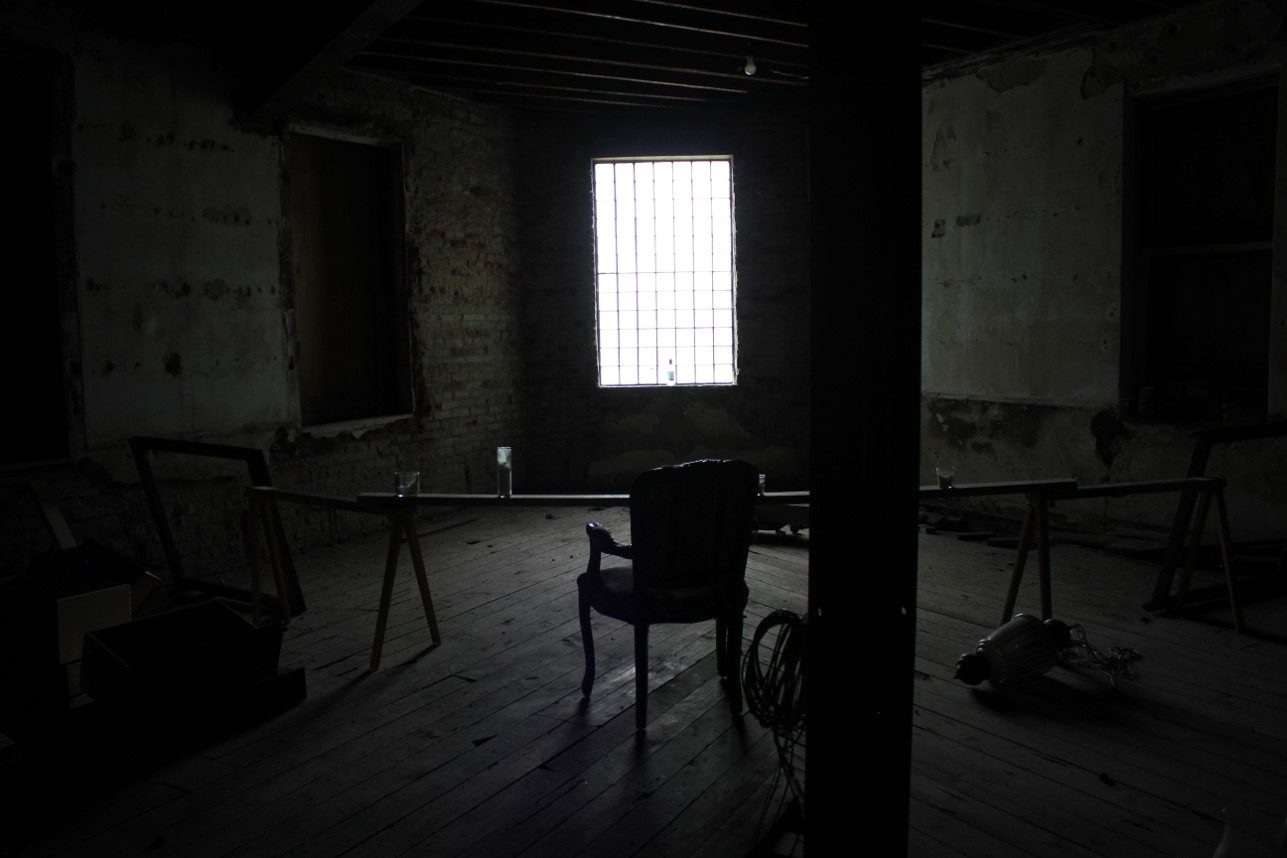
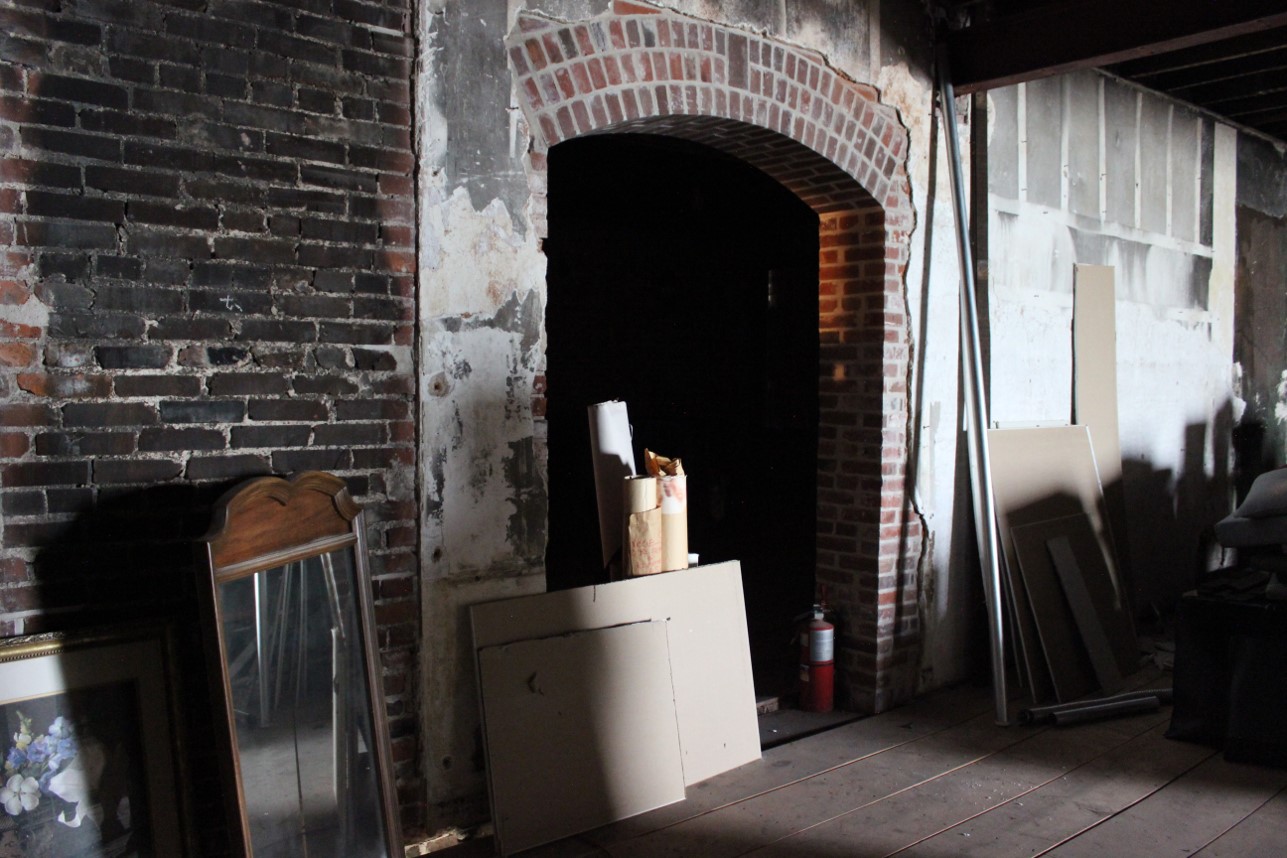
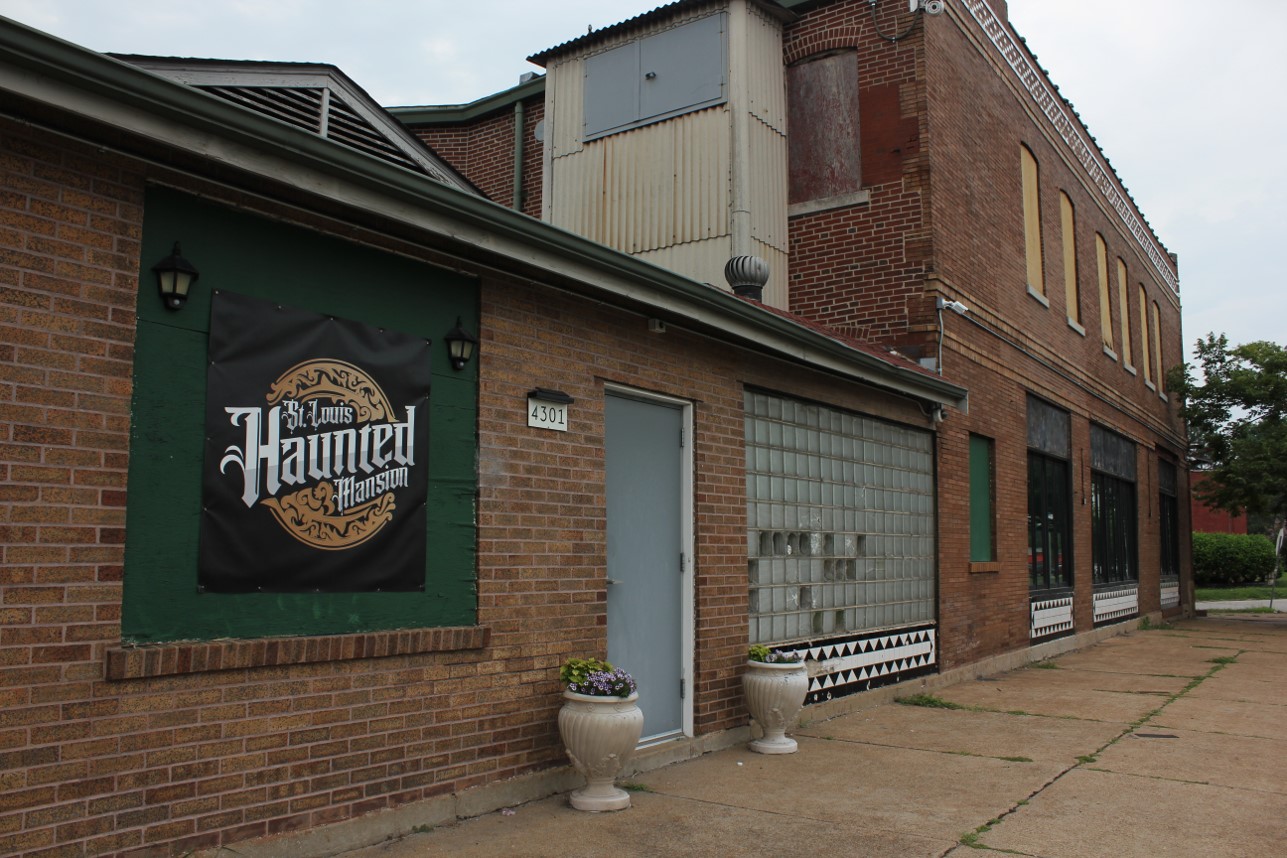
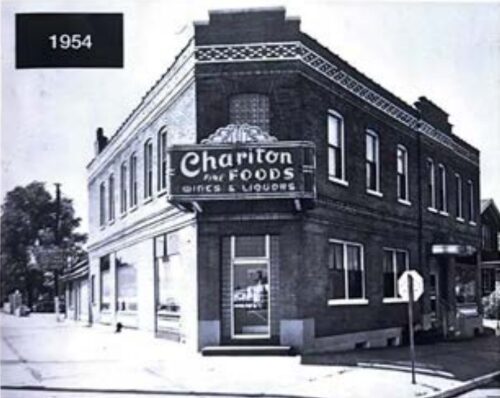
That’s what eventually led me to buy the old abandoned South City building known as The Chariton. I didn’t see it as impractical or scary. I saw it as an opportunity—to preserve its history while reimagining how it could be experienced today. I wanted to create a place where people feel something: curiosity, excitement, connection… maybe even a little magic. And honestly, I wanted to remind people that St. Louis isn’t done telling stories.
After I bought it, I hit the part that a lot of dreamers hit: you can love something deeply and still have to make it work as a real business. I started showing up to workshops and small business conferences and getting very honest with myself about what needed to change so the building wasn’t just a passion project—it had to become sustainable. That’s when things got real in the best way: systems, structure, clearer offerings, stronger communication, and a commitment to making choices that could support the long-term life of the space.
We all face challenges, but looking back would you describe it as a relatively smooth road?
The hardest part has been accepting that historic buildings don’t care about your timeline.
Renovation has a way of bringing you back down to earth. One day you’re inspired and you can see the finished version so clearly it almost feels like a memory. The next day, you’re standing in dust and debris, discovering a surprise behind a wall, realizing your plan just changed—again. It’s patience, problem-solving, and emotional stamina on repeat. You don’t just restore a building; the building restores you, too. It teaches you humility and grit whether you asked for that lesson or not.
There’s also a different kind of challenge when you’re working with a place that has a reputation. People show up with their minds already made up—about the building, about the stories, about what they hope will happen. Some guests want certainty, a definitive answer. I understand why. But I’m careful with how I talk about it. I don’t want to overstate what we can’t prove, and I don’t want to talk anyone into believing something they didn’t experience. The goal is to keep the storytelling honest: documented history where we have it, and space for people to interpret the rest for themselves.
And on top of all that, there’s the reality of building this as a small business: keeping things safe, keeping things moving, and learning how to make something sustainable without sanding off what makes it special.
As you know, we’re big fans of St. Louis Haunted Mansion. For our readers who might not be as familiar what can you tell them about the brand?
At its core, what I do is create experiences that don’t fit neatly into traditional event spaces. I’m drawn to gatherings that feel like a destination—things that are immersive, story-driven, and a little unconventional. Sometimes that looks like guided tours rooted in local history and folklore. Sometimes it looks like mystic fairs, oddities-forward programming, or themed events that celebrate local artists and makers. The goal is always the same: people leave feeling like they were part of something—something they’ll talk about after.
The Chariton is the venue side of the work. It’s historic, classic, and grounded in proven history and hospitality. It’s not a blank slate, and we don’t try to make it one. The building’s character is part of what people come for.
St. Louis Haunted Mansion is the experience side of the work. It’s rooted in history, but it also leans into curiosity, the mystical, and the oddities that make people ask better questions. We don’t present paranormal claims as fact, and we don’t tell anyone what to believe. People can decide for themselves. If they want a classic event, we keep it classic. If they want a spooky night, we can absolutely be spooky. The tone follows the theme, and the storytelling follows the room.
After that, the part that’s been most surprising (and honestly the most meaningful) is how much of this has become a collective build. I’ve learned that big, weird dreams move forward when enough people believe in the good of it. We’ve used the barter economy in practical ways to keep progress moving—like skilled work exchanged for future venue use. We’ve also partnered with creatives who want to help structure the brand and communications in exchange for access to the process as a case study later. It’s unconventional, but it fits the spirit of what we’re building: community-backed, values-forward, and willing to try things instead of waiting for perfect conditions.
Any big plans?
Right now the plan is: restore responsibly, build steadily, and let the place become itself again—without rushing the story.
In the near term, we’re finalizing offerings and locking in a consistent calendar as renovation milestones are hit. I’m focused on doing things in the right order—safety, structure, clear policies, clear values—so the community we’re building feels protected and respected. We also want the public-facing messaging to stay consistent across the venue and the experience programming, especially when it comes to how we talk about the “haunted” layer. That alignment matters early, because it sets the tone for everything that comes after.
As we stabilize, the next phase is consistency and growth: recurring programming people can count on, stronger partnerships with local artists and vendors, and more experiences that let the building remain character-forward instead of polished into something generic.
Long term, I want The Chariton to be a real South City destination again—still historic, still full of texture, still a little weird in the best way. And I want the Haunted Mansion side to keep expanding thoughtfully—bringing story-driven programming to other locations too, because St. Louis has a lot of places with stories worth holding with care.
Pricing:
- Base Venue Rental is $75 per hour, 3 hr minimum
- Classes and Events individually priced
Contact Info:
- Website: https://www.stlouishauntedmansion.com/
- Instagram: https://www.instagram.com/stlouishauntedmansion/
- Facebook: https://www.facebook.com/stlouishauntedmansion