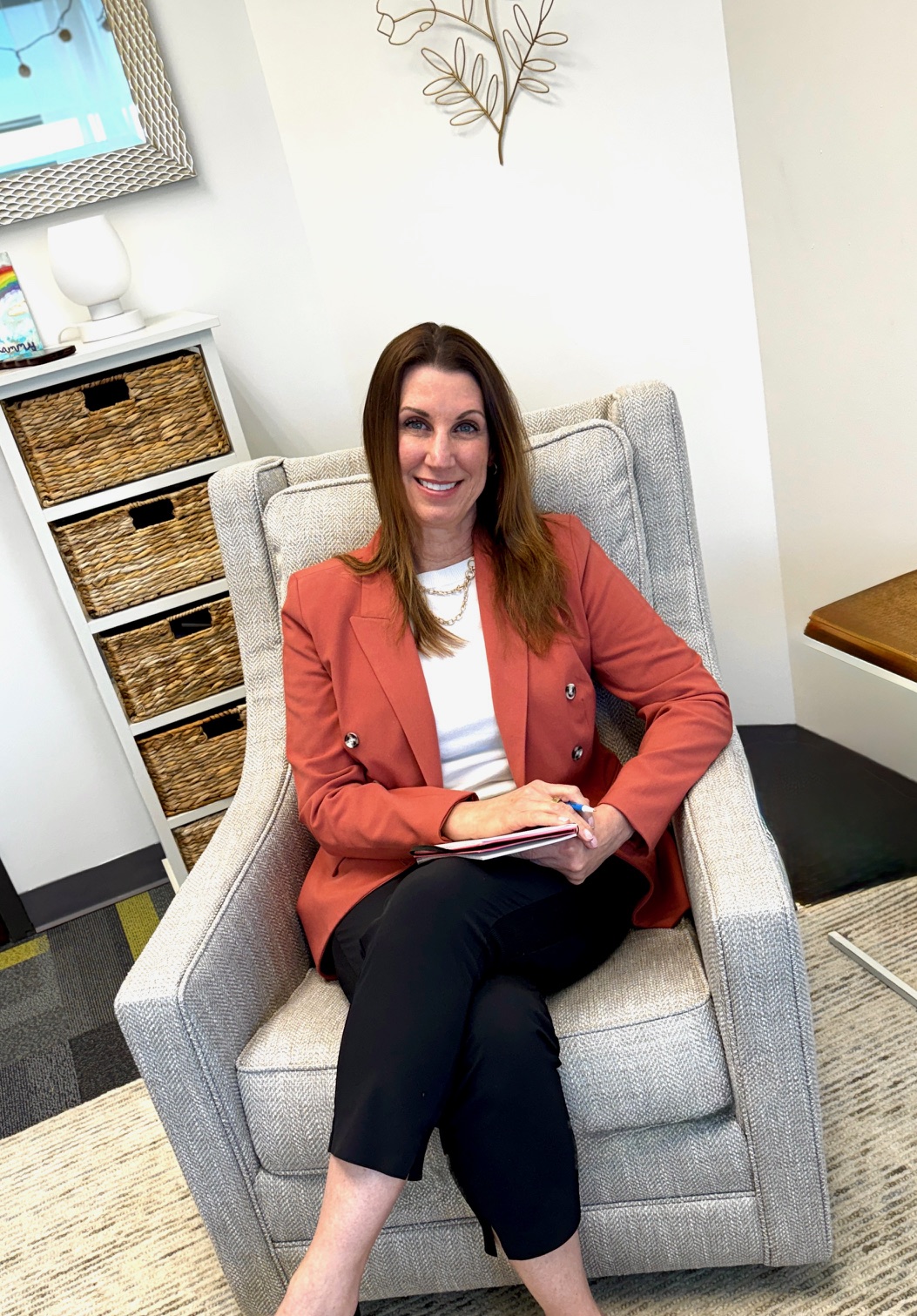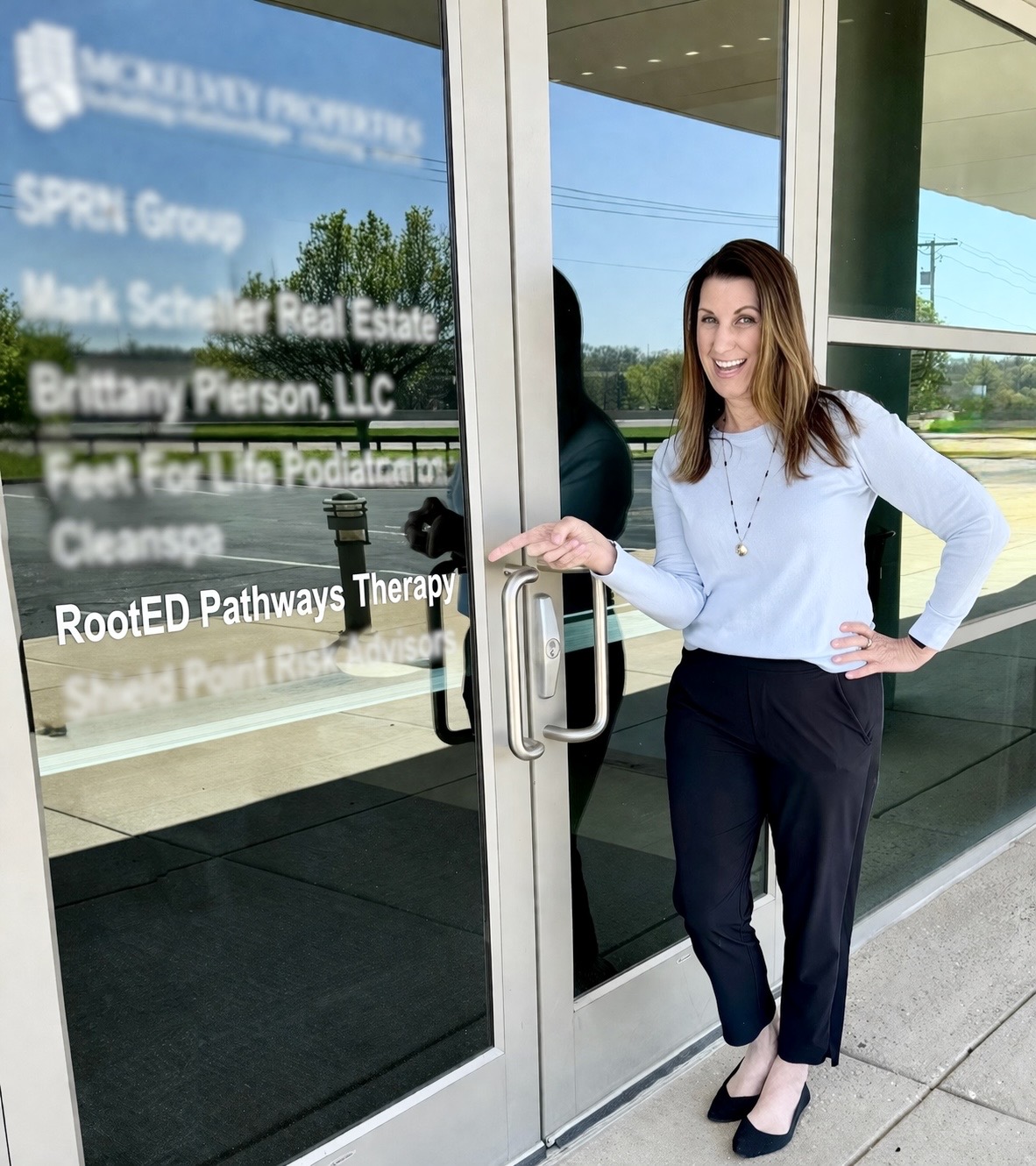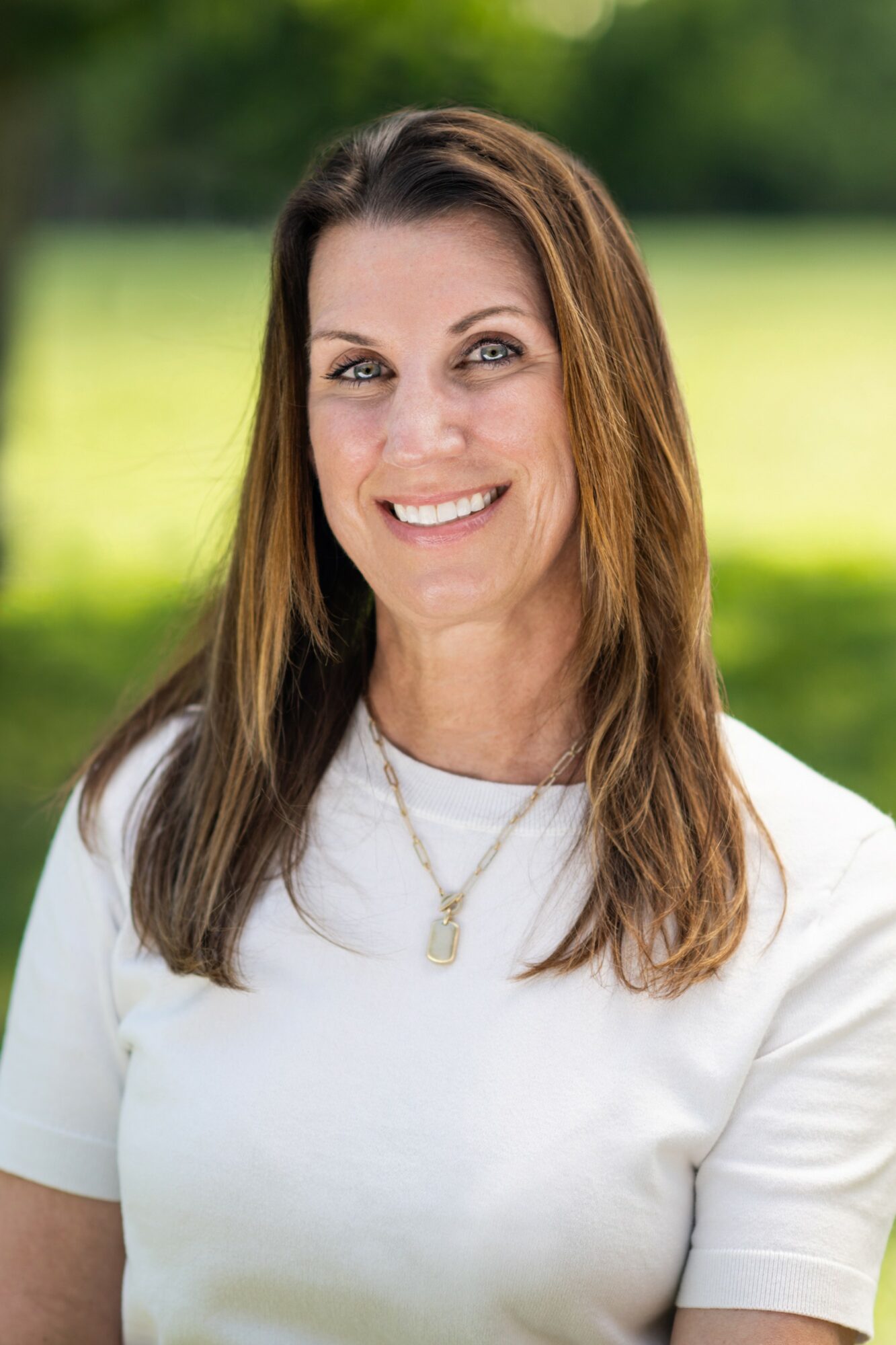
Today we’d like to introduce you to Tammy Root.
Hi Tammy, we’re thrilled to have a chance to learn your story today. So, before we get into specifics, maybe you can briefly walk us through how you got to where you are today?
Becoming a therapist is actually my second career. After earning my doctorate in 2007, I spent many years working in academia, and I still do. In 2021, I made the decision to return to school and become a therapist because I realized I wanted to support individuals struggling with eating disorders in a more immediate and personal way. Research gives me a strong and meaningful foundation, but I felt called to help people more directly. That calling eventually led me to clinical work.
Although my passion for this field fully took shape in college, I think it really began much earlier. When I was about 20 years old, I was standing in a grocery store when I overheard a little girl, probably 5 or 6, ask her mother, “But mommy, how many calories does that have?” Hearing those words in such a young voice stopped me in my tracks. I remember looking at that sweet, innocent child and feeling both saddened and confused. At the time, I had no idea how much that moment would stay with me.
Years later, in graduate school, I attended a lecture on eating disorders that brought that memory rushing back and sparked a deeper interest. From that point on, I knew this was the area I wanted to study and better understand.
Today, I continue my work in academia while also running RootED Pathways Therapy in Chesterfield, Missouri. Starting the practice felt like a natural extension of the work I had already been doing for years, just in a more personal and immediate way.
I’m sure it wasn’t obstacle-free, but would you say the journey has been fairly smooth so far?
When I look back on the journey, I feel incredibly grateful, especially for the amazing mentors and advisors I had along the way who helped guide me and offered steady support. Despite some significant challenges (I lost my mom at 16, not to death but to abandonment, and I lost my dad to heart disease when I was 21), I believe that being on my own for much of my adult life, along with wanting to make my dad proud, motivated me not only to go to college, but to make a difference.
As a nod to my dad, my company logo includes a blue aster flower, which is the flower for his birth month. It symbolizes love, patience, and wisdom, which beautifully captures how I felt about him. I feel proud of what I have accomplished, and I hope to be a positive role model for both my daughter and my clients.
I tend to have an “I will figure this out” mentality, which has helped me handle the bumps in the road. It has certainly been a long road, but I made it. As someone who truly loves learning and staying current, those 12 years of college education flew by.
Appreciate you sharing that. What should we know about RootED Pathways Therapy?
RootED Pathways Therapy grew out of a desire to offer specialized care to individuals and families struggling with eating disorders, while also increasing access to care in Chesterfield and the St. Charles County area. Too often, people feel like they have to be “sick enough” to get help, or they find themselves caught between levels of treatment without enough support in the middle. I wanted to create a practice that helps bridge that gap by offering support earlier, before things escalate further. If someone is struggling, I want them to know they do not have to wait until things get worse to seek help.
The name RootED Pathways Therapy is meaningful for several reasons. It is a nod to my last name, Root, while also reflecting my belief that recovery is rarely linear and that each person’s path looks different. To me, the name speaks to both being grounded and finding a way forward. The “ED” in RootED also serves as a subtle reference to eating disorders, which are a central focus of my practice.
I work with adolescents, adults, and families navigating eating disorders, disordered eating, body image concerns, anxiety, and perfectionism. Eating disorders rarely affect just one person, and some of the most meaningful work I do is helping families better understand what their loved one is experiencing and how to respond in ways that are supportive and effective.
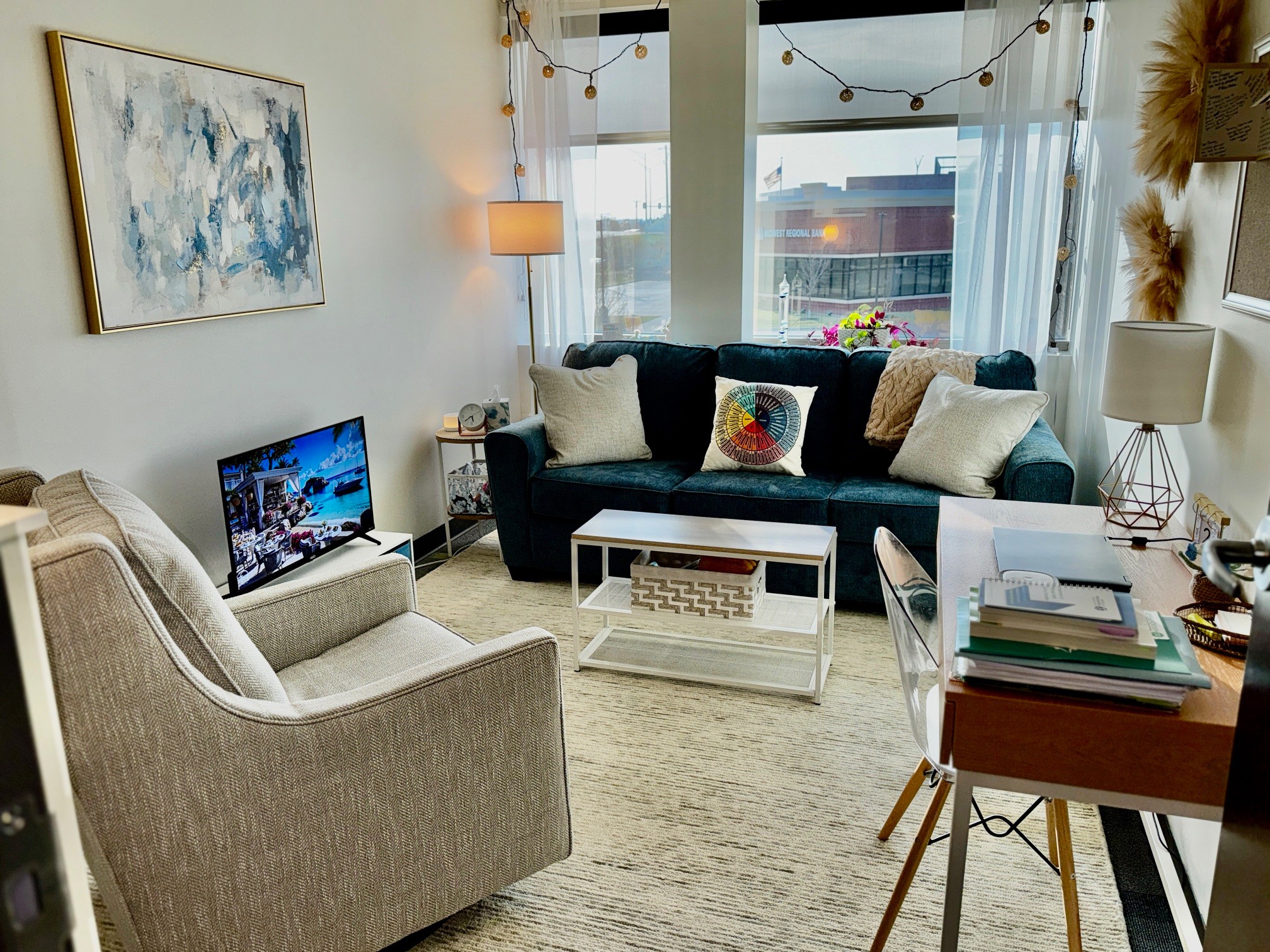
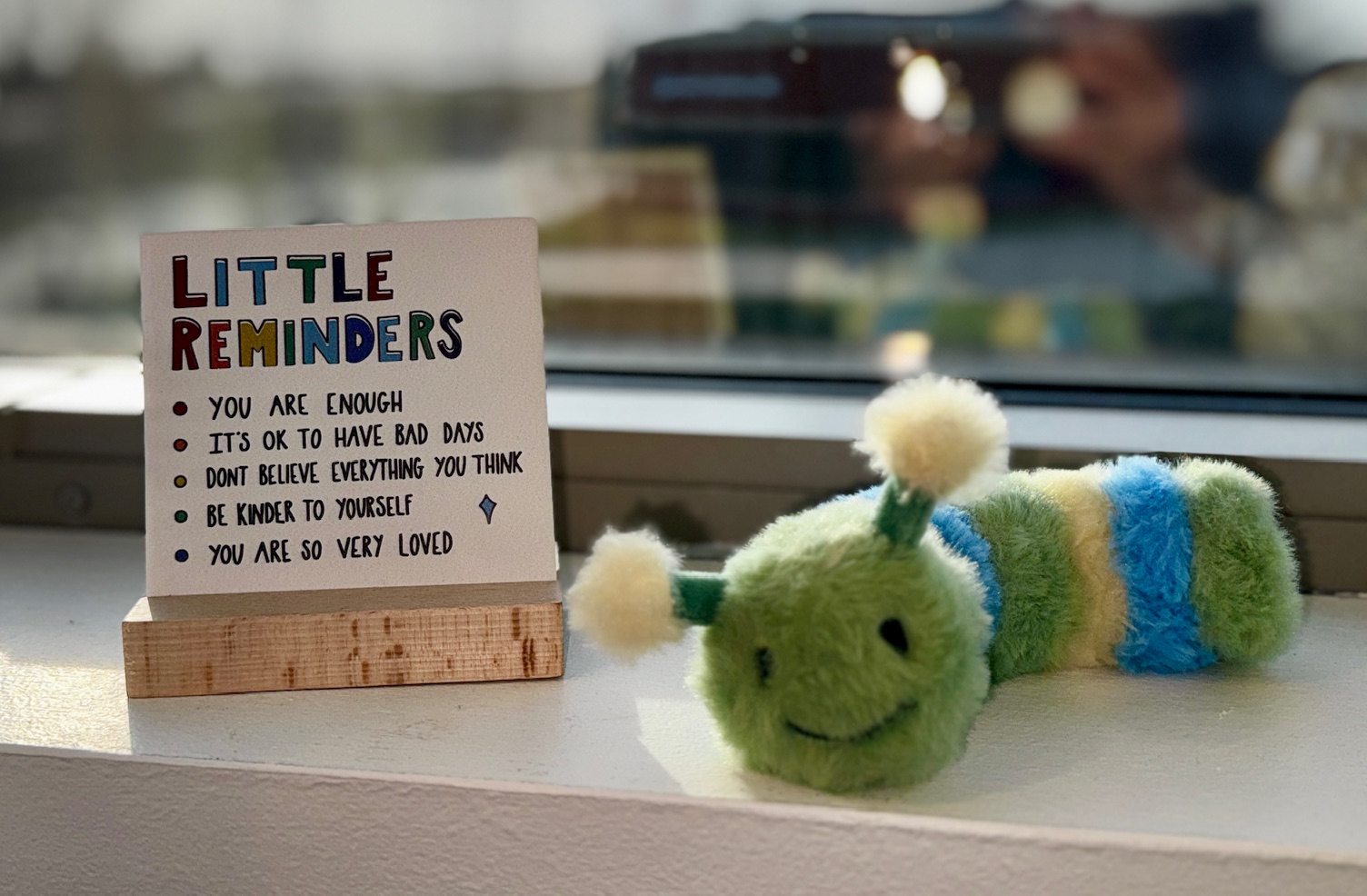
I also wanted the physical space to feel calm, warm, and grounding, because for many clients, just walking into therapy is already hard enough. My hope is always the same – to help people feel less consumed by food, body image, and self-criticism, and more connected to the life they want to live.
Are there any books, apps, podcasts or blogs that help you do your best?
I am someone who is always learning. With five college degrees, it is safe to say I genuinely enjoy learning and staying current. Even though I am no longer a college student, I continue to learn through books, podcasts, workshops, conferences, and conversations with colleagues. I also serve as a board member for networkED, a local nonprofit focused on increasing awareness and understanding of eating disorders among healthcare professionals. I recently returned to conducting research on eating disorders as well, which has been a meaningful complement to my clinical work.
A few of my favorite books are Your Dieting Daughter, Sick Enough, Coming Back to Myself: A Compassionate Guide to Understanding and Healing from an Eating Disorder, Intuitive Eating, and Quieting the Storm Within: An Illustrated Introduction to Your Parts Through Internal Family Systems and Beyond.
Contact Info: