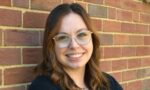
Today we’d like to introduce you to Con Christeson.
Hi con, so excited to have you on the platform. So before we get into questions about your work-life, maybe you can bring our readers up to speed on your story and how you got to where you are today?
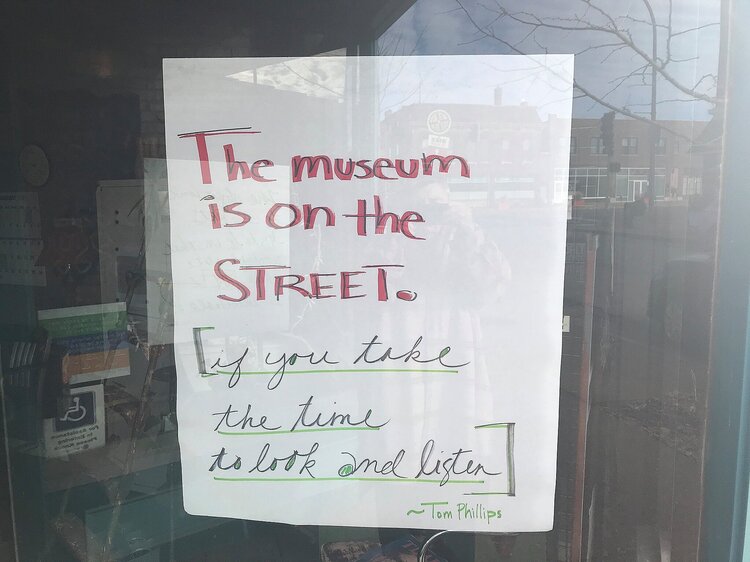
I am a community artist, educator, and author who makes visual, performing, and public art with and alongside others. In the studio, on the street, and the spaces in between. As a practitioner, I am rooted in three convictions: that co-creation builds something no single person could, that communication is an art form, and that curiosity is the most democratic tool we have.
In 1999, I co-founded the community collabARTive, an arts-based initiative, to engage people who experience homelessness.
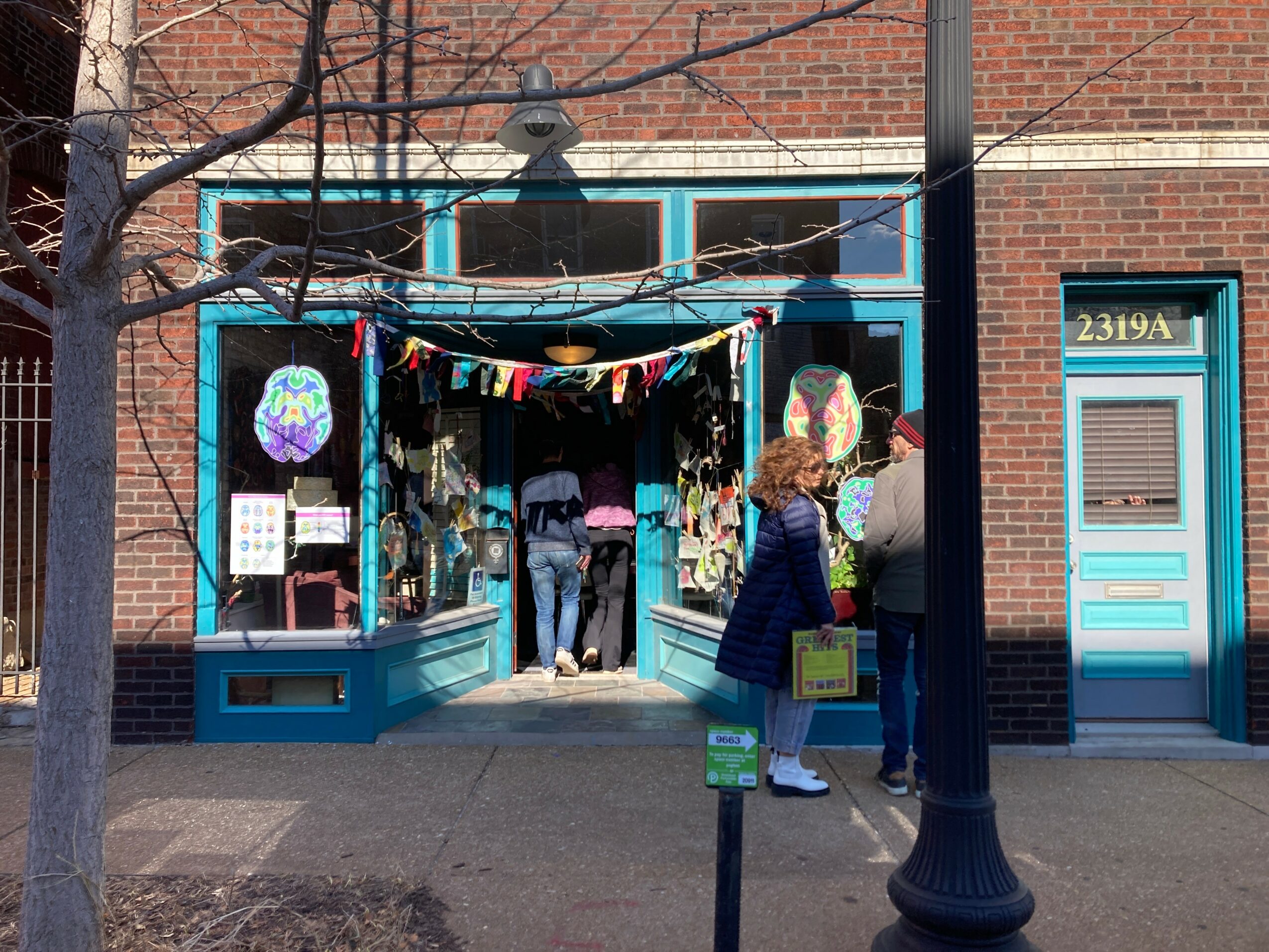
They made, showed, spoke about their own work on their own terms. That project taught me that art doesn’t just give voice. It builds one. I manage a creative laboratory at Red Chair Studios on Cherokee Street in St. Louis. It’s part gallery, part stage, part workshop floor. Exhibits, readings, and small events happen there, as does the slower work of makers, thinkers, writers, and movers finding each other and pushing forward together.
I lead mentoring partnerships and professional development workshops for artists and other creatives…especially those who do not see themselves as such! Drawing on tools and models gathered locally and globally, I work with non-arts organizations, nonprofits and institutions, as a process partner, to imagine and build the relational connections that make human systems actually work. Each series is shaped in response to the people in the room. I am affiliated with the St. Louis Regional Arts Commission and its Community Arts Training Institute [as fellow and faculty] and works with MidAmerica Arts Alliance as trainer and facilitator. I have trained with Artway of Thinking [an Italian co-creation methodology collective] and has developed a broad network of colleagues and resources in the US, Europe, and Asia.
In 1999, I co-founded the community collabARTive [cc] as an independent resource. The cc has brought creative process to social services programs that serve people who are homeless. As an adjunct to the traditional case management model, its goal was to realize a voice from the margins of our community and shift perspectives with relational energy and creative products that engage and connect. In parallel, I taught communication skills and civic engagement in higher ed for 20 years. I received two Leif J. Sverdrup Global Teaching Fellowships to teach/work in the Netherlands at Webster Leiden University.
From a storefront studio, I manage a coLAB of artists, students, and creatives and offer workshops and one on one sessions.
I facilitate public art, neighborhood events, and performances with the goal of community personal development and connection.
In 2016, I wrote a book that documents the intersections of these parallel community practices, and it continues to ask questions and start conversations with artists and creatives Material for a second book will tell stories and share research from work with locals, students, and artists…lessons learned, projects documented, and thought about context and culture. Co-creation and arts-based community development go hand- in- hand. They translate from local to local….on the street, in the classroom, in the studio.
I design experiential processes that surprise, that tell the truth, that connect us as humans. I make art with others.
We are always surprised at the where the process leads. It tells our truth.
Would you say it’s been a smooth road, and if not what are some of the biggest challenges you’ve faced along the way?
I have not had a full time job since 1995. I have pieced together projects and teaching work that were meaningful, broad, and deep. They paid the bills, offered flexibility, and allowed me to travel etc.
The cc began as a nine-month project and became an integrated program component at the agency. I was always a contract employee, and my position was solely grant-funded. Over the years, our budget grew enough to allow me to hire other artists with complementary skills and talents. Even though I was fortunate to have the support of a grant writer, the budget and my fees were sometimes a balancing act.
The populations I worked with are transient i.e. people who are homeless AND people/students in higher ed. It was always my goal to see what they had in common and how my work with them would create change.
I have left the work with the cc and the university behind. I am now fully focused on the process of developing work that supports me, the studio, and the community.
Alright, so let’s switch gears a bit and talk business. What should we know about your work?
The LENS is a newly-launched series of participatory workshops and public events that happen at Red Chair Studios, an artist-led storefront. Find us on Cherokee Street in a walkable, culturally dense neighborhood where artists, longtime residents, and newcomers share the same blocks daily. Red Chair Studios has been a proving ground for this methodology for over a decade. The LENS project formalizes and deepens that work. It imagines a replicable model that translates to other contexts and content. For participants, the outcome is expanded self-awareness and creative agency. For the region, it is evidence that art-making and community-building are not separate endeavors.
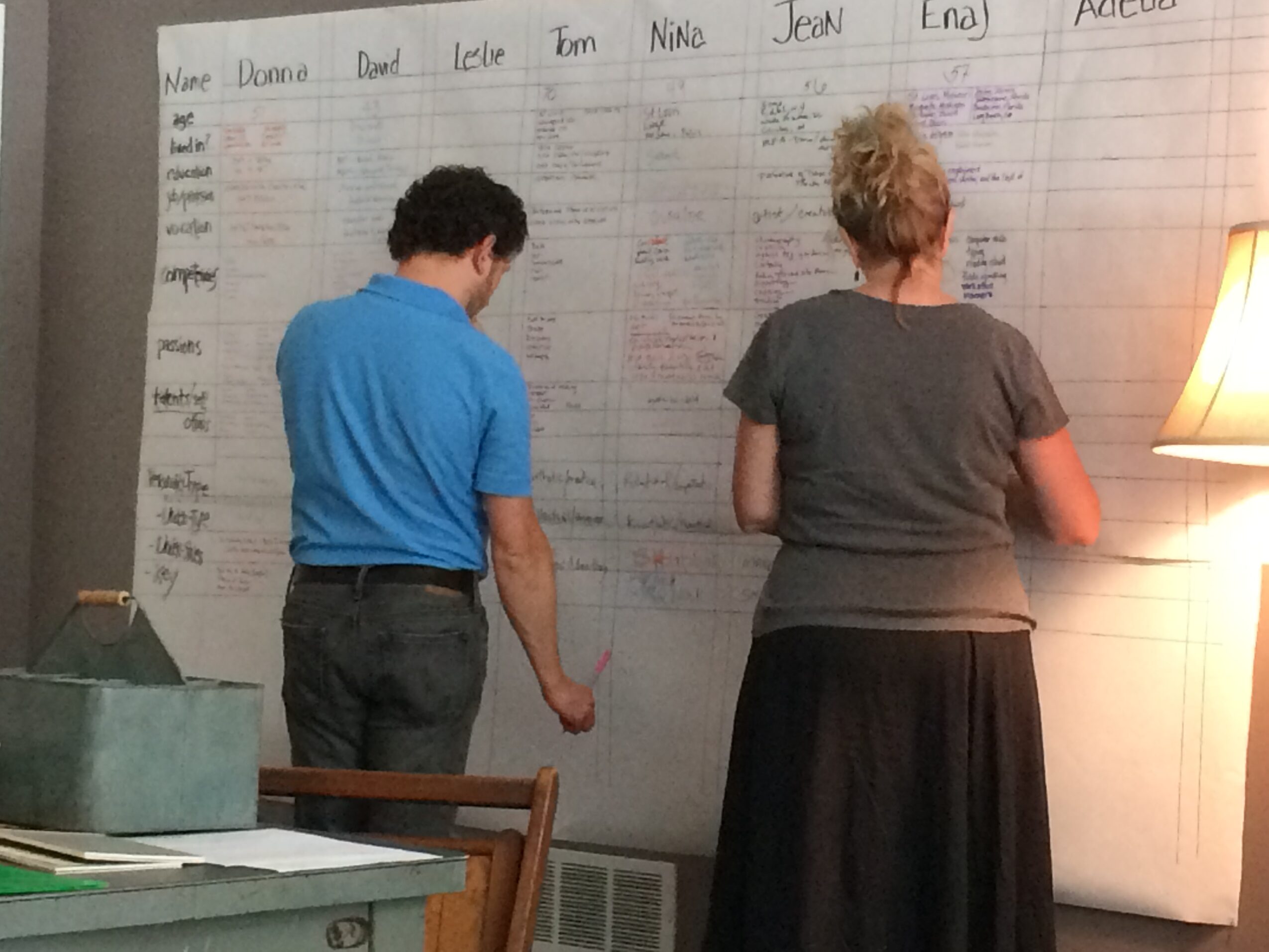
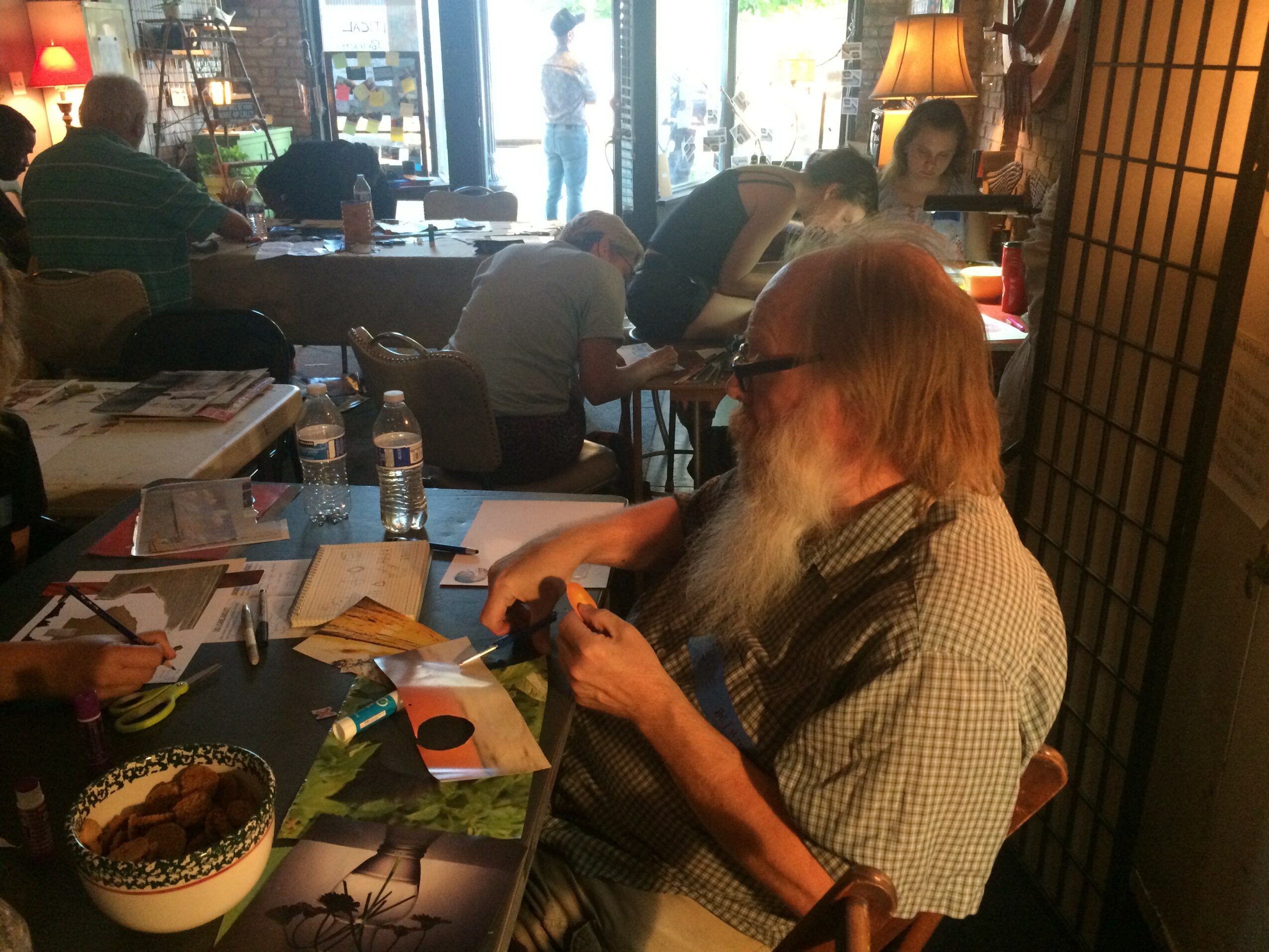
Each cohort of 8–10 participants engages in co-creation methodology with a group-specific facilitated process that uses visual art, writing, movement, and deep listening. We explore identity, personal agency, and community connection. Each series is
co-created and participatory. You are invited to lead, to make, and to discover.
Metaphoric mapping exercises, collaborative image-making, and reflective writing are part of the curriculum. The work emerges publicly with pop-up exhibits, ‘zine publications, and opportunities for audience participation and critique. These events that bring our voices and our work directly to the community that shaped them.
We hold the Freirean principle that people are experts in their own experience. This project is part of a growing national conversation about arts-based community development. Creative process is a tool for social inquiry, draws on local culture, and documents our contribution to the field of socially-engaged art and practice-based artistic research.
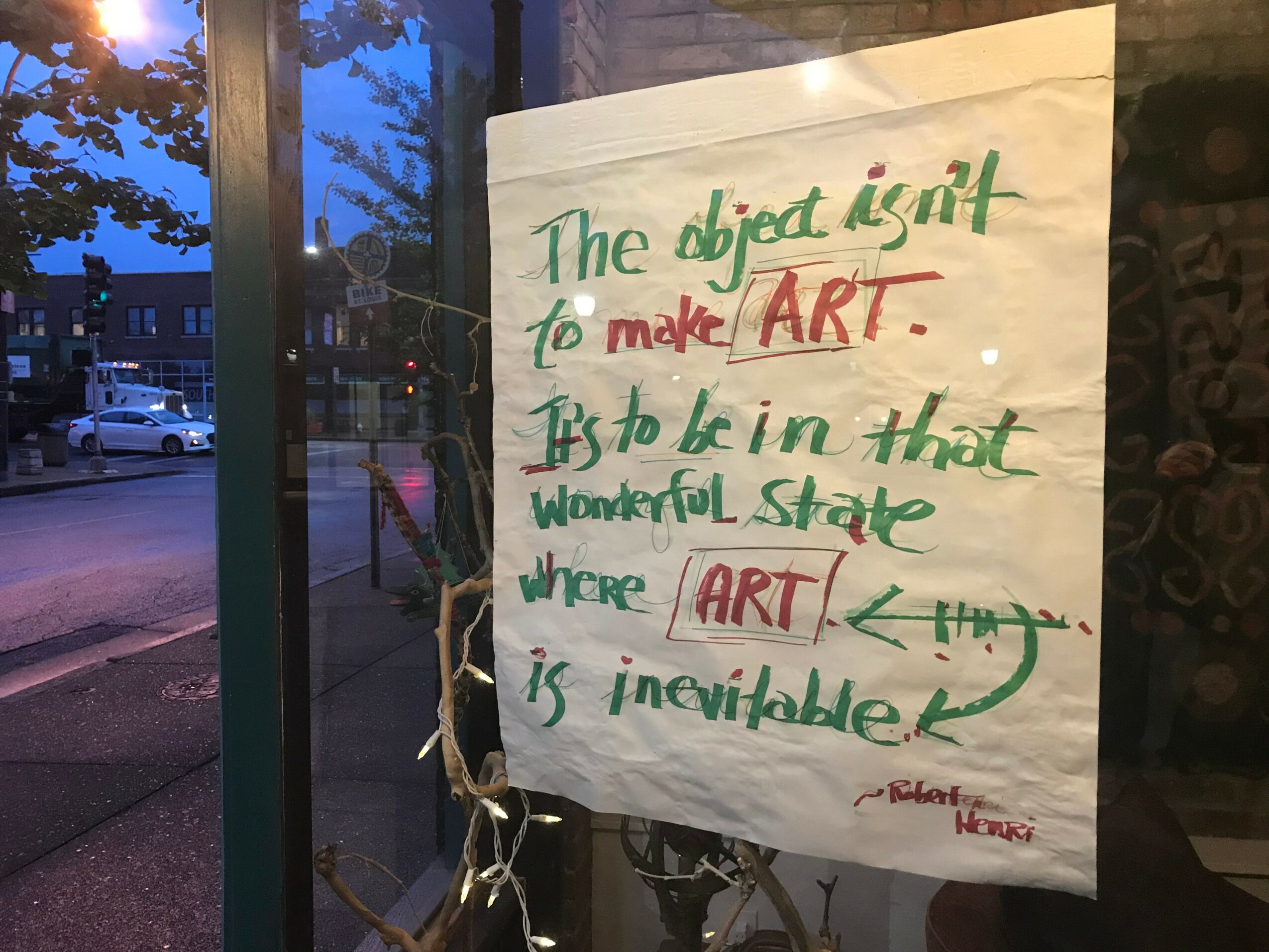
I believe creative process is the secret sauce, the great leveler. Art shows us to ourselves.
Where do you see things going in the next 5-10 years?
The LENS is a new way to see an arts ecosystem. It supports individuals who participate in small groups who explore identity and personal growth. It ‘illustrates’ the process behind the product. It goes deeper and broader. It ‘exhibits’ the art product as a part of a conversation about how individuals came to know themselves and each other in a meaningful way. In a world marked by geographic and social fragmentation, this matters. Participants gain an expanded creative agency, deeper self-awareness, and new connections to community. For the broader public, pop-up exhibits and ‘zine publications make that interior work visible, placing participant voices and images into the shared life of Cherokee Street, St. Louis, and beyond.
The LENS joins a national movement of socially engaged art practices that position creative process as a form of community inquiry. It is not imported from elsewhere. It is built here, from 25 years of practice on this street, in this city. This model is replicable. It’s effects are documentable, and the framework is transferable. I want to write a second book to share and extend these findings into the broader field of arts-based community development. What begins on Cherokee Street has the potential to inform practice in other cities, other neighborhoods, other rooms where people are waiting to be invited in.
No one can predict the future. We only have now. We can do our best to take care of ourselves and others.
The world outside my practice is beyond my control for the most part. It is scary and not scalable.
The world inside my practice is observable, changeable, and surprising. It tells the truth. With art, we can ask the important questions of ourselves and others. The answers and the stories are many, the relationships are built, and this small part of the wider world will survive.
Pricing:
- $80/hour 1:1 mentoring
- $200 per person/ 6-week online personal development group [4-6 people]
- $1500 2- day, on-site staff development retreat
Contact Info:
- Website: https://www.conchristeson.us
- LinkedIn: https://www.linkedin.com/in/conchristeson/