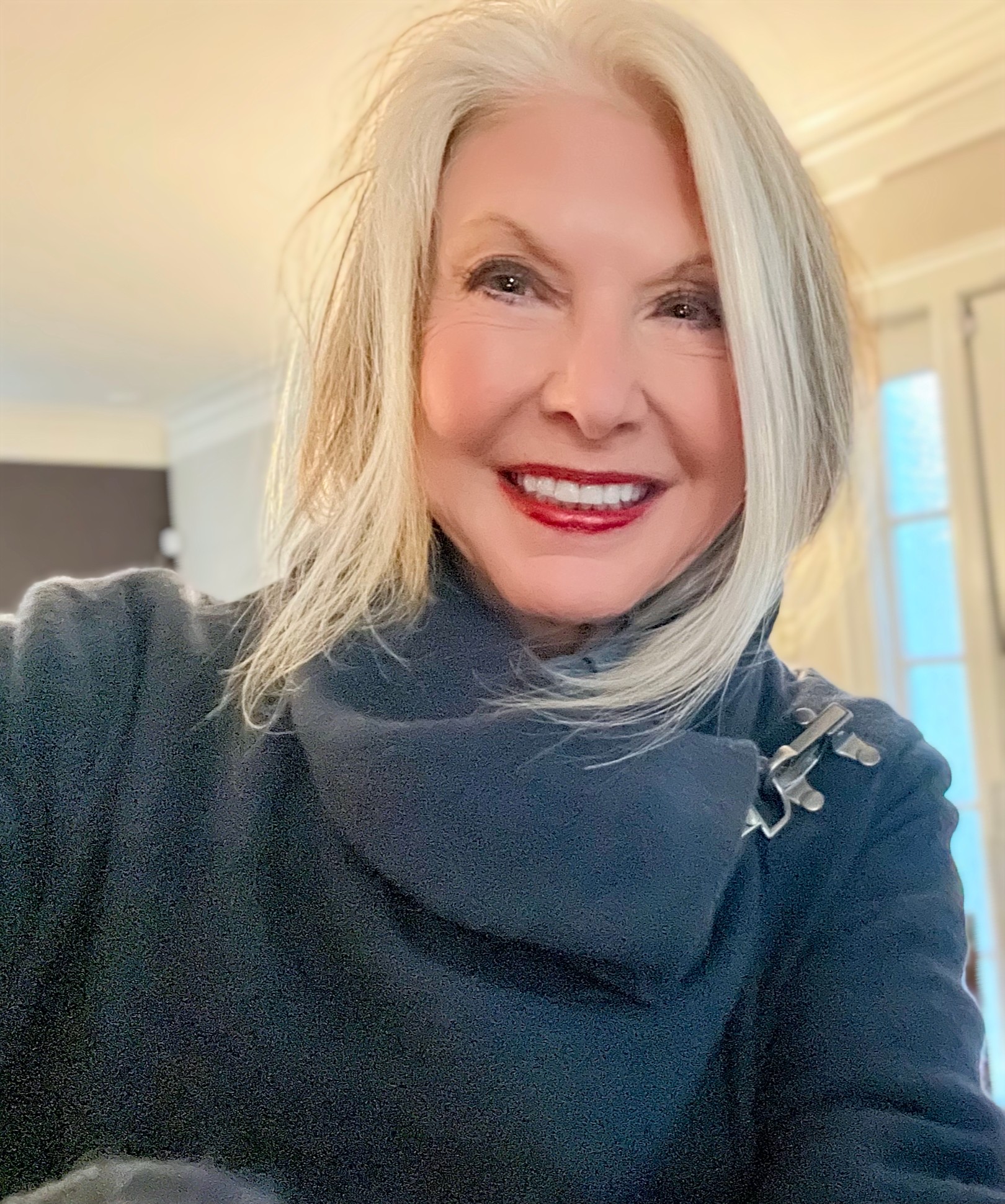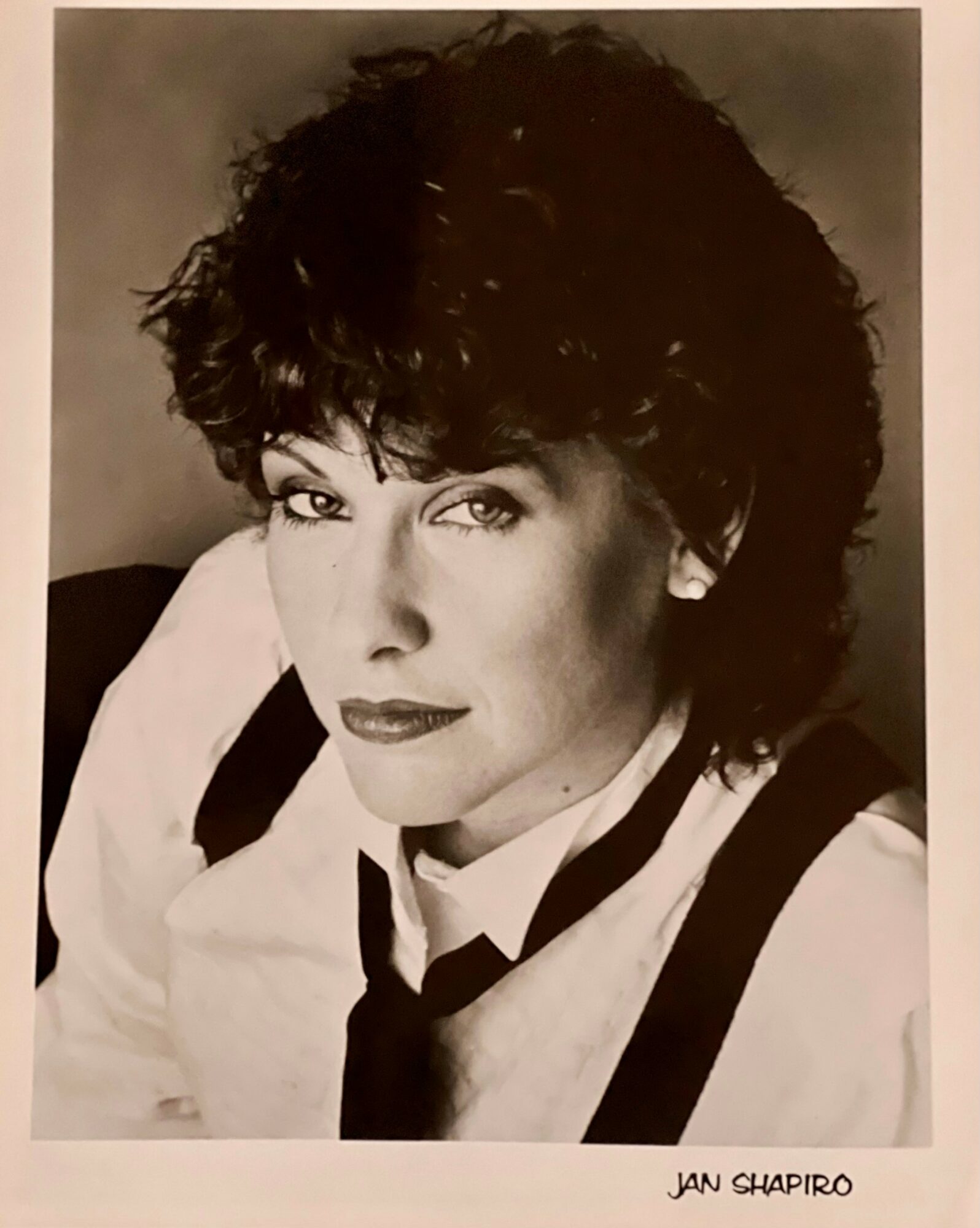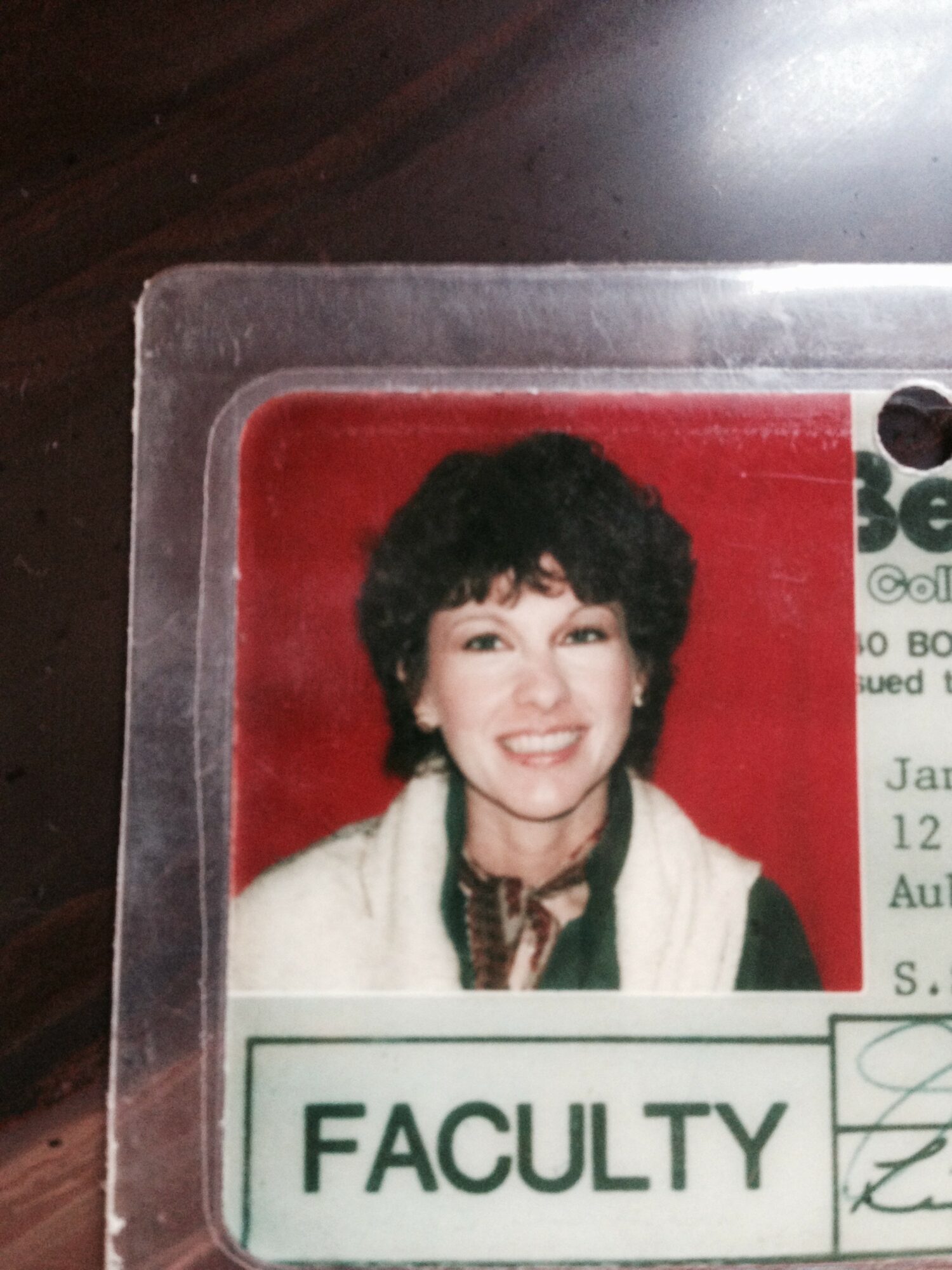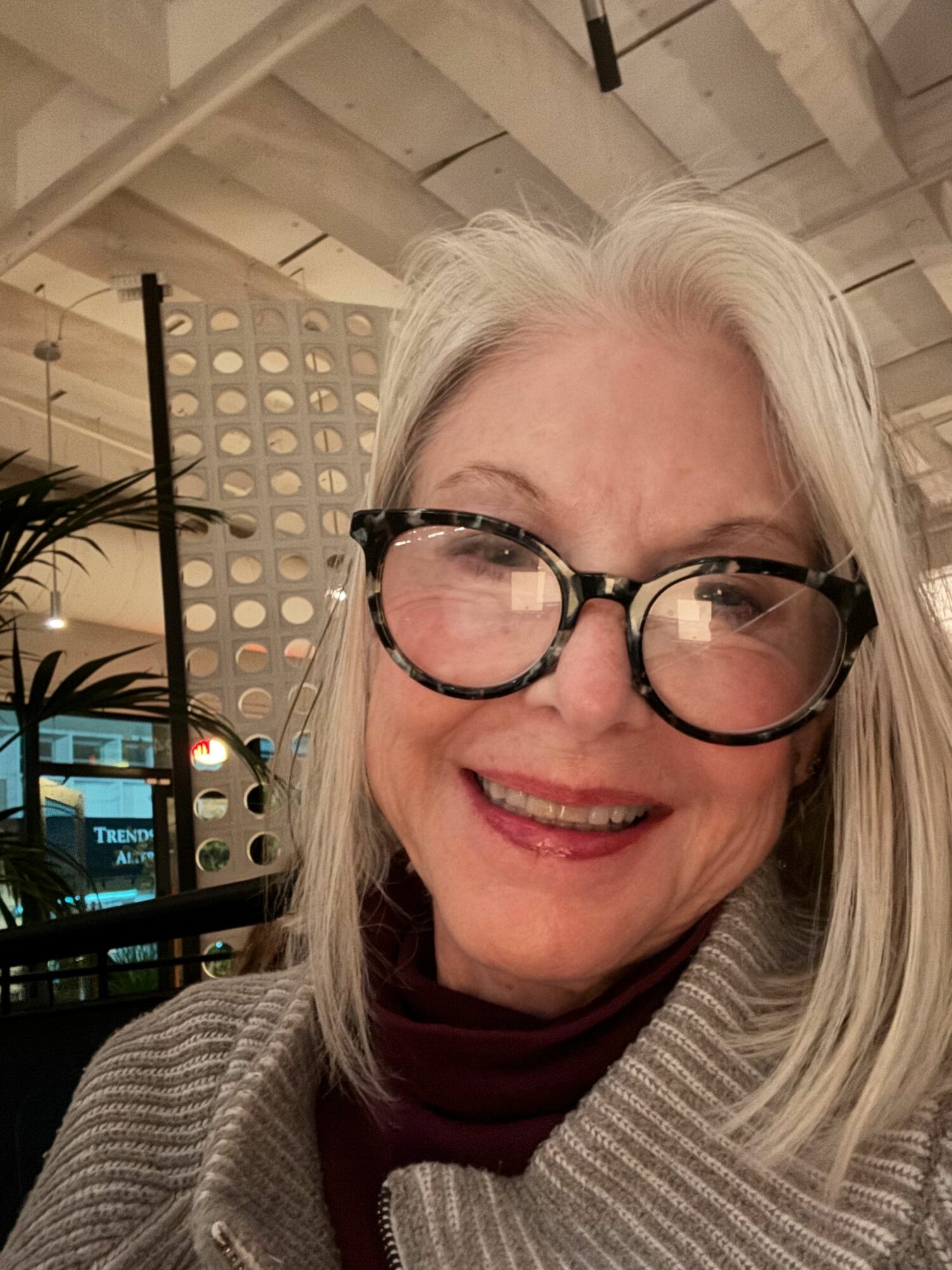
Today we’d like to introduce you to Jan Shapiro.
Hi Jan, it’s an honor to have you on the platform. Thanks for taking the time to share your story with us – to start maybe you can share some of your backstory with our readers?
I started piano lessons , learning first from my mother and then at age 5 or 6 took from another piano teacher.
In high school I played flute in the band , sang in choirs , and formed a small singing group so that we could audition to be in a talent show.. ( WE made it in) ..
My Story began in Festus Missouri where I grew up.
I am the oldest of four children . My parents were hard working and very strict. I was born on May 10 1949 . My mother always said that she noticed from the time I was a baby that when she sang and played the piano, I could hum musical lines back to her. She told me much later that she thought that all children must be able to do that . But then she said, her other three children did not do that!
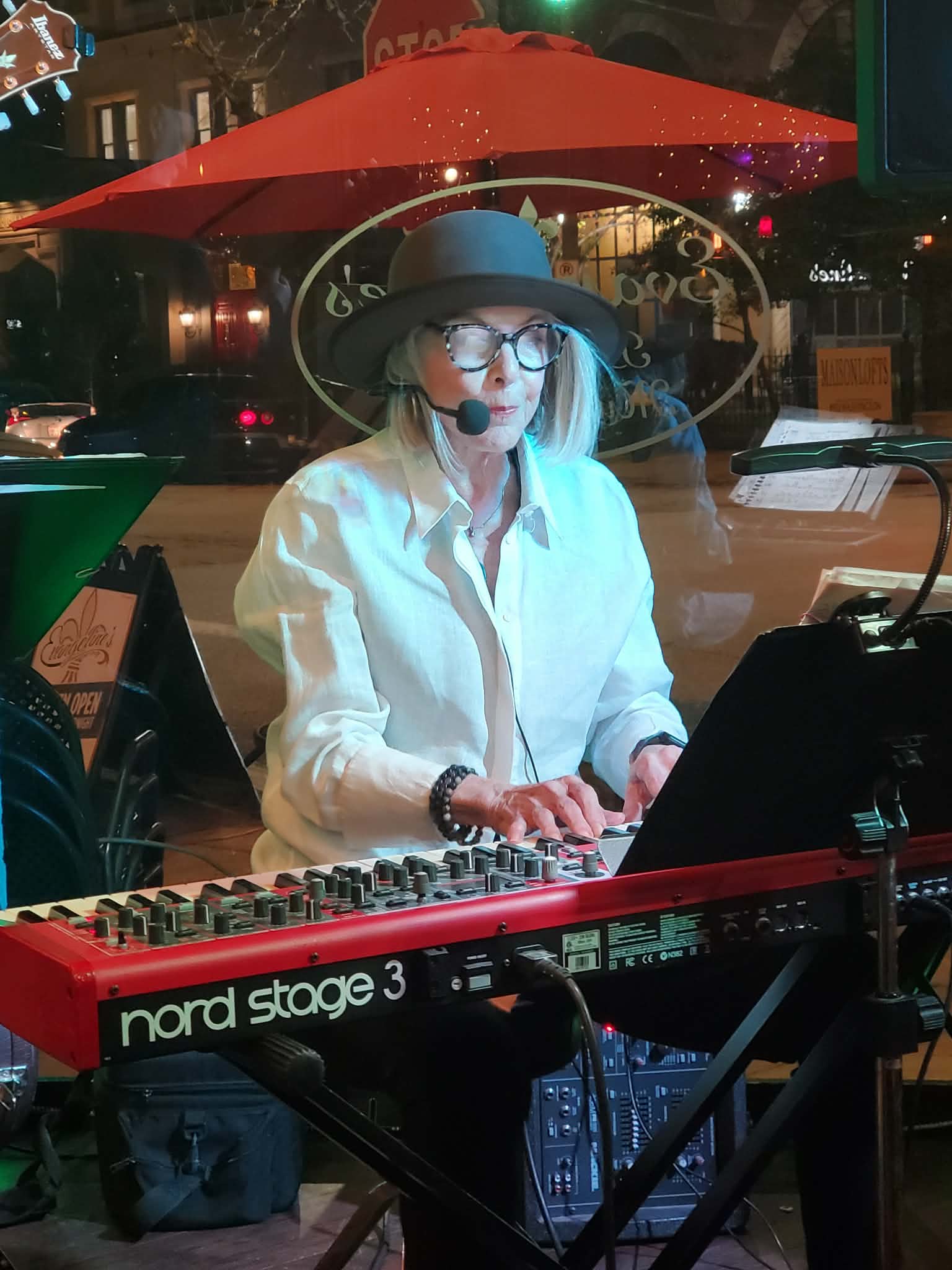
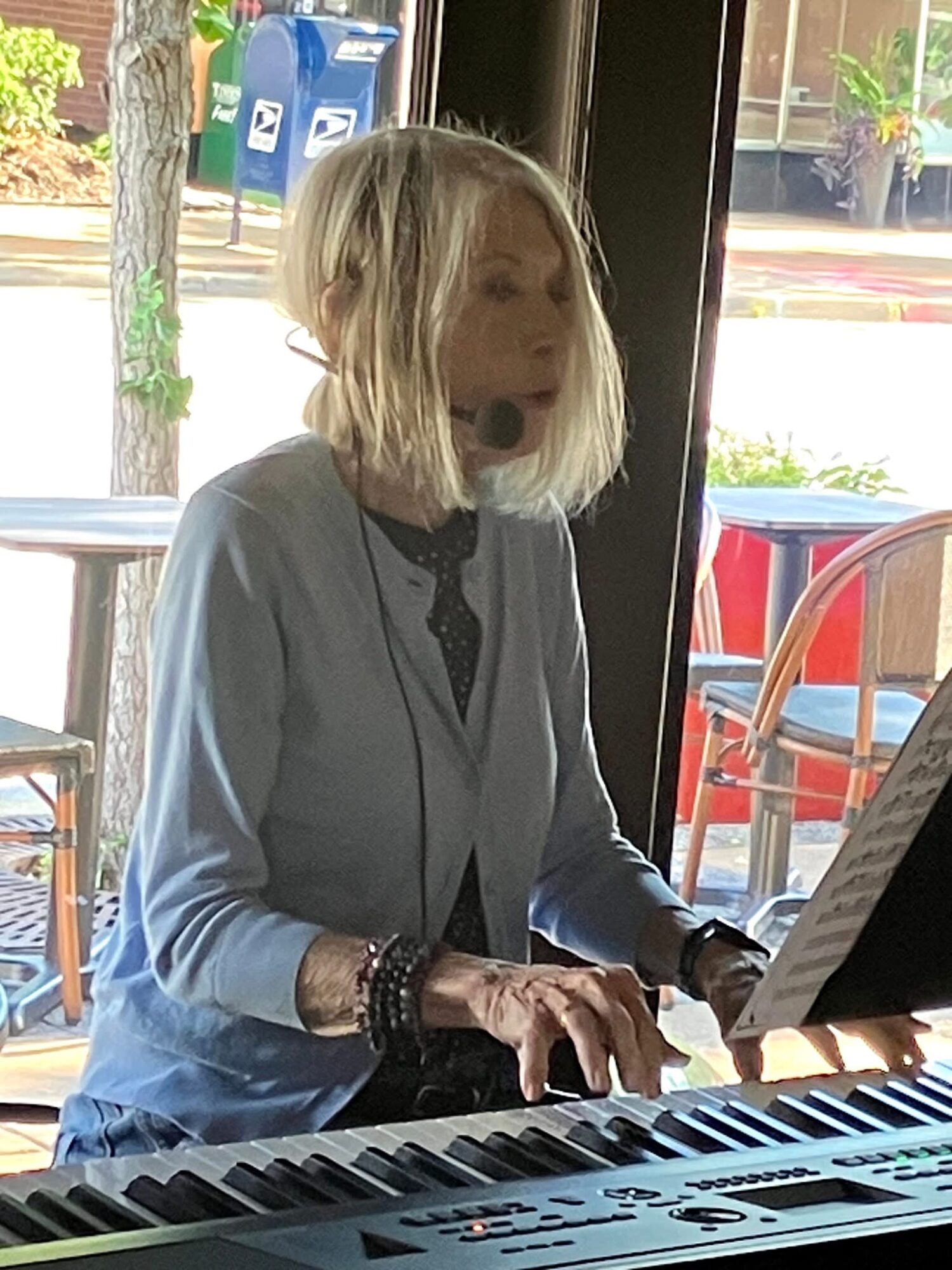
I am from the St. Louis area, raised in Festus Missouri. My father and my uncle owned a scrap iron business called “ Shapiro Brothers” . I began my professional singing career at age 21. I was very fortunate to make a living as a vocalist , performing first in St. Louis and then to other areas of the country. I started musical training as a little girl, dancing and singing at age 5 years old. My mother taught me piano and how to read music. I had excellent classical vocal training for many years. I also play the piano , flute and guitar.
In 1985, I moved from St. Louis to Boston Ma to accept a full-time position at Berklee College of Music. After 31 years, I retired from Berklee and returned to my home in Missouri, St. Louis, summer 2017.
One of my goals was to help our musically talented youth in the St. Louis area. I teach private lessons in my home studio. I volunteer my teaching to the talented youth, artists and musicians of St. Louis who cannot afford to take private instruction. I have assisted Harvey Lockhart’s “Healing Arts” students who wish to learn more about singing. Prior to the pandemic I served as a mentor to those artists who appeared at the Krantzberg ‘Dark’ Room.
My grandfather Harry ( Isaack ) Shapiro was born in 1889 and came from the area close to the Russian border -close to the Ukraine. He left when he was about eighteen to escape the Nazi regime. Apparently he sang in his temple as young man in his ‘home country’. . When he came to the US, he went to see his older brother Jacob who lived somewhere in Tennessee. “Papa” Shapiro sang in tent shows making his way to the south to see his brother. There he met his future wife, my Grandma Nellie Swaite. After they married , they moved to St. Louis Mo.
Around 1918, The Spanish Flu became very bad in St. Louis . So my grandfather decided that he, Nellie and their young son Leon ( my uncle) should move farther away . They moved to a very small town 35 miles south of St. Louis called Festus.
There were five Shapiros coming from “Harry” and Nellie Shapiro- Leon, the oldest, Ann, Samuel, Earl and Betty.
After World War II, my father, Earl Shapiro and his brother Leon Shapiro started a scrap iron business called ‘Shapiro Brothers’ in Festus Mo.
My mother Virginia also came from a very musical family. Her father was a very good violin player , although he did not play for a living. My mother played piano very well, played timpani drums and also sang in high school. She loved music and was my biggest musical influence.
My sister and I are two years apart . We were quite small when my mother enrolled me and my sister in dance classes. I sang and danced by the age of 5 or 6 years old. My mother taught me how to read music and play beginning piano by age 6 . I then started formal piano lessons with a piano teacher in Festus Mo. I also sang and danced in recitals at age 5 years old to about age eleven or twelve. I began formal voice lessons at age fifthteen and in high school participated in chorus , musicals , played flute and bell lyre in the high school band. I also taught myself to play guitar and played for fun during my high school years.
Even as a small child I knew I loved to sing. I knew I always wanted to sing but when I was a junior senior in high school I became afraid to tell my parents what I wanted to do. My mom wanted to make sure I had something ” to fall back on” .
I wanted to tell my parents that I only wanted to do music but I became afraid to tell them. In those days, there were two choices for women -become a teacher or nurse. My Uncle Leon and family lived next to us my whole life .One of my cousins became a nurse so I decided I would go to school to be a nurse — but also I decided that in this way I could be on my own and not live at home – and do what I wanted to do –which was to sing and study music.
I continued to take voice lessons until I moved to St. Louis to attend Mercy College for nursing school.
I graduated from a new two-year program ( instead of three years) at Mercy Junior College , passed a state board and became a Registered Nurse. During this time, I also dated a young man who was attending University of Missouri , Columbia. So at age 20 , I became engaged and got married . For a about six months ,we lived in Columbia Missouri. My then husband continued to go to school to complete his degree and I worked at a hospital in Columbia as a nurse. I became very depressed and unhappy.
My then husband finished his degree and we moved to an apartment In St. Louis .
A few months back in St. Louis and my husband and I separated ,eventually divorcing .
I resumed my voice lessons and later studied music theory while working as a nurse.
Not sure on the exact date, but around 1970 I decided to go back to school for music , paying my way by working in the emergency room at St. John’s Mercy Hospital. After awhile I saved enough money to go to school full time. I found a room to rent in Webster Groves Mo. and went to school full time-working weekends in the emergency room.
Through this time period I was very fortunate to have good friends who encouraged me and believed in my talent . One couple in particular Muriel and Ray Hines were my parents age but recognized my talent and potential . They were my cheerleaders and I will forever be indebted to them. Muriel and Ray Hines would take me to ‘nightclubs’ where there would be a pianist and basically tell the pianist ‘ she can really sing- you have to let her sing something for you” .. I gained confidence from these little musical experiences.
Before I attended the “ Institute of Music” I started playing and singing guitar at a place called the ” White Horse Lounge” .. I only realized later that I was a ‘front’ for gambling in the back of the club!
When I went back to school full time, I met a pianist , Ed Plitt, who was a senior at the St. Louis Institute of Music –(The Institute moved from Clayton and became part of Maryville College –that later becoming a university) . Both Ed Plitt and I attended school at the St. Louis Institute of Music – Maryville College.
Even though I had two years of college in Nursing and passed a state board, I continued my vocal students and formal voice training.
After about a year, I left Maryville College before obtaining a degree in Music because I started singing clubs full time 6 nights a week and traveling ‘on the road’ in cities around the country..
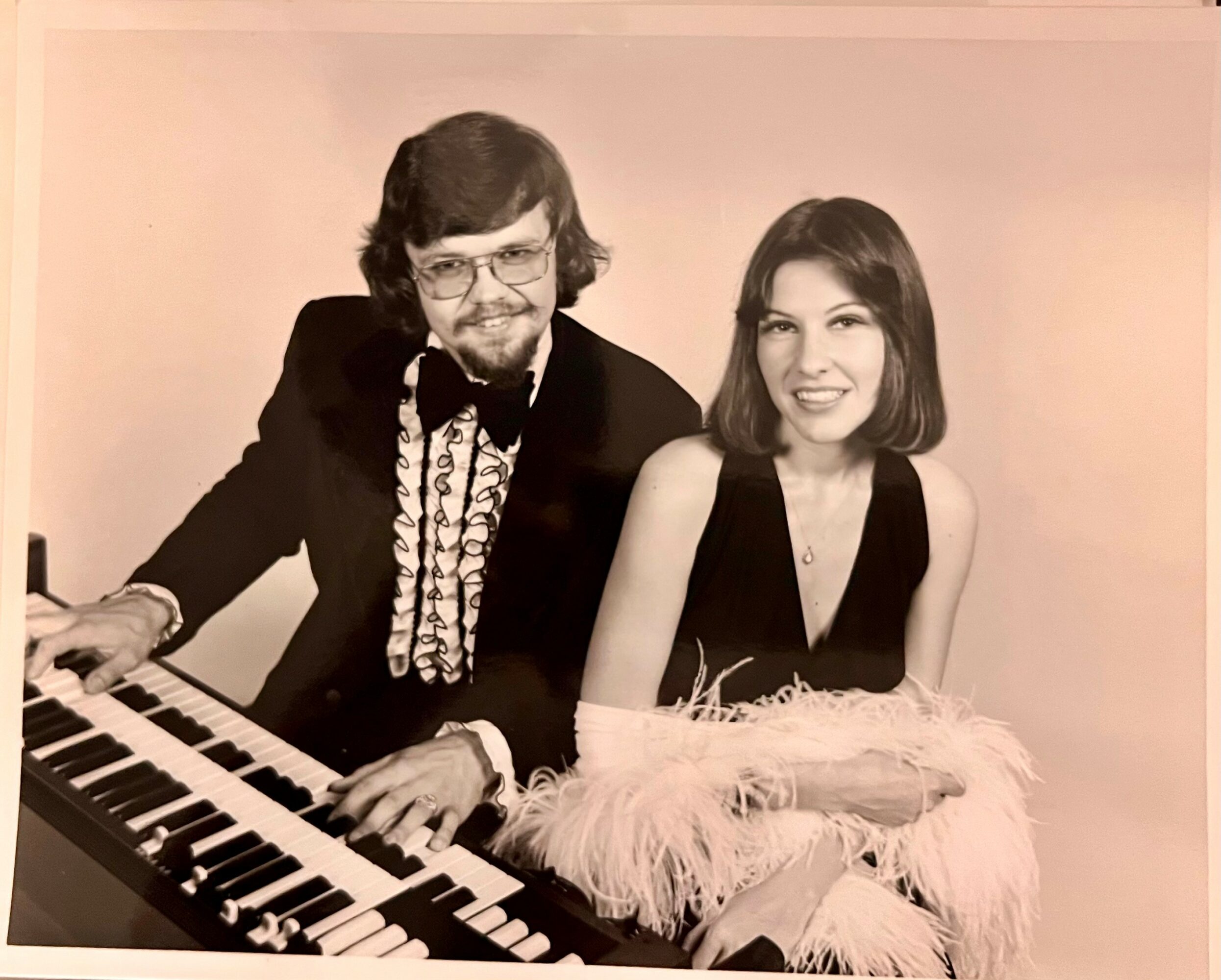
For months at a time we were mostly ‘on the road’ playing at hotels,and resorts weeks at a time.. While performing in and out of town I had married pianist Eddie Plitt.
Sometime between 1973- 1974- I decided that I wanted to learn more about music and finish my degree in music and leave the St Louis area. Eddie and I disagreed about me leaving the St. Louis area and my ambitions… So we decided to divorce.
At around around that time my former voice teacher Dr. Relford Patterson had moved from St. Louis as Chair of Fontbonne College to become the Chair of the Music Department at Howard University Washington D.C. I asked for his advice and help and soon after I was accepted into the music degree program at Howard University , Washington DC. With a full scholarship.
I moved to Washington DC. I continued to sing 5 to 6 nights a week while going to school full time—which was not easy!
I graduated with a degree in Music Education / Music Therapy, Cum Laude, in 1978.
I had an agent who continued to book me in hotel lounges around the area. I worked 5 to 6 nights a week while I went I attended classes at Howard University full time.
During my second year at Howard, pianist Ed Plitt came to live with me in Washington DC …I married Eddie Plitt the second time while in Washington DC.
When I graduated , Eddie wanted to go back to his hometown , St. Louis ,because his family was there ( and mine were as well).
I was reluctant because we had so much work in the DC Area. – plus I had an agent that booked us.
SO—We moved back to St. Louis-eventually living in the city, the historical Shaw neighborhood. It was a rough start to get back into the St. Louis music scene again after being away. We finally managed but by then things had changed . There were really no local booking agents representing musicians anymore . So we had to ‘book’ ourselves … I became that person -the ‘booker’ !
I wound up being the the better booking agent and booked our band and – and later sometimes another band. We again worked 6 nights a week at hotels and larger venues, including large private parties at exclusive Country Clubs , and Hotels. On some venues, I booked a 14- 16-piece band.
In 1979 , I had a son, Aaron. In 1981, I had another son Adam. I continued to sing nightly . One of the musicians we worked with , a trombone player was the Chair of the Music Department at Southern Illinois University . He asked me to come to the college and present a clinic for the music students .I did this several times. By the time my youngest son was 2 years old, I was singing 5-6 nights a week, singing demos , and writing songs.
I taught one day a week at Fontbonne College’s Music Department and one day a week at Southern Illinois University , Edwardsville.
Although I did not advertise, I also received requests to teach private students voice lessons at home. While teaching at both Southern Illinois University and Fontbonne, I became increasingly interested in education and also in jazz education.
ON the ‘gigs’ , I played flute and sometimes would play electric bass on a few tunes. During this time I also wrote lyrics to other musicians songs, recorded some commercials as well as original songs . I also was asked to record other musicians’ original tunes from time to time.
I joined the Jazz Educators Association ,and attended jazz conferences .
My then husband, Eddie and I separated around 1982. However we still managed to work together,— with me doing all the booking of the group.
Around 1982-83, I noticed that the music ‘ business’ was again changing . Nightclubs were cutting out larger music ensembles for smaller ones . In my case, I would work with a pianist during the week, and then add a bass player and more instrumentalists during the weekend. I saw that the nightly music venues were changing to no music. I also began to worry about my little boys .
As my little boys grew to school age -I began to worry about not being home at night .
When my sons would be old enough to attend school, I would not see them as much or have time with them in the evenings.
A SIUE colleague mentioned to me in the hall that there was and add in one of the music journals for a voice teacher at Berklee College of Music, Boston.
Since I only had taken a few graduate courses at SIUE , I felt that I would not be a candidate Berklee would want because I did not have a graduate degree. However, I did have fifthteen years of performance experience, had studied voice for years with three excellent voice teachers, and had made recorded demos .
I decided to send in my resume to Berklee College, in Boston .To my surprise , they called me and asked to come to the college for an interview. I went to Boston and they offered me the job. But, the the salary was too low and I knew I could not afford the moving costs.
A year later, the Chair of the Voice Dept. at Berklee advocated for me to the the new Dean of Faculty , Dr. Warrick Carter. Dr. Carter personally called me and this time the offer was better.
I accepted the position and my life changed forever .
As soon as I moved to the Boston area, I continued to sing -but no longer 5-6 nights a week. This was because the music business had already changed to less bands playing nightly but also I had decided that I needed to be home during the evenings for my sons.
In addition to teaching full time at Berklee, I also was asked to teach some students at my home. I loved teaching -but also took extra students to help my finances as the East coast was more expensive than the Midwest. When my sons would go to sleep at night, I would often listen to music -jazz, and blues. I became totally enthralled with a vocal girl group who were sisters, the Boswell Sisters who recorded from 1931-36. I became interested in jazz history and I also spent more time practicing my piano. I started learning more jazz . During the early days at Berklee, I also was fortunate to work and play music with Berklee’s very talented faculty. During that time I also recorded several ‘demos’ with very talented faculty and ventured out from my comfort zone to sing new jazz repertoire
I applied for a National Endowment for the Arts Grant, Special Jazz Projects which was very competitive. To my surprise I received a National Endowment Grant in 1989 which allowed me to drive and/or fly to interview various notable early jazz musicians and early jazz vocalists.
When I received the National Endowment I was also surprised to receive a congratulatory letter from Massachusetts Senator Ted Kennedy. I did not realize that I was one of three recipients for the National Endowment of the Arts grant!
In 1987, I was asked to sing in the prestigious Boston Globe Jazz Festival and again in 1990.
I continued to work on learning more about jazz repertoire . I wrote articles for the Jazz Educators journal and continued doing research on early jazz vocalists and instrumentalists. ( When my sons were asleep at night , I stayed up and wrote articles about vocal jazz ,etc )
I decided I wanted to continue my education by completing my graduate degree. I applied first at the prestigious New England Conservatory .I had hoped for a scholarship there. Although I received a letter of acceptance and praise for all of my accomplishments as an educator, researcher and vocalist, I was not offered any scholarship money.
I decided to attend the New England Conservatory but graduate courses were expensive and so I took onely one course per semester. The first course I took was in “ Writing and Research” .
As difficult as it was to teach full time, do occasional gigs and parent my two sons, I worked on this class. I was the only student who chose to write about jazz. During my lunch hour at Berklee , I would go to the Berklee library. The librarian there Jon Voight was a wealth of information and his direction into how and where to research was invaluable .
My final project for my class was on “ The original urtext of Round Midnight” . I was the only student in the class that wrote about jazz.. This paper was published in the National Association of Jazz Educators and started me on the course of research and writing!!! At that time there were mostly men who wrote about jazz -including jazz vocals -even when the writers were not vocalists themselves! ( I think this is still the case even now — more men than women writing about early jazz and blues , jazz in general and more progressive jazz of today) .
In summary, I knew I always wanted to sing . It’s remarkable that even though I was not a “ star” I managed to make a career path in music.
https://www.janshapiro.com
Published Articles, Papers, Books
“So You Want to Sing Jazz” by Jan Shapiro, Rowman and Littlefield 2016
Jewish Women in America: An Historical Encyclopedia “Helen Forrest” 1998
Carlson Publishing, Inc., Brooklyn, New York.
American National Biography. “Mildred Bailey”, “Sippie Wallace” 1997
Oxford University Press, Cary, No. Carolina
Dictionary of American Biography. “Connee Boswell”, “Maria Callas”, “Ruth Etting”, 1995
“Jane Froman”, “Lily Pons “
Charles Scribner Sons, New York
Berklee Today. “Improvisation and The Vocalist” 1991
Jazz Educators’ Journal. “Connee Boswell and The Boswell Sisters: 1990
Pioneers in Vocal Jazz”
International Association of Jazz Educators 1990
“Filling in The Gaps In The History of Vocal Jazz: Connee Boswell and The Boswell
Sisters“. (Research papers presented at 1990 International Jazz Educators Conference,
New Orleans, LA)
International Association of Jazz Educators 1989
“The Inventive Vocal Style of Connee Boswell and The Boswell Sisters: “Is There More
Than What Has Been Released On Records?” (Research Papers presented at 1989 Jazz
Educators Conference, San Diego, CA)
International Association of Jazz Educators 1988
“In Search of the Original ‘Round Midnight: A Study of Published Manuscripts,
Transcriptions, and Recordings of Thelonious Monk’s Composition” (Research Papers
Presented at 1988 Jazz Educators Conference, Atlanta)
Jazz Educators Journal 1987
“I Want To Sing Like Madonna How Come I Have To Sing Vaccai?”
Jazz Educators Journal 1986
“Vocal Jazz Realities”
Honors and Merits
Albert Nelson Marquis Lifetime Achievement Award by Marquis Who Who 2021
Duke Ellington Performance Grant 1996
Berklee College Medallion Award
Experience:
Lindenwood University, St. Charles Mo., Adjunct Voice Instructor Jan.-May 2020
Professor, Voice Department, Berklee College of Music 1985-May 20,2017
Voice Department Chair, Berklee College of Music Voice Department 1997-May 2010
Principle designer – Curriculum Development and course concepts,
Faculty hiring and supervision; Department Growth from 300 students and 13 faculty
1000 voice students and 41 faculty.
Course offerings in voice from 8 courses to 26 voice specific courses;
Director Berklee in LA ‘Vocal Tracks’ 1999-2002
Director/Developer, summer program ‘Vocal Summit‘ 2008-2010
Professor, Berklee College of Music Voice Department 2010 – May 2017
Acting Chair, Berklee College of Music Voice Department May-December 1996
Associate Professor, Berklee College of Music Voice Department 1985-1996
Principle designer of new departmental Final Exam guidelines and requirements.
This resulted in a major curriculum change within the department.
Berklee College Committee member, Performance Division Educational Committee.
This committee was instrumental in establishing and developing college -wide policies
Berklee College Committee member” Special Committee on Ethics
Committee member, Women’s Caucus, International Assoc. of Jazz Educators 1990
Instructor
Southern Illinois University, Jazz Studies, Edwardsville, Ill., 1983-1985
Fontbonne College, St. Louis Mo. 1981-1985
Private Voice Teacher 1978- present
*Educational Consultant 2005- 2008
Harris Stowe University St. Louis Mo.
Jazz Education Consultant
Online Course Developer, Instructor, Berkleemusic.com, “Jazz Voice”,
Berkleeonline : https://welcome.online.berklee.edu/general-download-berklee-online.html?pid=4897&utm_source=google&utm_medium=cpc&utm_campaign=bol-gen-google-adwords-bol-brand&gclid=Cj0KCQiAjc2QBhDgARIsAMc3SqTwdWLRmCO9gZNw_iQsMlcx076pxhSSEGosjMRMWKbMgv-nv9HELkoaAoQ2EALw_wcB
2010-present
Performance Experience
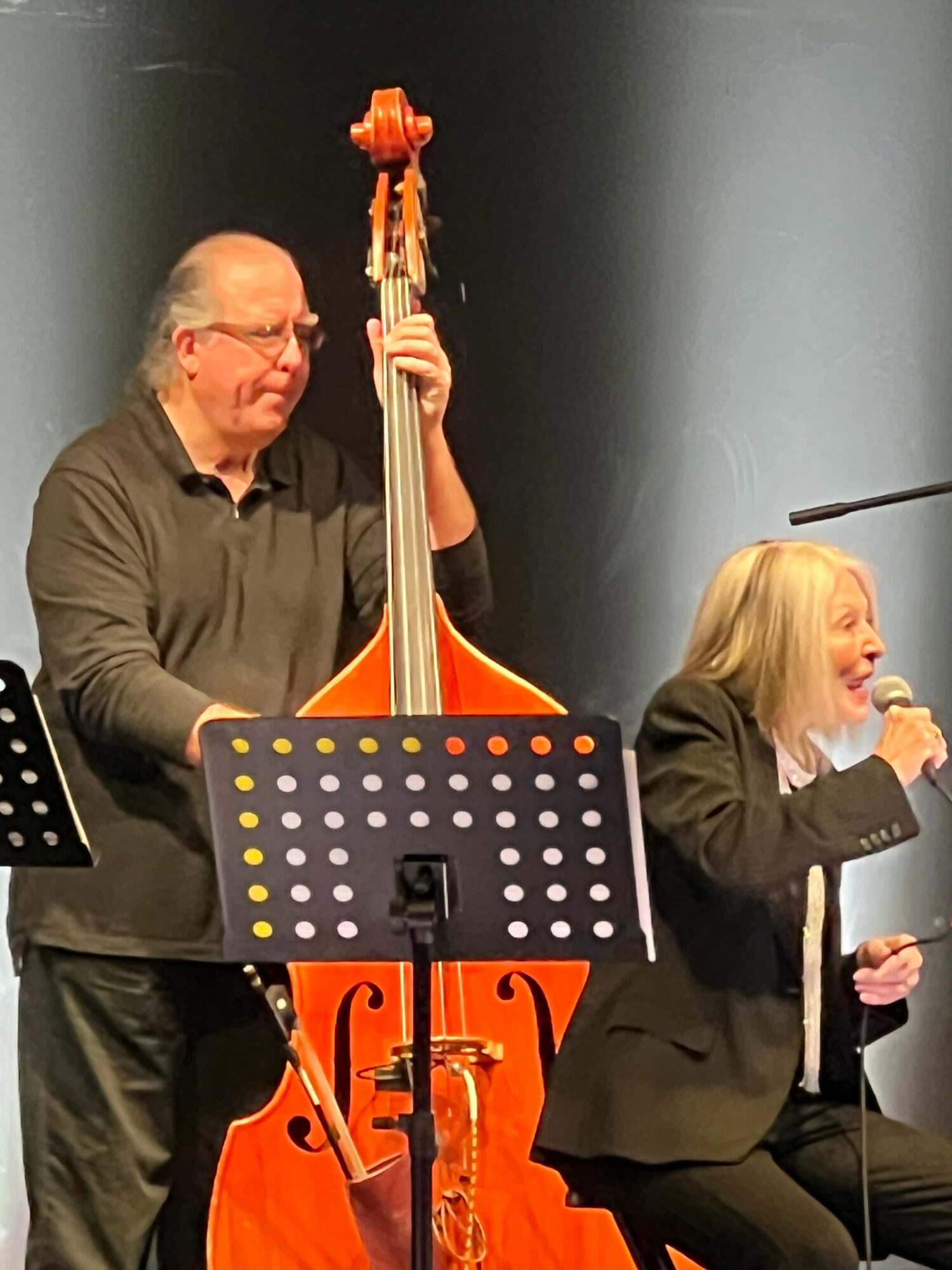
Active performing vocalist, touring major cities 1971-present
(Washington DC. Chicago , Atlanta St. Louis, NYC, )
Guest appearances and workshops 2005-present
Holmes Jazz Series, guest artist,
Washington University, St. Louis Mo. 2006, 2007, 2008, -09,2010-2016,2017
Featured Guest Artist, Boston Globe Jazz Festival 1987, 1990
Featured vocalist, Jazz Concert Series, Martha’s Vineyard 1994
Studio vocalist, local radio, television spots, recording projects 1979-present
Opening act as featured vocalist, for comedians ‘Jackie Gayle, ‘Myron Cohen 1979
Guest recording artist, ‘Airmen of Note’-official Jazz Ensemble, US Air force
(Derived from Glen Miller Orchestra),‘Serenade in Blue’ album 1976
Soloist, Howard University, ‘Women’s Ensemble’, concerts, recordings 1976-78
Semi-Finalist, Broadway production, “Dr. Jazz”, NY, NY. 1975
Finalist, St. Louis Muny Opera/Musical Comedy, St. Louis Mo. 1970-1974
Other
Composer/Lyricist for touring puppet show production, “Babes In Toyland”,
Bob Kramer’s Marionettes, St. Louis Mo. 1979
Professional Recordings
“ Piano Bar After Hours”, Singing Empress 2012-13
“Back to Basics” CD, Singing Empress, 2006
“Not Commercial” CD, Singing Empress 1997
“Read Between the Lines”, Singing Empress, Arranged by Grammy Winner, Richard Evans 1996
(for sound bites, go to www.janshapiro.com)
“Serenade in Blue” Album, guest vocalist, Airmen of Note, U.S Air Force Jazz Band 1976
Clinician/Teacher 1978-present
Teacher , Vocal Jazz,Sedajazz Festival, Valencia Spain, summer March, 2010
Geneva Switzerland, 2010
Berklee on the Road- Heek Germany, Perugia Italy July,1988
Berklee Audition Team, 1990-2006
Clinician, Guest Ensemble Teacher, Washington University, St. Louis Mo. 2005
Clinician, International Assoc. of Jazz Educators Conference (IAJE), New Orleans, “The Boswell Sisters:
Pioneers in Vocal Jazz”,
2000
Clinician, International Assoc. of Jazz Educators Conference, New York, NY
“Microphones and the Singer”, 1998
Clinician,Music Library Assoc. (MLA) National Conference, Boston Ma. 1997
“The Boswell Sisters”,
1996
New England Music Library Assoc. (NEMLA), Wellesley College, Wellesley, Ma.
Women in Music Panel, -presentation on ‘The Boswell Sisters’
Clinician, IAJE Conference, Anaheim Ca. Research Paper Sessions 1995
National Assoc. of Teachers of Singing (NATS), New England Regional Conference,
Recitalist/Performer 1994
Music Educators Conference, Ma. Chapter, Clinician-‘The Young Jazz Soloist” 1992
Clinician, IAJE Conference, Boston MA. 1994
Adjudicator, Ma. Chapter, IAJE, Jazz Choir Competition, 1986-2009
Adjudicator, Berklee HIgh School Jazz Festival, 1990-2004-2008,2009, 2010,2011,12,13,14-16
Adjudicator, Univ. of New Hampshire, Jazz Choir Competition, 1990-2003, 2006
Clinician, Berklee College, with pianist Roger Kelloway, bassist Jay Leonhart. 1989
Clinician, Howard University, Washington D.C. 1981, 1985
Clinician, Music Therapy Very Special Arts Festival, Wash.D.C. 1978
Education
Boston University, Boston Ma. , Speech Language and Hearing Sciences, 1992-93
Post Graduate Study
Cambridge College, Cambridge Ma. Masters in Education, 1988
New England Conservatory, Boston Ma. 1986-87
Graduate Study
Southern Illinois University, Jazz Studies 1983
Graduate Study
Howard University, Bachelors of Music Education 1978
St. Louis Institute of Music, St. Louis Mo. 1971-72
Undergraduate study
Maryville Junior College, St. Louis Mo. 1969
Associate Degree in Nursing Arts, (R.N. Registered Nurse)
Private Vocal Study 1965-1978
Lucille Edmonds, Vocal Technique
Gay Arnoldi, Vocal Technique, St. Louis Institute of Music
Artist Teacher, Maria Stephanaides, St. Louis Institute of Music
Dr. Relford Patterson, Howard University
Jeannie Lovetri, NYC 2009-present
Can you talk to us a bit about the challenges and lessons you’ve learned along the way. Looking back would you say it’s been easy or smooth in retrospect?
Not always .. Being a full time musician is not always easy.
There can be ( and were at times ) financial worries ( making enough to pay bills, etc) .
Continuing practicing and learning one’s musical craft.
Endurance to continue even when weary …
But, if music is what you love , then its what one has to do ..
Alright, so let’s switch gears a bit and talk business. What should we know about your work?
I am most proud that I actually made a living as a vocalist/ musician — 6 nights a week for a long time .. I would say 15 – 17 years . When I accepted the job at Berklee College, I knew it would be a big change for me -from singing 6 nights a week to teaching during the day so I could be home at night with my young sons.
I am proud of all my accomplishments -including receiving an National Endowment Grant for the Arts , becoming Chair of the Berklee College of Music’s Voice Department , etc
There are that not many women who are research writers in the jazz arena — but I had the opportunity and I took it..
Where do you see things going in the next 5-10 years?
There are indeed big shifts in Music , the attitude in students , and the music profession itself . There are no more 6 nights a week music jobs ( gigs) . Music has also changed so that instead of ‘live’ musicians on recordings , there are automated tracks created in software…
I don’t see this as an advantage nor does it help cultivate true musicianship . Its unclear in the next 5 – 10 years what will happen to music ..
Hopefully there will more ‘live’ music instead of less and more representative genres .. including America’s jazz.
Contact Info:
- Website: www.janshapiro.com
- Facebook: https://www.facebook.com/jan.shapiro.56
- LinkedIn: https://www.linkedin.com/in/jan-shapiro-374205288
- Soundcloud: https://soundcloud.com/jan-shapiro-740600507