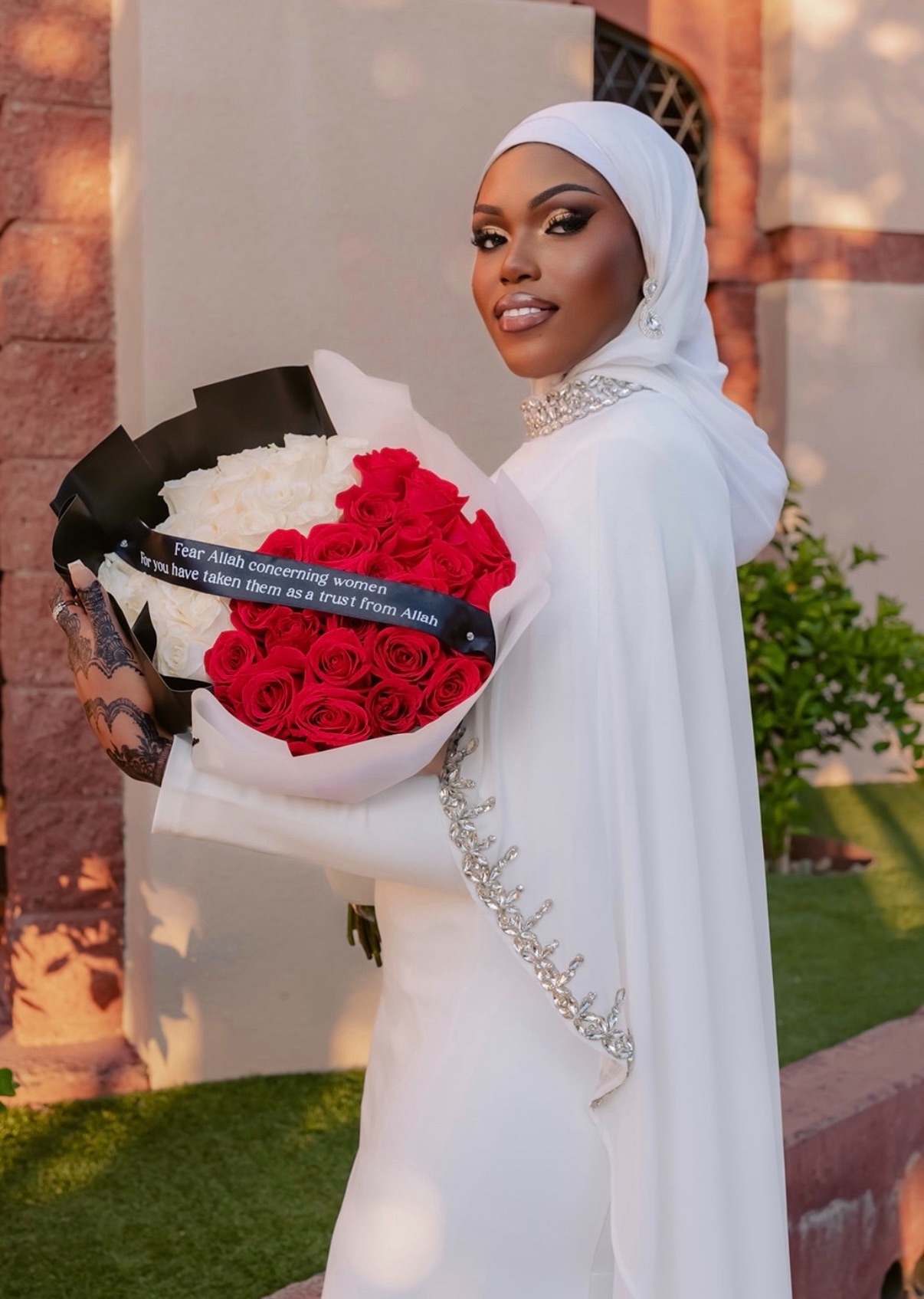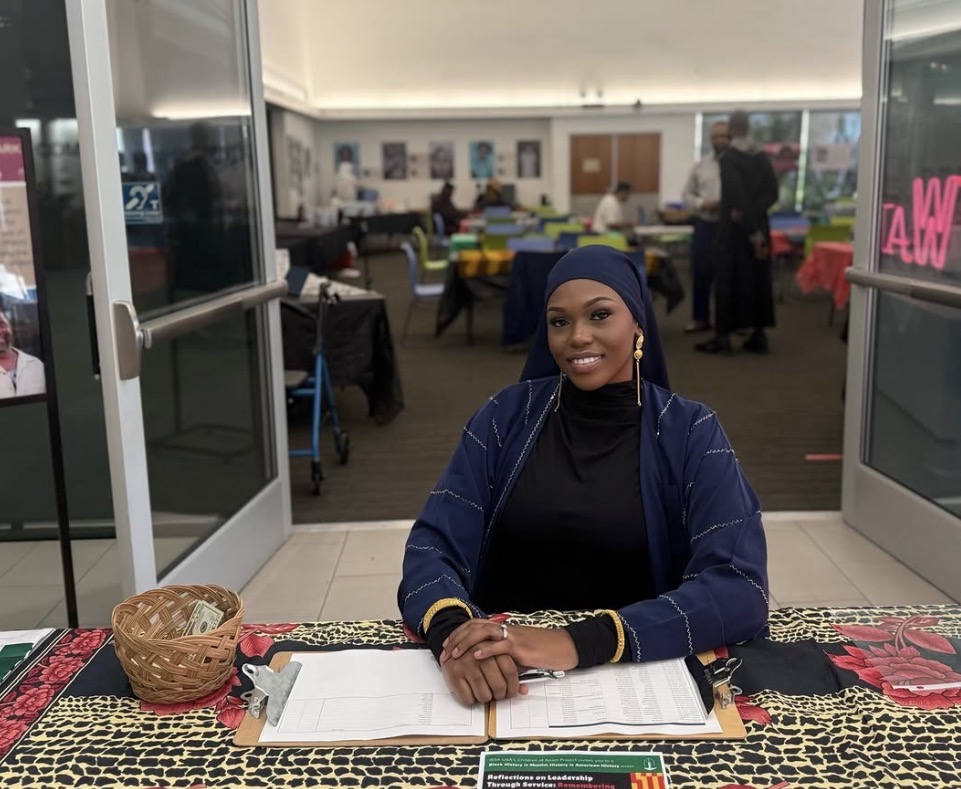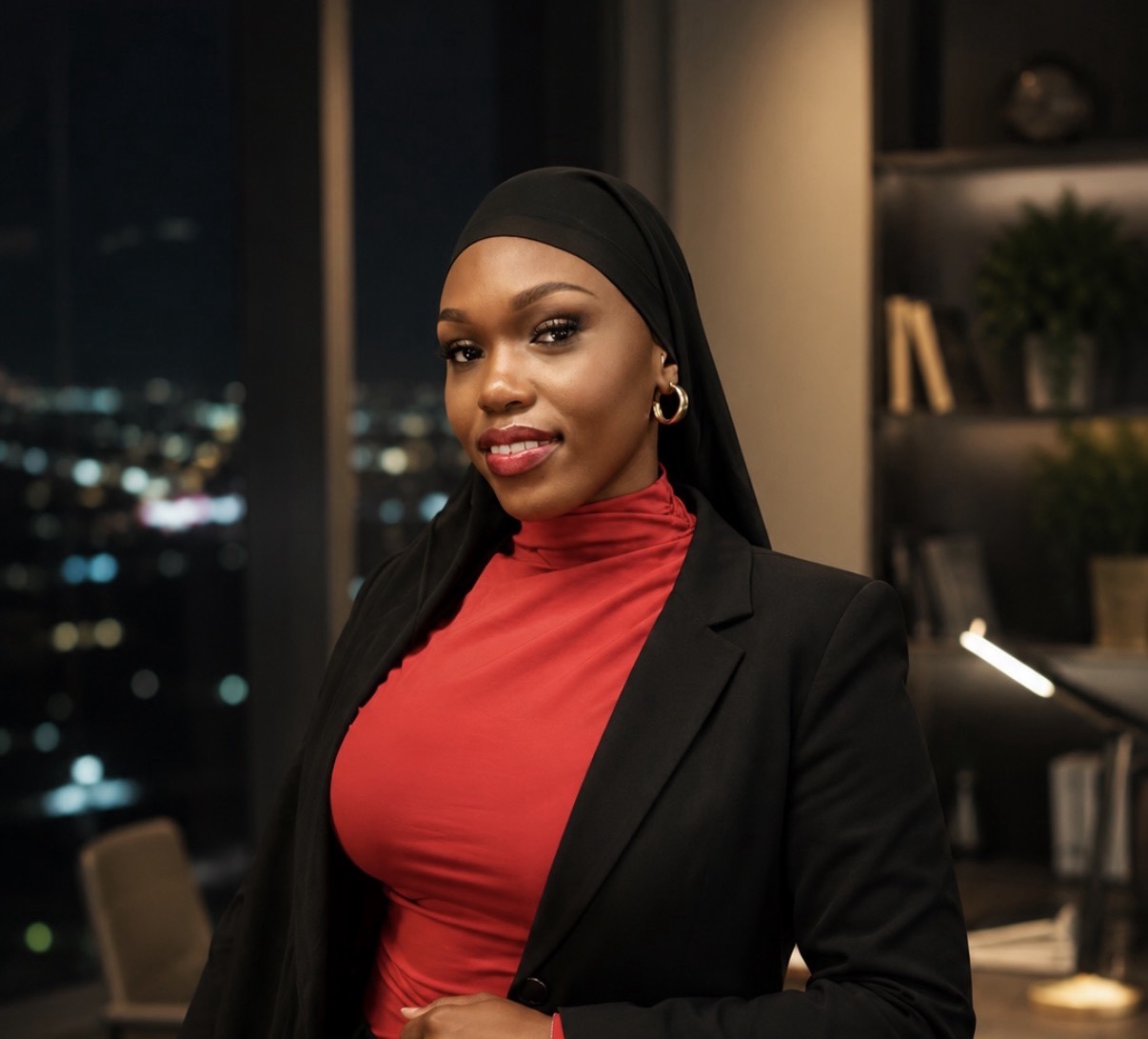
Today we’d like to introduce you to Sydnee Murchinson.
Sydnee, we appreciate you taking the time to share your story with us today. Can you briefly walk us through your story – how you started and how you got to where you are today?
My name is Sydnee Murchinson, and I was born and raised in St. Louis, Missouri. I come from a family dedicated to service. My mother has been a nurse for more than 30 years, my stepfather-who raised me-was the retired Fire Chief of the Kinloch Fire Department, and my biological father is a disabled U.S. veteran who served during Operation Desert Storm.
I was blessed with a loving family, but growing up I was also exposed to violence and home invasions within my community. Although I was never physically harmed, those experiences gave me an early understanding of trauma. Losing my stepfather at 15 became another defining moment in my life, and a few years later my mother moved our family to Arizona in search of a safer environment. Looking back, that decision changed the course of my life.
Today, I am pursuing a master’s degree in clinical mental health counseling while serving as a therapist in training for individuals living with serious mental illness. In 2024, I embraced Islam, which brought me peace, purpose, and a new perspective on my journey. I later married my husband in 2025 and continue to dedicate my life to serving others through mental health, community leadership, and entrepreneurship.
My story isn’t about the hardships I’ve faced—it’s about God’s grace. It has taught me that where you begin doesn’t determine where you’ll end, and that healing, faith, and purpose can grow from even life’s most difficult experiences.
Would you say it’s been a smooth road, and if not what are some of the biggest challenges you’ve faced along the way?
No, it hasn’t been a smooth road.
Like many people, I experienced trauma at a young age that changed how I viewed the world. There were seasons when I had to confront pain, grief, and experiences that no child should have to carry. Losing my stepfather at 15, the man who raised me, was one of the hardest moments of my life. Not long after, I had to leave everything I knew behind and start over in Arizona.
Healing didn’t happen overnight. I had to do the difficult work of facing my own wounds, seeking therapy, and learning healthier ways to cope. That journey taught me that asking for help is not weakness—it’s courage.
Looking back, I don’t believe my struggles defined me, but they did shape me. They gave me a deeper compassion for others and ultimately led me to the work I do today. I can sit with people in their pain because I’ve learned what it means to walk through my own.
We’d love to learn more about your work. What do you do, what do you specialize in, what are you known for, etc.? What are you most proud of? What sets you apart from others?
I am a therapist in training at a clinic serving individuals living with serious mental illness (SMI), where I provide trauma-informed, person-centered care to individuals navigating some of life’s most complex mental health challenges. My goal is to help people feel seen, heard, and respected while creating a space where healing can begin.
Beyond the therapy room, I am committed to strengthening the community through mental health advocacy and service. Through my leadership role within a local Muslim women’s community, I help organize healing circles, mental health discussions, domestic violence awareness walks, and educational initiatives that foster connection and emotional well-being. I am especially passionate about creating safe spaces where Black and African Muslim women can find sisterhood, support, and meaningful conversations about faith and mental health.
What I am most proud of is my ability to remain compassionate in difficult moments. My own healing journey has taught me that pain can either harden a person or deepen their compassion. By God’s grace, mine has done the latter.
What sets me apart is my commitment to bridging clinical knowledge with genuine human connection. I don’t see people as diagnoses—I see people with stories, resilience, and the ability to heal.
What were you like growing up? Personality wise, interest wise, etc.
Growing up, I was blessed in many ways. My parents made sure I had everything I needed physically, and for that I will always be grateful. At the same time, I experienced trauma that shaped how I saw the world. It would have been easy to become bitter, but by the grace of God, I never allowed my pain to become my identity.
Personality-wise, I was quiet, observant, and often told I was wise beyond my years. I paid close attention to people and genuinely wanted to understand them. I cared deeply about integrity and doing what was right, even when it wasn’t the easiest choice.
I’ve always loved words. Writing was my safe place. I wrote poetry, reflected through journaling, and even created music. It was how I processed my emotions and made sense of my experiences. After reverting to Islam, I chose to use that gift differently. Instead of writing to entertain, I wanted my words to educate, encourage healing, and inspire reflection.
Looking back, I realize my passion for mental health didn’t begin in graduate school—it began in my own healing journey. By the grace of God, I learned that pain doesn’t have to produce hatred; it can produce compassion.
Contact Info:
- Website: https://Rootedindeenllc.com
- Instagram: @sydneee_janaee