Today we’d like to introduce you to Raven Weinrich.
Hi Raven, thanks for sharing your story with us. To start, maybe you can tell our readers some of your backstory.
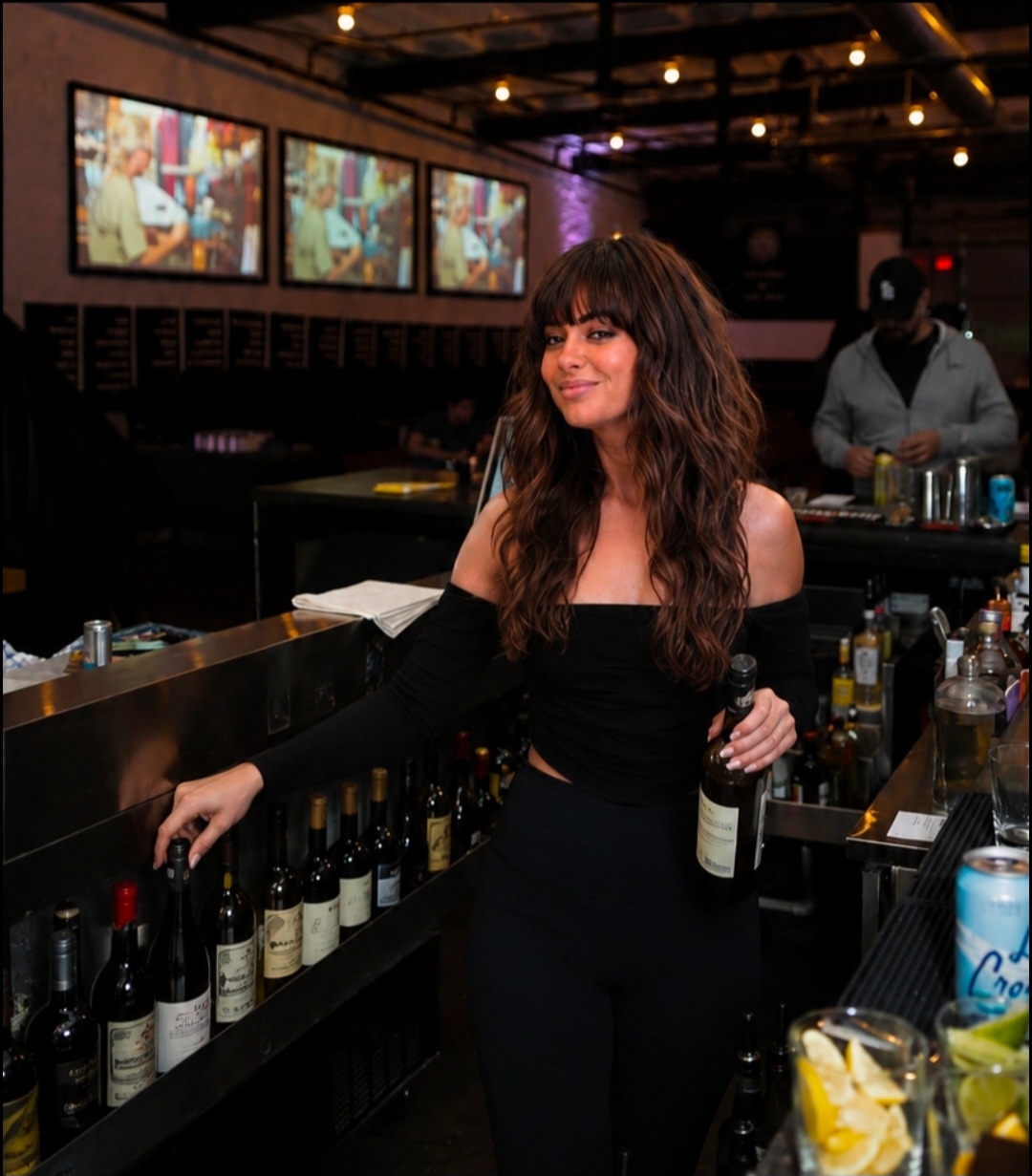
My story definitely starts earlier than most. I started bussing tables for my mom when I was eight years old, and by sixteen I was bartending in a tiny small-town bar. I never really left the industry after that because, as a young single mom of two, hospitality gave me something I needed at the time: fast money, flexibility, and a way to take care of my kids.
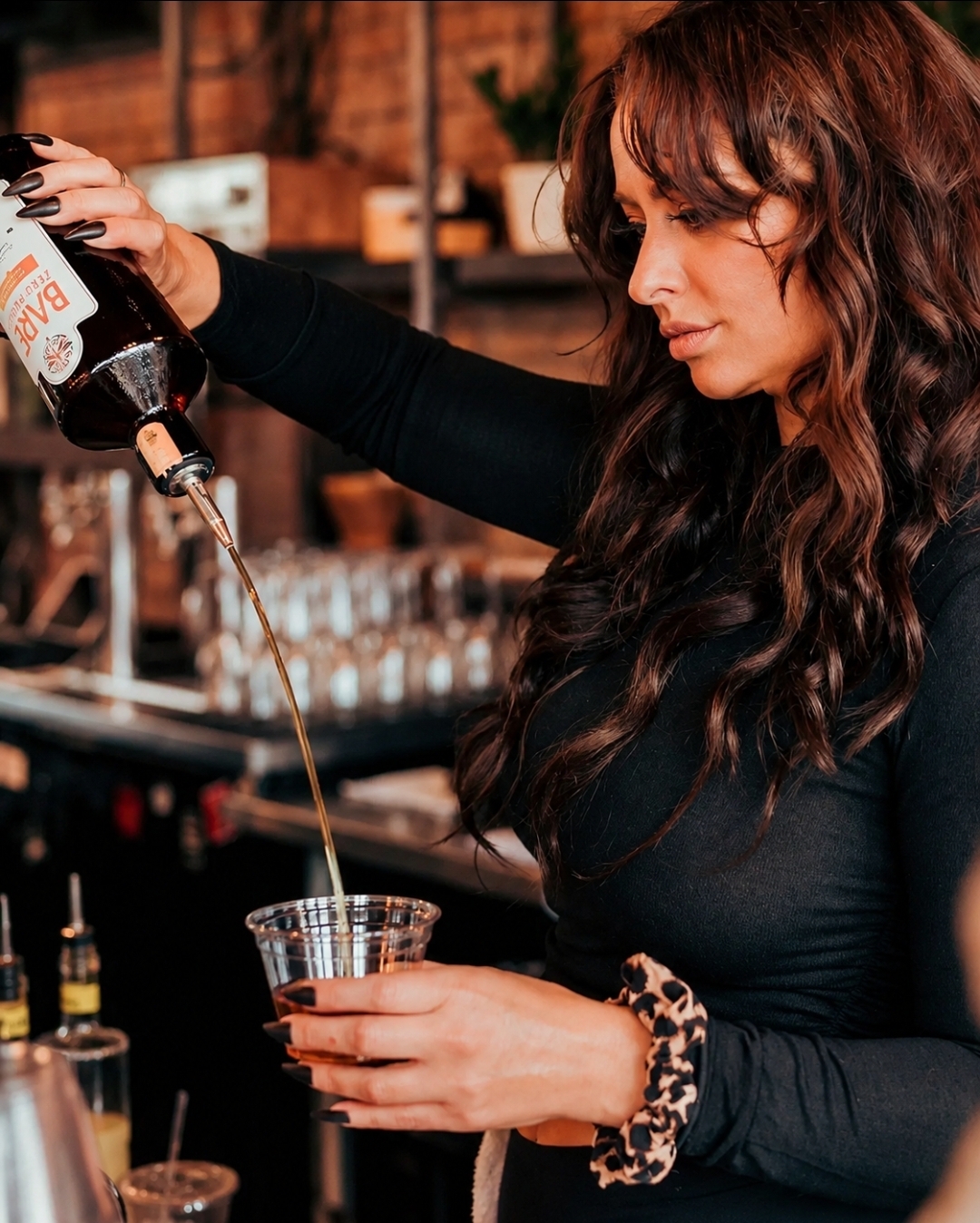
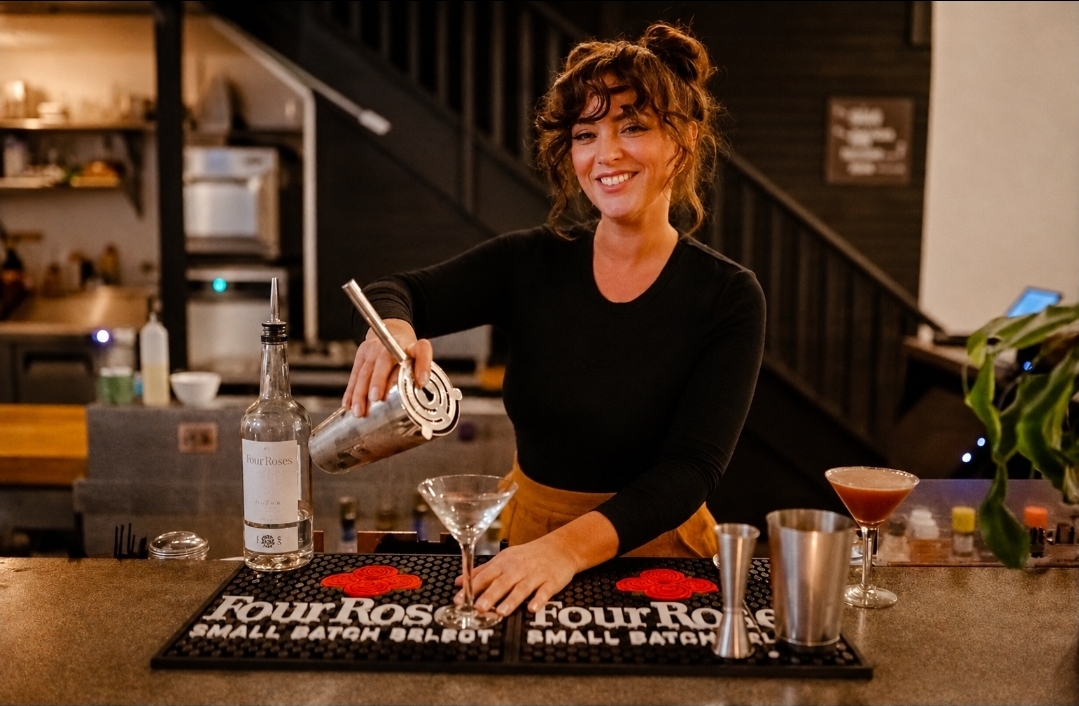
Over time, though, it became so much more than survival. When Taste first arrived in the Central West End, I fell completely in love with craft cocktails. Most of my friends were chefs, and I loved being around food, but I never wanted to be in the kitchen. Creating cocktails that paired with elevated dinners became my way into that world. I was lucky to work around some of the most talented people St. Louis had to offer, and I absorbed everything I could.
Being on the spectrum also helped me understand one of my biggest strengths: I see systems. I can look behind a bar and immediately understand what is inefficient, what is slowing people down, and how to make it better. That led me into building entire bar programs, hiring and training teams, creating processes, and helping businesses run smoother.
The event side of my life started much more personally. I was always the class mom for both of my kids, going completely overboard on holiday parties, crafts, and birthdays. I was also the matriarch of my friend and family group, hosting anywhere from two to eighty people in my home. That was always when I felt the most like myself: feeding people, creating an experience, making everyone feel welcomed, and somehow turning chaos into something memorable.
When I started at Work & Leisure and was given the opportunity to really run amuck creatively, I realized event production was the perfect combination of everything I loved: hospitality, design, food, cocktails, people, community, and a little bit of madness. My path has been extremely unconventional, but I truly wouldn’t want it any other way.
What I’m most proud of now is what I’ve been able to give back to St. Louis. Since COVID, I’ve tried to pour everything I have into this city. One of my proudest moments was helping provide nearly two semi-truck loads of life-changing supplies to North Side residents affected by the May tornado, which connected me with one of my favorite organizations, the Uhuru Solidarity Movement.
At the moment, I like to call myself a professional nomad. I’m seeking my next landing spot, volunteering, helping other businesses get up and going, and staying open to whatever strange, creative, community-centered thing comes next.
Can you talk to us a bit about the challenges and lessons you’ve learned along the way. Looking back would you say it’s been easy or smooth in retrospect?
No, it definitely has not been a smooth road. I love this industry deeply, but it can also feel like a physically demanding and emotionally abusive relationship. It gives you community, creativity, fast friendships, late nights, adrenaline, purpose, and family. But it can also take a lot from you.
The hardest part for me has been watching the mental health struggle inside the hospitality industry. In a city like St. Louis, the industry is small. Everyone knows everyone. Your coworkers become your friends, your friends become your family, and you end up growing through some of the wildest, hardest, funniest, most chaotic parts of life together.
So when you lose people in that world, it breaks you in a different way. I have lost great friends to the weight of it, and I think anyone who has spent real time in this industry understands that behind the fun, the service, the parties, and the “show must go on” mentality, there are a lot of people carrying more than anyone sees.
That has probably been the biggest struggle: loving an industry that has given me so much, while also watching how much it can cost the people in it. It is part of why I care so much about creating spaces that feel safe, connected, and human. I do not just want to throw events. I want people to feel like they belong somewhere.
Alright, so let’s switch gears a bit and talk business. What should we know about your work?
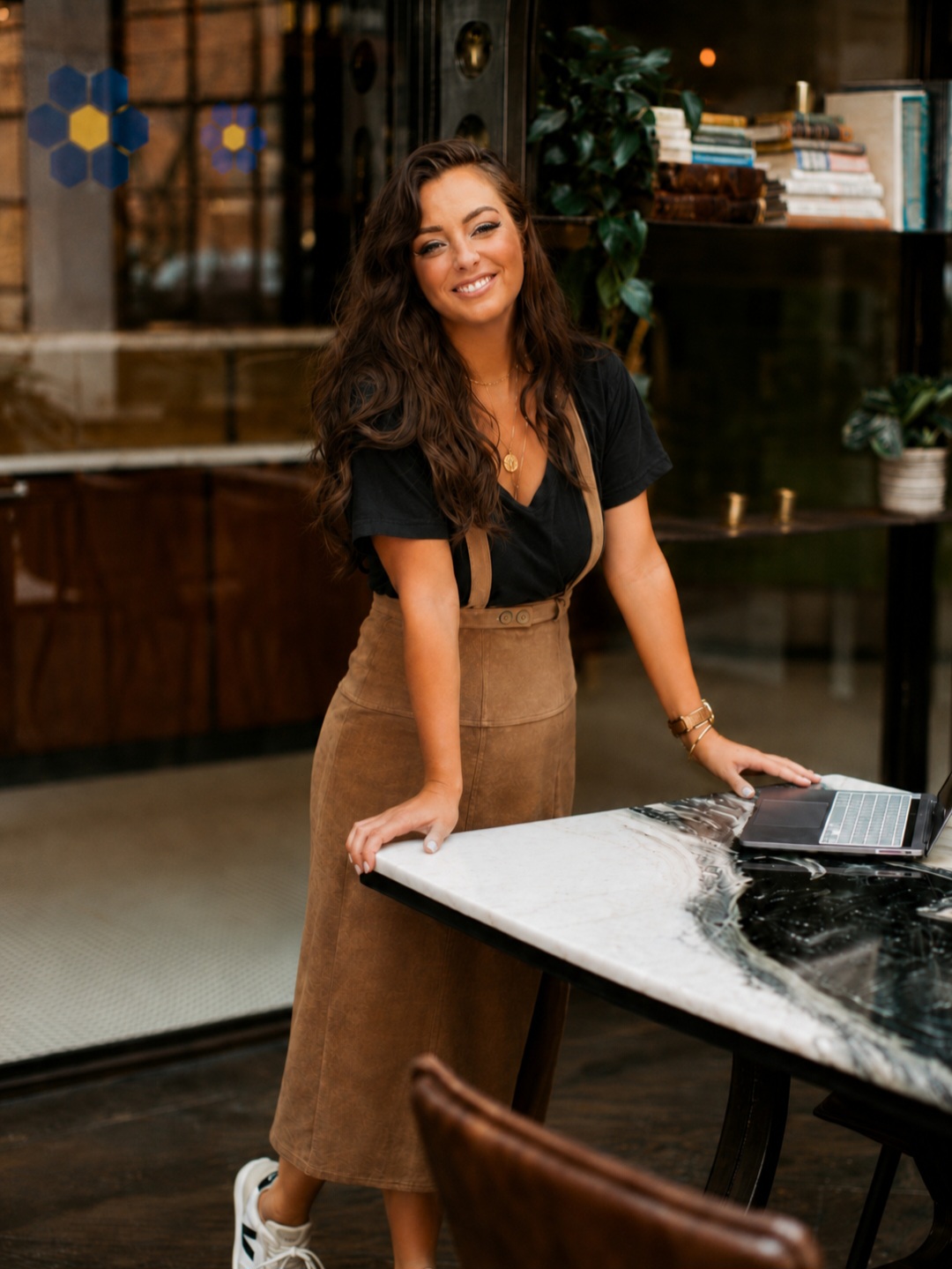
My work lives at the intersection of hospitality, event production, creative direction, operations, and community building. I like to say I’m a Swiss Army knife for a bar, restaurant, or event space. I can fit into so many roles because I’ve had to learn every side of the business: building bar programs, creating menus, hiring and training staff, designing systems, managing teams, producing events, working with vendors, coordinating media, and making sure the guest experience feels thoughtful from start to finish.
At the heart of all of my work is the same goal: creating safe, creative spaces where people feel welcome, included, and excited to be there. I don’t just want to throw a party or sell a drink. I want to build experiences that make people feel like they belong somewhere.
I’m most known for helping create immersive, community-centered events at Work & Leisure. Avalanche was one of the biggest. It was a full winter wonderland experience, but it was never just about the holidays. It was about giving people a place to escape, play, take photos, drink something fun, and feel like they had stepped into a completely different world. Adult Summer Camp was another favorite because it gave grown-ups permission to be kids again with games, themed nights, competitions, food, drinks, and a little organized chaos. Witch, Please! is especially close to my heart because it gave a huge platform to women of all walks of life to sell, buy, connect, create, and be celebrated.
What sets me apart is that I can be both the big-picture creative person and the person who knows exactly how to make the thing work. I can dream up the concept, but I can also build the prep list, train the staff, write the menu, fix the flow of the bar, manage the room, solve the problem, and keep the whole operation moving.
What I’m most proud of is that my work has never been just about hospitality. It has always been about people. Whether I’m creating a pop-up, a fundraiser, a bar program, a dinner, or a community event, I want people to leave feeling like they were part of something personal, thoughtful, and memorable. I think that is what I do best: I take an idea, build the world around it, and make people feel welcome inside of it.
How do you think about luck?
I think most people in the hospitality industry would probably answer this the same way: there is not a lot of luck to be had. It is work. Start to finish, top to bottom, behind the scenes, during the event, after everyone leaves, and again the next morning.
I have definitely had moments where the right person walked into the room, or the right opportunity showed up at the right time, but even then, luck only matters if you are ready to do something with it. In this industry, you can be handed a great opportunity and still lose it immediately if you are not willing to work hard, solve problems, stay flexible, and keep showing up.
I think the “luck” I have had has mostly come from people. I have been lucky to work with incredible chefs, artists, bartenders, business owners, vendors, staff, volunteers, and community leaders who taught me things, trusted me with ideas, and let me build with them. But the work itself has never felt lucky. It has been long hours, heavy lifting, late nights, hard lessons, and figuring things out in real time.
So I guess I believe in lucky connections, lucky timing, and lucky accidents, but I do not believe in lucky success. Everything I have built came from work, instinct, relationships, creativity, and being willing to do whatever role needed to be done.