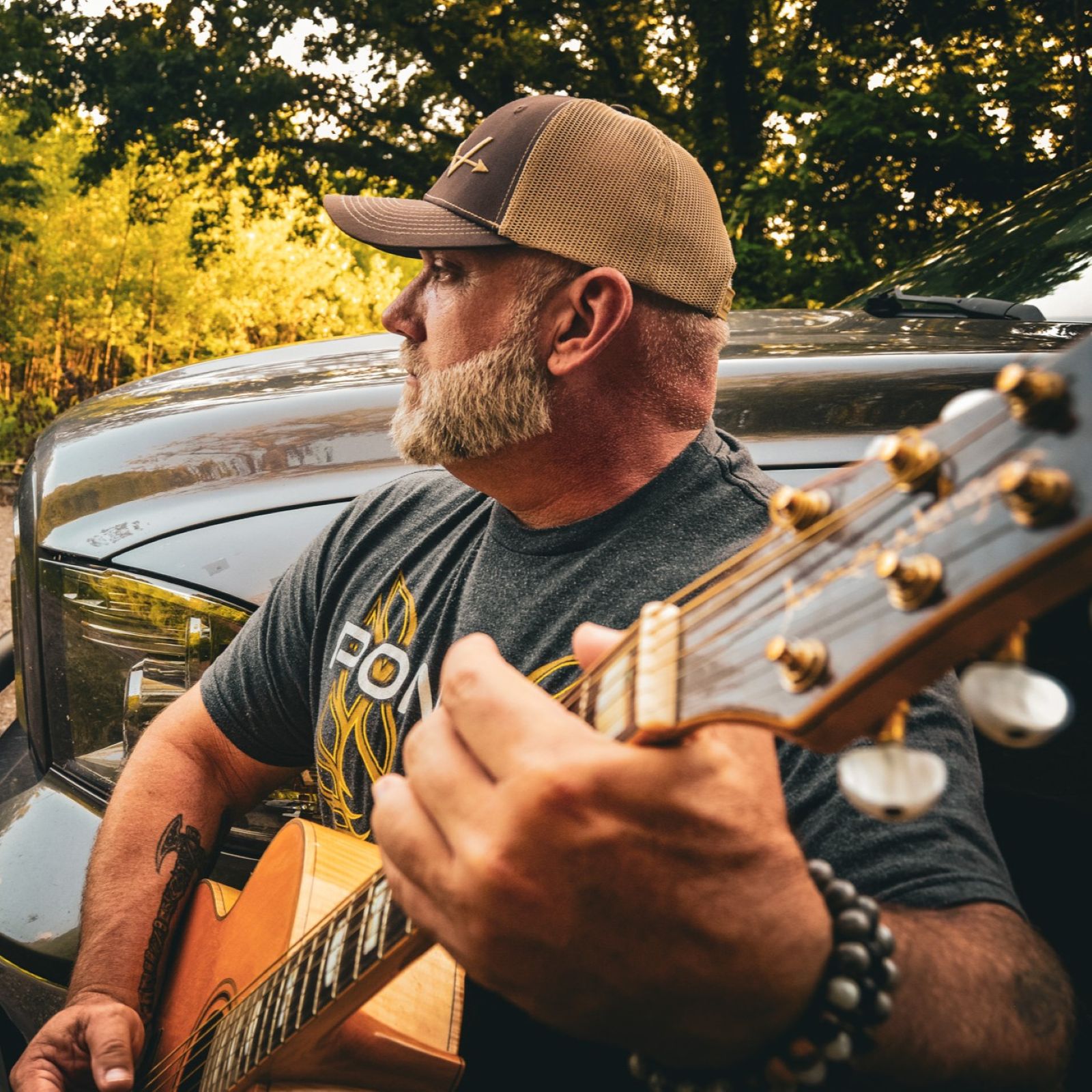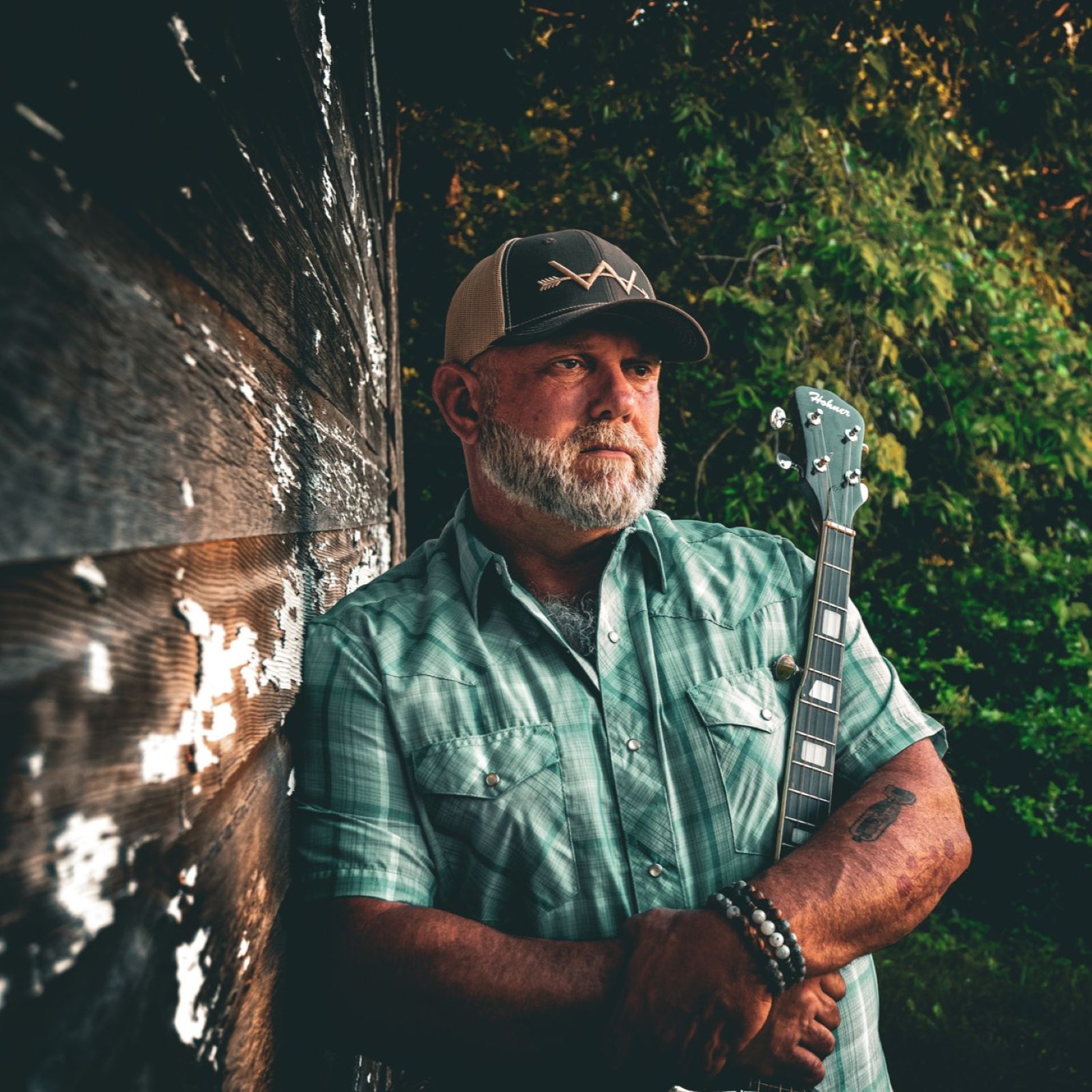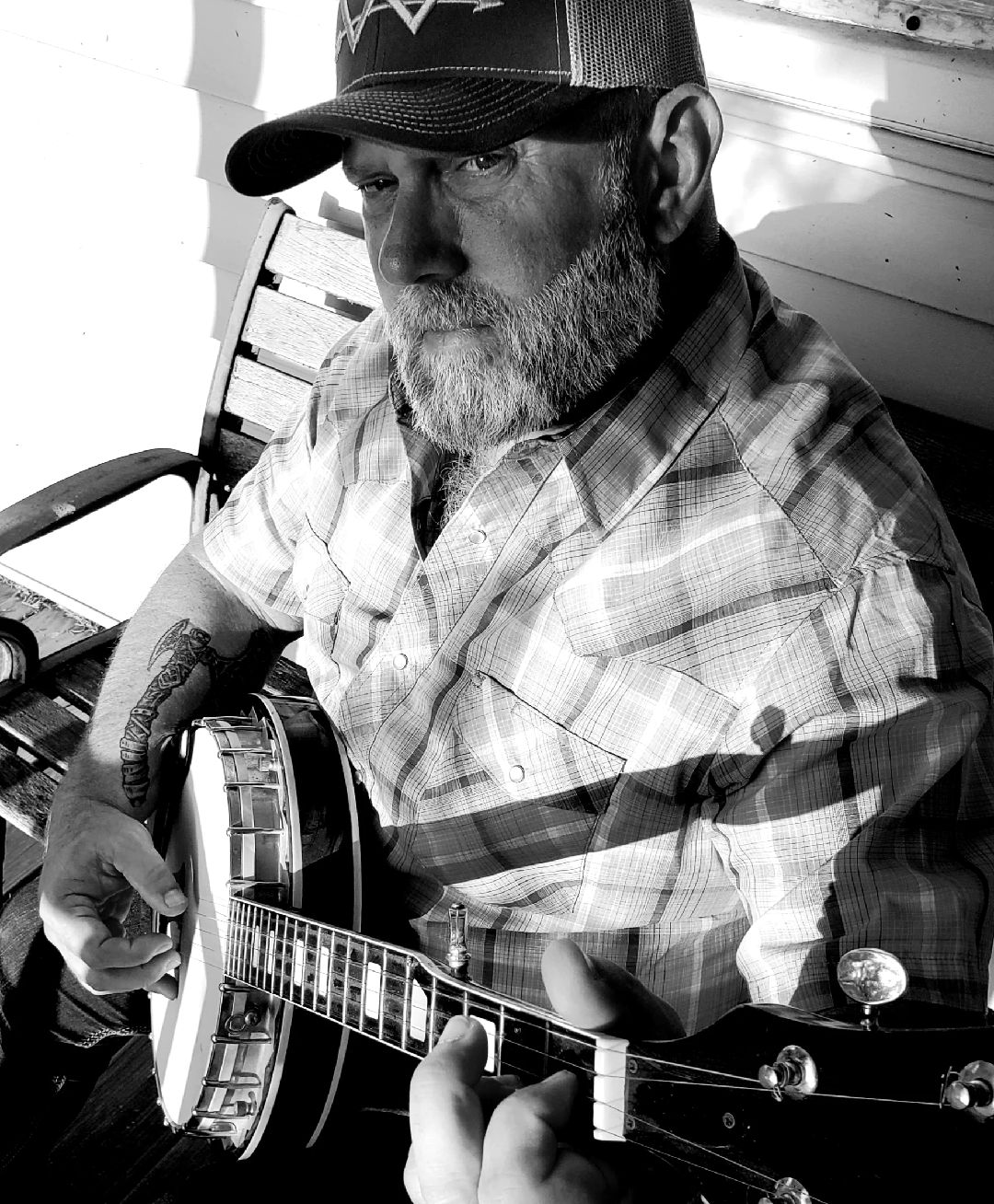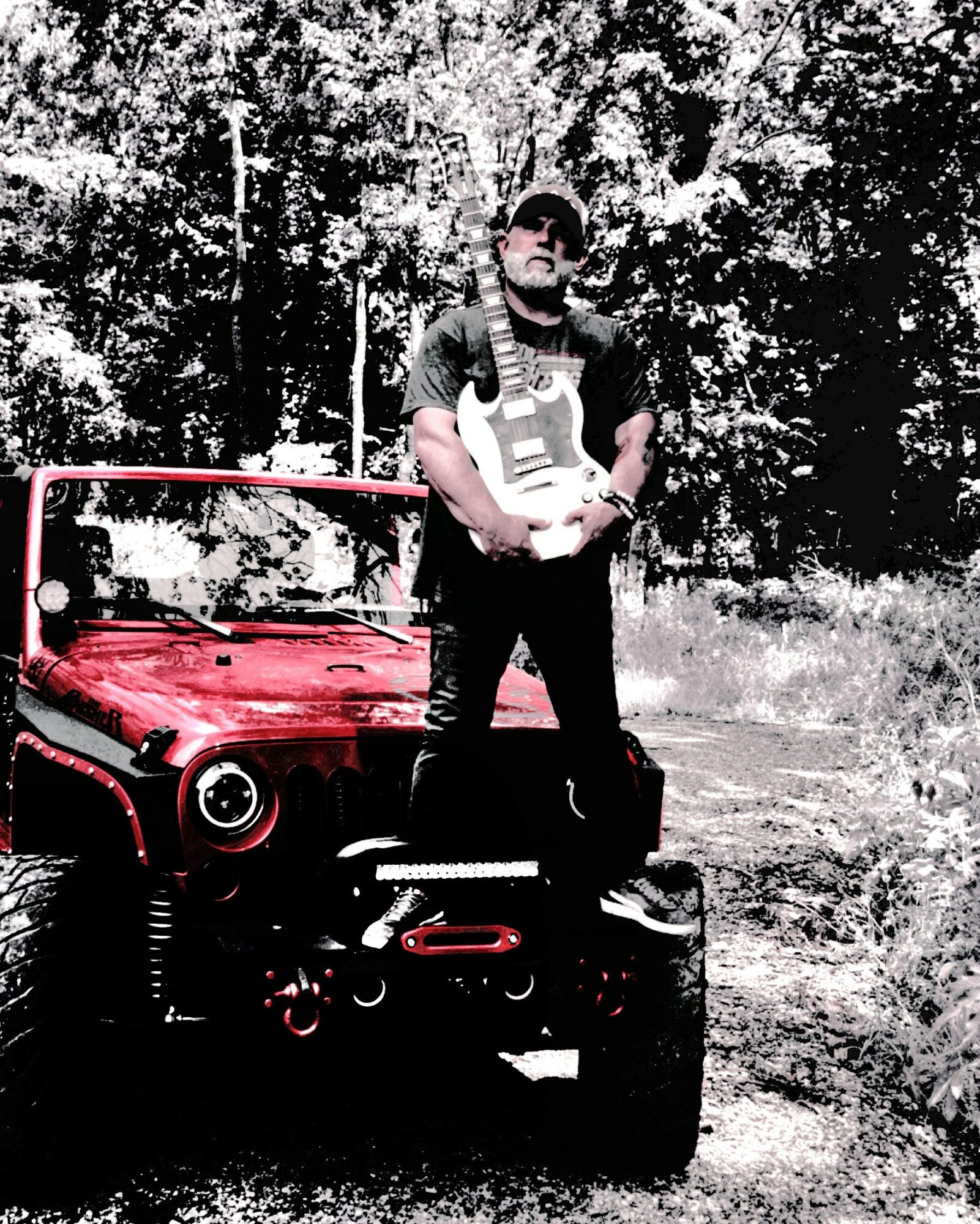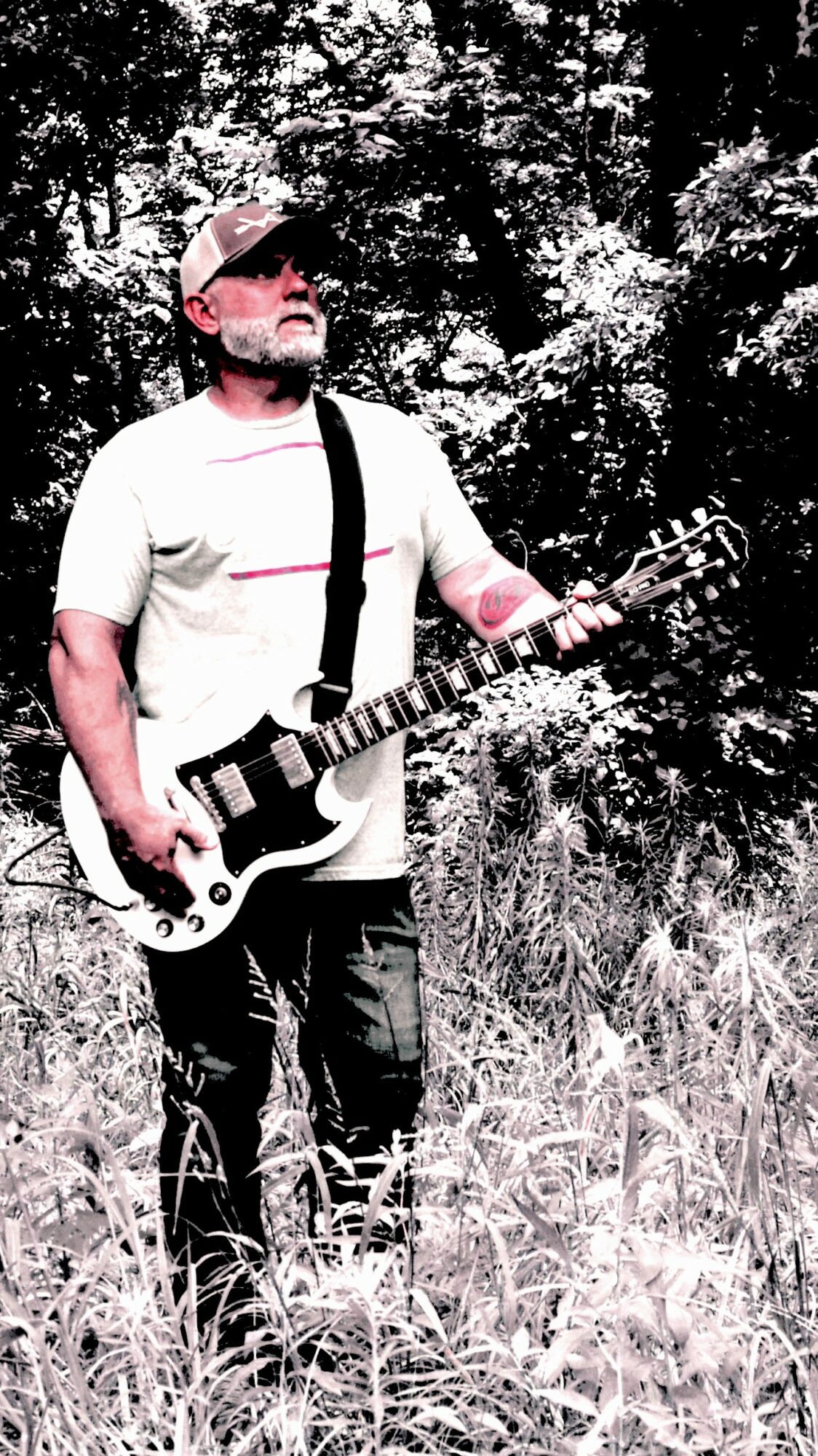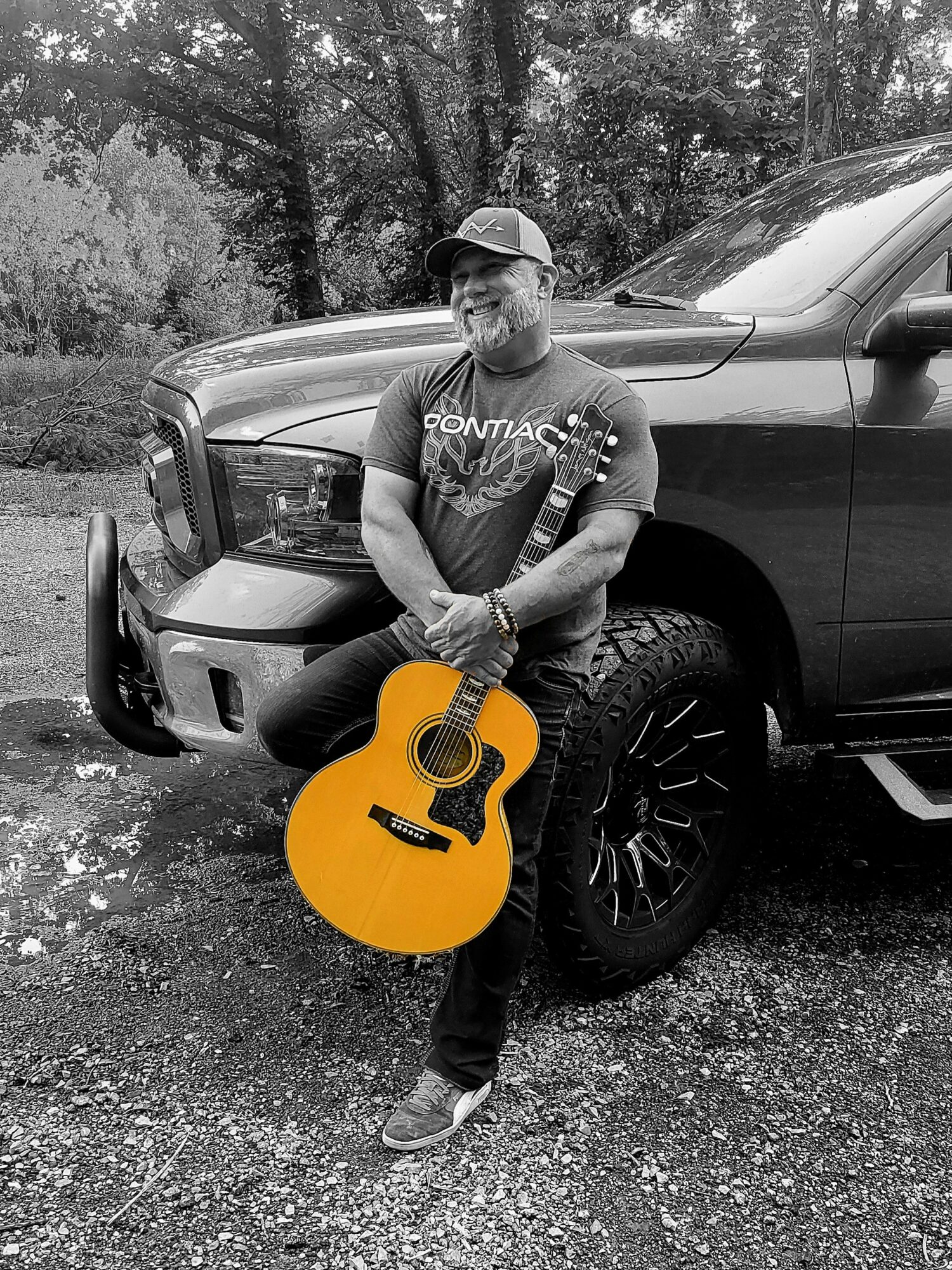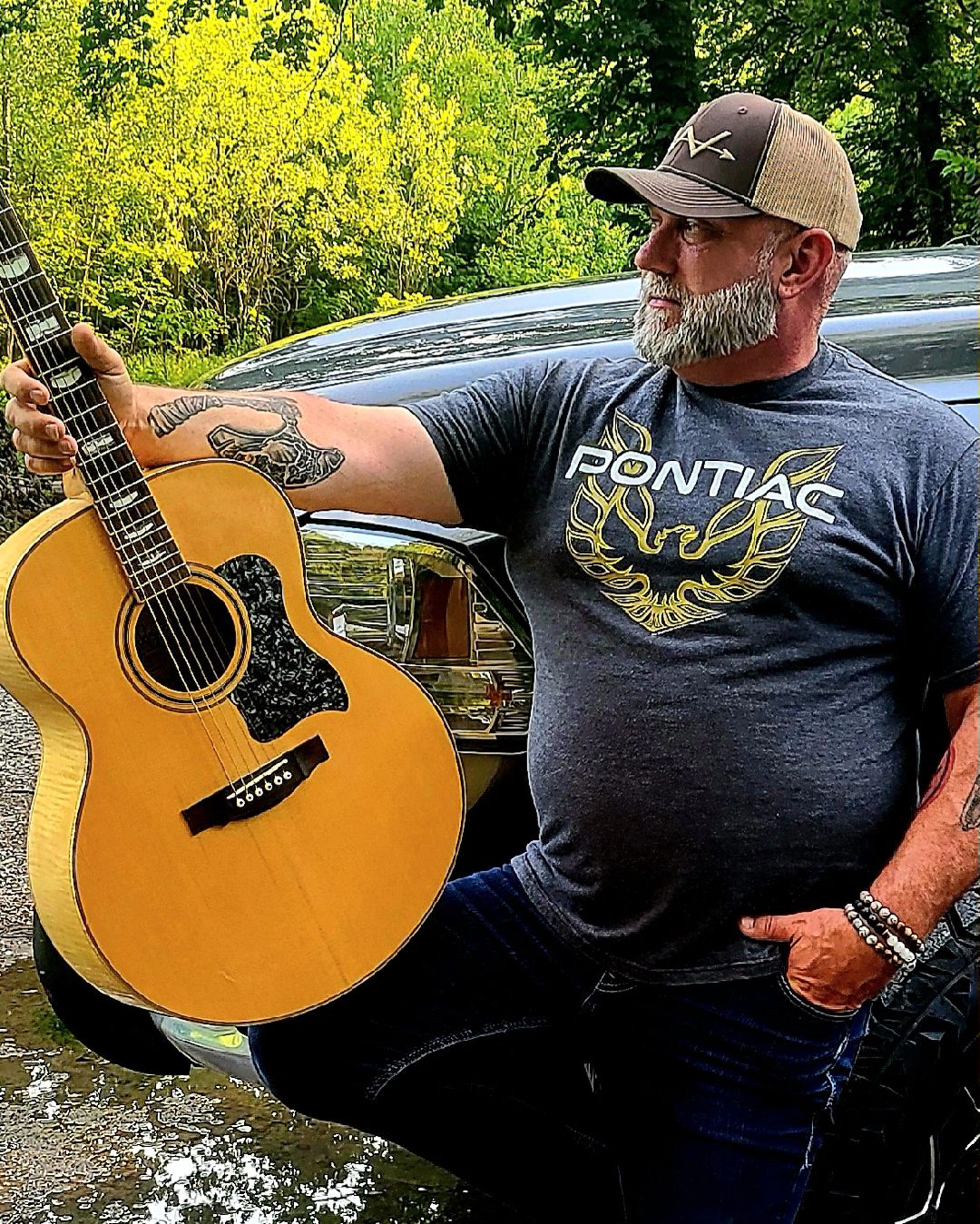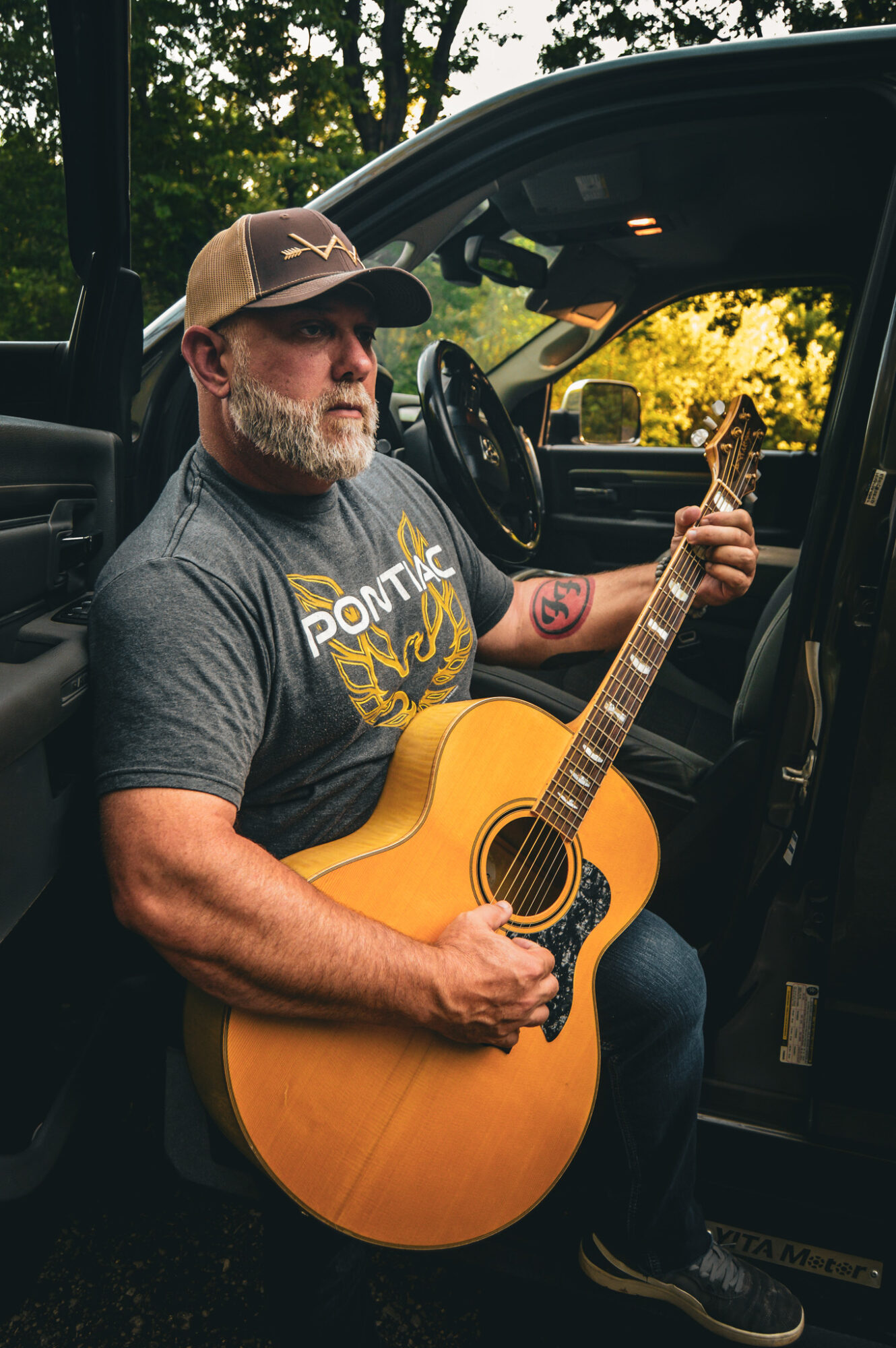
Today we’d like to introduce you to Paul Jordan.
Hi Paul, thanks for joining us today. We’d love for you to start by introducing yourself.
Music has always been the constant in my life. I started playing guitar as a teenager and spent years fronting rock bands before stepping away to build a career in technology, raise four kids, and coach youth sports. Creativity never really went away, it just had to wait while life took priority.
Eventually I found my way back to songwriting, but I realized I wasn’t interested in recreating what I’d done before. I grew up on 90s rock and pop punk, yet the older I got, the more I appreciated the storytelling in country music and Florida Georgia Line. Instead of choosing between genres, I started asking, “What if those worlds belonged together?”
That question became Corduroy Ridge.
Corduroy Ridge is my solo project. I write the songs, record the vocals and instruments, and handle the production, mixing, and mastering myself. What started as a creative outlet slowly became a mission to create something that didn’t really exist. I call the sound Yellowgrass, (Yellowcard with a banjo) my blend of country storytelling, pop-punk energy, 90s rock guitars, and banjo-driven melodies. It’s country music with the urgency and attitude of the music that shaped me growing up.
The journey hasn’t been a straight line. I’ve rebuilt after setbacks, including losing my home and studio in a fire, while continuing to balance a full-time career and family. Those experiences changed how I write. Today the songs are less about chasing trends and more about creating music that feels honest.
I’m still very much an independent artist. Every release, every video, every marketing campaign, and every decision comes back to me. It’s a lot of work, but it also means every part of Corduroy Ridge reflects exactly who I am. Looking back, I don’t think the years away from music delayed the journey as much as they gave me the life experiences that finally allowed me to make the kind of records I always wanted to create.
I’m sure it wasn’t obstacle-free, but would you say the journey has been fairly smooth so far?
Not at all. The road has been anything but smooth, but most of the struggles have ultimately shaped both the music and the person behind it.
One of the biggest challenges has simply been making room for music in a life already filled with responsibility. I have four children, a career in technology, and years of involvement in youth sports and community organizations. Music has often had to survive in the hours left over after everything else was handled. There were long stretches when creating wasn’t practical, even though the need to create never went away.
The financial side of being an independent artist is another constant struggle. Recording, production, promotion, video, distribution, and advertising can become extremely expensive very quickly. There is no label funding the project or team handling the business side. Every dollar spent on Corduroy Ridge comes with a decision about where it will have the most impact, and every creative choice has to be balanced against real-life obligations.
Then, in 2025, my family experienced a house fire that disrupted nearly every part of our lives. My instruments and studio equipment were removed for restoration, our housing became uncertain, and the momentum I had built came to a sudden stop. For months, I couldn’t record the way I normally would. Even after getting the equipment back, rebuilding the physical space was only part of the recovery. It takes time to regain the emotional and creative stability that allows honest work.
There has also been the challenge of creating music that does not fit neatly into an existing category. The industry likes recognizable labels, and Corduroy Ridge lives somewhere between country, high energy late 90s radio. That is why I created the term Yellowgrass. It gave the sound a name, but it also meant having to explain the vision repeatedly rather than relying on an established genre to do that work for me.
Being independent also means learning jobs I never originally intended to have. I am not only the songwriter and artist. I have had to become the producer, engineer, mixer, marketer, content creator, advertiser, brand strategist, and data analyst. Sometimes it feels like only a small percentage of being a musician is actually making music.
There have been moments when walking away would have been easier. But I tend to commit completely once I believe in something. The setbacks have forced me to become more resourceful, more patient, and more certain about what Corduroy Ridge is. The road has been difficult, but it has also removed a lot of distractions.
Alright, so let’s switch gears a bit and talk business. What should we know about your work?
At my core, I’m a creator. Music just happens to be the medium people see today.
Professionally, I’ve spent my career leading technology and business organizations, building systems, improving processes, and solving complex problems. Those experiences shaped the way I approach Corduroy Ridge. I don’t separate the artist from the executive because, as an independent musician, they’re the same person.
My career taught me to think strategically, measure results, and continuously improve. Instead of waiting for someone else to discover me, I approach music the same way I’ve approached every successful business initiative I’ve led: define the vision, build the system, measure what works, and keep refining it.
Musically, I specialize in s genre I’ve coined, Yellowgrass. It isn’t about blending genres just to be different. It’s about creating music that feels authentic to everything that’s influenced me throughout my life.
What I’m most proud of isn’t a stream count or a particular song. It’s creating something that’s unmistakably my own. For years, I thought success meant fitting into the music industry’s definition of an artist. Today, I believe success is creating something that couldn’t have come from anyone else.
I also think my perspective on the music business is different because I’ve watched it evolve through multiple eras. I played in bands before Napster changed the industry, watched the rise of digital distribution, social media, streaming, and now artificial intelligence. Every one of those shifts forced artists to rethink how they connect with listeners. Rather than resisting those changes, I’ve tried to understand them.
That has shaped my philosophy. I’m not trying to chase one viral hit. I’m building a catalog and a brand that people can grow with over time. Every release should make the next one stronger. Every song should reinforce what Corduroy Ridge represents.
What sets me apart is that I naturally think like both an artist and an executive. The artist asks, “How do I make people feel something?” The executive asks, “How do I build something that lasts?” Those two mindsets don’t compete, they make each other better. One creates the music. The other creates the opportunity for people to discover it.
In the end, I don’t want people to simply recognize my name. I want them to hear a song and immediately know it’s Corduroy Ridge. If I’ve built a sound, a story, and a brand that’s recognizable before the first chorus is over, then I’ve accomplished what I set out to do.
My career taught me how to build organizations. Music taught me why they matter. Today, I approach Corduroy Ridge like a startup with a soul, where every business decision exists to support the art, not the other way around.
What sort of changes are you expecting over the next 5-10 years?
I think the music industry is entering another major transition, much like it did with Napster and streaming. Every generation has a technology that changes not only how music is distributed, but how it’s created. Artificial intelligence is that technology for this generation.
I don’t believe AI replaces artists. I think it changes what it means to be an artist.
For decades, musicians have used better microphones, digital recording, virtual instruments, pitch correction, and software that made creating music faster and more accessible. AI feels like the next step in that progression. It won’t replace creativity any more than Photoshop replaced photographers or digital cameras replaced painters. It will simply become another tool.
The challenge won’t be whether AI exists. The challenge will be authenticity.
I think audiences will continue to value artists with something genuine to say. The technology may help someone produce a song, but it can’t manufacture lived experience, heartbreak, humor, perseverance, or a unique perspective. Those things still belong to the artist.
I also think we’re going to see a shift away from measuring success by one viral moment. The artists who build recognizable brands, cultivate loyal communities, and consistently create meaningful work will have the greatest opportunity to build sustainable careers. Technology will make creating music easier, but it won’t make earning trust any easier.
As someone who has worked in technology for most of my professional career, I’ve learned that every major innovation follows a similar pattern. At first, people focus on what it replaces. Eventually, they realize the real opportunity is how it expands what’s possible. I think AI will follow that same path.
My hope is that the industry embraces AI as a creative assistant (creative assistant is a tool that helps an artist execute their vision more efficiently without replacing the artist’s creative decisions. A creative replacement, on the other hand, removes the artist from the process and asks the technology to become the creator.) rather than a creative replacement (write a prompt, get a song, ‘Write me a sad country song about divorce”). The best artists will still be the ones with something worth saying. They’ll simply have better tools to bring their ideas to life. For generations, incredible songwriters never got the chance to be heard because they couldn’t play every instrument, couldn’t afford session musicians, studio time, or mix engineers. The cost of turning an idea into a finished record has always kept talented voices on the sidelines. As those barriers continue to fall, I believe we’ll hear more authentic stories from people who previously never had the opportunity to share them. That’s exciting, because technology doesn’t create the heart behind a song—it simply gives more hearts a chance to be heard.
Five to ten years from now, I don’t think listeners will care whether AI played a role in making a song. They’ll care whether it’s a great song. Does it tell a compelling story? Does it make you laugh, cry, sing along, or remember a moment in your life? That’s what people have always connected with, and I don’t think that changes.
In many ways, the industry is already there. Songwriters and producers are increasingly using AI to create a first pass, whether that’s a demo, an arrangement, or an idea, and then musicians come in to perform, record, and produce the final version. The technology helps start the process, but people still make the creative decisions that turn an idea into a song. At the end of the day, nobody walks away humming the technology. They walk away humming the song.
I realize my perspective isn’t the typical musician’s perspective. It’s been shaped by more than 20 years leading software and technology organizations with more than 30 years in music. Those experiences have taught me that technology is almost never the destination, it’s simply another tool that expands what’s possible for the people using it.
Contact Info:
- Website: https://corduroyridge.com
- Instagram: https://www.instagram.com/corduroy.ridge/
- Facebook: https://www.facebook.com/p/Corduroy-Ridge-61558520663048/
- Spotify: https://open.spotify.com/artist/18bBNp3qyL069bZ8ZZntsk
- Other: https://www.tiktok.com/@corduroy.ridge