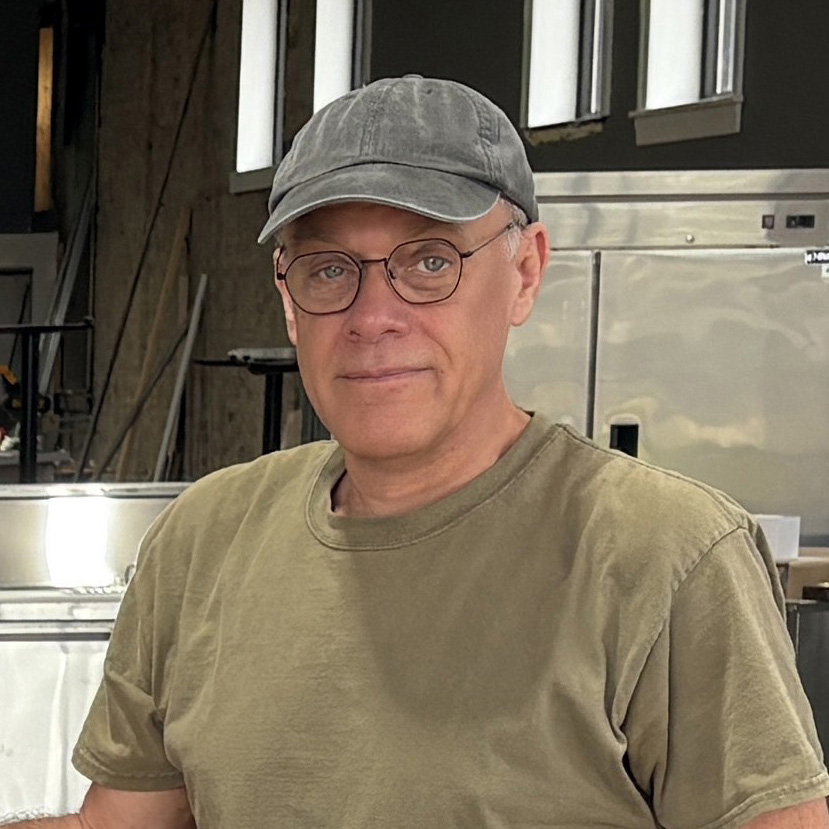
Today we’d like to introduce you to Jeffrey Dunn.
Hi Jeffrey, it’s an honor to have you on the platform. Thanks for taking the time to share your story with us – to start maybe you can share some of your backstory with our readers?
My career began in 1989 when I started learning both scientific glassblowing and neon. I fabricated custom laboratory glassware for research and industry while, at the same time, learning the art of bending glass tubing for neon signs. Although they are very different applications, both require the same precision, patience, and craftsmanship. Every piece of glass is shaped entirely by hand over a torch.
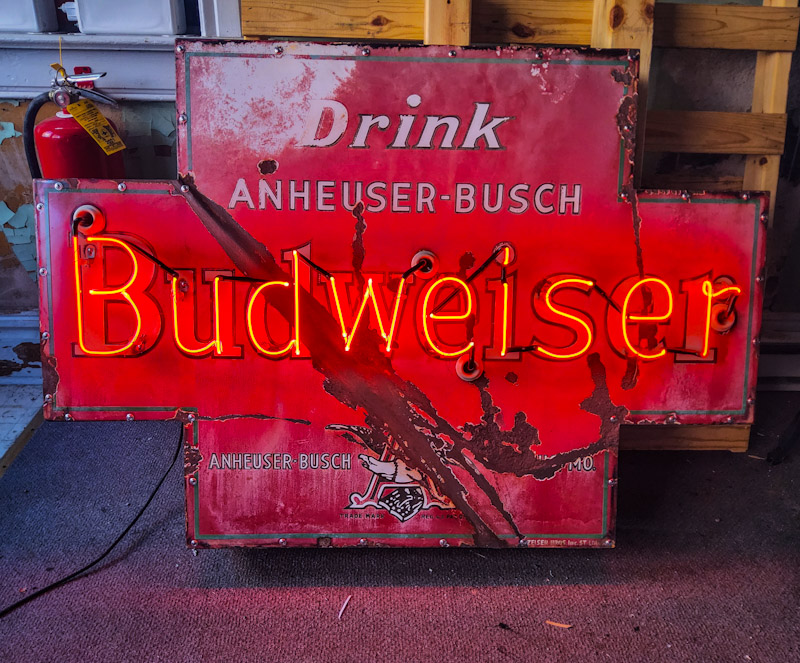
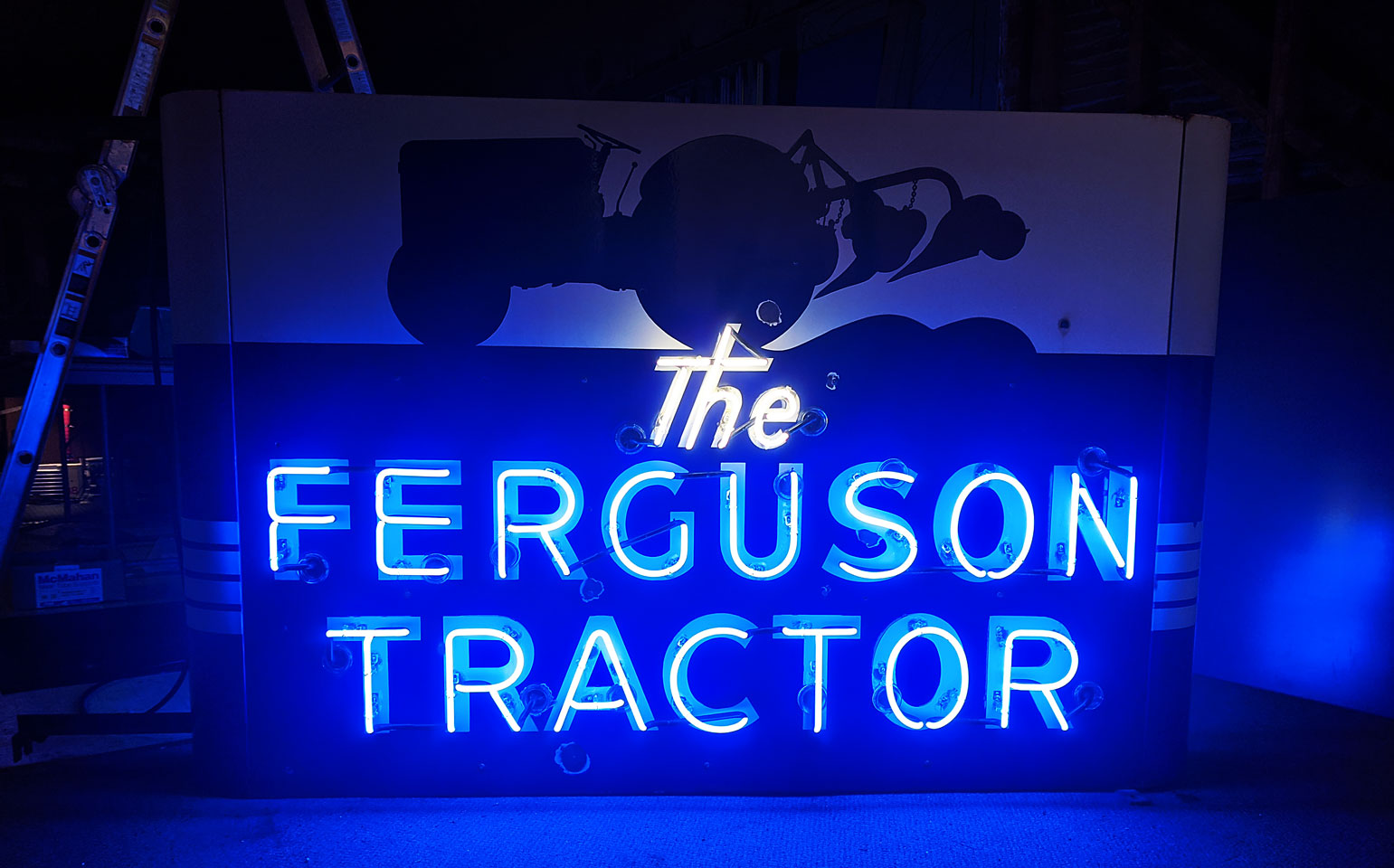
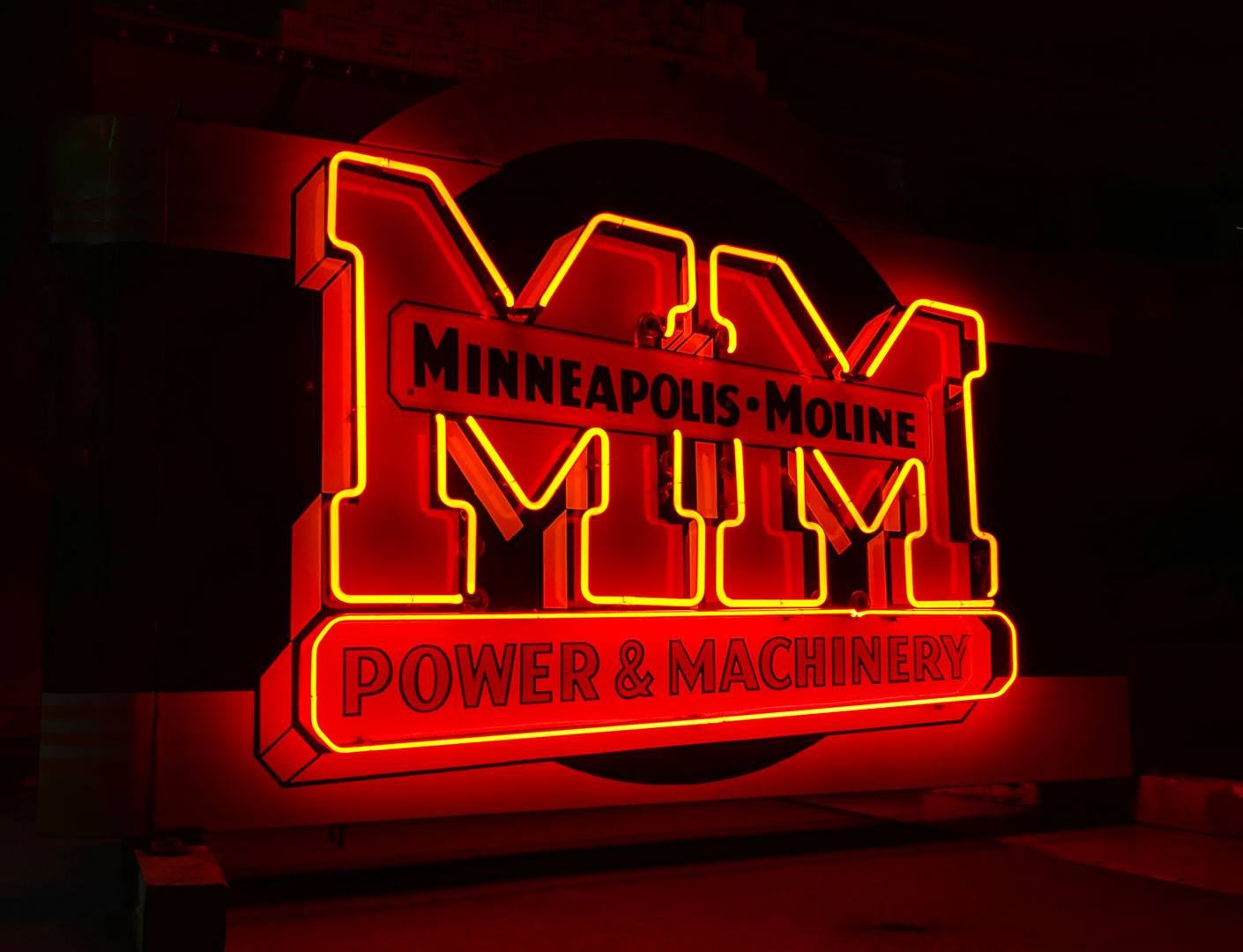
As scientific glass manufacturing steadily declined in the United States, I devoted more of my time to neon. By 2000, I had transitioned to fabricating neon full time, preserving a craft that has become increasingly rare. Today, I own and operate a neon shop that has been continuously producing neon since 1932, where every tube is still bent, processed, and filled by hand using techniques that have changed very little in nearly a century.
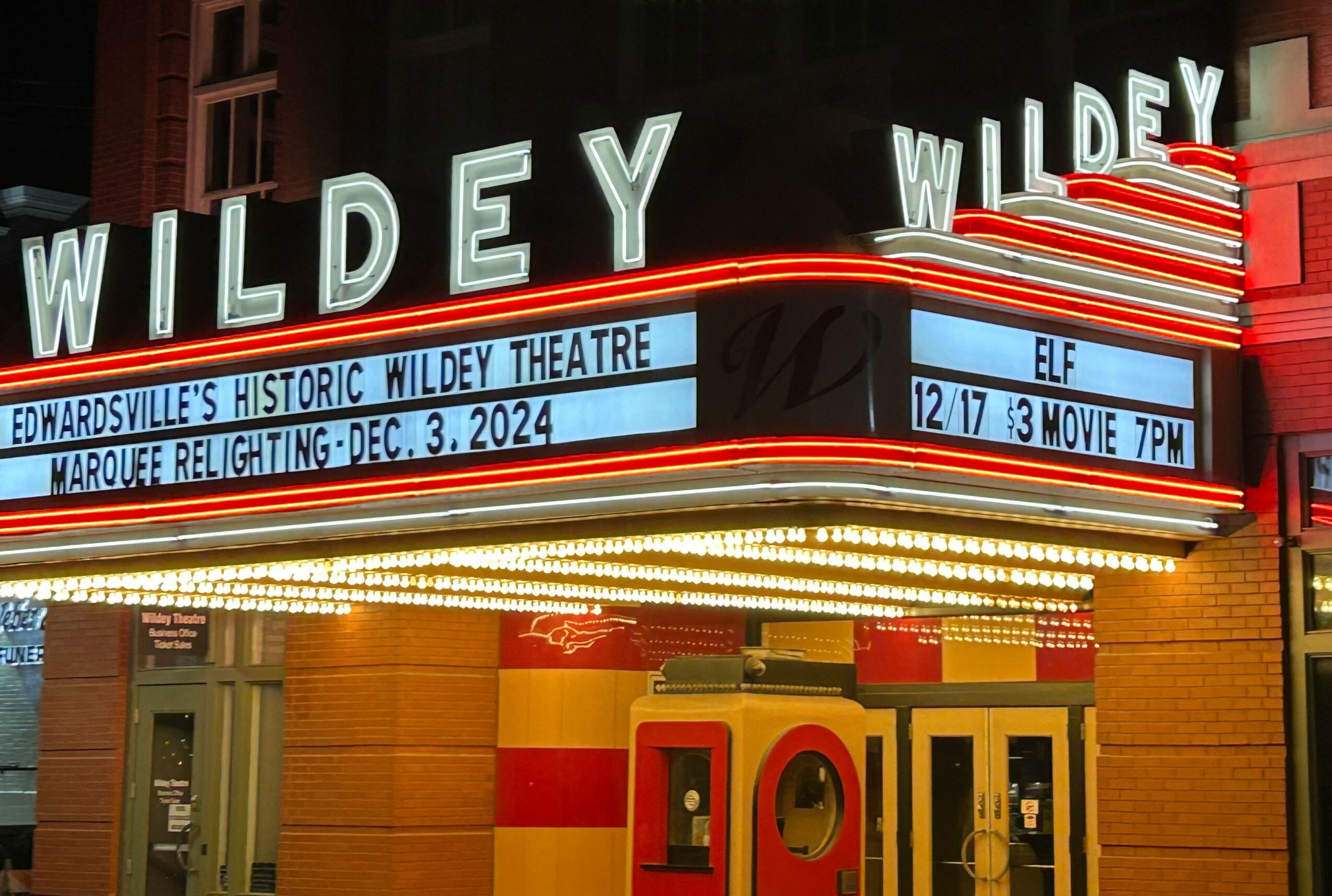
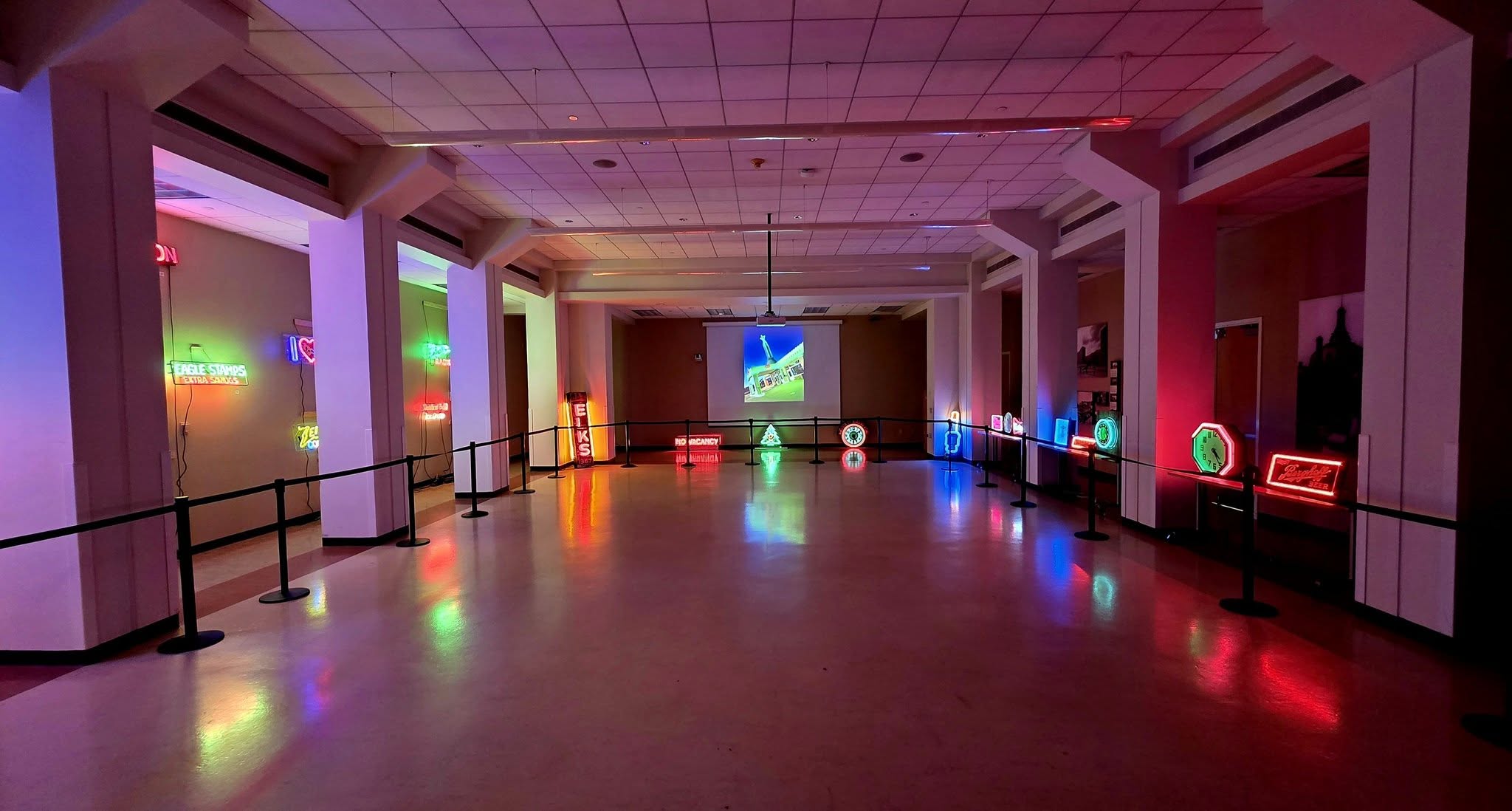
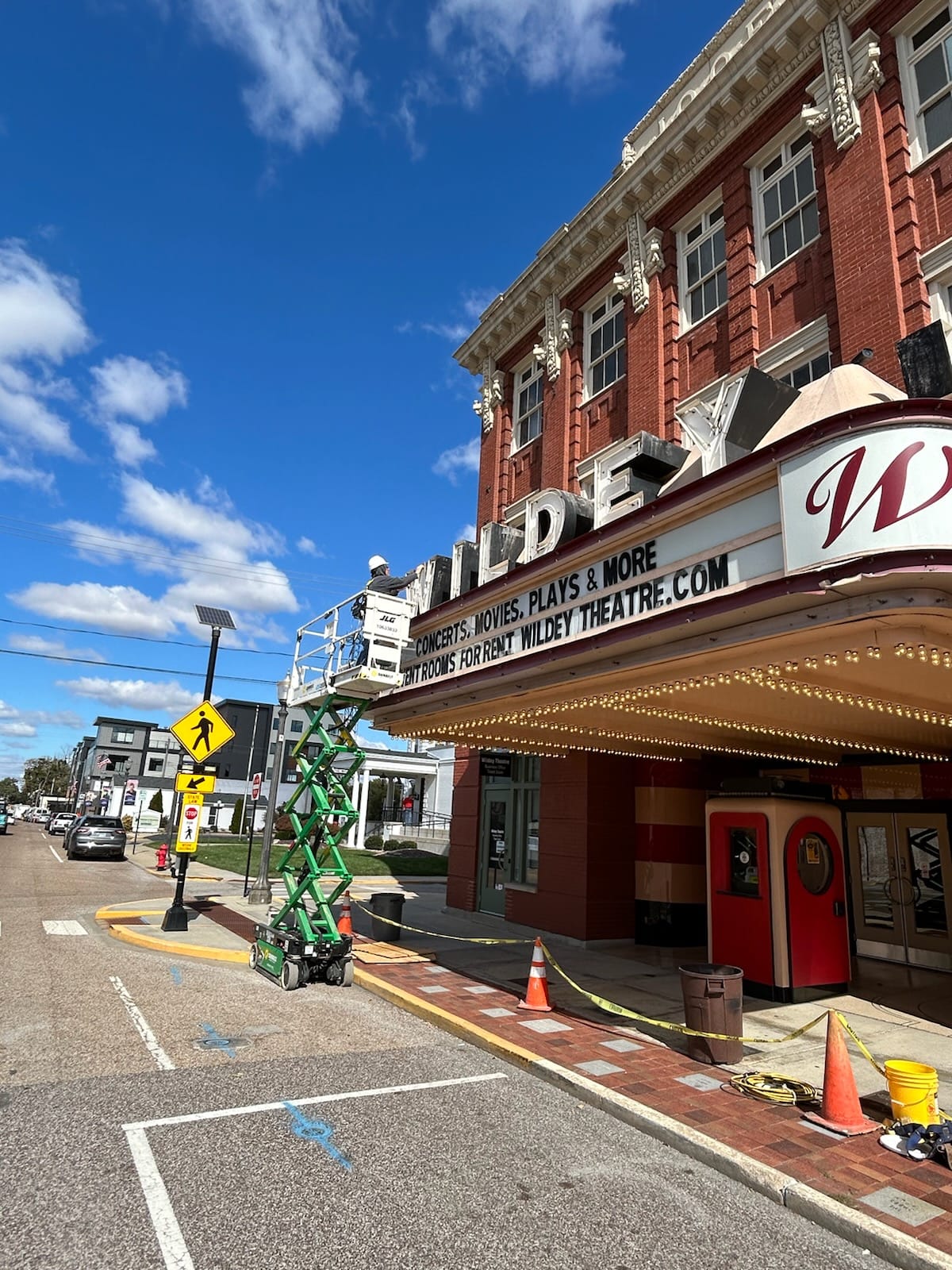
The St. Louis region has played a major role in my career. I’ve restored and created neon for businesses, museums, theaters, and Route 66 landmarks throughout the area. One of my largest restoration projects was fabricating more than 665 feet of neon tubing for the historic Wildey Theatre marquee in Edwardsville. Earlier this year, I curated a historic neon exhibit for the Missouri History Museum’s Route 66 Centennial Festival, sharing the history, craftsmanship, and cultural significance of neon with thousands of visitors.
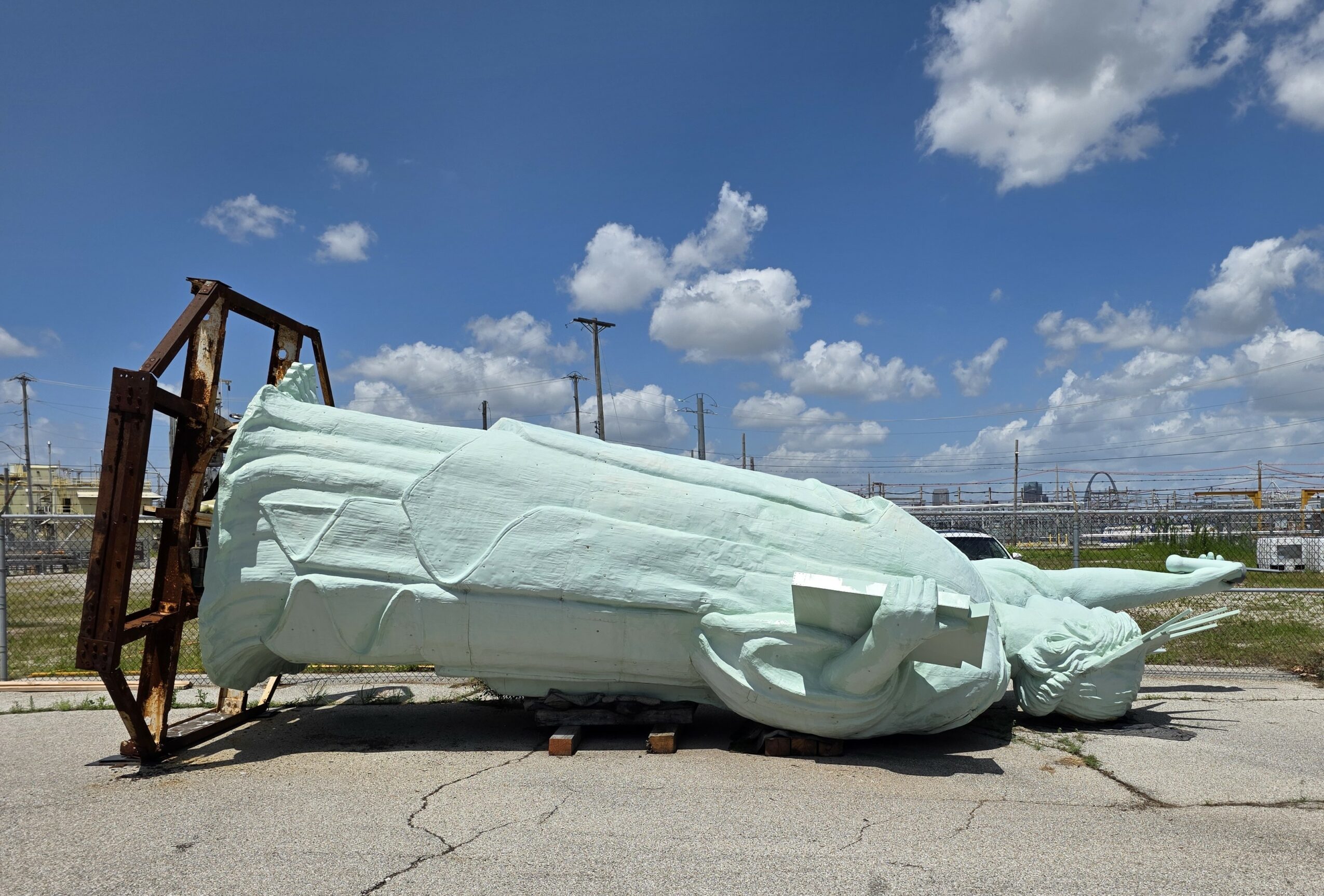
One of my current projects is especially meaningful. I’m fabricating a new red neon torch for the historic Little Liberty statue at the National Building Arts Center in Sauget, Illinois. The statue stood atop the Liberty Warehouse in New York City for more than a century before being relocated to the St. Louis area. Once installed, the illuminated torch will be visible for approximately eight miles across the St. Louis skyline.
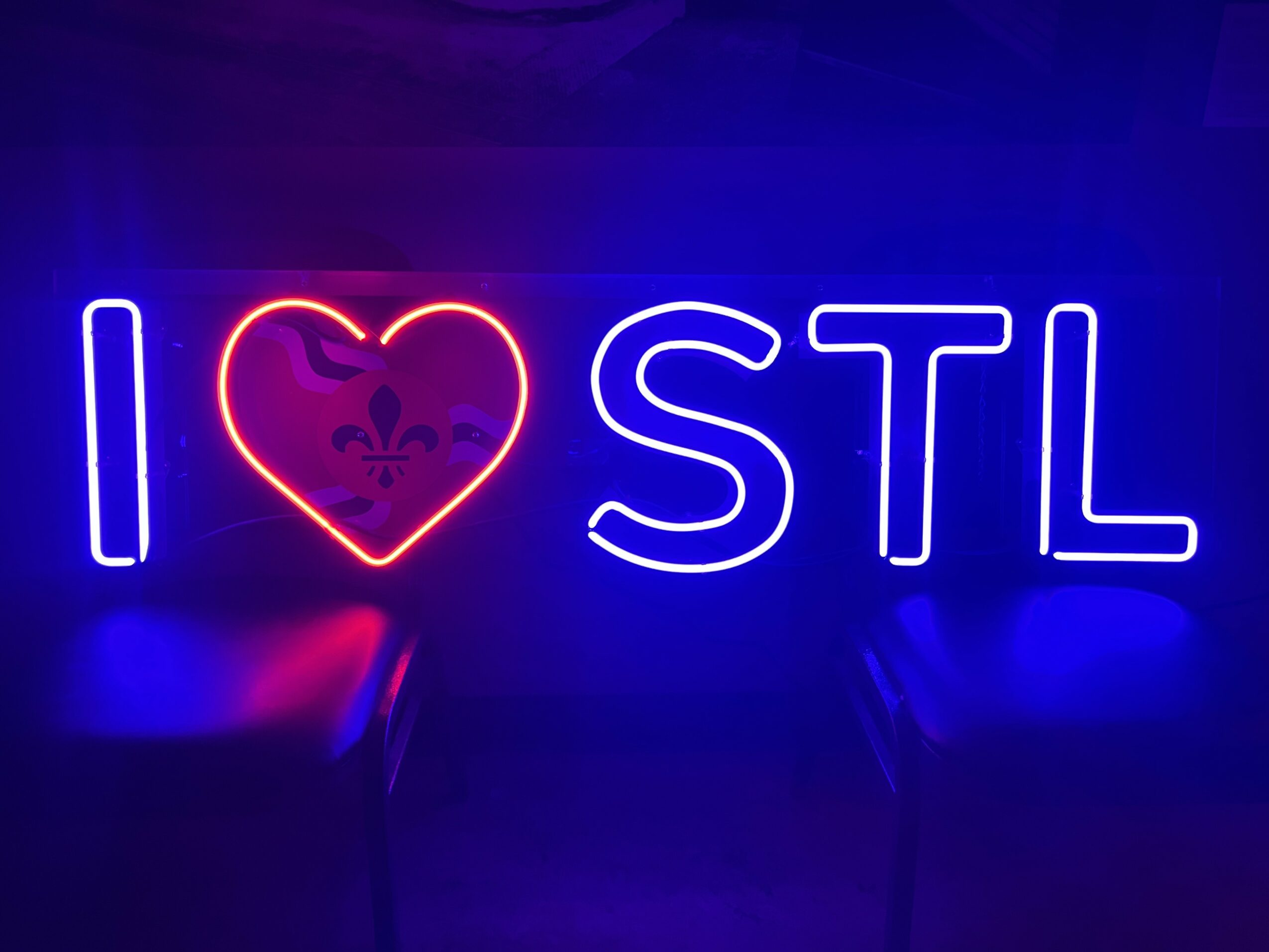
What I enjoy most is preserving both the craftsmanship and the history behind neon. Every restoration tells a story, and every new piece carries on a tradition that has defined America’s streets for generations. Neon isn’t just lighting. It’s an art form and an important part of the visual identity of St. Louis and the communities along Route 66. I’m proud to help ensure that this remarkable craft continues to shine for future generations.
We all face challenges, but looking back would you describe it as a relatively smooth road?
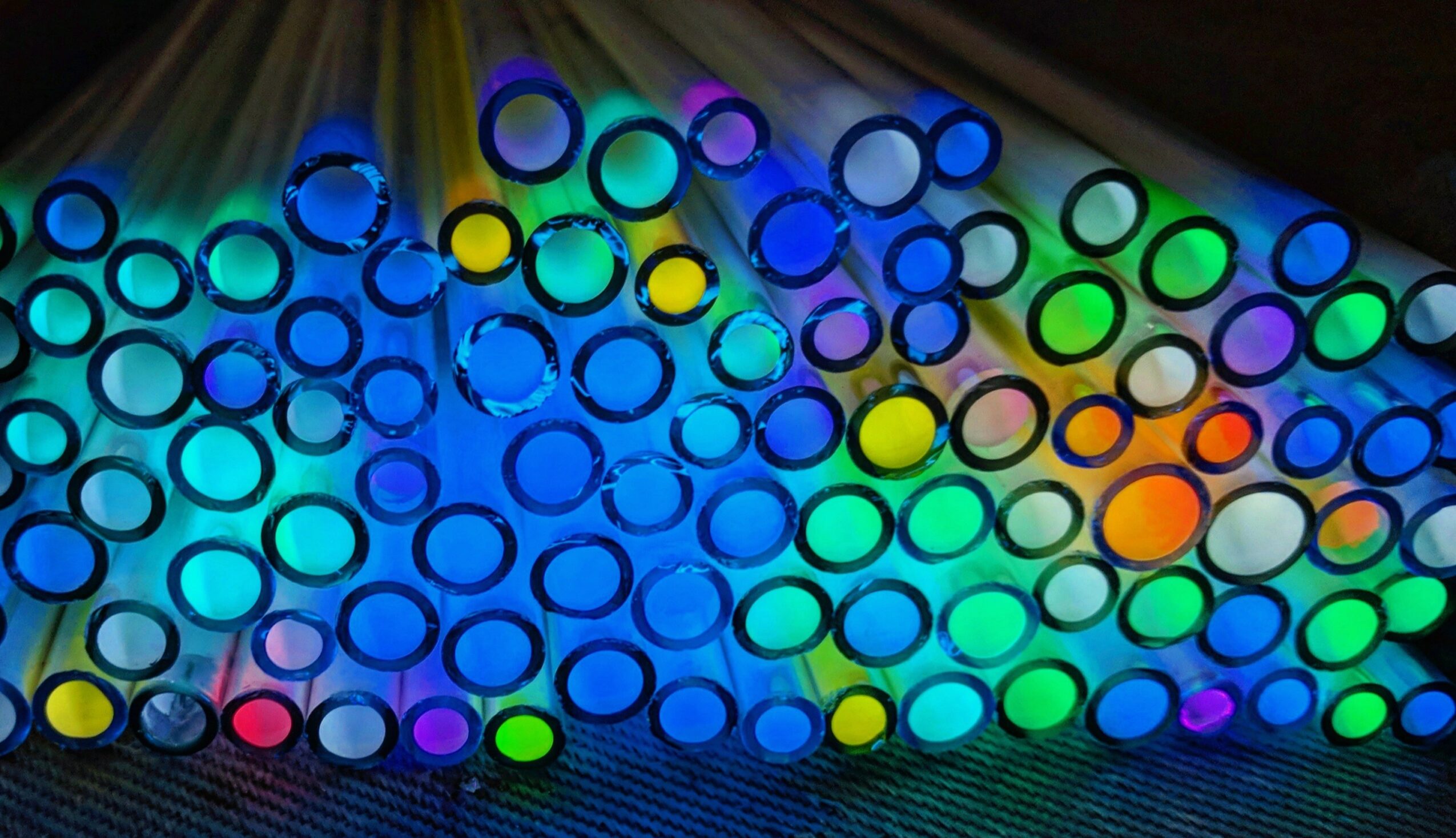
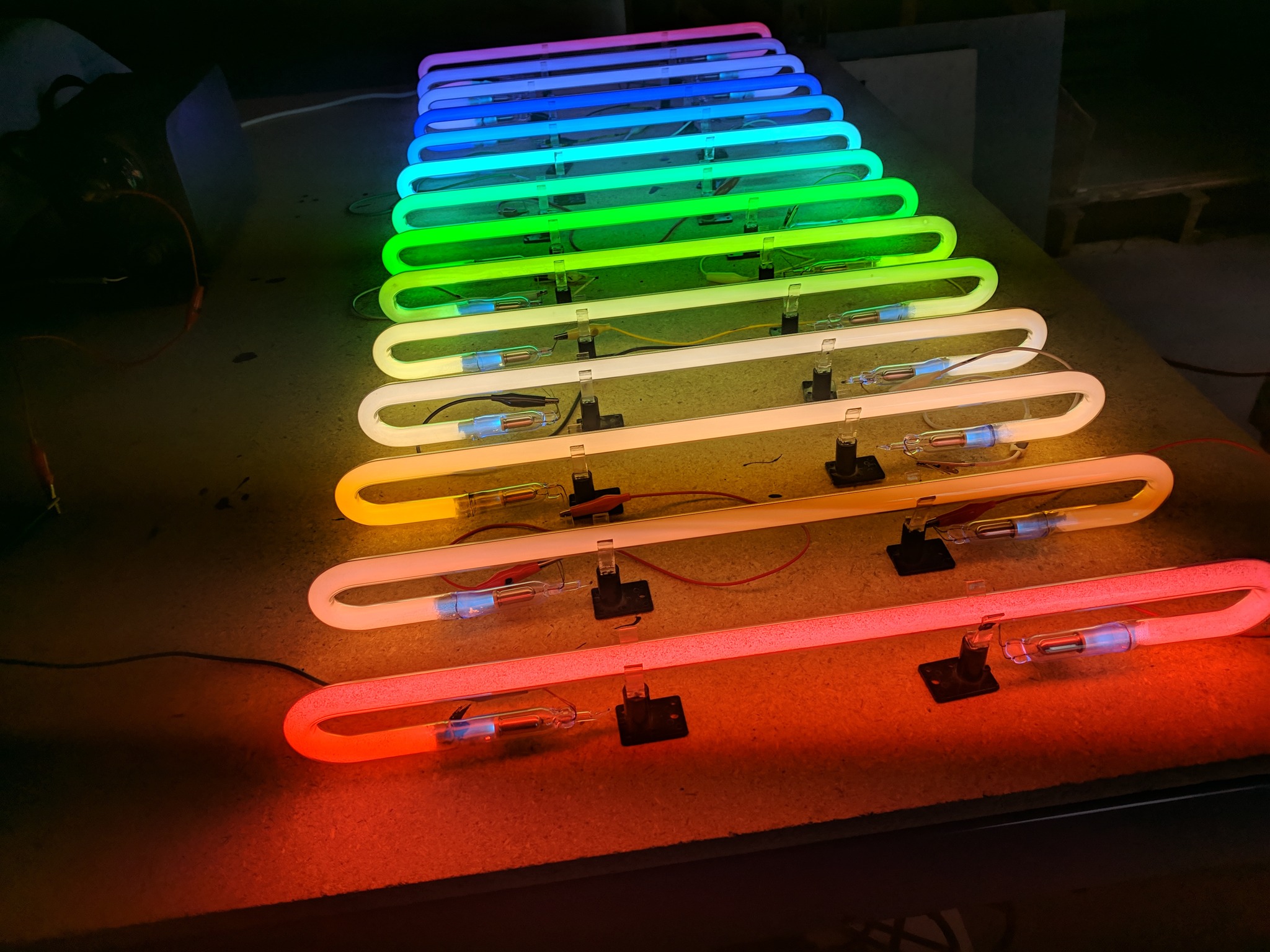
It definitely hasn’t been a smooth road. One of the biggest challenges has been the steady decline of the neon industry itself. When I started, there were more than 70 colors of glass tubing readily available from manufacturers around the world. Today, that number has dropped to around 25. Many of the companies that produced specialty colors have closed, and some colors are no longer made at all.
That has a real impact on creativity. As an artist, you want the freedom to choose the perfect color for a project, but today’s options are much more limited. Finding replacement glass for historic restorations can also be difficult because the original colors may no longer exist.
Supplies in general have become harder to find. Many of the specialized parts and materials used in neon are no longer manufactured in large quantities, so I often have to search for old inventory or adapt to what’s available. Preserving the craft today isn’t just about knowing how to bend glass. It’s also about finding the materials needed to keep these historic signs and works of art alive.
Thanks – so what else should our readers know about your work and what you’re currently focused on?
What makes my work somewhat unique is that I’m involved from start to finish. I design the project, fabricate the glass, process and fill the tubing, build the electrical systems, and then often install the finished work myself. Neon requires an unusual combination of skills. You have to be an artist, a glassblower, an electrician, and understand the chemistry and physics that make a neon tube glow. It’s one of the few trades where all of those disciplines come together.
For the Wildey Theatre Marquee, I fabricated more than 665 feet of neon tubing and then spent seven weeks installing the entire project myself. That meant not only creating the glass in the shop but also putting on a hard hat and safety harness and working high above the street to bring the landmark back to life.
I enjoy the challenge of taking a project from the initial concept all the way through the final installation. There’s something incredibly rewarding about seeing a sign light up for the first time, especially knowing that it was created entirely by hand. That’s what continues to drive me after all these years.
Are there any books, apps, podcasts or blogs that help you do your best?
I had never used Instagram or any social media platform before to promote my neon work. I always had more work than I could handle. I recently started uploading some of my restoration job images to Instagram. https://www.instagram.com/evrgloneon/
Contact Info:
- Website: https://www.custom-neon-signs.com
- Instagram: https://www.instagram.com/evrgloneon/
- Other: https://www.pbs.org/video/hillsboro-neon-ssqfiy/