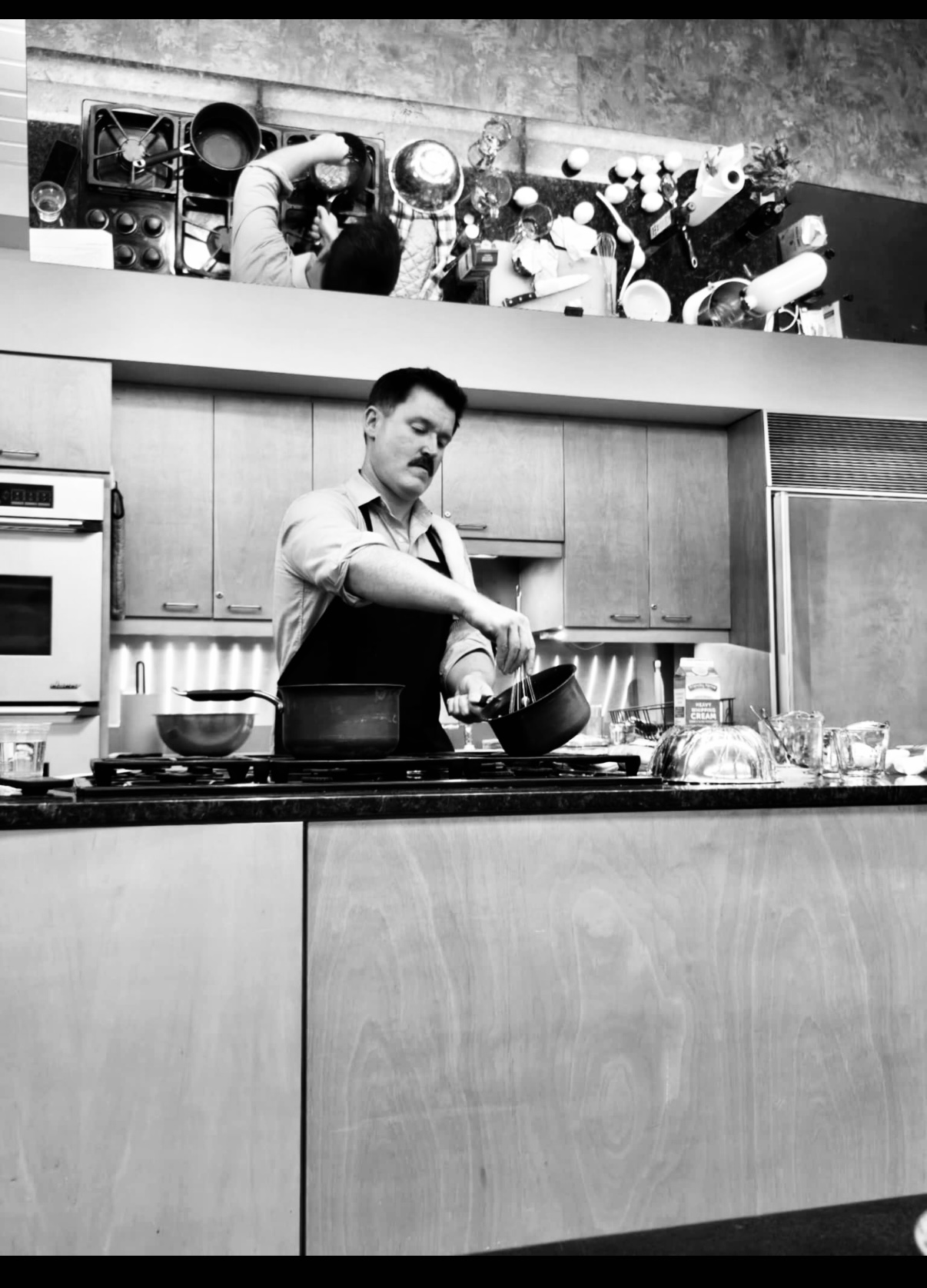
Today we’d like to introduce you to James Walsh.
Hi James, we’re thrilled to have a chance to learn your story today. So, before we get into specifics, maybe you can briefly walk us through how you got to where you are today?
I began “Get Cheffy with James” in 2020 with the aim of educating home cooks to see they don’t need professional training, expensive ingredients, or a perfectly equipped kitchen to make exceptional food. Home cooks need advice and guidance that explains what to do in the kitchen, but also need to understand why a technique works and how to correct or rebalance the taste of something until you’re happy with it.
The purpose of Get Cheffy is to share education, approachable recipes, techniques, and the cooking knowledge that’s been passed down to me. As I develop recipes, each recipe and class I teach includes “Get Cheffy Tips” that encourage people to adjust, substitute, and experiment. If cilantro tastes like soap to you, I explain how to substitute other herbs. If an ingredient is missing from your pantry, there’s probably a perfectly good alternative. A recipe should be a guide, not a set of handcuffs.
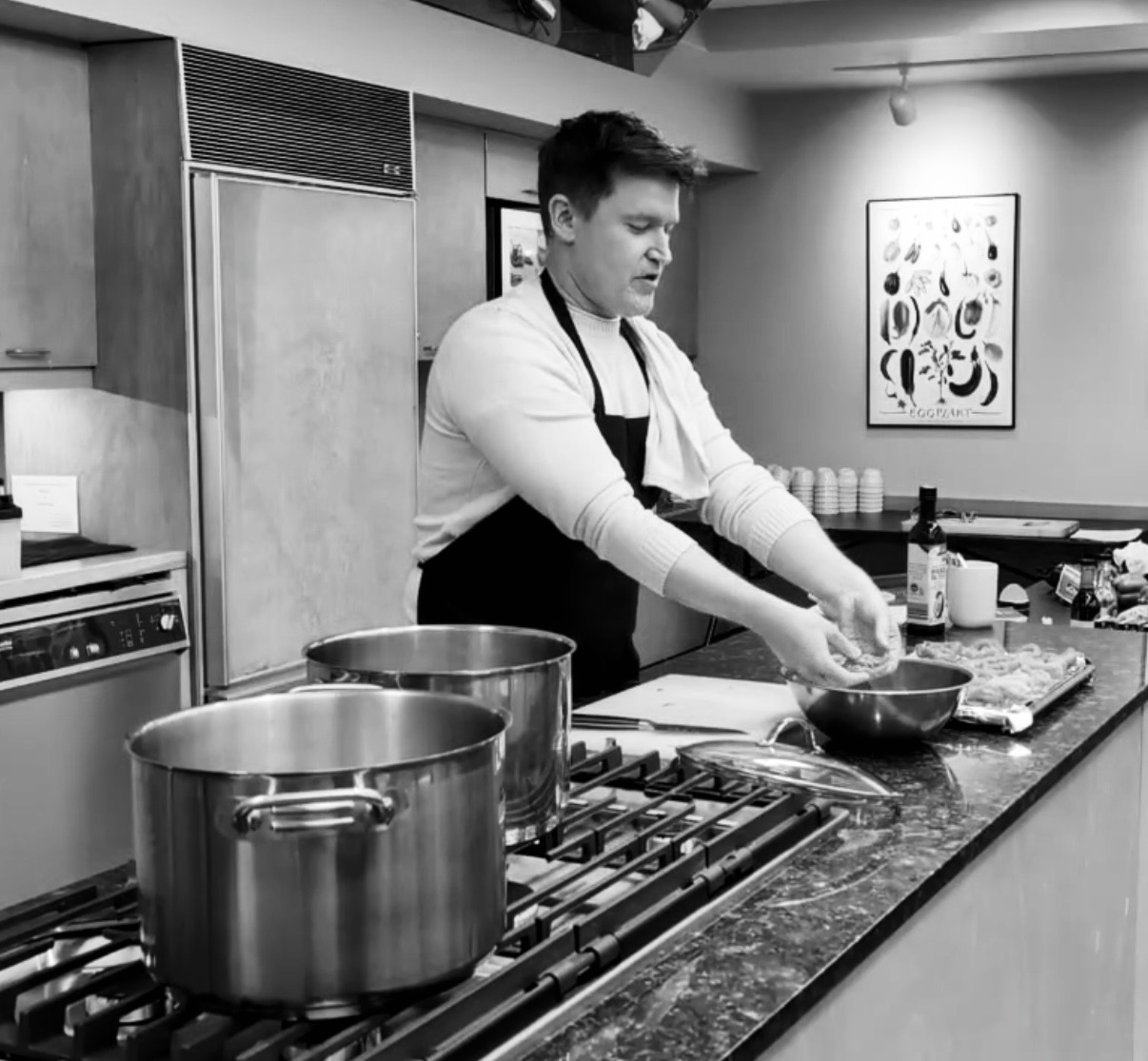
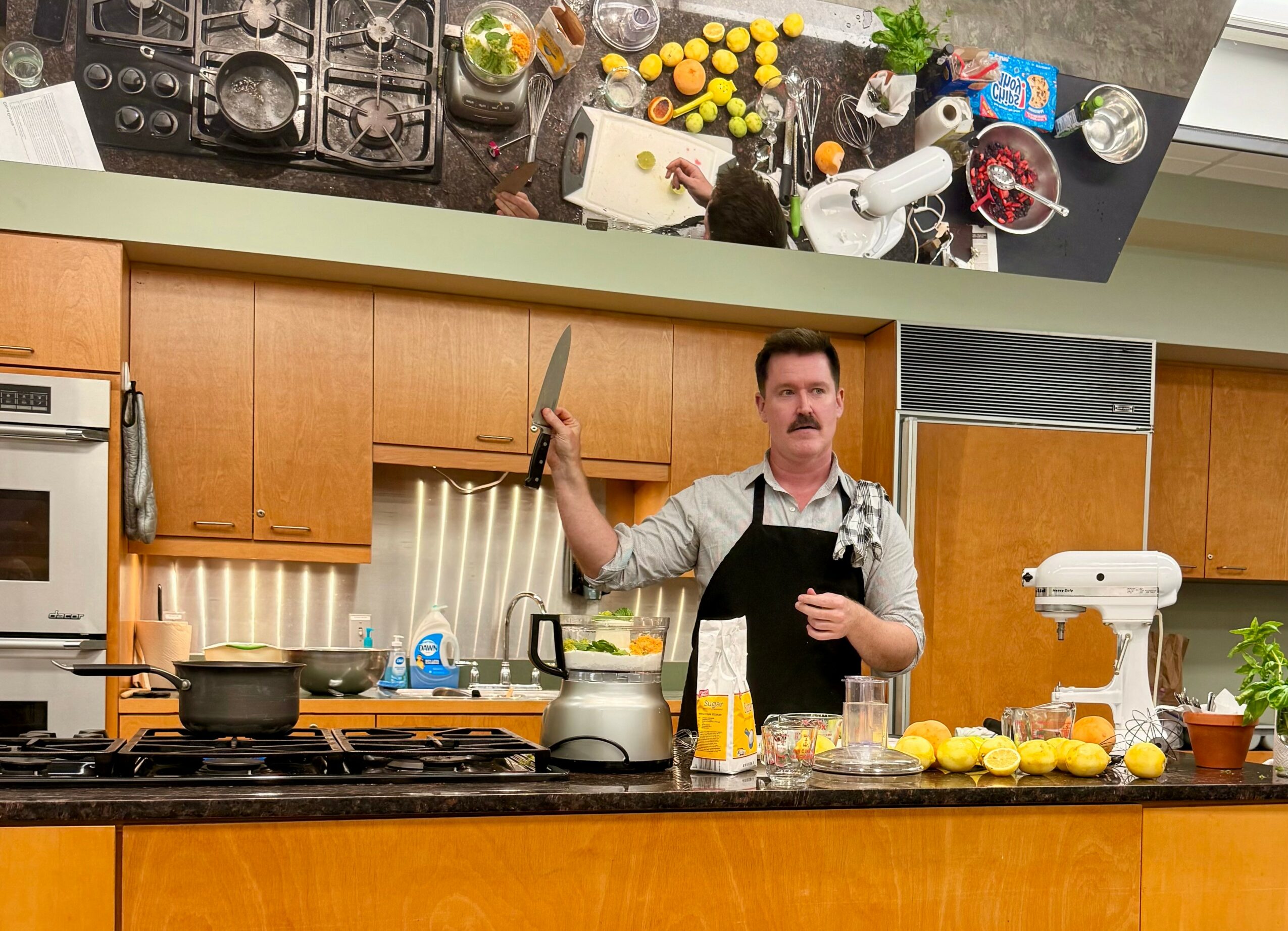
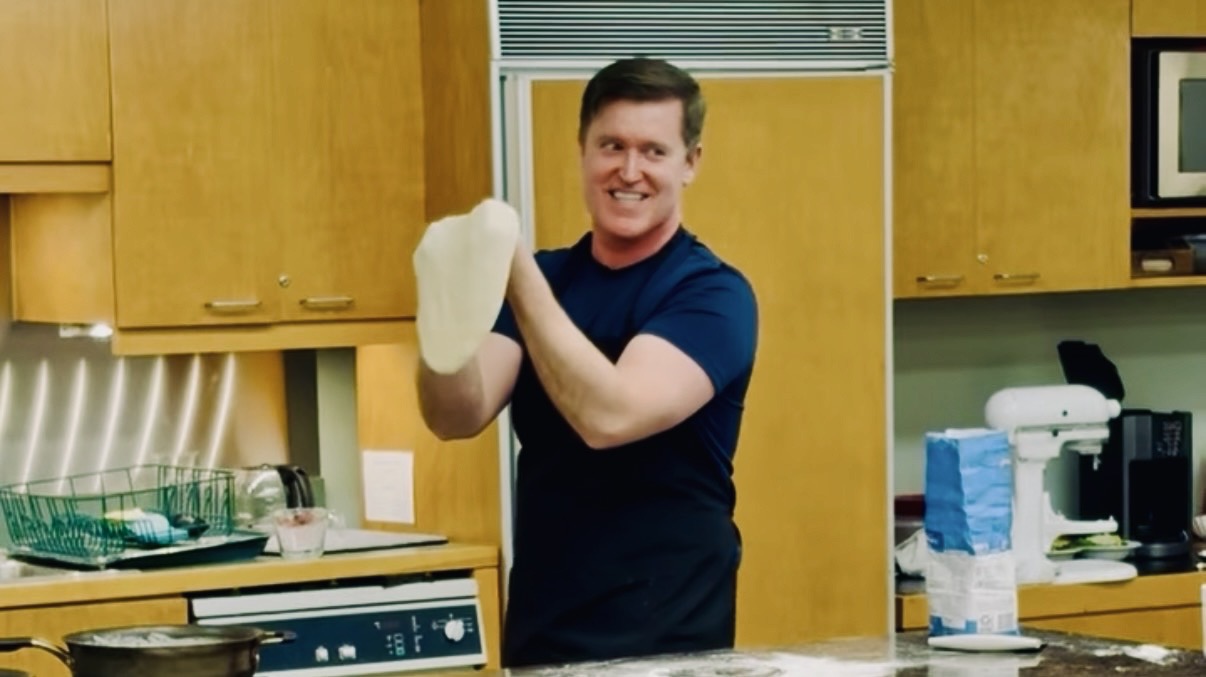
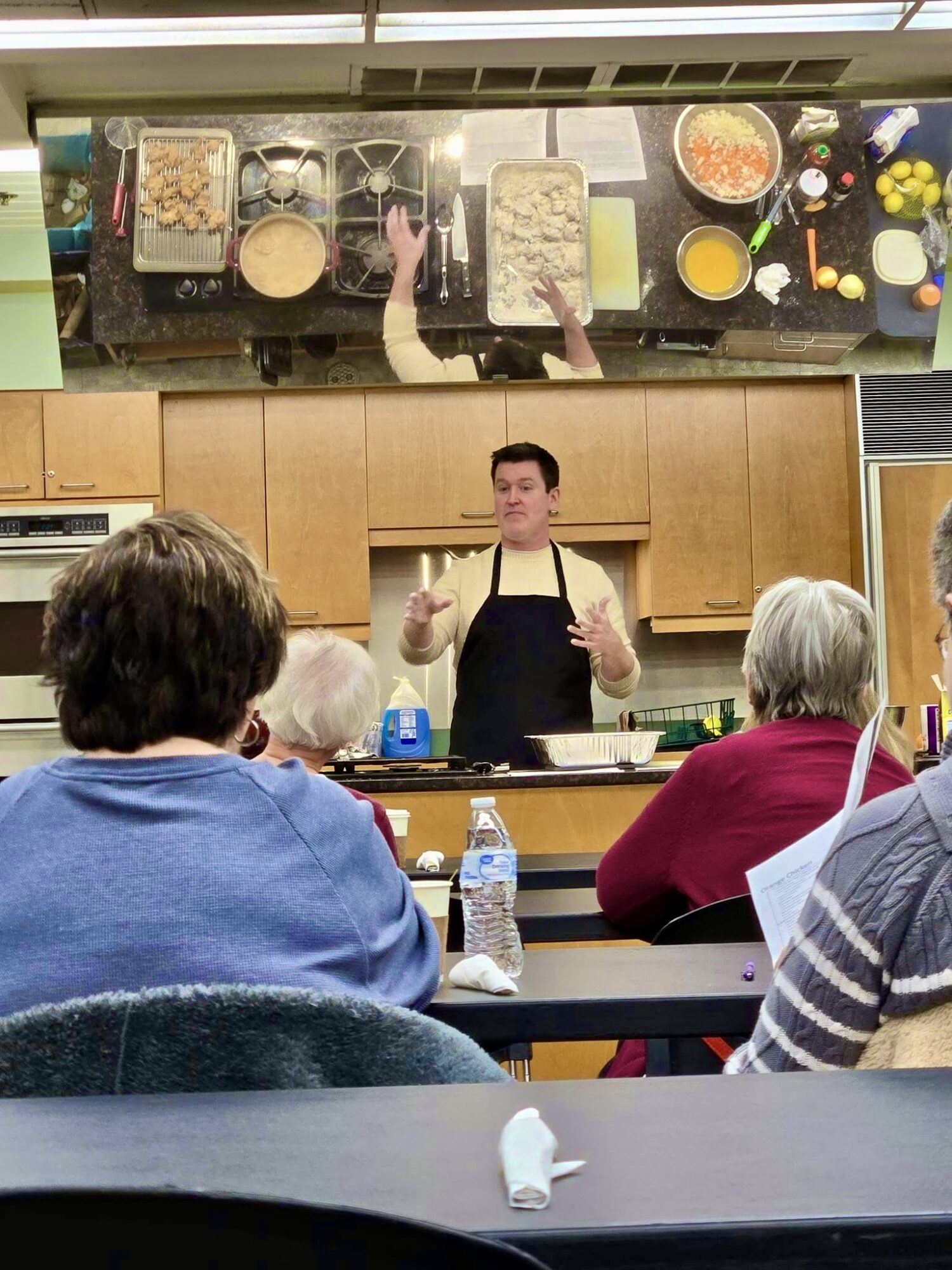
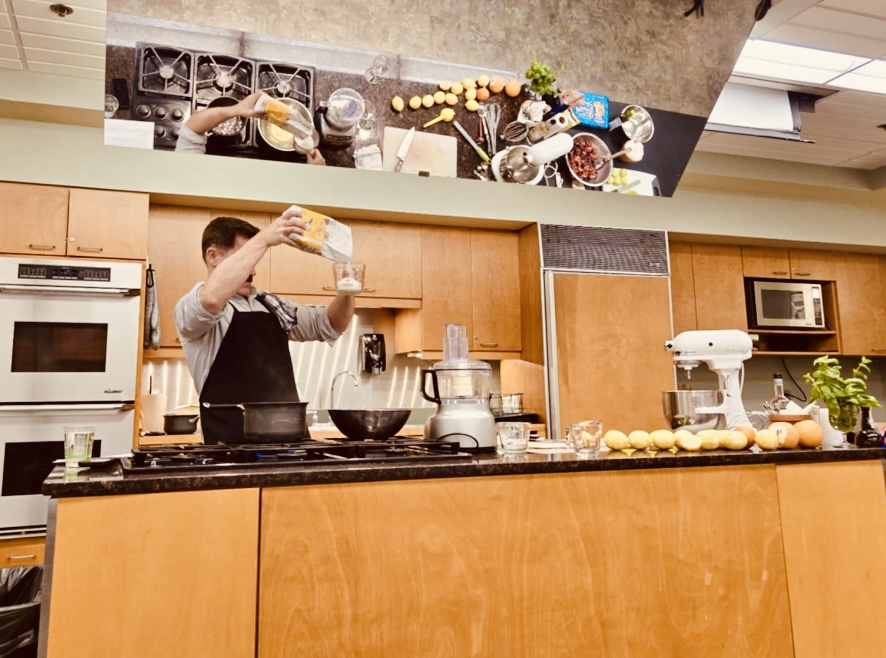
What began as a website has since grown to include social media, live cooking classes at the Missouri Botanical Garden, and private classes and group cooking experiences, available upon request. Watching someone master a new technique, taste something they made themselves, or realize they’re more capable in the kitchen than they thought has been incredibly gratifying.
Get Cheffy is still grounded in the initial concept that cooking should be approachable, adaptable, and enjoyable. The goal is not to make every home cook follow recipes exactly, it’s to give them enough knowledge and confidence to make recipes their own.
I’m sure it wasn’t obstacle-free, but would you say the journey has been fairly smooth so far?
The work itself is so enjoyable that the challenges rarely feel discouraging. Recipe development, teaching, preparing and serving food all come naturally to me, and experimentation is part of the fun. Some dishes work beautifully the first time, while others need another attempt, a little more seasoning, or an entirely different plan. That process is how everyone (myself included) becomes better in the kitchen.
The biggest surprise has been discovering how much work can go into making a very short social media video look effortless. Cooking the food is often the easy part. Then comes the lighting, filming, editing, and the race to capture everything while the dish still looks fresh and appetizing. A thirty-second video can represent considerably more than thirty seconds of work!
Fortunately, inspiration has never been the challenge as theres an enormous world of food to explore, techniques to learn, and restaurant favorites to recreate at home. You could cook something new every day and still never reach the end of it. Since starting Get Cheffy in 2020, every new opportunity has reinforced how much I enjoy the process and how gratifying it is to share that excitement with others.
Can you tell our readers more about what you do and what you think sets you apart from others?
I’m the sole creator behind “Get Cheffy with James,” which means I’m also the recipe developer, chef, writer, editor, photographer, videographer, and social media manager. Depending on the day, I may be testing a recipe, teaching a class, photographing a finished dish, or discovering that the lighting looked much better before I put the food on the table.
My work is centered on making exceptional food approachable for home cooks so I create and adapt recipes so people can understand not only what to do, but also why a particular step matters and how they can adjust it to fit their own tastes. The goal is never to help someone reproduce one dish. It’s to teach techniques they can use again and again while building the confidence to make their own decisions in the kitchen.
I may be best known for not measuring nearly as much as people expect me to. When I teach a live class, I keep a container of tasting spoons beside me and repeat an instruction throughout the class: “Taste as you go.” Tasting tells you where a dish stands and what it needs next. A recipe offers direction, but your own senses should help guide the final result.
That same philosophy carries into Get Cheffy’s recipes and content. Along with step-by-step instructions, I explain techniques and the science behind them. Roughing up cooked pasta in its water releases additional starch that helps cheese emulsify into a smooth sauce. Letting raw garlic sit briefly in lemon juice or vinegar softens its sharp bite. These are small lessons but can be applied to many different dishes and help people become stronger, more instinctive cooks.
What sets Get Cheffy apart is that all of the recipes and content are complimentary and always will be. The food is designed to feel approachable rather than daunting or unnecessarily complex, while still delivering a “wow” factor when it reaches the table. Get Cheffy offers recipes, but its larger purpose is to make cooking easier to understand and more enjoyable to explore.
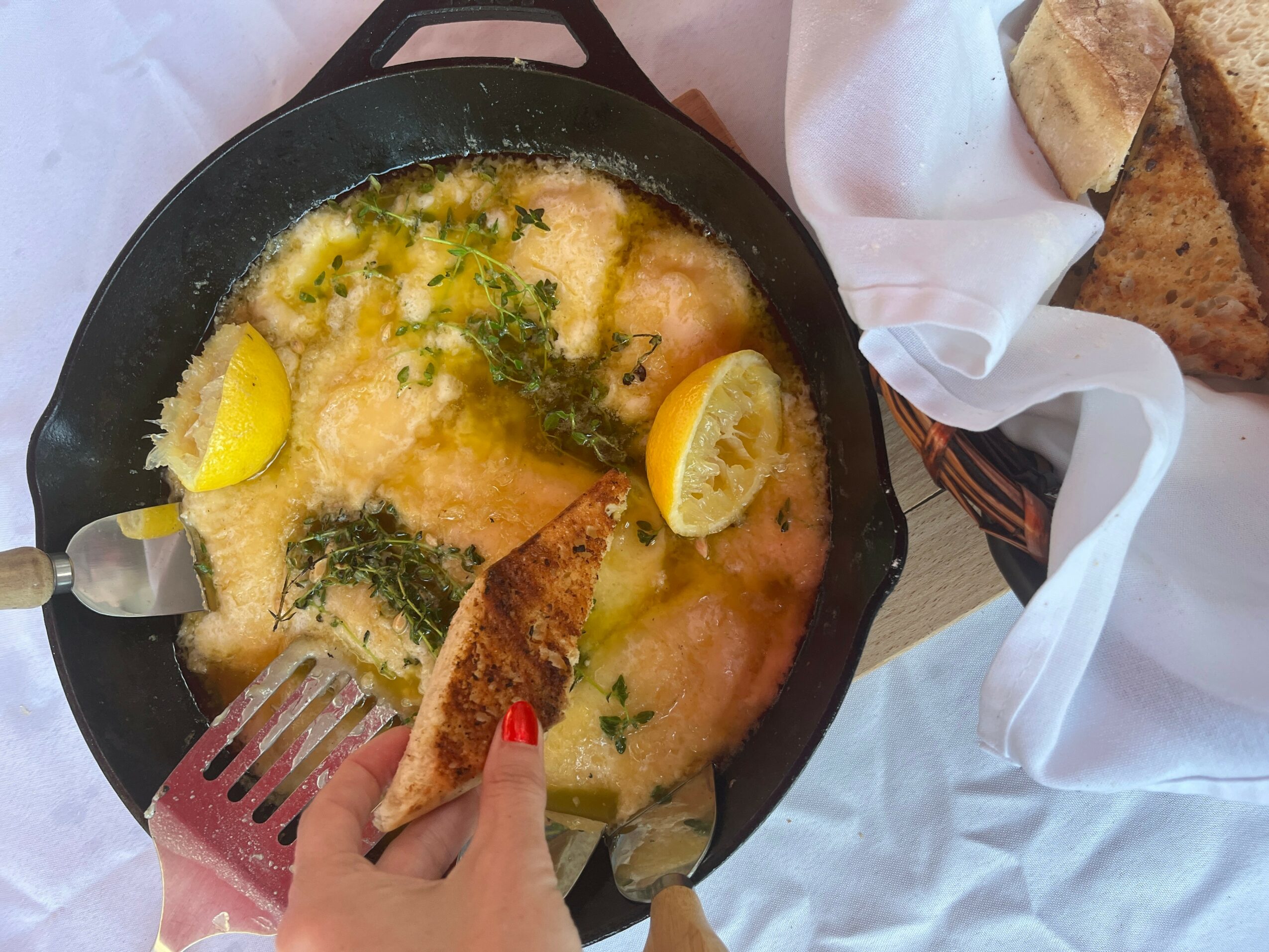
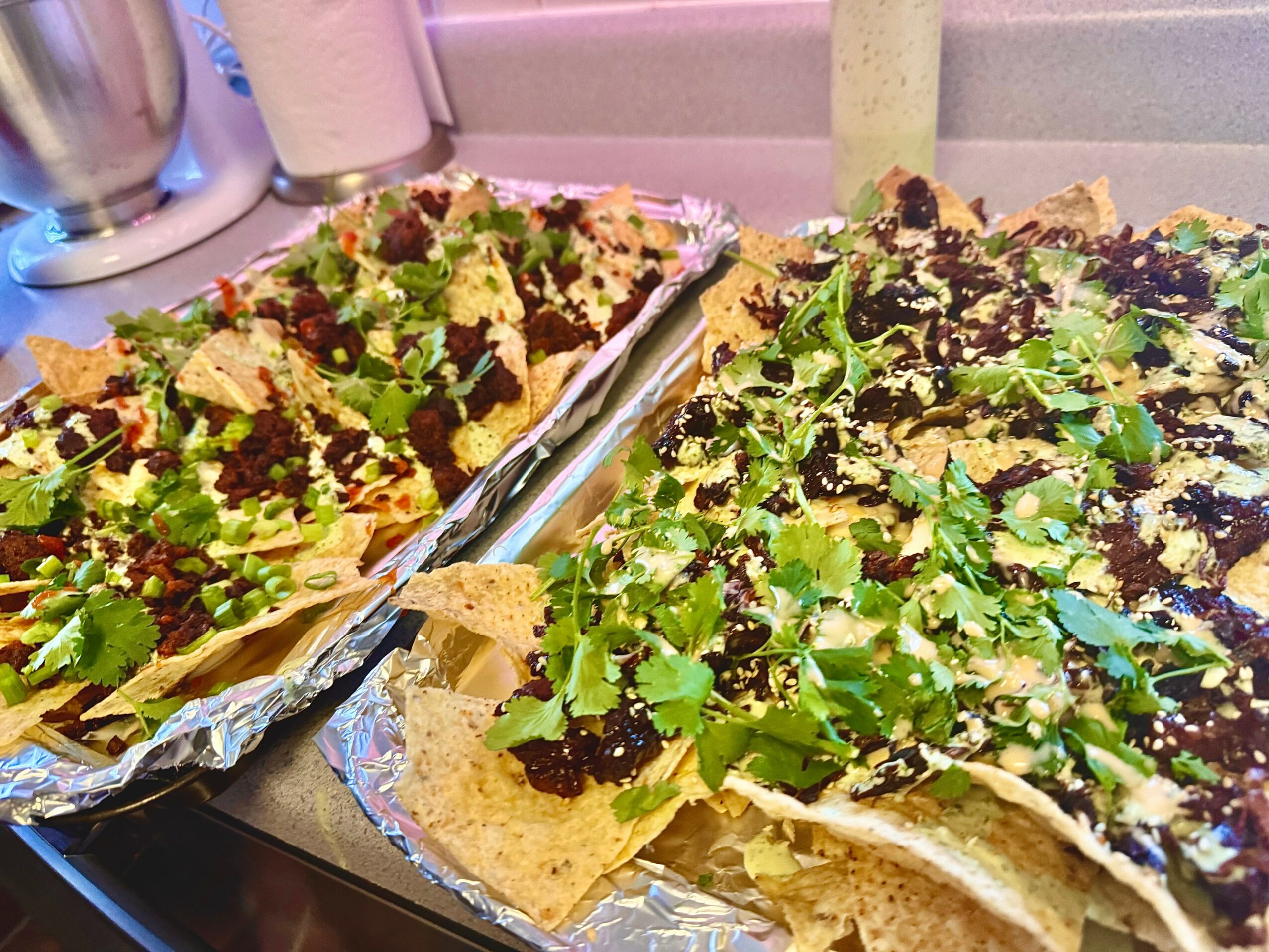
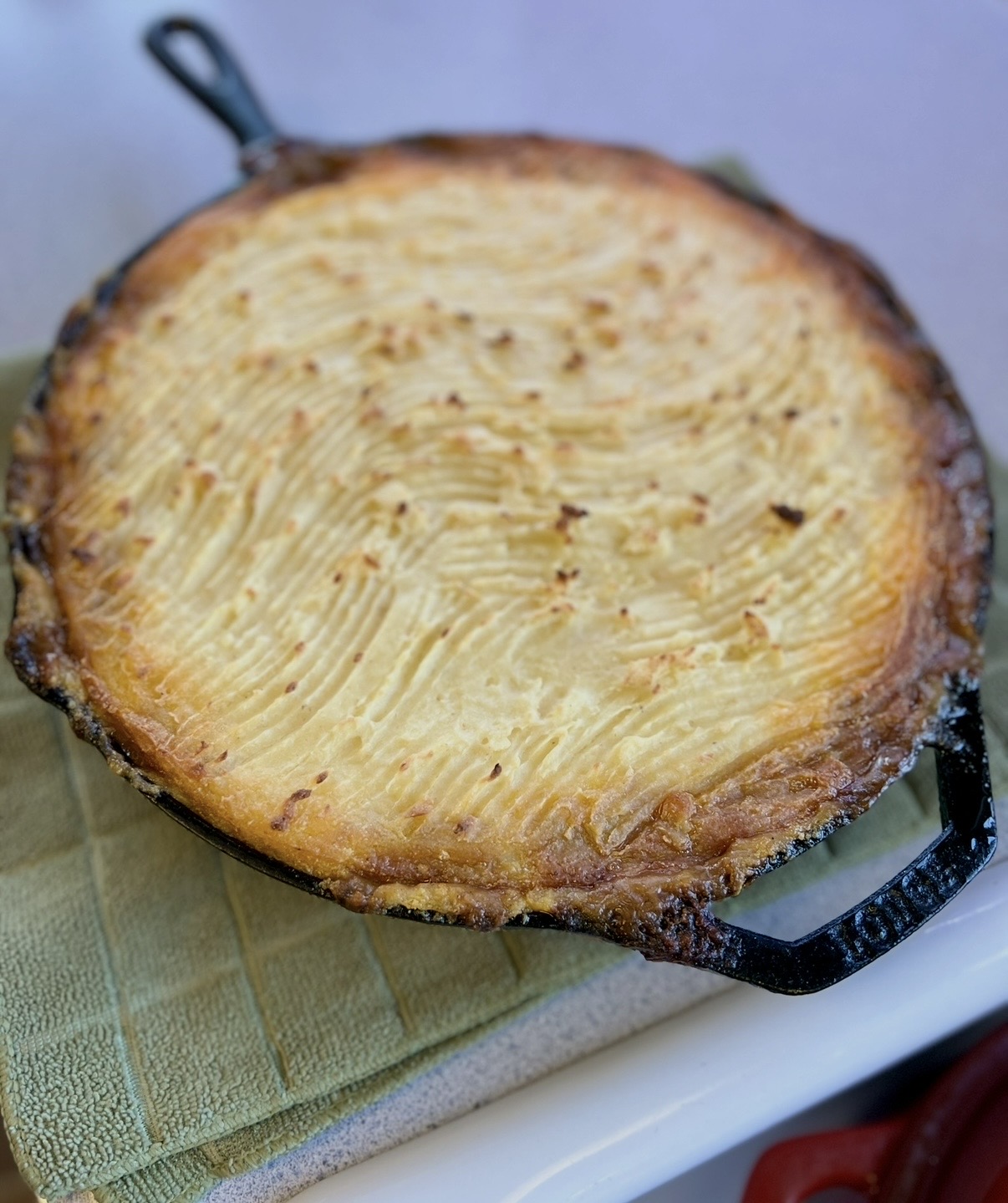
I’m especially proud of the food photography skills I’ve had to develop along the way. I’m always learning something new with food photography but years of practice have taught me a great deal about what works, what doesn’t, and how to make a dish look as inviting on a screen as it does in person.
Most of all, I’m proud of the students who return to my classes whenever they can. Knowing that someone enjoyed the experience enough to cook with me again is an enormous and humbling joy. A beautiful photograph or finished dish is gratifying, but helping another person feel more confident in the kitchen is the part of the work that means the most.
Are there any important lessons you’ve learned that you can share with us?
The most important lesson I’ve learned is that good cooking rarely comes from blindly following instructions. It comes from paying attention throughout the process.
Taste your food as you go, not right before it reaches the table. Taste after each stage of seasoning and cooking so you know where the dish stands and what it needs next. Does it need more salt, a splash of acid, a little butter, or simply more time. It’s much easier to guide a dish in the right direction along the way than to rescue it at the very end.
I’ve also learned that a special dinner isn’t the best time to test an entirely new recipe. Experiment on yourself first. Make it, adjust it, and make it again until you understand how it behaves. Then, when you serve it to other people, you can enjoy the occasion instead of wondering what’s happening inside the oven.
Another valuable lesson is that not everything needs to be made from scratch. I am absolutely the person who will spend two days laminating croissant dough or simmering homemade stock, but most guests will neither notice nor care whether every component required that much effort. A thoughtful menu can include something homemade, something store-bought, and something simply assembled well. Knowing where to focus your energy is its own cooking skill.
Finally, give yourself more time than you think you need! Light the grill thirty minutes earlier. Start the oven sooner. Complete everything possible in advance. A little extra preparation allows you to greet your guests, enjoy the food, and remain part of the gathering you worked so hard to create.
Taken together, these lessons have taught me that becoming a better cook isn’t about making everything complicated or perfect. It’s about tasting carefully, practicing before the pressure’s on, choosing where your effort matters most, and giving yourself enough time to enjoy the experience.
Pricing:
- Private Classes/Dinner Experiences: Available upon Request
- Missouri Botanical Garden: Live Cooking Classes- See MOBOT Catalog for Pricing
Contact Info:
- Website: https://getcheffy.cooking
- Instagram: https://www.instagram.com/getcheffy_withjames
- Facebook: https://www.facebook.com/share/1DEWAy2ncC
- Email: GetCheffyTalk@gmail.com