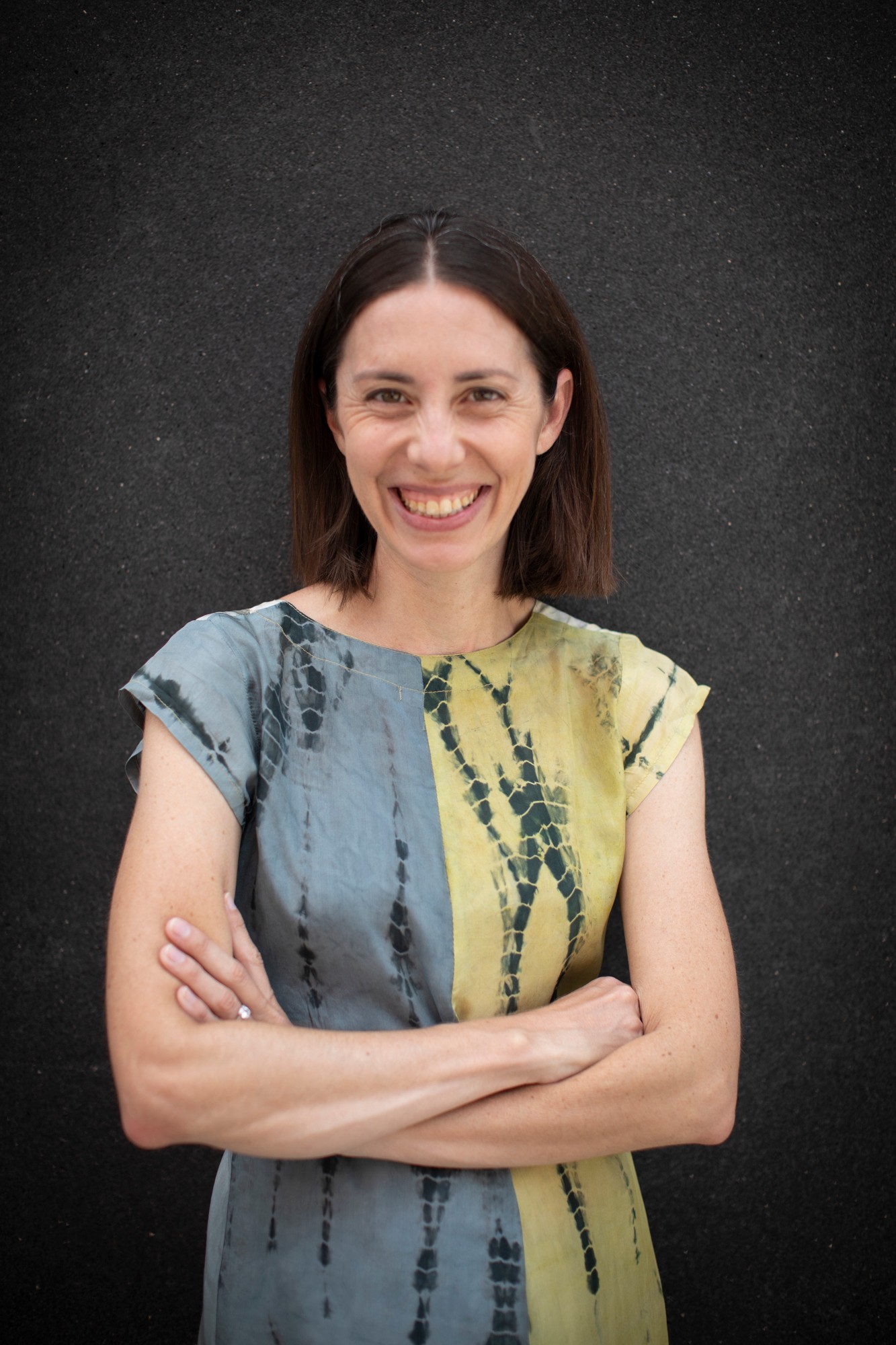
Today we’d like to introduce you to Rebecca Van Bergen.
Hi Rebecca , so excited to have you with us today. What can you tell us about your story?
My story really begins with my grandmother. She was my best friend growing up, and I spent a lot of time around the women in my family as they quilted, sewed, knitted, and made things by hand. I came to understand later that making represented something much bigger: creativity, connection, and economic independence for women. Some of the quilts passed down through my family were made by my great-grandmother, and they became a tangible connection to the women who came before me and the choices they made to create lives of their own.
I went on to study social work at the Brown School at Washington University in St. Louis. Around the time I was finishing my master’s degree, Muhammad Yunus won the Nobel Peace Prize, sparking enormous interest in microfinance and economic opportunity for women in developing economies. I was inspired by the idea, but questioned whether access to capital alone was enough. A loan might help someone buy a sewing machine, but it doesn’t necessarily give her the skills, market access, or business support to build a sustainable livelihood.
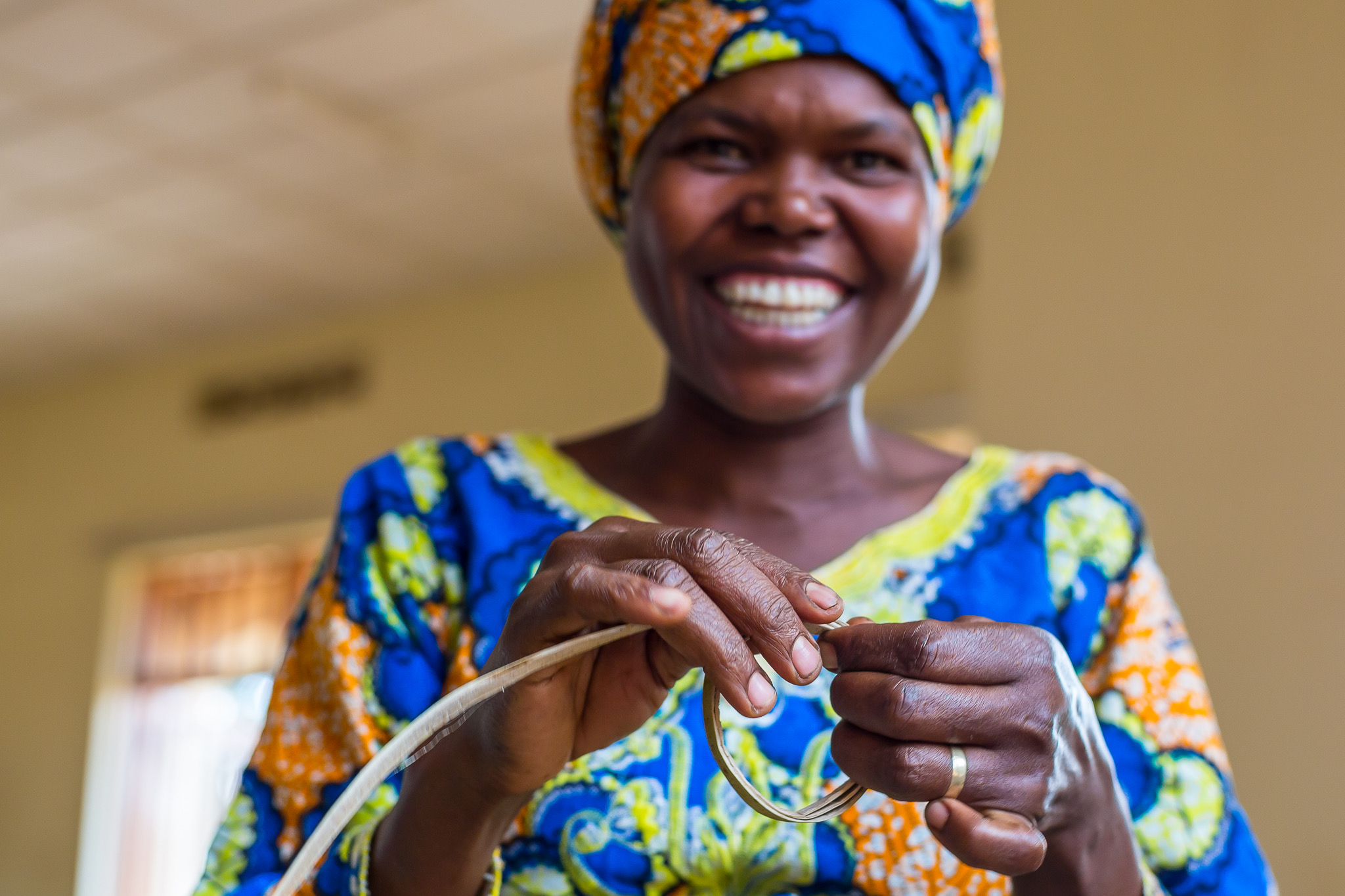
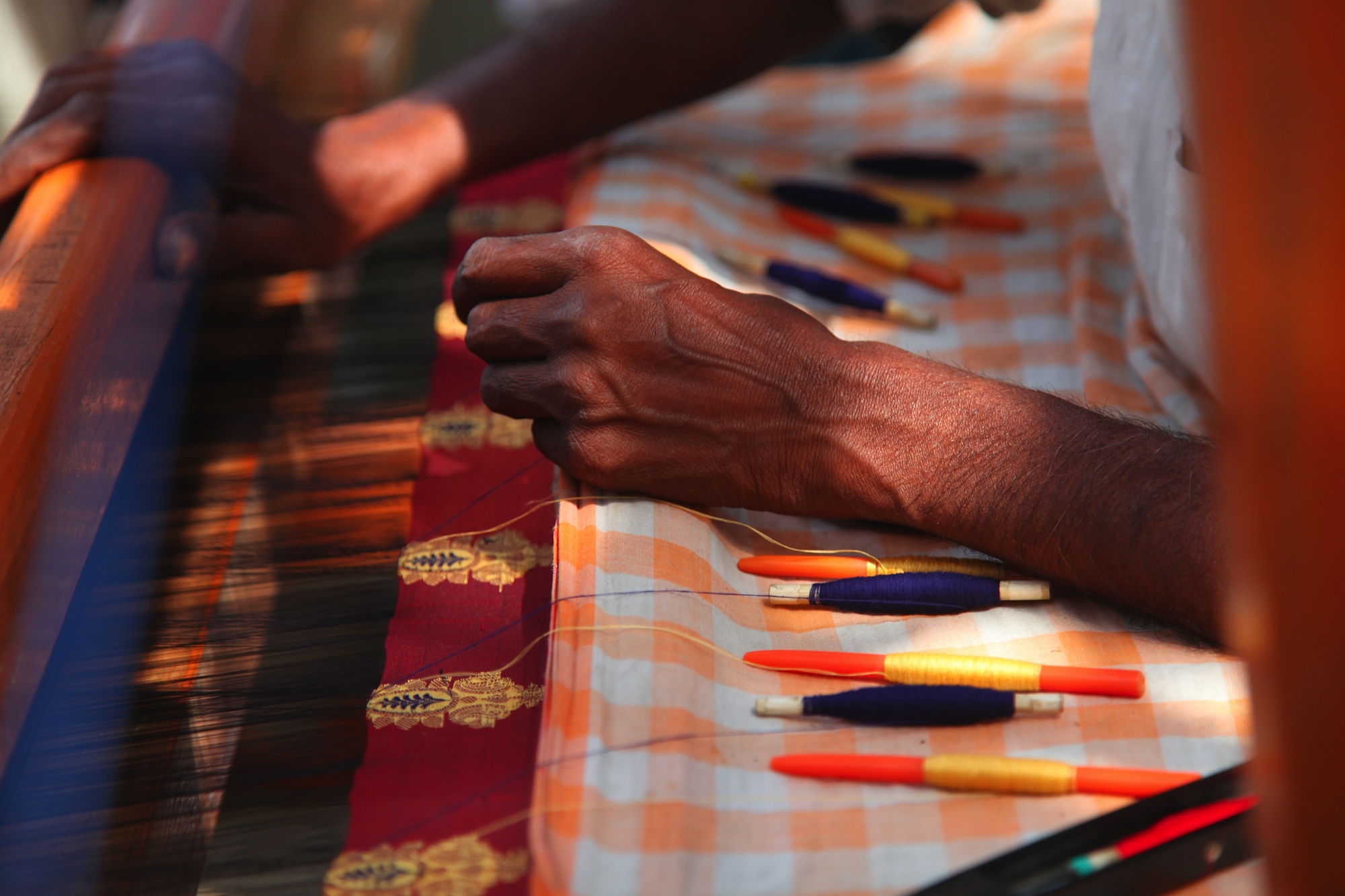
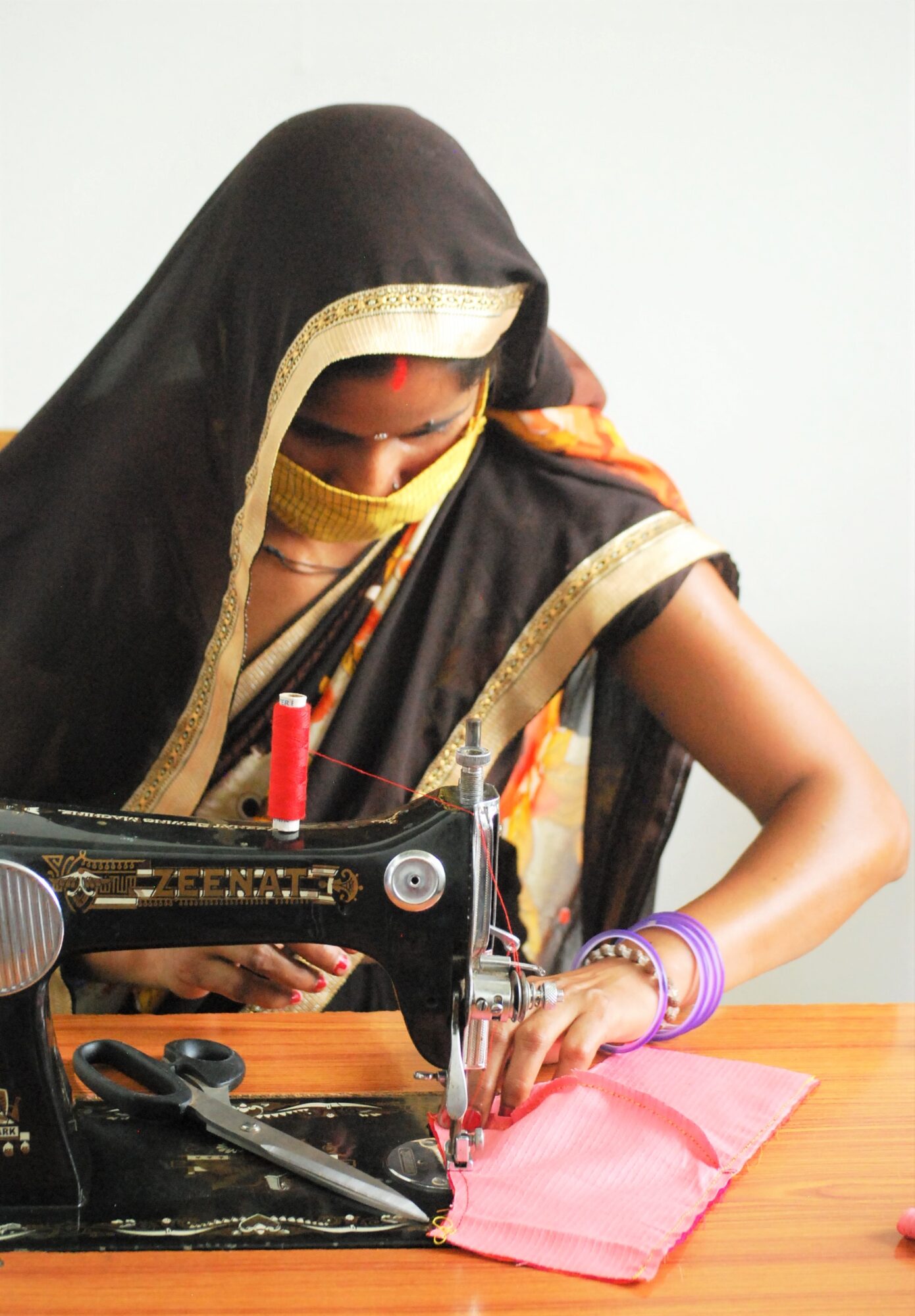
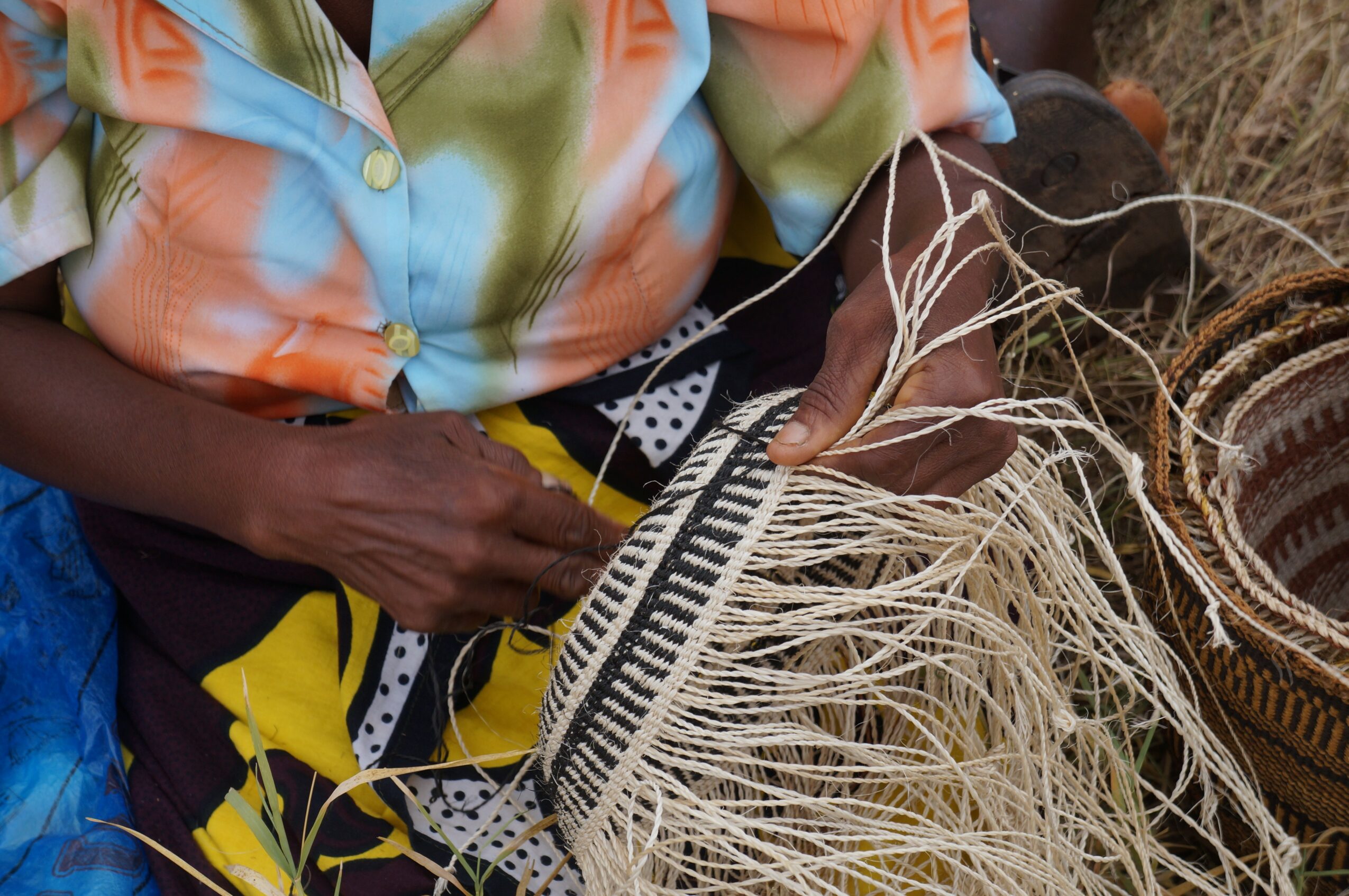
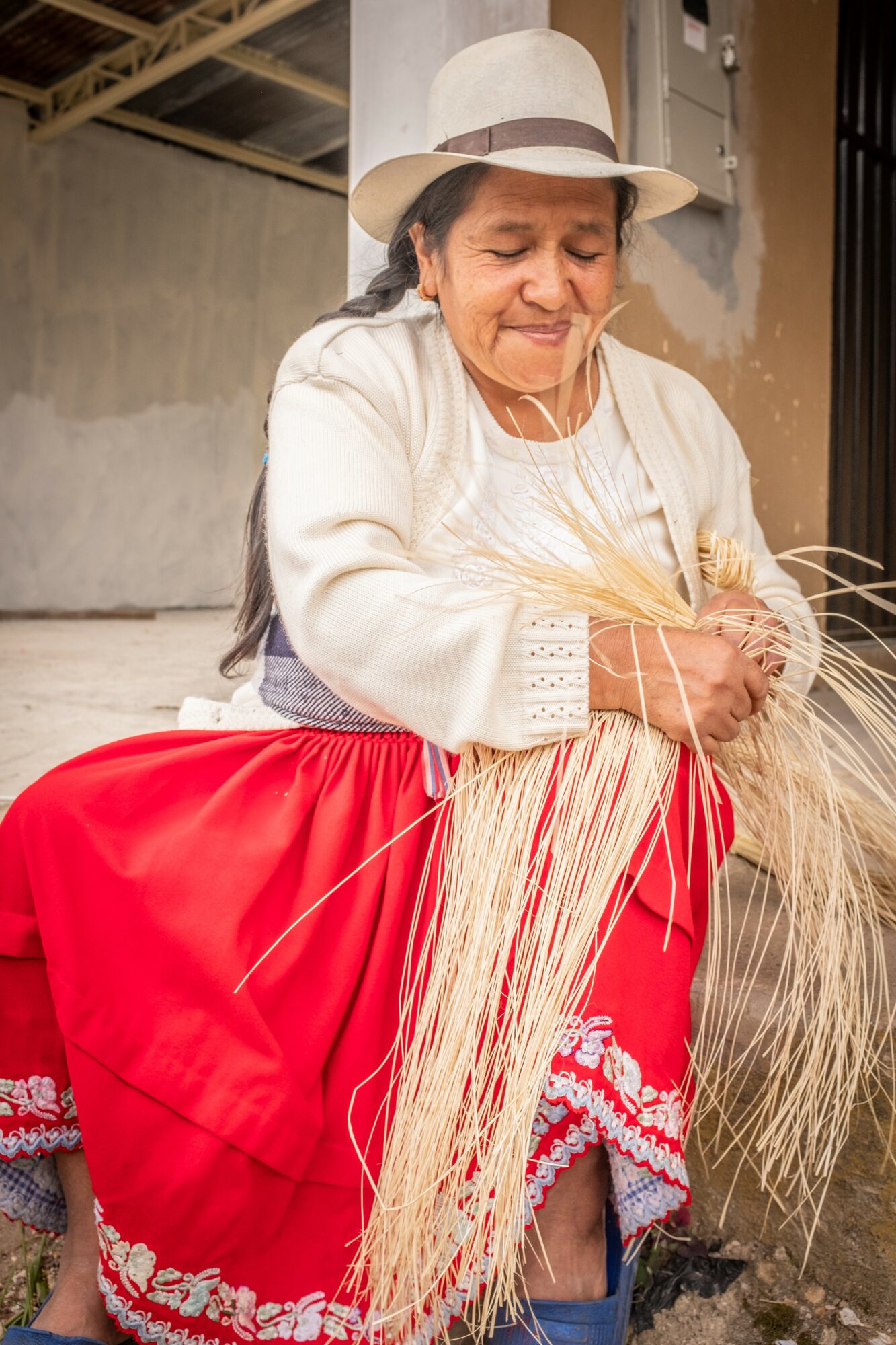
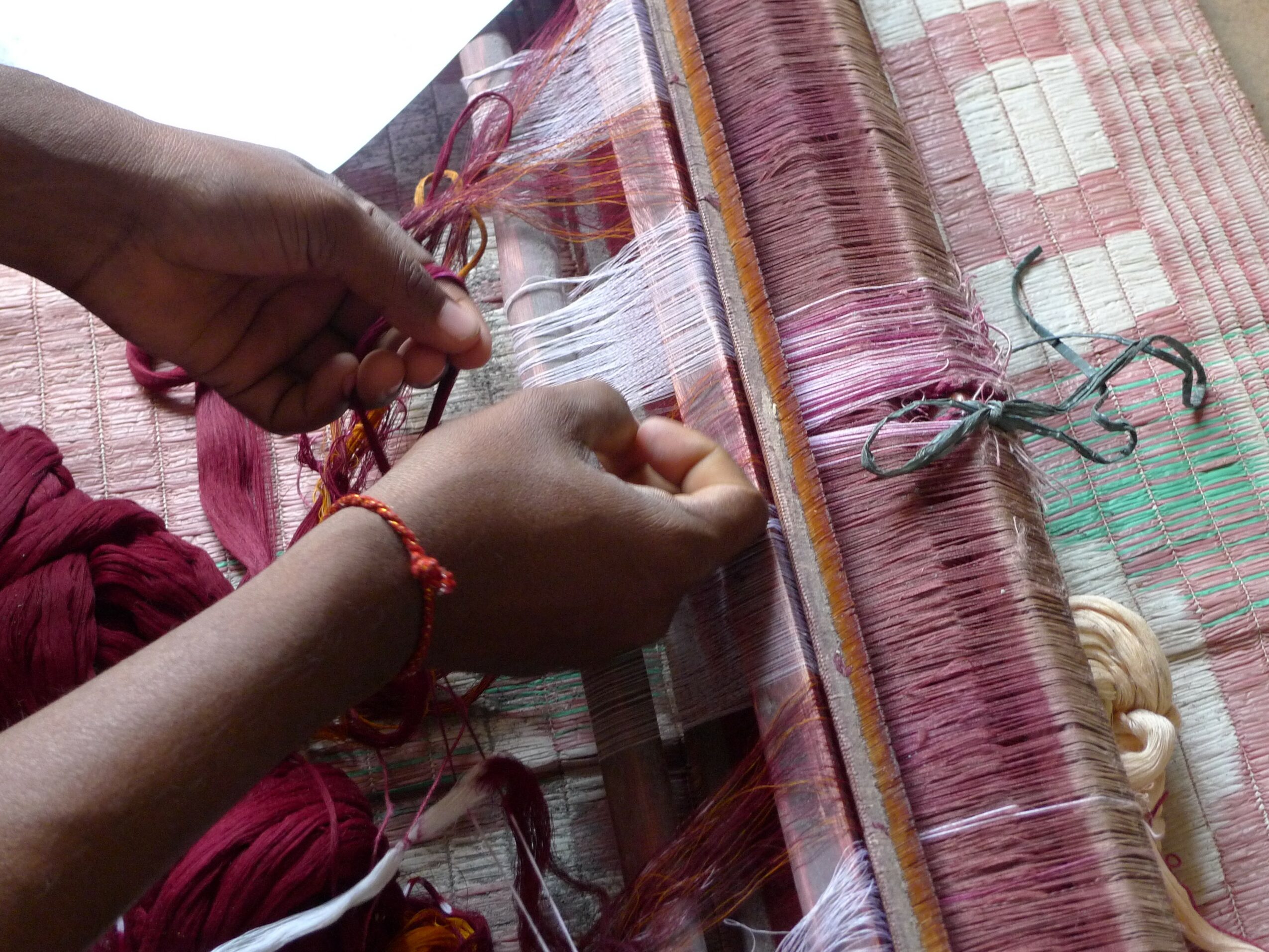
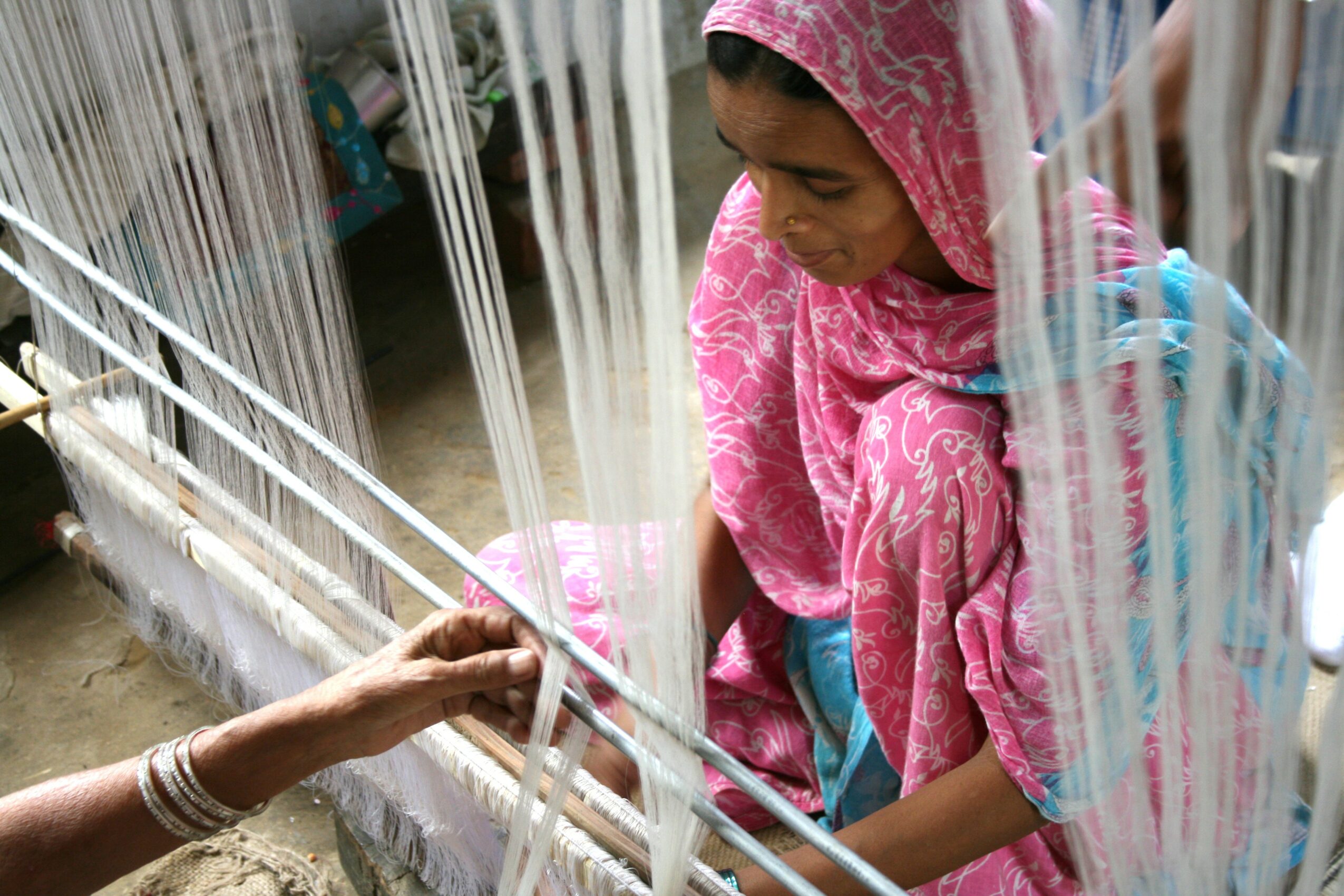
At the same time, through my travels, I kept encountering women who were already highly skilled makers, often weaving, embroidering, beading, or sewing while caring for their children. I began to see the enormous economic potential in these existing skills and the opportunity to build on them.
Washington University was hosting a social entrepreneurship competition, and somewhat on a whim, I decided to apply based on these ideas. I won the competition, which gave me the opportunity to turn the idea of investing in business development for artisans into a reality… and Nest was founded!
Over the past two decades, Nest has grown from that initial idea into a global organization working across economic opportunity, ethical supply chains, education, resilience, and market access for artisans and creative entrepreneurs. But the core idea has remained the same: creativity and making can be powerful vehicles for economic independence, particularly for women.
Alright, so let’s dig a little deeper into the story – has it been an easy path overall and if not, what were the challenges you’ve had to overcome?
It certainly hasn’t been a smooth road, but I think that is partly because the world our makers are navigating is constantly changing. One of the biggest lessons of the past two decades is that macro-level global trends can have very immediate, micro-level consequences for women and creative entrepreneurs. Things that can feel distant or abstract, whether a global pandemic, a change in trade policy, economic uncertainty, AI and rapidly changing technologies, or climate change, can have a very real impact on whether a woman can access a market, afford materials, keep her business open, or support her family.
Because of this, Nest has had to continually learn, adapt, and sometimes pivot to make sure our work remains relevant. That requires us to stay close to the communities we serve, listen carefully to what they are experiencing, and be willing to evolve alongside them. I think one of the strengths of Nest has been our willingness to keep learning rather than assume that what worked five or ten years ago will necessarily work today. Our goal isn’t to chase every new trend, but to understand how a changing world is affecting artisans, artists, and makers and make sure we are supporting them where they need us most.
Thanks – so what else should our readers know about Nest?
Nest is a nonprofit committed to helping U.S. and global craft communities grow and thrive. We connect artisans, retailers, and philanthropies to bring the full beauty of handcraft to the world while making sure the people, places, and traditions behind each piece are respected, celebrated, and able to flourish.
We uplift makers and artisans with the tools, resources, and relationships they need to strengthen their businesses and improve their economic independence. What makes our approach distinctive is that we put artisans at the center: rather than prescribing a one-size-fits-all solution, we use human-centered design to co-create experiences with makers based on their own priorities and needs. We help them build entrepreneurial skills, connect with markets and one another, and develop more resilient businesses.
But I think what really sets Nest apart is our belief that craft is about so much more than the object itself. Handcraft connects us to the people who made something, the communities that inspired it, and the traditions that have been passed down through generations. It can be a source of economic resilience, cultural preservation, sustainability, connection, and even a different way of thinking about what we value and how we live.
I’m especially proud that over the past two decades, Nest has helped bring greater visibility and opportunity to a sector that has historically been overlooked and underrepresented. We’ve built a community that brings together makers, major brands, philanthropies, and consumers around a shared belief that craft can help create a more prosperous, connected, and beautiful world and that the people behind the things we value deserve to thrive alongside them.
We love surprises, fun facts and unexpected stories. Is there something you can share that might surprise us?
Truthfully, something that usually surprises people who know Nest is actually that I’m based in St. Louis! Nest was headquartered in New York City for our first 15 years, and when COVID forced us to become a fully remote organization, it unexpectedly gave me the opportunity to return home to St. Louis!
While New York remains an incredibly important place for Nest, with many of our partners and a vibrant community around craft, fashion, and culture, I’ve really come to love being back in the Midwest. There is something powerful about being closer to the makers and creative entrepreneurs who are helping define American craft, and I’ve also become a real believer in the role smaller cities can play as hubs of creativity and entrepreneurship. They can offer artists and small businesses a lower cost of living and more accessible space to experiment, build, and innovate – a dynamic that can create ripple effects throughout a city and region.
Contact Info:
- Website: https://www.buildanest.org
- Instagram: @buildanest
- Facebook: https://www.facebook.com/buildanest
- LinkedIn: https://www.linkedin.com/company/nest-inc
- Youtube: https://www.youtube.com/channel/UCn5Ie0Mwr1DZKLtDHWzHRug
- Other: https://vimeo.com/buildanest