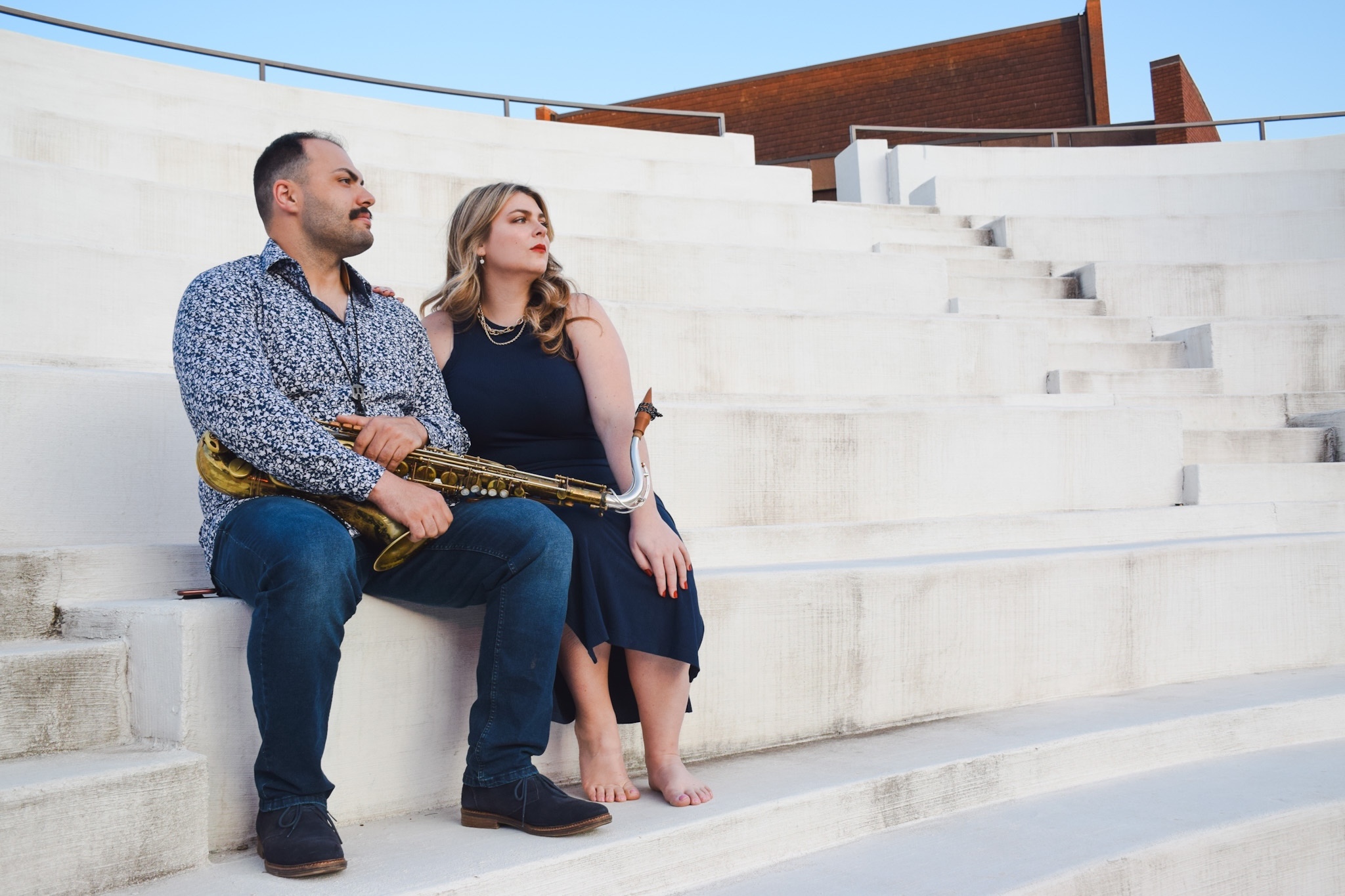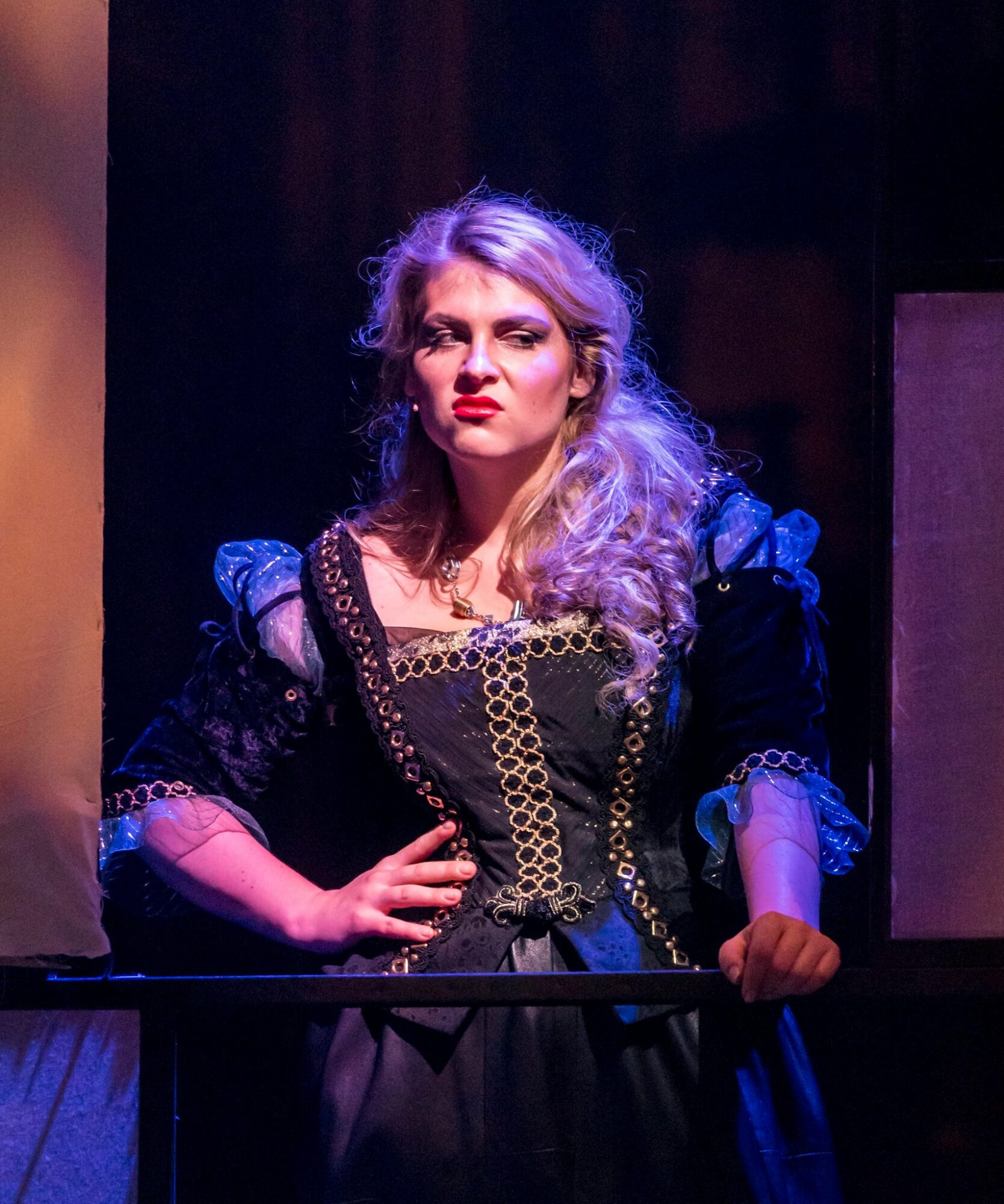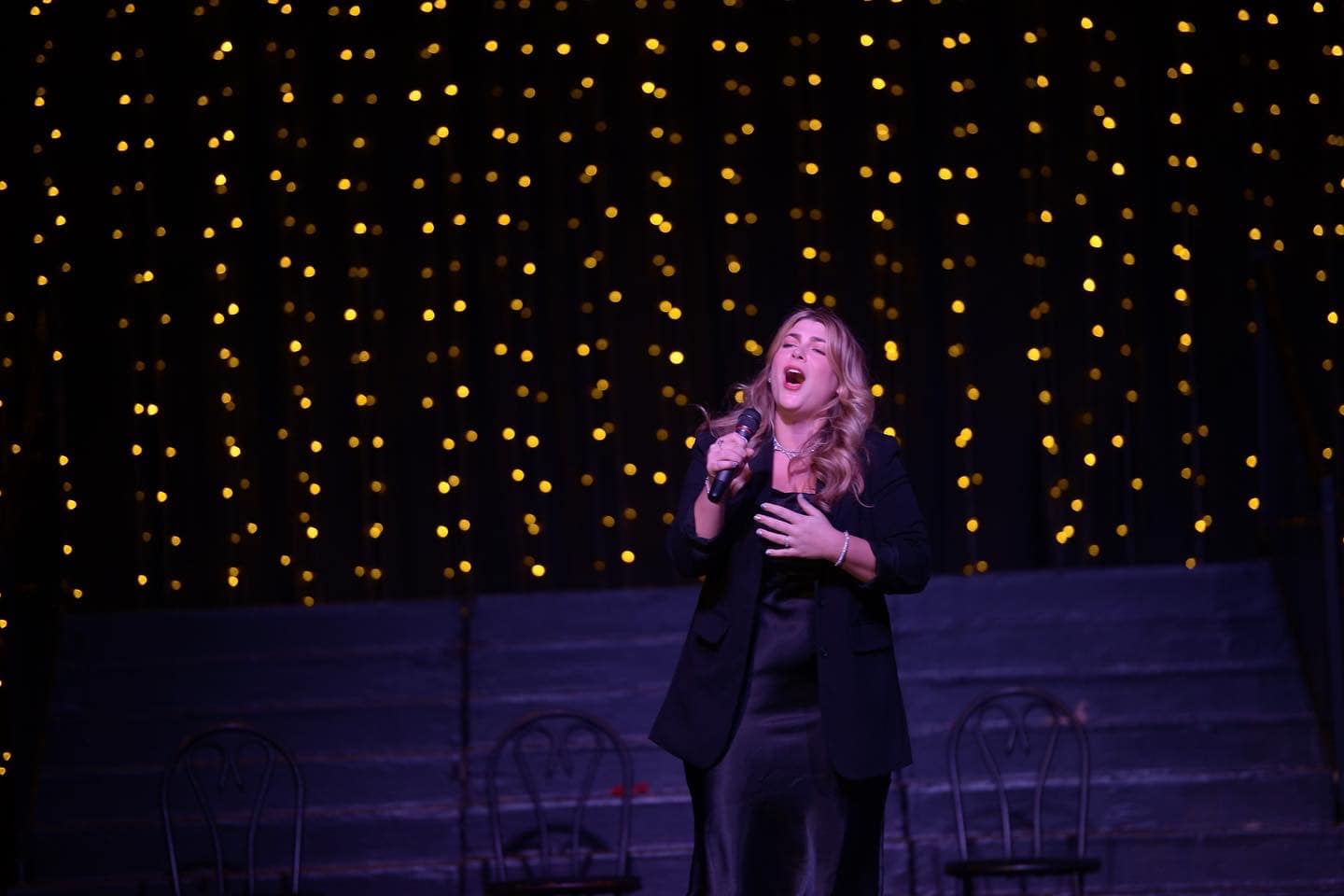
Today we’d like to introduce you to Lara Brooks.
Hi Lara , thanks for joining us today. We’d love for you to start by introducing yourself.
Music has always been at the center of my life. Whether it was piano lessons, choir, theatre performances, or singing and dancing for my family after dinner, music has always been a part of who I am. I come from a family of educators, so teaching was always valued, and from an early age I knew I wanted to build a career that combined performing and education. As I continued my studies, I became just as fascinated by how the voice works as I was by singing itself. That curiosity led me deeper into voice pedagogy and research, and I discovered that helping someone unlock their own voice is every bit as rewarding as stepping on stage myself.
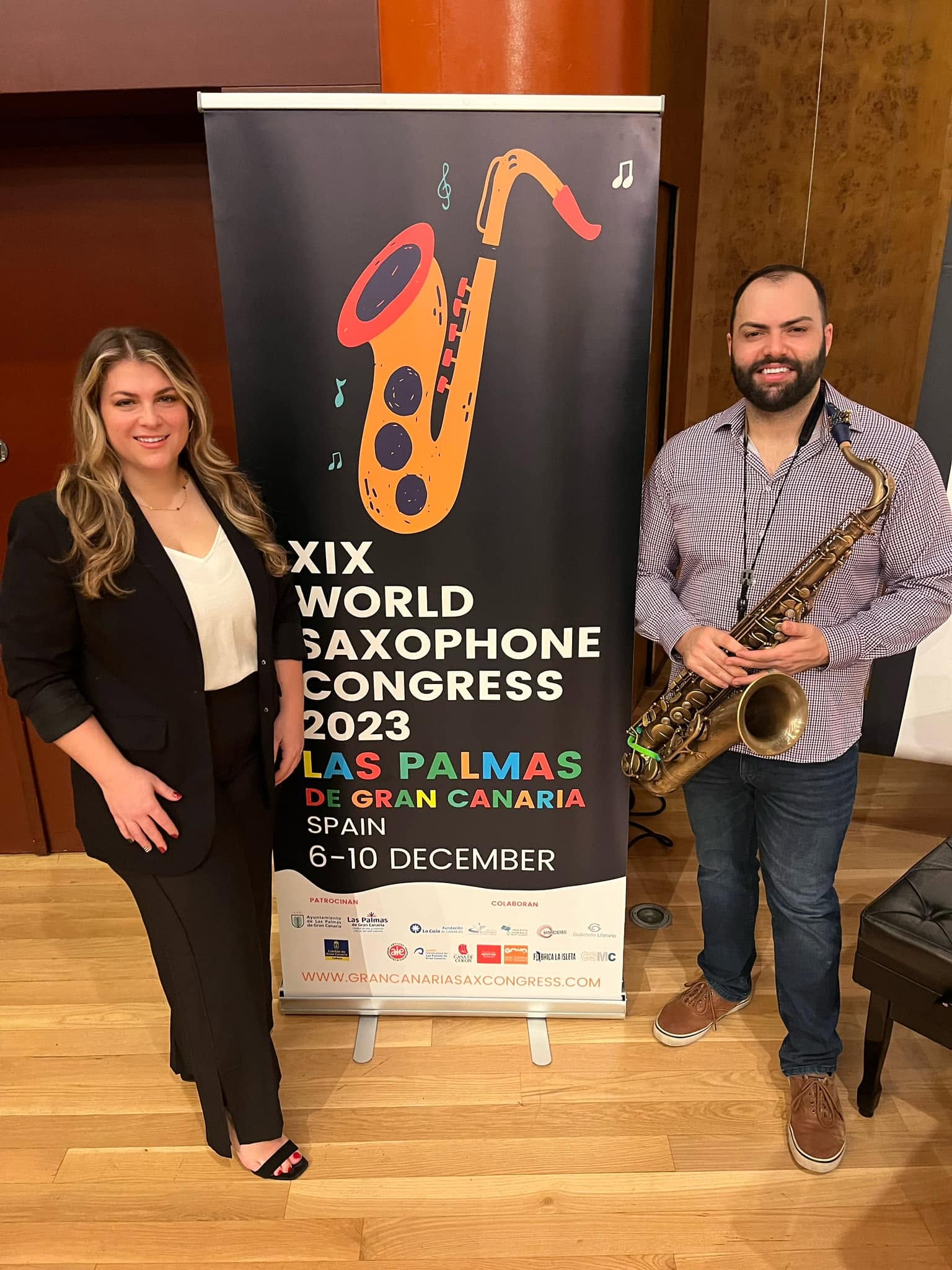
Today, I’m a Clinical Assistant Professor of Voice and Lyric Theatre at the University of Illinois Urbana-Champaign, where I teach singers from a variety of musical backgrounds, direct productions, mentor future performers and educators, and continue to perform and present nationally and internationally. My work spans classical, jazz, musical theatre, and contemporary commercial music, which probably sounds unusual to some people, but I’ve never believed artists have to fit neatly into one category.
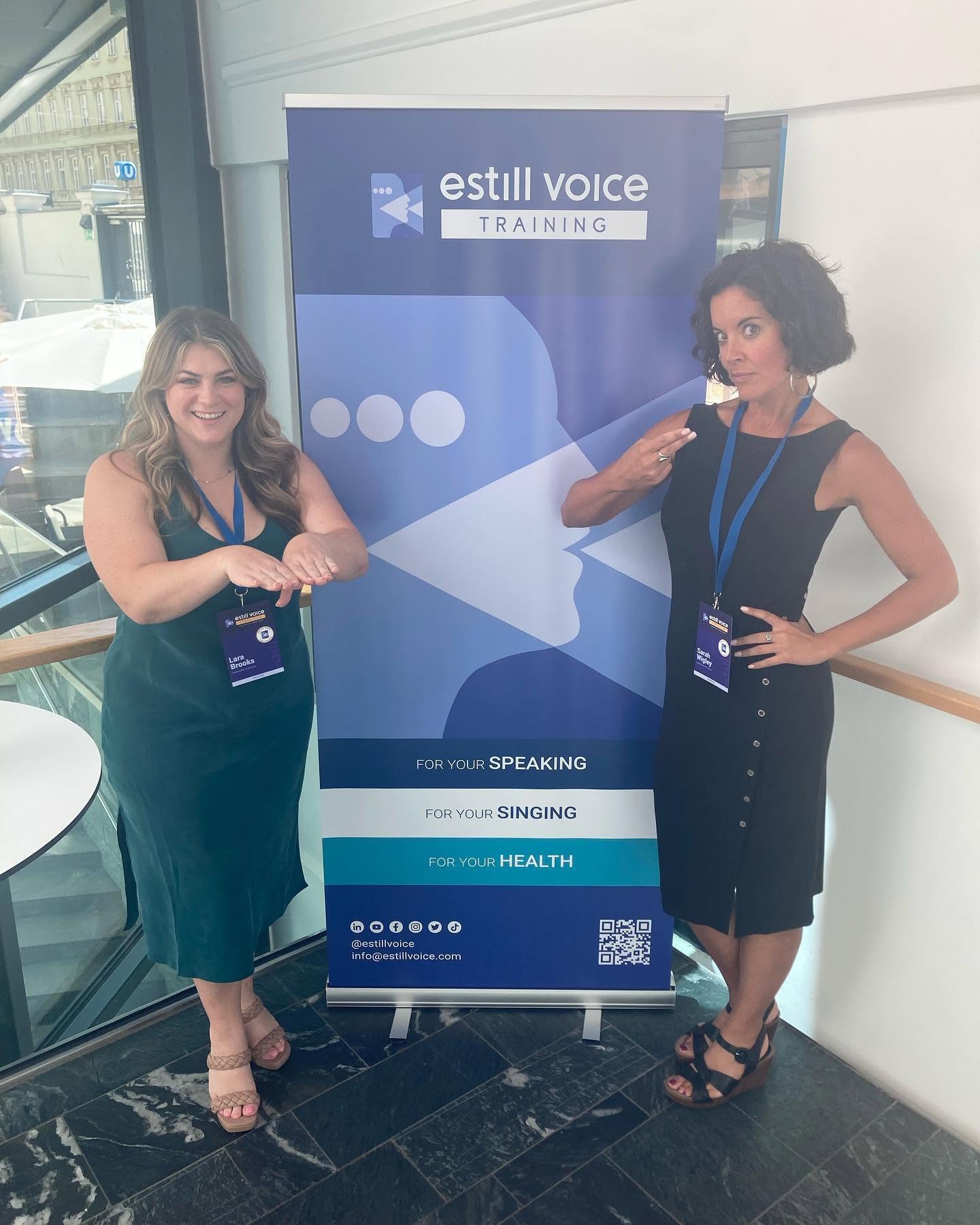
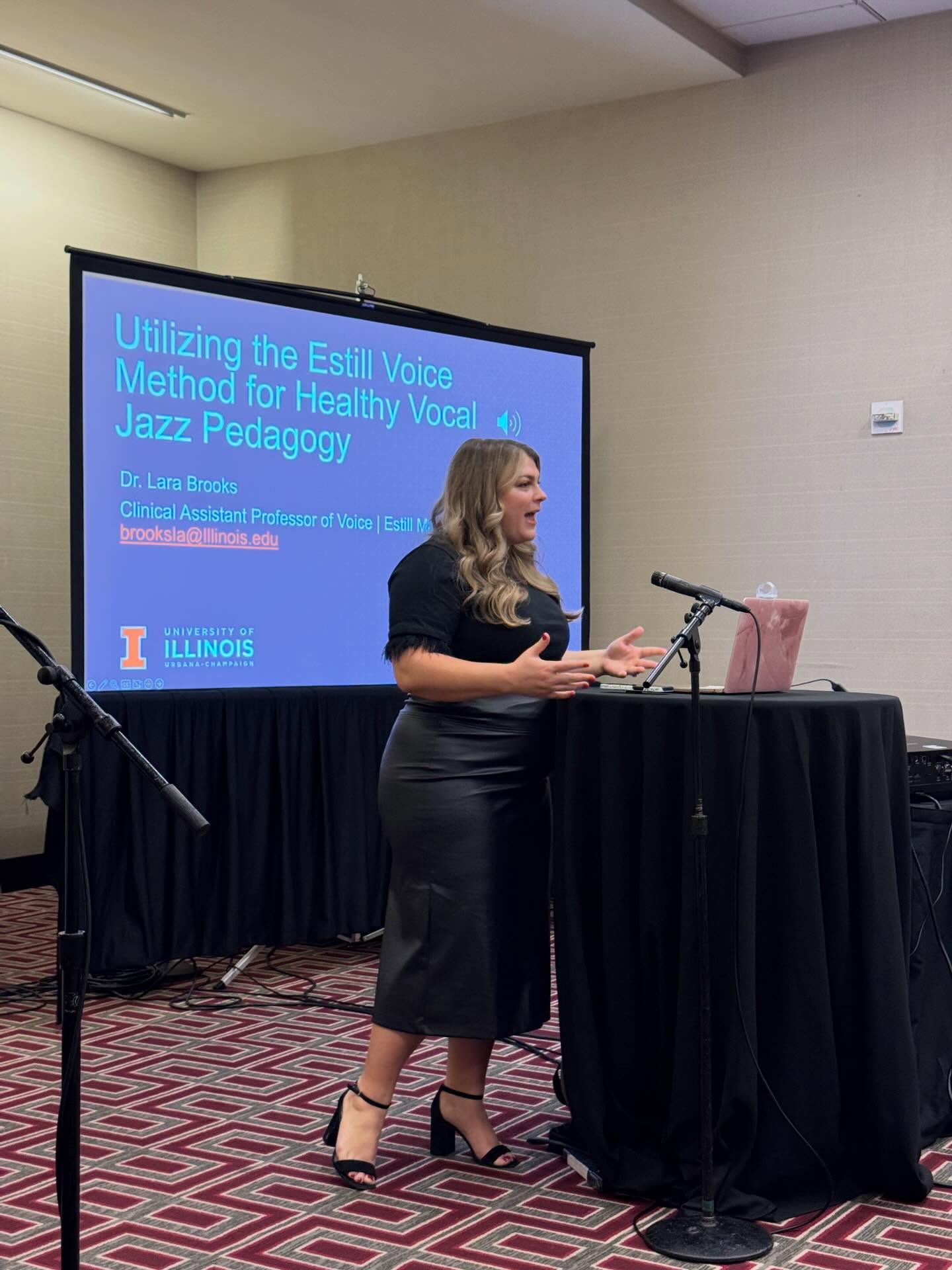
One of the most influential parts of my journey has been discovering Estill Voice Training. It gave me a functional, evidence-based framework for understanding the voice that completely transformed the way I teach. Since then, I’ve been passionate about helping singers better understand their instruments so they can make informed artistic choices with confidence.
Outside of the university, I maintain a private voice studio, continue to perform in a variety of musical styles, present nationally and internationally through workshops and conferences, explore my research interests, and stay involved in professional organizations that support musicians and educators. Looking back, every opportunity has built on the one before it. I’ve tried to stay curious, continue learning, and say yes to opportunities that align with my values. That mindset has led me to a career that is incredibly fulfilling because every role I have, performer, educator, researcher, and mentor, informs the others.
Can you talk to us a bit about the challenges and lessons you’ve learned along the way. Looking back would you say it’s been easy or smooth in retrospect?
Like most careers in the arts, it certainly hasn’t been a straight line. One of the biggest challenges has been learning to embrace a career that doesn’t fit into a single box. Early on, there can be pressure to specialize, whether that’s in one genre, one area of research, or one professional identity. I’ve always been drawn to exploring connections between disciplines instead, hence having my masters in Classical Vocal Performance & Literature and my Doctorate in Jazz Studies Voice.
Balancing performing, teaching, scholarship, leadership, and service has also required learning when to say yes and, just as importantly, when to say no. There are only so many hours in the day, and I’ve had to become much more intentional about protecting time for the things that matter most.
I’ve also learned that growth often comes from putting yourself in situations where you’re the student again. Whether I’m attending conferences, pursuing additional certifications, or collaborating with colleagues, I genuinely enjoy continuing to learn. I think that mindset has made me a better teacher because my students see that learning doesn’t stop once you’ve earned a degree or landed a faculty position.
Can you tell our readers more about what you do and what you think sets you apart from others?
My work centers around helping singers understand and develop their voices so they can become confident, versatile, and expressive artists. I specialize in voice pedagogy across multiple genres, including classical, jazz, musical theatre, and contemporary commercial music. As a voice educator, performer, researcher, and director, I am constantly exploring the connection between vocal function, artistic expression, and healthy technique.
One of the areas I am most known for is integrating Estill Voice Training into my teaching, research, and professional presentations. Estill gave me a framework for understanding the voice in a way that bridges science and artistry. I love helping singers move beyond simply trying to imitate a sound and instead understand the choices they can make within their own instruments. When students understand how their voices work, they gain more freedom, confidence, and ownership over their artistry.
I am also passionate about preparing students for the realities of today’s musical world. The boundaries between genres continue to evolve, and I believe singers benefit from having the skills and knowledge to navigate a wide variety of styles. A classical singer may need to understand contemporary techniques, a musical theatre performer may need a strong foundation in vocal health, and a jazz vocalist may benefit from understanding the science behind their instrument. My goal is to give students the tools to be adaptable, curious, and lifelong learners.
What I am most proud of is the community I have built around my teaching. Whether it is in my university studio, my private studio, workshops, or professional organizations, I am proud to create spaces where people feel supported while also being challenged to grow. The most rewarding part of my work is watching students discover possibilities they did not know existed and seeing them develop the confidence to become the artists they want to be.
I think what sets me apart is the combination of my experiences as a performer and educator. I am not only teaching concepts from a textbook; I am actively applying them as a performer, researcher, and collaborator. I bring curiosity, versatility, and a desire to keep learning into everything I do, and I hope that inspires my students to approach their own artistry with that same mindset.
Where we are in life is often partly because of others. Who/what else deserves credit for how your story turned out?
I truly believe no one builds a career in the arts alone. I have been incredibly fortunate to have mentors, colleagues, collaborators, and students who have supported me, challenged me, and helped shape the educator and artist I am today.
One of the earliest people who had a profound impact on my journey was my undergraduate voice professor, Cora Enman, at Central Michigan University. She helped me discover and fall in love with contemporary female composers, including Gwyneth Walker, Lori Laitman, and Libby Larsen, and she encouraged me to explore repertoire that expanded my understanding of what a classical singer could be. At a time when many programs were still placing strict boundaries between musical theatre and classical singing, she was not afraid to let me bring both styles into my lessons. That openness helped shape my belief that singers do not have to choose one artistic identity and that exploring different genres can make us more complete musicians.
During my graduate studies at the University of Illinois Urbana-Champaign, I was fortunate to study with incredible teachers and mentors, including Dawn Harris, Sarah Wigley, Yvonne Gonzales-Redman, Julie Gunn, and Chip McNeil. Each of them influenced my development as a performer and educator in different ways. They challenged me to think critically, develop my own artistic voice, and approach teaching with curiosity, compassion, and intention.
I have also been incredibly fortunate to build meaningful relationships throughout my professional career. My colleagues, collaborators, and the broader voice community continue to inspire me through shared ideas, research, and a commitment to helping students succeed. My work with Estill Voice Training has connected me with mentors, such as Dr. Kim Steinhauer, Kelly Burge, Dr. Brian Winnie, and Valerie Accetta, and my incredible colleagues at the University of Illinois who continue to challenge me to grow as a teacher, researcher, and advocate for healthy vocal development.
My students also deserve tremendous credit. They are some of my greatest teachers. Every student brings a unique perspective, set of experiences, and goals into the studio, and their curiosity reminds me to continue learning and evolving as an educator.
The greatest privilege of my career has been learning from people who invested in me and then having the opportunity to pay that support forward. I hope to create the same kind of environment for my students that my mentors created for me, one where they feel encouraged to explore, take risks, and discover their own artistic voices.
Contact Info:
- Website: https://www.larabrooks.com
- Instagram: @drlarabrooks
- Other: https://music.illinois.edu/people/profiles/lara-brooks/