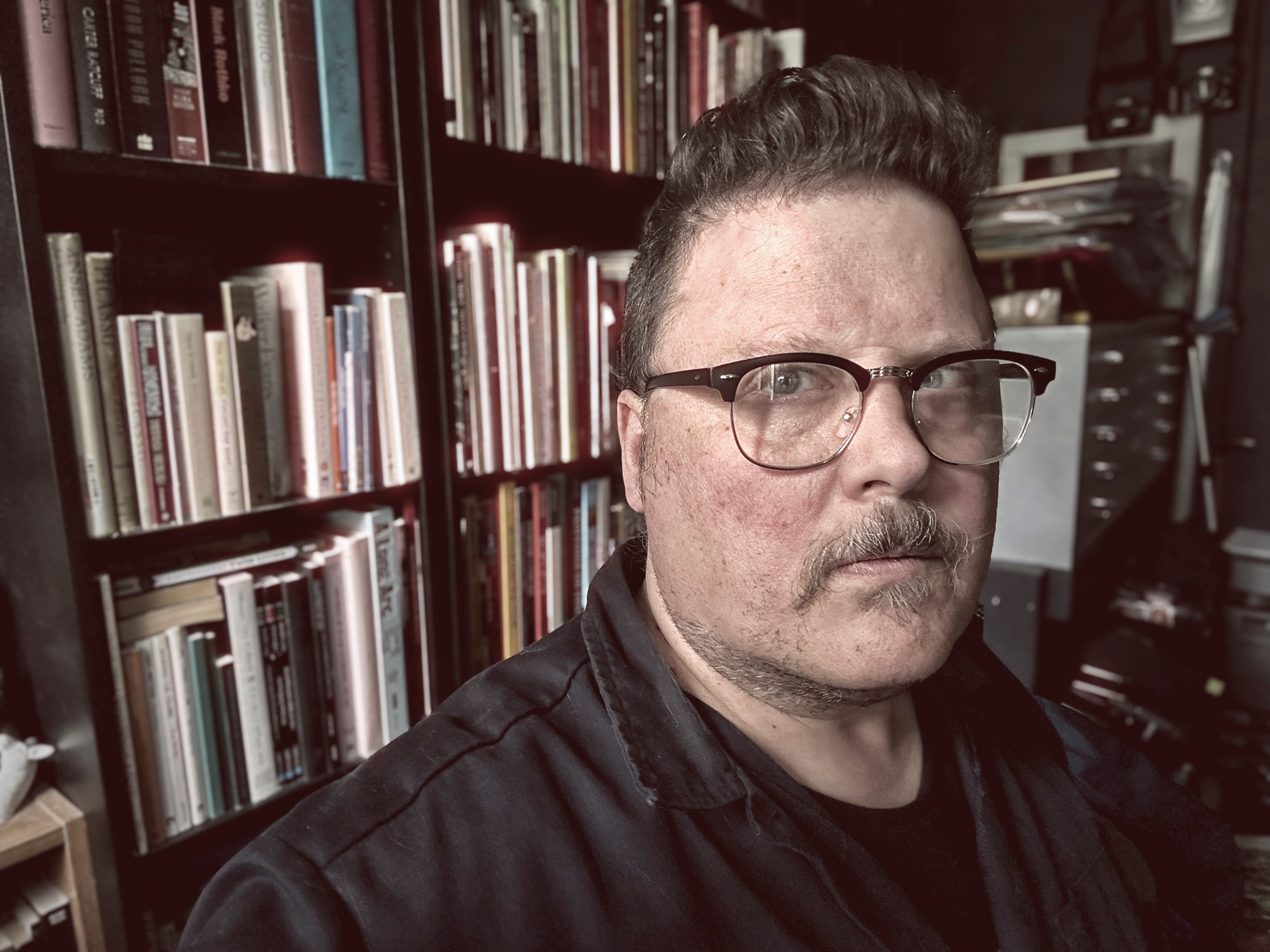
Today we’d like to introduce you to Jason Gray.
Hi Jason, thanks for joining us today. We’d love for you to start by introducing yourself.
My journey as a photographer began in middle school, where a friend’s dad was a nature photographer in his spare time. I became enamored with both the stories of adventure in the wilderness and the mysterious, mechanical devices he used to capture his images. Spurred by a mixture of curiosity and inspiration, I borrowed books and magazines about photography, and over the course of a summer, taught myself the basics–this, despite not owning a camera (too expensive a pursuit for my family at the time). My first images were made with disposable film cameras, which led eventually to explorations using a Polaroid instant camera. It wasn’t until much later on, after a decade or so of focusing on painting, that I would be able to purchase my first SLR (a camera with interchangeable lenses) and make photography the core of my practice as an artist.
I moved back to St. Louis in 2009, after spending a decade in Chicago and Los Angeles, and have been building a body of work here since that time.
I’m sure it wasn’t obstacle-free, but would you say the journey has been fairly smooth so far?
I think that every city offers unique challenges to getting ahead as an artist. I once attended a lecture by the Chicago-based artist Tony Fitzpatrick in which he described needing recognition in other art markets before moving up in his career at home. In St. Louis, there are less barriers to advancement but opportunities for exhibition are fewer and further between. There are also tethers between renowned institutions (like the Washington University MFA program) and local gallery venues, which make placement more challenging for artists outside of those circles.
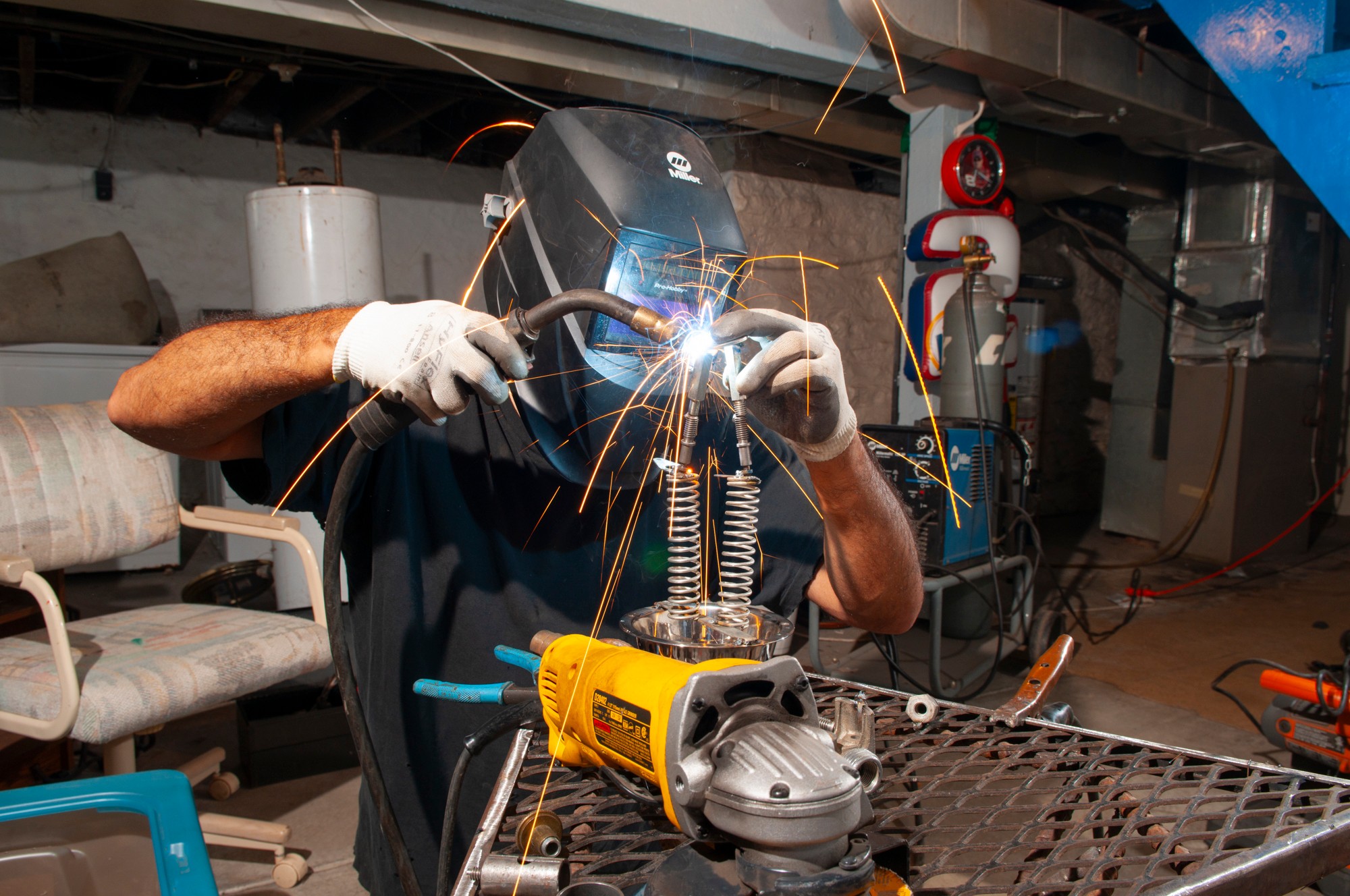
Wherever you are, developing strategies for progressing your practice is essential and that begins with understanding how your regional art market is stratified. For me personally, it has been advantageous to focus simultaneously on all fronts; in the directions of my professional work in the museum world (I work at the Saint Louis Art Museum in the Design Department as Image Rights Manager), my community work as the director of Photo Flood Saint Louis (the largest camera “club” in the city of St. Louis), my editorial photography for local magazines, and my art. This parallel concentration has increased my visibility and introduced me to social networks that I would not have access to otherwise.
Appreciate you sharing that. What else should we know about what you do?
My style of work is post-documentary, which is to say that is characterized by my investigative perspective rather than offered as fact. I believe that, among the plastic arts, photography in particular is linked to the artist, making the photographs as much inward as outward facing. The photographer chooses where to go, what is important among what is there, and a frame selected from what is important to share. In other words, it is uniquely autobiographical in its process.
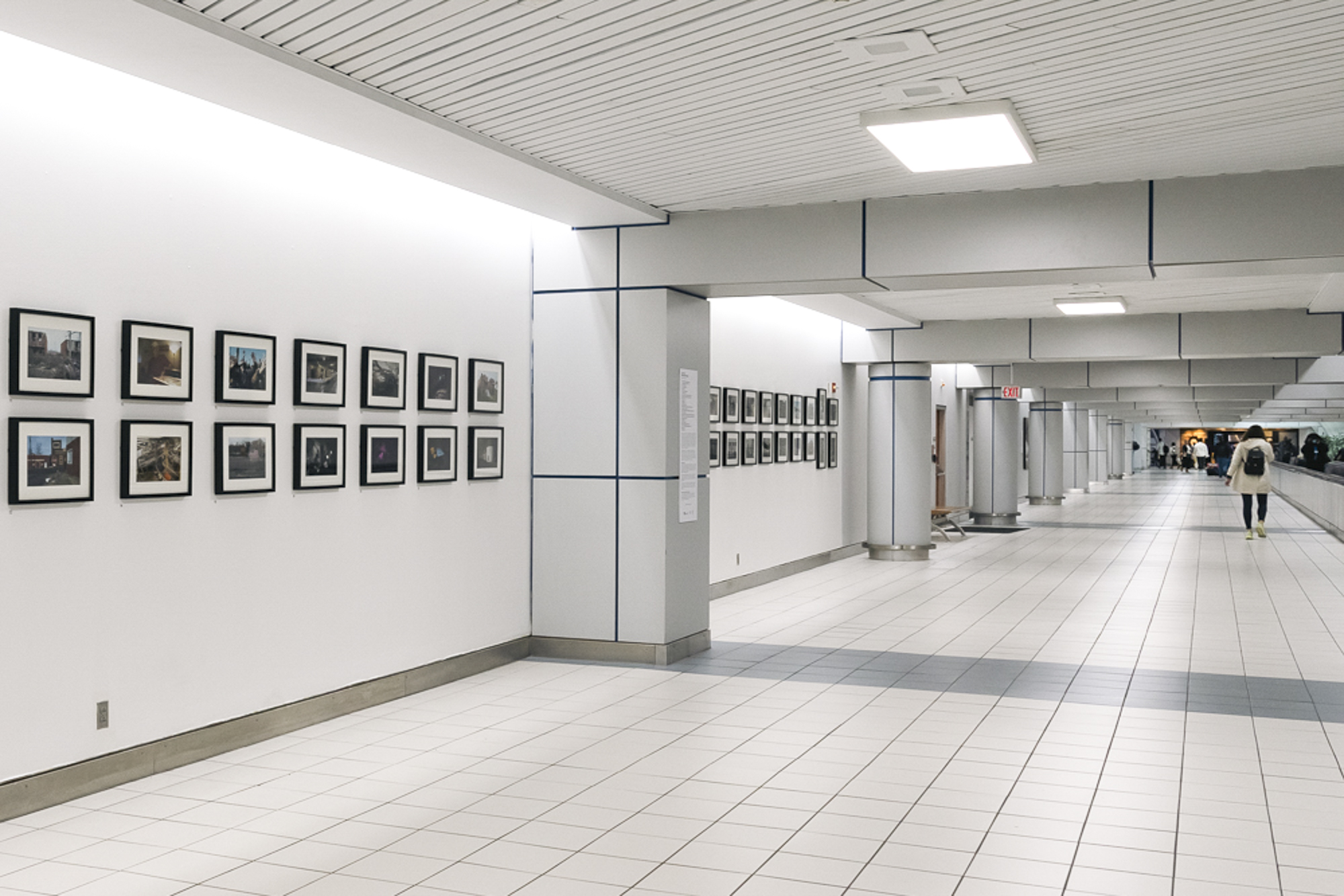
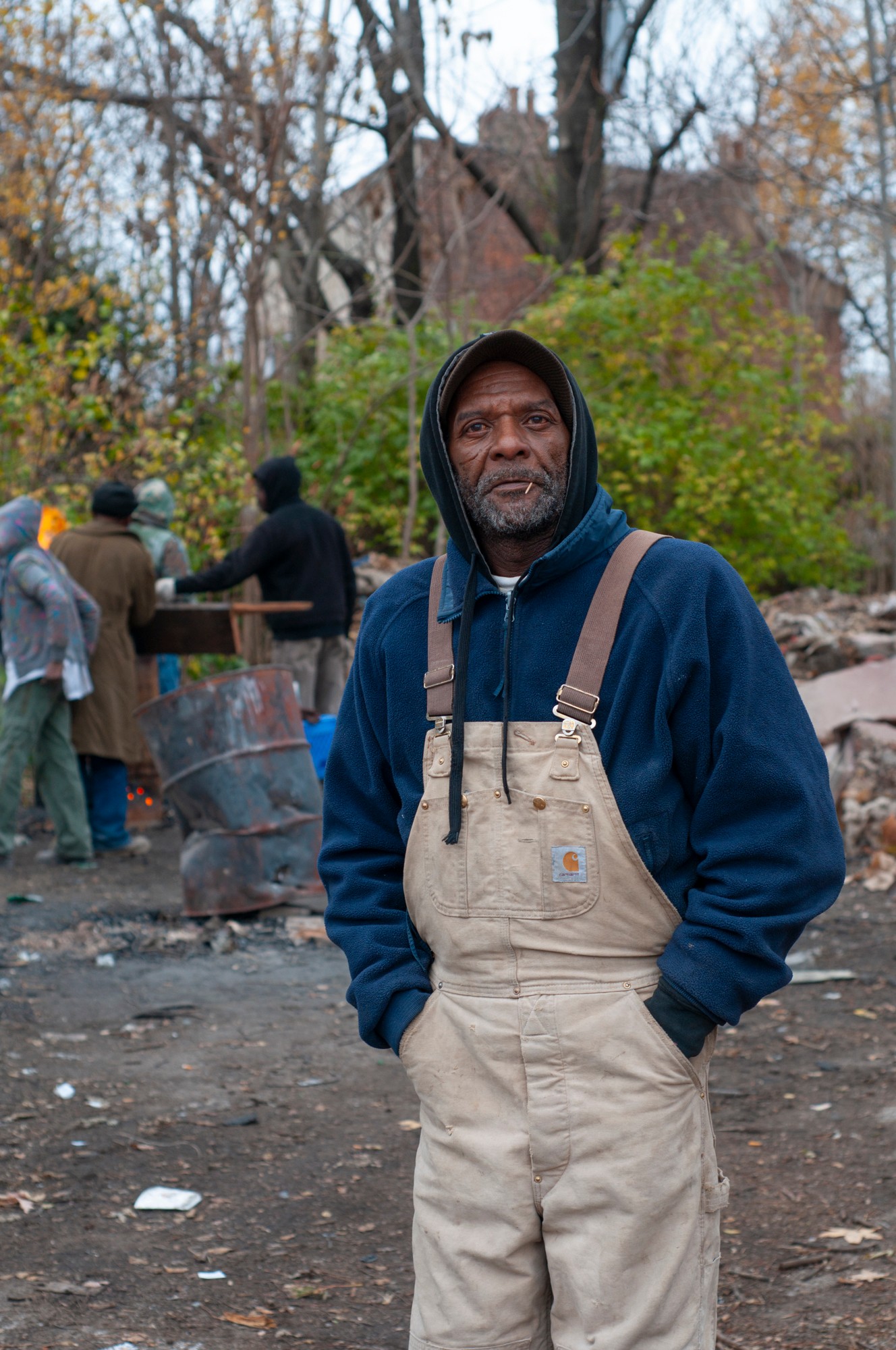
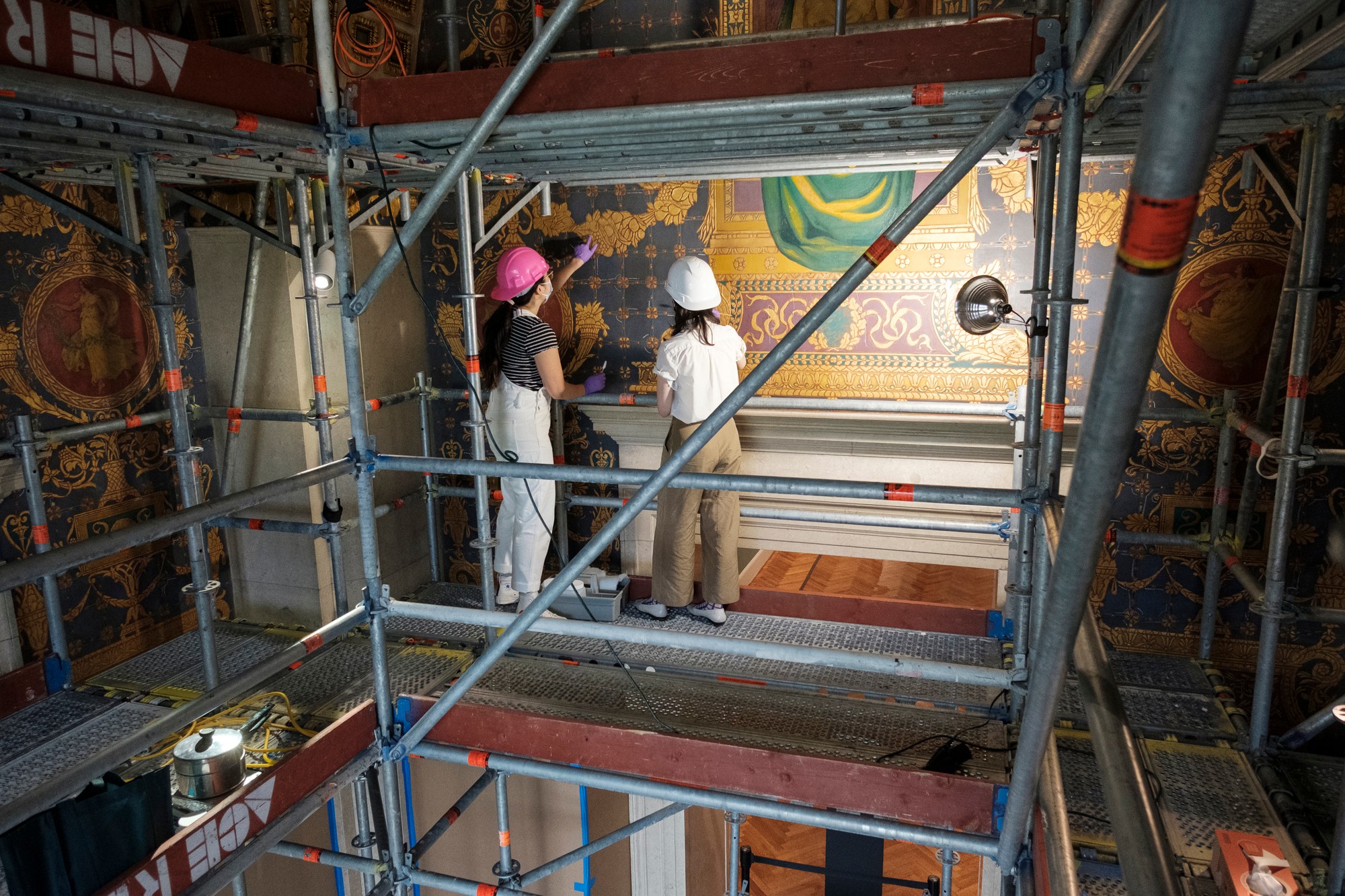
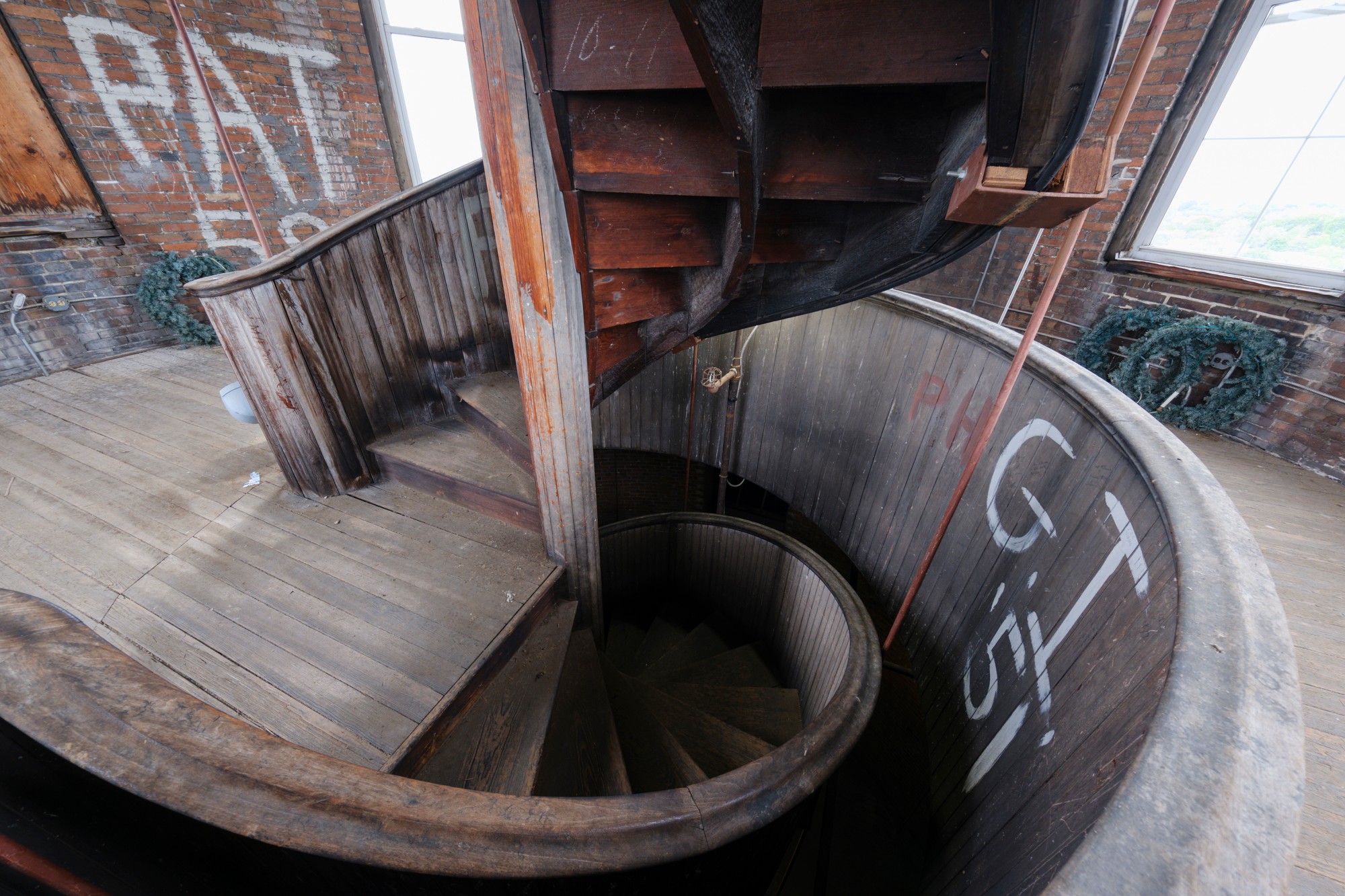
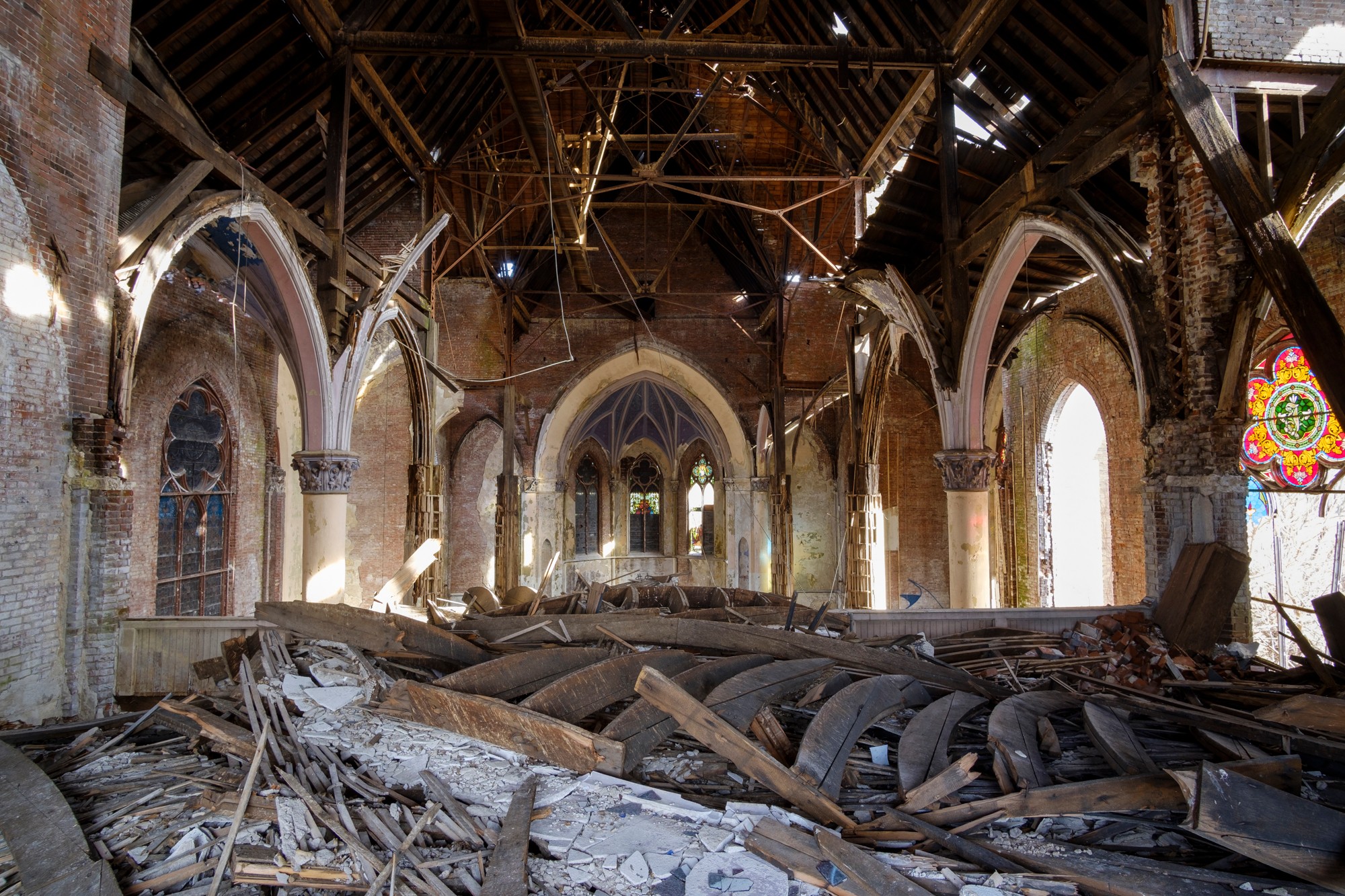
The places where we live harbor a connection to us as individuals and I am perhaps best known for my work focusing on St. Louis. My series, “Mound City Chronicle” is a sustained, photographic investigation of the local built environment and the subtle traces of human presence it contains. The work examines how spaces of everyday activity (and the absence of activity) and systemic design intersect to shape perception, memory, and cultural experience.
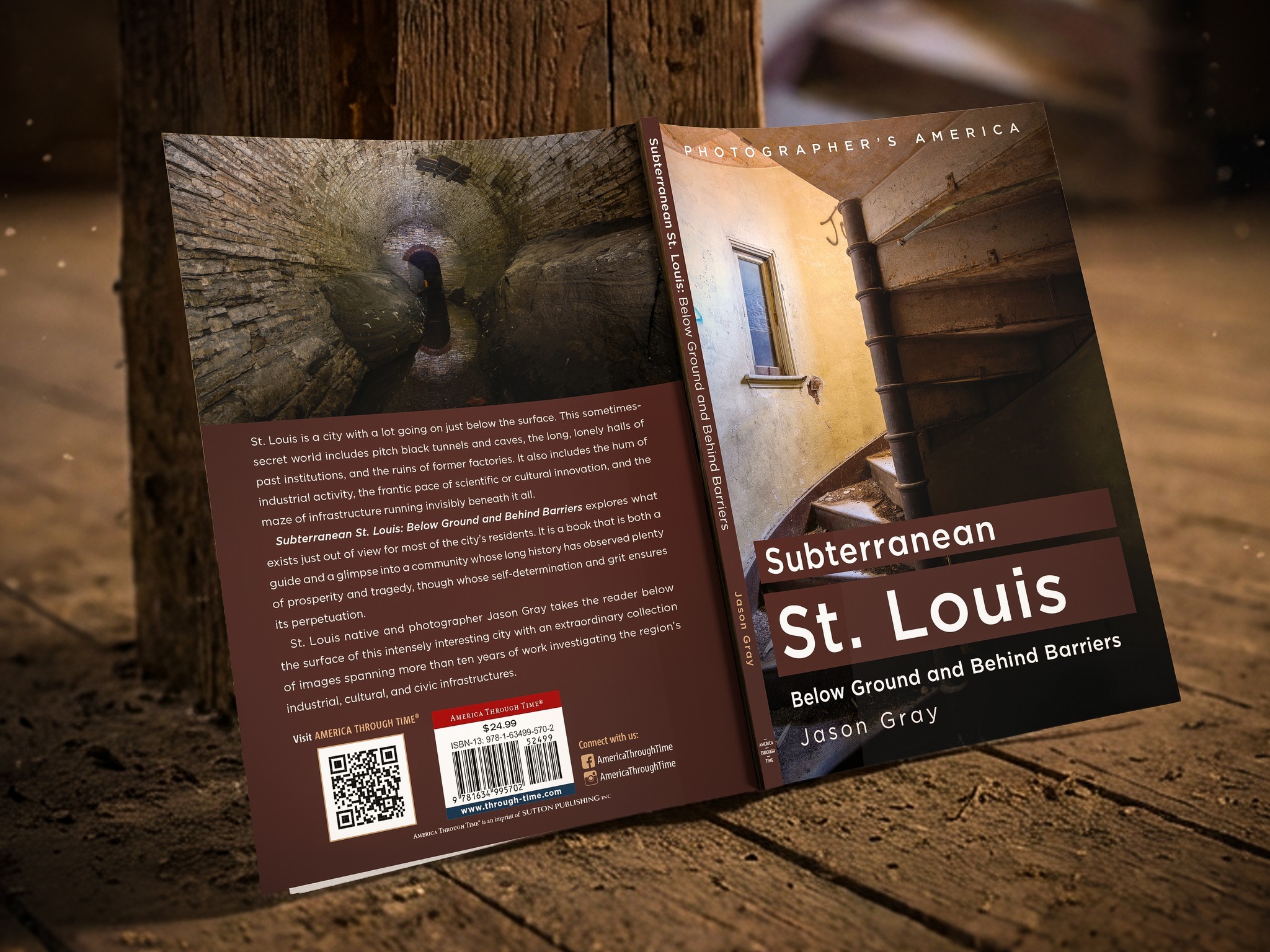
Over 15 years, I have developed this body of work with a focus on observational sensitivity and careful sequencing, producing a cohesive narrative that invites viewers to consider the architecture, landscapes and people that silently structure daily life. The images aim to reveal both the literal and conceptual imprint of human activity, offering a lens through which exhibitors can engage audiences with nuanced, place-based narratives. This work has been published in book form twice, as a traditional photographic monograph in 2022, and in 2026, as part of the “Photographers’ America” series–titled “Subterranean St. Louis: Below Ground and Behind Barriers” (available through bookstores nationwide).
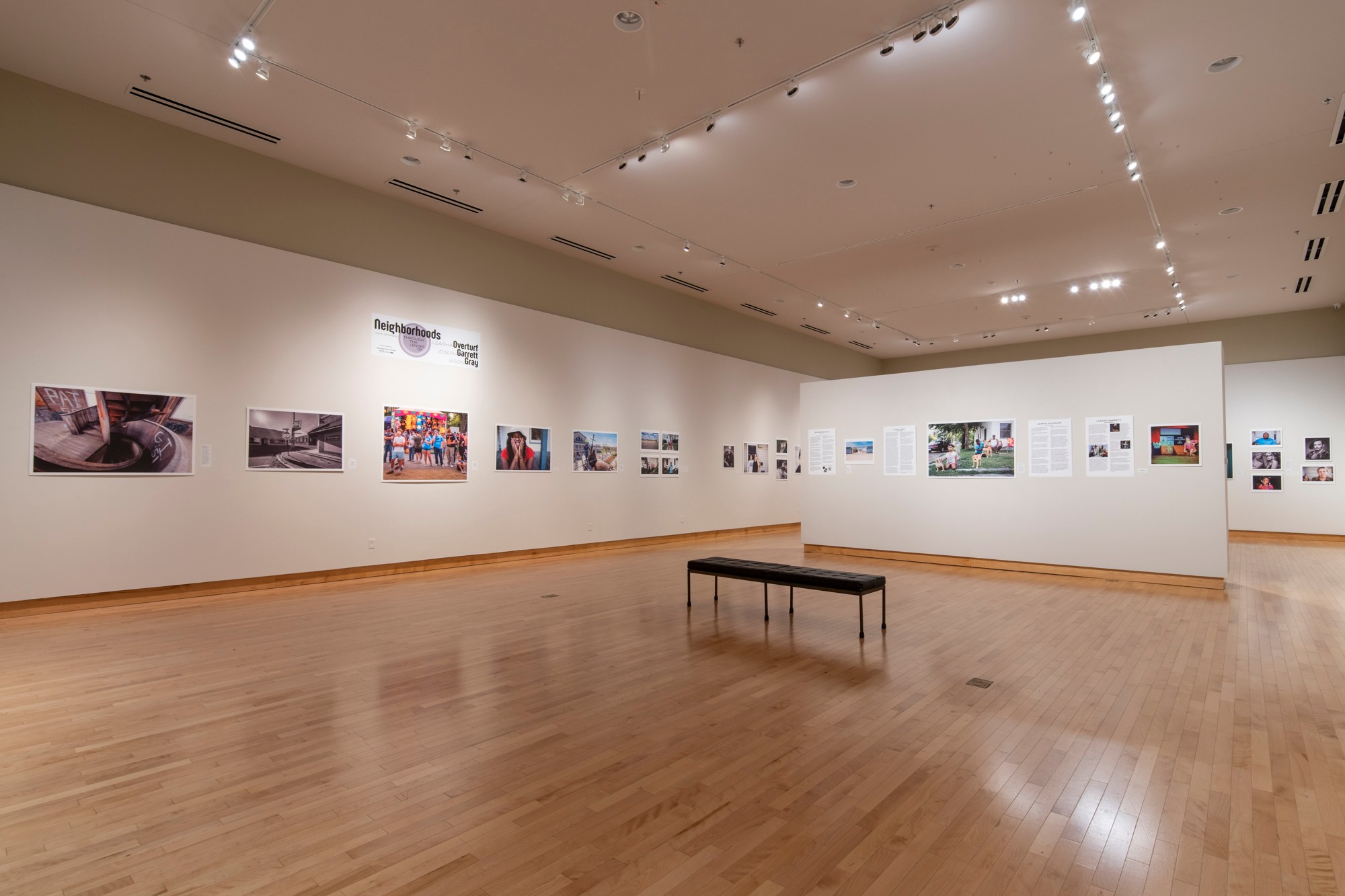
Some of this work is also currently on view at Cedarhurst Center for the Arts, a museum in Mt. Vernon, Illinois.
Alright, so to wrap up, is there anything else you’d like to share with us?
A friend and curator of photography once offered me the advice, “Don’t stop trying. Persistence is the name of the game.” I’ll offer that back to your readers, especially to those who may feel at times like they are spinning their wheels and getting nowhere fast. Sometimes, being there in the end is all it takes to be there at the beginning.
Pricing:
- Mound City Chronicle book: $40 (supplies are limited)
- Subterranean St. Louis book: $24.99 (available wherever books are sold)
Contact Info:
- Website: https://cargocollective.com/jasongray
- Instagram: https://www.instagram.com/grayphotostl/
- Facebook: https://www.facebook.com/jasongrayphotography
- Other: https://www.through-time.com/products/subterranean-st-louis?srsltid=AfmBOopQL8SQ9U4XZK5HypeqzHwkjndY-yN5MSI5Ez-phPN7GJQSOhj4