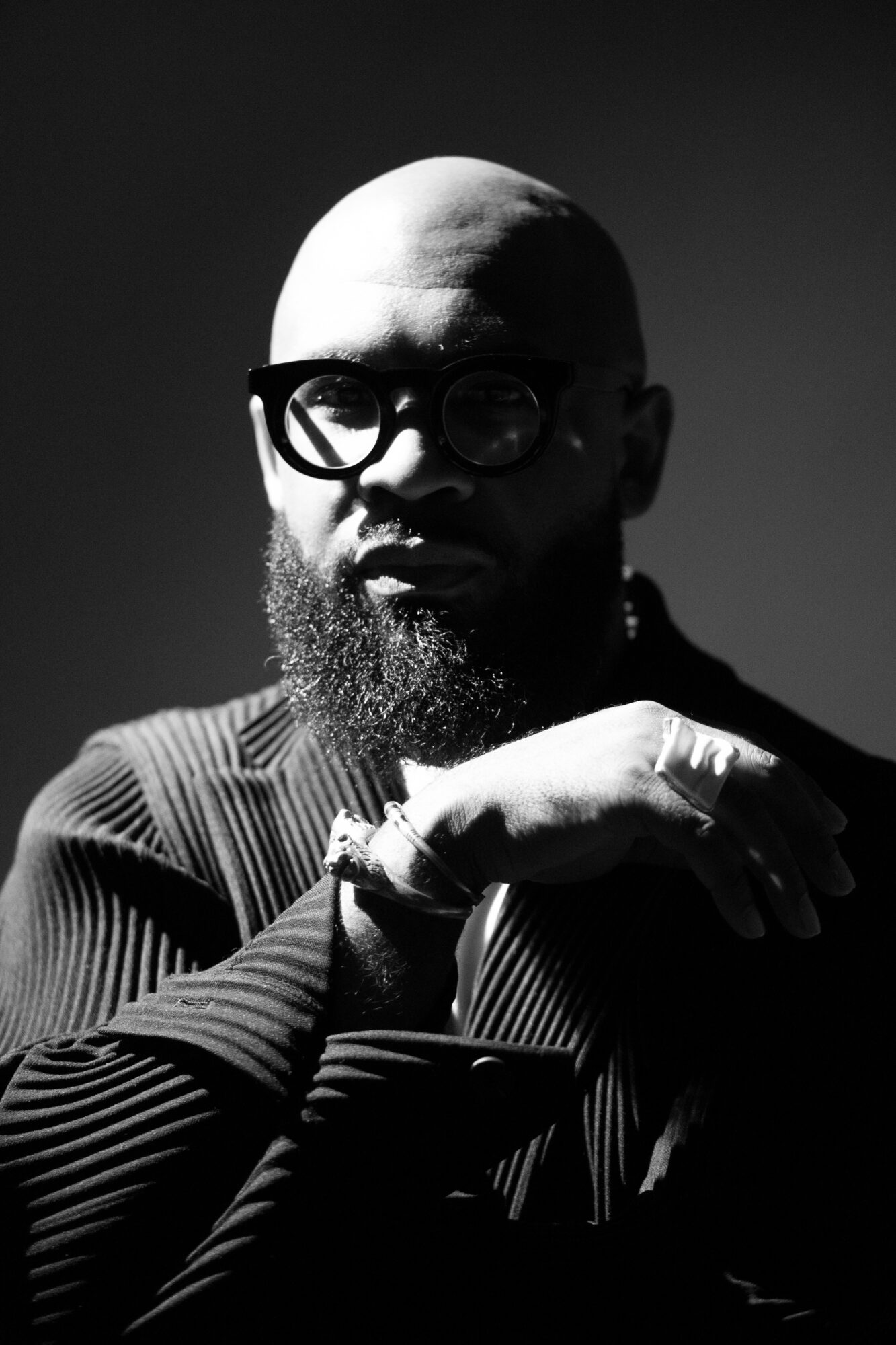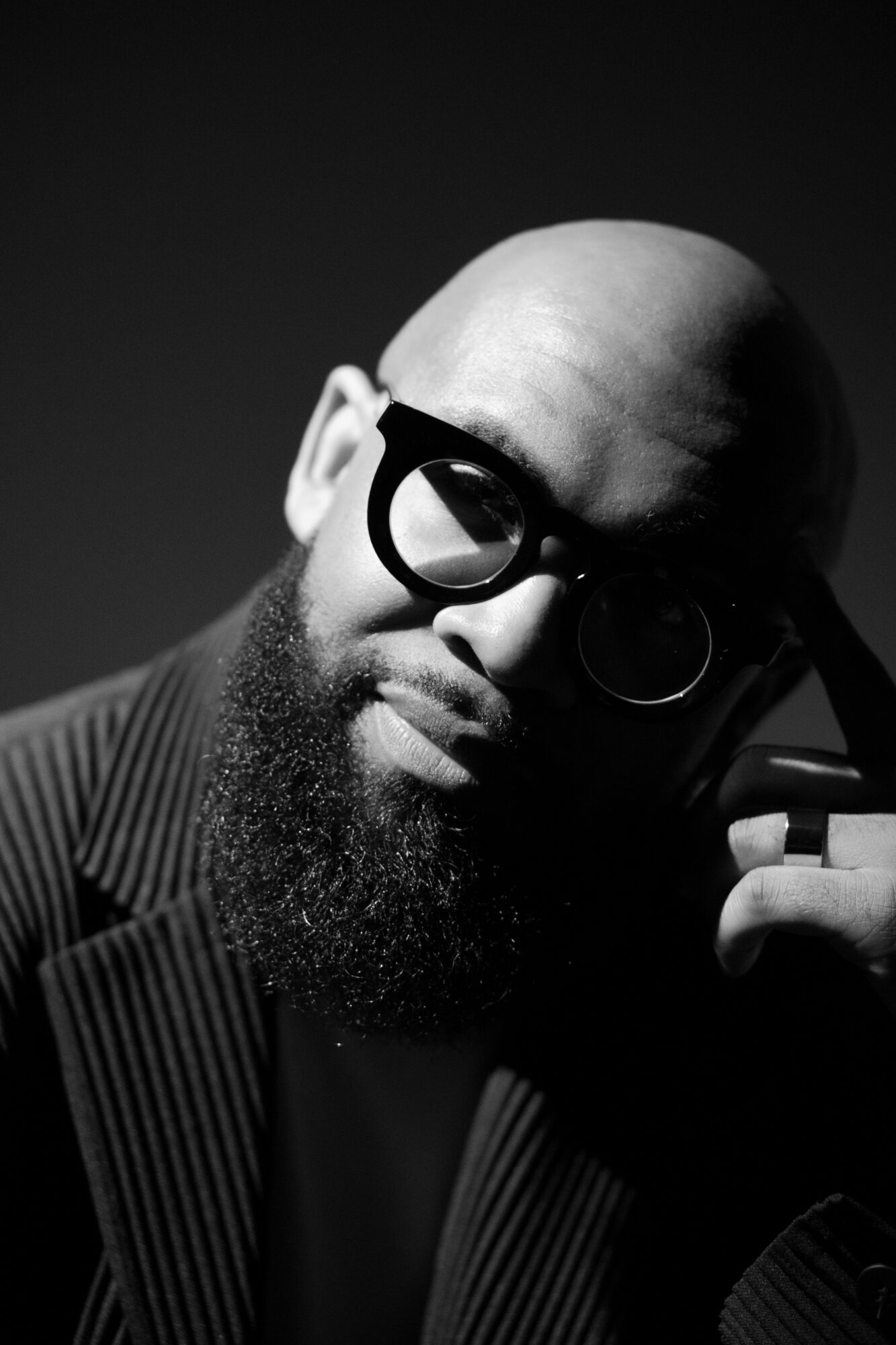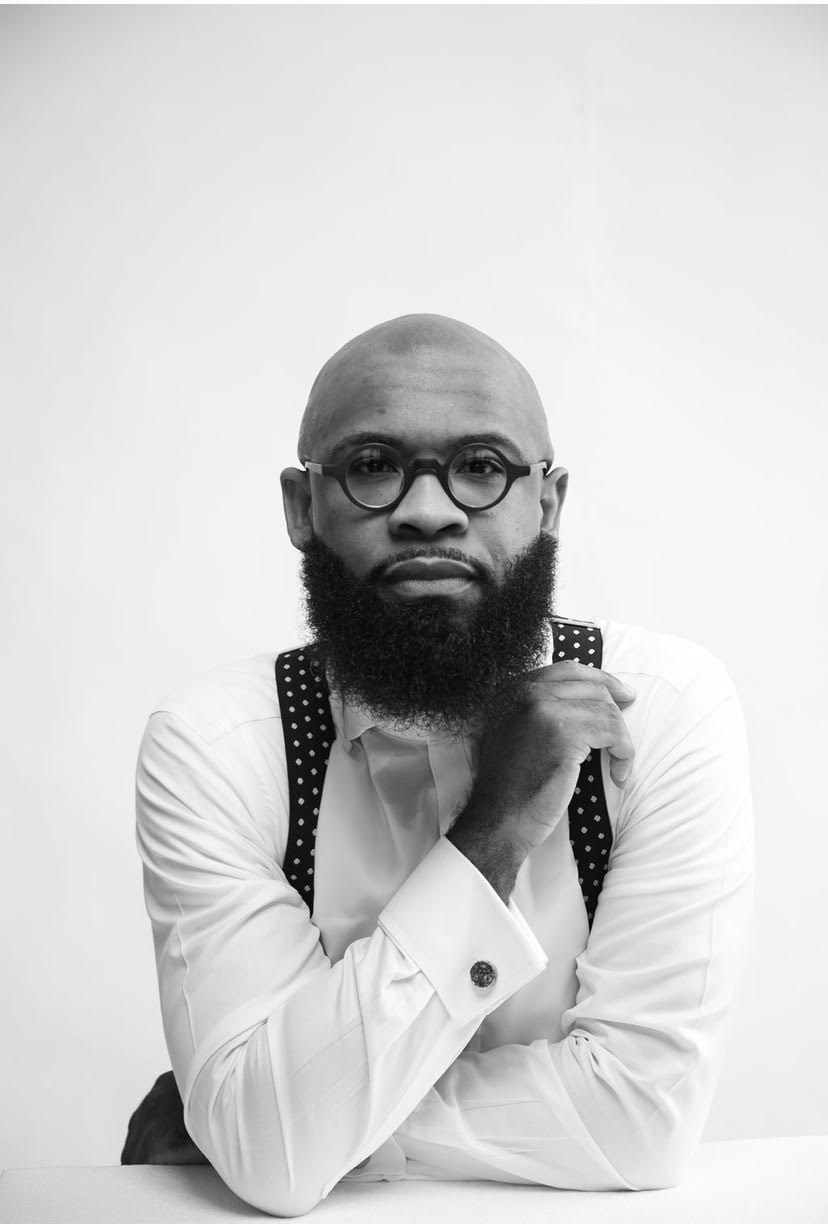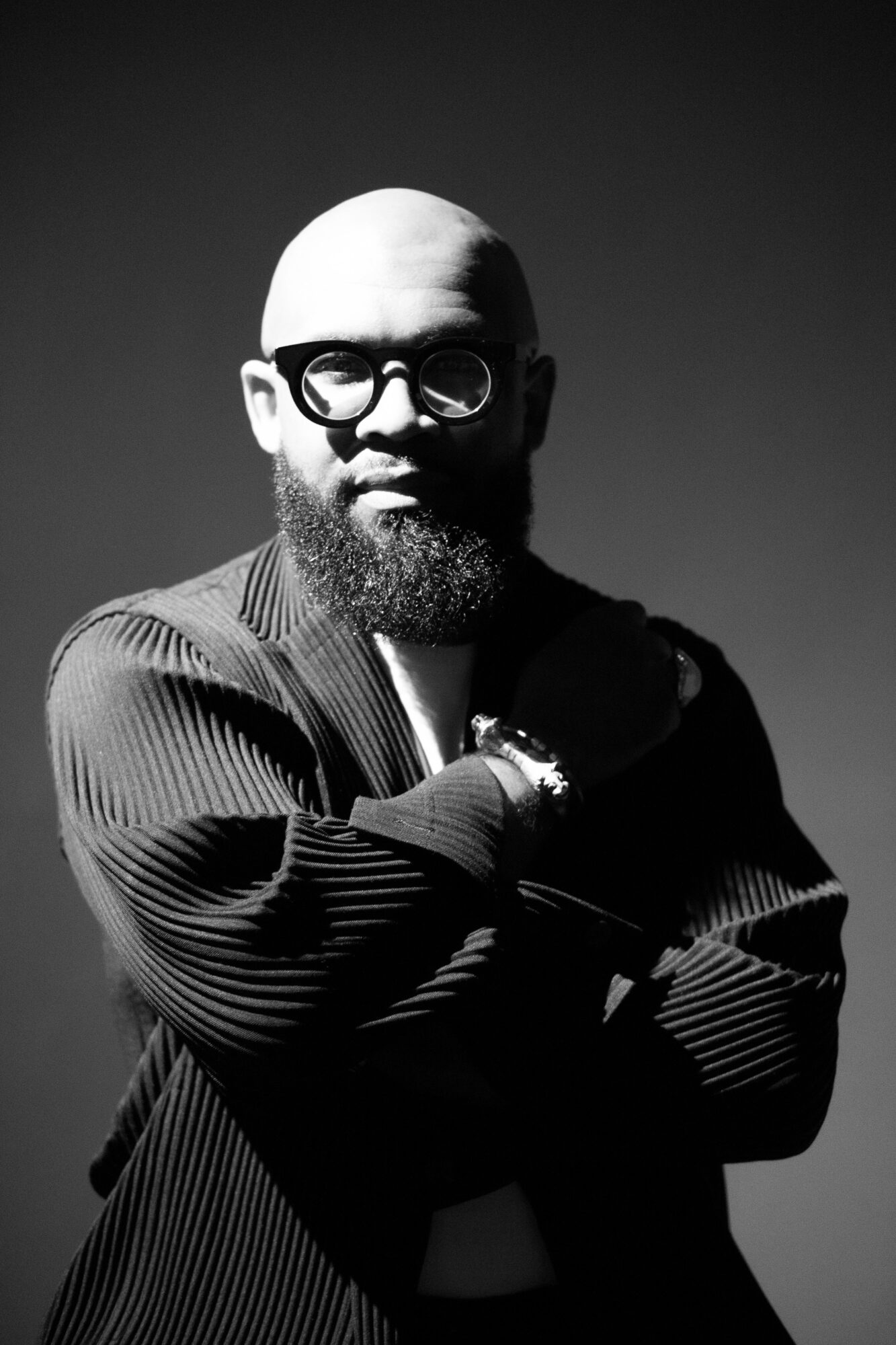
Today we’d like to introduce you to Dr. Robert S. Harvey.
Hi Dr. Robert S., we’d love for you to start by introducing yourself.
I’ve spent my whole career circling one question: what do we owe each other to live choice-filled lives that are just, loving, and whole? The books I’ve written (two published both by Routledge on abolitionist and racially conscious education), the ministry work I’ve done, and the organizations I’ve led (K12 schools–public and Independent in New England and Memphis, a historically Black college in Louisville, a public charter network in NYC during Covid, a national justice organization around kids, food, and health), and now a philanthropic fund have all been attempts to answer it.
I’m a St. Louis kid, a son of the Mississippi river, with an ancestral migration narrative from Mississippi to Missouri. This city raised me, and it’s now home (Benton Park near Lafayette Square). The breadth and depth of my St. Louis story is four-generations deep and ranges from North City to North County.
Most recently, I’ve added playwright to my callings and world debuted a play, “When It All Falls” in the Grand Arts District at The Marcelle with three, sold-out shows. Playwriting for me, a new and evolving passion, is ultimately about working the same material that’s colored all of life, just in a different key.
In my day joy, I’m the CEO of PERC (Partnership for Equitable and Resilient Communities), a national philanthropic justice venture; and the bet behind it is simple to say and hard to do: durable work-wage-wealth mobility and living communities where residents are the designers, narrators, and designers of just, multigenerational futures. To day, we’ve deployed $30+ million across nine cities to test that. Additionally, here at home, I serve on the St. Louis Public Schools (SLPS) Board of Education.
If there’s a thesis to my story, it’s that I keep landing wherever possibility and power meet—and trying to rearrange the second in service of the first.
Can you talk to us a bit about the challenges and lessons you’ve learned along the way. Looking back would you say it’s been easy or smooth in retrospect?
My story hasn’t been easy, and I’d be a little suspicious of anyone in this work who told you it was. But it’s also important to note that my story hasn’t been filled with the types of suffering that often make for tell alls.
Some of the struggle is built into the premise of how I’ve committed my life, on the conviction that easing suffering means rearranging power, and power doesn’t rearrange itself politely. Every table I’ve tried to build, role I’ve been in, organization I’ve been connected, and dream I’ve pursued runs into the plain fact that reimagining power feels like loss to whoever’s holding it. So a lot of the road has been friction: slow trust, hard conversations, people testing whether you actually mean it.
Another struggle is time. My callings, all of them, are a collision of generational work living inside short cycles, you know? Things like annual budgets, election calendars, funding that shows up for three years when the problem is a hundred years old. And I’ve had to learn to build durable things inside impatient systems, and to keep going without the satisfaction of ever really seeing the end. I’m still practicing that one.
And I’ll be honest about the interior cost. When your work is human suffering and the possibilities of brighter futures (whether in philanthropy, in programming, or in playwrting), you carry it home. There’s a constant temptation to measure your own worth by outcomes you don’t fully control, or to constantly chase the next way to be impactful or make change. It can be taxing on one’s self and the people who love you most. But, the quieter, harder discipline is that amidst that personal and communal taxation, I have to choose hope anyway, especially in a moment when so much of the country feels like it’s pulling against the very idea of a shared, prosperous, and just future.
In the end, I wouldn’t trade the roughness of the road, because the lived and survived potholes are usually evidence you’re pushing on something real.
Can you tell our readers more about what you do and what you think sets you apart from others?
I lead a philanthropic justice venture, PERC, which has one mission: reimagining power on the path to investment. We do that through grantmaking in experimental, learning-oriented ways that all center Black and Brown communities.
To make sense of it, picture PERC less like a bank (that stores money) and more like a bunch of people tending a garden they refuse to own.
Most funding in communities shows up like a delivery truck: here’s the solution, sign here, receive funds. We started somewhere else in 2021 (though I’ve been leading it since 2025), with the belief that every community already has living soil: real assets, real wisdom, relationships and practices that have kept people whole for generations. Our job is to enrich what’s already growing there, rather than airlifting in something greener from somewhere else. So we pay attention to the soil (what a community already has), the water (getting capital to flow toward what’s actually alive, and getting it there fast), and the care (the slow, unglamorous tending like trust-accelerating relationships and being-in-it-together long enough for roots to take).
But the thing about gardens is they don’t grow on a 12-month schedule, and neither does our work. So we make grants the way a scientist runs an experiment. Every dollar we move carries a question with it, usually some version of what did we actually learn about how power shifts when the community holds the pen? The metrics matter, but the learning is the whole point. Whether it’s a small, fast bet of a couple thousand dollars and multi-million dollars with three years of connecting and collaboration, both teach us something, we write it down, and share it with others. Even if we flop, we share it.l
Underneath all of it is a genuinely audacious swing: can we unlock $1 billion of new capital for Black and Brown communities to design their own durable, multigenerational prosperity. And here’s the wild part: we’re a pooled fund built to spend down and hand off. So, we’re not trying to live forever. We’re trying to prove something is possible and leave the proof in the community’s hands. That’s PERC, a garden, a lab, and a very big bet, all at once.
Do you have recommendations for books, apps, blogs, etc?
Books: The Fire Next Time by James Baldwin, Parable of the Sower by Octavia Butler, The Brothers Karamazov by Fyodor Dostoevsky, Bayard Rustin: A Legacy of Protest and Politics by Michael G. Long, The Souls of Black Folk by W.E.B. Du Bois.
Podcasts: Revisionist History by Malcolm Gladwell, What Now? with Trevor Noah, and This American Life
Contact Info:
- Website: https://partnershipforequity.com
- Instagram: @therobsharvey
- LinkedIn: https://www.linkedin.com/in/robertsharvey/