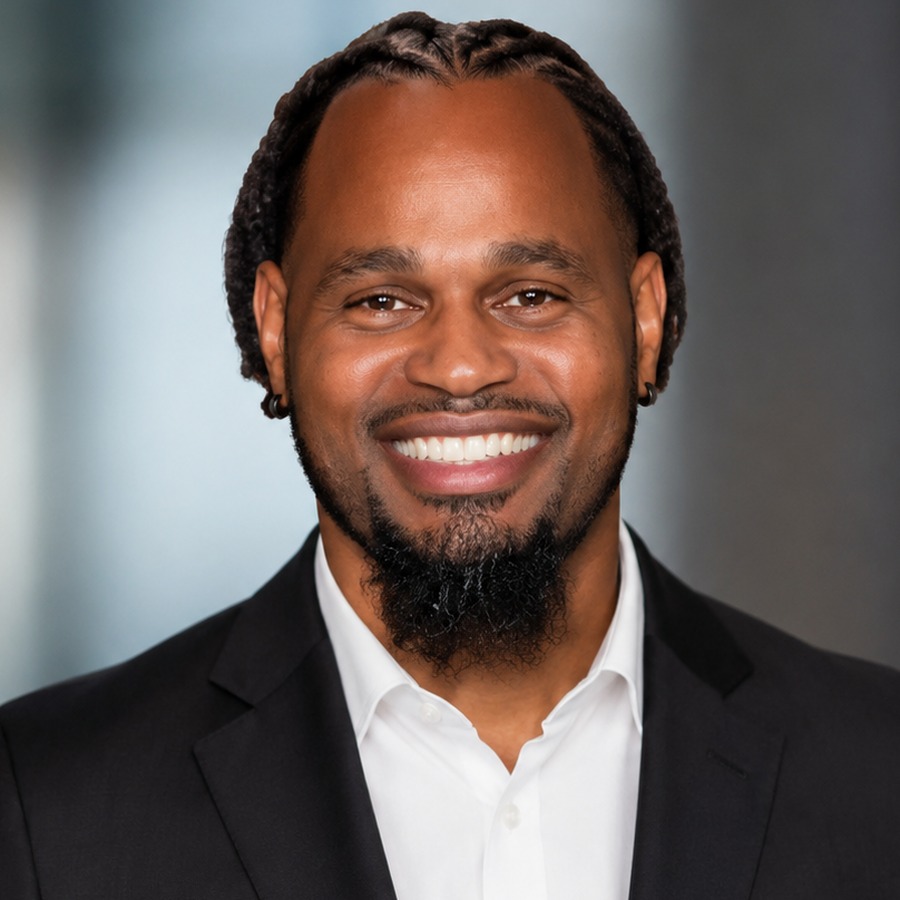
Today we’d like to introduce you to Dru Petty.
Hi Dru, it’s an honor to have you on the platform. Thanks for taking the time to share your story with us – to start maybe you can share some of your backstory with our readers?
I’ll be honest with you. Not many sat me down and taught me about money. Not my family, not my friends, not a single class in school. I grew up with South St. Louis roots and like most kids I learned the hard lessons about money by watching them happen more so than from anyone explaining them. That gap shaped everything I have built.
My first real classroom was the track. I competed as a collegiate track athlete and that’s where I learned the thing that still drives me today: results come from systems, not wishes. You don’t just show up on race day and hope. You train, you track, you adjust and you repeat. When my competing days ended I didn’t walk away. I picked up a stopwatch and a clipboard and spent more than a decade coaching young athletes. Coaching taught me something even bigger. Talent opens the door, but discipline and mindset decide how far a young person actually goes. I saw it over and over, on the track and off it.
Meanwhile I was building a corporate career as a project manager. I’ve had the chance to lead high-stakes initiatives for organizations like LinkedIn, Edward Jones, Wells Fargo, and Enterprise Rent-A-Car, across financial services, technology, cybersecurity and even critical minerals. Project management is basically coaching for organizations. You take a big, messy goal, break it into phases, manage the risk and keep everybody moving toward the finish line.
While I was managing budgets and timelines at work, I have quietly been building my own personal project on the side: teaching myself about money. I read everything I could get my hands on. I listened to personal finance podcasts on while I exercise. I pay close attention to people, how some built wealth, how some struggled and how some fell and recovered. I am a grown professional working around some of the biggest financial institutions in the country and I was still piecing together the basics on my own.
When the pandemic hit, almost overnight I watched people around me lose jobs, drain their savings, and see careers they’d spent years building shaken to the core. Layoffs didn’t care how hard anybody worked. That was my turning point. I realized financial literacy isn’t a nice extra. It’s survival training. If I had to build my financial education from scratch, millions of young people would have been doing the exact same thing, usually without a coach in their corner.
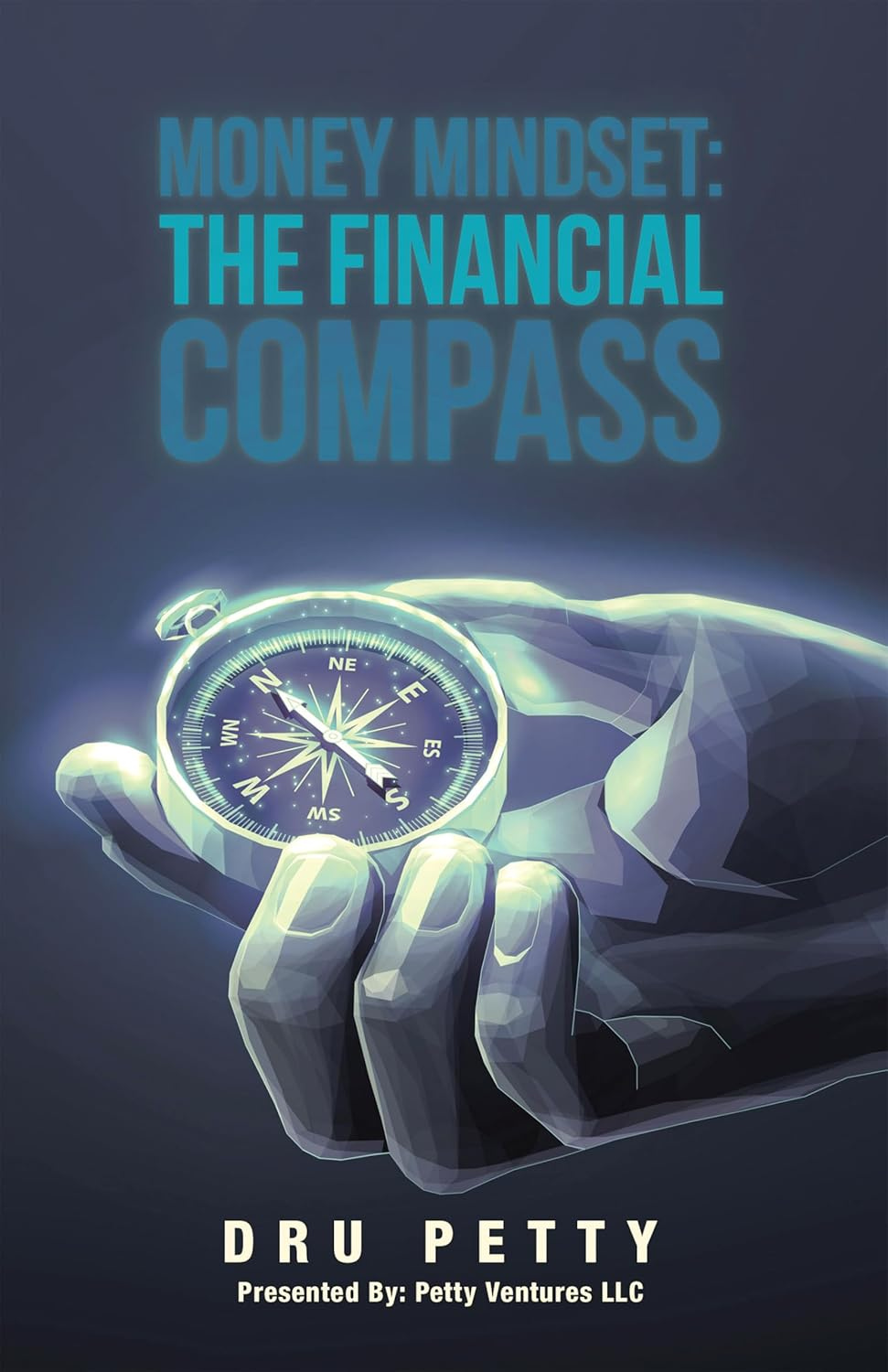
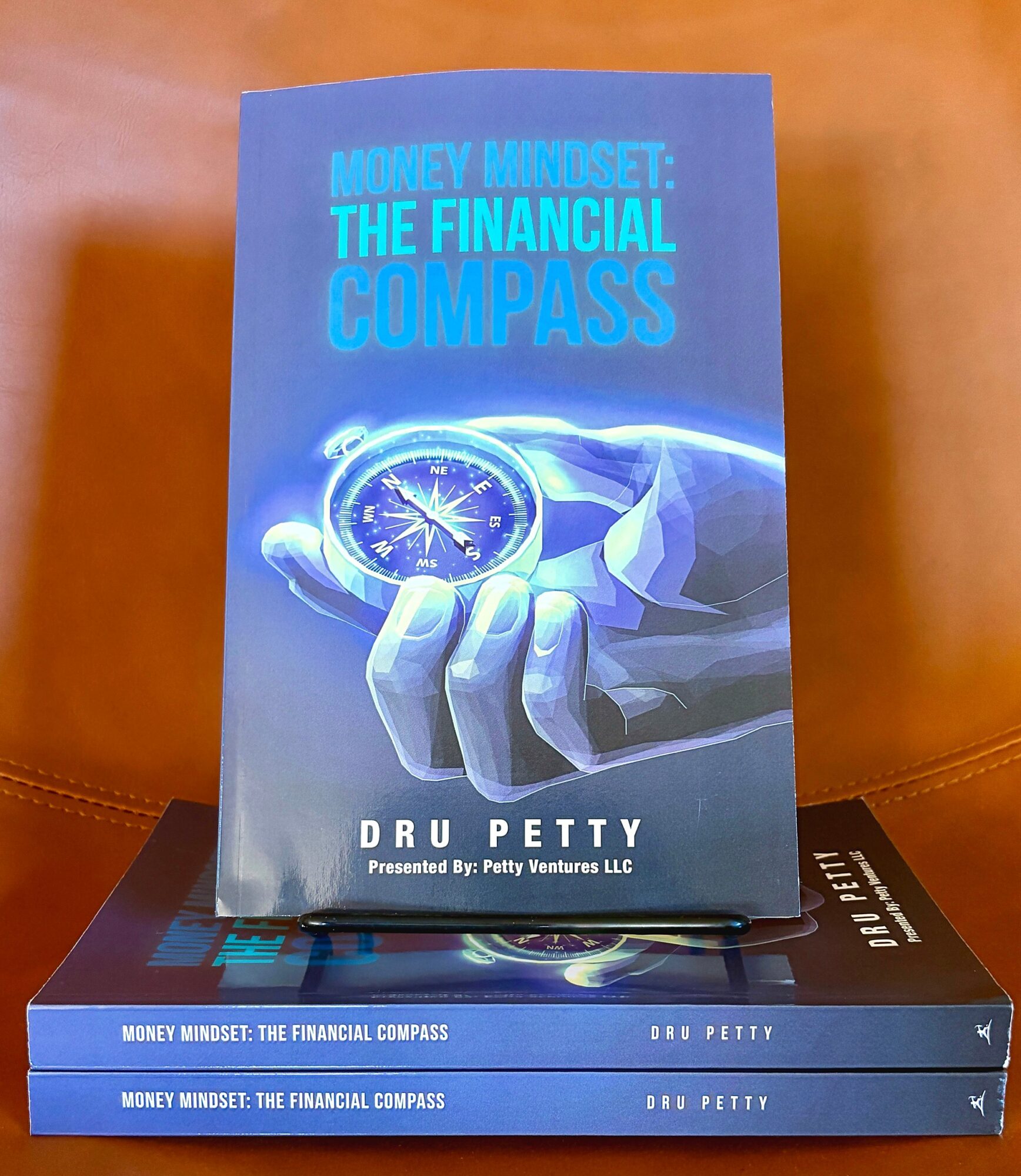
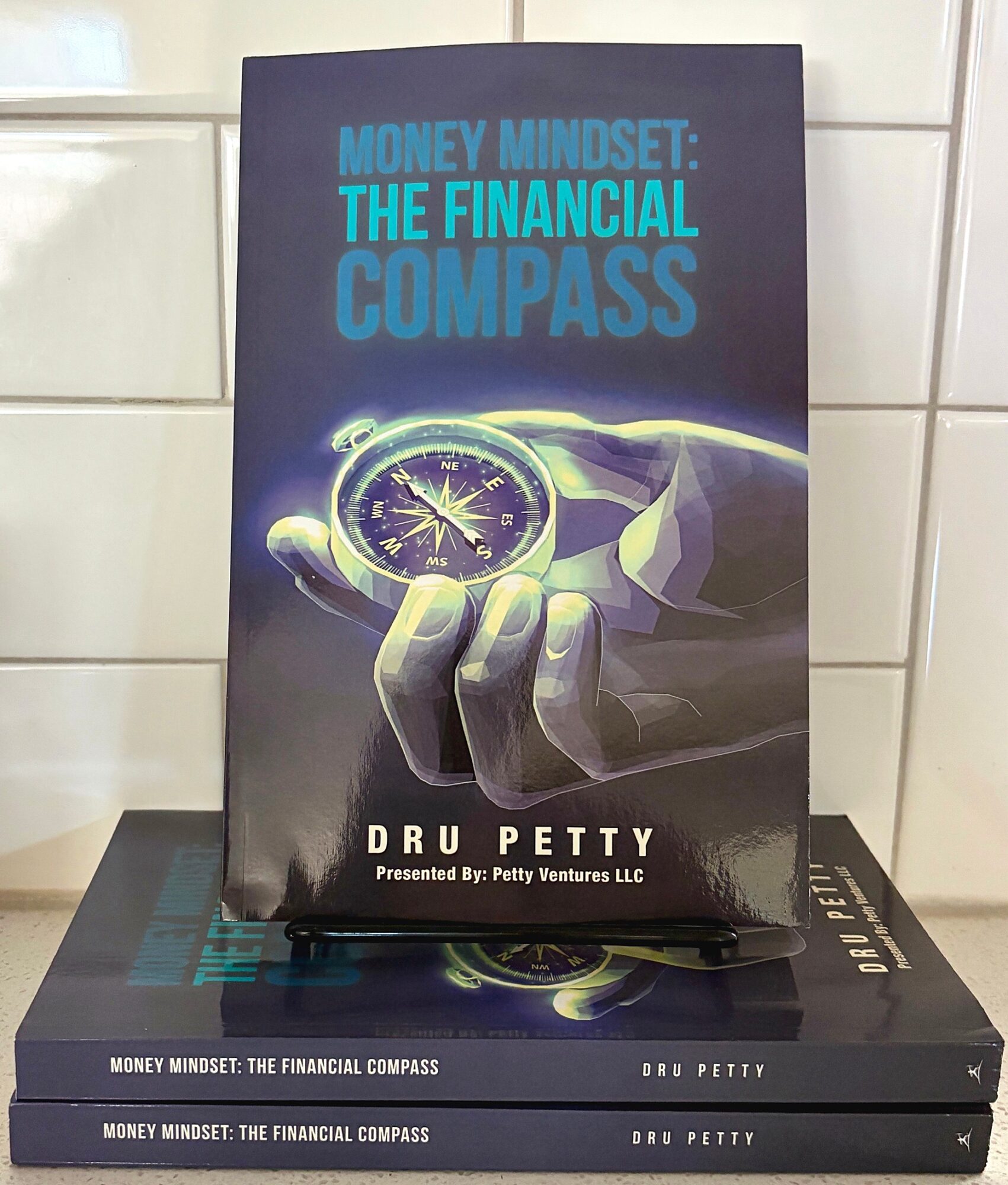
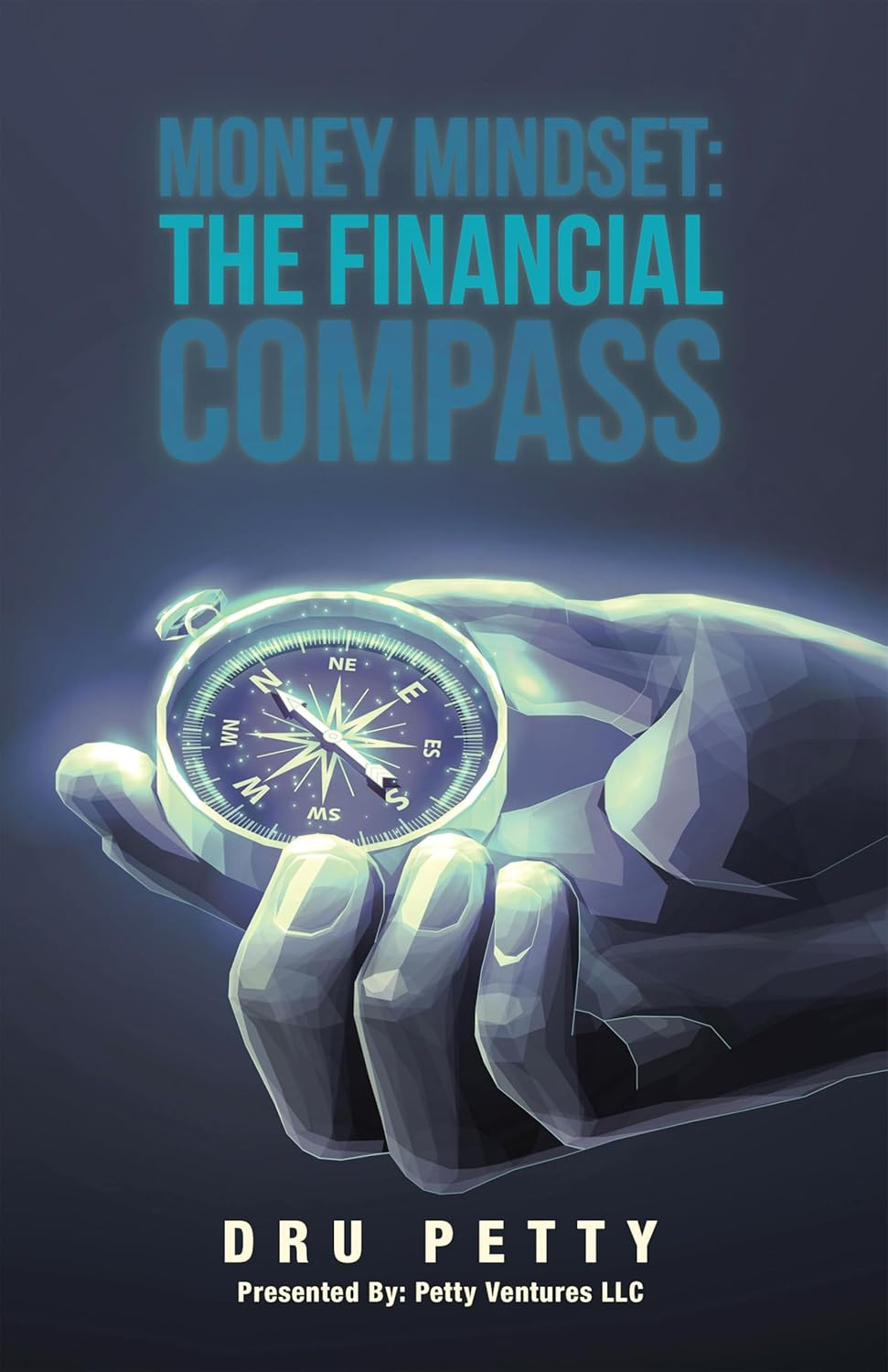
So I did what a project manager does. I scoped it, planned it and executed. The project became my debut book, Money Mindset: The Financial Compass, published by WestBow Press in 2026. I didn’t want to write another budgeting book that opens with spreadsheets. Money starts in the mind, so the book does too. It starts with the beliefs behind our behavior: moving from scarcity to abundance, understanding the emotional triggers behind impulse spending and a framework I call the “Hour-to-Dollar Exchange,” which teaches readers to value their time like the financial asset it really is. From there we get practical with budgeting, paying down debt, saving, investing and laying the legal and financial groundwork to start a business.
Because my heart has always been with young people, I built it for the classroom too. There’s a companion material that is outlined into a 15-week learning path, ending with an entrepreneurship capstone project, so teachers, youth programs and workshop leaders can pick it up and run with it. The time is now and how we approach this subject matters. The 2026 TIAA Institute and GFLEC Personal Finance Index found that U.S. financial literacy just hit its lowest level in the survey’s ten-year history and Gen Z scored the lowest of any generation. That’s not a statistic to me. That’s a roster of young people who need a game plan.
Today, I run Petty Ventures LLC, my project management and business consultancy. I speak and lead workshops for schools, universities, churches, and nonprofits and I’m developing a Second Edition of the book that follows a recurring character named Alex through real financial decisions, so readers can practice the lessons, not just read them. I’m also continuing to invest in my own growth, including working toward my PMP certification because a coach who stops learning stops being worth listening to.
If there’s one thing I want readers to take from my story, it’s this: you don’t need a perfect starting point. I didn’t have one. What you need is a compass, a little discipline and the willingness to start. Think about where your money mindset came from and then decide where you want it to take you. That decision is yours to make and it’s never too late to make it.
I’m sure it wasn’t obstacle-free, but would you say the journey has been fairly smooth so far?
Not even close and I wouldn’t trust anybody who tells you their road was smooth. Every hurdle I’ve cleared taught me something I now pass on to others.
My biggest struggle came before I even knew it was one. I never had a financial blueprint growing up. Nobody explained credit, investing, or how wealth gets built and protected. So I learned the way a lot of people do: by trial, by error, and by paying for mistakes I didn’t know I was making. One of those mistakes was my first car loan coming with a 30% interest rate. When you don’t know what you don’t know, you can work hard and still fall behind. Fixing that took years of self-study, books, podcasts and one hard lesson at a time.
Athletes don’t talk enough about what happens when competing ends. For years your identity is tied to the next meet, the next time, the next PR. Then one day that’s gone and you have to figure out who you are without the uniform. For me the answer was to stay close to the sport through coaching while building a career from the ground up. That shift was humbling, but the same discipline that got me through workouts got me through learning a whole new playing field in corporate America.
Seeing people around me lose jobs, savings and stability almost overnight was hard to watch. It reminded me that hard work alone doesn’t make you bulletproof and I too was impacted by the layoffs. That season brought real uncertainty and I had to take a long look at my own financial foundation and ask, “Am I really prepared?” That question eventually became the book.
I wrote Money Mindset: The Financial Compass while working full-time, coaching and building my business. There were early mornings, late nights and plenty of moments where the project manager in me had to manage the toughest stakeholder of all, myself. I was also a first time author, so I had to learn publishing from scratch: editing rounds, cover design, positioning, press and how to get a book in front of the people who need it. There’s no playbook handed to you. You build it as you go.
Writing the book was one race. Getting it into readers’ hands is a whole season. I have had to build my speaking business, my website and now working on my social media presence from the ground up; put myself out there in ways that didn’t always feel natural. Think about how vulnerable it is to stand in front of a room and say, “I didn’t have it all figured out either,” but that’s exactly what makes the message land.
What carried me through all of it is the same thing I teach: mindset first, then systems. I treated every setback like a project risk. Name it, plan for it, adjust and keep moving. The struggles didn’t slow my story down. They are my story and they’re the reason I can look a student, a young professional or a first time founder in the eye and say, “I’ve been where you are and here’s the compass that got me through.”
Thanks – so what else should our readers know about your work and what you’re currently focused on?
At the core, I’m a builder. I help people and organizations take a big goal, map out the plan and actually cross the finish line. This shows up in a couple of lanes that feed each other.
Project management and consulting. I’m the founder and Managing Partner of Petty Ventures LLC, a project management and business consultancy. My corporate career has taken me into high-stakes initiatives for organizations like LinkedIn, Edward Jones, Wells Fargo, and Enterprise Rent-A-Car, across financial services, technology, cybersecurity, and critical minerals. My specialty is bringing order to complexity: defining the scope, managing the risk, keeping teams aligned, and delivering results people can measure. I’m also working toward my PMP certification because I believe in sharpening the tools I already use every day.
I’m the author of Money Mindset: The Financial Compass, published by WestBow Press. It’s a financial literacy and entrepreneurship guide for students, young professionals, and first-time founders. What I’m known for is starting with the mindset before the math. Most money advice jumps straight to budgets and spreadsheets. I start with the beliefs behind our behavior, like moving from scarcity to abundance, spotting the emotional triggers behind spending, and my “Hour-to-Dollar Exchange” framework, which teaches people to value their time like a financial asset. From there we get practical with budgeting, debt, saving, investing and laying the groundwork for a business.
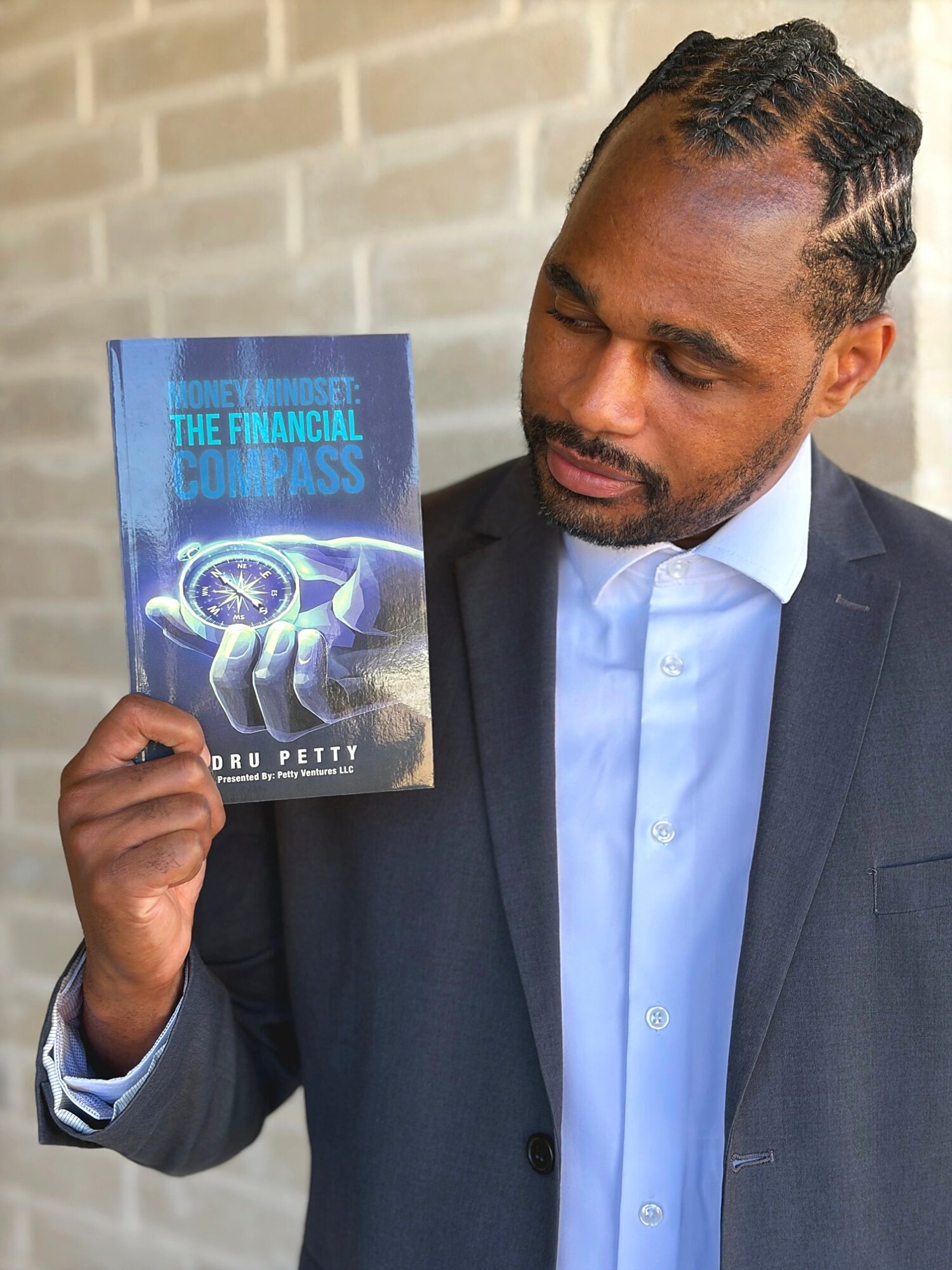
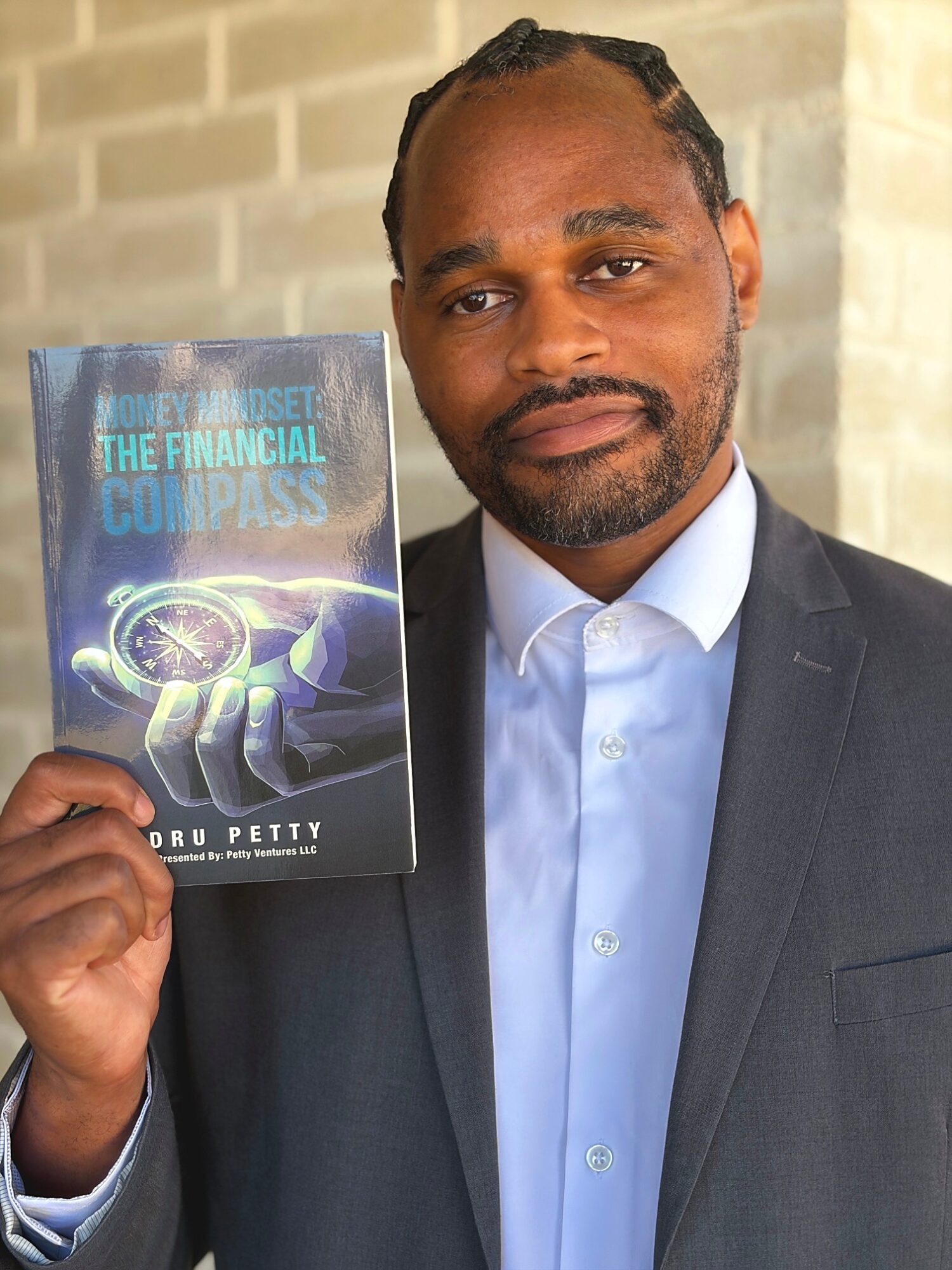
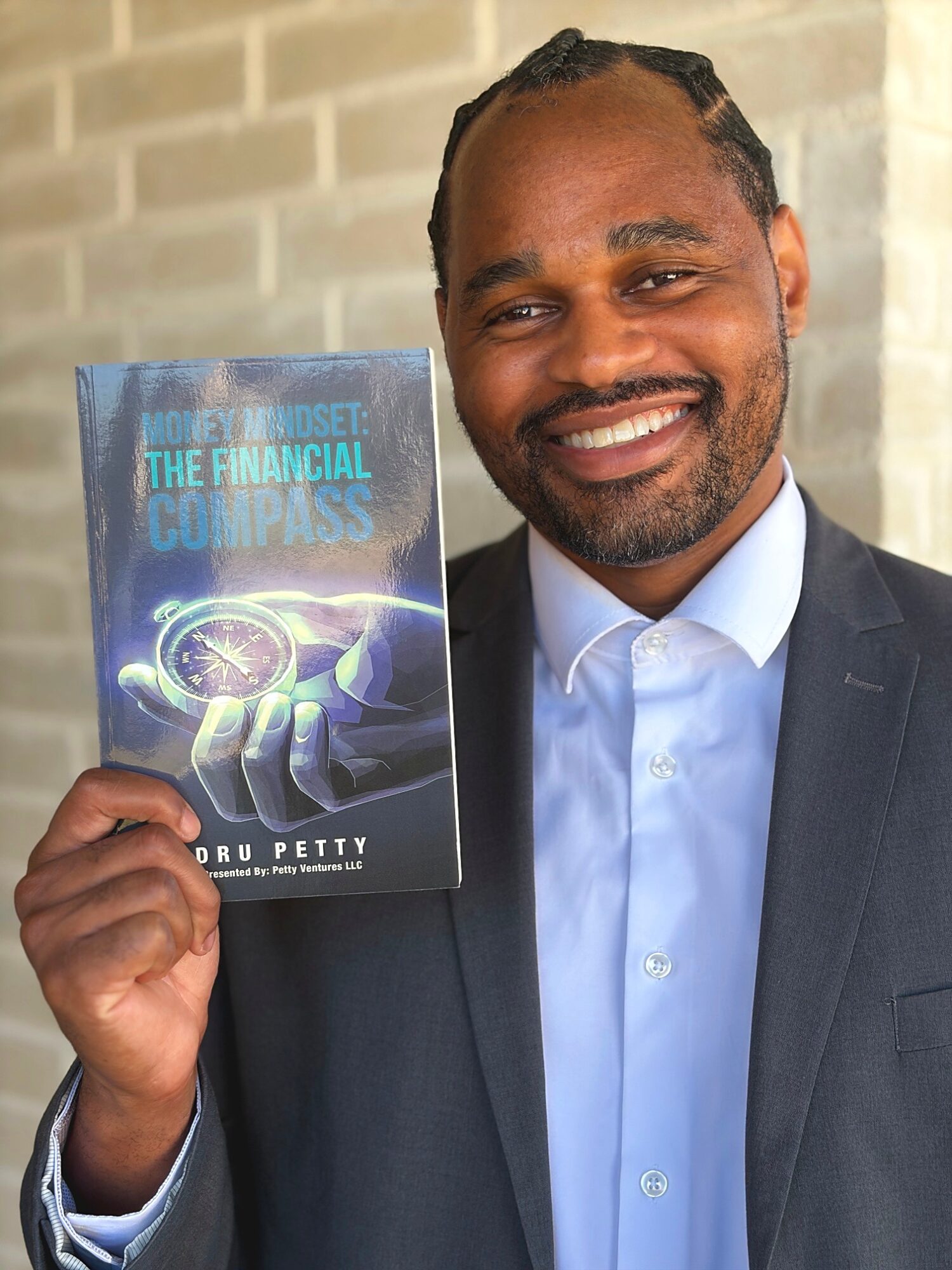
What I’m most proud of is finishing the book. I wrote it while working full-time, coaching and building a business and I did it as someone who had to teach himself everything about money. Holding that first copy meant the guy who started from zero had built something that could keep the next person from starting from zero. It reminds me how far good work can travel when you build it with purpose. Every time a student comes up after a workshop and says, “Nobody ever explained it to me like that,” I am reminded why I do this.
What sets me apart? It’s the combination. I’m a former collegiate track athlete with more than a decade of coaching experience, plus a corporate project manager, plus someone who built his financial education from scratch. Most financial educators come from finance. Most coaches stay on the field. Most project managers stay in the boardroom. I bring all three into the room. I teach money the way a coach trains an athlete, with discipline, reps, and accountability, all while structuring it the way a project manager runs a program, with clear phases, milestones and a finish line. Because I wasn’t handed this knowledge, I never talk down to anyone. I meet people where they are understanding exactly where they’re standing.
What were you like growing up?
Growing up, I was the kid who could never sit still, but you’d rarely hear me announce it. I was athletic, curious and pretty reserved. I was the quiet one in the room who was always paying attention, taking everything in and figuring out how things worked before I said a word.
Sports were my world and I didn’t pick just one. I played basketball, soccer and ran track. I loved how different each one felt. Basketball taught me to read the floor and think a step ahead. Soccer taught me teamwork, patience and how to keep moving when your legs are telling you to stop. Track was the one that stuck because it was so honest. There’s nobody to hide behind on the track. The clock doesn’t care how you feel that day. It just tells you the truth about your preparation. That idea stayed with me long after I stopped racing.
When I wasn’t at practice, I was on my bike. Riding around the neighborhood with friends was freedom. No schedule, no coach, just open road and the next adventure. If you grew up in St. Louis, you know no ride was complete without a stop for snacks. For me, that meant a bag of Old Vienna Red Hot Riplets. Those chips were basically fuel for every adventure.
And then there was anime. I was a huge anime buff and I still am. I grew up on Pokémon and Yu-Gi-Oh!, trading cards with friends, building decks, and debating strategy like it was a championship game. Without realizing it, I was learning how to plan ahead, think a few moves out and manage resources, which sounds a lot like project management now that I think about it. What really drew me in was the storytelling. So many of those stories are about a character who starts out overlooked or underestimated, then trains, fails, learns and keeps pushing until they become something greater. Think about how powerful that message is for a quiet kid. I was soaking up lessons about discipline, loyalty, perseverance and the long game of growth.
Being reserved never meant I wasn’t engaged. It meant I was observing. I listened more than I talked, asked questions in my own head and liked to understand the “why” behind things. That curiosity is the same trait that later pushed me to teach myself about money when nobody else was teaching it.
If you connect the dots, that kid is still very much who I am today. The athlete became a coach. The curious, quiet observer became a project manager who studies systems and people. The kid who loved a good comeback story ended up writing a book to help others write their own.
Pricing:
- E-Book $9.99
- Soft Cover $20.99
Contact Info:
- Website: https://drupetty.com
- Instagram: https://www.instagram.com/the_real_dru_/?hl=en
- Facebook: https://www.facebook.com/profile.php?id=61593111776084
- LinkedIn: https://www.linkedin.com/in/drupetty/
- Twitter: https://x.com/The_Real_Dru_
- Other: https://www.tiktok.com/@the_real_dru_?is_from_webapp=1&sender_device=pc