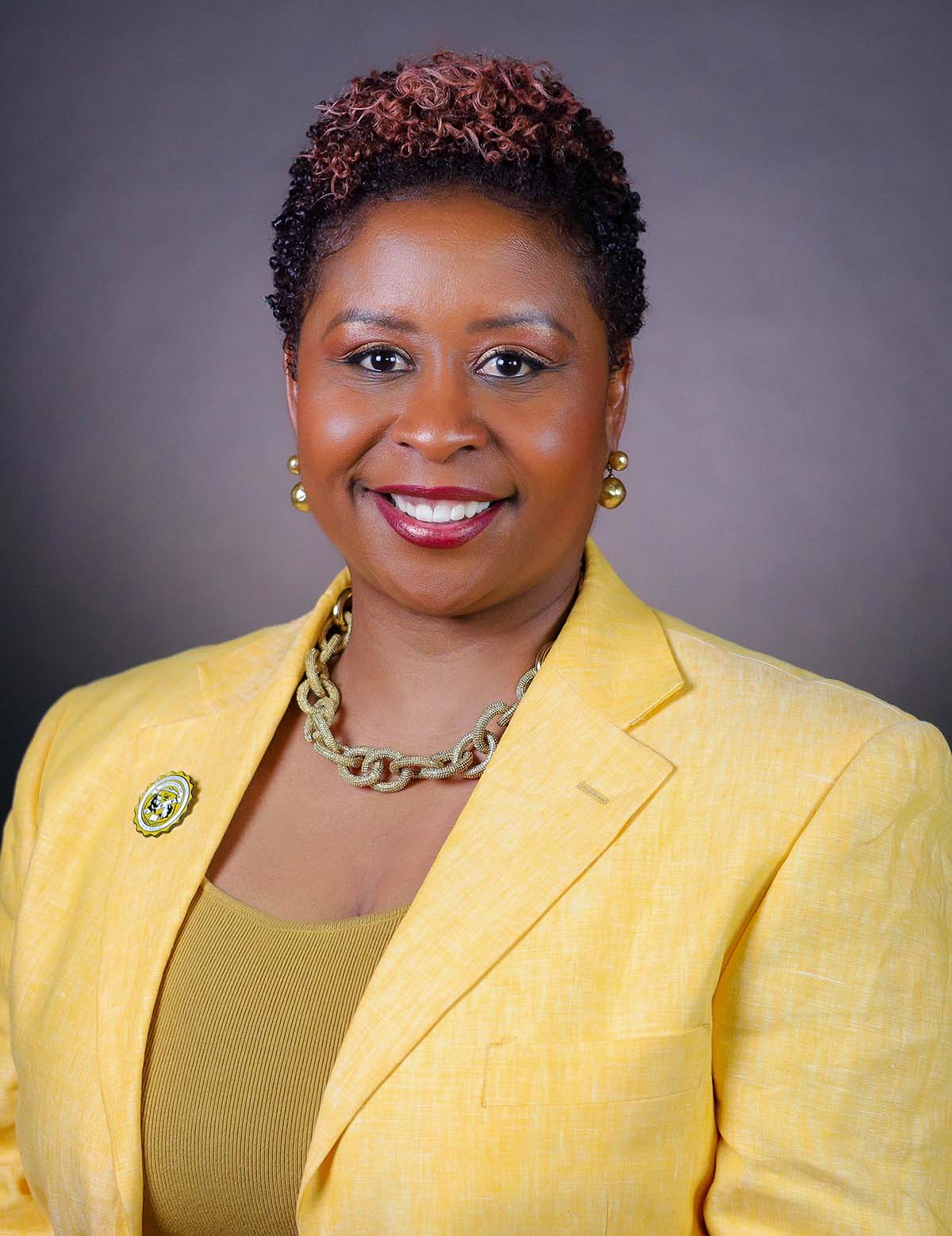
Dr. Stacy Gee Hollins shared their story and experiences with us recently and you can find our conversation below.
Good morning Stacy, it’s such a great way to kick off the day – I think our readers will love hearing your stories, experiences and about how you think about life and work. Let’s jump right in? What are you most proud of building — that nobody sees?
I am most proud of the internal systems I have built to lead with clarity rather than chaos. That includes how I think, how I decide, how I protect my energy, and how I create space for others to grow without burning themselves out.
Much of leadership is invisible. The emotional regulation, the discernment, the discipline to say no, and the commitment to integrity, even when shortcuts are available. Those systems are not visible on a resume, but they are the foundation of everything I have built and sustained.
Can you briefly introduce yourself and share what makes you or your brand unique?
I am Dr. Stacy Gee Hollins, an academic leader, strategist, and founder of GEENIUS, a leadership and learning organization focused on helping women lead with clarity, confidence, and technological fluency. I currently serve as Associate Provost and Dean of the Anheuser-Busch School of Business at Harris-Stowe State University, where I lead academic innovation, accreditation, and the launch of future-focused programs, including an AI-integrated MBA program.
What makes my work unique is that it sits at the intersection of leadership, equity, and technology. I do not treat AI as a trend or a threat. I treat it as a capacity-building tool, especially for women and historically underserved communities. My work is grounded in lived experience, systems thinking, and a deep belief that clarity creates capacity. Whether I am working in higher education or through GEENIUS, the goal is the same. To help leaders move from overwhelmed to intentional, and from busy to impactful.
Okay, so here’s a deep one: What’s a moment that really shaped how you see the world?
Early in my career, I worked in financial institutions in support roles while watching people with far more authority rely on me to keep systems running. I was often the lowest titled person in the room, yet I was the one who understood the technology, the processes, and how to fix what was broken.
That experience taught me two things very early. Power does not always sit where titles suggest it does, and leadership is not about visibility. It is about responsibility. That understanding has stayed with me and continues to shape how I build teams, design systems, and advocate for those whose brilliance is often overlooked.
If you could say one kind thing to your younger self, what would it be?
You are not behind. You are becoming.
I spent too many years believing I needed to work harder, prove more, and carry everything alone to be worthy of the rooms I was in. I would tell my younger self that rest is not a reward, clarity is not selfish, and asking for support does not diminish strength. It multiplies it.
I think our readers would appreciate hearing more about your values and what you think matters in life and career, etc. So our next question is along those lines. What are the biggest lies your industry tells itself?
One of the biggest lies is that excellence requires exhaustion. In both leadership and education, we normalize burnout and call it commitment. We confuse urgency with importance and activity with impact.
Another lie is that technology is neutral. It is not. Systems reflect the values of those who build and deploy them. If we do not intentionally center equity, inclusion, and ethical leadership in how we adopt technology, we simply automate existing disparities. My work exists to disrupt that narrative.
Okay, so let’s keep going with one more question that means a lot to us: If immortality were real, what would you build?
I would build systems that make leadership lighter instead of heavier. Institutions where clarity replaces confusion, support replaces struggle, and excellence does not require self-sacrifice.
I would build leadership pathways that assume women and marginalized leaders are already capable and simply need access, tools, and trust. I would build learning models that evolve with the world, center ethics and equity, and honor community as much as achievement.
And I would build a legacy where leadership is not remembered for how much someone carried, but for how much capacity they created for others to lead well, long after they are gone.
Contact Info:
- Website: https://mygeenius.com/
- Linkedin: https://www.linkedin.com/company/mygeenius/
- Facebook: https://www.facebook.com/geeniussolutions
- Other: https://www.hssu.edu/
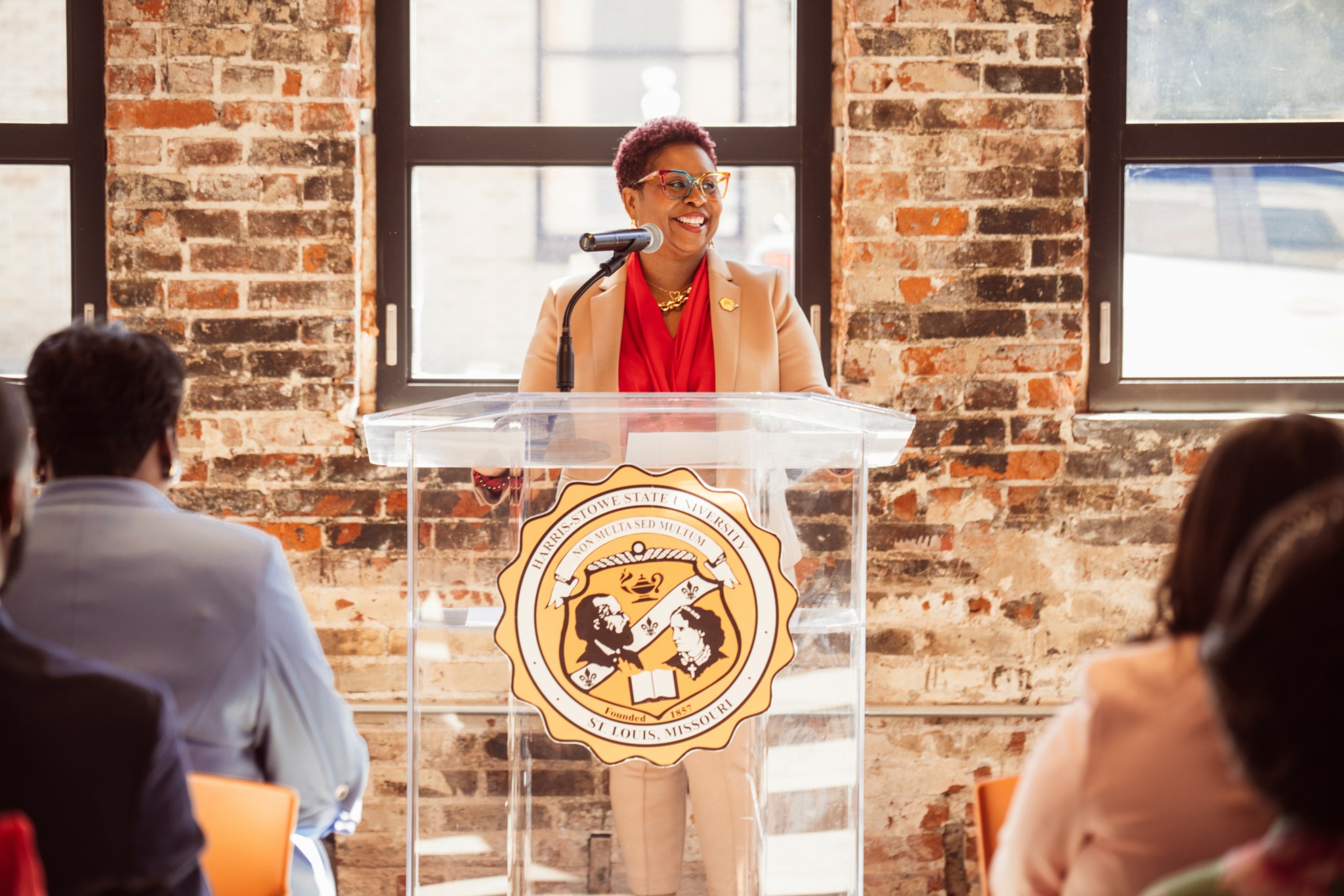
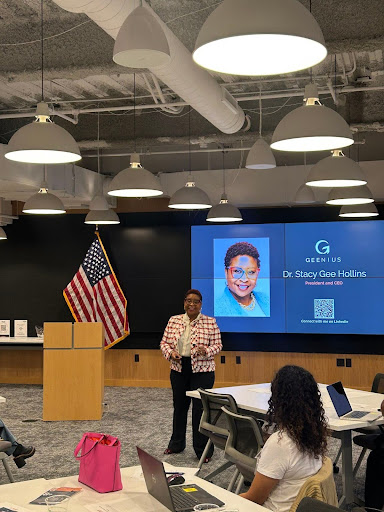
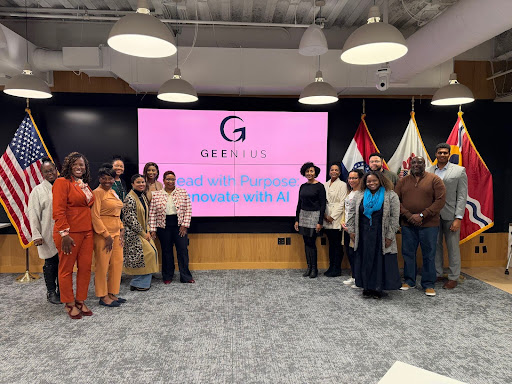
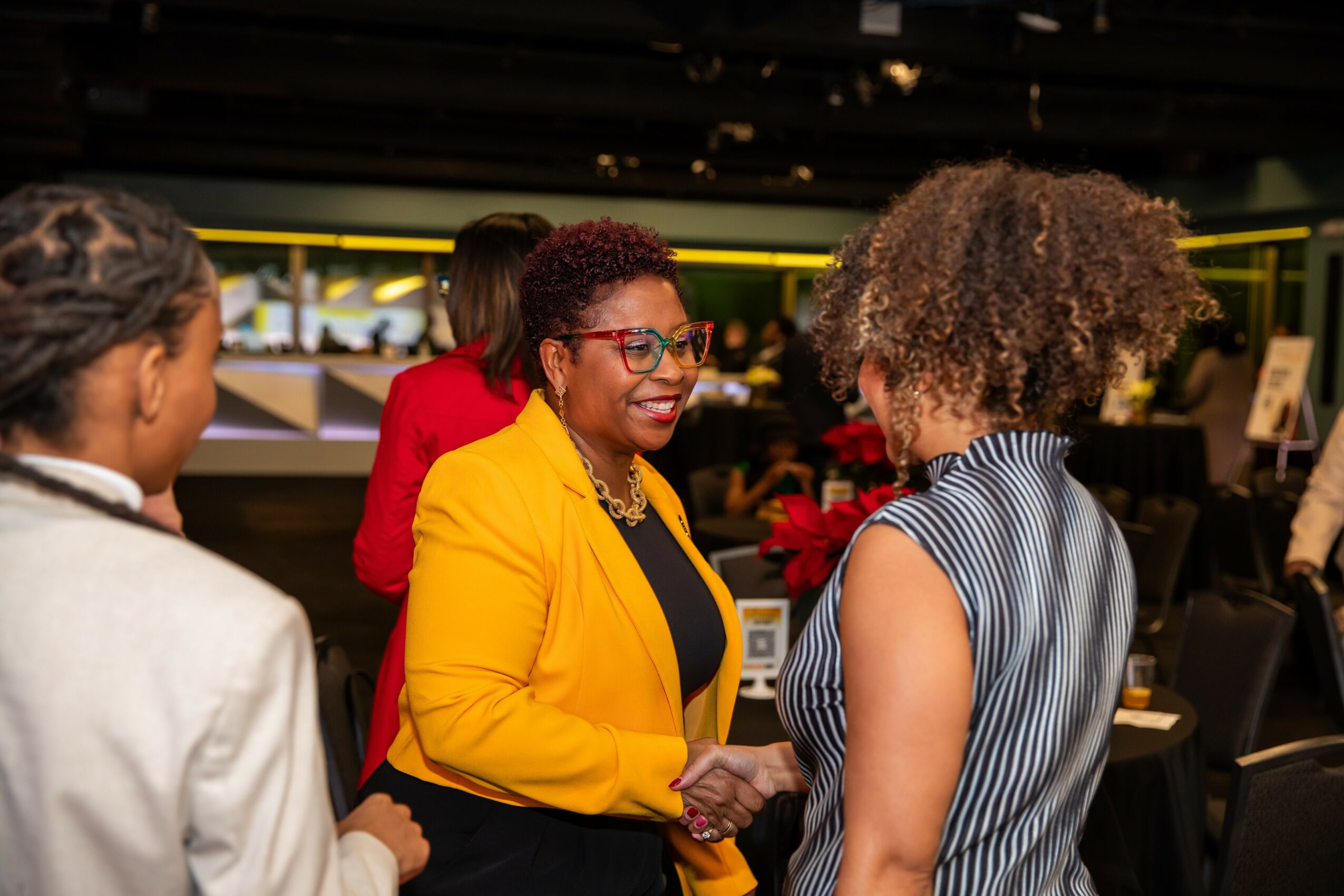
Image Credits
Harris-Stowe State University; Tyler Small Photography