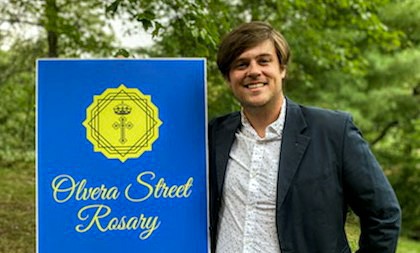
We recently had the chance to connect with John Baine and have shared our conversation below.
John, really appreciate you sharing your stories and insights with us. The world would have so much more understanding and empathy if we all were a bit more open about our stories and how they have helped shaped our journey and worldview. Let’s jump in with a fun one: What do the first 90 minutes of your day look like?
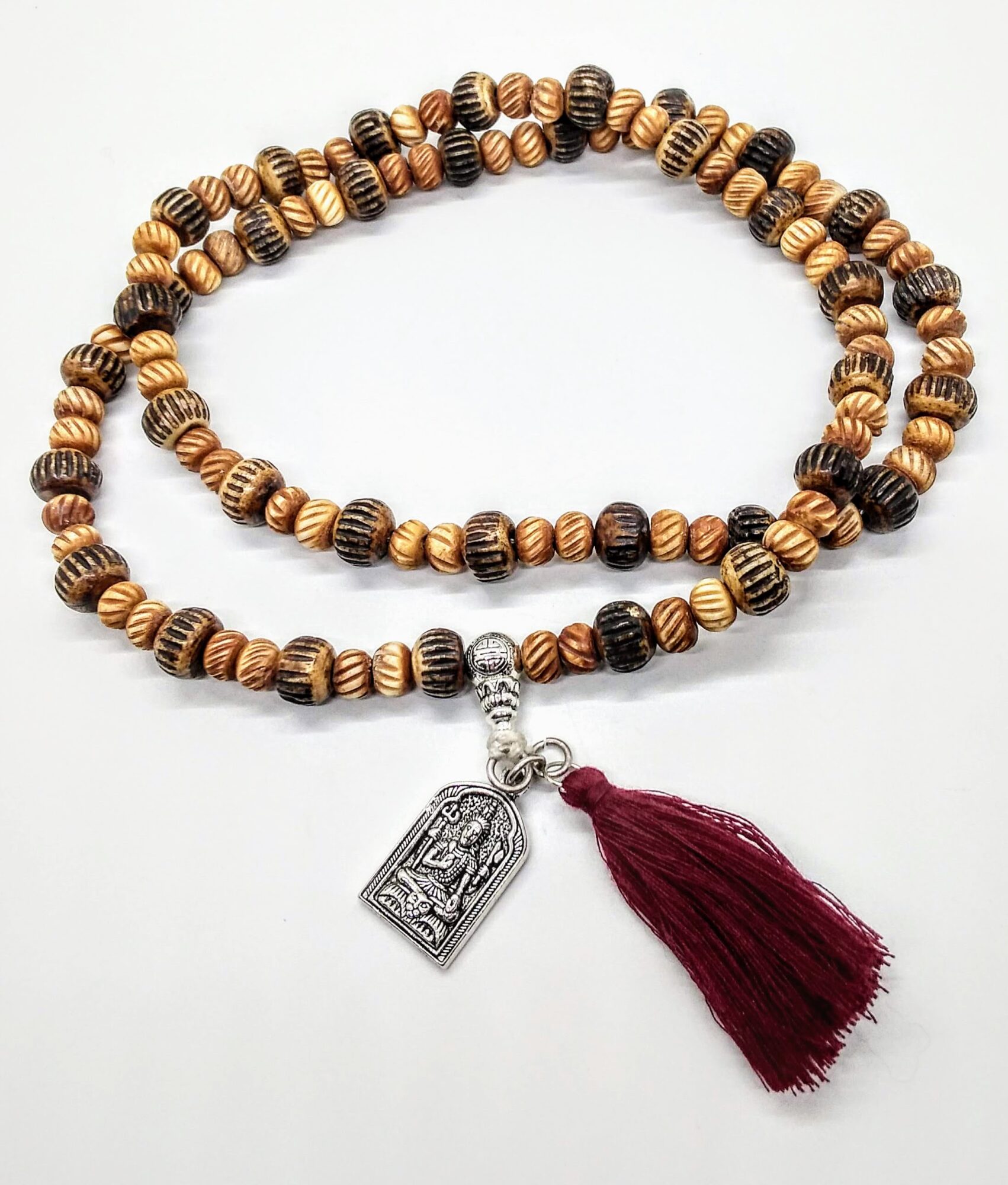
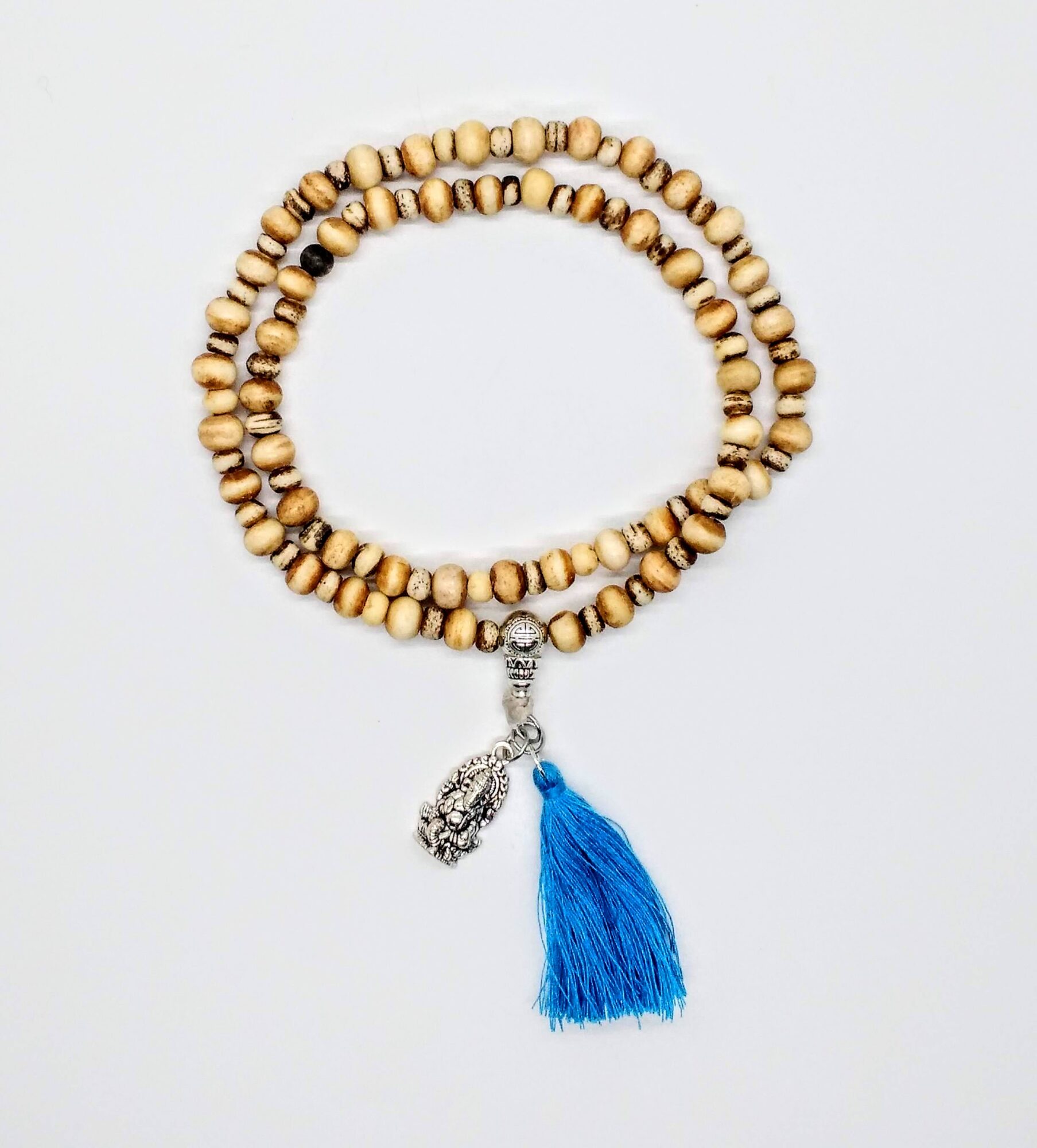
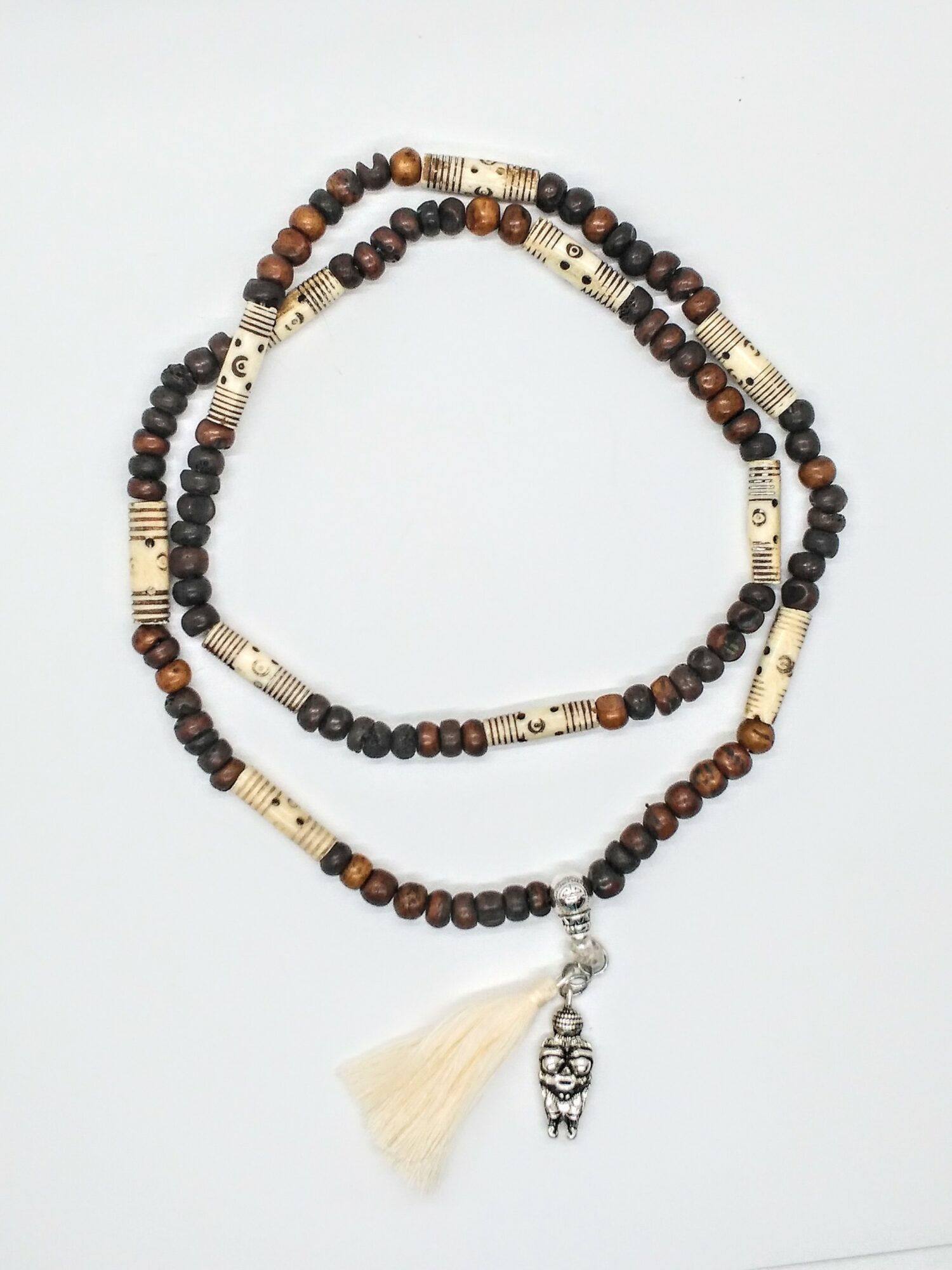
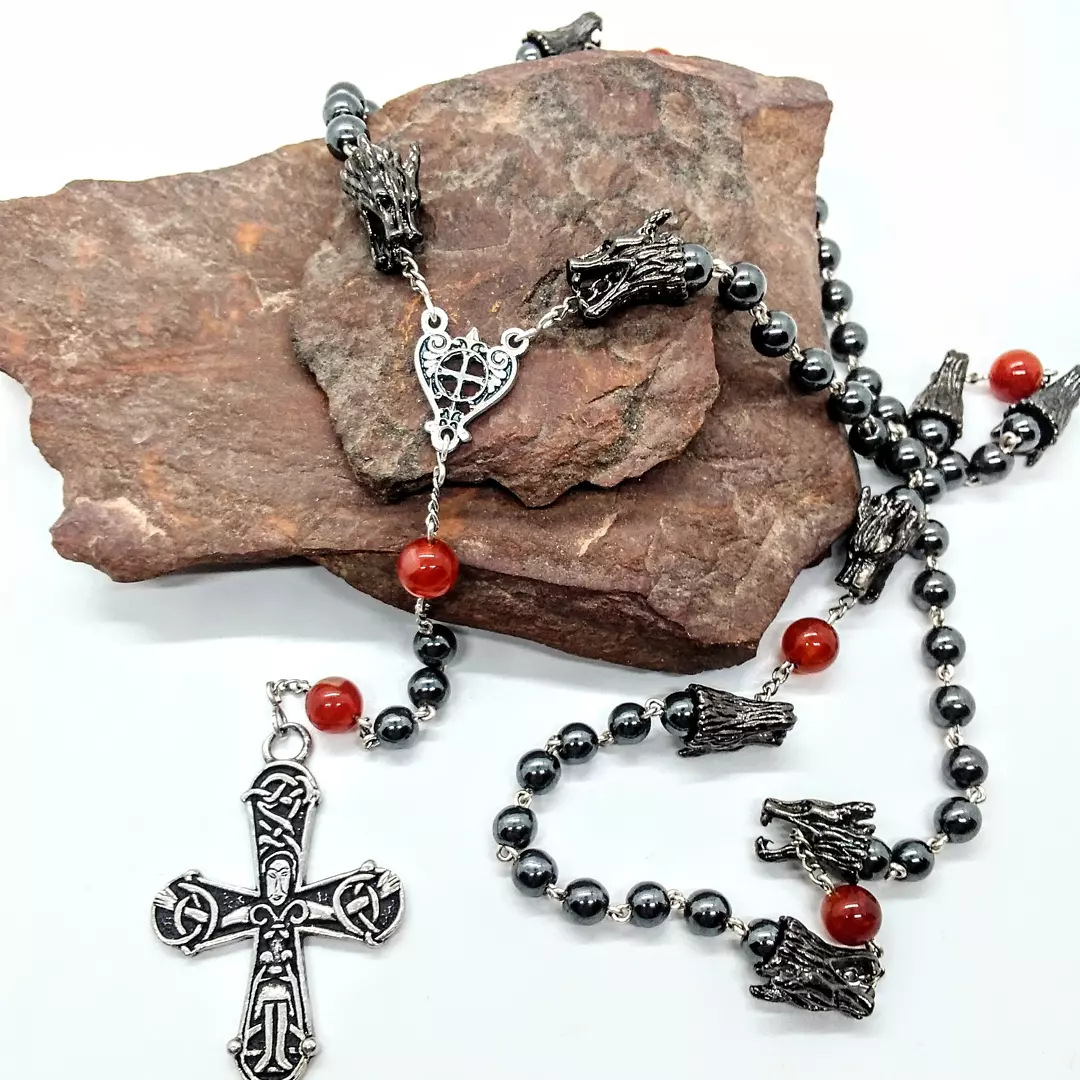
The first 90 minutes of the day are spent waking up at 4:30 am, where I get up, walk, get home, bathe, answer emails, and write until 6 am, when I get to the grocery store. Then I get home and build rosaries and prayer beads until I have to go to my day job
Can you briefly introduce yourself and share what makes you or your brand unique?
Hello everyone,
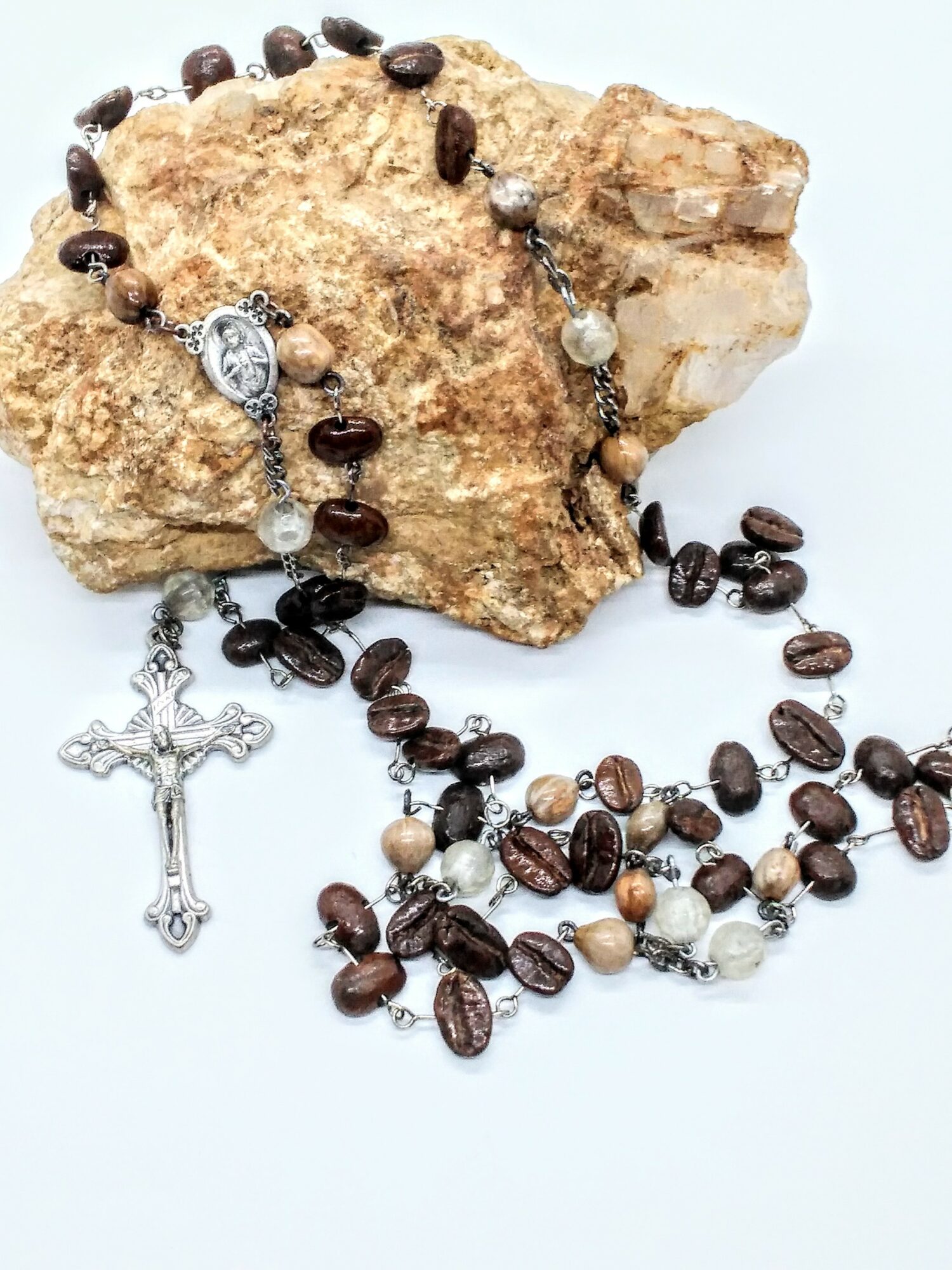
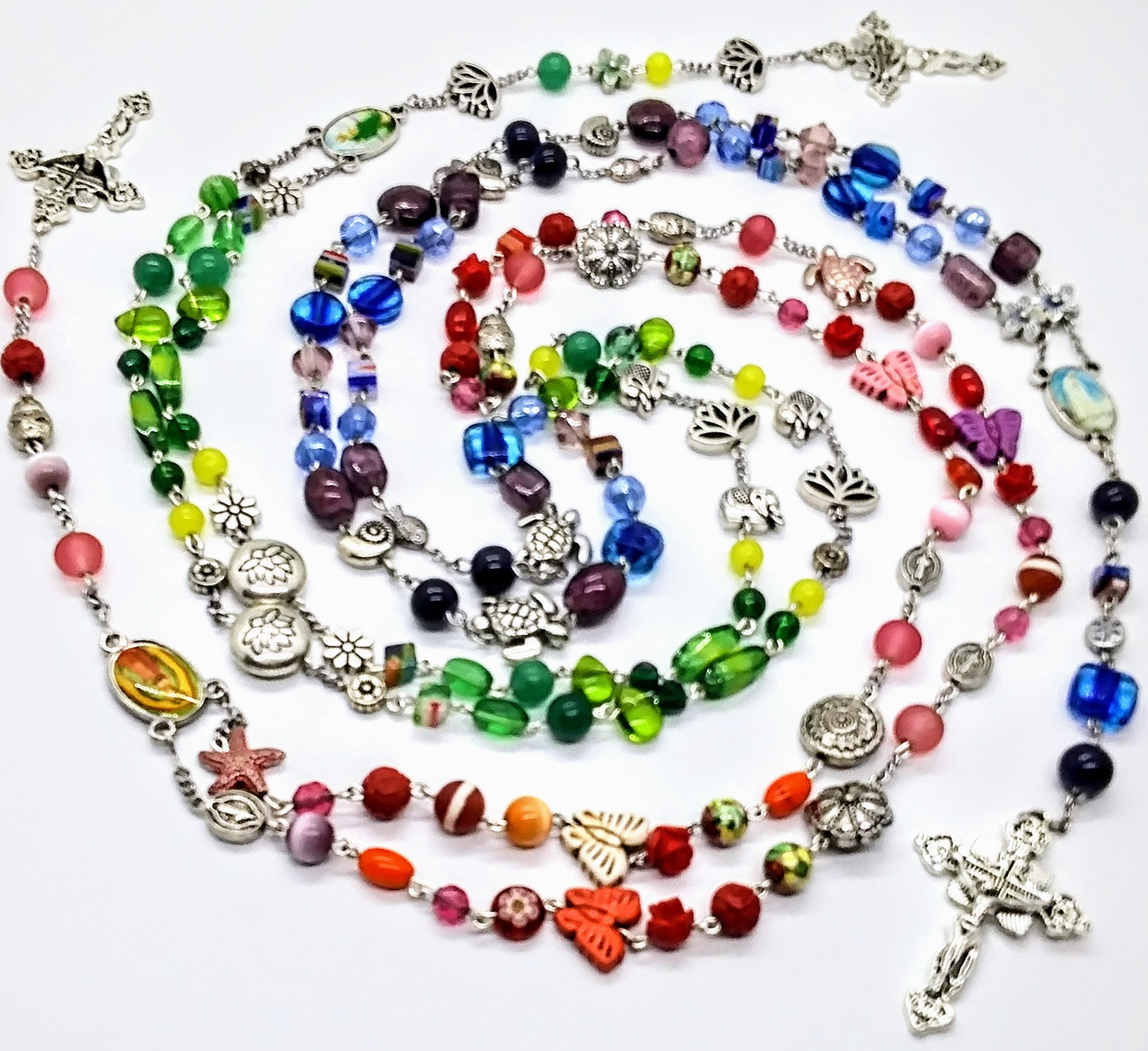
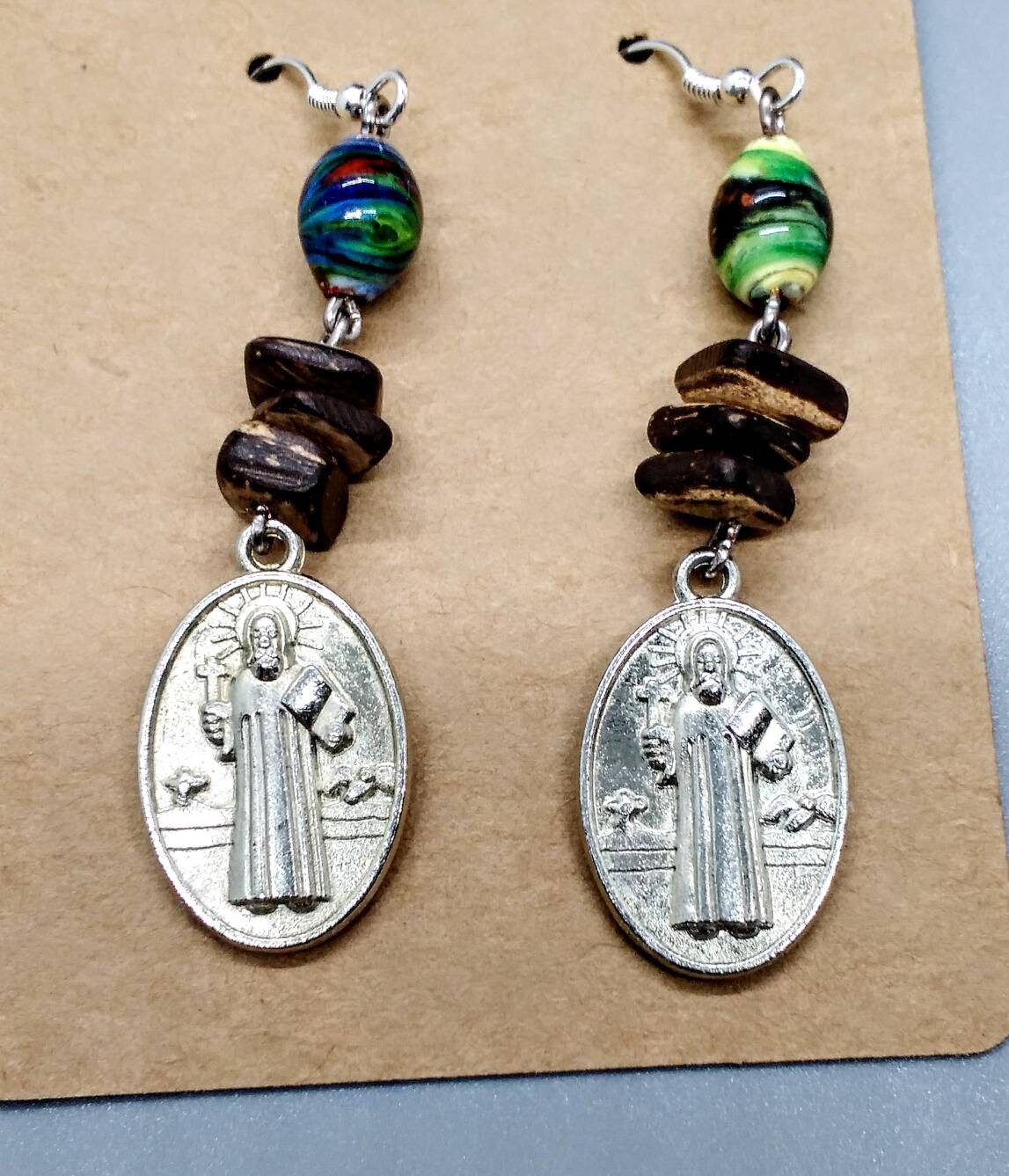
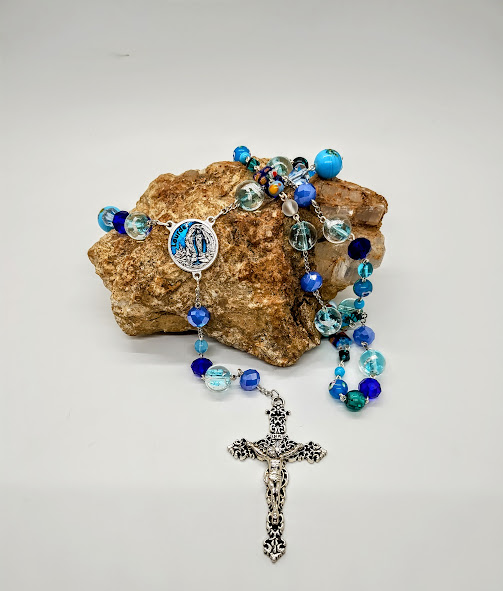
I’m John Baine, artist and owner of Olvera Street Rosary. We create unique rosaries and prayer beads for people across the religious and spiritual spectrum. Each piece is a unique work of art with its own story, so when you receive a rosary or set of prayer beads from us, it is yours and yours alone.
Prayer and meditation have been central to my life for as long as I can remember. But here’s the truth—most prayer tools today are either cheaply made with profit in mind or beautiful but far too expensive for most people to afford. I’ve found a way to create spiritual artistry with loving, hand-made care, without breaking the bank.
My mission is simple: I want people, no matter their faith, to find enlightenment through the love of God. You don’t have to pray like me or believe like me. What matters is that you pray fervently, honestly, and with God in your heart. The more people do that, the better this world will be. That is what the Olvera Street Rosary is about
Amazing, so let’s take a moment to go back in time. What breaks the bonds between people—and what restores them?
We’ve grown too used to instant gratification and the constant need to be seen and heard. In that space, we’ve stopped empathizing with each other and started hating freely—because it feels good to smash someone, dunk on them, and get that dopamine hit. We’ve taken all the sectarian religious fervor of the last millennium and transferred it to political ideologies.
What breaks bonds between people is the loss of empathy, the replacement of compassion with the thrill of destruction.
What restores them is a return to mercy, not just forgiveness, which is sentiment, but mercy, which is forgiveness in action. Mercy requires effort. It asks us to see the humanity in people we disagree with or dislike. And we must return to community, to being present for each other in ways beyond our screens and our factions. Only then can we rebuild what’s been broken. That is why I do what I do today. To help people start the return.
What did suffering teach you that success never could?
Suffering is the secret sauce—the greatest teacher life can offer. It’s not something you should seek out, but when it finds you, you have to sit with it, reluctantly, and learn. Suffering is to be embraced, then released, leaving only the lessons behind.
I’m deeply Catholic and, in many ways, deeply Buddhist. Both have taught me that suffering is universal—everyone is carrying pain. Because of that, my suffering must become a springboard for enlightenment. If the world has caused me to suffer, I cannot become a reflection of that world. Instead, I must choose kindness, mercy, and example.
I want to laugh in the face of an unkind world and say: I will not be made bitter. I will not be made cruel. I will fight the darkness with light, with story, and with prayer. Through prayer and meditation, we can face that darkness standing on our feet, not collapsing to our knees.
Next, maybe we can discuss some of your foundational philosophies and views? What important truth do very few people agree with you on?
If I had to name an essential truth that very few people agree with me on, it would be the concept of truth itself. I believe in truth above almost everything else. Yet, many manipulate the truth to serve their own agendas. What that’s led to is widespread distrust—people don’t believe anything anymore.
Ironically, religious attendance is rising again after decades of decline because, no matter what name people call it, God feels like the only absolute truth left. This resurgence comes after thirty years of being gaslit by politicians, religious leaders, scientists, and businesspeople.
That’s why the truth has become so important to me. It’s why I want people to pray—and pray often—to find God in their hearts. Through prayer and meditation, when people find mercy, kindness, and love, they also find truth.
Now, I’m not saying that following a call to protect, save, or show mercy automatically grows you in truth. I know most people think they want the truth, but they want information confirming their worldview. That’s toxic, and it’s hurting the world.
The absolute truth about truth is that we know very little, and what we do know is probably wrong. Everything is unknown, which is beautiful, because that is where faith comes in.
Okay, so before we go, let’s tackle one more area. What are you doing today that won’t pay off for 7–10 years?
Honestly, this is a tricky question because everything—and everyone—has something to teach you. No knowledge ever goes to waste; you always find a use for it in unexpected ways.
For example, I once watched A Good Day to Die Hard—the one set in Moscow. In the movie, they talk about a ring highway that circles the city and the difference between living inside or outside the ring. Years later, a friend of mine started dating a woman from Moscow. I asked her if she lived inside or outside the ring, and that little bit of knowledge broke the ice during what could’ve been an awkward moment. That warmth and connection eventually led me to officiate their wedding. Now they have a family with children.
If I hadn’t stored away that small piece of knowledge, my interactions with their life might have been very different. So I believe you should hoard knowledge, not things, because you never know what opportunities it might open up.
Sure, if I were sent back in time like in H.G. Wells’ The Time Machine to rebuild humanity, knowing the layout of Moscow wouldn’t help much. But having that knowledge did change my life strangely and meaningfully.
Contact Info:
- Website: https://www.etsy.com/shop/OlveraStreetRosary
- Instagram: https://www.instagram.com/rosary314/?hl=en
- Twitter: @rosary314