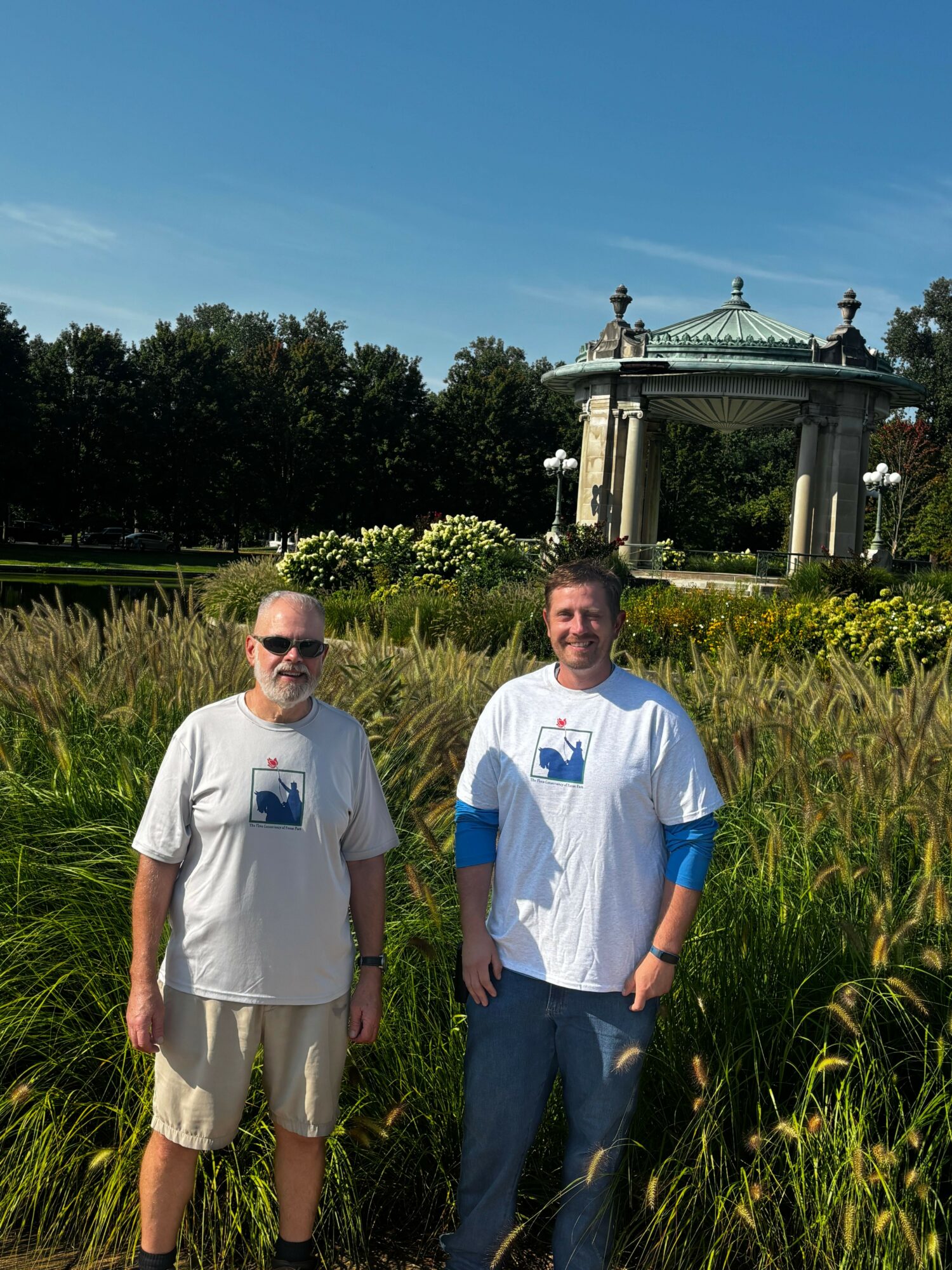
Today we’d like to introduce you to Andrew Kobby And John Breier.
Hi Andrew Kobby and John Breier, it’s an honor to have you on the platform. Thanks for taking the time to share your story with us – to start maybe you can share some of your backstory with our readers?
The Flora Conservancy of Forest Park, established in 1999, is a non-profit organization in partnership with the St. Louis Department of Parks, Recreation, and Forestry. Its mission is to design, enhance, and maintain the gardens, savannahs, and prairies as outlined in the Master Plan of Forest Park. The organization consists of a dedicated group of volunteers who work in the park each week from late February through mid-November. Volunteers also assist with the annual plant sale at the City’s Greenhouse. Individuals can choose to volunteer on Tuesdays, Thursdays, or Saturdays from 9:00 AM to 11:00 AM.
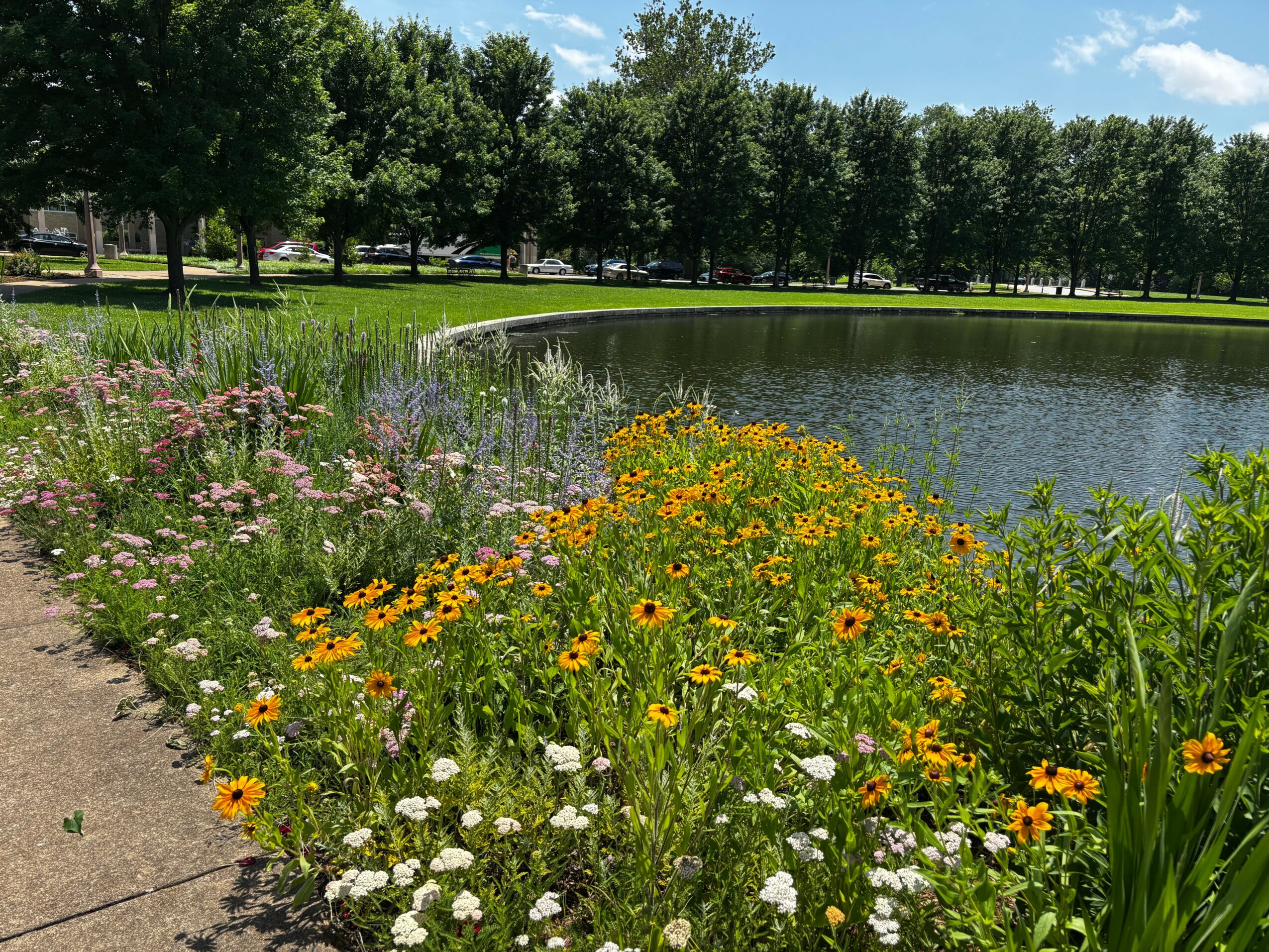
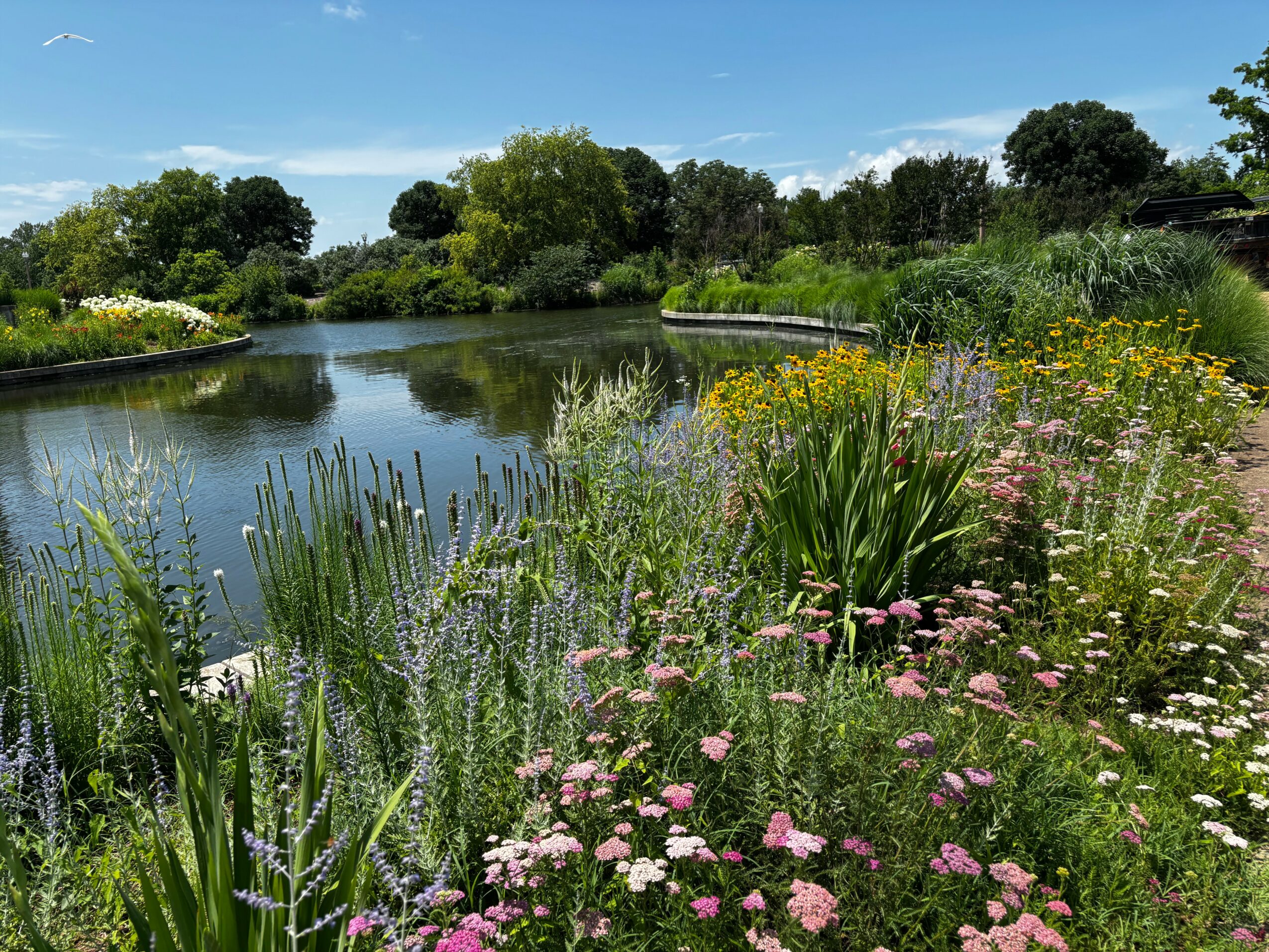
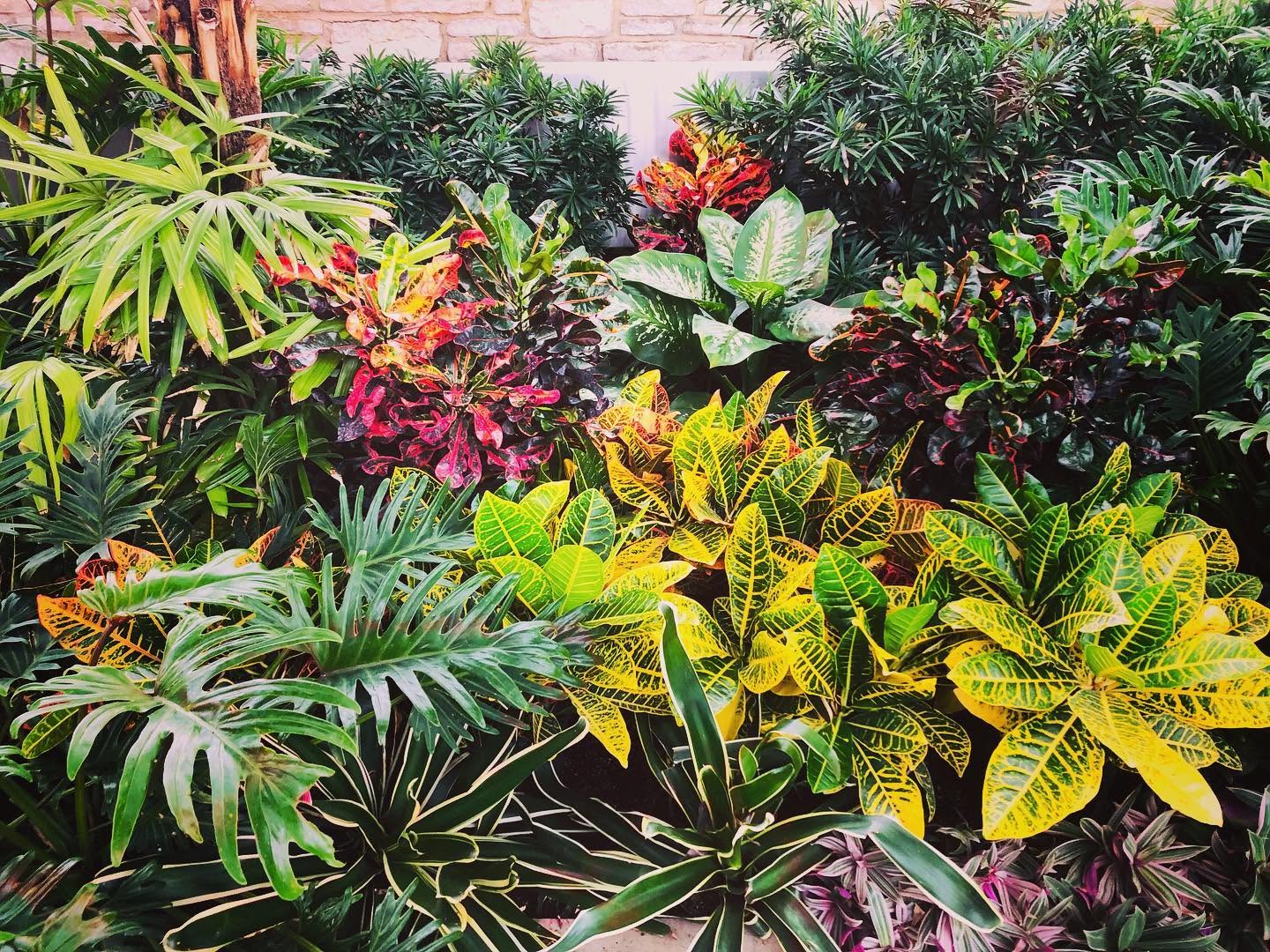
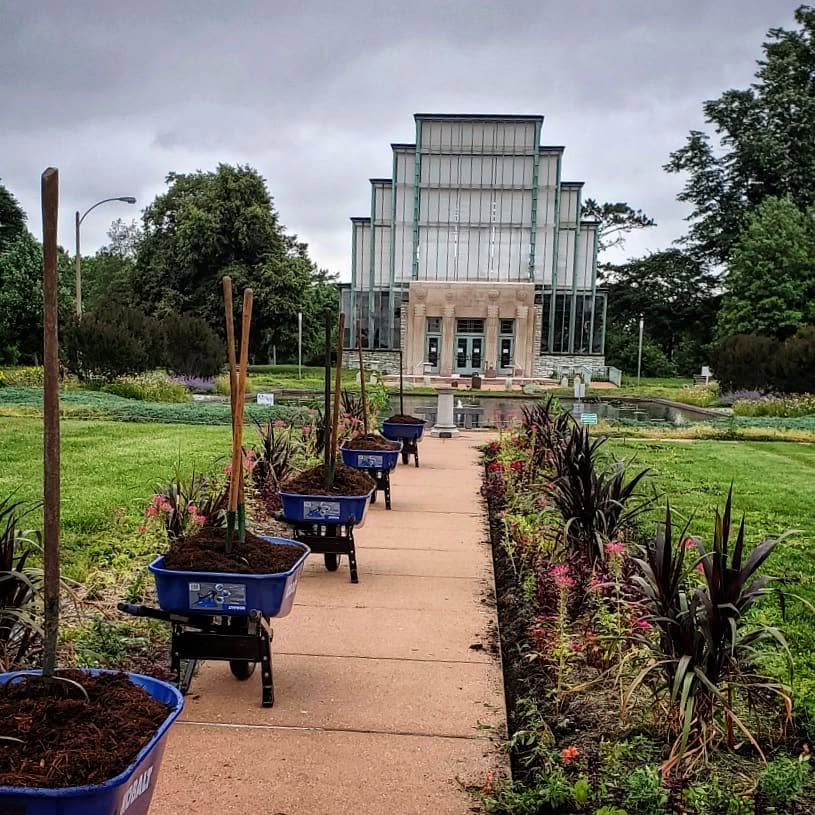
If you enjoy gardening, this is a wonderful opportunity to plant a variety of flowers and plants in several beautiful locations: the Jewel Box grounds, Pagoda Circle in front of the Muny Opera, the Cabanne House, and other small native and flowering beds throughout the city.
As a volunteer, you will also have the chance to learn while you garden. All volunteers receive on-site training provided by horticulturalists, arborists, and naturalists. Topics covered during the season typically include soil amendments and composting, plant nutrition, plant identification, installation and design, as well as arboriculture and pruning techniques.
Volunteering with the Flora Conservancy of Forest Park also offers the opportunity to spend time with fellow gardening enthusiasts, enjoy the outdoors together, exchange plant stories, and share valuable information and experiences. Not only will you gain knowledge and experience from your gardening efforts, but you will also help bring to life the visionary plans for Forest Park, a historical landmark of grand beauty that all visitors can appreciate and enjoy.
Alright, so let’s dig a little deeper into the story – has it been an easy path overall and if not, what were the challenges you’ve had to overcome?
Finding volunteers and raising funds for large-scale projects are the two main challenges facing the Flora Conservancy. Over the past 25+ years, Flora has benefited from a strong core group of volunteers; however, we are always in need of more help to maintain the gardens during the growing season. We welcome volunteers of all skill levels and abilities and are happy to collaborate with other groups or corporations looking to schedule a community service workday.
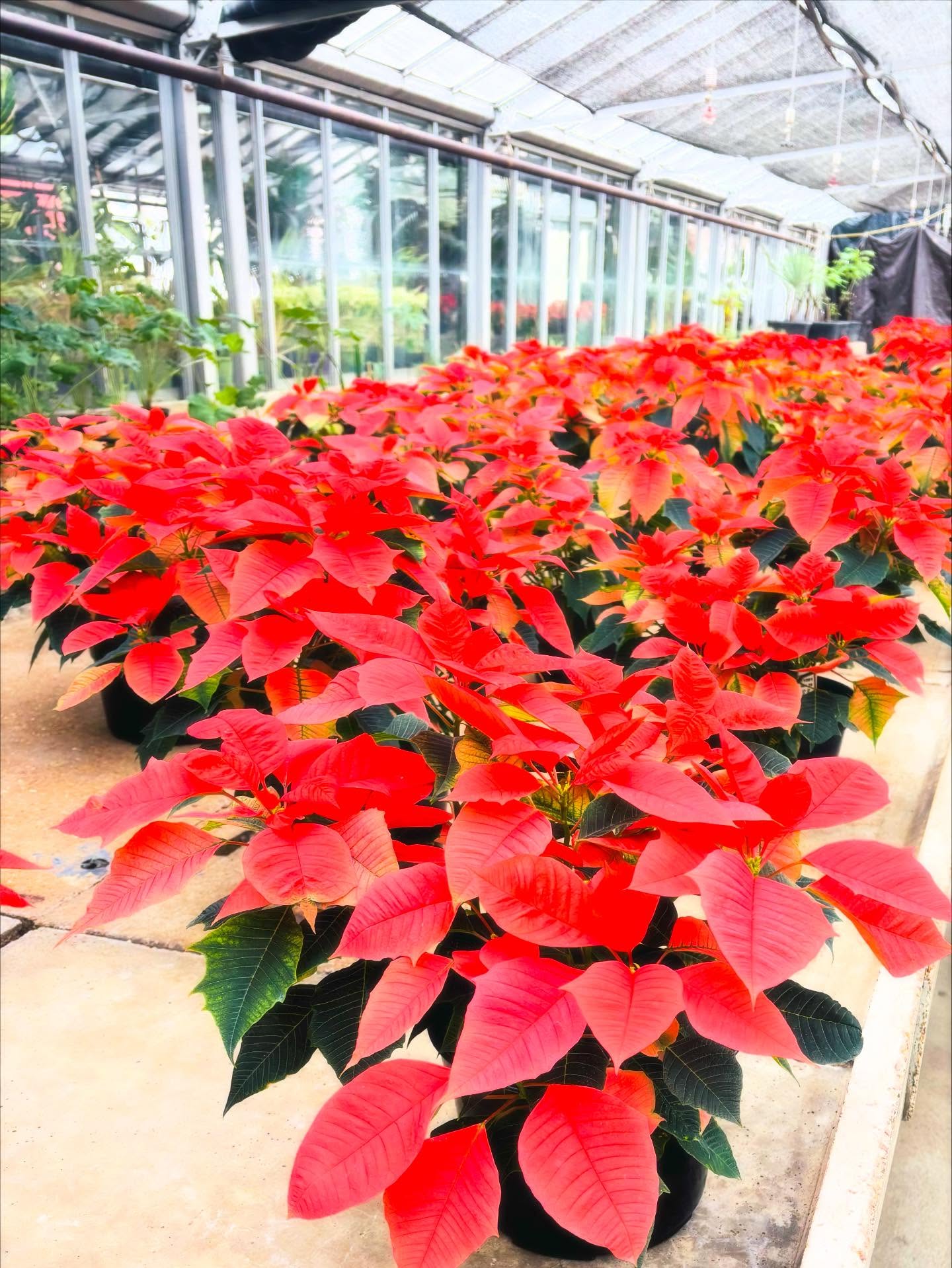
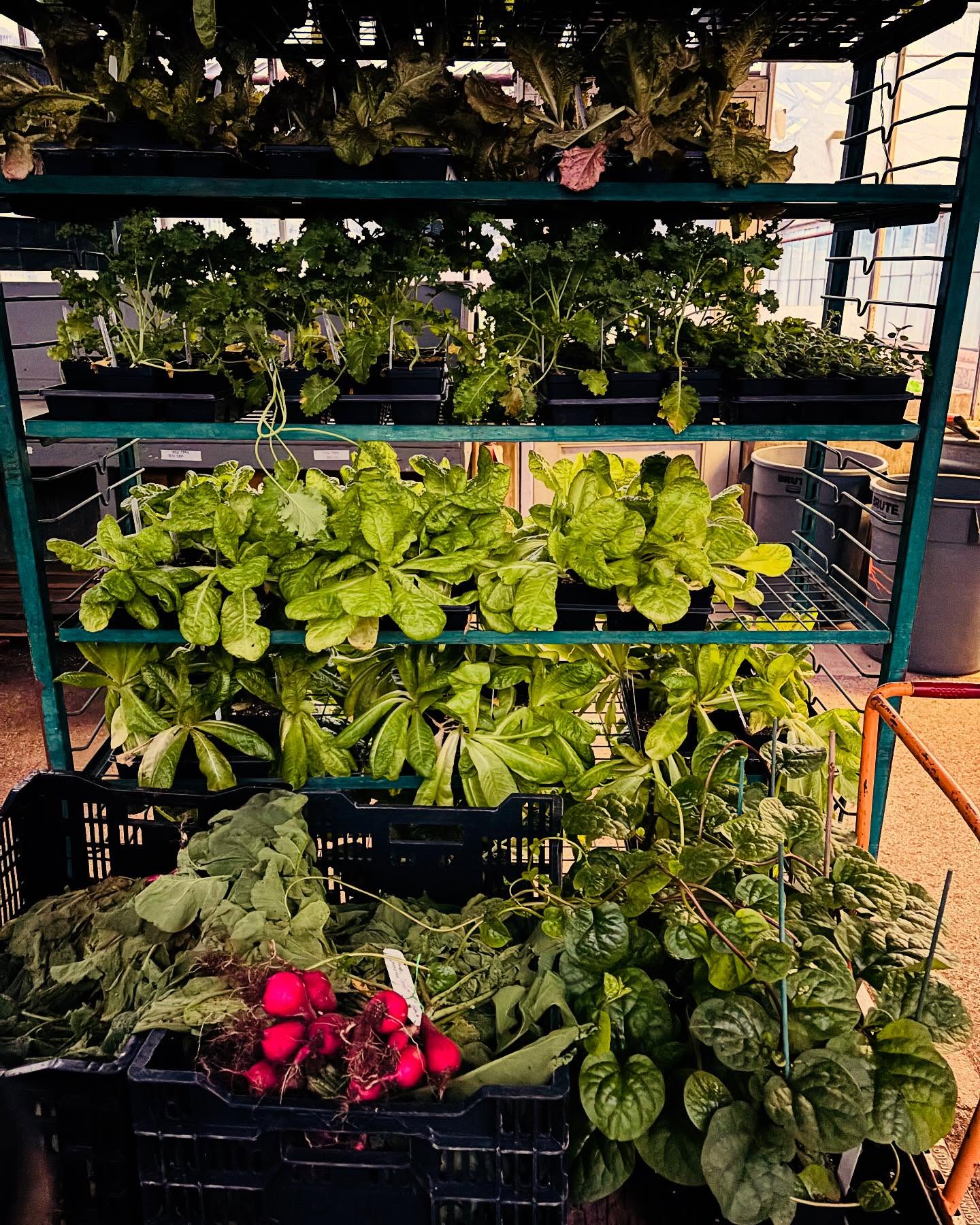
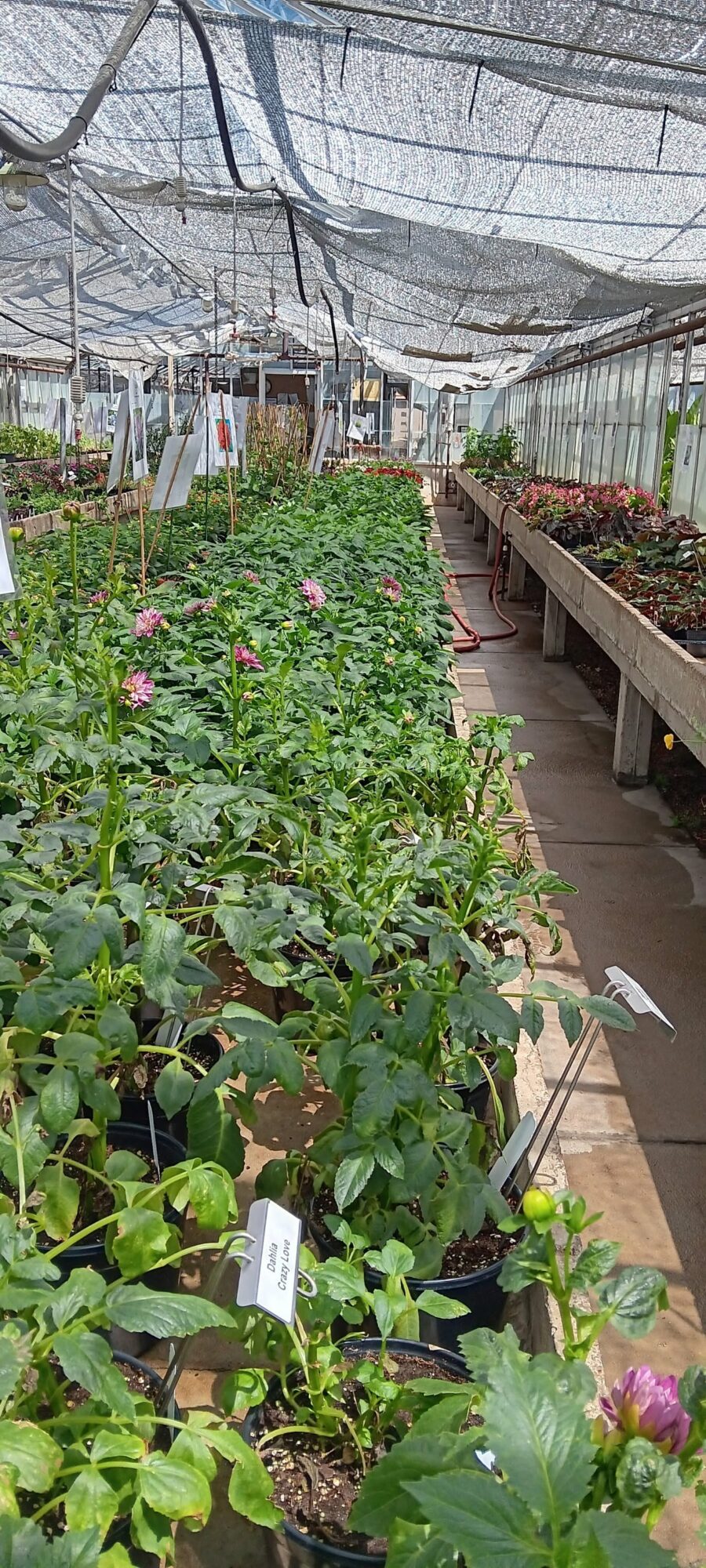
To volunteer, interested individuals may call our Volunteer Hotline at 314-53-FLORA (533-5672). Volunteer sessions are held on Tuesday, Thursday, and Saturday from 9:00 AM to 11:00 AM. In early spring, we work in the greenhouses, growing plants from seeds, cuttings, and plugs for use in the park and for our annual plant sale. This sale takes place on the Saturday of Mother’s Day weekend from 8:00 AM to 1:00 PM. After the plant sale, we move outdoors to install our annual displays, as well as weed and deadhead plants. In early fall, we remove annual plants and plant bulbs for the spring display. We take a break from mid-November until early spring.
Funds from the plant sale enable Flora to assist the city in purchasing plants, tools, and other supplies. Our ongoing challenge is raising money to renovate the greenhouses in Forest Park, which consist of 18 growing rooms, a head house, and storage. If you would like to contribute, please leave a message on the Flora hotline at 314-53-FLORA.
A brief history of the City of St. Louis Greenhouses:
Every day, over 140,000 cars pass by the City Greenhouses in Forest Park on Highway 64/40, evoking different memories. Many recall the annual plant sale hosted by city gardeners since the early 20th century, while others remember schoolchildren visiting to learn about gardening. Beyond these recent functions, the history of these greenhouses dates back to 1895.
In the 19th century, horticulture thrived as exploration peaked in Europe, prompting travelers to bring back plant specimens. This led to the development of Victorian glasshouse architecture, inspired by the Crystal Palace at the 1851 World’s Fair. As industrialization progressed, greenhouses became valuable spaces for respite from urban pollution.
The City Greenhouses in Forest Park primarily serve as a productive space. However, time and neglect have diminished their capabilities. Although city gardeners continue to grow plants within the greenhouses, broken glass panes and an outdated heating system limit their ability to produce and store enough plants for Forest Park, Lafayette Park, and the downtown gardens around City Hall. These limitations are keenly felt across the neighborhood parks in St. Louis, many of which consist of little more than a bare patch of grass. Therefore, restoring and maintaining these greenhouses is essential not only for preserving their historical significance but also for reinstating the pride the city once had in the community services these greenhouses provided.
As you know, we’re big fans of you and your work. For our readers who might not be as familiar what can you tell them about what you do?
Flora was founded in 1999 to assist the City of St Louis Horticultural staff in growing plants and maintaining display areas in the park. Our primary areas are the exterior of the Jewel Box and Pagoda Circle, which is the large garden in front of the Muny Opera. We also assist in other areas throughout the park and periodically work with our Flora volunteers in Lafayette Park.
We maintain data on programs, vendors, and participants; analyzes this data and submits reports. We coordinate meetings as a city representative by arranging locations, sending notifications, and preparing agendas. We train site personnel and provides technical assistance to service providers. We manage the volunteer service program, which includes supervising, training, and coordinating tasks. We review monthly reports for accuracy and assesses reimbursement requests, gathering and organizing data as needed. We plan and organize special events and programs. Occasionaly we edit the newsletter and provide office support for grants. Occasionaly we supervise summer interns and perform other assigned duties. We monitor program participants to ensure quality service and assess additional needs. We oversee program operations to ensure compliance with grant stipulations. We review documents issues with vendors, sites, and programs, reporting emergencies and working to resolve problems. We provide ongoing support to program participants to identify gaps in services and reports any emergency situations. We facilitate various focus groups.
Before we let you go, we’ve got to ask if you have any advice for those who are just starting out?
Whether you’re a seasoned gardener or just starting out, joining a volunteer group is an excellent way to gain hands-on experience and learn from trained horticulturists and fellow volunteers.
Gardening presents both ongoing opportunities and challenges due to trends, changing climates, and new pests. Spending time with a gardening volunteer group is a fantastic way to learn how to address these issues.
Start small and seek advice from other gardeners. Once you’ve gained some experience and knowledge, you can expand your gardening efforts.
Pricing:
- 4 inch pots $4
- 6 inch pots $6
- 9 inch pots $9
- all others are tagged
Contact Info:
- Website: https://floraconservancy.org/
- Instagram: @floraconservancystl
- Facebook: https://www.facebook.com/flora.conservancy.forest.park
- Other: https://www.stlouis-mo.gov/government/departments/parks/floraconservancy/index.cfm