Today we’d like to introduce you to Chase Landers.
Hi Chase, it’s an honor to have you on the platform. Thanks for taking the time to share your story with us – to start maybe you can share some of your backstory with our readers?
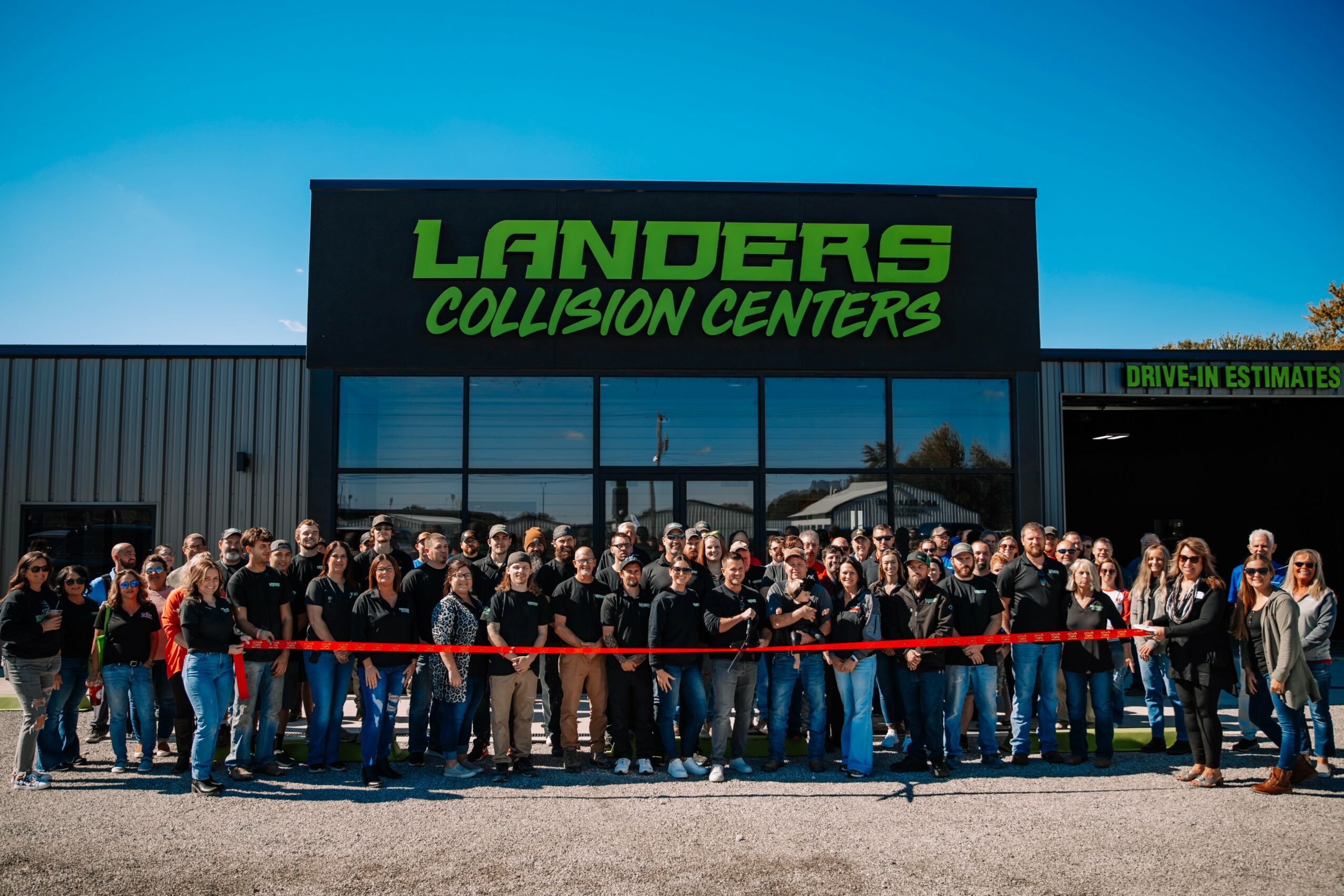
Landers Towing and Collision Centers has proudly served Southern Illinois for more than 35 years. What began as a small family operation has grown into a seven-location network — but the roots of the company are humble and deeply personal.
The story began in a family pole barn, where Roy Landers repaired vehicles by hand. Those early days weren’t about expansion plans or advanced certifications — they were about craftsmanship, grit, and providing for family. While Roy worked on damaged vehicles, his son, Chase Landers, was often nearby shooting basketball on a hoop set up next to the work area. Collision repair and family life weren’t separate — they happened side by side.
From the very beginning, the Landers family understood that this business wasn’t just about fixing cars. It was about serving people during stressful moments. When someone walks into a shop after an accident, they aren’t just looking for repairs — they’re looking for clarity, trust, and reassurance. That mindset shaped the foundation of the company.
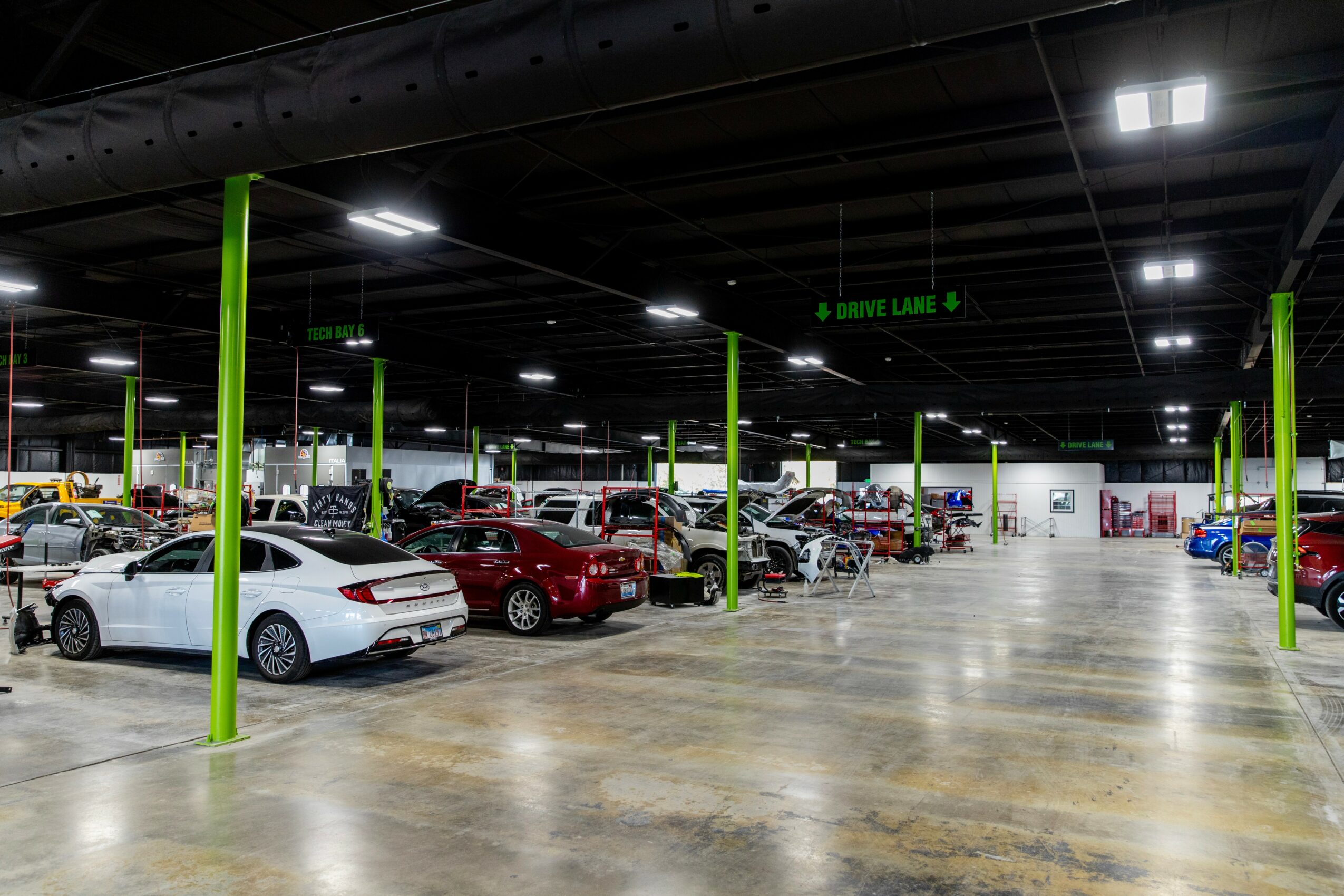
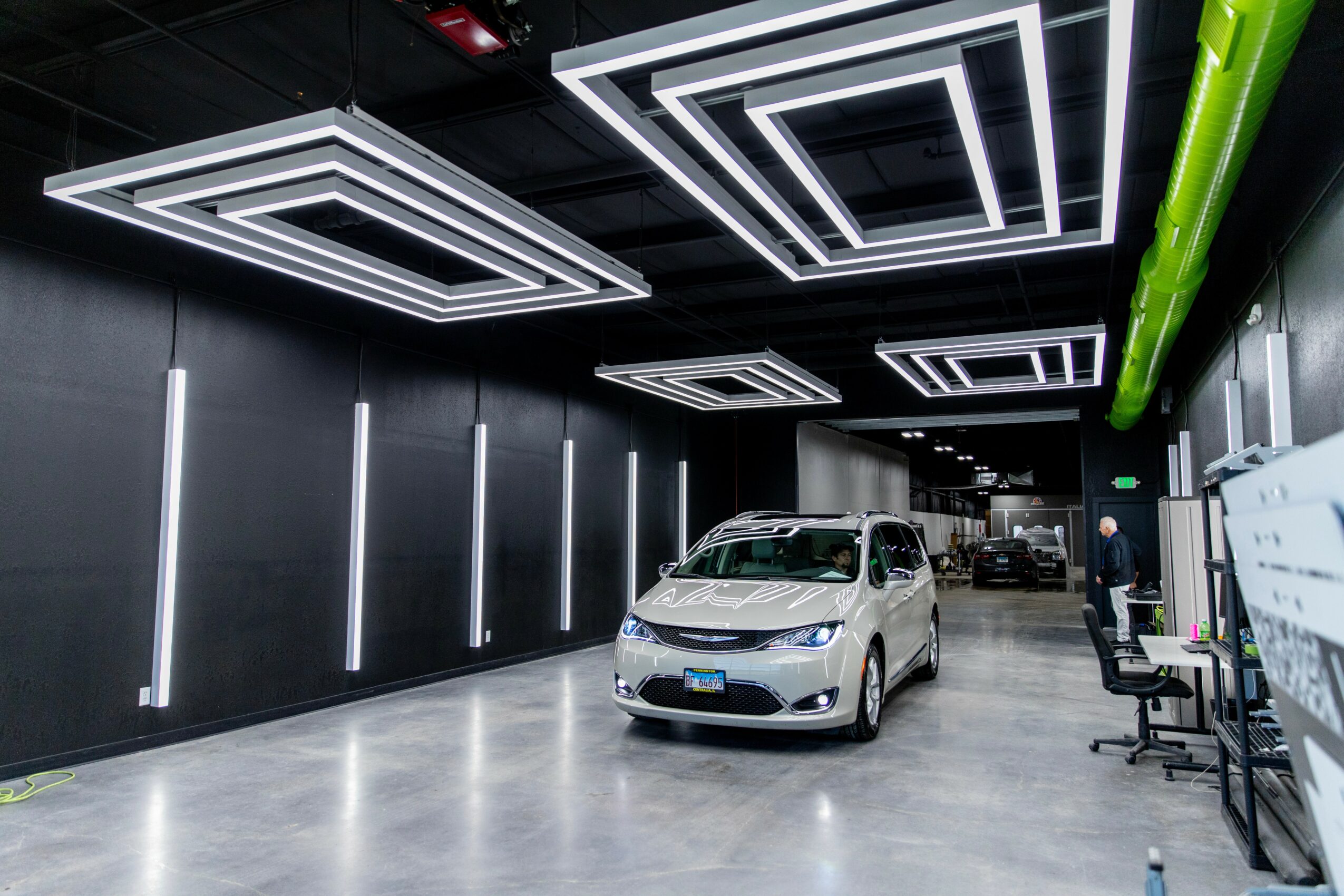
In the early years, the focus was towing and traditional body repair. As vehicles evolved, so did the family’s commitment to staying ahead of the curve. Rather than resist industry changes, Landers reinvested continuously — upgrading facilities, training technicians, and aligning with OEM repair procedures as vehicles became more technologically advanced.
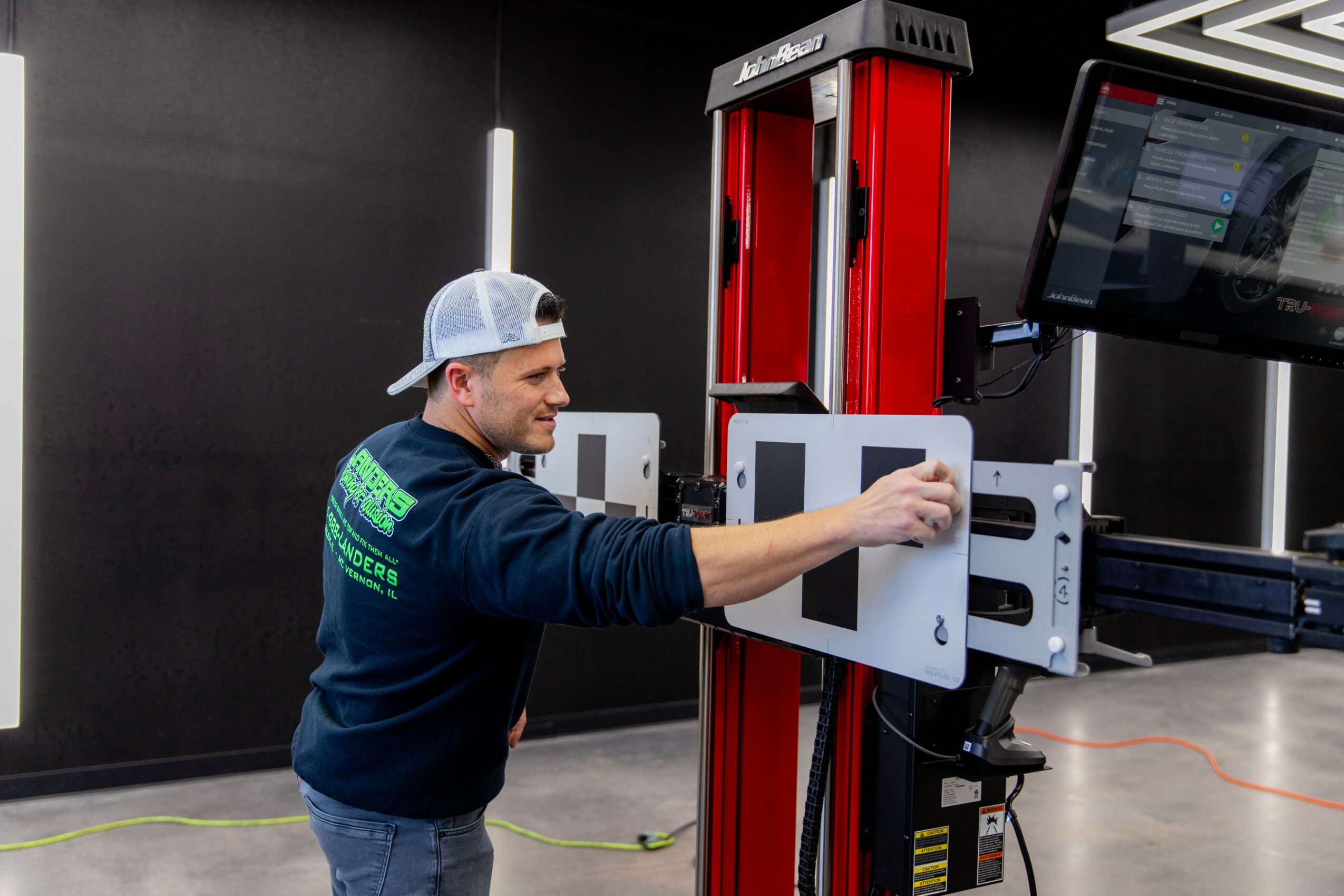
Growth was steady and disciplined. What started in a pole barn eventually expanded into seven locations across Southern Illinois. As modern vehicles introduced aluminum construction, ADAS systems, complex electronics, and calibration requirements, Landers made a clear decision: repairs would follow manufacturer standards, not shortcuts.
Today, the organization operates as a regional network while still maintaining its family-led culture. Many team members have built long-term careers within the company, reinforcing the same work ethic and accountability that existed in that original pole barn.
More than three decades later, the mission remains unchanged: repair vehicles the right way and protect the families who drive them.
From a single work bay and a basketball hoop to a seven-location collision network — the story is rooted in family, built on standards, and still moving forward.
Alright, so let’s dig a little deeper into the story – has it been an easy path overall and if not, what were the challenges you’ve had to overcome?
It hasn’t been a smooth road — and in many ways, the challenges are what shaped the company.
Like most small family businesses, the early years were defined by uncertainty. Cash flow was tight. Equipment was limited. Growth decisions carried real risk. Expanding from a single operation into multiple locations meant betting on the future — hiring ahead of revenue, investing in facilities before knowing the return, and navigating economic cycles that hit small businesses hard.
One of the biggest challenges has been the rapid evolution of vehicle technology. Collision repair today looks nothing like it did 20 years ago. Modern vehicles are equipped with advanced driver assistance systems (ADAS), complex electronics, aluminum and mixed-material construction, and manufacturer-specific repair procedures. Staying current required substantial investment in training, tooling, and calibration equipment — long before many insurers or customers fully understood why those investments mattered.
There have also been industry pressures. Labor shortages have made it difficult to find and retain skilled technicians. Insurance reimbursement models don’t always keep pace with the increasing complexity of proper repairs. Balancing profitability with doing repairs the right way has required discipline and conviction.
Expansion itself brought growing pains. Maintaining culture across multiple locations is never automatic. As the organization grew, leadership had to be intentional about protecting the family-first atmosphere that started in that original pole barn. Systems had to mature. Accountability had to increase. Standards had to be documented and enforced consistently.
Economic downturns, supply chain disruptions, parts delays, and shifts in consumer behavior all added additional layers of complexity over the years.
But each obstacle reinforced the same lesson: growth without standards isn’t sustainable. The company’s ability to adapt — without compromising repair integrity — is what allowed it to move from a single family shop to a seven-location regional network.
It hasn’t been smooth. It’s been earned.
And in many ways, the challenges built the resilience that defines Landers today.
Thanks for sharing that. So, maybe next you can tell us a bit more about your work?
I lead Landers Towing and Collision Centers. My role isn’t just operational — it’s strategic. I focus on positioning our organization ahead of where the industry is going, not where it’s been.
I’m probably most known for pushing standards higher — sometimes uncomfortably higher. I believe in building an organization that is disciplined, accountable, and constantly improving. That mindset shapes how we invest, how we hire, and how we develop our people.
What I’m most proud of isn’t the number of locations — it’s the team. We’ve built careers here. We’ve developed leaders internally. We’ve taken people who started in entry-level roles and watched them grow into specialists and managers. Culture matters to me. Standards matter to me. And those two things have to coexist.
What sets us apart is that we’re not reactive. We’re proactive. We’re building systems, leadership, and infrastructure today for what collision repair will look like five and ten years from now. Growth for us has never been about volume alone — it’s about building something sustainable and respected.
I grew up in this business — from a pole barn shop to a regional network — and that perspective keeps me grounded. At the end of the day, every vehicle we repair represents someone’s livelihood, someone’s family, someone’s safety.
That responsibility drives everything we do.
Can you talk to us about how you think about risk?
I don’t view myself as reckless, but I do believe in calculated risk. Growth doesn’t happen without it.
Expanding from one location to seven was a major risk. Each acquisition required capital, hiring ahead of revenue, upgrading equipment, and trusting that our systems and culture would scale. There were no guarantees — only conviction and preparation.
I think risk should be data-driven, not emotional. If the fundamentals are strong, the team is right, and the long-term vision makes sense, I’m willing to move decisively.
To me, the biggest risk isn’t expanding — it’s standing still while the industry evolves around you.
Contact Info:
- Website: https://www.landersauto.com