Today we’d like to introduce you to Jason Gray.
Alright, so thank you so much for sharing your story and insight with our readers. To kick things off, can you tell us a bit about how you got started?
I signed with my first gallery when I was 19 years old, just after moving to Chicago (I am from the St. Louis area and lived in Dutchtown as a child). For most of my twenties, my production as an artist was in drawing and painting, which is what I exhibited. During this time, I started using the camera as a creative way to earn a living, as a portrait, event and wedding photographer.
At 29, I moved back to St. Louis and found a job at the Saint Louis Art Museum as the photography studio manager. The atmosphere of the museum was an important incubator for how I thought about photography and its merits as an art form. My interest in using the camera to earn a living waned as my desire to explore its creative potential grew. Eventually, I left the museum to complete a bachelor’s degree in photography.
In 2012, I founded an organization for photographers in St. Louis called Photo Flood Saint Louis. The mission of this organization is to provide opportunities for photographers in the metropolitan area to build relationships and networks (both professional and personal), to learn new skills and develop new ideas, and to deepen their understanding of this place where we all live. Photo Flood Saint Louis did this by walking all 79 neighborhoods in the city of St. Louis (in defiance of many of the more negative stereotypes about the city). PFSTL has also been both partner and witness to several city milestone events during the intervening years, including the city’s 250th anniversary, the opening of Ballpark Village and the Cardinals Hall of Fame, the inaugural Northside Trap Run, and so many more. The result has been some 85,000 pictures from nearly 700 member-photographers — perhaps the most comprehensive summary of the city in this era.
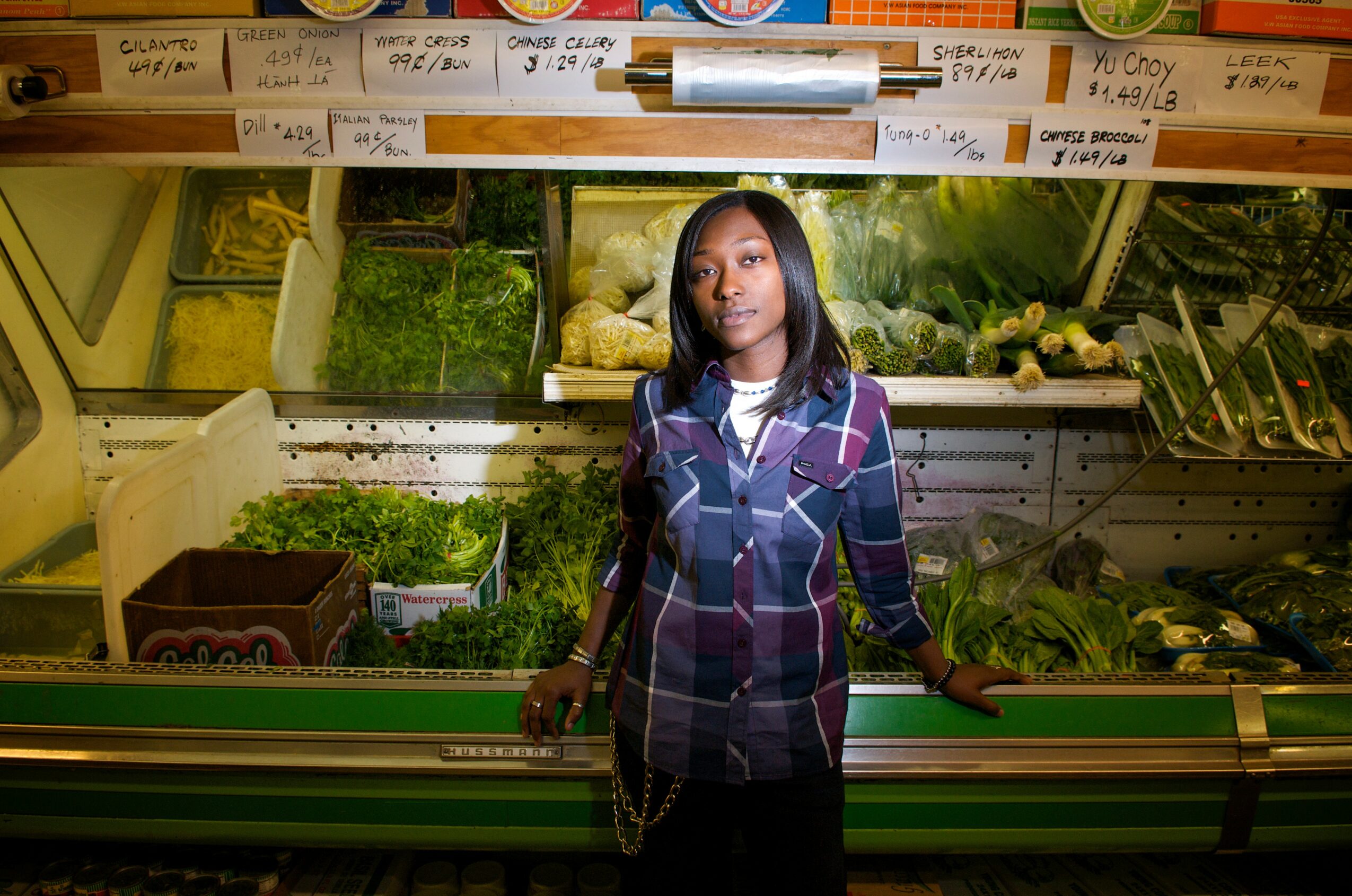
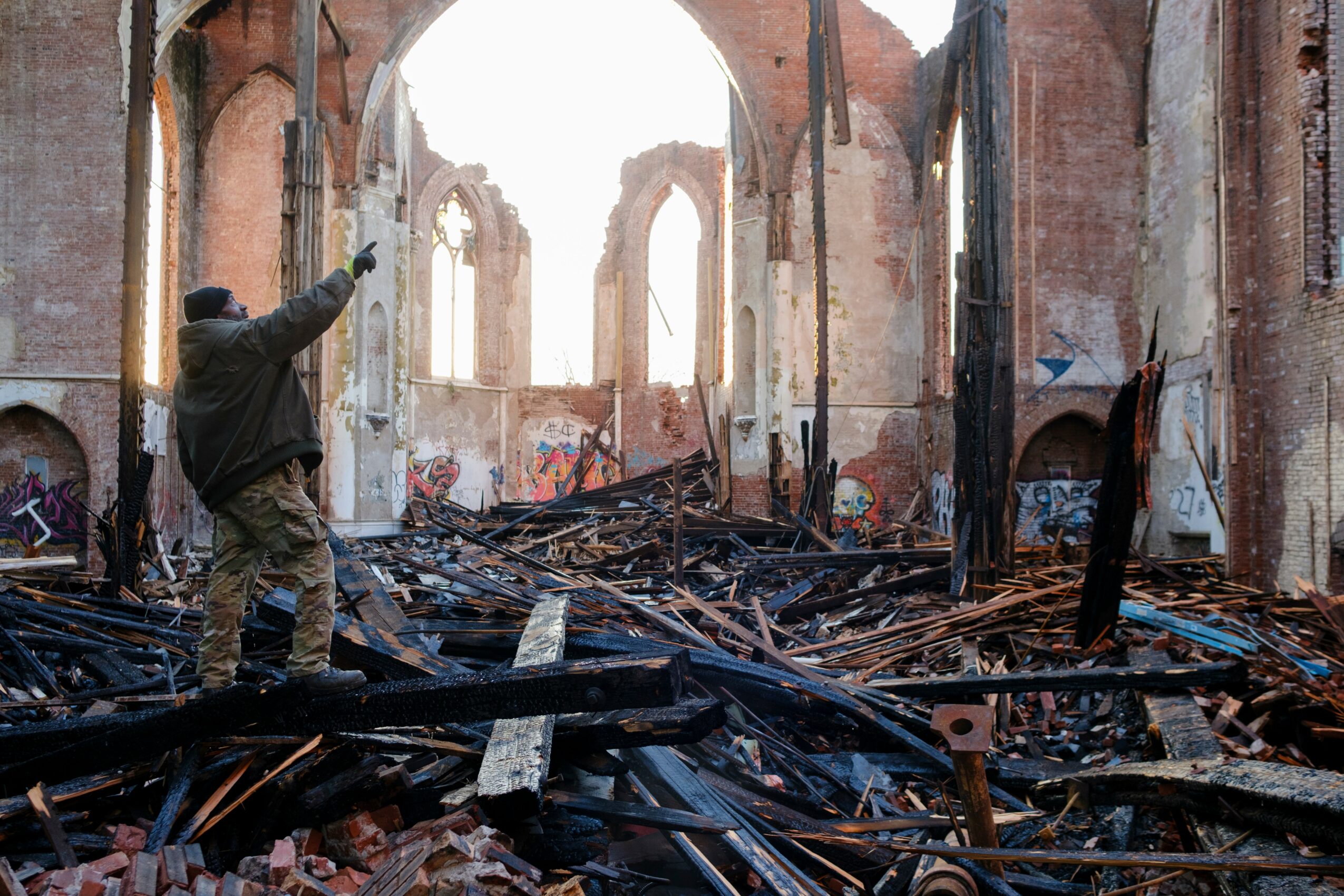
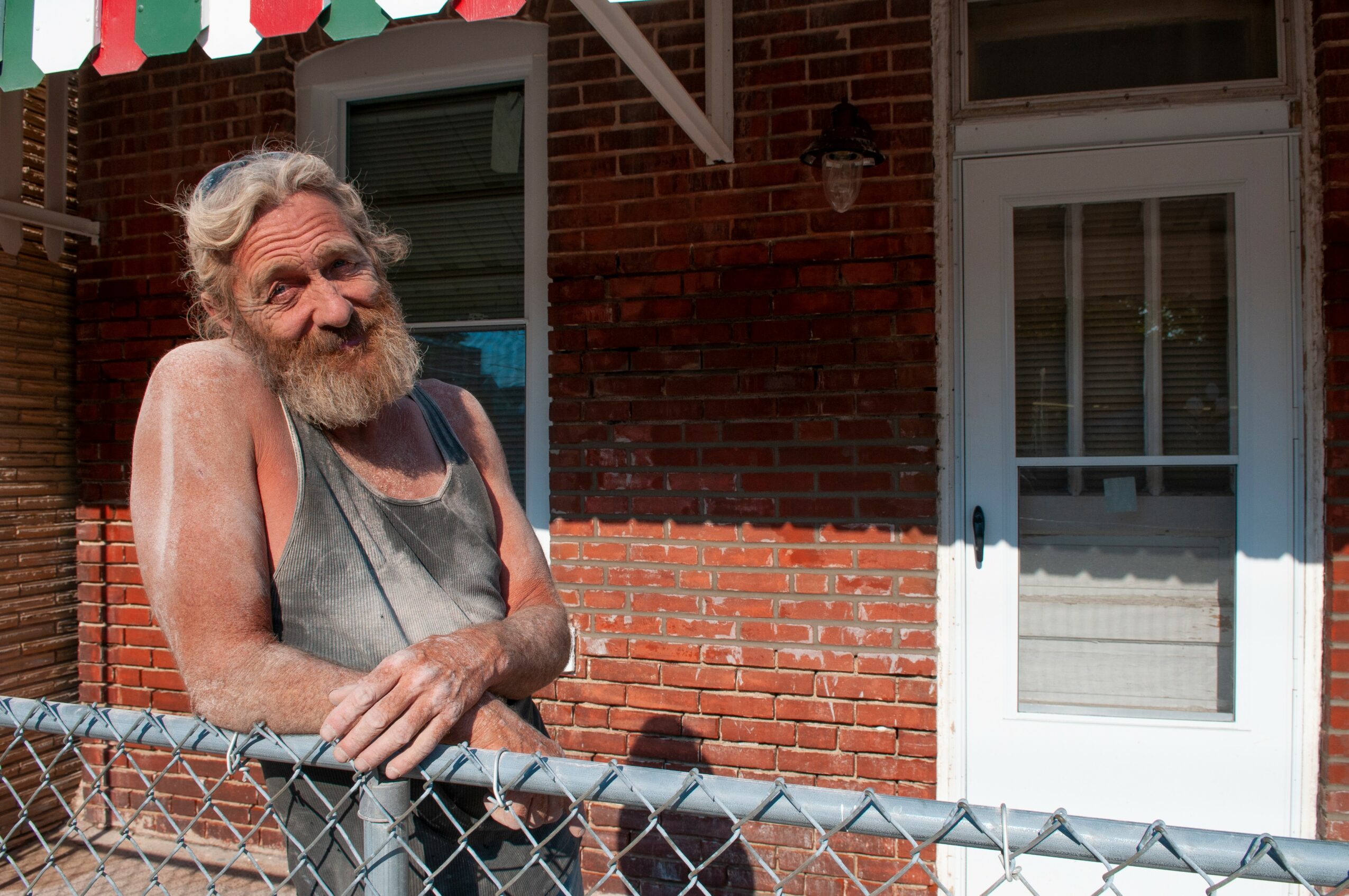
Parallel to my involvement with this organization, I began to refine my practice in photography and concentrate on several bodies of work. In 2022, one of these series was published as my first monograph, titled “Mound City Chronicle”. This series focuses on the city of St. Louis (Mound City was an early nickname) and is currently on display at St. Louis-Lambert International Airport through the end of 2025. Earlier this year, another series, called “Does a parasite know that it’s a parasite?” was published as my second monograph. This body of work explores concepts related to human impact. All of my work can be described as post-documentary in style, which is to say that its alignment is more personal storytelling than straight documentation. I see my work as being semi-autobiographical in the sense that the perspectives of the camera and the photographer are not easily separated. In 2019, I returned to a role at the Saint Louis Art Museum, where I currently work as the Image Rights Manager.
Alright, so let’s dig a little deeper into the story – has it been an easy path overall and if not, what were the challenges you’ve had to overcome?
My progression in the arts in St. Louis has been a bit of everything, everywhere, all at once.
Simultaneous to my development as an artist, I became a father to two wonderful boys — a challenge particular and familiar to any other artists raising a family. My first son was born while I was still completing my degree in photography, when Photo Flood Saint Louis was in its infancy as well. Being a dad, going to school, and forming an organization meant long hours, none of which made any income. I worked nights and weekends as a security guard because it was the only time that I had available. After college, I took on the role of Director of Exhibitions at the freshly opened International Photography Hall of Fame and Museum in Grand Center (now closed physically), and began teaching courses in photography at St. Louis Community College. Eventually, I was hired as the curator for the newly formed The Dark Room, a photo gallery managed by the Kranzberg Arts Foundation. I curated exhibitions for this venue for the first several years of its existence, including during its transition to a new (and current) location. Around this time, my second son was born and I remember installing countless shows with him in a harness on my chest while I worked.
This curious mix of roles (directing a photo organization, being a photo curator, teaching photography, and exhibiting as an artist) provided lots of opportunity to help and mentor other artists and photographers, which I always tried to maintain time to do. It is almost humorous now, looking back, that at the same time that I was trying to expand and grow my own artistic practice, I was doing everything I could to do the same for others.
Having all of this happening at the same time was stressful, but also invigorating. I learned how to plan, prioritize and project manage out of sheer necessity, which have become skills essential to my practice as an artist.
Thanks – so what else should our readers know about your work and what you’re currently focused on?
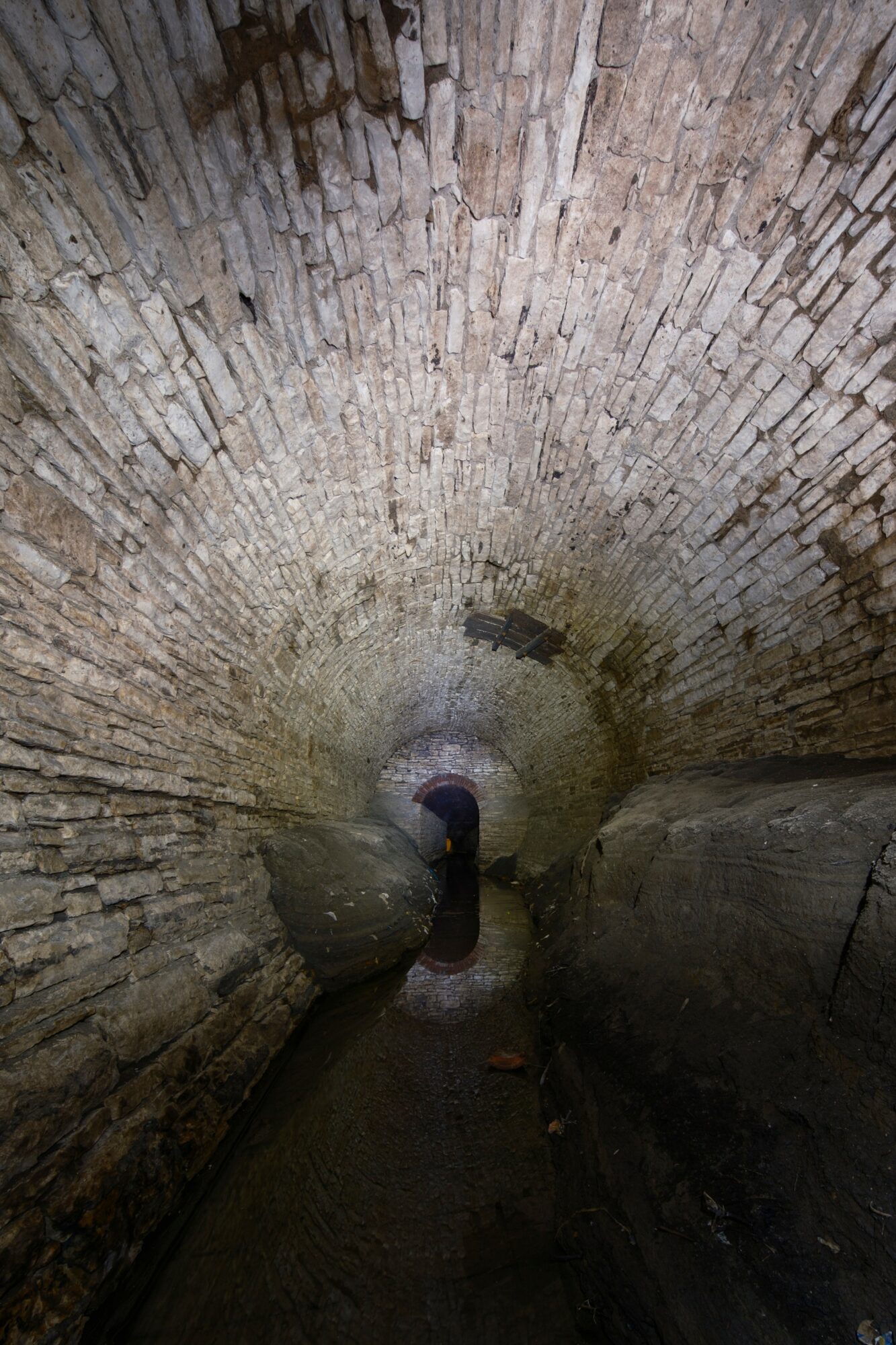
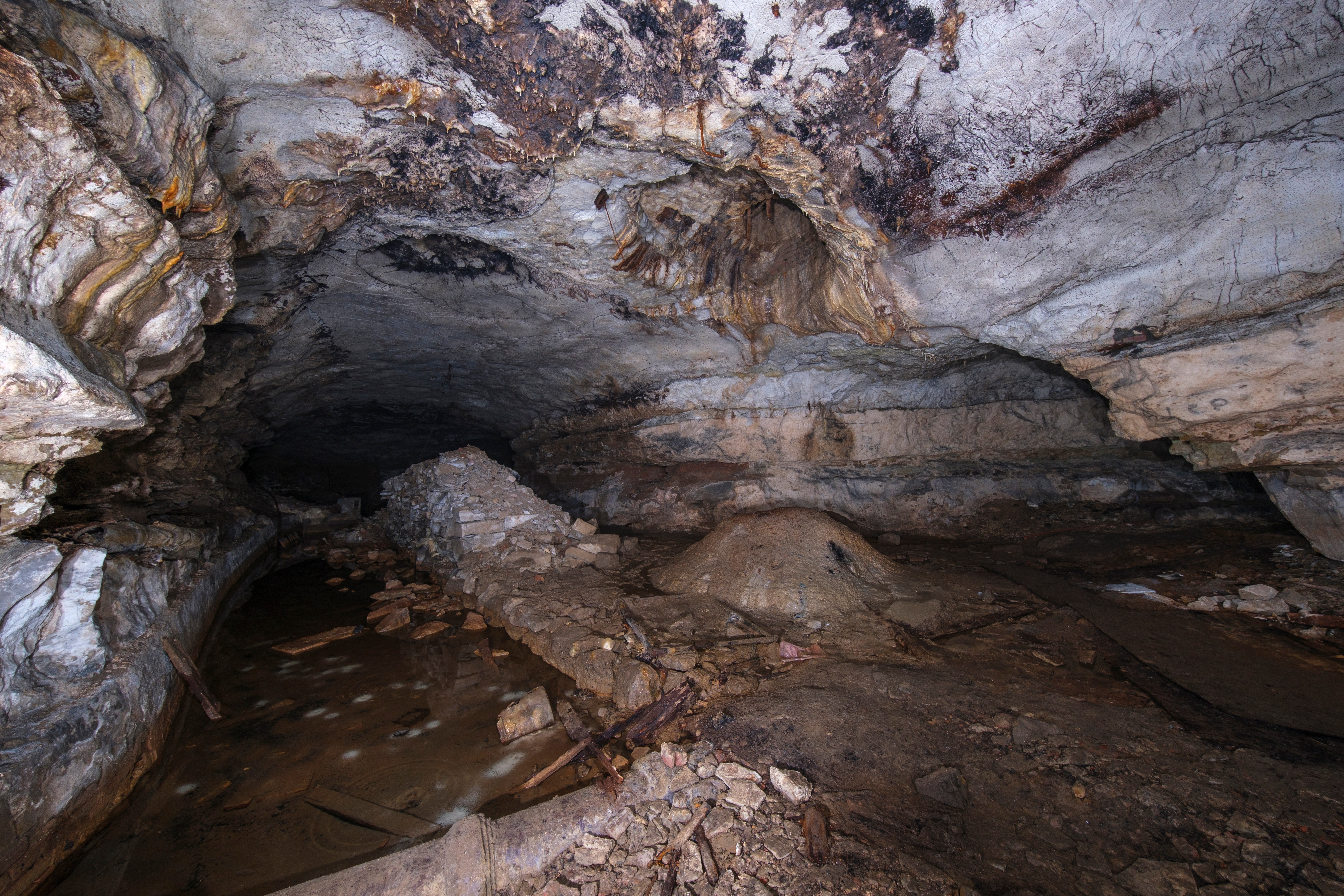
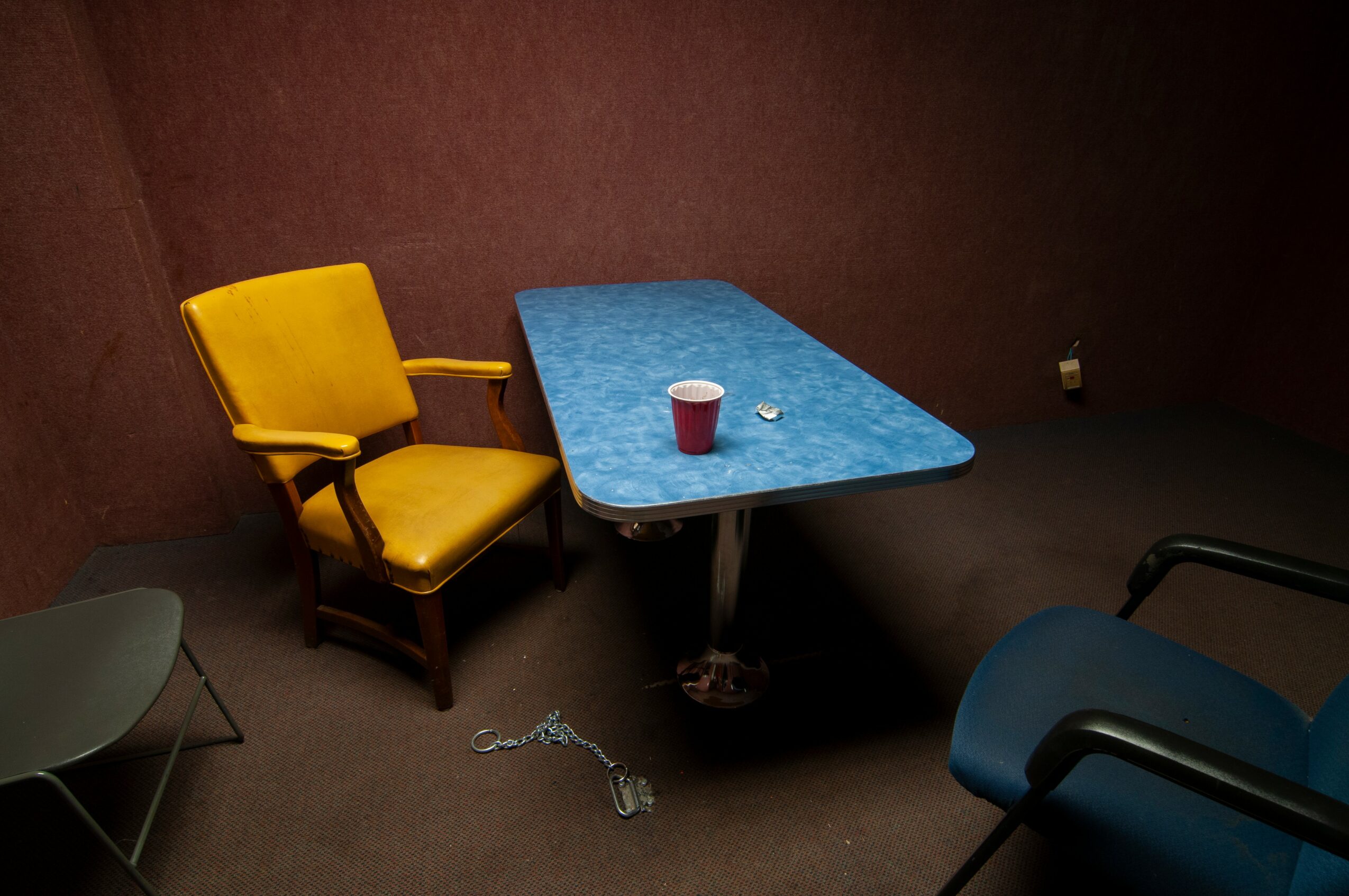
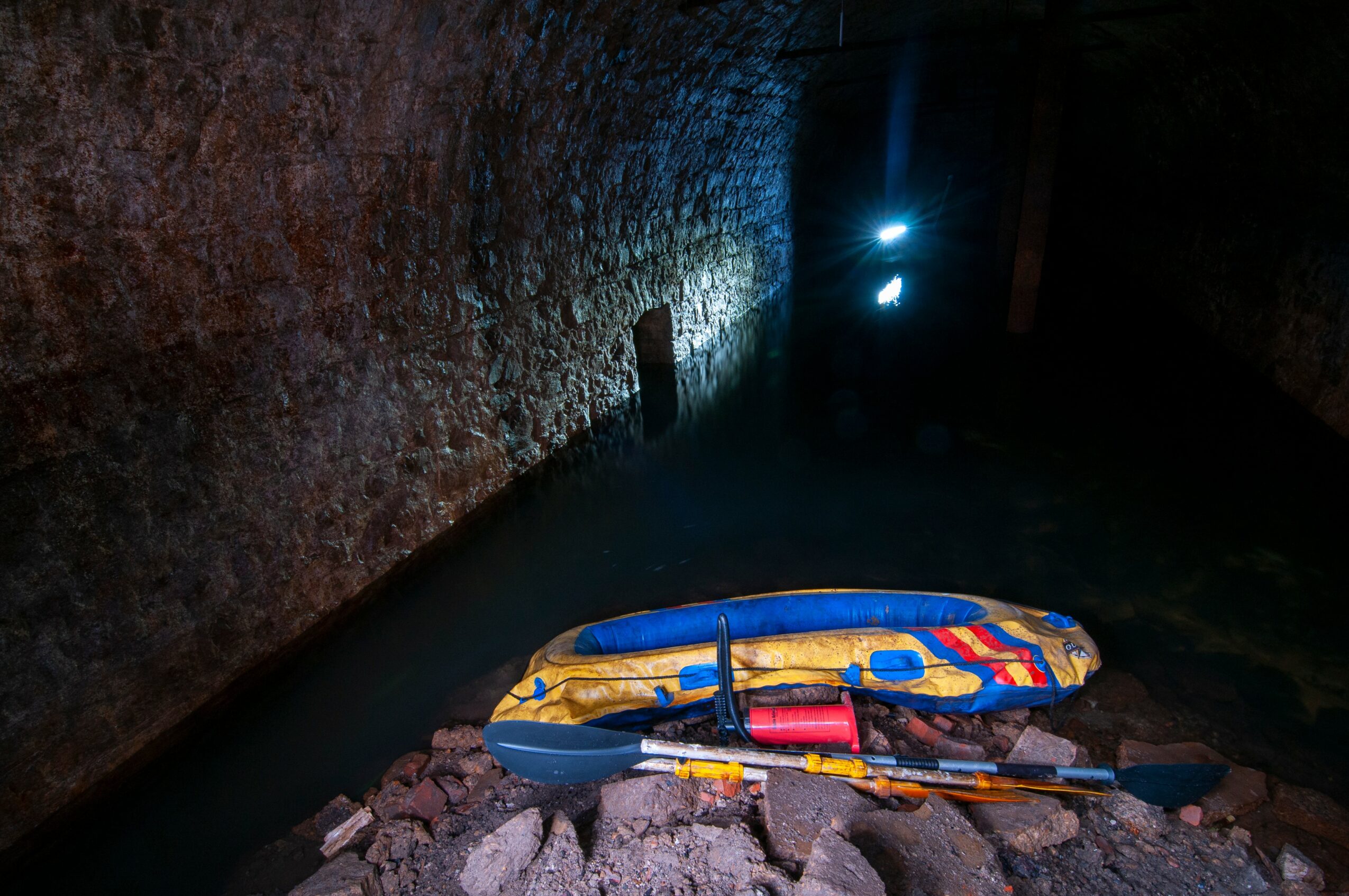
One of the things that sets me apart from other artists in St. Louis, and probably what I am most known for, is my work photographing in the restricted locations that I am able to gain access to. Over the years, I have photographed (with permission!) the Lemp Cave, from the roof of the Saint Louis Art Museum, the Herbarium at the Missouri Botanical Gardens, inside an interrogation room at the St. Louis Metropolitan Police Headquarters, in sewer tunnels under Forest Park, a secret research brewery hidden within Anheuser-Busch, and more.
Probably the craziest story of all of my adventures was when I found myself submerged up to my knees in mud and debris upon an island of rubble, while surrounded on all sides by a subterranean lake sixty feet below Cherokee Street. Though, it was in this location that I refined the unique light painting technique that I still use to create images in locations with no natural light. One of my proudest achievements was in assisting to bring the story of a long-forgotten and abandoned sewer to life. This sewer, one of the first public works projects in St. Louis history, would have been the oldest public sewer construction in the United States had the project not encountered a large deposit of quicksand, deep under downtown, which proved insurmountable.
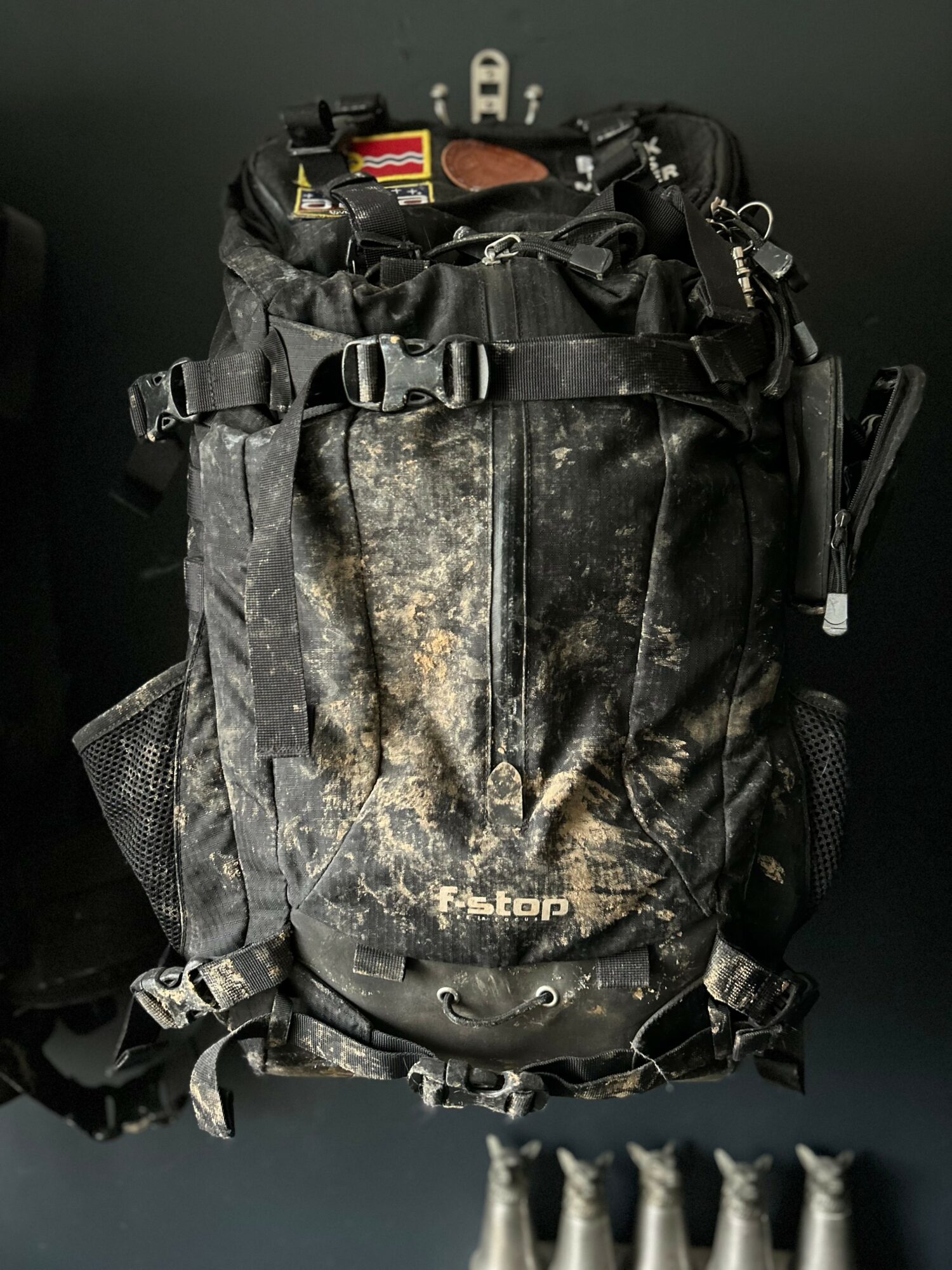
The work that I do is often dirty work, as evidenced by the crusty patina of my camera pack.
What would you say have been one of the most important lessons you’ve learned?
In addition to hardcore multitasking, the most important lesson that I’ve learned along the way is that every artistic practice is a partnership at its core — a partnership with other artists and storytellers whose work nurtures and pushes my own, a partnership with the community that trusts and enables me to tell their stories (even as I explore my own), and a partnership with friends and family, without whose support I would not be able to dedicate the time to pursue the creation of work.
Contact Info:
- Website: https://cargocollective.com/jasongray
- Instagram: @grayphotostl