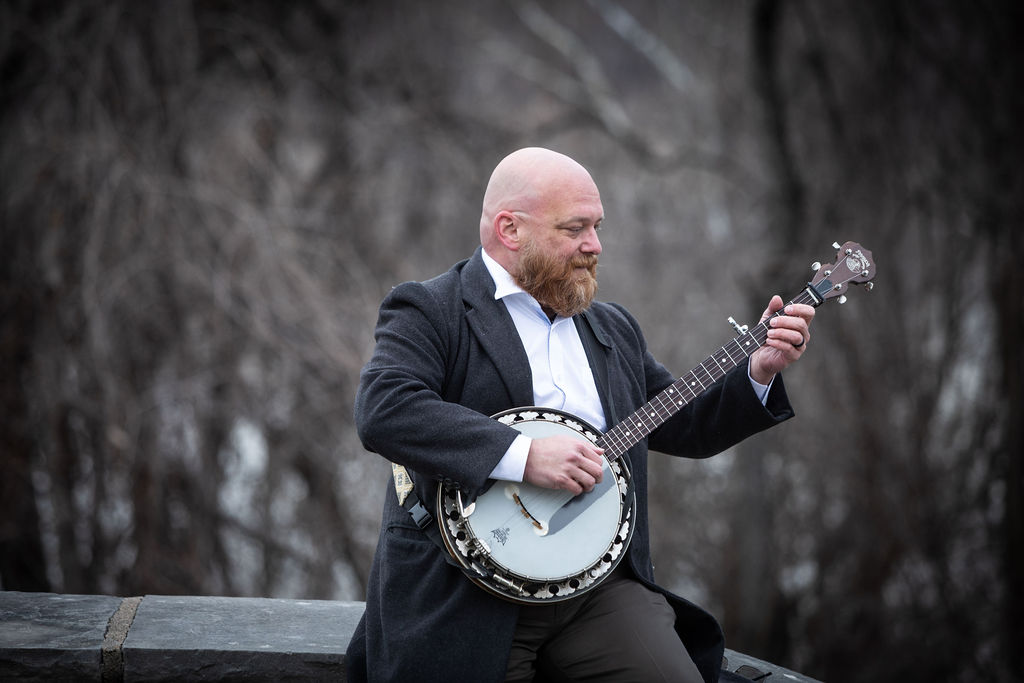
Today we’d like to introduce you to Brian Lee Bauer.
Hi Brian Lee, thanks for sharing your story with us. To start, maybe you can tell our readers some of your backstory.
I was introduced to music when I was about three years old by my grandfather, who played ukulele. By the time I was 10, my mother had bought a beat-up antique upright piano and spent weeks restoring it by hand in our garage. Watching her put that much work into an instrument had a pretty profound effect on me. Once it was finished, I started taking piano lessons and never really stopped making music.
I started performing regularly around age 11 and taught my first paying guitar lesson when I was 13. By high school I knew music was going to be a lifelong part of my life, although I wasn’t particularly interested in becoming a music teacher. In fact, I spent a lot of my young adulthood trying to figure out how not to make music my full-time career.
Psychology became equally important to me. After a classmate and fellow band member died by suicide during my junior year of high school, I trained as a volunteer for Kids Under Twenty-One, a St. Louis suicide-prevention organization. I was 16 when I took my first hotline shift. That experience had a lasting effect on the way I think about people, mental health, confidence and the role music can play in our lives.
For years I bounced between jobs, played in bands, wrote and recorded music, taught here and there, and took a very long route through college. Eventually a couple of friends asked me to teach their kids ukulele. That little side hustle kept growing. Two students became four, four became eight, and before I knew it I had built a business.
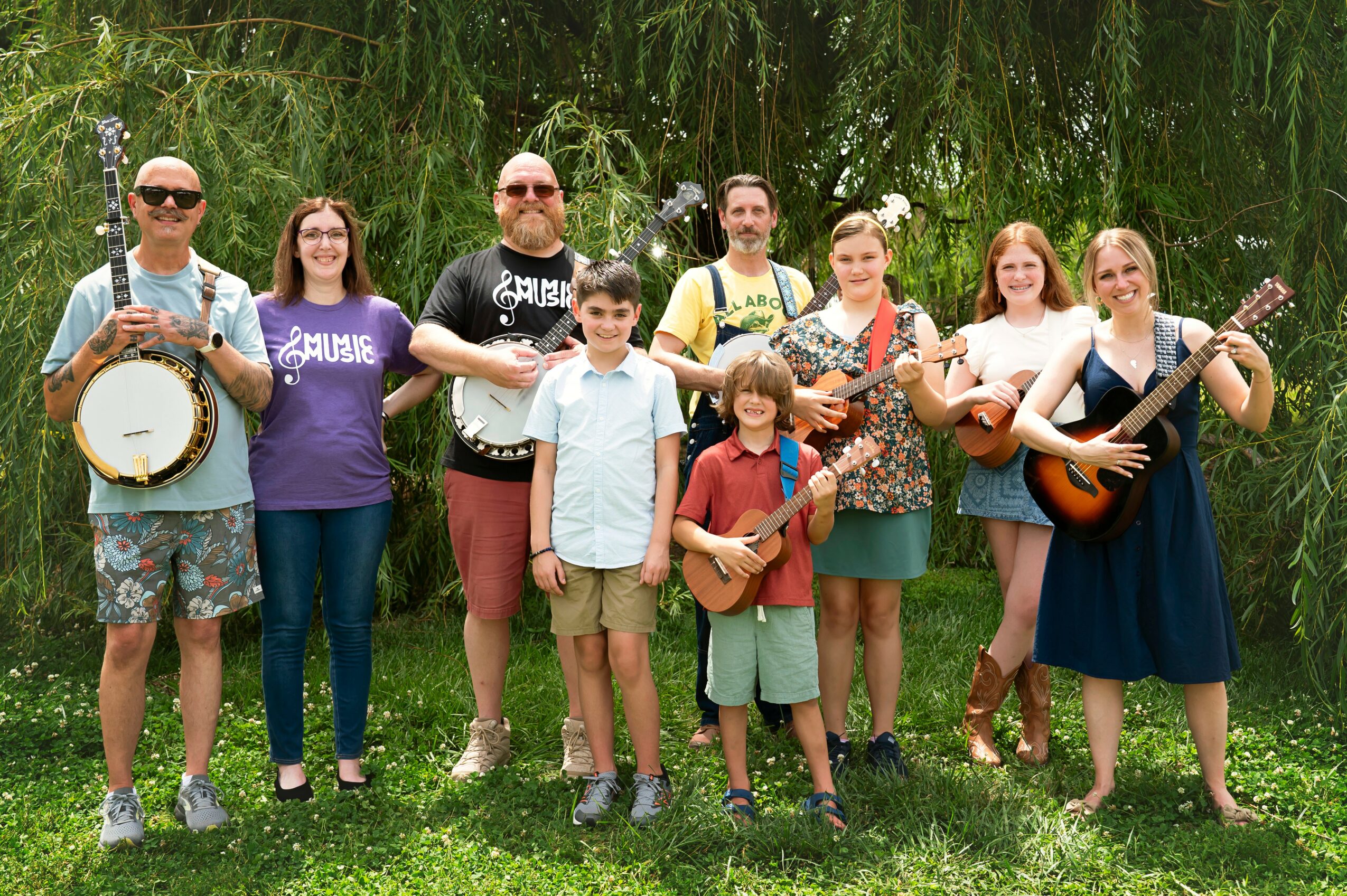
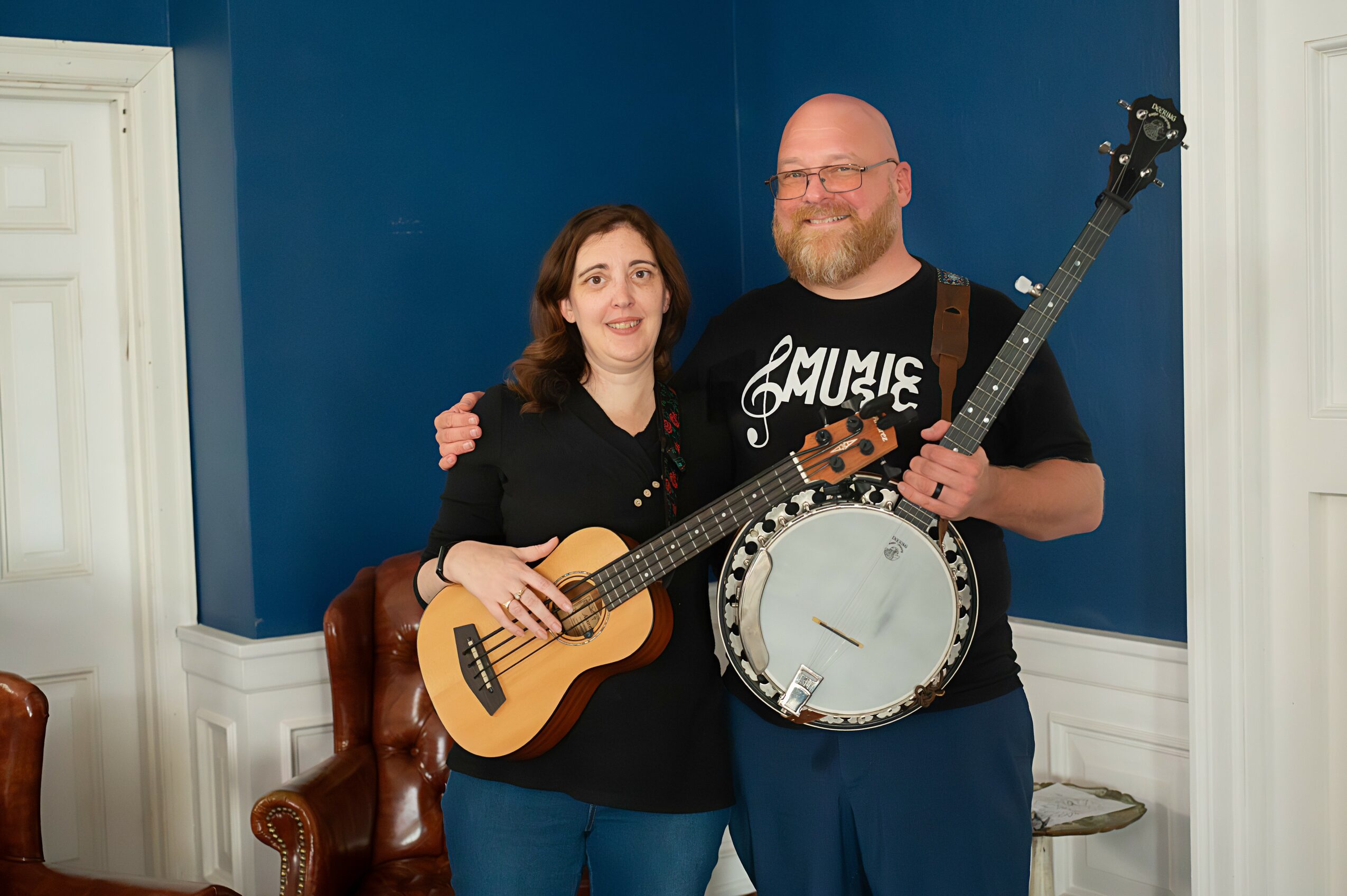
My wife Chrissy and I founded Mimic Music in 2012. What started with a handful of private students has grown into a full teaching studio serving children, teenagers and adults in the St. Louis area and beyond. Along the way I earned degrees in psychology and music therapy from Maryville University and became a board-certified music therapist. I’ve now been teaching for more than 35 years, which is mildly horrifying to type.
The business has changed a lot, especially since COVID. I’ve become less interested in simply teaching people how to play the correct notes and much more interested in what happens when they actually use music in their lives. My students set goals, perform, attend events together, learn to sing, play with other musicians and occasionally do things they were convinced they couldn’t do.
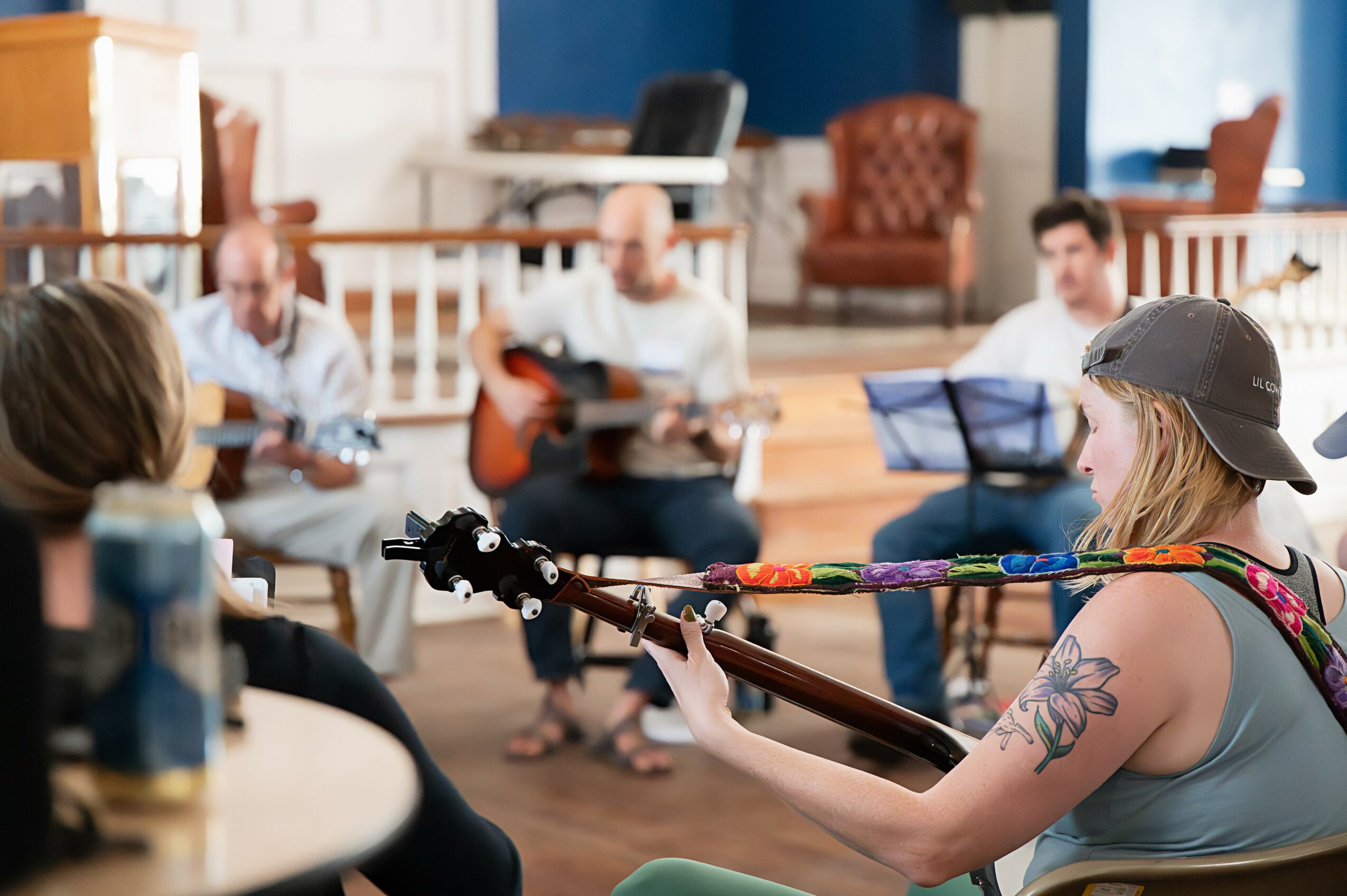
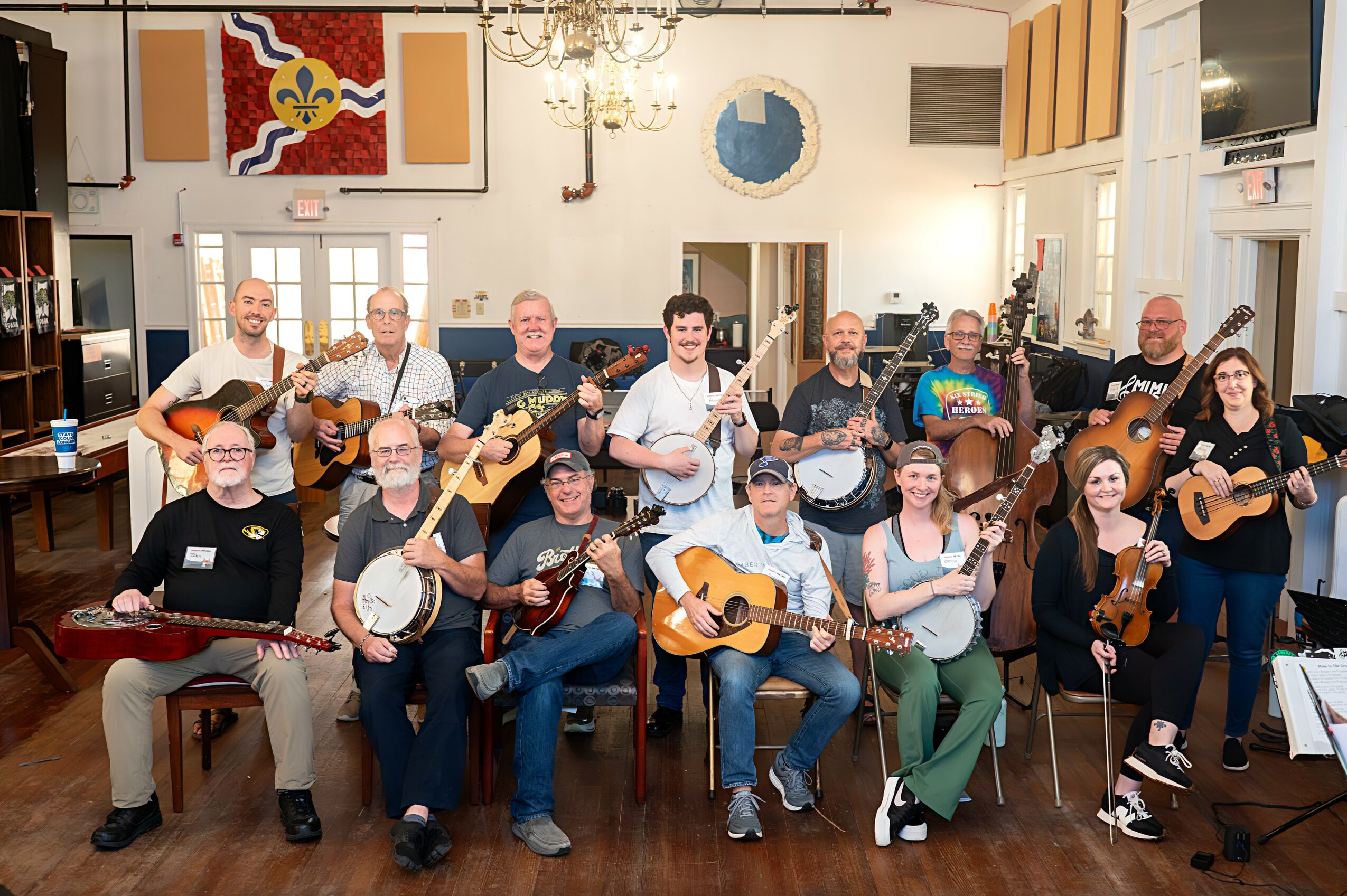
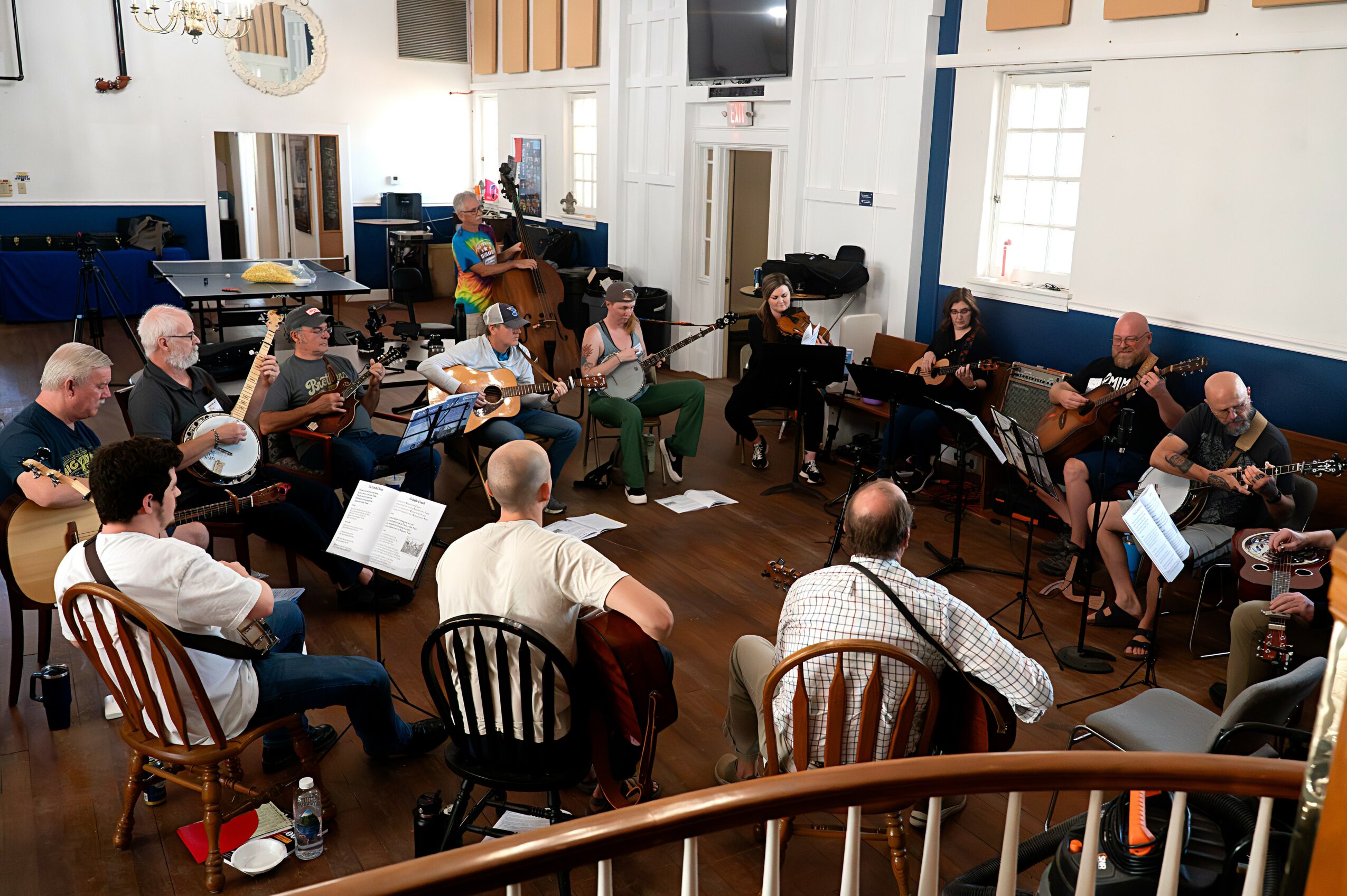
Lately I’ve been especially interested in helping adults get out of the safety of the private lesson room and start playing music with other people. I teach bluegrass jam classes using the Wernick Method, and I’ve watched students meet in those classes, exchange numbers, become friends and even start their own jams. That has reinforced something I’ve believed for a long time: music lessons should eventually lead somewhere beyond the lesson itself.
Today Mimic Music is still evolving. I teach banjo, guitar, ukulele and other instruments, perform regularly, work with other teachers and musicians, and spend probably too much time thinking about how to make music education more useful, social and fun. After all these years, I’m still figuring out what the business is capable of becoming, which is probably why I’m still interested in doing it.
Would you say it’s been a smooth road, and if not what are some of the biggest challenges you’ve faced along the way?
More recently, the challenges have been different. The business is healthy and my schedule is full, so the question isn’t necessarily, “How do I get more students?” anymore. It’s, “What do I actually want this business to look like?”
One of the biggest challenges has been learning how to let other people into something I’ve built largely by myself. I’ve started mentoring other teachers and giving them opportunities to work with students. Nina, a music therapy graduate from Maryville University, has interned with Mimic Music and worked with some of my students.
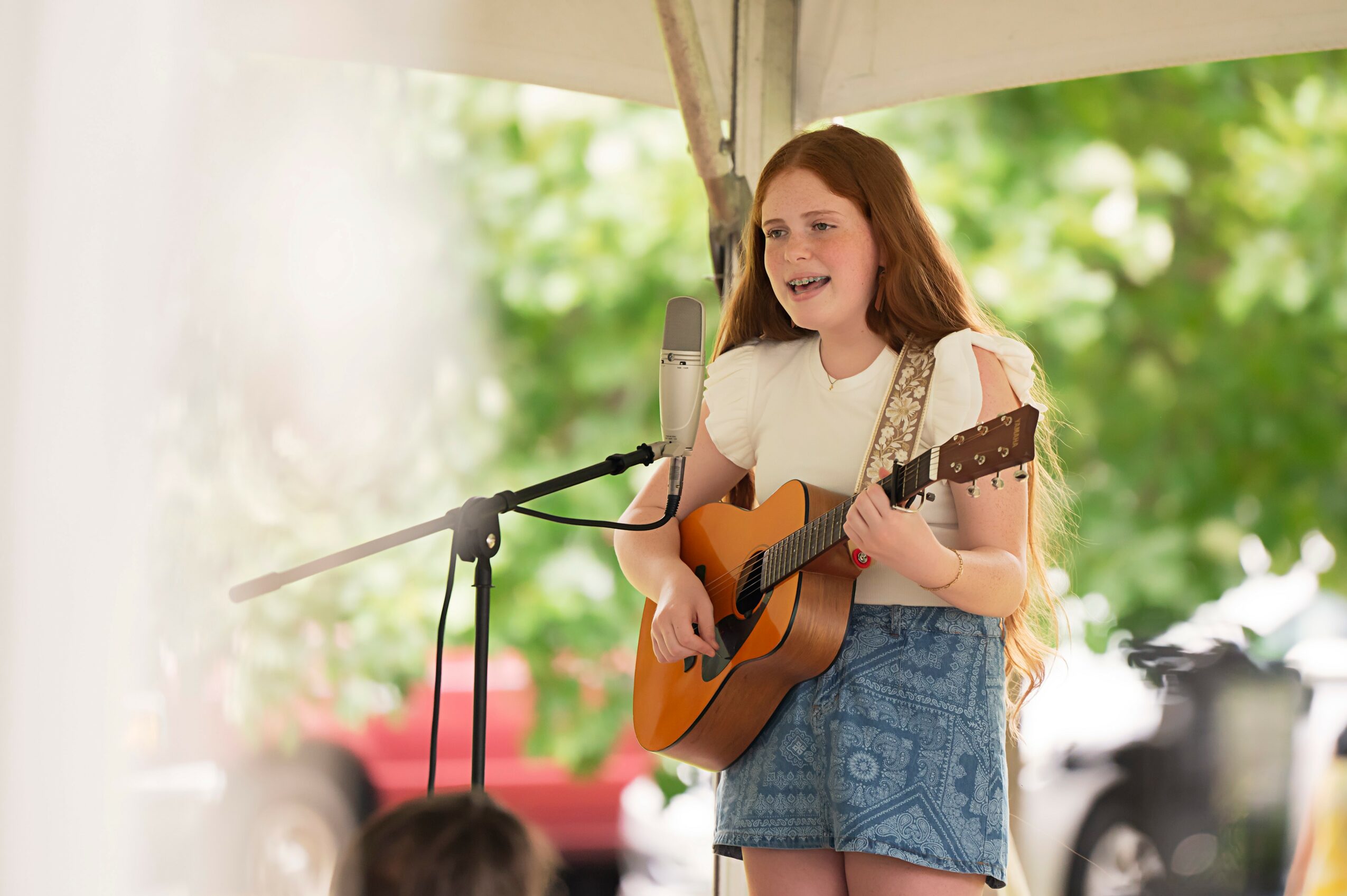
I’m also especially proud of Sissy, who started taking lessons at Mimic Music when she was six years old. She’s now studying music education at Millikin University, where she’s made the dean’s list, and she has helped me as a stage manager and worked with some of my younger ukulele students. There’s something pretty cool about watching someone who grew up as one of my students start becoming a teacher herself.
That’s required me to learn a completely different set of skills. Teaching a student is one thing. Mentoring another teacher, giving them responsibility, trusting them with students I’ve known for years, and then getting out of their way is another.
For a long time, if Mimic Music grew, the obvious answer was that I taught another student. Then another one. Then another one. Eventually you run out of hours, and more importantly, you start realizing you don’t necessarily want to spend every available hour teaching private lessons.
I’m learning that growth doesn’t always mean making my calendar fuller. Sometimes it means saying no, developing group programs, mentoring other teachers, and creating opportunities for other people to become part of what I’ve built.
So no, it hasn’t been a smooth road. But the struggles have changed. Early on, I was trying to figure out whether I could build a sustainable career doing this. Now I’m trying to figure out how to build something sustainable that doesn’t require me to personally do everything.
We’ve been impressed with Mimic Music Services, but for folks who might not be as familiar, what can you share with them about what you do and what sets you apart from others?
Mimic Music is a small, independent music studio in St. Louis. I work primarily with children, teenagers and adults on guitar, banjo, piano, and ukulele, but I’ve never been particularly interested in running a traditional music school. I want people to actually use music.
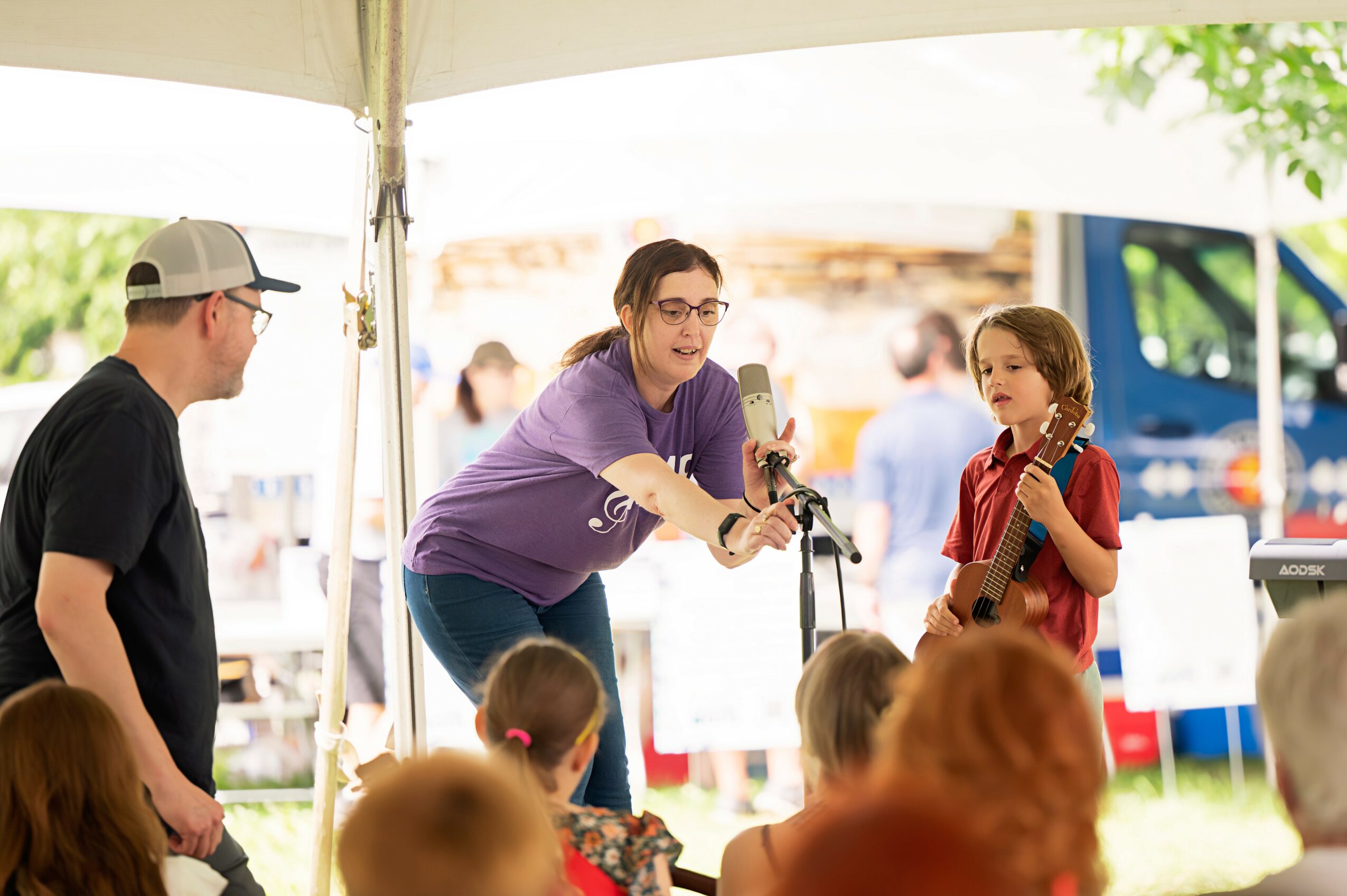
That might mean performing onstage, singing while they play, joining a jam, writing or arranging something, playing with other musicians, or simply becoming confident enough to make music in front of somebody besides their teacher.
Lessons are highly individualized. I tell my students that I’m the music expert, but they’re the expert on themselves, and I need both of us. We spend time talking about what they actually want to accomplish, and those goals can be serious, ambitious, weird or just fun. Not everybody needs to become a great musician. Sometimes “I want to play songs around a campfire without freaking out” is a perfectly good goal.
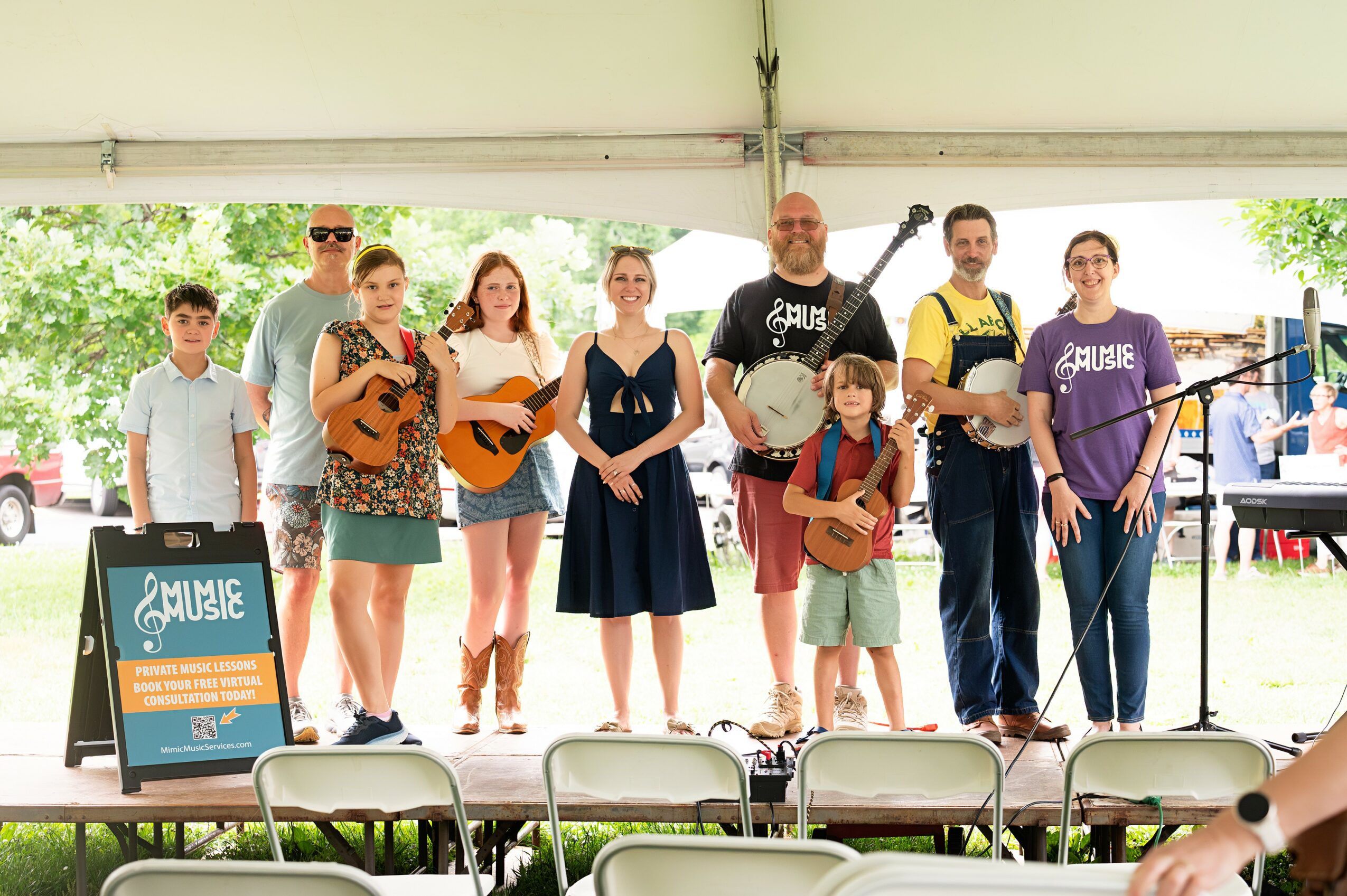
I’m especially proud of the community that has grown around Mimic Music. Students perform together, attend events, support one another and get opportunities to make music outside the lesson room. I’ve also expanded into teaching bluegrass jam classes using the Wernick Method, which gives adults an opportunity to learn how to play with other musicians in a supportive environment. Watching people who were nervous about playing with strangers exchange phone numbers and start jamming together is pretty satisfying.
I’m also beginning to mentor the next generation of teachers. I’ve worked with music therapy interns, and one of my former students, who started with me when she was six, is now studying music education at Milliken University. That’s a part of Mimic Music I hope continues to grow.
After more than 35 years of teaching, I’ve become less interested in producing technically perfect musicians and more interested in producing confident, independent ones. I want students to leave here knowing how to figure things out, how to play with other people and how to make music part of their actual daily lives.
That’s probably what sets Mimic Music apart. The lesson isn’t really the destination. It’s supposed to help you get somewhere.
Where do you see things going in the next 5-10 years?
I think music education is going to become less about access to information and more about what people actually do with that information.
When I started teaching, a student needed a teacher to show them how to play a chord, find a song or explain a technique. Today you can find thousands of free lessons online in seconds, and AI is going to make personalized information even easier to access. I don’t think that’s a threat to good teachers. I think it forces us to become better teachers.
A YouTube video can show you a G chord. That’s not necessarily the same thing as knowing why you’re frustrated, noticing that you’re rushing every time the chord changes, helping you choose a realistic goal, or getting you comfortable enough to play that song with five other people.
I think the best music teachers will increasingly become coaches, mentors and community builders rather than simply sources of information. Students will still need technical instruction, but they’ll also need somebody who can help them figure out what to practice, keep them accountable, adapt to how they learn and create opportunities to actually use what they’re learning.
I also think we’ll see more hybrid learning. Private lessons aren’t going away, but I expect more students to combine individual instruction with online resources, group classes, workshops, jam sessions and performances. I’m already moving in that direction at Mimic Music because I’ve become increasingly interested in what happens after someone learns to play the instrument.
Music has always been social. For a while, technology made it possible to learn almost entirely by yourself. Ironically, I think the next wave of technology may make the human part of music education even more valuable. If I can teach somebody a chord, that’s useful. If I can help them become confident enough to walk into a room full of musicians, introduce themselves, call a song and start playing, I’ve probably given them something they’ll use for the rest of their life.
Contact Info:
- Website: https://www.mimicmusicservices.com
- Instagram: https://www.instagram.com/mimicmusicservices
- Facebook: https://www.facebook.com/mimicmusicservices
- LinkedIn: https://www.linkedin.com/in/brian-lee-bauer-mt-bc-59533063/
- Youtube: https://www.youtube.com/@BrianLeeBauer.MimicMusic
- Other: https://wernickmethod.org/teacher/brian-bauer