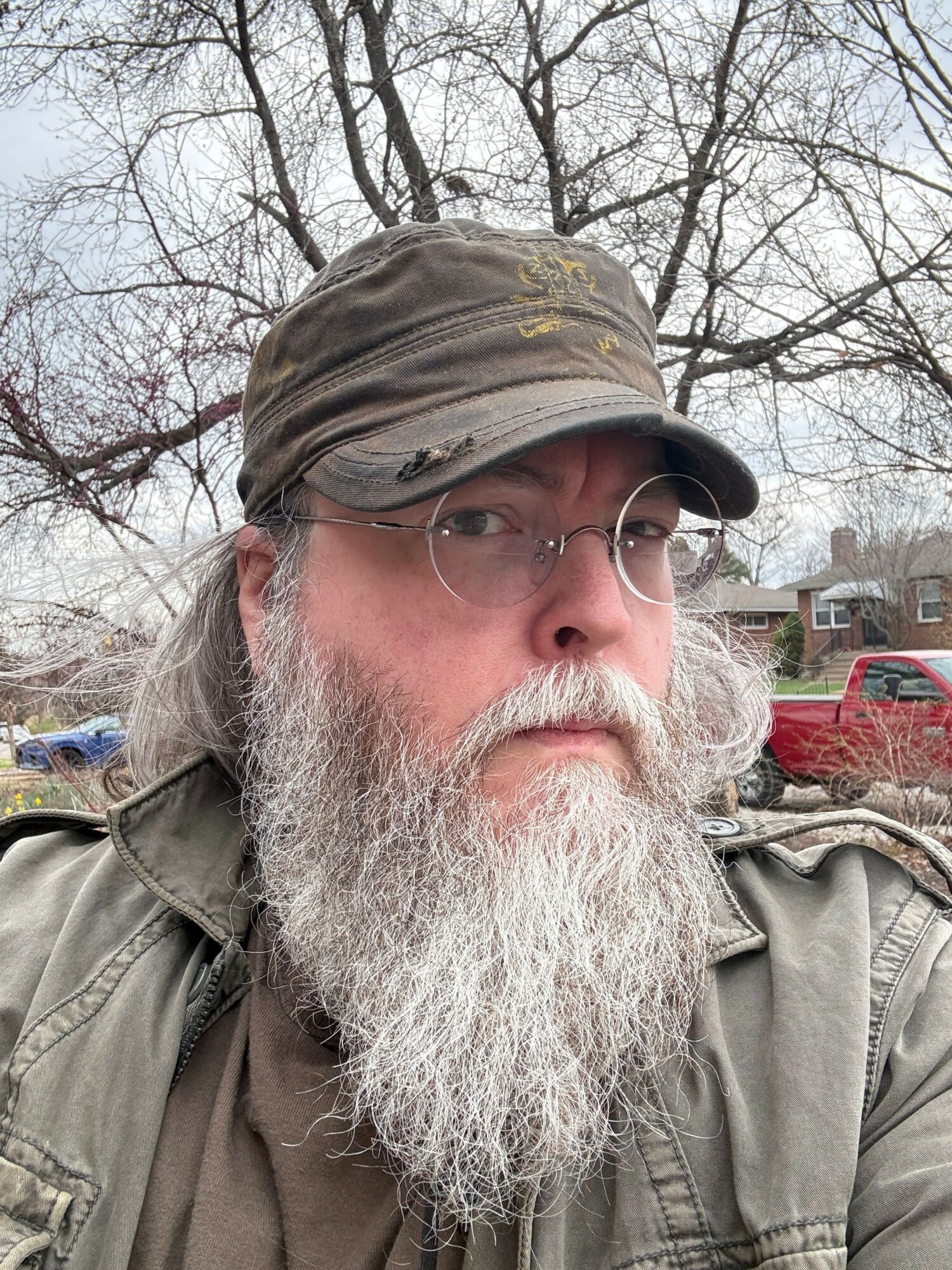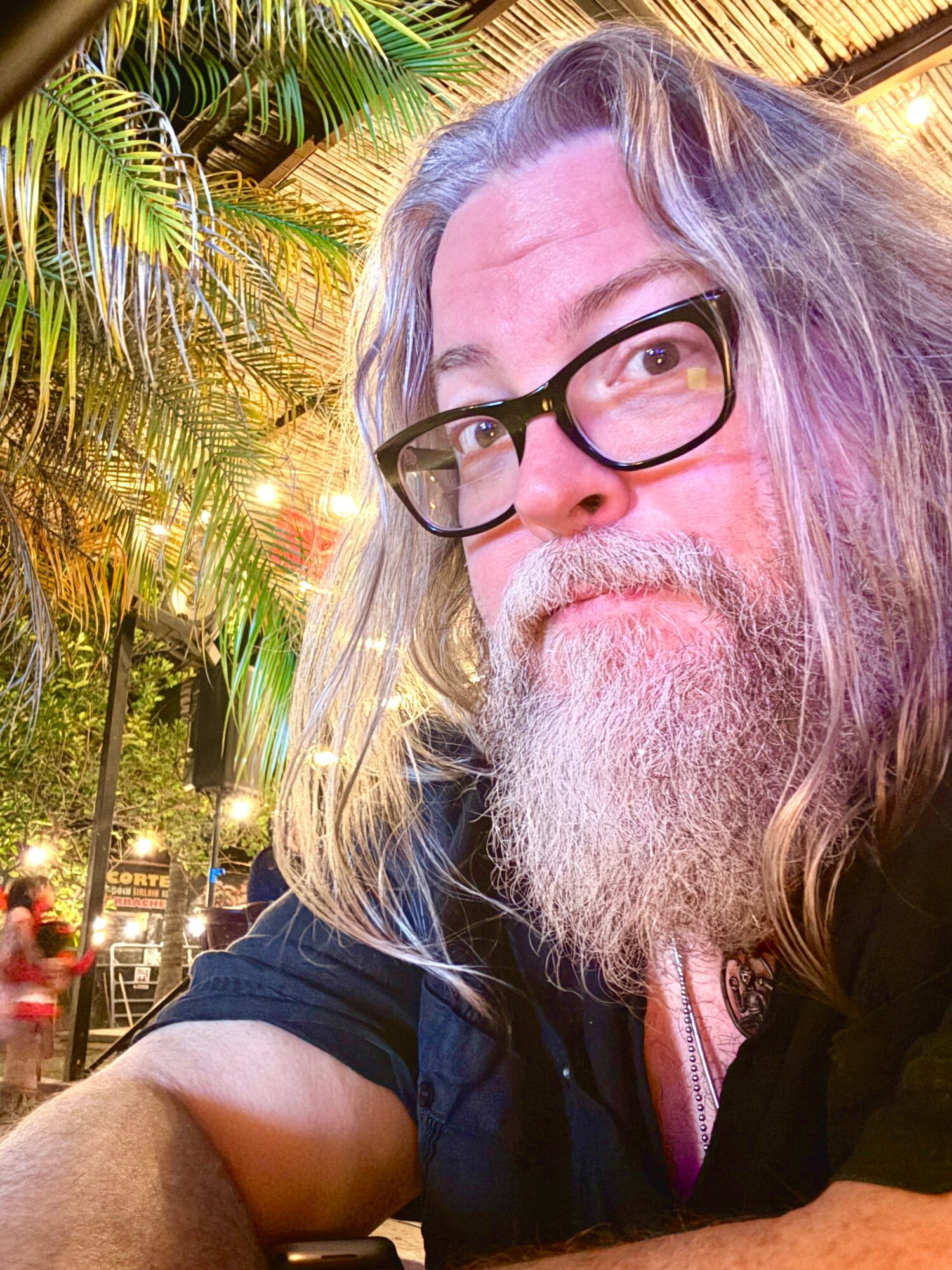
Today we’d like to introduce you to Ivan Wine.
Hi Ivan, please kick things off for us with an introduction to yourself and your story.
I’ve had what you might generously call a non-linear career. I studied computer animation and graphic design, taught science to kids as a Mad Scientist, worked in biotech QA, hosted on Airbnb, and eventually ended up managing a comic shop, learning the hobby industry entirely from the inside.
That last part turned out to matter. When I moved into Shopify consulting, I wasn’t coming in as a generic developer who needed specialty retail explained to them. I already knew the inventory logic, the distributor relationships, and the weird edge cases that make comic and game retail different from everything else. Your Factotum grew out of that: a solo consultancy built specifically for the shops that generic e-commerce solutions were never designed for.
Over time, my work has evolved into three distinct layers that solve the exact problems I watched shop owners suffer through for years:
Building the Foundation: First, I build and customize the storefronts themselves. But out of the box, standard e-commerce platforms treat a rare comic or a complex board game the exact same way they treat a pair of shoes.
Data Structure & Display: That’s where the second layer comes in: figuring out how to model and display complex data. A comic has an artist, a writer, a story arc, a publisher, and a variant cover. A board game has player counts, play times, and target age ranges or expansions. I figure out what makes a product special in its category, and then build the custom templating and front-end systems to surface that data meaningfully for both the shopper and the store owner.
Automation & Data Enrichment: Finally, to feed those systems, I build the backend automation and data infrastructure. Getting pristine products into a store without spending hours on manual entry is genuinely hard. Distributor feeds are messy, product databases are incomplete, and nothing talks to anything else by default. I build the pipelines to auto-ingest, translate, and enrich that messy data, turning those connections into affordable subscription platforms that smaller shops can actually leverage.
The winding road absolutely informs how I approach this today. My biotech QA background dictates how I think about data integrity, my design and animation training informs how I think about interfaces, and my time on the retail floor ensures everything I build solves a real-world business problem.
Would you say it’s been a smooth road, and if not what are some of the biggest challenges you’ve faced along the way?
If I’m being completely honest, the biggest professional challenge I face is that the work I’m best at is invisible.
I can build a backend automation pipeline that saves a specialty shop owner 10 hours of grueling manual data entry a week, but they’ll never actually see the code or the infrastructure. It just works. Communicating that value upfront, before the work exists, is difficult. Specialty retailers often operate on tight margins, so getting them to invest in foundational infrastructure they can’t physically see yet takes immense patience, education, and a proven track record. Over time, I’ve had to deliberately build that trust and learn how to translate invisible technical efficiencies into clear, undeniable ROI for business owners.
The second challenge is a classic bootstrapper’s problem: scaling a product vision with the same pair of hands that runs a consultancy.
Right now, my active client work entirely funds my subscription platform development. Because I wear every hat, from architect to deployment engineer, progress on the larger automated software ecosystem moves a bit slower than I’d like. Balancing the immediate, high-touch demands of consulting clients with the long-term focus required to build scalable data products is a constant prioritization puzzle. But the only way through it is a commitment to execution and to just keep shipping.
We’ve been impressed with Your Factotum, but for folks who might not be as familiar, what can you share with them about what you do and what sets you apart from others?
I specialize in Shopify development for specialty retail: comic shops, game stores, piercing studios and tattoo parlors. What sets me apart is that I came up inside these industries. I know what a FOC date is, I know how distributor feeds work, I know that a piercing studio’s inventory logic is nothing like a clothing boutique’s.
Beyond standard Shopify work, I build automation systems and data infrastructure. Pipelines that pull from distributor feeds, enrich product data against industry databases, and keep stores current without manual entry. I’m currently turning this into vertical-specific subscription platforms: one for comic shops, one for the body jewelry trade. The goal is to make enterprise-grade inventory tooling accessible to shops that could never afford to build it themselves.
I retain IP on all automation work I build, which means the tools keep getting better for every client.
Alright so before we go can you talk to us a bit about how people can work with you, collaborate with you or support you?
If your e-commerce setup feels like it’s fighting you, reach out. I do audits, custom development, and ongoing retainers. My roots are in specialty retail but the automation and data work I do isn’t industry-specific. If your inventory lives in Lightspeed, a spreadsheet, or something held together with duct tape, the goal is the same: clean data, less manual work, systems that actually reflect reality.
If you’re a developer or data person who wants to collaborate, I’m open to that conversation too. And if you know a business drowning in manual work that should be automated, send them my way.
Contact Info:
- Website: https://yourfactotum.com
- Instagram: https://www.instagram.com/yourfactotum/
- Facebook: https://www.facebook.com/YourFactotum/
- LinkedIn: https://www.linkedin.com/in/ivanwine/