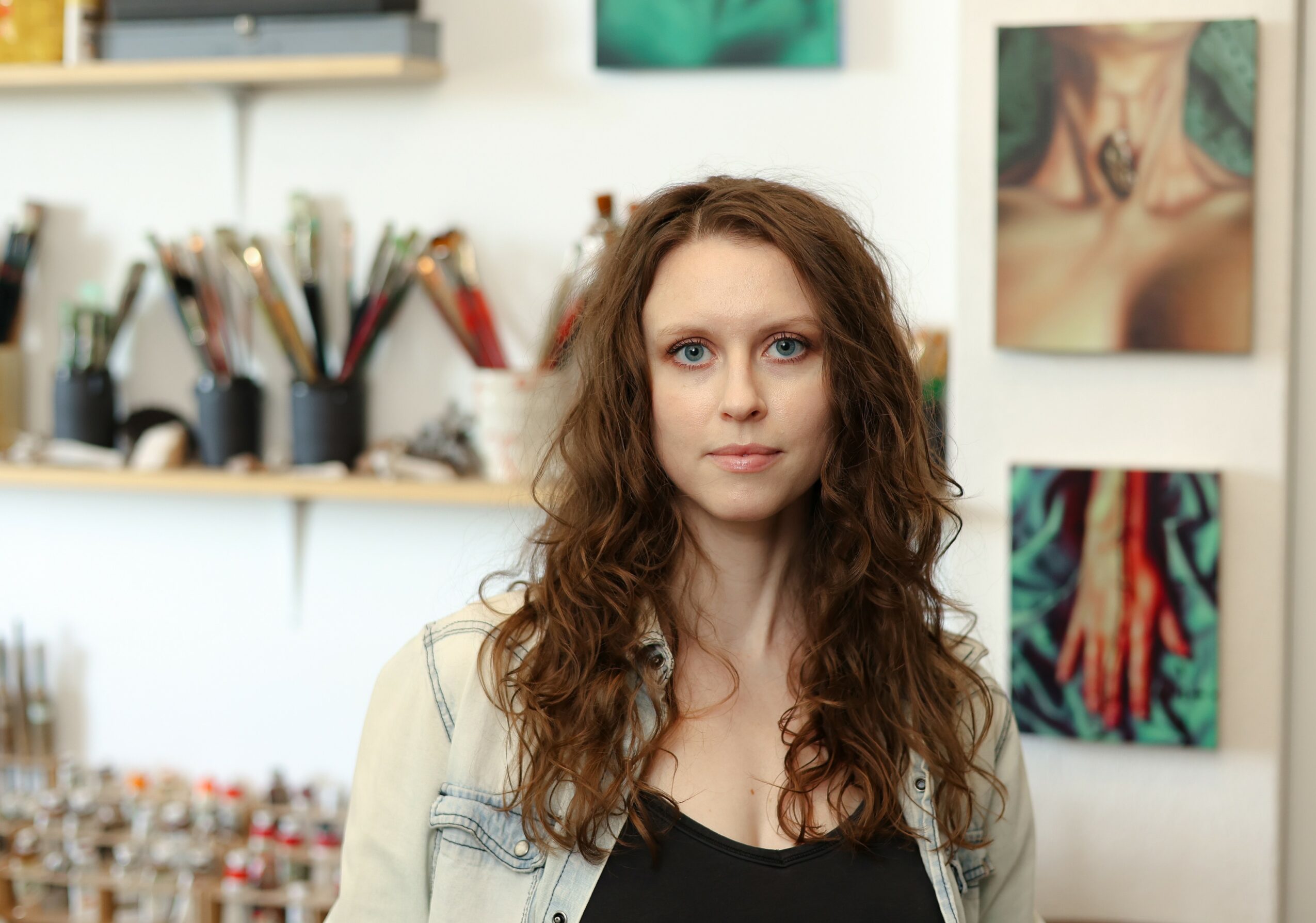
Today we’d like to introduce you to Chloe West.
Hi Chloe, can you start by introducing yourself? We’d love to learn more about how you got to where you are today?
I was born in Cheyenne, Wyoming to two artist parents – both ceramicists who had spent some years as rolling stones across the country at various art residencies and art-related jobs. They found home in each other and in Cheyenne as art teachers and raised my sister and I as hippy children in the Wild West. While we lived seemingly in the middle of nowhere, there was a rotating cast of characters that would sweep through our doors – artists from all over the country would come to visit and/or work with my dad at the community college or my mom when she worked at the arts council. Our home is filled to the brim with ceramics, paintings, and sculptures from the artists they have known. We spent a few summers in Chautauqua, New York at an art residency program where they were both teaching. We lived in a shared house with other artists and I spent those summers, and much of my childhood, looking up at all these fascinating, weird, wild people making magic. How could I not become an artist?
I wouldn’t say my parents necessarily wanted me to be an artist. They knew what a difficult life it can be and they certainly never suggested I should pursue this as a career. But they taught me how to draw and bought me art supplies and encouraged my weird little paintings. They taught me how to treat an art practice as a profession and a trade, not a hobby. When I said I wanted to major in Art at college, they accepted with what I interpreted as slight resignation and worry at the time, but they’ve always been very supportive. We all knew there was no real alternative for me. Their dedication to the study, practice, and education of art allowed me to do the same. Their unwavering belief that art is fundamental and imperative to humanity shaped my world view: I was never left to question or defend the importance of making art. So off to Laramie I went, to get a BFA at the University of Wyoming and then to Washington University in St. Louis for my MFA. I found St. Louis to be wonderful and strange little city and I’ve called it home for over a decade now. I bounced around many part time jobs, including adjunct teaching for several years but remained dedicated to my art practice and to showing my work in local and regional galleries. I’ve been lucky enough to be working as a full time artist for the past few years and have been able to show nationally and internationally. I spend my days toiling away on paintings large and small at my studio, doing what I’d always hoped for but never really dared to envision as a reality.
Looking back, I can firmly say: it is all my parents fault.
Can you talk to us a bit about the challenges and lessons you’ve learned along the way. Looking back would you say it’s been easy or smooth in retrospect?
When I was freshly out of graduate school, a mysterious and nearly debilitating pain set hold in my body and remained for the next four years. I was experiencing near constant pain in my hands and arms. Daily life became an onslaught of doctors appointments, physical therapy, acupuncture, etc. I was so young and felt I was looking down the barrel of a lifetime unable to paint. I was more scared and heartbroken than I have ever been. I had just finished a terminal degree in this field and had no interest in pursuing anything else. What am I to do, if not this? It was all very dramatic.
I continued to paint, but I was no longer able to make the paintings that I had been making towards the end of grad school. I was making paintings of window blinds and other interior objects. The paintings were large in scale, highly repetitive, and very labor intensive as I refused to use tape to create the straight lines and gradations of each individual blind. I wasn’t prepared to abandon this body of work and what followed was a fraught transition to new work. I returned to the subject that has been most present in my life and work: the body. I had never really left it, but now I turned fully toward figurative painting. Over time, my body somehow healed to the best of its ability and I am lucky enough to continue to make incredibly labor intensive paintings (because I know no other way).
This experience led to the work I make today that little resembles some of my earlier work. While difficult, it was ultimately a freeing and clarifying experience that taught me valuable lessons. It allowed me to dedicate myself to painting in a way I never knew before. It forced me to confront myself in my work and reminds me everyday how precious and precarious everything in life is.
Can you tell our readers more about what you do and what you think sets you apart from others?
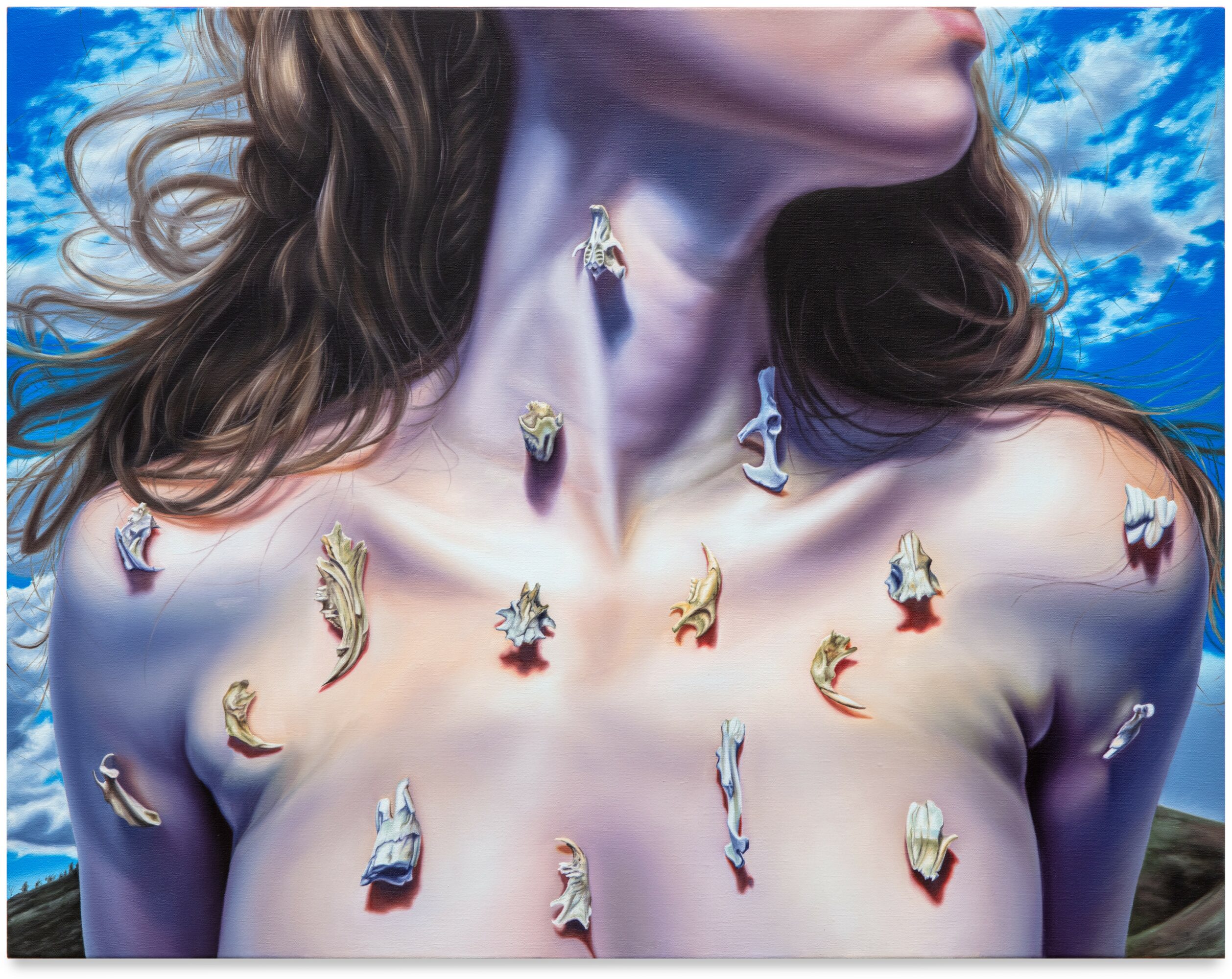
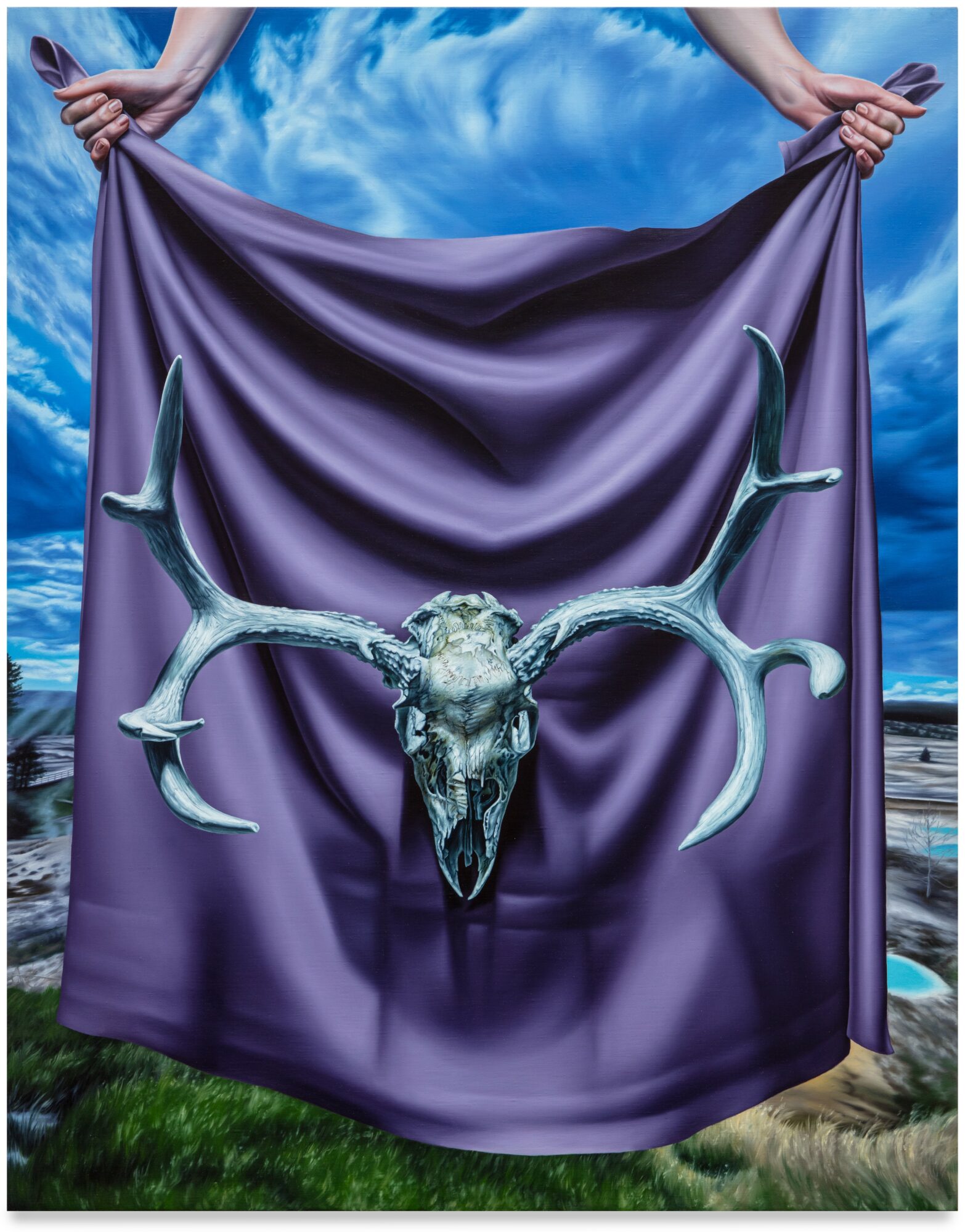
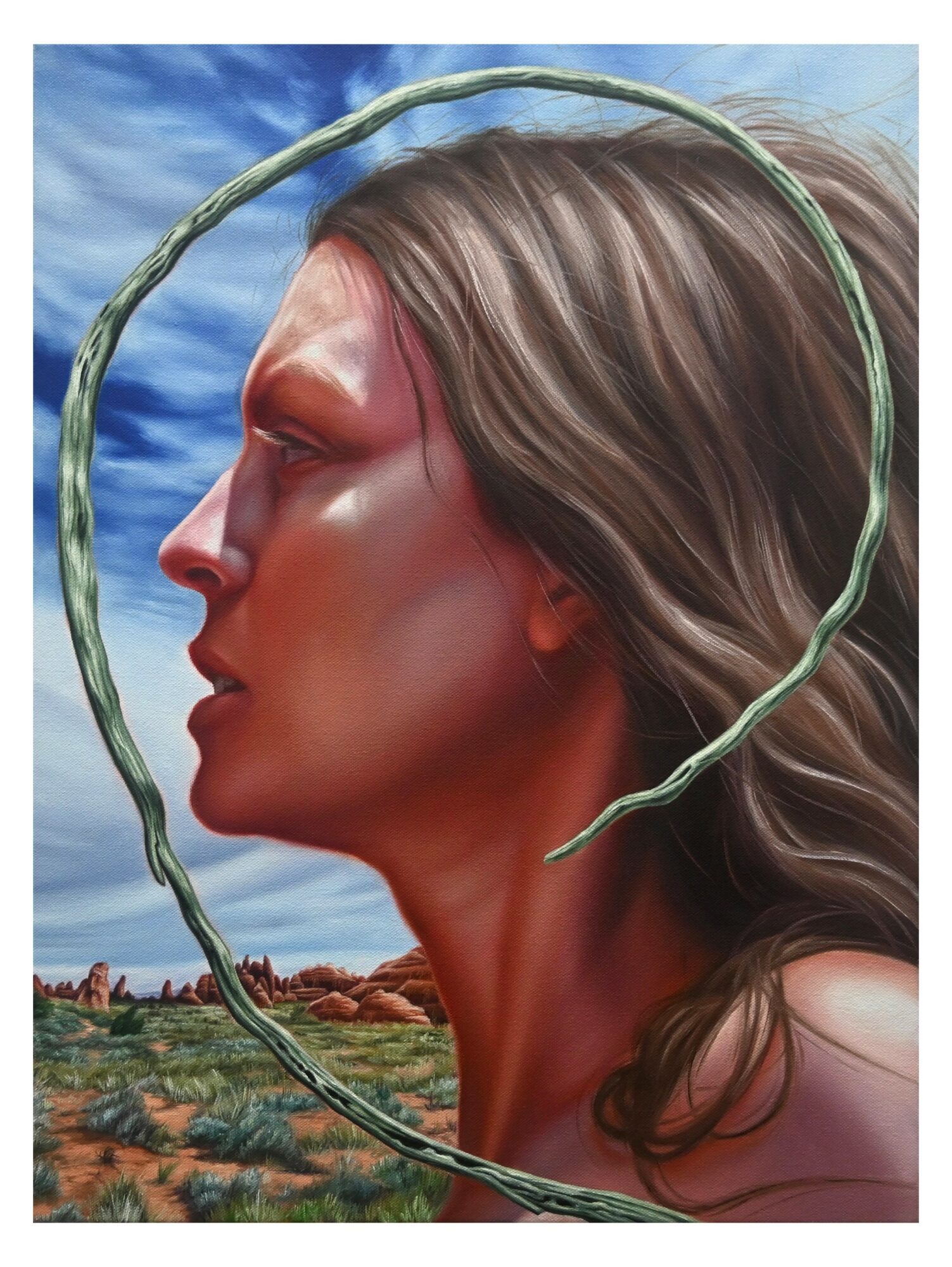
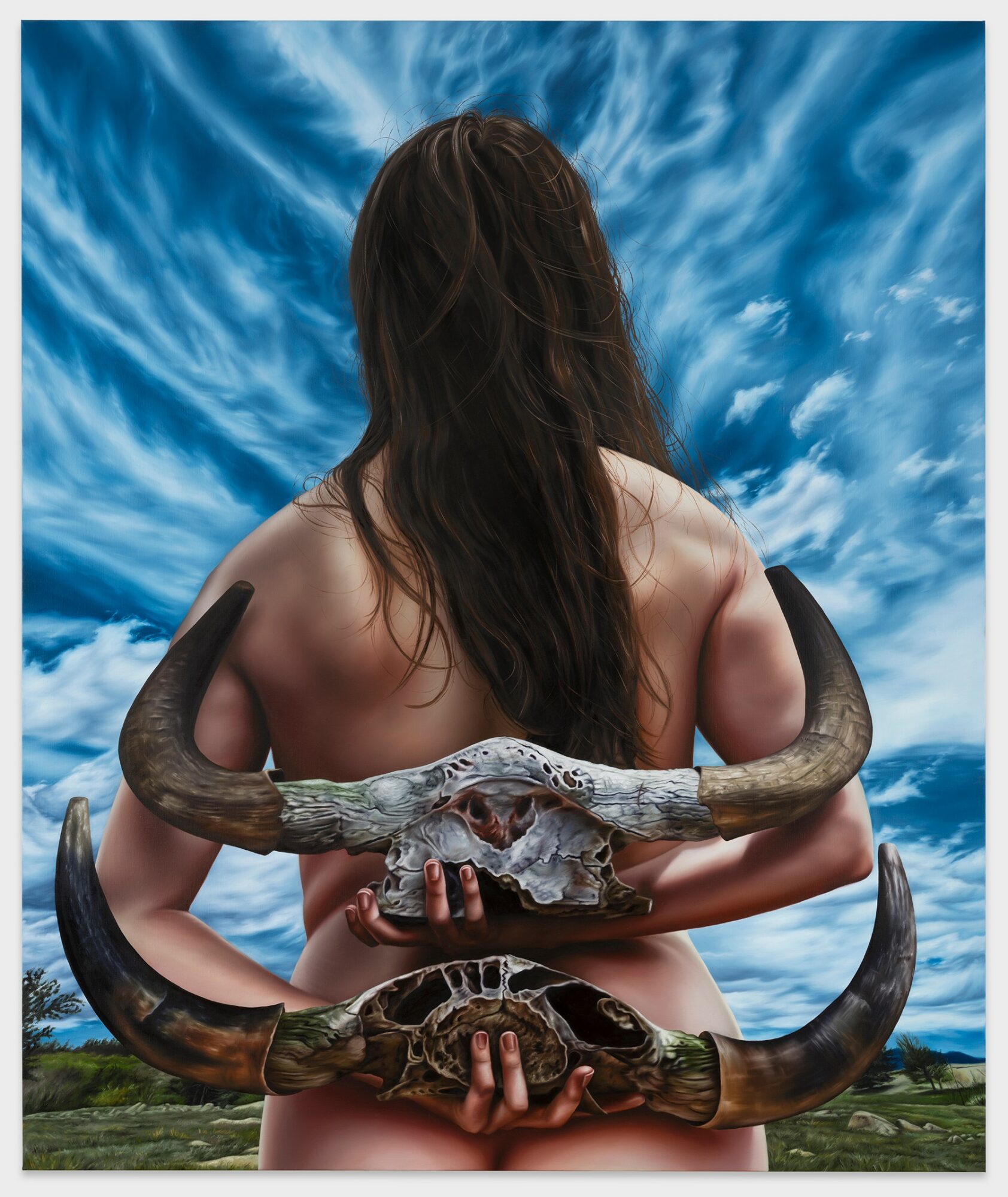
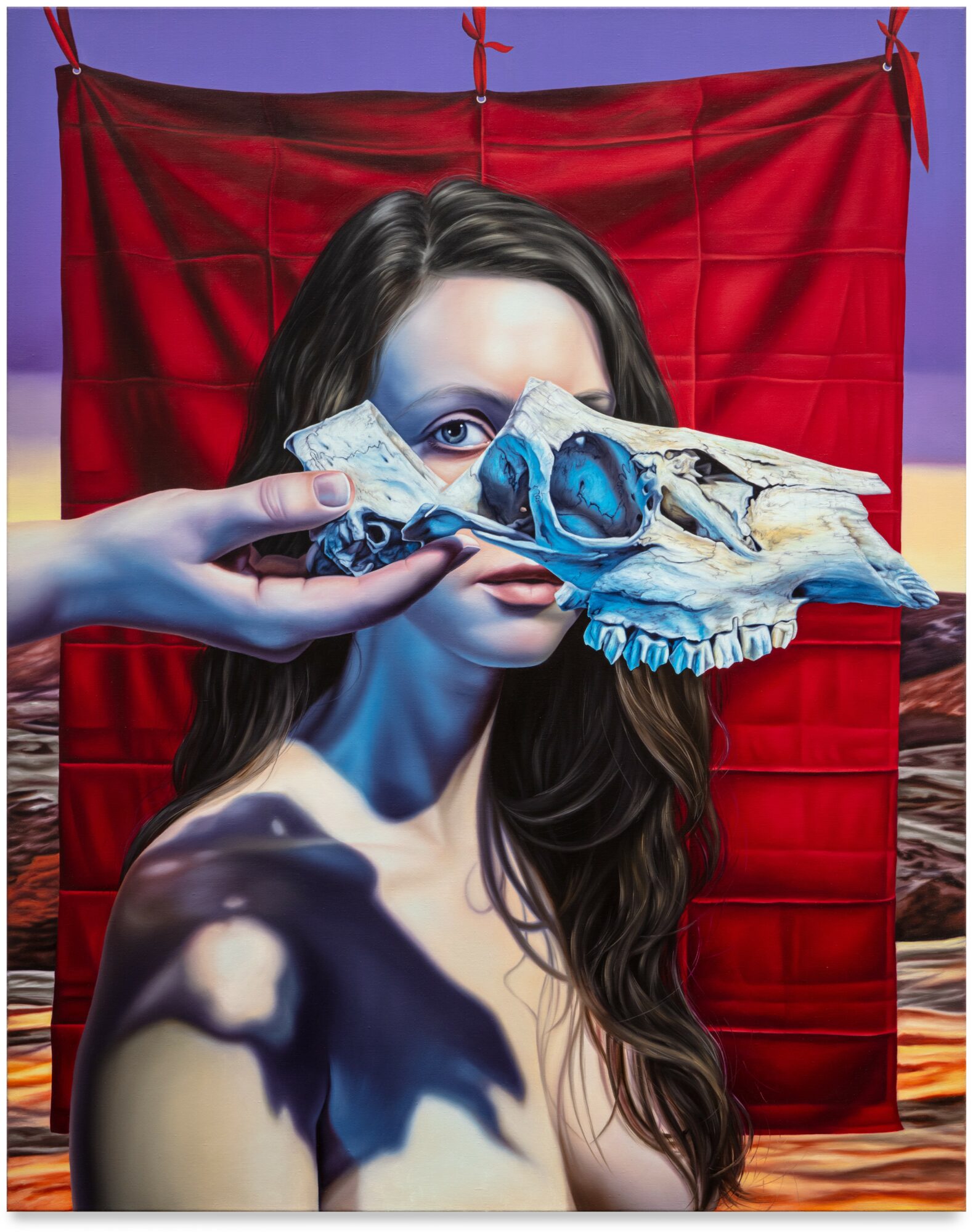
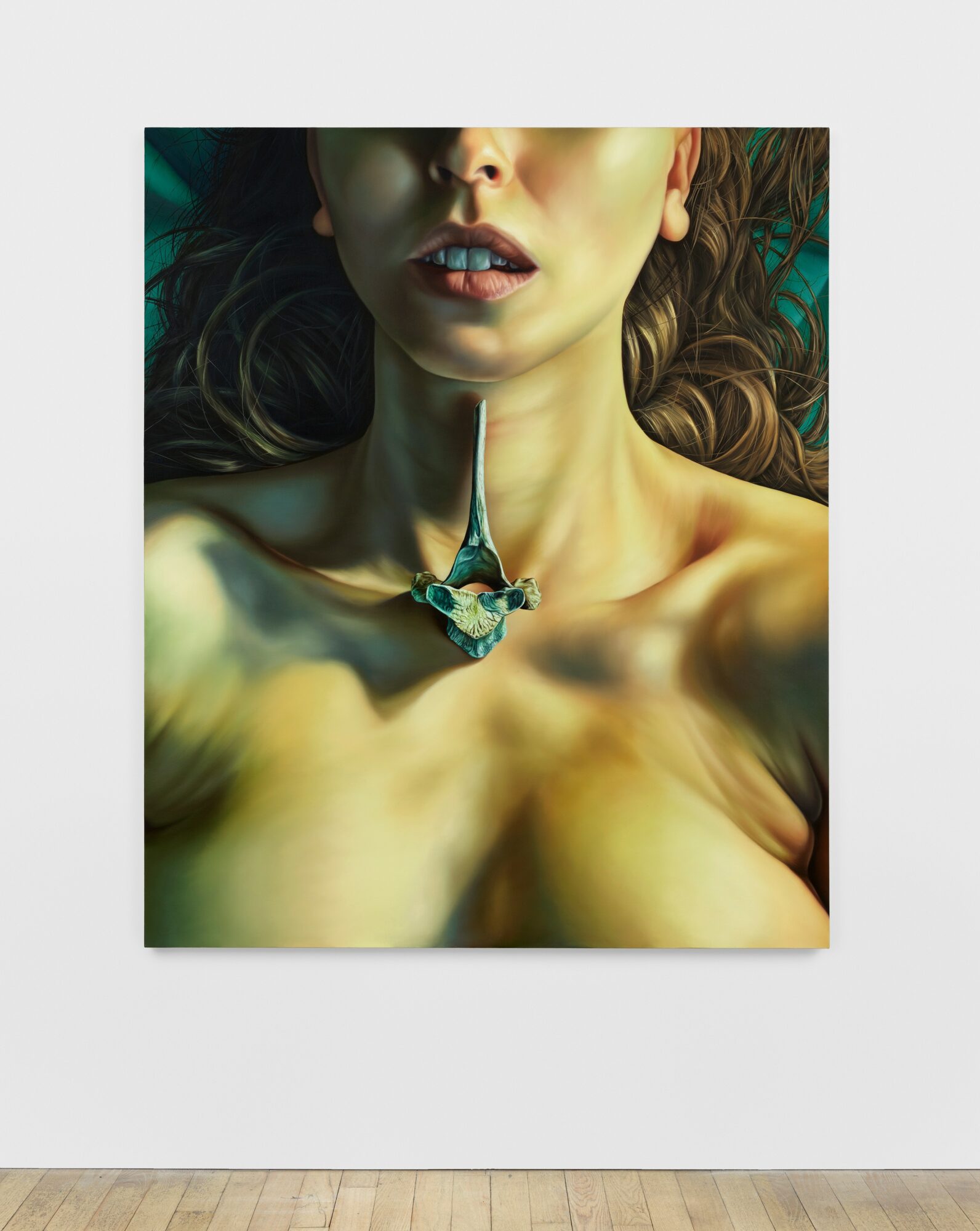
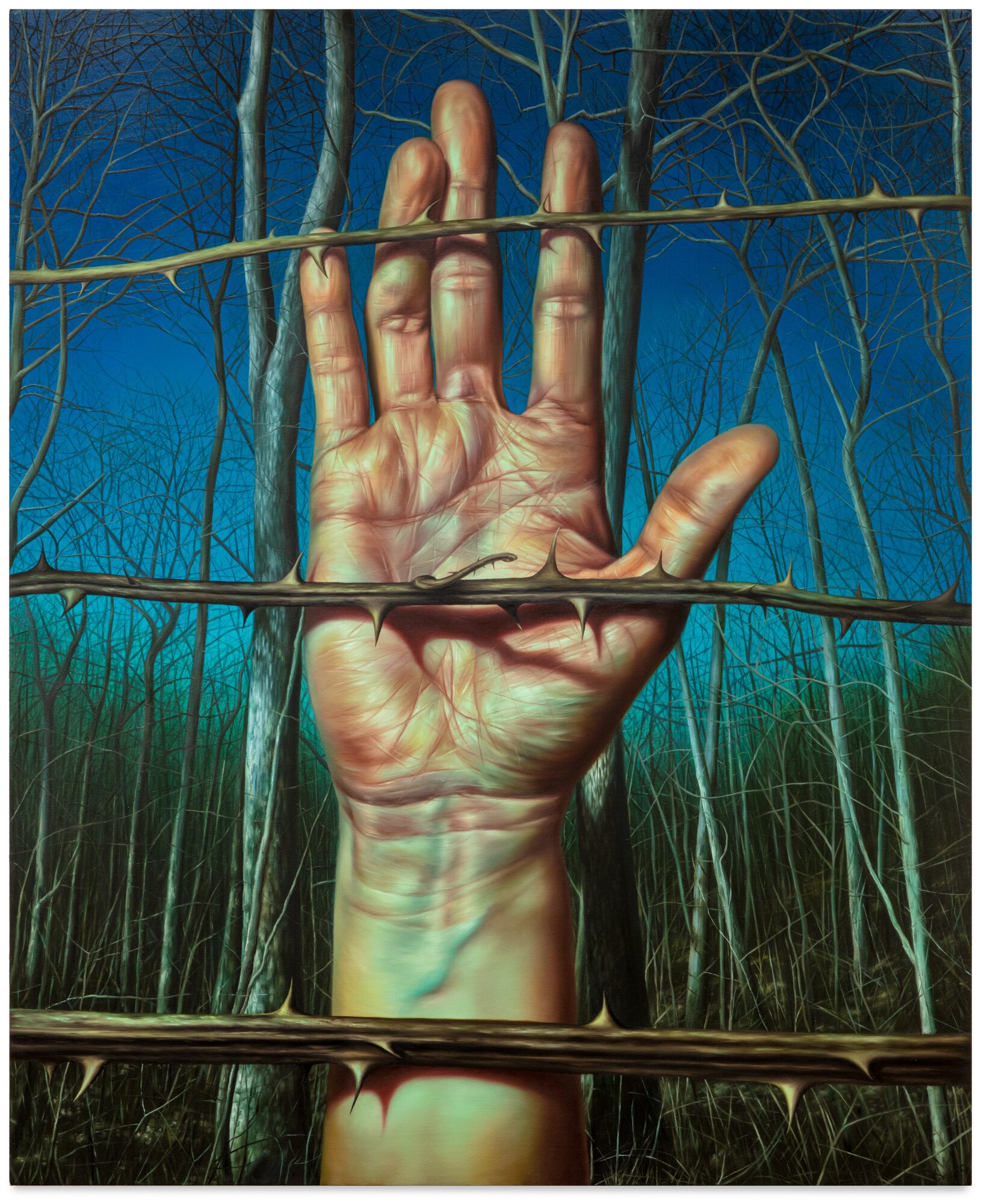
I make highly detailed figurative and still life oil paintings that delve into my personal history, art history, and the collective vision of the American West. I’m heavily influenced by biblical iconography after being raised Catholic. During the sermons, I found myself transfixed by the images in the stained glass and Jesus on the crucifix. My dad has a deep love of religious art and passed that onto me. I’ll go anywhere to see a good relic. I’m particularly fond of Western European Medieval and Renaissance paintings and I’m continually inspired by the representations of religious imagery and the craft traditions of this time period.
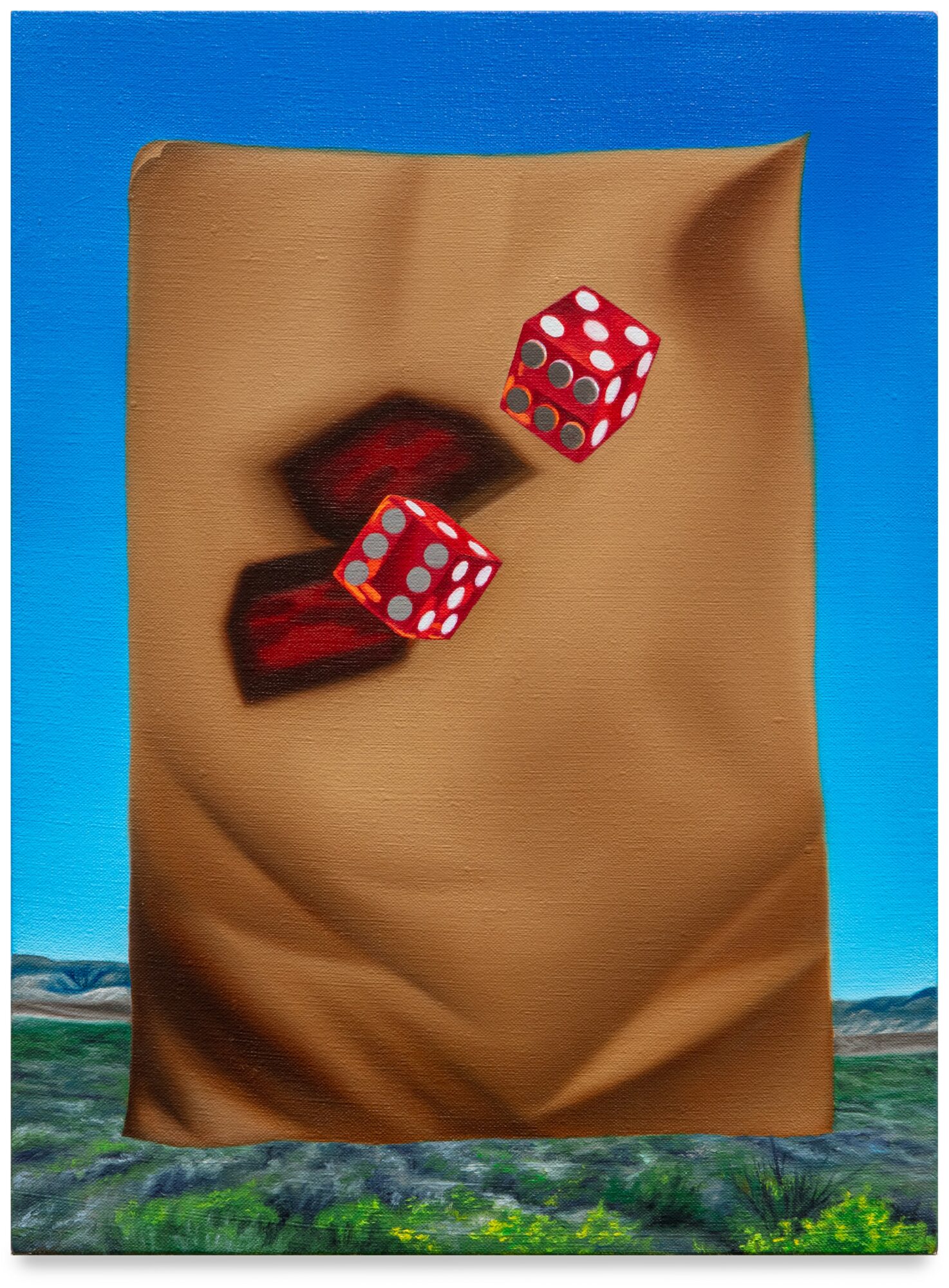
The land is often a main character in my paintings: depicting landscapes across mostly Western and Midwestern America. As a hiker and camper, I spend a fair amount of time in our National Parks and a lot of time driving to said parks. Scenes from the road and parks often appear as backdrop to the figure or still life in my paintings. My work is in conversation with the Romantic era of the Hudson River School: painting the American West as a site of sublime devotion but also confronting its sinister history.
On my travels, I have collected hundreds of animal bones from the High Plains, cactus skeletons from the desert, thorny branches from the forest, etc. These objects appear in my imagery: each painted with the delicacy and reverence of a holy relic. In every painting, I attempt to preserve my relationship to the quickly changing natural world and critically survey the historical narratives of my homeland.
Alright so before we go can you talk to us a bit about how people can work with you, collaborate with you or support you?
I post artwork and show updates on Instagram (@chloe.m.west) and an inventory of exhibitions can be found on my website (chloe-west.com). I’m available for speaking engagements at schools and arts organizations including artist talks, studio visits, or as a guest critic.
Contact Info:
- Website: https://www.chloe-west.com
- Instagram: @chloe.m.west