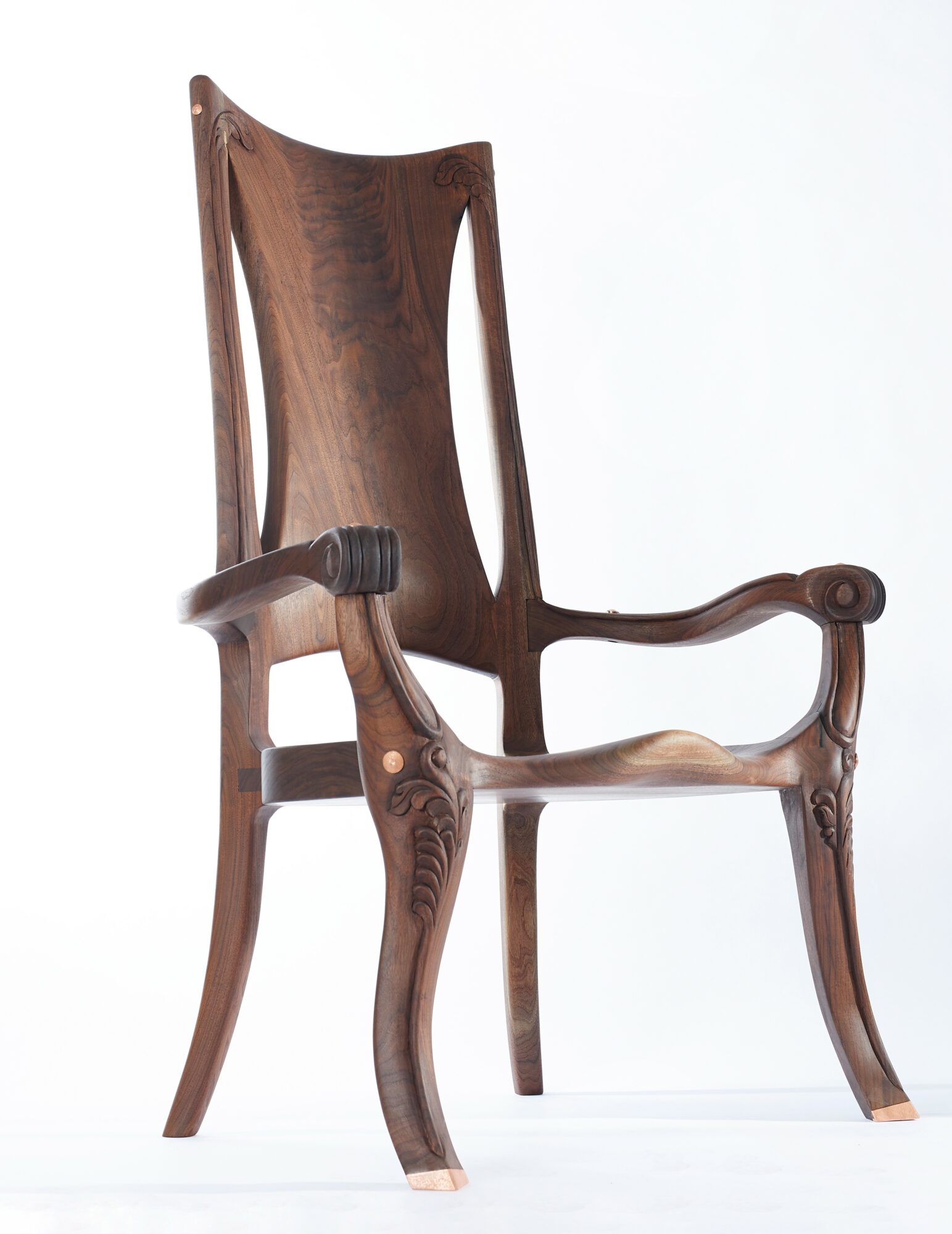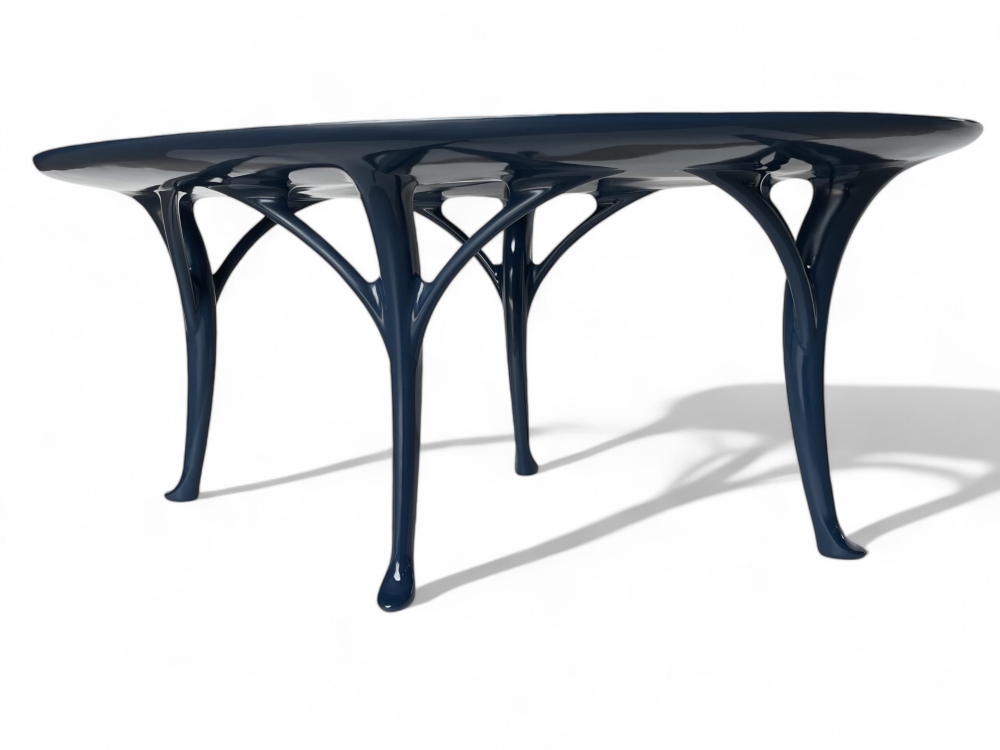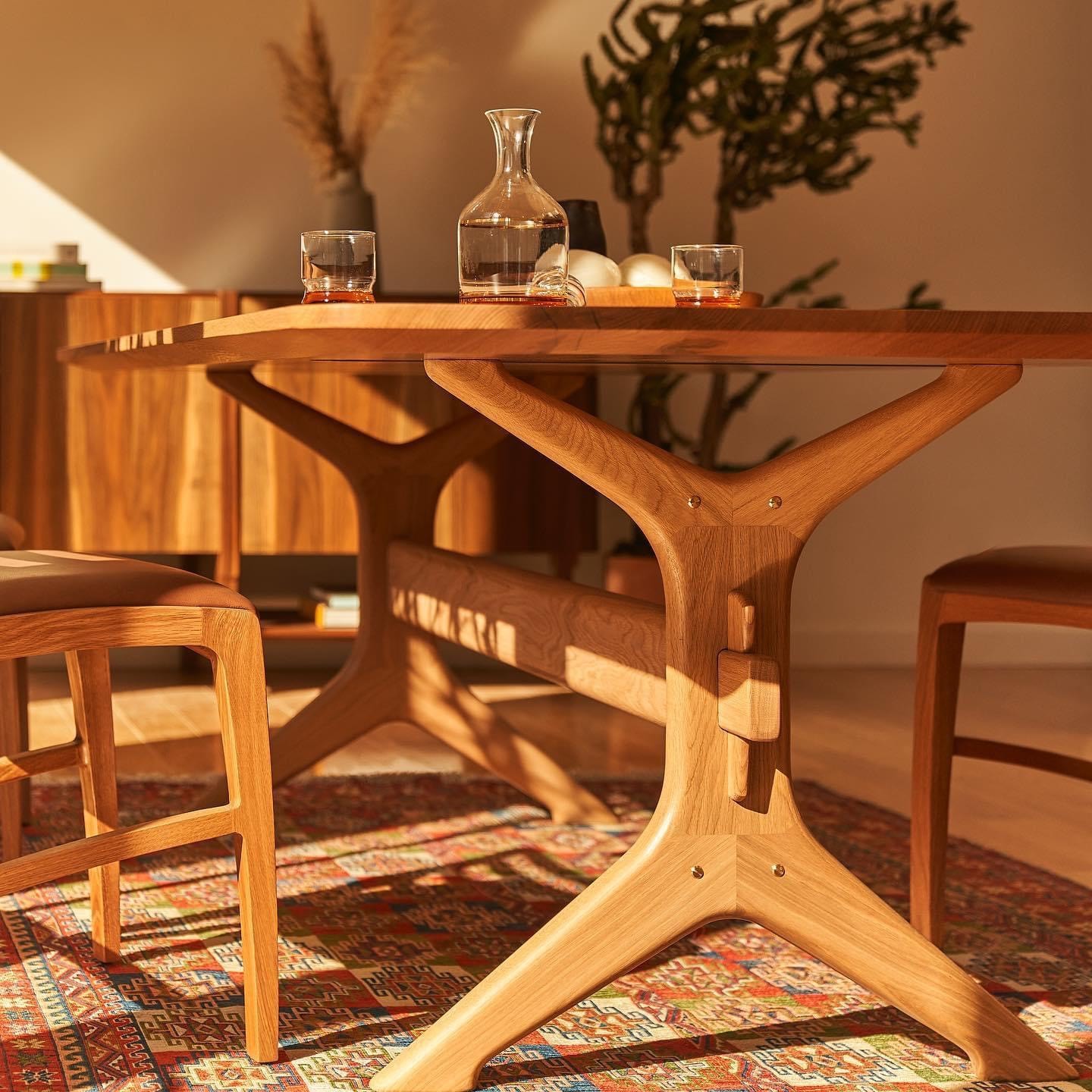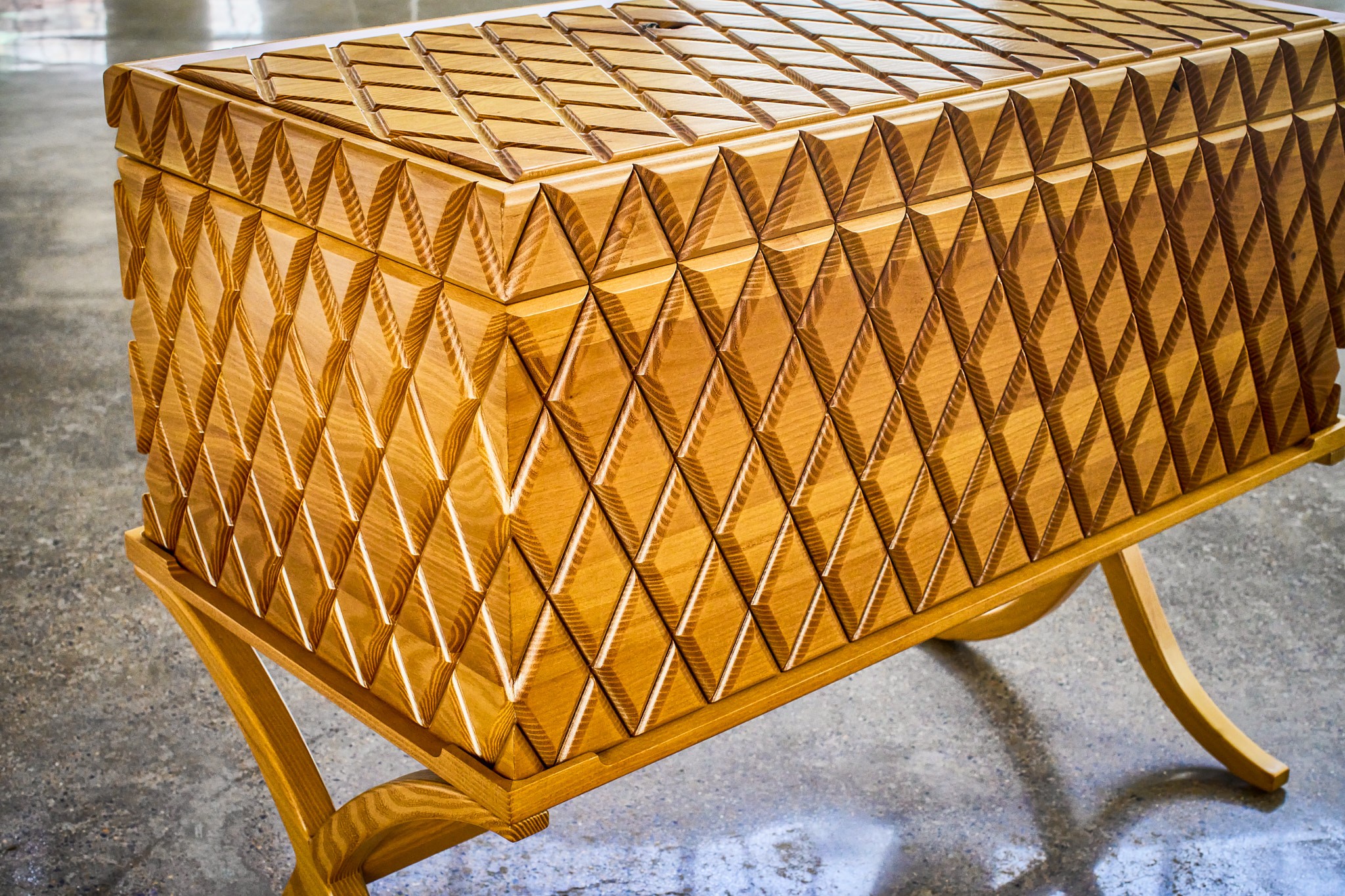
Today we’d like to introduce you to Martin Goebel.
Hi Martin, so excited to have you with us today. What can you tell us about your story?
At 44, I am in my 30th year as a craftsman. Even at an early age, I never approached it as a hobbyist.
I began training in my teens under the mentorship of Bill McCoy, whose influence continues to guide my work long after his passing. At 19, I entered a traditional European-style apprenticeship under the legendary James Krenov in Northern California during the final year he taught, at the age of 83. That experience cemented a philosophy of craftsmanship that still defines my approach today.
From there, I went on to earn my undergraduate at University of Missouri and master’s degrees in Furniture Design from the Rhode Island School of Design.
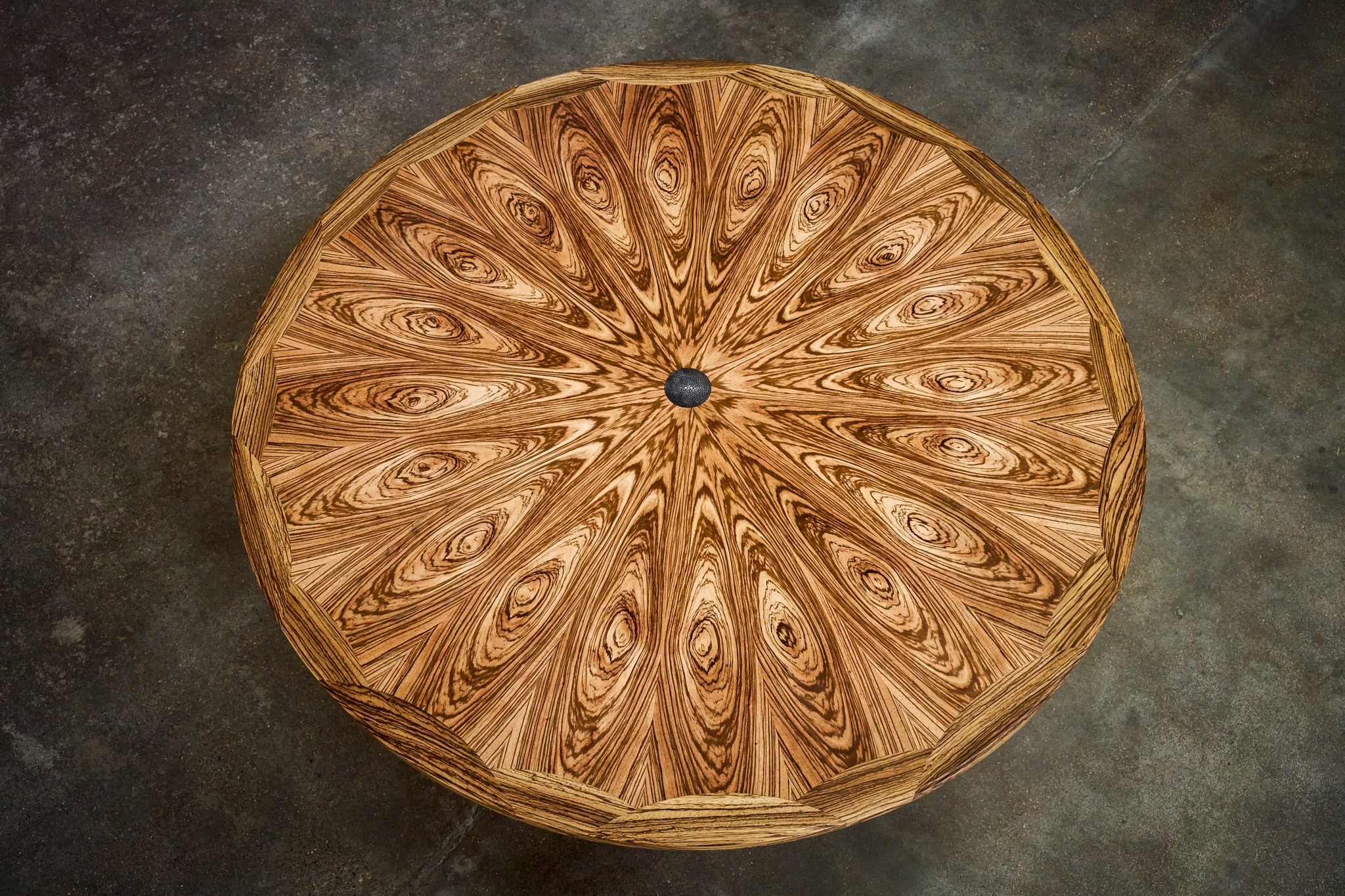
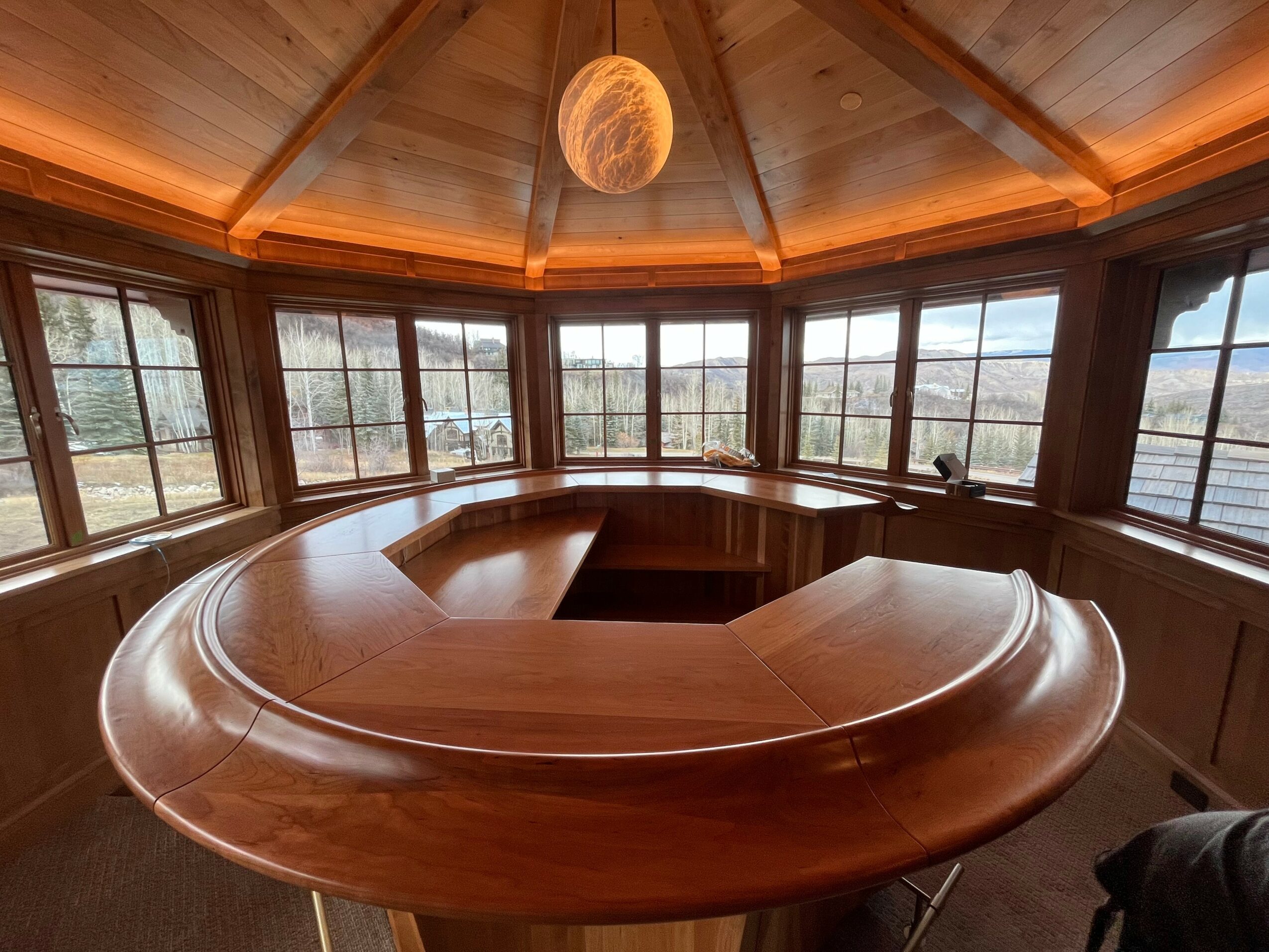
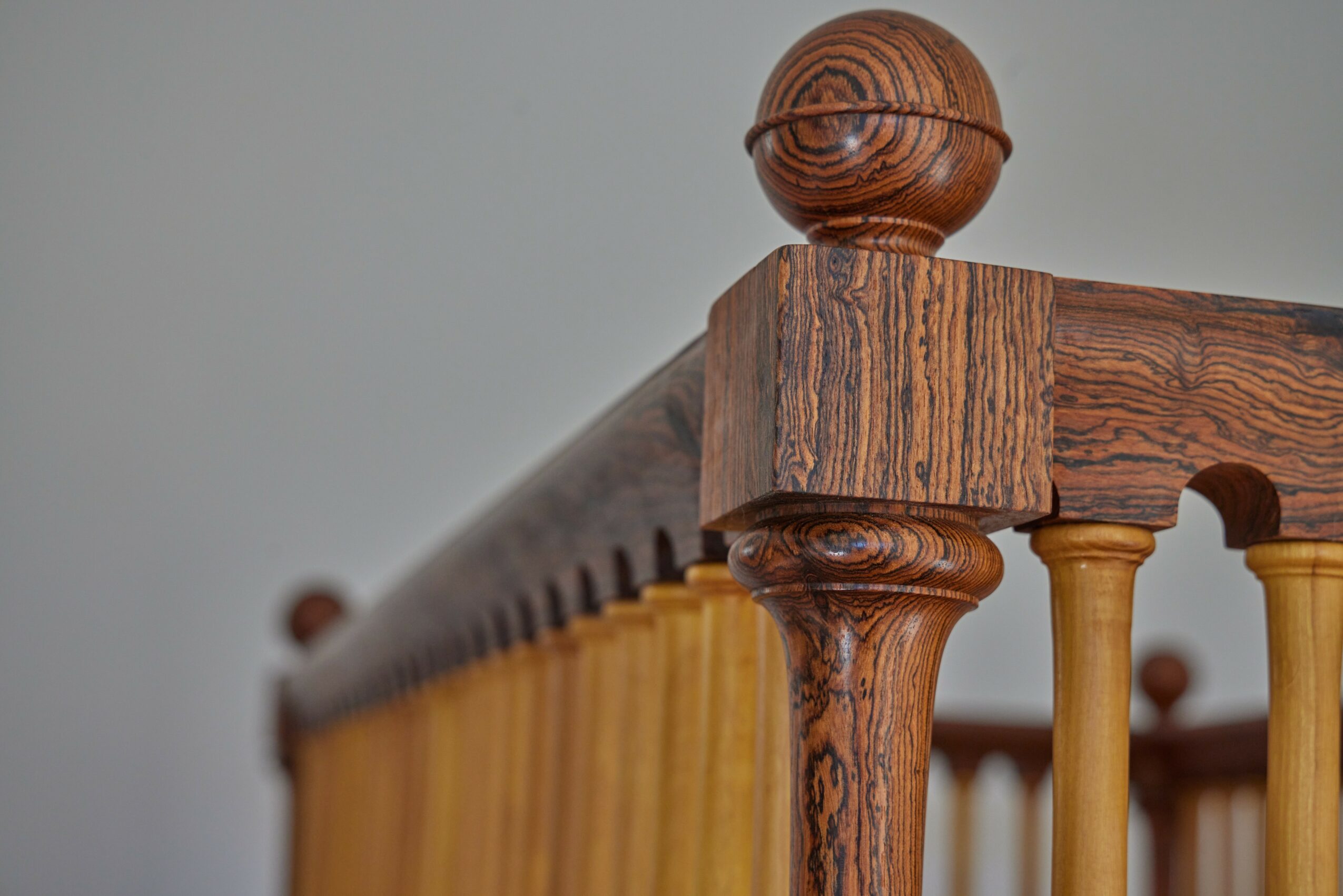
Over the past 16 years, I’ve bootstrapped what began as a fledgling idea in the aftermath of the Great Recession into a company that bridges bespoke craftsmanship with modern manufacturing across the United States and Vietnam. Today, our work can be found in homes and businesses around the world—from hotels in Europe and corporate offices for Nike, to a ceremonial throne for the Queen of Zambia, and, most recently, pieces exhibited at the Smithsonian.
Looking back, the path has rarely been linear. It has wandered through apprenticeship, academia, entrepreneurship, manufacturing, and product development. But through every turn, the objective has remained remarkably unchanged. For three decades, I’ve pursued the same singular ambition: to better understand how thoughtful design, disciplined craftsmanship, and intelligent manufacturing can come together to create objects of lasting value.
Alright, so let’s dig a little deeper into the story – has it been an easy path overall and if not, what were the challenges you’ve had to overcome?
The road has been, at best—and to put it politely—nonlinear.
I’ve encountered nearly every obstacle imaginable. Some were inevitable; others were entirely of my own making. That’s the nature of building something from nothing. You learn as much from unforced errors as you do from unavoidable setbacks.
One of the greatest challenges has been perception. In the minds of much of society, there is a razor-thin line between world-class furniture manufacturing, collectible design, fine art, and Grizzly Adams sitting in a rocking chair whittling wooden toys in front of a fire. To many, anything made of wood is simply “woodworking”—a single, undifferentiated category. For the better part of sixteen years, educating clients and the broader market has often been as important as designing and building the work itself.
Ironically, the disciplines that formed the foundation of my career—design, craftsmanship, engineering, and manufacturing—became only one part of the job. To keep the business alive, they often had to yield to sales, marketing, finance, hiring, legal battles, logistics, and the relentless challenge of maintaining cash flow. Building beautiful furniture turned out to be only a fraction of what it takes to build a furniture company.
Like many small businesses, we became an easy target. Larger companies created roadblocks, leveraged their scale, or viewed us as expendable collateral in pursuit of their own objectives. We’ve endured cash-flow crises, economic downturns, supplier failures, and the constant fatigue that comes with carrying the weight of a business on your shoulders. We spent five years in federal court against an insurance company that chose to delay, deny, and defend rather than honor its obligations. We prevailed on every count. We survived the Great Recession, a global pandemic, and every season in between.
Looking back, there were countless moments when logic suggested walking away. On paper, there were easier careers, safer bets, and more rational decisions. The only things that kept me moving forward were determination, stubbornness, an unwillingness to accept defeat, and perhaps a healthy dose of old-fashioned American hubris.
I was never going to let someone else decide when my story was over. That decision has always belonged to me.
Sixteen years later, we’re still here.
And we’re nowhere near finished.
Alright, so let’s switch gears a bit and talk business. What should we know about your work?
I’ve never fit the stereotype of a creative.
Not because I set out to reject it, but because I came from almost the opposite world. I’m a white guy from the Midwest who grew up as far removed from the creative industries as you could imagine and somehow forged a life inside them.
On the surface, I’ve been told I look more like someone who got lost on the way home from a fraternity beach trip than someone who designs furniture for a living. The perpetual exhaustion isn’t from too much sun or too many late nights—it comes from decades of work, much of it invisible, much of it uncompensated, and all of it in pursuit of something I believed was worth building.
I didn’t grow up in galleries or music studios. I wasn’t the kid dyeing his hair or searching for an artistic identity. I was a child of the ’80s. I wore Adidas socks pulled up to my knees, built bike ramps with my friends, played soccer, and spent afternoons building forts in the woods with my brothers. My path into design wasn’t born from a desire to live a creative lifestyle. It came from an obsession with making tangible life better.
That has remained my ambition for thirty years.
I’ve never been interested in creating furniture simply to be admired. My goal is to improve everyday life through objects that quietly elevate the experiences surrounding them. The greatest compliment my work can receive is not that someone notices the furniture, but that it disappears into the lives lived around it—family dinners, celebrations, conversations, quiet mornings, and traditions passed from one generation to the next.
I’ve often compared my philosophy to bread.
Think of a loaf of artisan hearth bread: flour, water, salt, yeast. Honest ingredients, thoughtfully combined, refined over centuries. Now compare it to industrial white bread, engineered with stabilizers, preservatives, bleaching agents, emulsifiers, and countless additives until the original idea has become almost unrecognizable. Through all that engineering, we’ve somehow produced something less nourishing than what came before.
Much of modern manufacturing has followed a similar path. In the pursuit of efficiency, scale, and margin, we’ve often engineered the humanity out of the objects we live with.
My work has never been about rejecting industry. It has been about reclaiming its purpose.
I want to bring the honesty, longevity, and emotional resonance of the artisan’s workshop into thoughtful industrial production. Technology should amplify craftsmanship, not replace it. Manufacturing should make meaningful objects more accessible, not strip them of the qualities that make them worth owning.
If I’ve succeeded, I hope my name is forgotten almost immediately.
Because the furniture was never meant to be about me.
It was meant to become the quiet backdrop for a life well lived—to absorb memories, acquire character, and outlive its original owner. At that point it ceases to be furniture. It becomes lineage. An object whose greatest purpose is not to command attention, but to enrich the experiences that unfold around it for generations.
Let’s talk about our city – what do you love? What do you not love?
St. Louis is a city of infinite possibility. We are the dark horse in the race that is under the radar. We are undervalued and considered leaving massive room for unique and revolutionary ideas to develop without external influence. We are the Galapagos. I like that we are in many ways forgotten as flyover country. Those who chased the big city lights from The Midwest to LA or New York were bolstered by their location. That’s where the spotlight is focused. St. Louis is a “Oh ya? Hold my beer.” kind of town where its not handed to you. You have to kick in a few doors and tell people why you are relevant, You are expected to bring mediocre simple because of geographic location. Some embrace that and use it as their crutch as to why they do just enough to be financially viable. I’ve always expected to exceed expectations here and everywhere else. It seems to have resonated.
Pricing:
- We can create an heirloom dining table for $3,000 or $300,000. You will love them equally.
Contact Info:
- Website: https://www.goebelfurniture.com/
- Instagram: https://www.instagram.com/goebel_co_furniture/
- Facebook: https://www.facebook.com/GoebelFurniture
- LinkedIn: https://www.linkedin.com/in/martin-goebel-11096418/