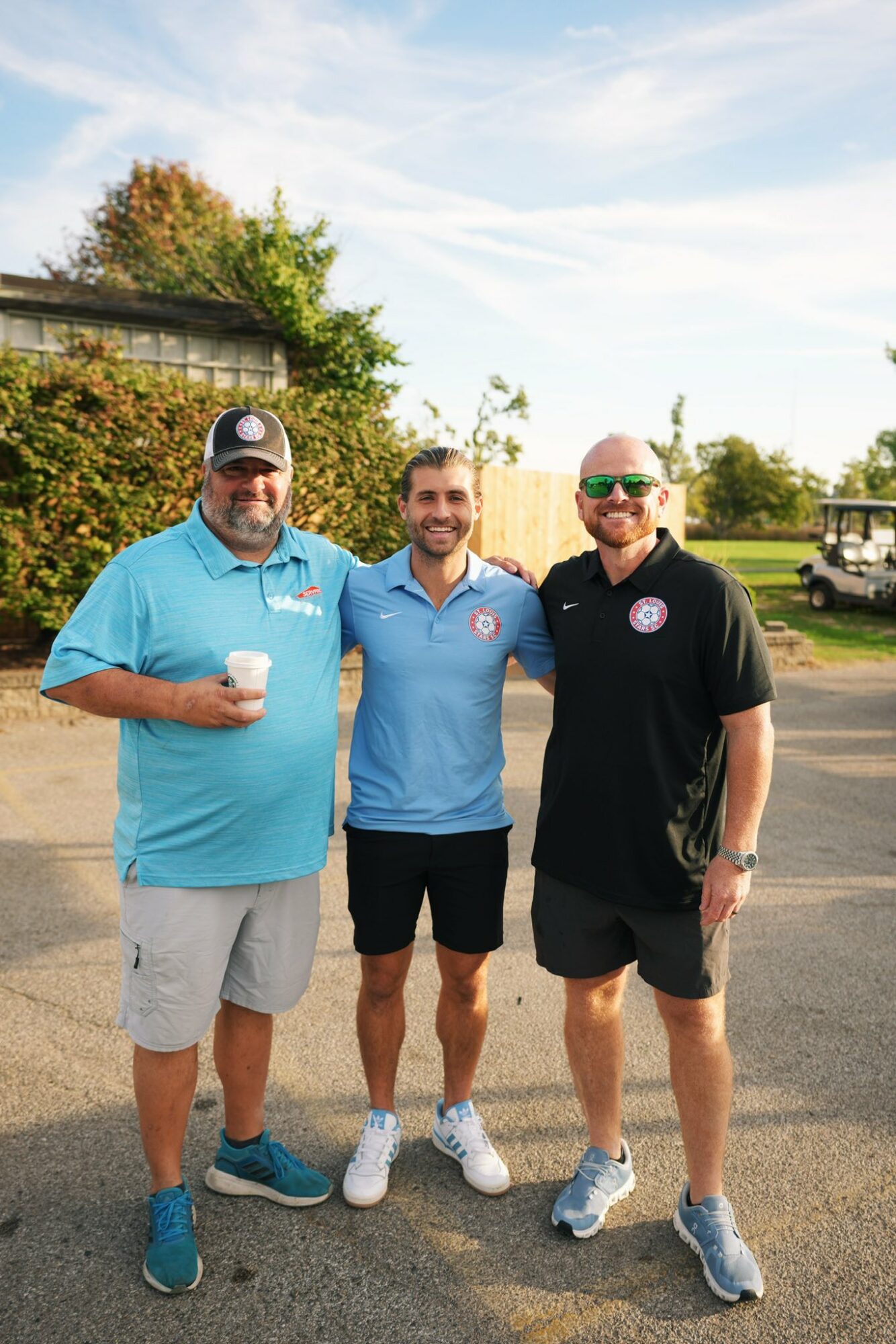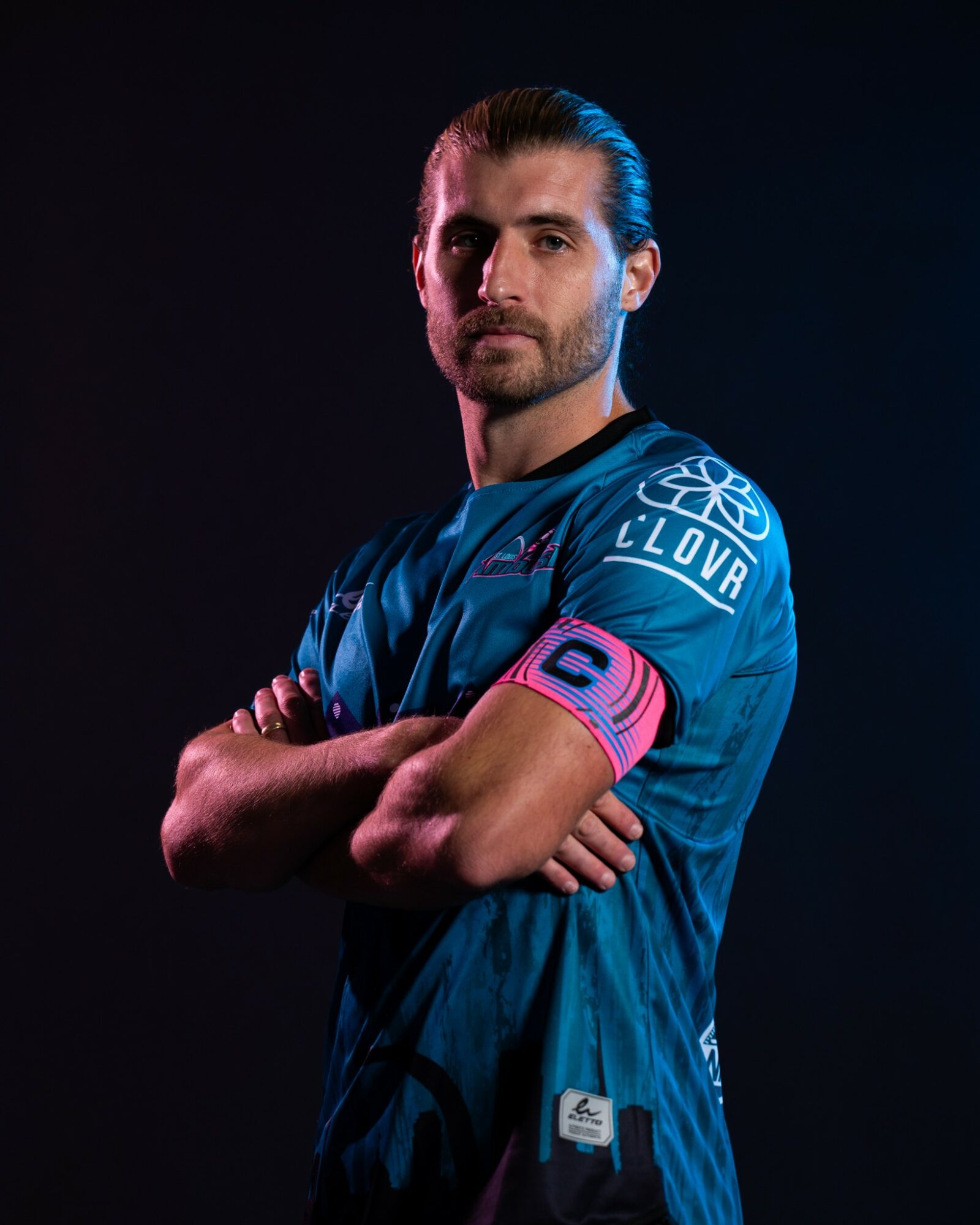
Today we’d like to introduce you to William Eskay.
Hi William, please kick things off for us with an introduction to yourself and your story.
The Stars started small.
Jim Thebeau founded the club with a handful of teams made up of kids who knew each other. Friends. Classmates. Families willing to help out. Coaches volunteering time. Fields wherever they could be found. It was a local club in the most literal sense. People showed up, did the work, and tried to do it right.
Pretty quickly, the teams started playing better than expected. Groups that were mostly neighborhood kids were able to compete at a high level against teams from the biggest clubs around. That was not something anyone planned for, but it mattered. When teams play well, people notice. That success is what drove the club’s early growth.
Growth creates new problems.
What works when you have a few teams does not work when you have many. More players means more communication, more logistics, more responsibility, and more pressure to deliver the same experience to everyone. That is when Jim brought in Matt Hulsey to help organize and build the business side of the club. Matt focused on structure, systems, and operations so the club could keep growing without things breaking.
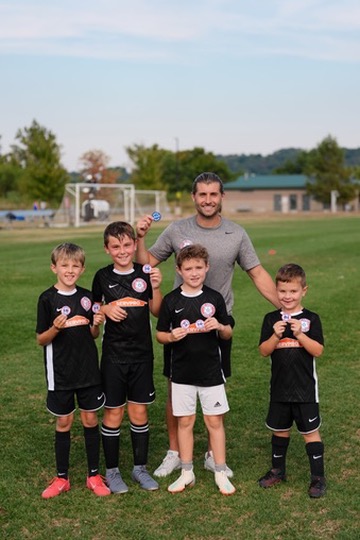
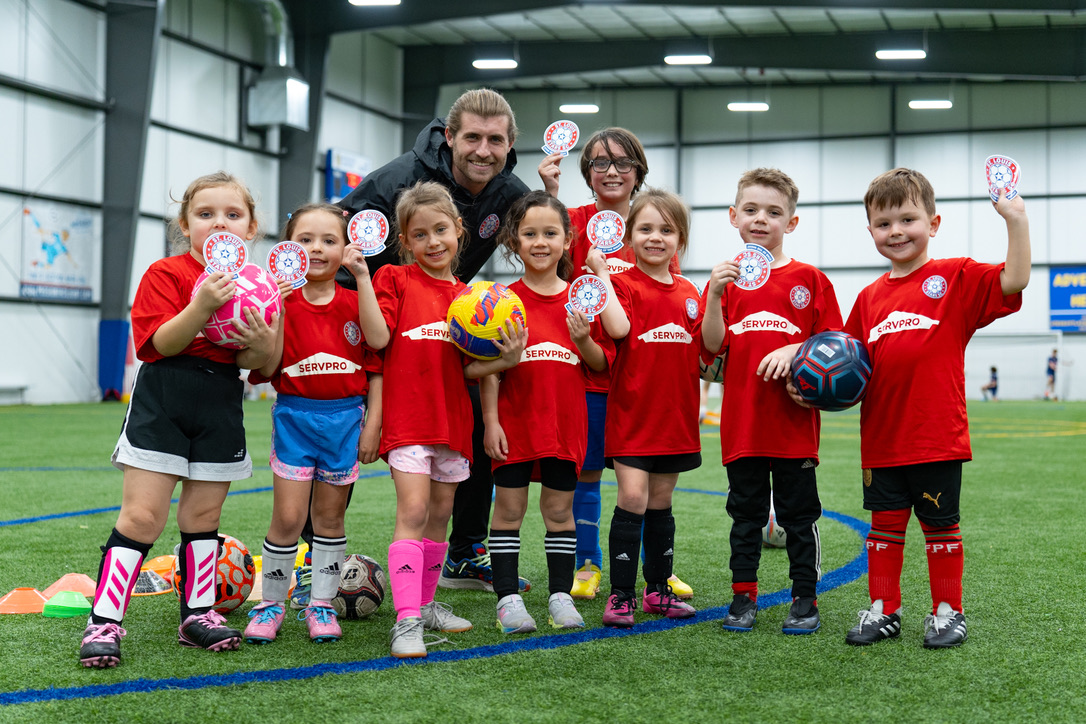
As the club continued to expand, it became clear that the soccer side needed the same level of focus. Someone had to be responsible for how teams trained, how players developed, and how the club looked on the field from top to bottom. That is where I came in. I helped lead the soccer side, build the development framework, and put structure around what was already working.
That is how the Stars reached where they are today.
Jim Thebeau started it with passion and a vision.
Matt Hulsey stepped in and made it a real business.
I helped be the face of the soccer side and implement that vision.
That’s the club.
We all face challenges, but looking back would you describe it as a relatively smooth road?
No, it has not been a smooth road. Not even close.
A lot of the struggles we have dealt with are not unique to the Stars. They are the kinds of problems you run into when something grows fast. The faster you grow, the faster the problems show up. And you do not get to pick the timing.
One of the biggest challenges has always been people. Finding good coaches and staff is hard. Finding people who actually align with the vision, stick to the plan, and put the kids first is even harder. You are constantly balancing serving the families who are already in the club while welcoming new ones, all without letting the culture drift. Every new person you bring in adds risk, and you have to keep that risk as small and short-lived as possible.
We have also gone through major leadership and staffing changes in a very short period of time. There were years where the main staff changed a lot. Some hires looked great on paper and ended up being bad fits. Some situations ended poorly. Some people came in for the wrong reasons. That is part of growing, but it still costs you time, energy, and trust when it happens.
Then there were things completely out of our control.
A tornado wiped out essentially all of the club’s outdoor field space in one shot. The following year, during the rebuild, we lost about half of our available field space in the middle of the season. That meant fewer training slots, tighter schedules, and a lot of scrambling. Those are not small problems for a youth soccer club.
On top of that, there were ideas that sounded good at the time and did not work. That happens when you are moving fast and trying to solve problems in real time. Some decisions miss. You own it and move on.
The most important thing is how we handled those moments.
We did not hide from the problems. We were honest about them. When we made mistakes, we admitted them. When families or staff needed help, we invested in fixing the situation instead of deflecting or blaming. We stayed transparent and focused on what actually matters. The kids. Their development. Their experience. Treating people fairly and consistently.
Because the culture of the club was strong, families understood that things were not always perfect, but they believed we were doing the right things for the right reasons. That trust mattered.
Despite field losses, staff turnover, and growing pains, we kept the important things right. And because of that, families stuck with us. Players kept developing. And over time, it paid off for everyone involved.
Can you tell our readers more about what you do and what you think sets you apart from others?
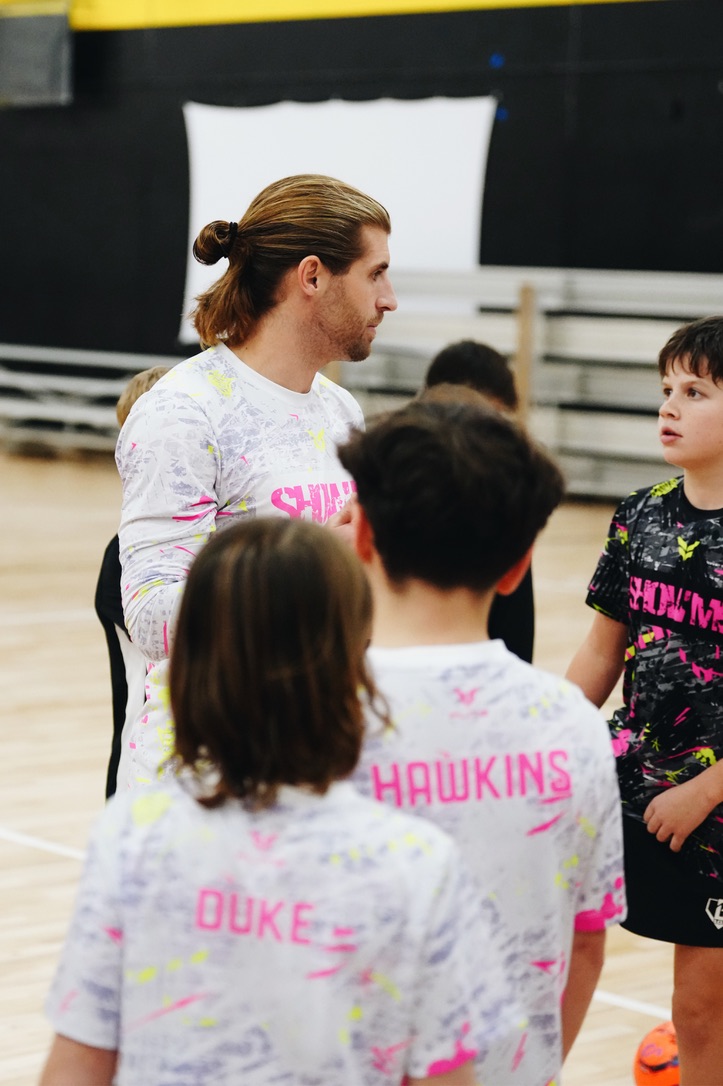
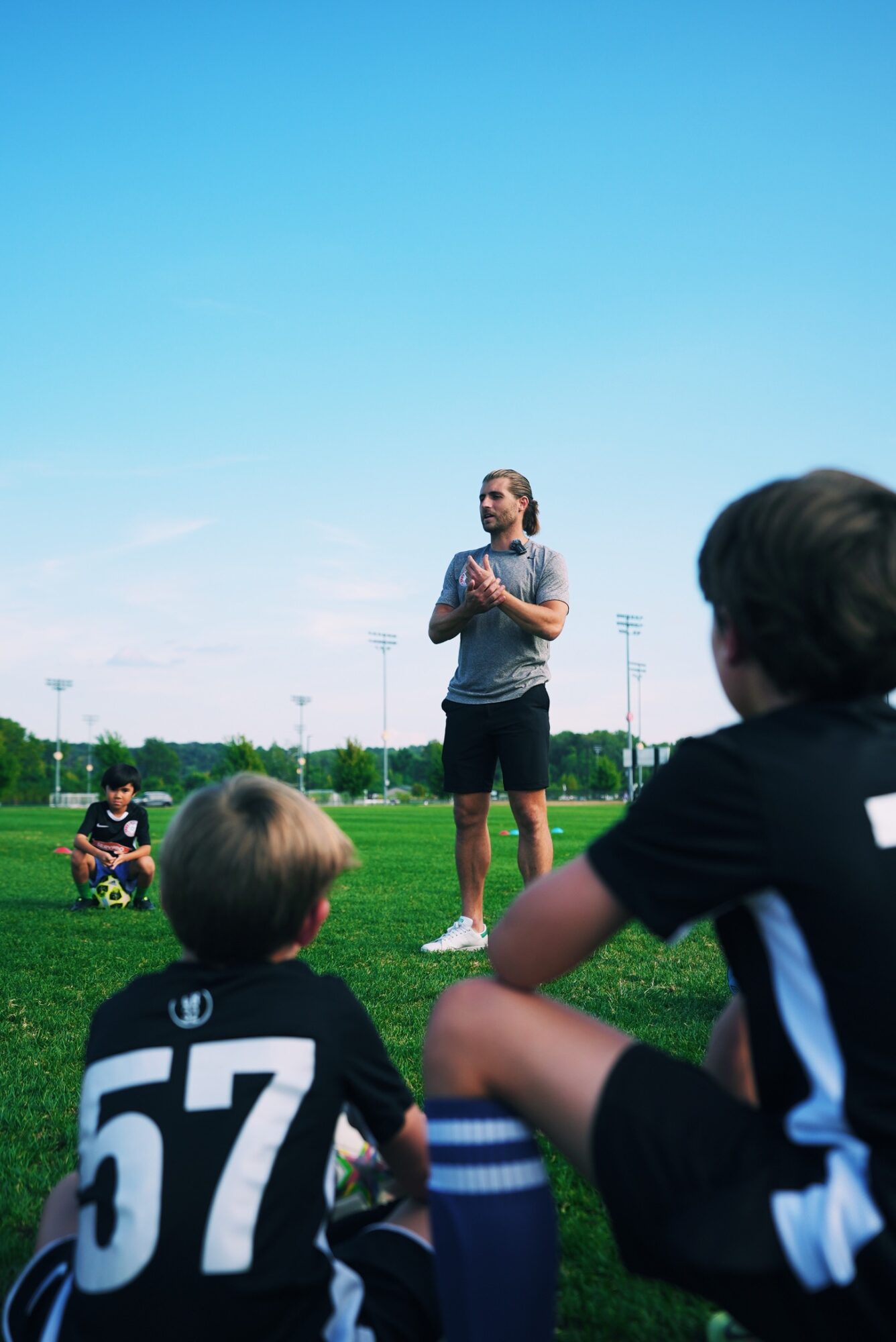
Most of my work revolves around building structure and direction for the club. That means building the plan, shaping the soccer curriculum, and organizing the club in a way that truly serves players first. A big part of that is finding good coaches and staff, aligning them with our vision, and supporting them so they can do their jobs well. I also spend a lot of time on parent education. Helping families understand our development process, why we do things the way we do, and how culture, consistency, and patience matter over time. A lot of what I do day to day is about building and protecting the culture of the club.
What I’m most proud of is being part of the team that helped grow the Stars from a small, largely unknown club into a mid-size club that is now respected nationally. When I first came to St. Louis, the Stars were barely known locally. In a relatively short period of time, the club grew into one that competes at a high level, is part of top national platforms, and is sending players into professional and higher-level pathways. That growth wasn’t the work of one person. A lot of people contributed to it. But I played an important role in that process, especially on the soccer side, and I’m extremely proud of what we’ve built together.
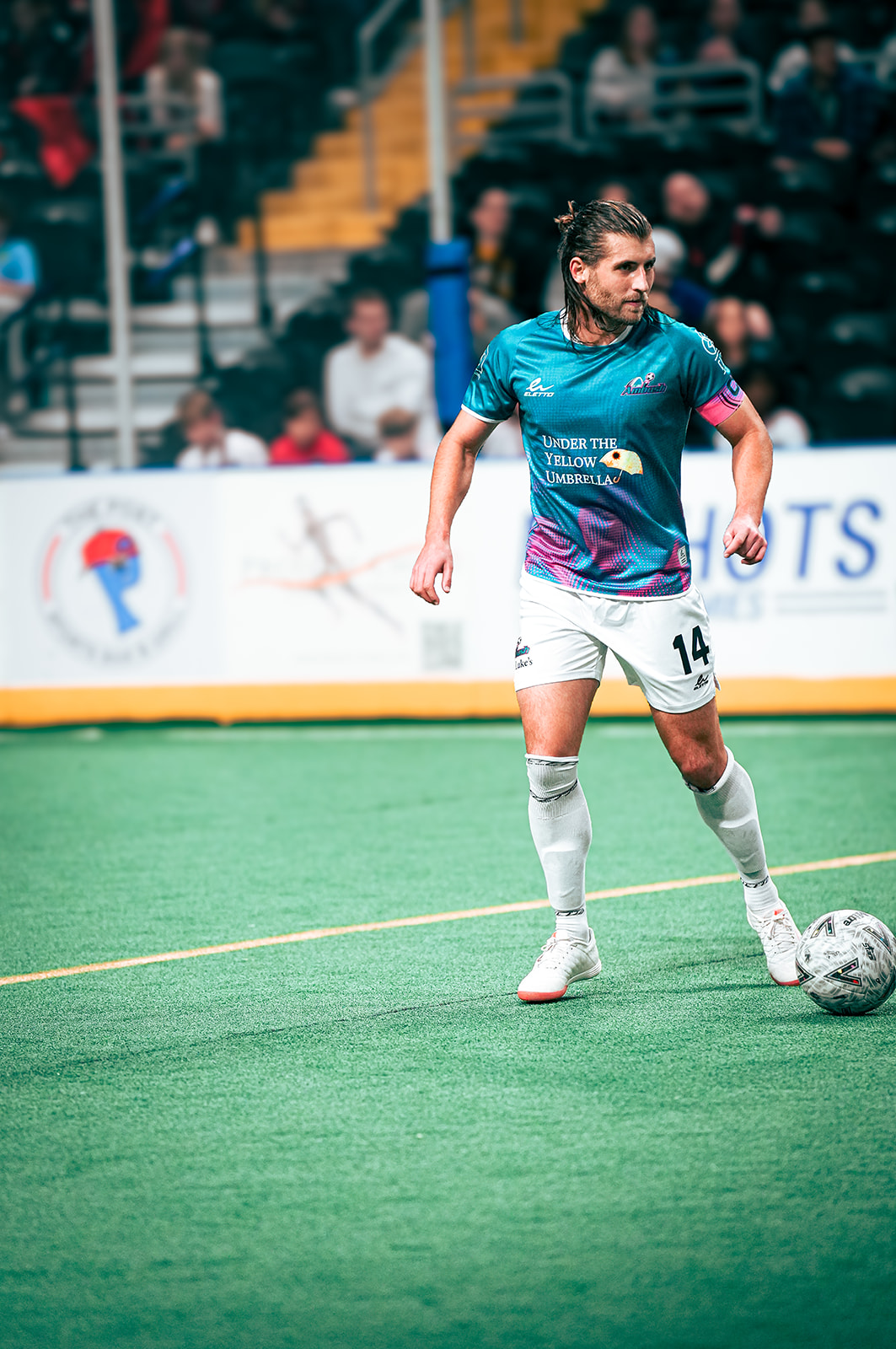
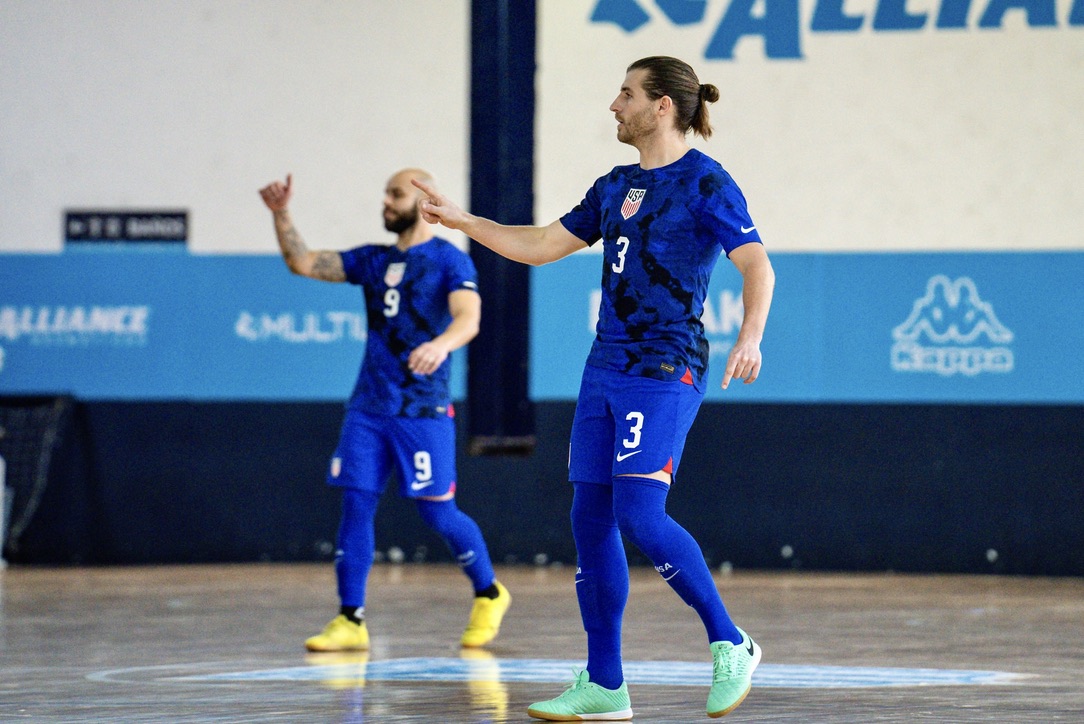
I’m also very proud of my own soccer career, and I still see myself as a player first. I had an incredibly successful Division I career at the College of William & Mary, which shaped me as a competitor and as a person. I’ve had success as a member of the U.S. Men’s Futsal National Team, and I’m currently in the middle of a strong professional indoor career with the St. Louis Ambush in the MASL. I’ve worked my entire life for that, and it’s something I don’t take lightly.
Continuing to play matters to me. It keeps me grounded and connected to what players are actually experiencing. I understand the journey because I’ve lived it and I’m still living it. I’m not just leading from the outside. I’m training, competing, dealing with setbacks, and pushing myself the same way I ask players to do.
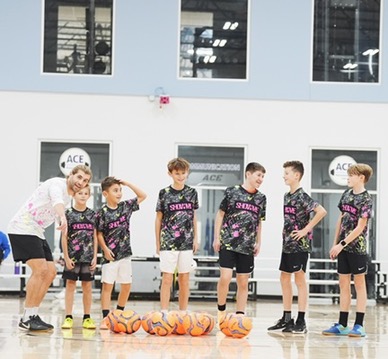
I’m also proud of the work I’ve done to help grow futsal in St. Louis. Small-sided soccer played a huge role in my own development, and building opportunities for players to experience that side of the game has been meaningful to me. Seeing that grow locally has been rewarding.
If there’s one thing that truly sets me apart, it’s the combination. I’ve had success as a player, as a coach, and as a leader within a growing club. A lot of people operate in one of those lanes. Very few are doing all three at the same time. I’m leading an organization, coaching and developing players at a high level, and still playing at an extremely high level myself. Those experiences constantly inform each other, and that perspective shapes how I lead, how I coach, and how I make decisions.
Is there something surprising that you feel even people who know you might not know about?
Something that surprises a lot of people is that my background isn’t really in soccer from an academic or professional standpoint.
I was a computer science major, and most of my higher-level education was in computer science, software engineering, and mathematics. I don’t directly use those skills in my day-to-day work now, but the problem-solving side of that education has helped me a lot. A lot of what I deal with in soccer is complex. There are moving parts, tradeoffs, and real constraints, and learning how to think through problems has been useful.
The other thing people don’t always realize is that I’m an outsider in the St. Louis soccer market. It’s a very tight-knit community where everyone knows everyone, and I didn’t come in with connections. I’m a soccer player from rural western Maryland, not someone who grew up in the local scene.
I think being an outsider has shaped how I operate. I had to earn trust through my work, not through who I knew.
Contact Info:
- Website: https://stlstars.club
- Instagram: william.eskay
- Facebook: William Eskay
- Youtube: @StLouisStarsSC