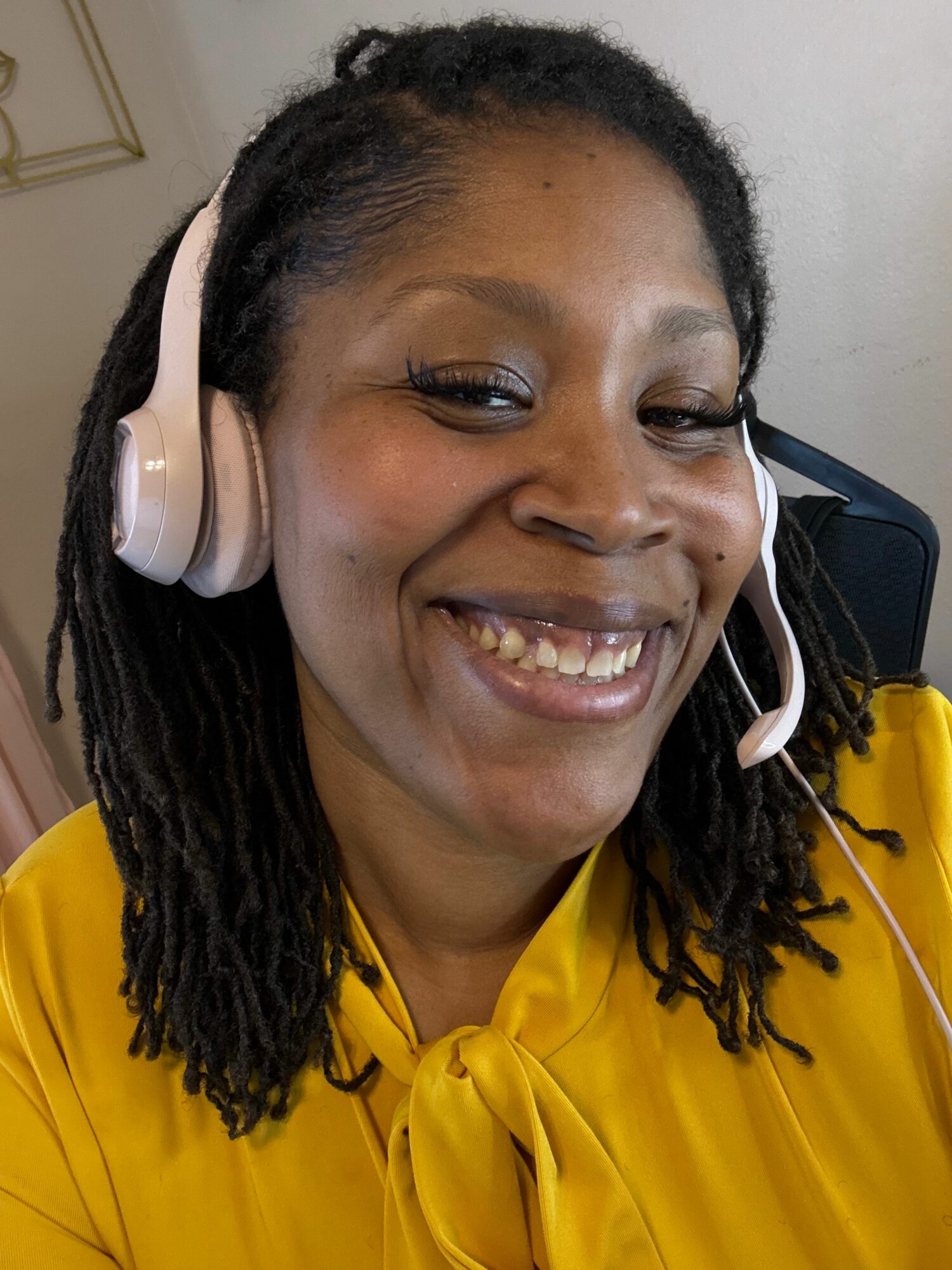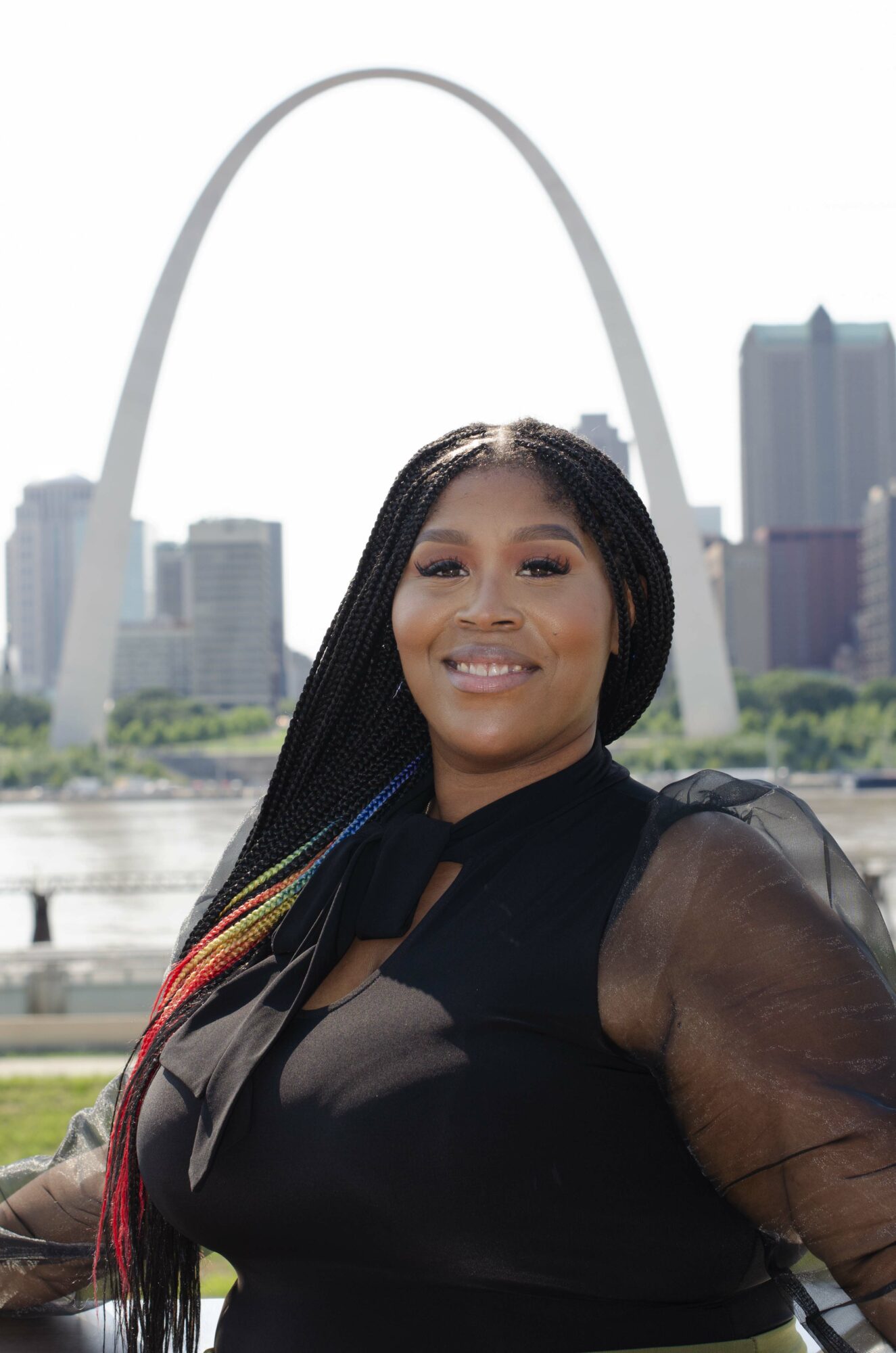
Today we’d like to introduce you to Ashley Wofford.
Hi Ashley, thanks for joining us today. We’d love for you to start by introducing yourself.
I’m a Licensed Clinical Social Worker and the founder of Wofford’s Way, a trauma-focused telehealth practice originally established in St. Louis, Missouri. At its core, my work is simple — I love walking alongside people as they work through pain and discover that healing is possible.
Throughout my career, I’ve been drawn to understanding trauma not just as an emotional experience, but as something that impacts identity, the nervous system, and even generational patterns. Early on, I worked within state systems through the Missouri Department of Mental Health, where I saw firsthand how often people fall through the cracks when care lacks structure and accessibility.
That understanding deepened when I later supported a beta mental health initiative through Task Force True North at Joint Base Elmendorf-Richardson in Alaska — a program that has since expanded Air Force-wide. Being part of an innovative, system-level approach to mental health reinforced my belief that healing must be both clinically sound and practically accessible.
My worldview has also been shaped by time studying abroad in Egypt, where I gained a broader appreciation for how culture, environment, and identity influence resilience and recovery. Those experiences continue to inform the way I approach trauma work today — with both clinical precision and cultural humility.
Over time, all of these experiences converged into the creation of Wofford’s Way. What began as a private practice in St. Louis has grown into a multi-state telehealth practice serving adults across Missouri, Illinois, Florida, and Texas — particularly those in rural or underserved communities who may not have access to specialized trauma care locally.
At the end of the day, I’m someone who feels deeply called to this work. I believe healing is possible, even after deep pain, and I consider it an honor to help people regulate their nervous systems, rebuild their sense of safety, and move forward with greater steadiness and self-trust. As Wofford’s Way continues to grow, my focus remains the same: integrity, compassion, and building sustainable pathways to healing.
Alright, so let’s dig a little deeper into the story – has it been an easy path overall and if not, what were the challenges you’ve had to overcome?
It definitely hasn’t been a completely smooth road — and I don’t think meaningful work ever is.
One of the biggest challenges has been learning how to build something sustainably while still protecting the heart behind it. Trauma work is deeply personal. It requires presence, patience, and integrity. As Wofford’s Way began to grow, I had to learn how to expand access to care without compromising the quality and depth of the work itself. That required slowing down at times, recalibrating, and trusting the process instead of rushing growth.
Another challenge has been stepping into roles I wasn’t formally trained for. As clinicians, we’re taught how to care for people — but not necessarily how to run a business. Navigating multi-state licensure, compliance systems, insurance processes, and long-term infrastructure stretched me in ways I didn’t anticipate. There were seasons where I had to grow quickly — not just professionally, but personally — and learn to lead with both confidence and humility.
On a more personal level, I’ve had to learn to trust my voice. There have been environments where I felt challenged or underestimated, and those moments forced me to become steadier. They refined my leadership and deepened my conviction about the kind of practice I wanted to build — one rooted in dignity, structure, and genuine care.
Looking back, the obstacles weren’t detours; they were shaping points. They strengthened my resilience and clarified my mission. Today, when I support clients through their own healing journeys, I do so with an even greater appreciation for the fact that growth often comes through stretching — and that steady, intentional progress is more powerful than rushing toward the finish line.
Alright, so let’s switch gears a bit and talk business. What should we know?
Wofford’s Way is a trauma-focused telehealth practice, but more than that, it’s a space where uncomfortable conversations are welcomed and healing is approached with both structure and compassion.
We specialize in working with adults who are ready to go deeper — individuals who may have tried to “push through” their pain for years but are now ready to understand how their experiences have shaped their nervous systems, relationships, and patterns. Through modalities like EMDR and trauma-informed care, we help clients move beyond survival mode and into steadiness.
What sets Wofford’s Way apart is the balance between warmth and clinical depth. Healing here isn’t surface-level encouragement. It’s intentional, evidence-based work that honors both the science of trauma recovery and the humanity of the person sitting in the room — even if that room is virtual.
We are especially committed to serving individuals in rural and underserved communities who may not have access to specialized trauma therapy locally. As a multi-state telehealth practice, we’ve been able to expand access while maintaining the integrity and personalization that trauma work requires.
Brand-wise, I’m most proud that Wofford’s Way has never been built on hype. It has been built on steadiness. Every layer — from licensure expansion to infrastructure — has been added thoughtfully. The goal has always been sustainable healing, not just growth for growth’s sake.
At its core, Wofford’s Way exists for people who are ready to face what hurt them — and discover that they are not broken, but capable of healing with the right support.
Do you have any advice for those just starting out?
One of the most meaningful pieces of advice I ever received came from a colleague I deeply respect. At our graduate school hooding ceremony, when I was stressed about securing the “right” job, she looked at me and said, “Ashley, you work for Ashley Inc.”
At the time, it made me pause. Over the years, it became a personal mantra.
What she meant — and what I now understand more fully — is that before you work for any organization, system, or title, you work for yourself. You carry your own morals, mission, and values. Positions may change. Contracts may end. Roles may evolve. But your integrity is yours to steward.
So my advice for those just starting out is this: know your core before you chase opportunities. Develop your values. Define your mission. Understand what you stand for — and what you won’t compromise. When you’re clear on that, decisions become less about pressure and more about alignment.
I also encourage people to build steadily rather than urgently. Growth that lasts is rarely rushed. There will be moments of stretching and refining — personally and professionally — but those seasons are shaping you for leadership.
The concept of “Ashley Inc.” has shaped not only how I lead, but how I practice. I often encourage clients to develop the same mindset — to recognize that they are stewards of their own lives, boundaries, and values first. From that place, healthier work, relationships, and decisions can follow.
Start with your foundation. Protect your integrity. And build in a way that allows you to look back without regret.
Pricing:
- Individual trauma therapy sessions (50–60 minutes)
- EMDR therapy sessions
- Multi-state telehealth services (MO, IL, TX, FL)
- Insurance accepted in select states
- Private pay options available
Contact Info:
- Website: https://www.woffordsway.com
- Instagram: https://www.instagram.com/woffordsway
- Facebook: https://www.facebook.com/woffordsway