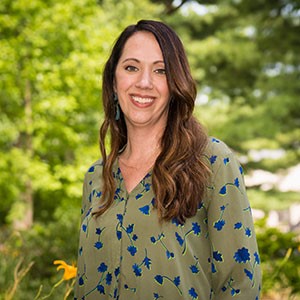
Today we’d like to introduce you to Lori Bosma Ream.
Hi Lori, we’d love for you to start by introducing yourself.
The idea for Responder Development & Empowerment (RDE) was born in a classroom. During her Clinical Mental Health graduate program at Webster University, Bosma, RDE President/CEO, authored a paper that explored the growing need for counseling services tailored to responders—military, police, firefighters, EMS, and emergency healthcare workers. The paper focused specifically on compassion fatigue among law enforcement professionals, a topic that would later become the catalyst for a movement.
In an article featured by Webster University, Bosma explained, “Compassion fatigue (CF) is similar to burnout. The difference is that CF is caused by secondary traumatic stress (also known as vicarious trauma), whereas burnout generally stems from a lack of organizational support. I was familiar with CF in caregivers of individuals with mental or chronic illnesses, but when the summer of 2020 brought protests, COVID deaths, and societal conflict with the very professionals we depend on to keep us safe, I started to wonder: how are these first responders coping? And maybe more importantly, how are they able to continue serving while remaining mentally well after constant exposure to trauma, contentious situations, and an often unsupportive system?”
Bosma’s research found that compassion fatigue—closely linked to traumatic experience—was, at the time, even more prevalent than burnout. She explored root causes like moral injury, PTSD, and other trauma-related injuries, analyzing their effects on neurotransmission and executive function. Her conclusion was clear: healing is possible with the right combination of trauma-specific treatment modalities, such as Eye Movement Desensitization and Reprocessing (EMDR), Cognitive Behavioral Therapy (CBT), and, most critically, a deep cultural understanding of the responder experience.
Bosma’s work didn’t stop with research. After submitting her paper to Professor of Counseling Stacy Henning Churovich, a deeper conversation emerged around the complex mental health needs of first responders. Recognizing the significance of the topic, Henning assisted in refining and editing the paper, which was later published in the Law Enforcement Bulletin, a respected publication issued by the FBI’s Training Division. This extraordinary acknowledgment not only validated the work, but also opened doors to broader networks and deeper opportunities for change.
This momentum led to the formation of a student organization at Webster University: the First Responder Wellness Group. Bosma and Henning teamed up with counseling students Thomas Crees and Lindsey Rohlman to bring the vision to life. Crees, a U.S. Army veteran and former law enforcement officer, brought deep field experience to the team. Today, he serves as Vice President of RDE, specializing in addictions, homelessness, violence reduction, and trauma-informed care.
Bosma and Crees began speaking publicly as graduate students, with their first presentation at the Missouri Institute of Mental Health’s 2021 Spring Institute hosted by the University of Missouri–St. Louis. The group expanded to add Patrice Bathon, a former Law Enforcement Officer, and current mental health therapist and Registered Nurse; Josh Faller, a Marine veteran, former Law Enforcement Officer and currently a Crisis Intervention Specialist; and Lisa Flamion, a licensed professional counselor and level III trained crisis negotiator. In 2023, following Bosma’s graduation, the group rebranded and officially established Responder Development & Empowerment (RDE) as an LLC. In 2024, RDE was invited to take part in the Missouri Department of Public Health’s inaugural First Responder Wellness Conference, which provided free wellness education to 400 responders statewide. Most recently, RDE partnered with H.E.R.O.E.S. Care, a nonprofit serving military veterans and their families, to deliver free wellness education and mental health support through a grant-funded initiative available to qualified military personnel, first responders, and their loved ones. What began as a graduate research paper has since evolved into a trusted organization that stands shoulder-to-shoulder with responders—supporting their mental health with purpose, compassion, and cultural competency.
At the core of RDE is a team uniquely equipped to serve the responder community because they are part of it. Each team member is either actively serving, has previously served in a responder role, or is the spouse or partner of a responder. They are also licensed counselors or professionals working toward licensure. As Bosma explains, “The concept of this strict vetting process is that having lived the experience of being a first responder means having a deeper understanding of their mental health needs.” That shared lived experience creates an unspoken bridge—built on empathy, trust, and an authentic understanding of the pressures responders face every day.
Would you say it’s been a smooth road, and if not what are some of the biggest challenges you’ve faced along the way?
Trust—a small word, but one that carries the weight of everything we do. For therapists, building trust is always a challenge, but in the responder community, where hypervigilance is the norm and vulnerability feels like a risk, that challenge is even greater. Asking for a meaningful conversation in that context isn’t simple. That’s why RDE has been intentional about building trust, not just talking about it. We’ve partnered with trusted mental health providers like Walter’s Walk, established since 2010, and Dr. Jean Moretto, LPC, to learn how to earn this trust. We’ve also met responders where they are—doing ridealongs, engaging with wellness commanders, and attending wellness events and health fairs hosted by departments. These consistent, transparent efforts have opened doors that were once closed. When we lead with honesty and reliability, trust grows—and with it, real opportunities for mental health education and wellness can begin to take root.
Thanks for sharing that. So, maybe next you can tell us a bit more about your business?
RDE (Responder Development & Empowerment) delivers specialized mental health support and training for first responders, military personnel, and healthcare professionals—those who face trauma and high-intensity stress as part of their everyday work. Understanding the profound impact of these demands, RDE provides expert-led counseling, group therapy, and targeted education designed to address the unique psychological challenges of these vital professions.
Our team of skilled therapists and educators brings deep expertise in treating burnout, post-traumatic stress disorder (PTSD), moral injury, and compassion fatigue. Using evidence-based practices—such as Eye Movement Desensitization and Reprocessing (EMDR)—we help individuals recover emotionally, restore relationships, and reconnect with a renewed sense of well-being and purpose both on and off the job.
Beyond individual care, RDE develops customized wellness education and departmental training that reflect real-world experience and clinical best practices. Our POST-certified program offers continuing education units (CEUs) and non-POST programs are adaptable to the specific needs of any agency—delivering relevant, effective support where it’s needed most.
Recognizing that the end of a service career brings its own emotional and identity challenges, RDE also offers retirement transition services. These programs are designed to help responders find renewed purpose and meaning after years of selfless service. Through guided workshops, mentorship, and personal development planning, we support individuals in building fulfilling post-career lives grounded in their strengths, values, and passions.
Rooted in a strong commitment to community, RDE partners with organizations to support responder families through outreach events, education, and volunteer initiatives. We believe true healing is comprehensive—built on care for the whole responder network, including those who stand beside and behind them every day.
So maybe we end on discussing what matters most to you and why?
What matters to RDE is building trust, providing culturally competent care, and creating lasting support for first responders and their families. RDE values:
Trust and Relationship – Creating an environment where first responders feel heard, respected, and supported, especially in a space where vulnerability is often seen as a risk.
Trauma-Informed Care – Offering services rooted in an understanding of the unique challenges responders face, including compassion fatigue, PTSD, moral injury, and secondary traumatic stress.
Community and Connection – Going beyond therapy, RDE actively engages with responders by doing ride-alongs, attending wellness events, and partnering with organizations like Walter’s Walk and H.E.R.O.E.S. Care to strengthen mental health resources.
Education and Trauma Resiliency – At RDE, we prioritize trauma resiliency education to help first responders build the mental and emotional strength needed to face the unique challenges of their work. By offering practical tools to manage stress, recognize signs of trauma, and cultivate resilience, we empower responders to take control of their mental health. Our approach emphasizes proactive strategies for managing secondary traumatic stress, burnout, and moral injury, ensuring responders not only survive but thrive in their personal and professional lives. Education is the key to long-term wellness and resilience.
Holistic Wellness – Supporting not only individual mental health but also fostering strong family systems and resilience, recognizing the interconnectedness of personal and professional well-being.
Pricing:
- Cost covered for qualified military and first responders.
- Most insurances accepted
- Military and first responder family members receive discounted cost.
Contact Info:
- Website: http://frontlinerde.com/
- Instagram: https://www.instagram.com/responderdevelopment/
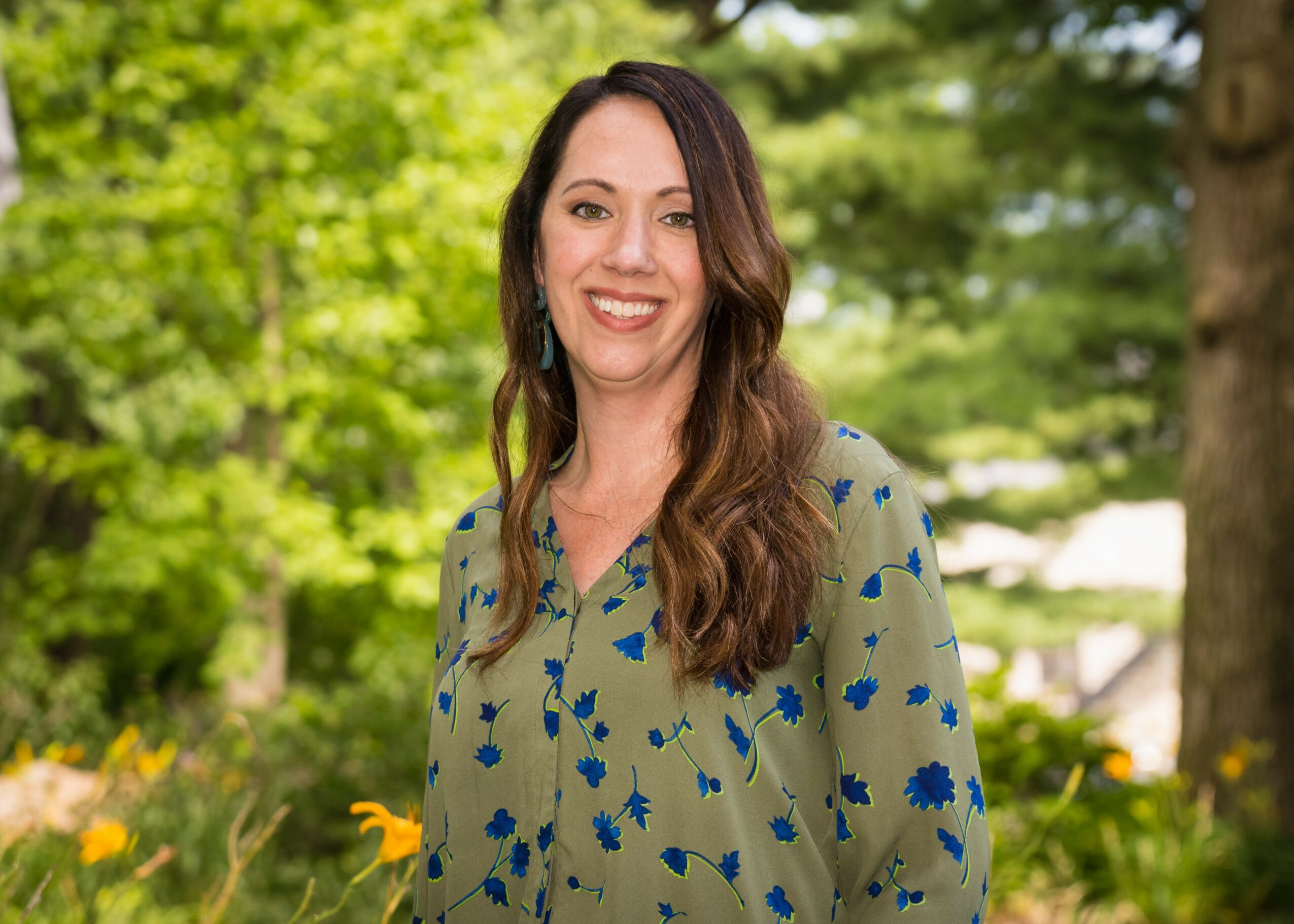

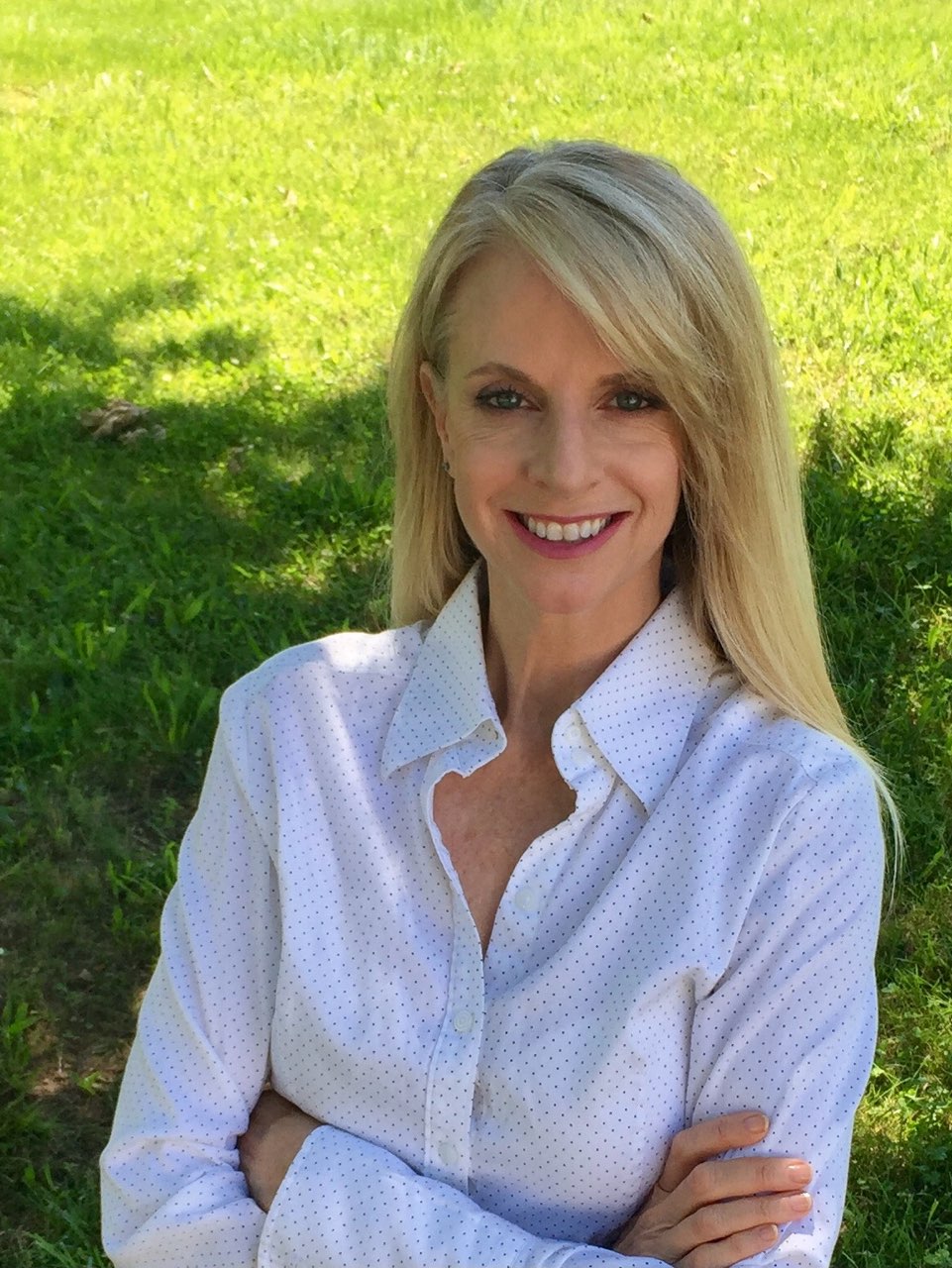


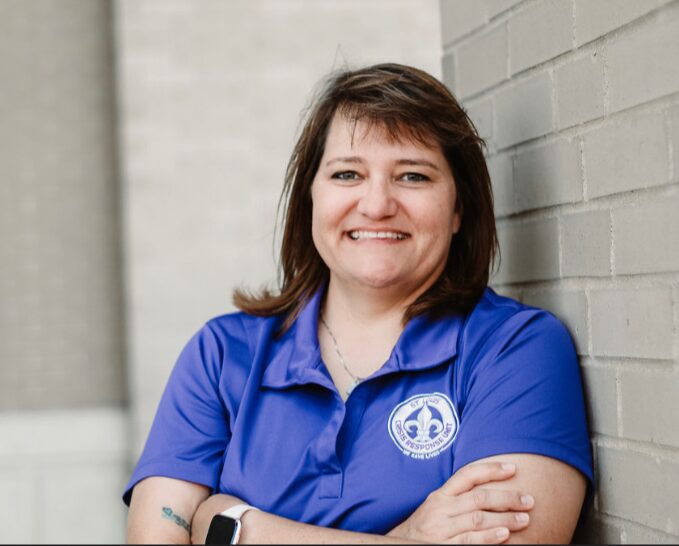
Image credits and bios:
Lori Bosma Ream, MA, PLPC, CISM
CEO/President
Lori is a mental health professional, former educator, public speaker, and co-founder of Responder Development & Empowerment (RDE). She specializes in compassion fatigue, moral injury, and trauma among first responders including military and ER healthcare professionals. Lori is trained in EMDR therapy and her work has been published in the FBI’s Law Enforcement Bulletin. With a background in education and sexual misconduct prevention and response in higher education, she offers a trauma-informed, culturally sensitive approach.
Thomas Crees
Vice President, Lead Consultant for Military Initiatives
Thomas is a mental health professional, U.S. Army veteran, former law enforcement officer, public speaker, and co-founder of Responder Development and Empowerment (RDE), specializing in addiction medicine, homelessness, violence reduction, and trauma-informed care.
Stacy Henning Churovich, PhD, LPC, CCTHP, CMHVDA-IRC, MO LPC Supervisor
Principal Consultant and Business Advisor
Dr. Stacy Henning is a professor at Webster university where she has been teaching, supervising and leading for more than 17 years. Stacy is also an LPC specializing in work with women and couples.
Patrice Bathon, MA, PLPC, RN, BSN
Lead Consultant for EMS/Healthcare Initiatives
With a background in law enforcement and nursing, including work in the NICU and behavioral health, Patrice helps individuals navigate trauma, anxiety, grief, life transitions, and more through a compassionate, collaborative approach. Drawing from EMDR, CBT, depth psychology, mindfulness, and some somatic practices, Patrice supports her clients in finding clarity, healing, and a deeper connection with themselves.
Josh Faller
Lead Consultant for LEO Initiatives
Josh Faller is a United States Marine Corps veteran and former law enforcement officer with nine years of service. He currently works as a mental health professional in a Sheriff’s Office Crisis Intervention Unit and is completing his master’s degree in counseling with a focus on treating PTSD and trauma in first responders and military veterans. He is proud to be part of Responder Development & Empowerment (RDE), supporting the mental health and resilience of frontline professionals.
Lisa Flamion, LPC
Lead Consultant, Specializing in Crisis Management and Emergency Interventions
Lisa is a licensed professional counselor and level III trained crisis negotiator currently working at the Jefferson County Sheriffs Office where she oversees the Co-Responding Unit and Officer Wellness initiatives. She also a part of the St Louis Critical Incident Stress Management Team, a CIT Instructor and a public speaker.