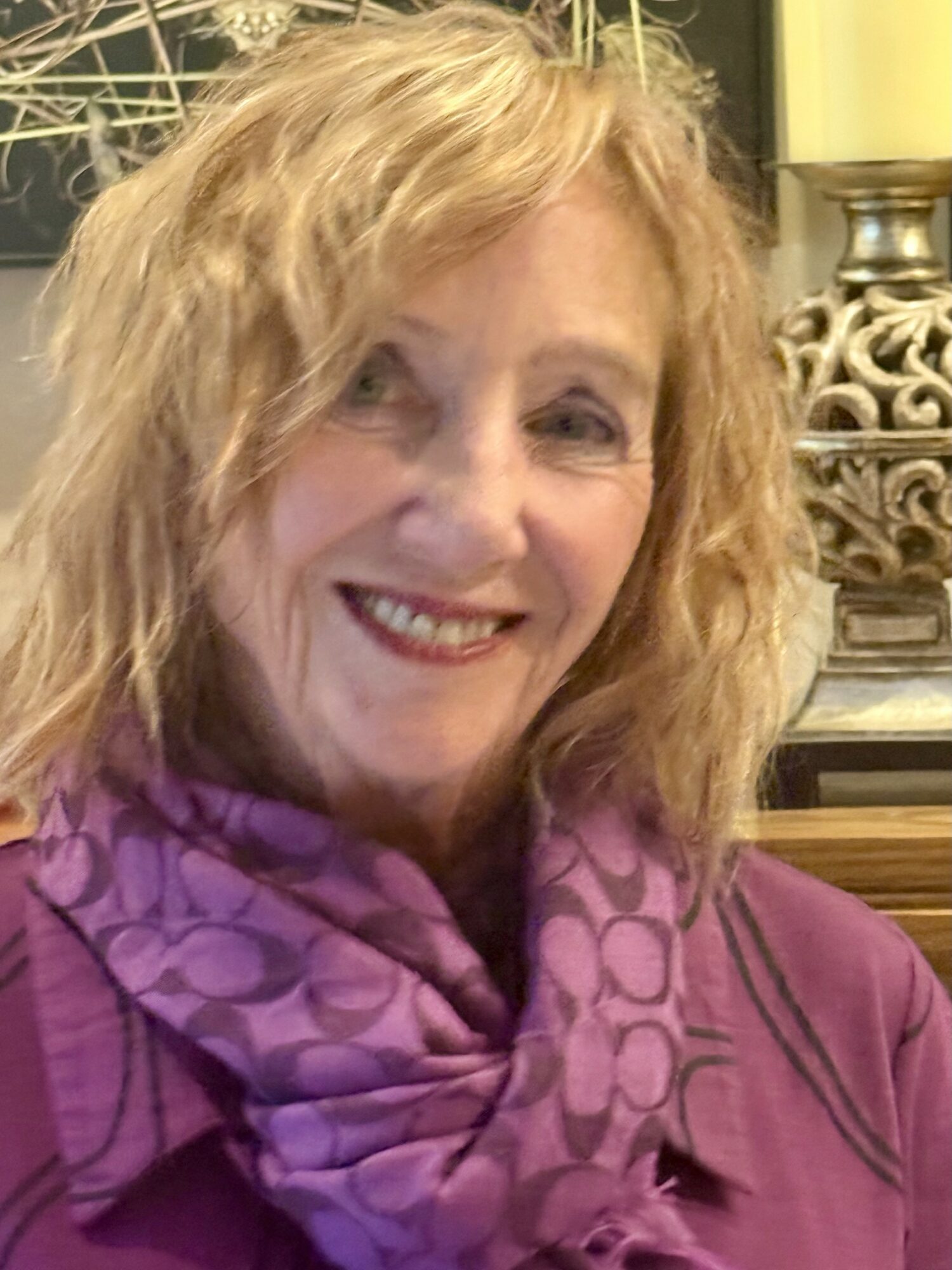
Today we’d like to introduce you to Sandra Becker-Warden.
Alright, so thank you so much for sharing your story and insight with our readers. To kick things off, can you tell us a bit about how you got started?
I knew that I wanted to pursue a career in the helping profession around eighth grade. I always enjoyed listening to friends’ dilemmas and offering support. I was the oldest of four children, with three younger brothers, and I began babysitting neighborhood children by the age of twelve. I also grew up in a family business, which I didn’t realize at the time would greatly influence me years later when I founded my own company, Family Life Consultants, Inc. (FLC).
I attended Wartburg College, graduating in 1973 with a double major in psychology and social work. I had always planned to earn my master’s degree in social work but wanted to gain professional experience first. I worked as an intern with the Iowa Division of Family Services in my hometown, which exposed me to parts of the community I had never been aware of, such as poverty and child abuse/neglect. Through that experience, I realized the true importance of my chosen profession.
In 1977, I moved to St. Louis to pursue my Master of Social Work at the George Warren Brown (GWB) School of Social Work at Washington University. Prior to that, I worked for two years as a home-school liaison, making home visits and working with students and parents to address various problems. It was often heartbreaking to see how many students struggling with behavioral issues and poor attendance lacked family support.
At GWB, I chose mental health as my concentration, with a specialty in family systems. Upon graduation in 1978, I was fortunate to be hired as a family therapist at a local nonprofit agency (now Chestnut Health Systems), where I had completed a two-semester practicum. While there, I not only provided therapy to families, couples, and children but also gained valuable experience in administration, grant writing, program development, and serving on local and state advisory boards. I also conducted community education workshops, in-house school services, and training sessions for various community agencies.
By 1985, I had gained the experience and confidence needed to start my own practice. I knew I didn’t want a traditional solo practice, as I valued collaboration and community engagement. Thus, Family Life Consultants was born. I was joined by two therapist colleagues, a psychiatrist, and a psychologist, both part-time. In the beginning, I was juggling multiple responsibilities. To supplement my income while establishing the practice, I contracted with an agency called YES to teach parenting classes for adolescent parents in the Parkway School District, conducted home health care visits in East St. Louis, and wrote a successful grant through DCFS to start a child abuse prevention program.
It was quite a year, as my husband and I also adopted our sons, Matt (18 months old) and Ryan (a newborn), during that same time. I credit much of my success to my early experience in the family business and the seven years I spent working in the nonprofit sector.
I am licensed as a clinical social worker in both Missouri and Illinois. In the past, I have maintained offices in Staunton and Vandalia, Illinois. Currently, I see clients at the Lake of the Ozarks in Missouri and at my office in Collinsville, Illinois.
We all face challenges, but looking back would you describe it as a relatively smooth road?
Certainly, juggling family life while building and maintaining a career has always had its challenges. When I was starting out, my husband, Ed, and I had to coordinate childcare carefully. He worked in the corporate world and didn’t have the flexibility to be away from the office during the day. Both Matt and Ryan had special needs that required multiple weekly doctor’s appointments and various therapy sessions throughout their childhood. I was on “kid duty” during the weekdays, while Ed took over on the two evenings I saw clients and on Saturdays.
Ed was often stuck attending Saturday morning soccer games, which he found quite humbling, as he likes to joke that neither of our boys were natural athletes. I, on the other hand, was perfectly happy to be in the office during that time.
In the early 1990s, my practice was doing well, and I was earning a decent living, until health maintenance organizations (HMOs) replaced direct third-party insurance payers as a cost-control measure. These managed care companies reimbursed as much as 50% less per session. Not only was that a financial burden, but it also created new challenges, as care managers, many without mental health experience, were closely monitoring and limiting services. We had to justify why a client needed ongoing therapy to someone with no background in clinical work, which was incredibly frustrating.
Fortunately, while managed care never disappeared, the system has evolved over time. Today, most companies are far more realistic and easier to work with than they were in those early years.
Support and Collaboration
As clinical therapists, we need ongoing support from peers who can offer insight and feedback regarding our work with clients. Our team of therapists meets weekly to discuss cases that may benefit from different treatment modalities—we truly believe that “two heads are better than one.”
I also seek outside input on how we can continue to improve the way we serve our clients and our community. We regularly explore partnerships with other local services and organizations to enhance the support and education we provide. For example, our team has participated in numerous school and community health fairs and collaborated with various organizations addressing specific populations to ensure we are meeting their unique needs.
We have also consulted with eating disorder clinics and worked with guardian ad litem to help assess what is in the best interest of children involved in custody cases.
I am personally committed to the social work profession and proud to be affiliated with several universities—including Washington University, Saint Louis University (SLU), the University of Missouri–St. Louis (UMSL), and Southern Illinois University Edwardsville (SIUE)—as well as multiple online universities, by providing practicum opportunities for MSW students.
As you know, we’re big fans of Family Life Consultants, Inc.. For our readers who might not be as familiar what can you tell them about the brand?
Family Life Consultants, Inc. is a private behavioral health practice serving clients from toddlers through senior adults. Our team includes 13 licensed social workers and counselors, three administrative support staff, and beginning in January, two social work interns and a nurse practitioner intern.
Our therapists have diverse areas of expertise across a range of treatment modalities and clinical concerns. You can find most of our providers on the Psychology Today “Find a Therapist” website for more detailed information about each clinician, or by visiting our practice website.
Family Life Consultants is the oldest behavioral health group practice in the Metro East area, proudly serving the community for over 40 years. Much of our success is rooted in our strong community presence and ongoing partnerships.
Personally, I continue to stay engaged in the community through service on local task forces and by teaching as an adjunct professor in the Social Work Department at Southern Illinois University Edwardsville (SIUE). I am also an active member of the National Association of Social Workers (NASW) and was honored to receive the Outstanding Social Worker Award in Southern Illinois.
For the past seven years, I have also served as a member of the board of The Meridian Society, a philanthropic organization dedicated to funding grassroots, community-based projects in collaboration with SIUE and to promoting education and leadership development for women.
What quality or characteristic do you feel is most important to your success?
I don’t see myself as having any more talents or particular strengths as the average person, I just keep the faith and keep trying.
Contact Info:
- Website: https://www.familylifeconsultants.com/
- Instagram: @familylifeconsultants
- Facebook: https://www.facebook.com/familylifeconsultantscollinsville/