Today we’d like to introduce you to Kalaija Mallery.
Hi Kalaija, please kick things off for us with an introduction to yourself and your story.
I’m an artist, curator, and cultural producer, and most of my work has grown out of a pretty persistent question: what kinds of spaces allow artists, ideas, and communities to actually thrive?
I started out studying photography and making conceptual work, but I became increasingly interested in the conditions surrounding art as much as the objects themselves: who gets to participate, where people gather, how artists sustain their practices, and what makes a cultural space feel genuinely alive. In Portland, Oregon, I founded an independent art space called Third Room, which became an early laboratory for a lot of the questions I’m still asking today. At the same time, I was working as a sous chef at a woman-owned, farm-to-table restaurant, which probably taught me as much about hospitality, collaboration, labor, and creating an experience for people as anything I learned in the art world.
In 2020, I moved 2,000 miles to St. Louis to join The Luminary as Gallery Manager. Less than a week after I arrived, the city shut down because of the pandemic. It was an unusual way to begin a relationship with the city and the institution, but it also accelerated my understanding of what an arts organization can be. The Luminary wasn’t simply a place for exhibitions. It could be a gathering place, a resource, an employer, a publisher, a host, and a platform for artists and ideas that might not find support elsewhere.
Over the years, my role grew alongside the organization, and in 2023 I became The Luminary’s Artistic & Executive Director. Today I lead a small, deeply collaborative team producing exhibitions, residencies, publications, artist resources, performances, public programs, and direct support for artists. A major part of my work now is thinking about how an artist-led institution can be both ambitious and sustainable: how we can pay artists well, create meaningful opportunities, build stronger local creative economies, and make the institution itself more accessible, equitable, and responsive to the people around it.
I’ve also become a mother during this chapter of my life, which has sharpened many of the questions already present in my practice. I think even more now about care, interdependence, time, hospitality, and the kinds of structures that make it possible for people to participate fully in cultural life. I’m increasingly uninterested in the mythology of the singular creative genius. Almost everything meaningful I’ve experienced in art has happened through relationships, shared labor, and people making space for one another.
So while my work now spans artistic practice, curating, fundraising, organizational leadership, and cultural development, I still think of myself primarily as an artist. The medium has just expanded. Sometimes the thing I’m making is an exhibition or an artwork; sometimes it’s a dinner, a partnership, a program, or an institution. What connects all of it is a belief that art gives us a reason to gather, and that the spaces we build around it can help us imagine and practice different ways of being together.
We all face challenges, but looking back would you describe it as a relatively smooth road?
Not particularly! Much of my career has involved learning how to build within uncertainty.
I stepped into leadership at The Luminary while the organization itself was in transition. I inherited an institution with an incredible legacy, strong relationships, and a deeply ambitious mission, but also one that was figuring out what its next chapter needed to be. There wasn’t a roadmap for that. I’ve had to learn how to honor what came before while also being willing to question old systems, rebuild infrastructure, strengthen our team, and articulate a vision that feels responsive to where we are now.
The funding landscape for independent arts organizations has been another persistent challenge. There is an enormous amount of cultural work being produced by small and mid-sized organizations, often with a fraction of the resources available to larger institutions. Funding priorities change, public resources contract, and organizations like ours have to continually make the case for why experimentation, artist support, and cultural gathering spaces are essential infrastructure. That reality has pushed me to think beyond traditional nonprofit models and toward a more diverse ecosystem of earned revenue, philanthropy, partnerships, and shared resources.
That work is inseparable from being in St. Louis, a city I love and one that is still navigating long-standing patterns of disinvestment and uneven development. Our home on Cherokee Street sits within all of those tensions. I think constantly about what responsible growth looks like: how an arts organization can invest in its neighborhood without simply participating in displacement, how we can create economic opportunities that circulate locally, and how cultural development can strengthen the communities already here rather than remake them for someone else.
And personally, building a life here has meant doing so far away from my family and the community I grew up with in Oregon. There are real sacrifices involved in choosing a place and committing yourself to it, especially as my own family has grown. But I think that distance has also made me more intentional about creating community and understanding belonging as something we actively make rather than something we simply inherit.
None of those challenges have easy solutions. If anything, they’ve taught me to become more comfortable leading without having all of the answers, and to see institution-building as an ongoing practice rather than a finished product.
As you know, we’re big fans of The Luminary. For our readers who might not be as familiar what can you tell them about the brand?
The Luminary is an independent contemporary art space on Cherokee Street in St. Louis. If your main experience of art is through a museum, one way to understand us is as a place focused less on collecting art and more on working directly with living artists to help them make, experiment with, and share new work.
That means what you encounter here might not look like what first comes to mind when you hear the word “art.” It could be a painting or sculpture, but it could also be a performance, film, sound work, garden, meal, publication, conversation, or an entire environment you walk into. Contemporary artists use all kinds of materials and methods to understand and respond to the world around them.
A lot of the artists we work with have what we call research-led practices. In simple terms, that means making the artwork often begins with asking a question. An artist might spend months researching a forgotten history, learning about an ecological system, studying a material, talking with people in a particular community, or investigating something happening politically or technologically. The artwork becomes a way of sharing that research that is experiential rather than academic. Instead of only reading about an idea, you might walk through it, listen to it, participate in it, or encounter it from a perspective you hadn’t considered before.
Working with living artists also means that we get to participate in the process while ideas are still developing. Through our exhibitions and residency program, artists from St. Louis and around the world have time, space, resources, and relationships here to pursue questions they may not already know the answers to. Sometimes St. Louis itself becomes part of that research. Artists meet people, visit archives, learn from local histories, work with other artists and organizations, and create something that could only have emerged from being here.
That spirit extends beyond our exhibitions. You might come to The Luminary for a performance, film, artist talk, workshop, or community gathering; encounter an artist from another part of the world living and working in St. Louis through our residency program; or browse artist-made books and publications. Behind the scenes, we’re also giving local artists grants, connecting them with professional resources, providing space to work, publishing their ideas, and helping them develop projects that may not yet have a home elsewhere.
I’m especially proud that our growth has remained rooted in the belief that artists need more than opportunities to exhibit their work. They need money, space, tools, relationships, professional support, and places where taking a creative risk is possible. Increasingly, we think of The Luminary as part gallery, part gathering place, and part support system for artists.
That idea is shaping the next chapter of our home on Cherokee Street. We’re working toward transforming our 17,000-square-foot building into a more sustainable and accessible campus for artists, neighbors, and organizers, with expanded affordable studios, shared production resources, gathering spaces, and other tools artists can use alongside our exhibitions and public programs. The goal isn’t just to make The Luminary bigger; it’s to make more of what we have useful to more people.
And you don’t need to be an artist, collector, or expert in contemporary art to come through the door. Our exhibitions are free, many of our programs are free, and curiosity is enough.
Ultimately, again, I believe art is much bigger than making beautiful objects. Artists can help us notice things we’ve stopped noticing, recover histories that have been overlooked, ask difficult questions, and imagine ways of living that don’t exist yet. Art gives us a space to practice curiosity and to imagine new futures before we know exactly how to build them.
At its best, The Luminary is a place where you can experience creative practice while it is still alive with possibility: where artists are trying things, people are exchanging ideas, and together we can ask not only what the world is, but what we might want it to become.
How do you define success?
One of the greatest compliments I receive, across a lot of different projects, is some version of: “It feels good to be here.” I think that might be how I define success.
I’m interested in creating the conditions for people to feel present, curious, welcomed, and connected to one another. That could be in an exhibition I’ve curated, around a dinner table, at The Luminary, or in something I’ve made as an artist. When someone wants to stay a little longer, talk to someone they didn’t arrive with, ask a question, or feels like there is room for them in what we’ve created, that feels incredibly meaningful to me.
Of course, there are other ways I have to measure success. I run an organization, so budgets matter. Attendance matters. Paying artists well matters. Growing our resources and reaching more people matter. But those things are ultimately in service of something harder to quantify.
I think a lot about belonging as something we make. A space doesn’t become welcoming because we call it welcoming, and a community doesn’t exist simply because we use the word. They’re built through hundreds of small decisions about how people are invited in, how resources are shared, whose ideas are taken seriously, and whether people feel comfortable enough to participate as themselves.
So success, for me, is less about arriving somewhere than creating the conditions for something meaningful to happen. If people leave feeling more connected, more curious, more possible, or simply thinking, “it felt good to be there,” I feel like I’ve done my job.
Contact Info:
- Website: https://theluminaryarts.com
- Instagram: @theluminaryarts
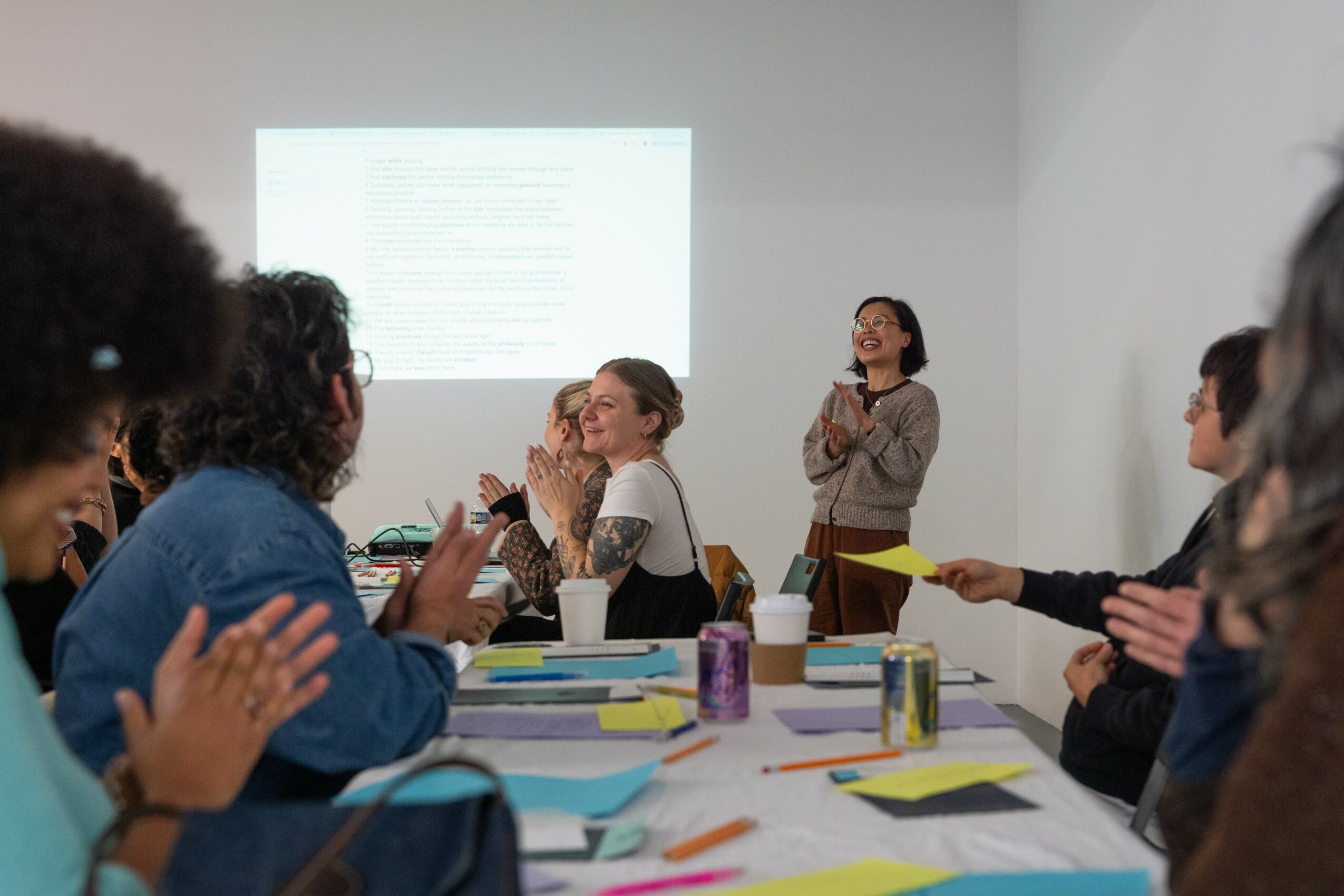
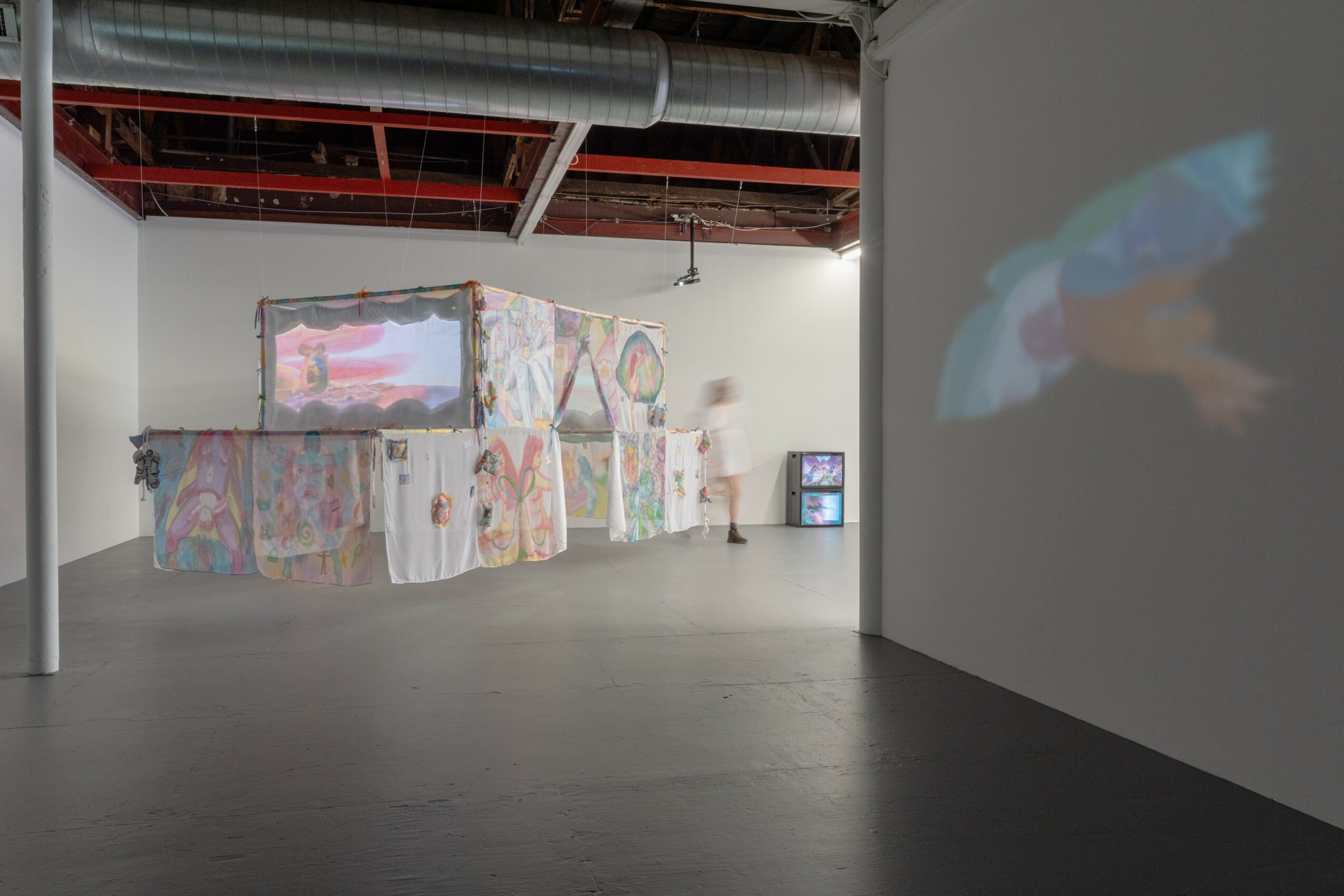
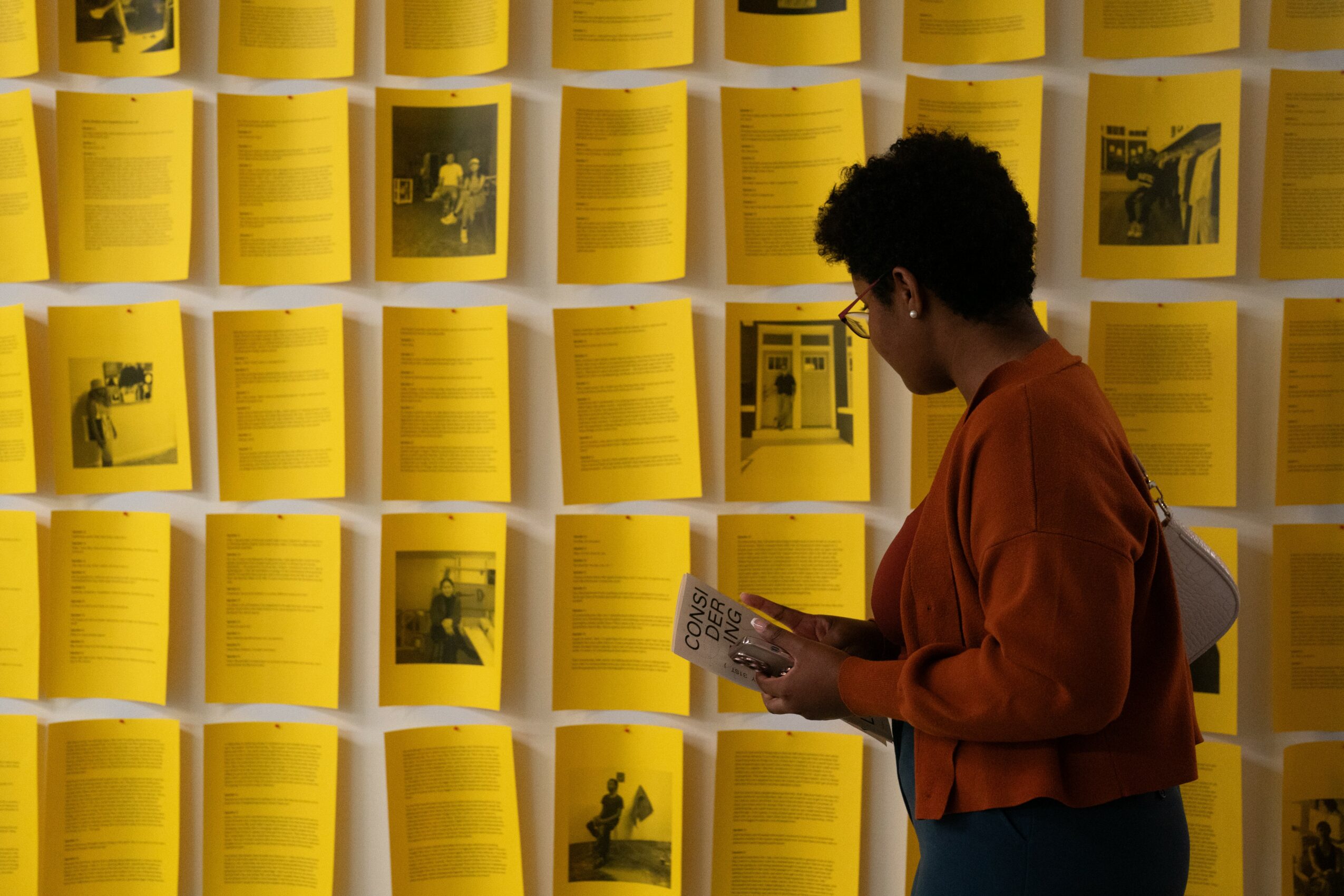
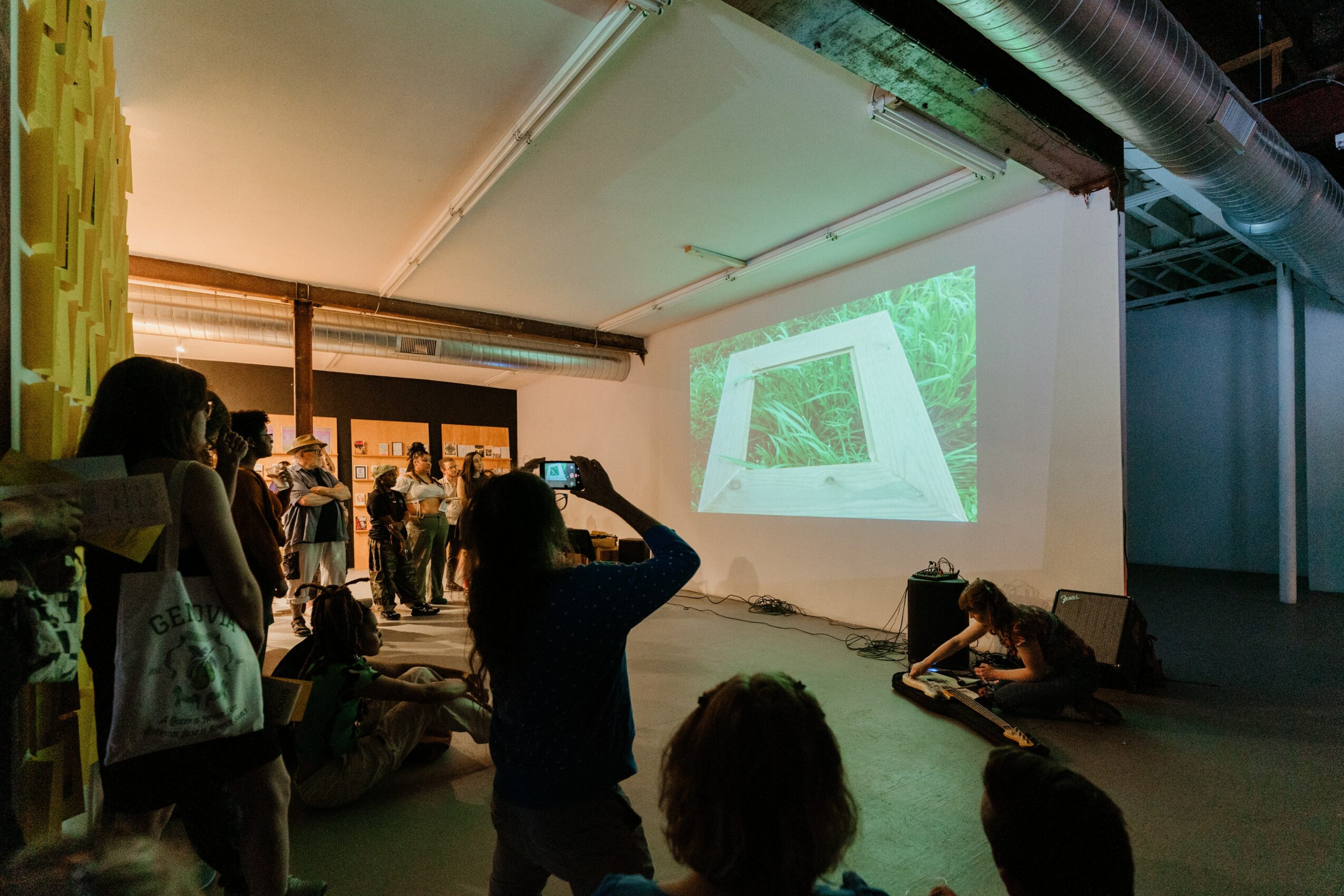
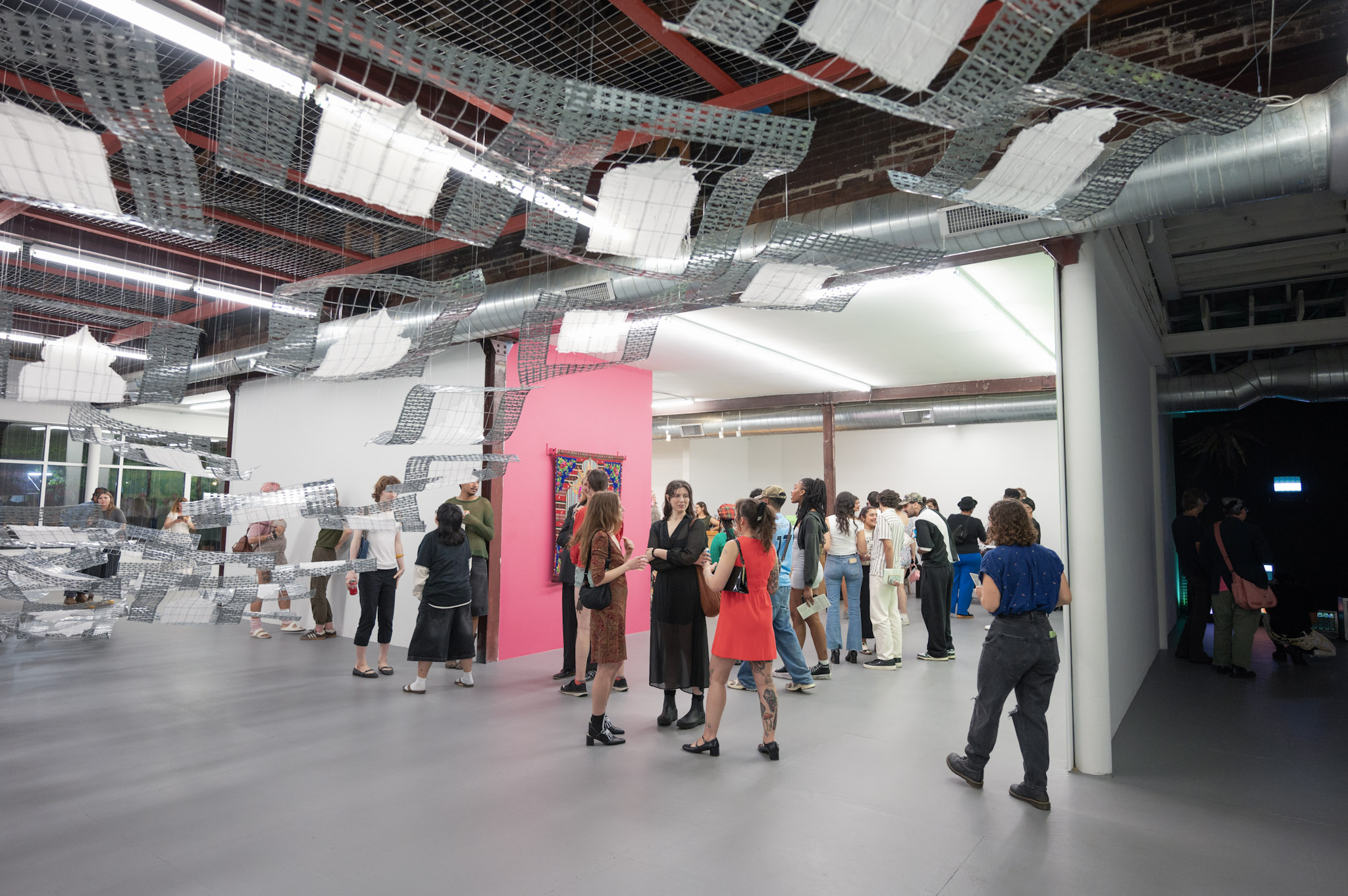
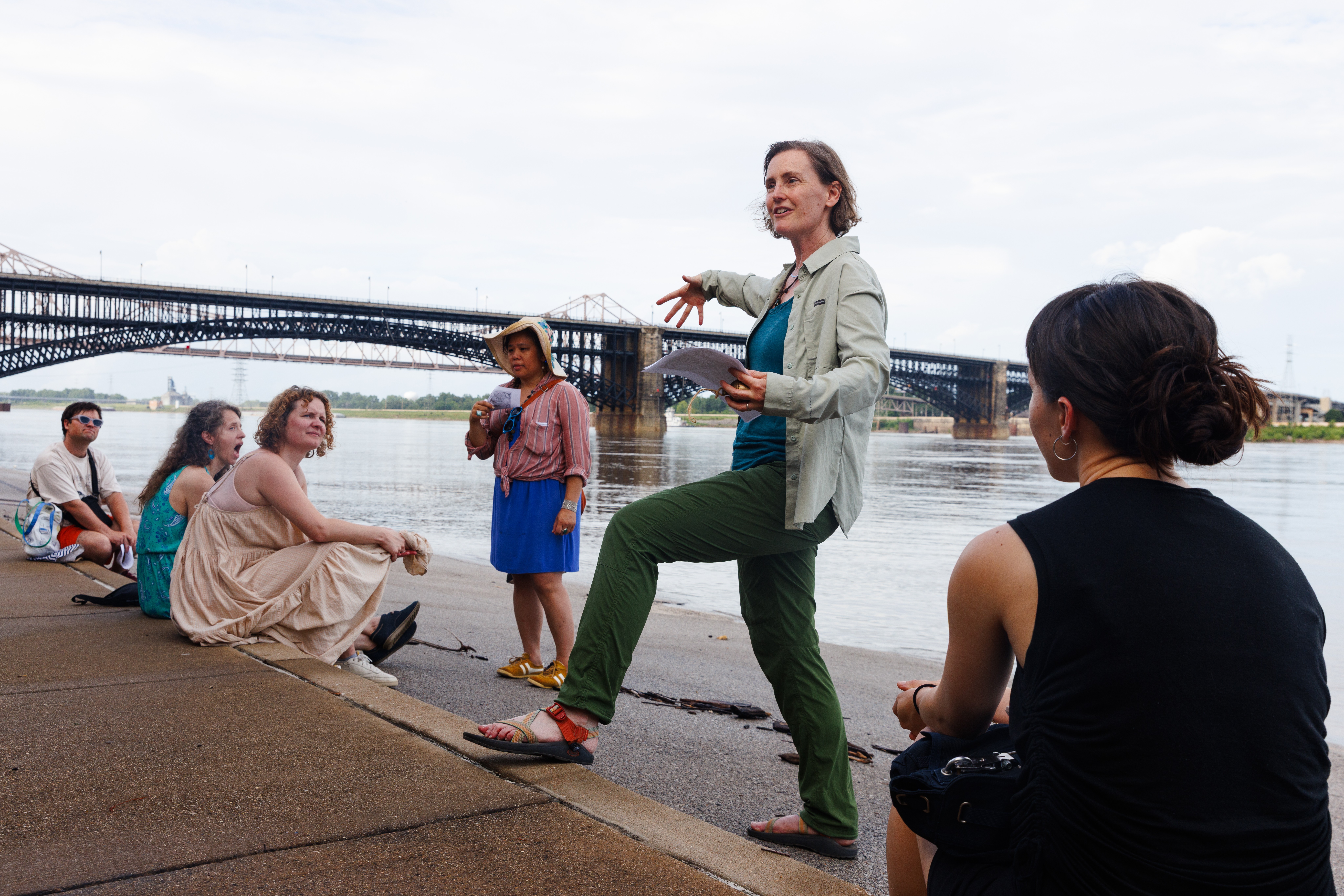
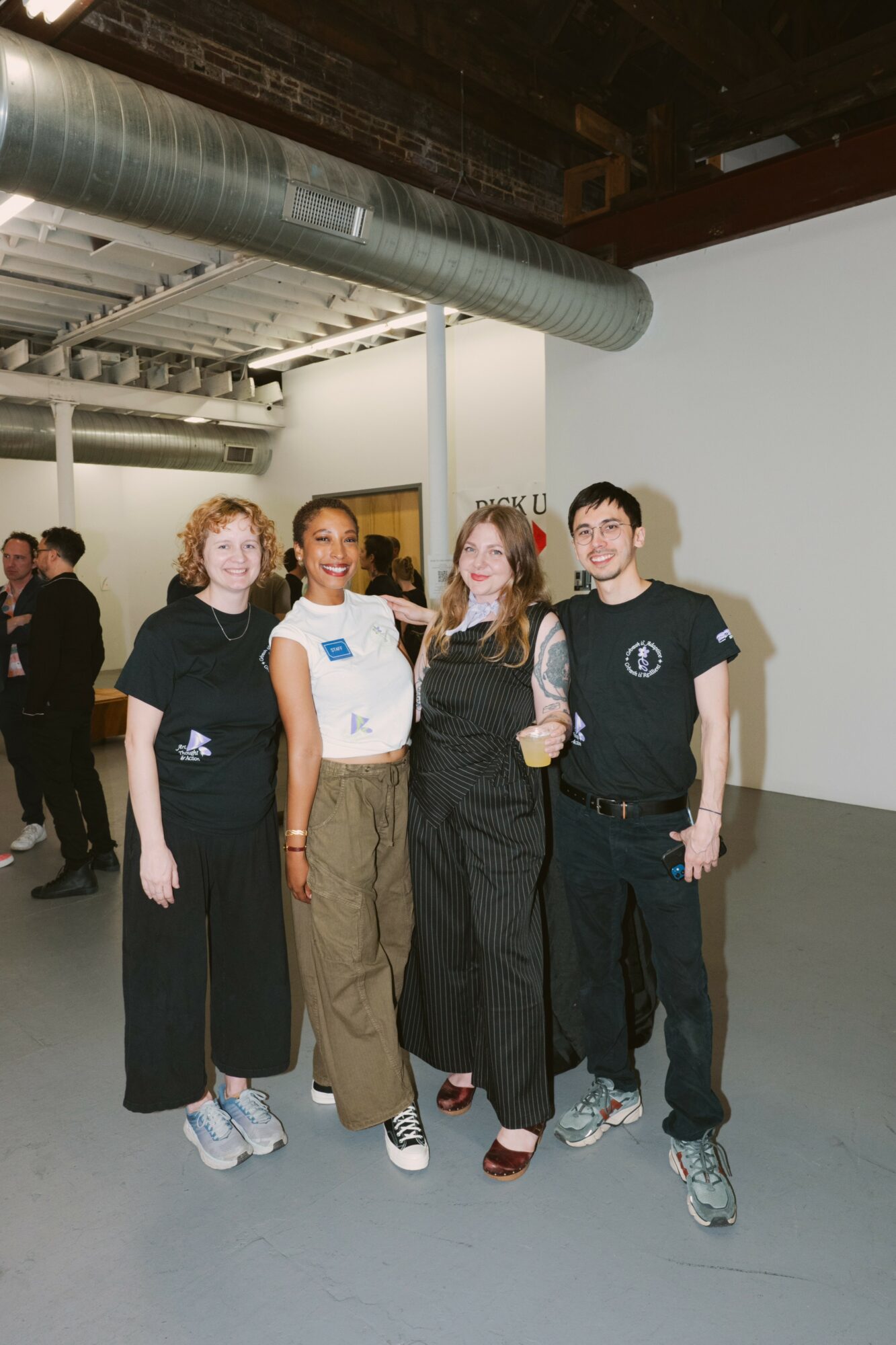
Image Credits
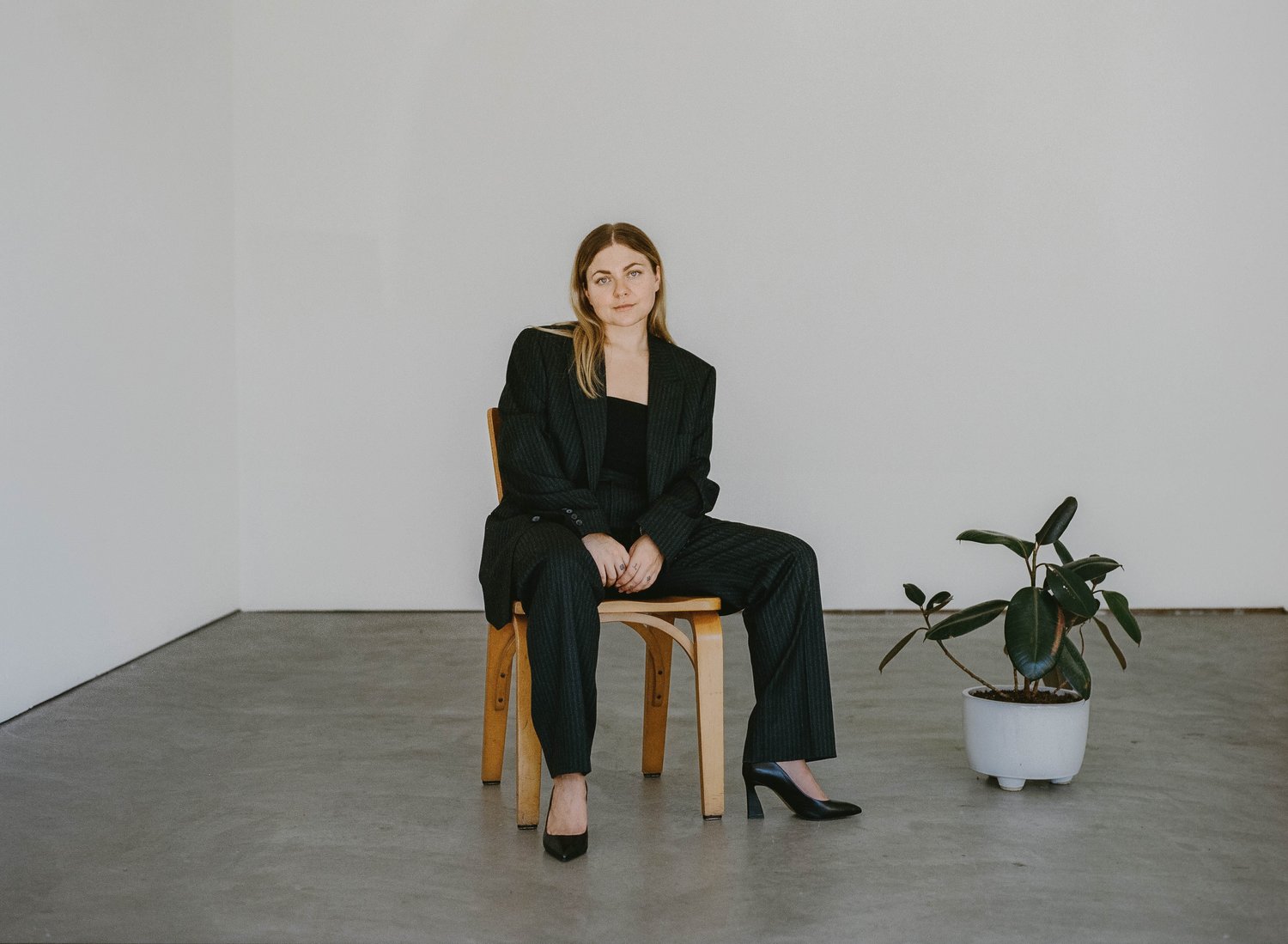
Personal Image: Kalaija Mallery, photographed by Emrys Stabenow.
Images 1–4: Virginia Harold
1. Workshop with poet Amy Lam in response to Soo Shin’s exhibition at The Luminary
2. The Luminary
3. El Encuentro, an exhibition by Laura Camila Medina and Cecilia Vargas Muñoz
4. Opening of Considering St. Louis, curated by The Luminary Curatorial Fellow Ciera Alysse McKissick
Image 5: Making Art Won’t Save the World, But It’s Good Practice for It, a water workshop with Sarah Cameron Sunde in response to Sam Hamilton’s exhibition at The Luminary. Photograph by Justin Solomon.
Image 6: The Luminary staff at 100 Squared, our annual fundraising party. Photograph by Alex Vanderheyden.