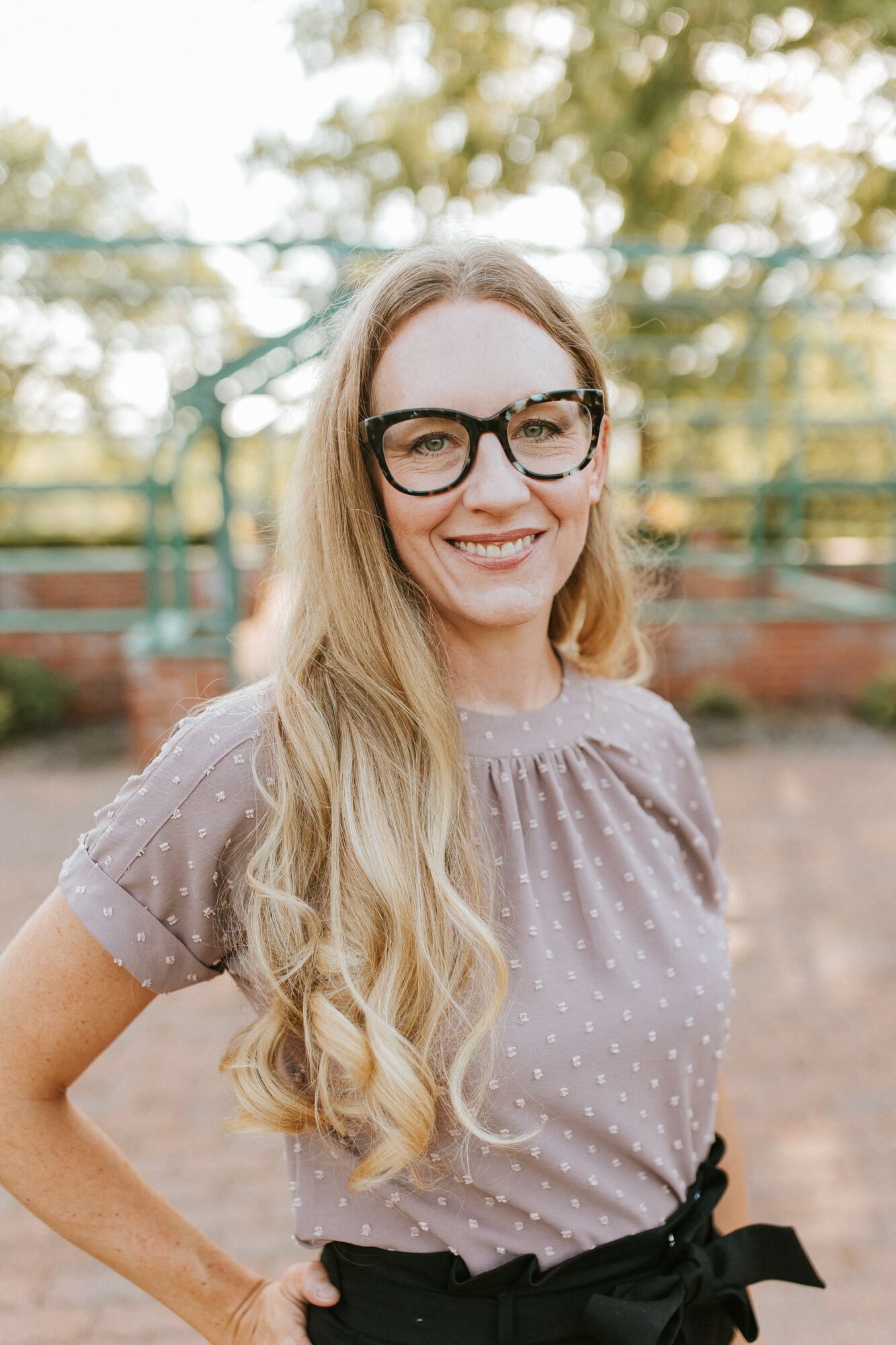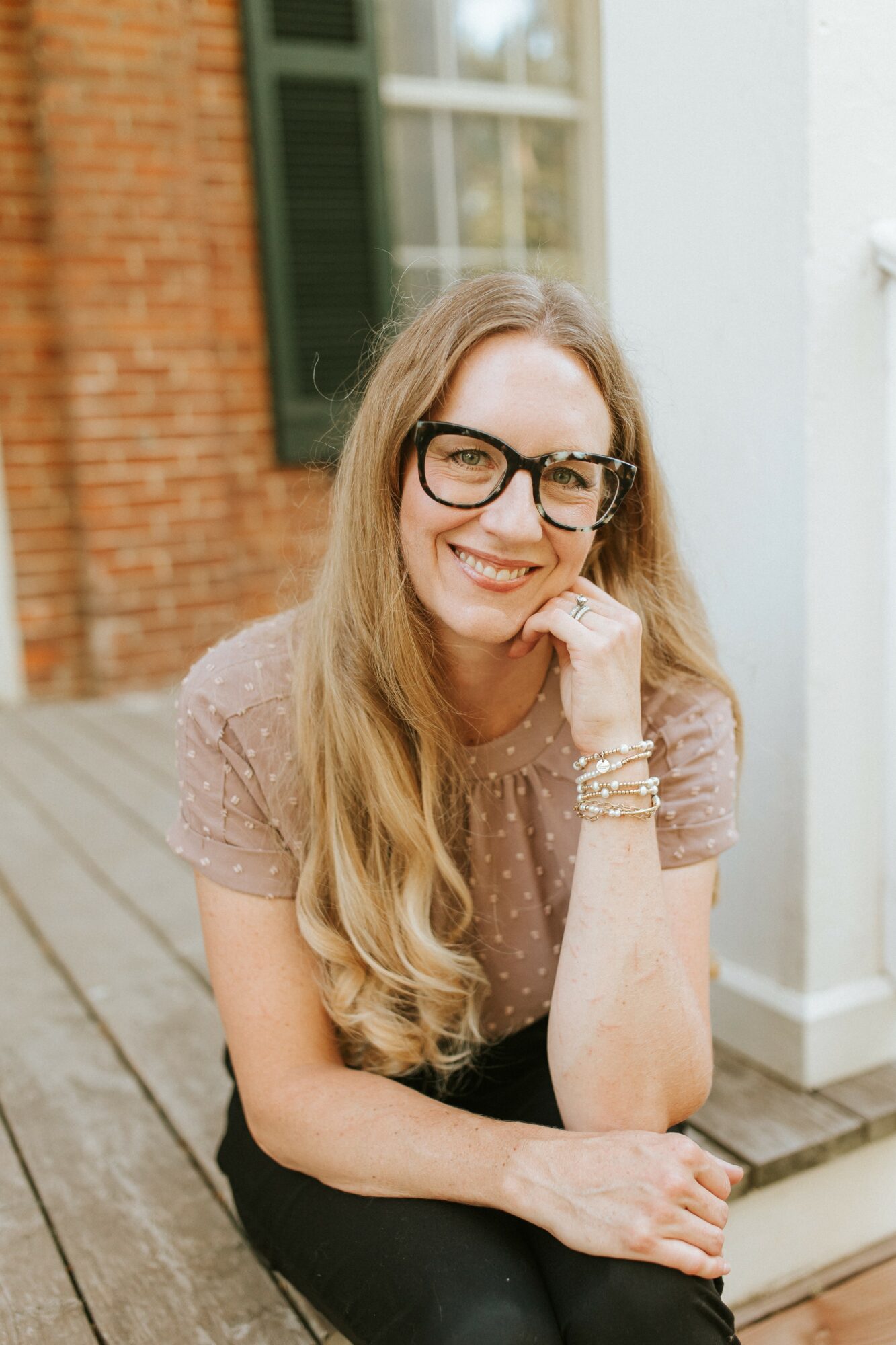
Today we’d like to introduce you to Marie Bosch.
Hi Marie, we’re thrilled to have a chance to learn your story today. So, before we get into specifics, maybe you can briefly walk us through how you got to where you are today?
Science and nature have always been fascinating to me. Even as a little kid, I remember always being outside, studying the leaves and insects. When one of my friends got injured, I was the one who calmly acted as the doctor, cleaning the wound, and bandaging them up. When I got to college, I was thrilled to start working in a biomedical research laboratory as a lab technician. I absolutely loved it. Learning the techniques to answer scientific questions about the biological basis of human disease was incredible. However, I felt that I would be missing out on the human connection if I pursued a career in bench science only. This is how I decided to apply to combined M.D./Ph.D. programs. I applied to and was accepted at Washington University in St. Louis Medical School. I was on my way to reach my goals!
What I didn’t realize was how difficult the journey would be. MD/PhD programs are long and challenging, and I was the first person in my family to pursue post-graduate education. A couple of years into my PhD in neuroscience, I met my future husband. We got married and decided to start a family. By then, I was feeling burned out from research. I was ready to graduate and get a “regular” job so I could (hopefully) have better work-life balance. After much consideration, I made the difficult decision to let go of my research goals and pursue medicine only. I chose to specialize in psychiatry because it appealed to both my scientific interests given the recent advances and potential for further advances in genetics, pharmacology, and neuroscience, as well as my desire to develop meaningful therapeutic relationships with my patients and help them to grow over time.
After residency, I stayed on as a clinical instructor and then assistant professor at Wash U. This experience was invaluable to helping me grow as a physician and also to help me understand my own goals for my future. It helped me to realize that I value autonomy in my work and wanted more flexibility in my schedule, as well as the ability to practice medicine in the way I believed would best serve my patients. In the summer of 2024, I started my own solo private practice in psychiatry, and I couldn’t be happier with that decision.
I’m sure it wasn’t obstacle-free, but would you say the journey has been fairly smooth so far?
My journey here was far from smooth. An outside observer might think I moved seamlessly from one stage to the next, but what they wouldn’t see is the immense effort each step demanded. At nearly every point, I was tempted to give up. During my PhD, it felt as though none of my experiments ever worked. I spent countless hours troubleshooting and shifting my approach. Meanwhile, my friends were all completing their projects and moving on in their careers, which made my own struggles feel even more discouraging.
As I mentioned before, I chose to set aside my research ambitions to pursue a career in medicine only, but I quickly learned that residency is far from easy. Residency was particularly demanding for me since I started with a one-year-old child at home, had my second baby during intern year, and my third during my third year of training. There are significant stretches of residency that I barely remember, lost to the haze of sleep deprivation. For years, I balanced overnight call shifts with caring for infants at home—nursing through the night and pumping during work hours. I truly don’t know how I managed it at times, and I’m deeply grateful to my husband and his mother for their unwavering support; I could not have succeeded without them.
As you know, we’re big fans of Marie Bosch MD Psychiatry. For our readers who might not be as familiar what can you tell them about the brand?
I operate a solo private practice in psychiatry dedicated to the care of adults. I have experience treating a broad range of mental health conditions, including anxiety, depression, ADHD, OCD, and bipolar disorder. By remaining out of network, I’m able to devote more time and attention to each patient and provide care that is guided by my clinical judgment rather than administrative or insurance constraints. I take pride in developing patient treatment plans grounded in evidence-based practice guidelines. My strong scientific background enables me to interpret research data effectively, while my passion for teaching allows me to communicate complex concepts to patients in ways they can understand. My patients appreciate that I listen attentively to their concerns, explain their treatment options clearly, and ultimately empower them to make informed decisions about their care.
I initially started my private practice out of an office in Brentwood. However, I am excited to announce that I will be moving to a new location in Ballwin very soon. I will start seeing patients in my new office starting on December 1st.
In terms of your work and the industry, what are some of the changes you are expecting to see over the next five to ten years?
This is such an interesting question, and I could talk about many different topics here. Lately, I have been thinking a great deal about artificial intelligence (AI) and the ethical, legal, and psychological implications of AI in psychiatry. Given my own personal experience and my knowledge of the field of psychaitry, I know that physician burnout is a very real and serious problem. One of the leading causes of physican burnout is the burgeoning amount of documentation we are required to complete. AI has the potential to streamline physican workflow by summarizing patient encounters into clear, chronological histories (especially important in the field of psychiatry) and organizing assessments and plans in a structured way. In this respect AI, has the potential to be a highly effective tool for physicians and psychiatrists to help us improve our efficiency.
However, AI can also cause harm. There are numerous stories in the news about AI chatbots driving people to suicide or encouraging psychotic thought processes. What are the legal and ethical considerations of using AI to help with patient charting? Where does that information go- how does it get stored or used? And what about AI chatbots for psychotherapy? On one hand, AI could improve access, especially given the shortage of high-quality psychiatrists and therapists and the expense of healthcare in general. On the other hand, much of psychiatry relies on empathy and personal connection—qualities that AI cannot replicate. And what happens if the chatbot provides incorrect guidance? At times, it really feels like the pace of technological change in medicine is moving faster than we can keep up with.
Contact Info:
- Website: https://www.marieboschmd.com