Today we’d like to introduce you to Saroni Kundu.
Hi Saroni, thanks for sharing your story with us. To start, maybe you can tell our readers some of your backstory.
My journey into mental health advocacy wasn’t something I planned—it was something life demanded of me.
For years, I built a successful corporate career in customer experience and analytics, while also raising a family and staying deeply rooted in my creative passions, especially dance and movement. On the outside, everything looked stable and accomplished. Inside my home, however, we were navigating the very real and often invisible challenges of mental health—first with my children, and later through the devastating loss of my sister to suicide in 2022.
That loss changed everything.
Grief forced me to confront how unprepared so many families are to recognize mental health warning signs, how much stigma still exists in our communities, and how difficult it can be to access care before a crisis point. I realized that mental health doesn’t begin in a therapist’s office—it starts at home, in everyday conversations, in how we show up for one another.
That realization led me and my husband to invest in and help build a mental health clinic in the St. Louis area, allowing me to support both clinicians and clients while advocating for better access to care. At the same time, I felt called to do more outside the clinical setting—to speak, write, and create spaces where people felt safe enough to begin the conversation.
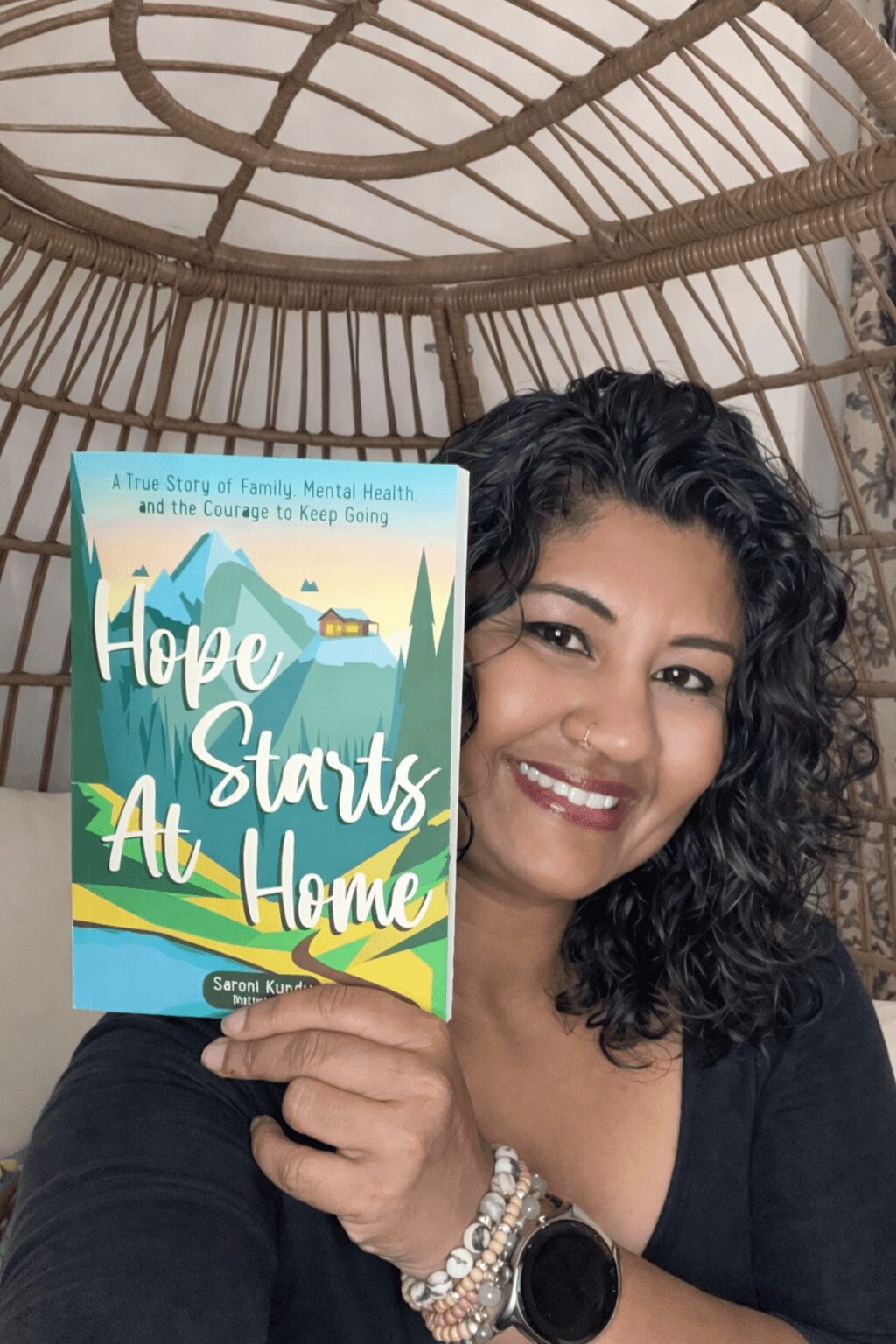
I became an author, and speaker, using storytelling, lived experience, and movement-based healing to reach families, workplaces, and communities who may not otherwise engage with mental health resources. My book, Hope Starts at Home, reflects that mission—to bridge the gap between silence and support, and to empower parents, teens, and leaders to recognize that hope doesn’t arrive fully formed; it’s built, one honest moment at a time.
Today, I continue to balance my corporate work, business ownership, creative expression, and advocacy with one guiding belief: if we can normalize mental health conversations at home and in our communities, we can change—and save—lives.
Would you say it’s been a smooth road, and if not what are some of the biggest challenges you’ve faced along the way?
It has definitely not been a smooth road.
One of the biggest challenges has been building something meaningful while carrying deep personal grief. Losing my sister to suicide reshaped not only my purpose, but also how I move through the world. Grief doesn’t follow a straight line, and learning how to lead, advocate, and show up for others while still healing myself has required immense emotional strength and grace.
Another challenge has been navigating the mental health system itself. As someone without a clinical background, I had to learn quickly—how care is delivered, where gaps exist, and how broken access can be for families who are already overwhelmed. Balancing advocacy with the realities of running a mental health clinic, supporting clinicians, managing finances, and sustaining quality care has been both humbling and demanding.
I’ve also faced the challenge of visibility. Speaking openly about mental health—especially suicide, grief, and family struggles—still carries stigma. There were moments when sharing my story felt risky, both professionally and personally. But staying silent felt far more dangerous.
Finally, there’s the challenge of balance. I’ve built this work while maintaining a full-time corporate career, raising children, and nurturing my creative identity through movement and art. Burnout has been real, and learning to pace myself—to rest without guilt—has been an ongoing lesson. My Buddhist practice has been an anchor through it all, keeping me grounded in faith, compassion, and inner resilience. It reminds me to focus on what I can control—my intention, my effort, and my humanity—especially during moments of uncertainty or exhaustion.
None of these obstacles stopped me, but they did shape me. They taught me resilience, compassion, and the importance of building support systems instead of trying to carry everything alone.
Alright, so let’s switch gears a bit and talk business. What should we know?
My work sits at the intersection of mental health advocacy, lived experience, and community impact.
I’m the owner of an Ellie Mental Health clinic in the St. Louis area, where we focus on expanding access to high-quality, compassionate mental health care while also advocating for clinicians behind the scenes. Alongside that, I’ve built my speaking, writing, and coaching platform around one core belief: mental health doesn’t begin in a therapist’s office—it starts at home.
I’m known for translating complex and often uncomfortable mental health topics into conversations that feel approachable, human, and actionable. Whether I’m speaking to parents, teens, educators, clinicians, or corporate leaders, my approach is grounded in storytelling, empathy, and real-life application—not clinical jargon or quick fixes. My book, Hope Starts at Home, reflects that philosophy and serves as a practical guide for families navigating mental health challenges together.
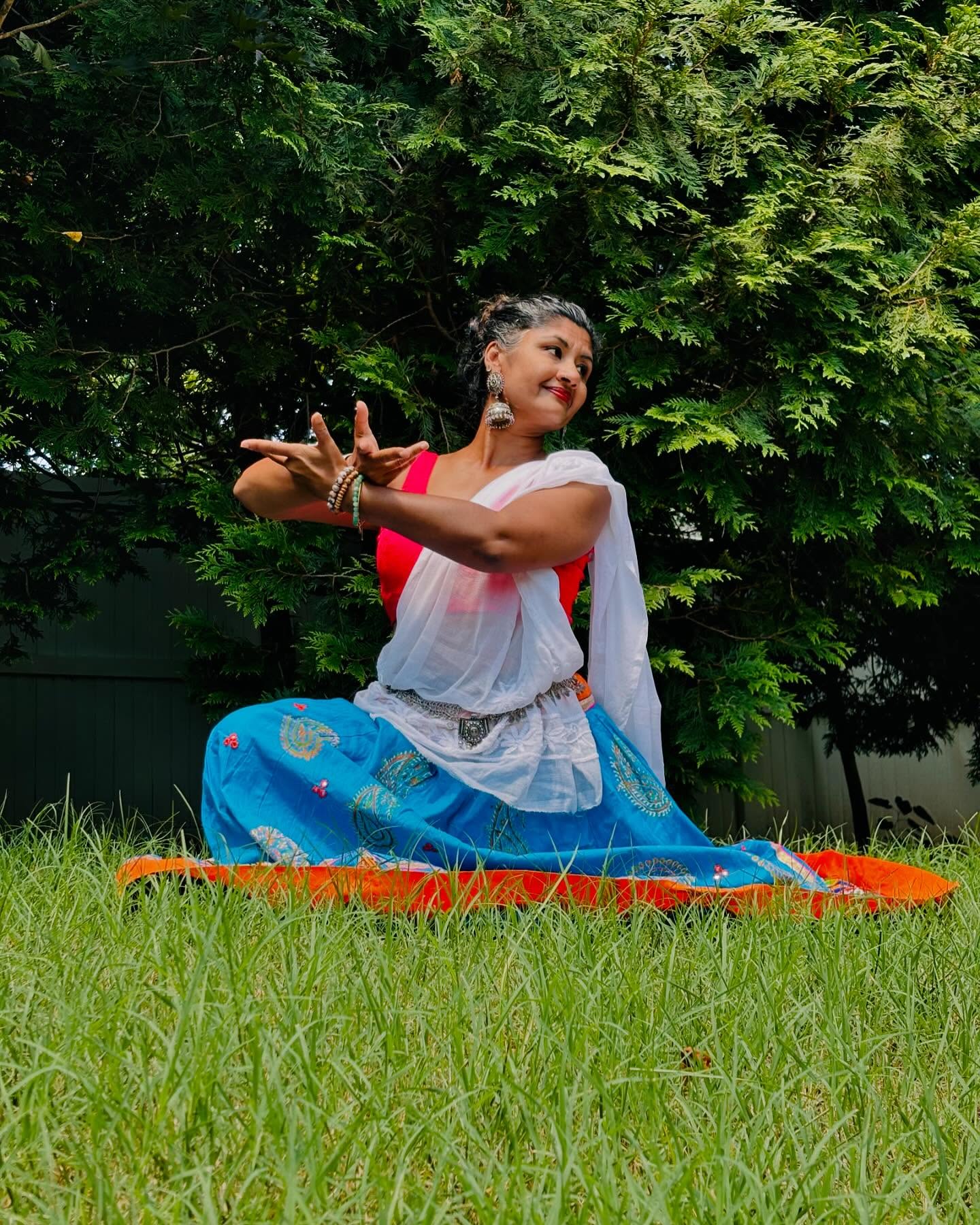
What sets my work apart is that it’s deeply lived. I don’t speak about mental health from a distance—I speak from within it. My perspective is shaped by personal loss, parenting through mental health struggles, business ownership, and ongoing healing. I also integrate movement and creativity—especially dance—as powerful tools for expression and regulation, recognizing that healing isn’t only cognitive; it’s embodied.
Brand-wise, what I’m most proud of is trust. People tell me they feel seen, less alone, and more hopeful after engaging with my work. My brand isn’t about perfection or expertise—it’s about permission. Permission to talk, to ask for help, to start where you are.
What I want readers to know is simple: this work is about breaking silence, building connection, and reminding people that hope is not abstract. It’s something we practice—daily, imperfectly, and together.
Can you talk to us a bit about happiness and what makes you happy?
Happiness, for me, lives in moments of connection and meaning.
I feel happiest when I’m present with my family—watching my children grow into resilient, thoughtful humans, sharing quiet moments at home, or laughing together in the ordinary in-between spaces. Those moments remind me why this work matters.
I’m also deeply fulfilled when I see someone feel less alone—when a parent tells me they finally had a hard conversation at home, when a clinician feels supported instead of burned out, or when an audience member says they felt seen for the first time. Knowing that my story or work helped someone take one small step toward hope brings me profound joy.
Movement is another source of happiness for me. Dancing allows me to release, to express what words sometimes can’t, and to reconnect with my body in a way that feels freeing and grounding at the same time. It’s both joy and healing.
Finally, my Buddhist practice brings me a deep, steady happiness—not the fleeting kind, but a sense of peace rooted in purpose and gratitude. It reminds me that even in difficulty, there is growth, connection, and the ability to create value from our experiences.
At the end of the day, happiness for me is knowing I’m living in alignment—with my values, my family, and my purpose.
Contact Info:
- Website: https://www.saronikundu.com