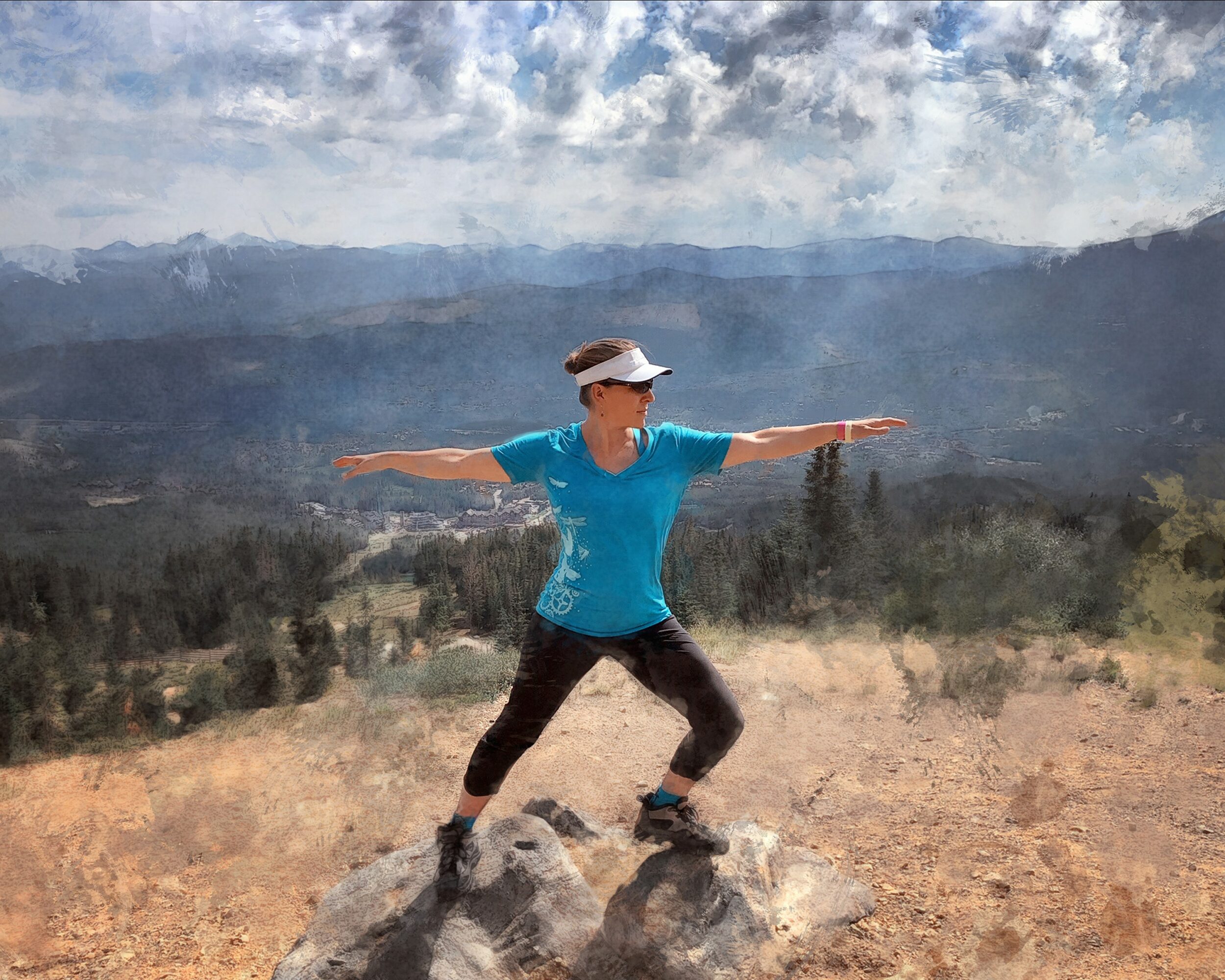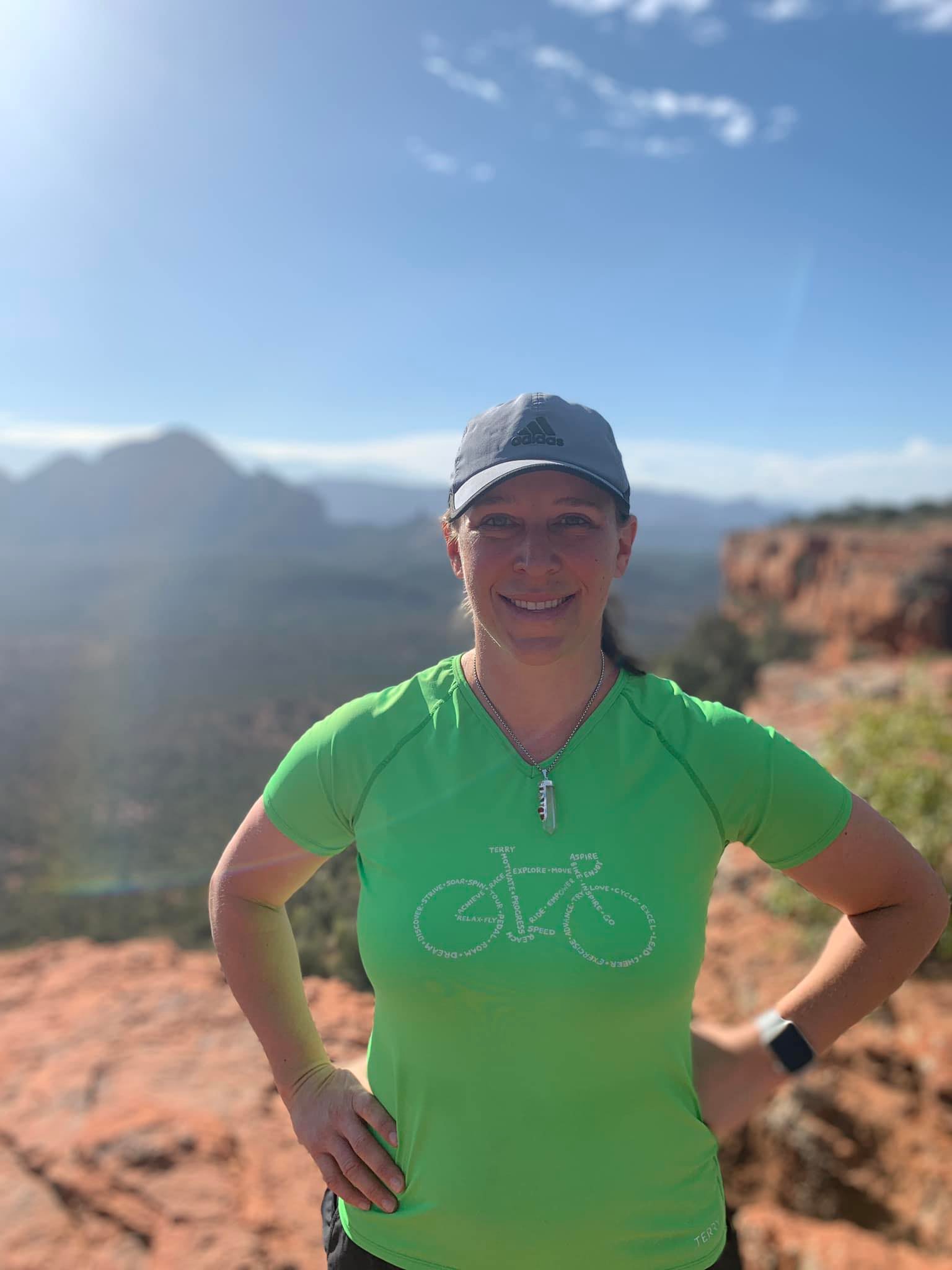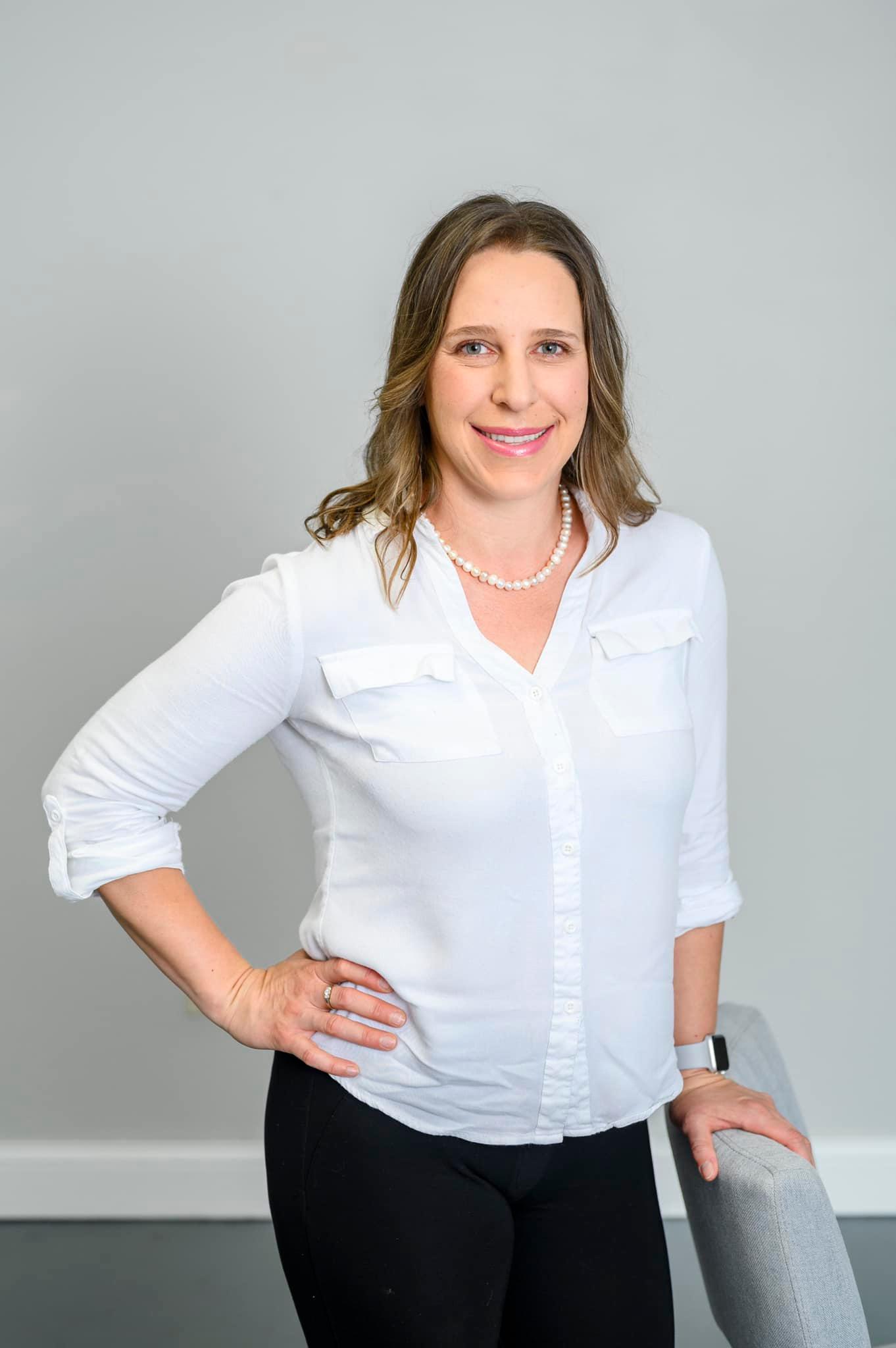
Today we’d like to introduce you to Dr. Kate Oland.
Hi Dr. Kate, please kick things off for us with an introduction to yourself and your story.
As long as I can remember, I have been a connector. During my college years, I worked as a Resident Advisor, often connecting residents with resources or with one another. One of my most celebrated collegiate endeavors was founding the Saint Louis University Ladies Ultimate frisbee team after playing with the men’s team for two years. That team is now a well-tended organization of strong, enthusiastic women, and I remain proud to support them in all of their endeavors to this day. More recently, I have interwoven these connection skills into my professional work, with the hope that my business endeavors will change the way people experience and navigate our healthcare systems.
I have worked as a physical therapist for over twenty years. However, in 2020, I reached a professional crossroads. The prevailing healthcare model was asking me to give my full self to a system that neither valued my clinical judgment nor protected my empathy. I was pressured to prioritize productivity over quality, revenue over relationship, and compliance over discernment—often working well beyond full-time hours in service of metrics that felt increasingly disconnected from healing. I realized I had two choices: allow my empathy to erode, or change my path. I chose change.
I launched my private practice, Thrive Holistic Physical Therapy, and it has been a dream come true. My practice has empowered me to provide the level of care I was trained to deliver, rather than care dictated by corporate entities. While I always found my career rewarding, the constraints of the corporate healthcare system had taken a toll on my soul. Many healthcare providers are experiencing the same strain, with a growing number exiting the profession altogether. This phenomena is an inspiration for my current business endeavors—empowering clinicians to consider private practice as a means of reclaiming autonomy over our work and our professions.
One pivotal experience catapulted me into opening my own practice. In the fall of 2020, I sought out my first John Barnes Myofascial Release continuing education course, inspired by several colleagues who had previously attended these classes. During that first course, I realized this fascia work was the missing piece of my clinical puzzle. Treating fascia is not taught at the university, but rather in continuing education, so clinicians must seek out this education if they want to incorporate these treatments into their practice. With this new education I finally felt equipped with a tool that allowed me to support true healing of chronic pain conditions, and with that came a renewed sense of confidence and purpose. I now felt that I was able to facilitate patient’s healing from pain or disease, as opposed to merely coping with their condition. During the course, John encouraged clinicians to reclaim ownership of their careers—and within a month, I opened my private practice.
We are not able to visualize fascia on images-Xray, MRI or CT-and therefore many people are told that there is no known reason for their pain. Many clients that end up in my office have explored countless options to try to improve the symptoms that have taken control of their life, and I often hear stories of medical gaslighting that contribute to the emotional pain of seeking out a plausible diagnosis. Some very typical diagnosis that stem from disordered fascia include fibromyalgia and endometriosis, both of which don’t have great medical options for treatment. There is an abundance of anecdotal evidence showing that these diagnosis respond very well to myofascial release, but the medical community is not willing to listen to anecdotes without scientific data.
As I continued my training in myofascial release, I became deeply invested in fascia as both a clinical and academic frontier. Fascia—the most abundant connective tissue in the body—is intricately linked to neurological, psychological, and biochemical processes, yet remains underrepresented in foundational education. Advancing undergraduate Anatomy and Physiology curricula to reflect current fascial research has become one of my lifelong academic goals. I believe expanding education in this area will inspire the next generation of researchers and clinicians to view the body as an integrated system rather than a collection of isolated parts as well as further educate the medical community of the benefits of fascia treatment.
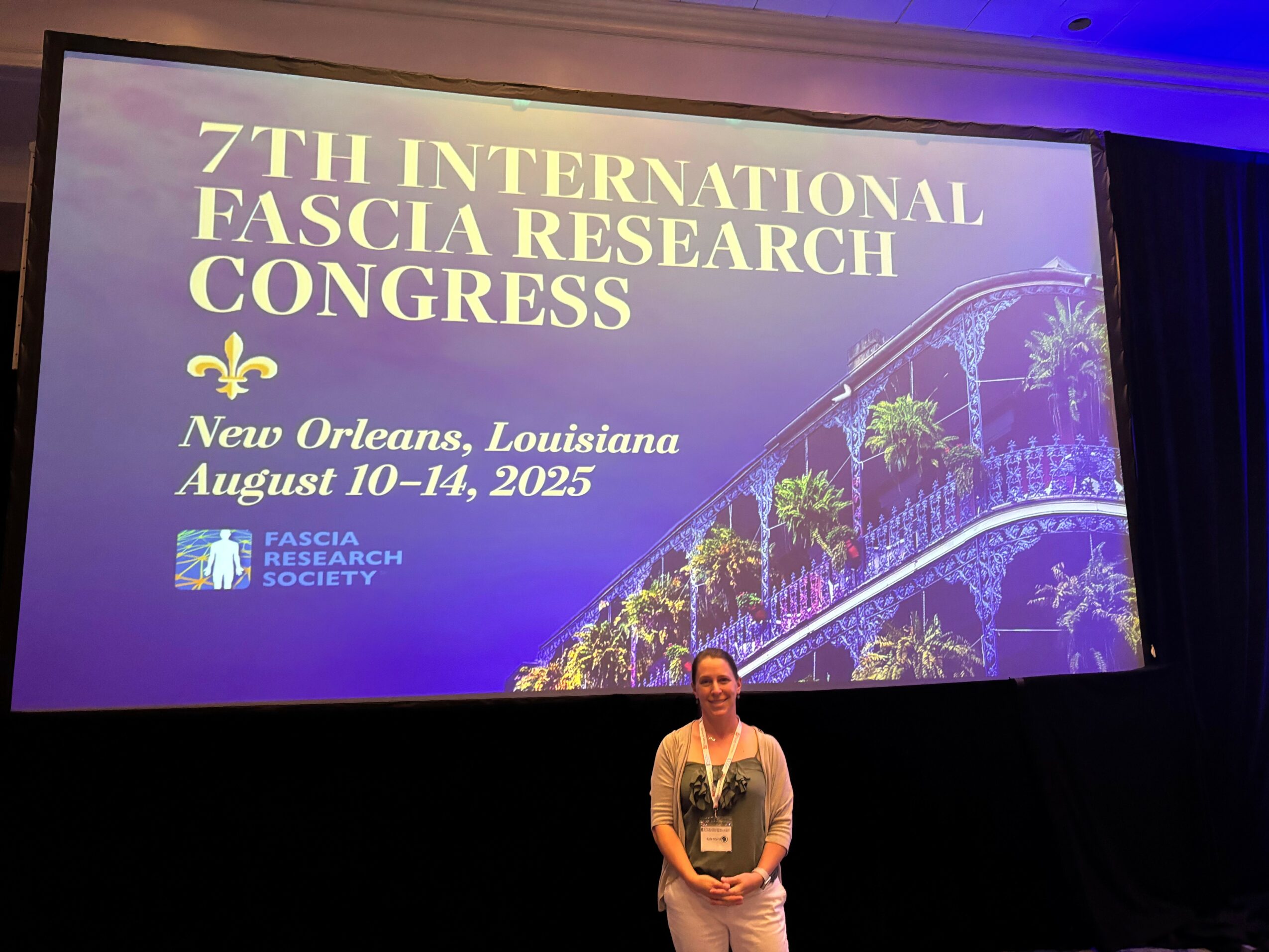
In addition to building my practice, I enjoy teaching Anatomy and Physiology at Saint Louis University, my alma mater, as well as through Yoga Alliance. I am an active member of the Human Anatomy and Physiology Society, a nationwide organization supporting Anatomy and Physiology educators, and I am currently collaborating on efforts to expand undergraduate curricula to better reflect the role of the fascial system. I am also a member of the Fascia Research Society and attended my first International Fascia Research Congress in 2025.
One of the greatest honors of my career—both in healthcare and academia—has been the opportunity to truly know people from all walks of life. While teaching on campus, I’ve especially cherished relationships with students from around the world. One of my most meaningful connections began when a student shared how difficult it was for her, as an immigrant, to ask for help. Her openness allowed us to bond over shared experiences—my grandfather was an immigrant from Mexico. While I am not an immigrant myself, I have witnessed firsthand how immigration status and systemic racism can shape families across generations. It was especially meaningful for my student, a woman of color, to learn that her very fair-skinned professor carried such a deeply personal connection to these experiences.
That student went on to receive the Spirit of the Billiken Award at Saint Louis University and generously nominated me as her mentor. We will attend the acceptance ceremony together in February 2026. I share this story because it reflects how I approach both care and education: with humility, curiosity, and deep respect for each person’s lived experience.
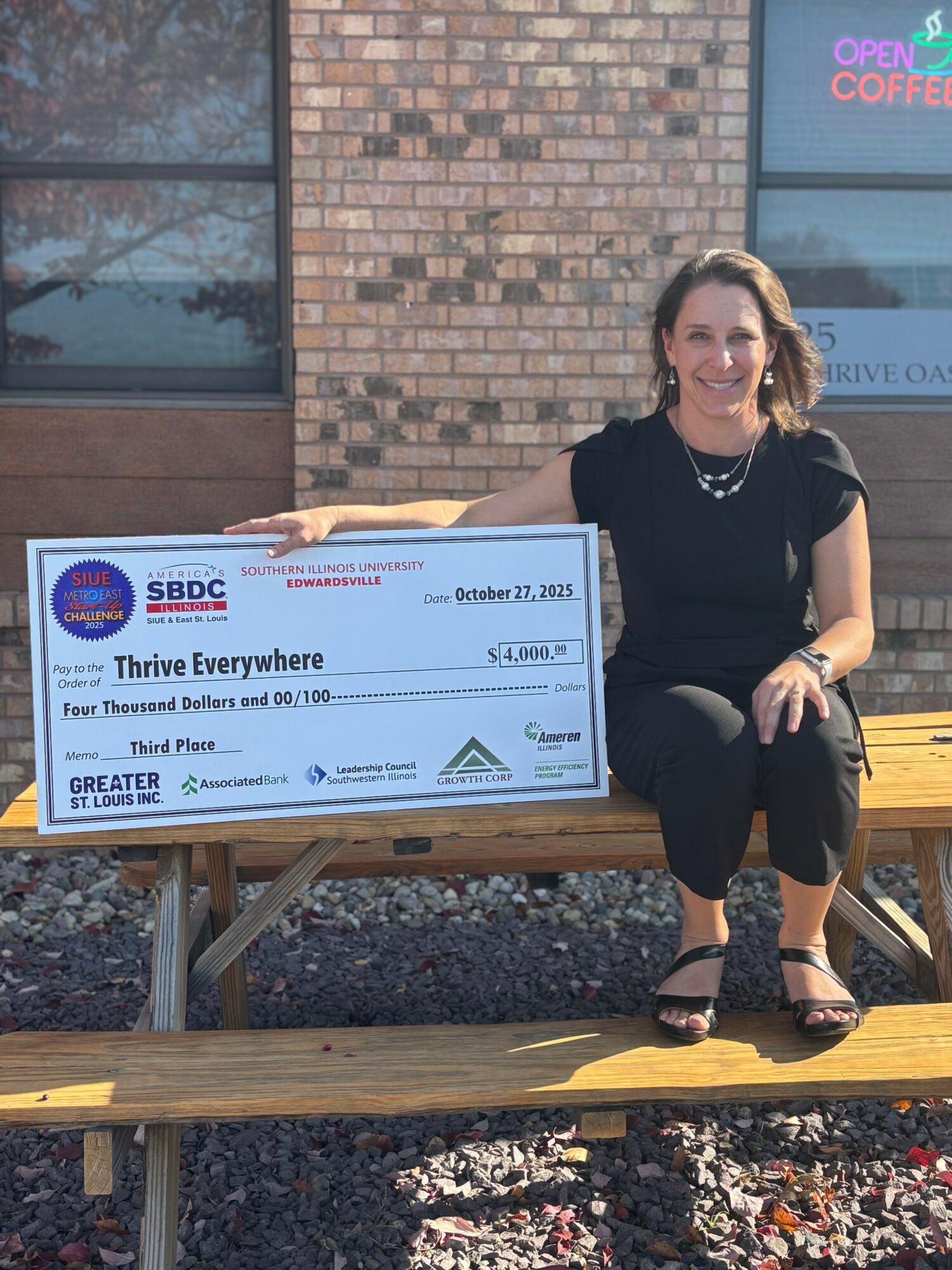
As I continued working with individuals, one reality became increasingly clear—many of our social infrastructures, including healthcare and academic systems, are overwhelming to navigate. From this awareness, the idea for my new business Thrive Everywhere was born. The Thrive Everywhere online platform allows private-practice healthcare clinicians to communicate their services clearly, while enabling clients to find optimal providers using our patent-pending, symptom-driven search technology.
The platform addresses two major challenges in today’s healthcare landscape: the complexity patients face when seeking specialized care and the barriers clinicians encounter when starting or sustaining private practices. Unlike traditional directories that require users to already know which specialist they need, Thrive Everywhere allows individuals to begin with what they do know—their symptoms, diagnosis, or desired specialty services—bridging the gap between uncertainty and access. As a pelvic floor therapist of eighteen years, I have heard countless stories about how difficult it can be to find this specialty care. Because many individuals feel embarrassed discussing issues like incontinence, they are often less likely to advocate for themselves. This is one example where Thrive Everywhere offers a private, accessible alternative—allowing people to search for the right provider from the comfort and security of their own laptop. After months of planning, testing, and growth, Thrive Everywhere is scheduled to launch in mid-2026.
To further support this mission of connection, we launched The Healing Journey podcast—an educational and inspirational series hosted on the platform that explores mind-body healing while expanding public understanding and empathy. Episode 7: Healing From Alcohol, is one of my favorites, as it features a deeply vulnerable conversation with author Todd Kinney about overcoming obstacles to sobriety. I am also especially proud of Episode 8, Healing Homelessness, in which I interview a friend who has been unhoused for the past three years. His story beautifully illustrates how easily life circumstances can shift, and my hope is that sharing his experience fosters greater compassion around this often-polarizing issue.
In addition to creating connection in the digital space, I am excited to build connection in my local community. I am currently in the final stages of launching the Thrive Holistic Co-Working Community in Glen Carbon, Illinois—a coworking and wellness support space designed to foster connection among entrepreneurs and private-practice providers. This will be the only coworking space in the St. Louis area centered specifically on holistic and wellness professionals. The space will offer general coworking options, monthly memberships that integrate professional workspace with wellness support, hourly treatment room rentals, a classroom for education and movement, a conference room, and a podcast recording studio. While the space is rooted in wellness, anyone seeking a welcoming coworking environment is encouraged to join.
Throughout my journey as a connector, motherhood has been my greatest teacher. I am the mother of two teenage boys, both born while we lived in Boston. That experience taught me the importance of intentionally building community, and I remain deeply grateful for the relationships I formed with other new mothers during that time—many of whom I am still connected to today. Raising my sons has taught me more about patience, resilience, humility, and presence than any formal training ever could. It is an honor to watch them grow into themselves, and I am deeply grateful for the lessons they continue to teach me every day.
I’m sure it wasn’t obstacle-free, but would you say the journey has been fairly smooth so far?
The most concrete bumps in the road are often the most subtle matters, mostly pertaining to communication while conducting business. Many challenges have emerged in the spaces between communication, trust, and alignment while building businesses and relationships. I am, by nature, a passionate and highly invested person. When I commit to something, I do so with my whole heart. That intensity has been both a strength and a vulnerability.
One of the most emotionally painful challenges of my career occurred early in my journey as a new mother, when my children were one and two-and-a-half years old. At the time, I was working part time for a health and wellness private practice—a role I was deeply passionate about and one that shaped my understanding of the powerful connection between nutrition, exercise, and mental health. I had been with the practice for about a year and was fully invested in the progress and well-being of my clients.
One day, I arrived at work and was unexpectedly laid off. I understood the logistical reality behind the decision: the practice needed to hire a full-time employee, a commitment I was not able to make at that time. As a small business owner, he needed to do what was best for the growth of his practice, and I respected that. What was most difficult for me, however, was how the transition was handled. I asked if, rather than receiving two weeks of severance pay, I could work one final week to properly say goodbye to my clients. That request was declined. Clients were then informed that I had “decided to spend more time with my family,” a statement that did not reflect my choice or my values. This misrepresentation was deeply unsettling, as transparency and honesty are foundational to how I build trust with the people I serve.
While I remain grateful for the clinical lessons that experience provided, I still wish the situation had been navigated with greater openness and integrity. It became a formative moment for me—reinforcing the importance of clear communication, ethical leadership, and honoring relationships during moments of transition, especially during the emotional challenges of early motherhood.
As I’ve built and advocated for my businesses, I’ve come to recognize that I am not only selling ideas or services—I am, in many ways, continually offering myself. That reality has required me to develop a deeper awareness of my own brain health: the intricate relationship between emotion, mood, behavior, and decision-making. I am learning how to honor my strengths while responsibly managing my own unique neurological makeup. I am in the process of mentally reframing what I once thought of as weaknesses; now seeing these characteristics as the strengths that help me in being deeply driven, creative, and human.
In the early stages of my healing journey, perfectionism was my driving force. I believed that if I was being productive, smart, or helpful at all times, then I would feel successful. However, my healing journey is teaching me to allow myself grace when I make a mistake, and to let go of the feelings of shame that accompany imperfection. I’ve discovered that blunders I once felt compelled to hide were not evidence of failure, but invitations toward understanding and integration. Naming them has not diminished me; it has brought relief & clarity. I am committed to being genuine and vulnerable with sharing my stories with both clients and my podcast listeners, in hopes that discussing some of my experiences inspires my audience to explore their own mental health challenges with both strength and grace. In Episode 1: Healing From Food, I openly discuss my recovery from bulimia-a disease that often hides in secrecy and shame. I hope that my vulnerability in this matter helps others to see that they are not alone, that both healing and flourishing are all a part of this journey.
I now understand that some of the qualities that make me visionary and empathetic have, in the past, also contributed to patterns of self-sabotage. With that awareness, I am actively building healthier structures—clear boundaries for both my heart and my resources. In my life, those two are often intertwined, and learning to safeguard them has become a powerful act of self-respect.
This ongoing work—tending to my brain health, refining my boundaries, and leading with self-compassion—has fundamentally reshaped how I show up as a leader, a mother, and a human being. What once felt like a liability is becoming a source of wisdom, discernment, and grounded strength. Caring for the most deeply human parts of myself allows me to build new healthcare systems that offer this to others. I now see brain health not as a private challenge, but as a leadership responsibility—one that allows me to lead with discernment, integrity, and the steadiness required to build things that truly last.
We’ve been impressed with Thrive, but for folks who might not be as familiar, what can you share with them about what you do and what sets you apart from others?
Thrive has become more than a brand for me—it is the connective tissue linking three interwoven ventures: Thrive Holistic Physical Therapy, Thrive Everywhere, and Thrive Holistic Co-Working Community. Together, they represent a reimagined approach to healthcare—one rooted in integrity, autonomy, and genuinely human-centered care.
My interest in physical therapy began as a teenager after watching the film Regarding Henry. The following day, I asked my mom, “What was that job that the man had—the one who helped Henry learn how to walk again?” I was deeply moved by watching an African American clinician connect with a nonverbal Caucasian patient with empathy, patience, and respect, while helping him rediscover how to engage with the world. That moment stayed with me. Since then, I have worked across multiple physical therapy settings and found value in each. Ultimately, however, I chose to dedicate the remainder of my career to the emerging and transformative techniques of myofascial release.
As a private-practice healthcare provider, it is essential to offer specialized and meaningful forms of care. I am one of two expert level myofascial release therapists in the Metro East area. I have now invested more financial resources into my facia continuing education than I did into my master’s and doctoral degrees combined. I believe deeply that knowledge is power—and that without awareness, there is no true choice. Once I became aware of the profound healing that can occur through caring for the fascial system, I made a conscious decision to dedicate my work to providing these treatments, advocating for equitable access to care that includes them, and educating the public on how to better navigate the healthcare system to improve quality of life.
My myofascial release practice has provided not only clinical fulfillment, but also the financial stability necessary to build forward-facing systems for change. Looking back on more than two decades in healthcare, I now recognize how uniquely positioned I am—having worked within corporate healthcare models, across diverse clinical settings (including inpatient, outpatient, home care, and nursing homes), in academia, private practice, and entrepreneurship—to see both the strengths and the shortcomings of our current system.
The reality is that modern healthcare has become deeply corporate, often relying on clinicians’ empathy as a renewable resource rather than honoring it as something to be protected. Many providers remain unaware that viable alternatives exist—that they can build practices aligned with their values. Thrive Everywhere was created to address this gap. The platform educates the public on navigating insurance and healthcare alternatives, while supporting clinicians with tools, guidance, and community as they pursue private practice and sustainable careers.
Supporting this ecosystem is The Healing Journey podcast, which serves as both an educational resource and a transparent narrative thread—sharing insights into healing, business development, and the ongoing evolution of the Thrive mission.
What ultimately sets my work apart is not a single modality or platform, but the integration of lived experience, clinical expertise, academic advocacy, and entrepreneurial creativity. Thrive is built on the belief that healthcare can be both rigorous and compassionate; that clinicians deserve autonomy; and that healing systems must honor the humans within them—on both sides of the care relationship.
Alright so before we go can you talk to us a bit about how people can work with you, collaborate with you or support you?
For those seeking hands-on care, treatment sessions with me can be booked through the Thrive Holistic Co-Working Community (THCC) website. Myofascial Release (MFR) is uniquely suited to support a wide range of individuals—whether you are optimizing overall health, recovering from injury, or navigating chronic pain. I often encourage people to explore non-invasive treatments first, as once tissue integrity or biochemistry is altered, returning to a balanced baseline can be difficult if not impossible. I also frequently recommend working alongside a traditional outpatient physical therapist to address strength, flexibility, or mobility needs. Fascia-focused care complements conventional physical therapy and often accelerates or enhances recovery. Because the fascial system requires specific forms of touch and management that isn’t taught in school, addressing it is essential to achieving more complete healing.
For those looking to grow a wellness practice, expand their professional network, or simply work in an environment that supports well-being, THCC offers day passes and monthly memberships. Our goal is to cultivate a space where professionals can learn, collaborate, and thrive—grounded in shared values of autonomy, self-care, and exceptional client care. We invite anyone in the greater St. Louis area to explore this unique space and join us in creating a culture that inspires both creativity and care.
Once our podcast studio is complete—projected for late March 2026—the space will be available for public rental. The studio will offer hourly booking options, with optional add-on services such as being interviewed by me to create a podcast episode or producing short-form social media reels to help promote your work. Individuals with meaningful stories to share are encouraged to apply, as we are currently accepting submissions for inspirational testimonials and for private-practice clinicians interested in spotlighting their work on The Healing Journey Podcast. Inquiries can be directed to thrivehealingjourney@gmail.com.
The project I am most excited about is our nationwide online directory for private-practice clinicians, Thrive Everywhere. This platform is designed to help the public better understand the distinction between corporate healthcare and private-practice care. Clinicians who choose private practice are making a deliberate commitment to individualized, relationship-centered, high-quality care. My hope is that once people experience this difference, they will continue to “shop local” for their healthcare needs.
Clinicians interested in joining the only nationwide directory dedicated exclusively to private practices can register through our monthly subscription model and upload their practice information. Our patent-pending search filters are designed to support a wide range of licensed professionals, including dentists, chiropractors, massage therapists, physical therapists, occupational therapists, speech therapists, nurses and nurse practitioners, dietitians, social workers, clinical counselors, psychologists, and physicians. The directory will be hosted at ThriveEverywhere.com, with an anticipated launch before summer 2026. We invite you to follow our Thrive Everywhere Facebook page to pre-register your business for the directory, stay up to date on the development of the platform, and announcements for events and educational opportunities.
We welcome both emerging and well-established clinicians to join this growing community—not only to support practice growth, but to collectively strengthen and validate the private-practice model. Even clinicians who are not currently accepting new clients will find value in our educational resources and community offerings, which are designed to support clinician mental health and provide meaningful tools for both professional and client education. There will also be opportunities to support our nonprofit initiative, Thrive Everyone—a scholarship program that provides financial assistance to individuals on fixed incomes who would otherwise be unable to access health and wellness services.
Whether you are seeking to heal your body’s connective tissues, grow a wellness-focused practice, connect with a values-aligned community, or invest more intentionally in your own health and well-being, the Thrive network is here to walk alongside you on your healing journey.
Pricing:
- Membership at THCC is $100/month and includes the co-working space, meditation classes, Infrared BioMat sessions, coffee, tea, and community. Healthy food options are available to purchse.
- Monthly membership for Thrive Everywhere Private Practice Clinician introductory rate is $34.99/month
- Podcast recording room with support equipment (supply your own recording device/laptop) introductory rate is $75/hour with a minimum of 2 hours. Addons available including an interview with Dr. Kate Oland to create your own social media content.
- 1-Hour Myofascial Release Session with Dr. Kate Oland is $180/hour
- Day Pass for Thrive Holistic Co-Working Community $25
Contact Info:
- Instagram: @ThriveWithKateO
- Facebook: Thrive Everywhere
- LinkedIn: https://www.linkedin.com/in/kate-oland-galligan-13171570/
- Youtube: https://www.youtube.com/@Dr.KateOland