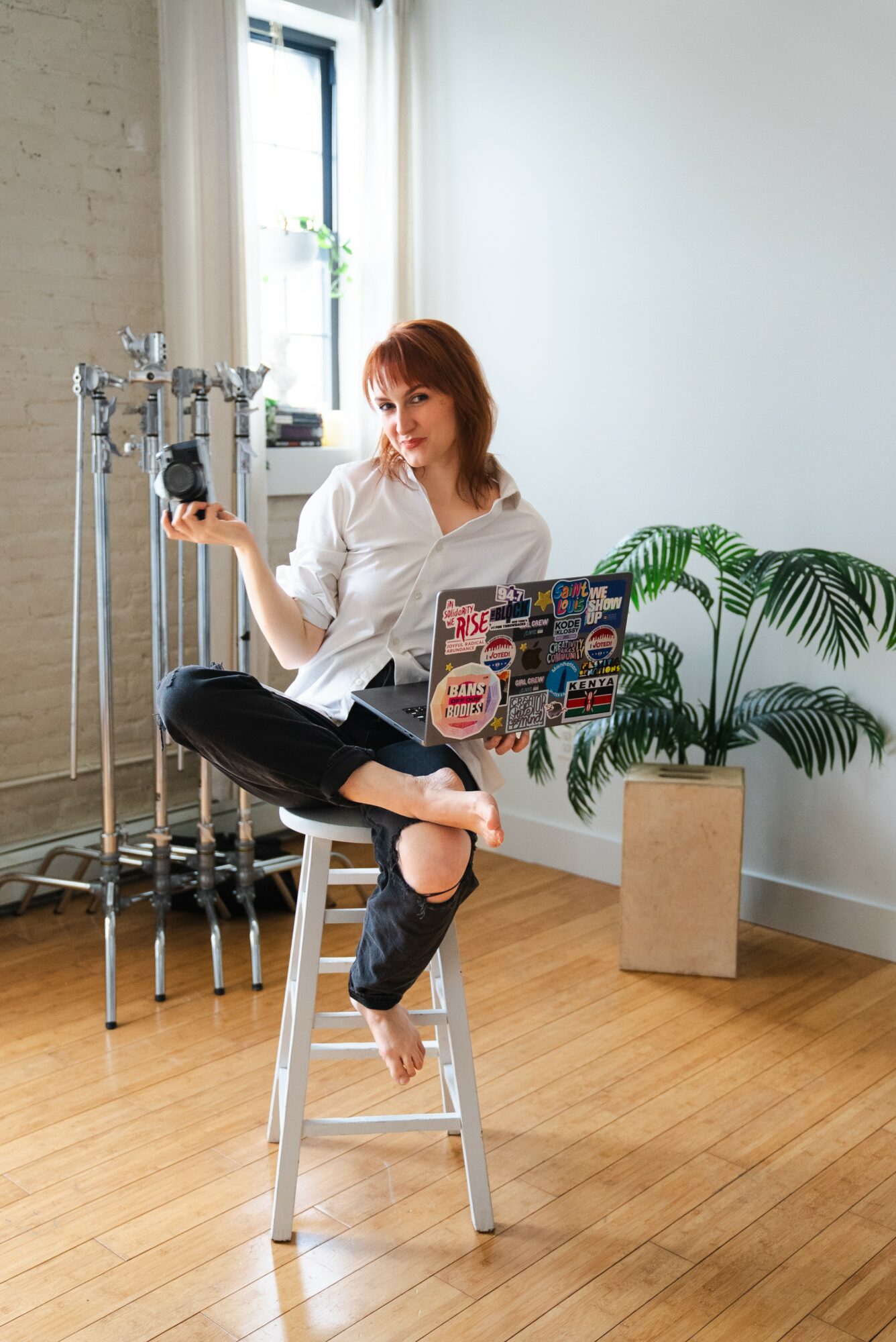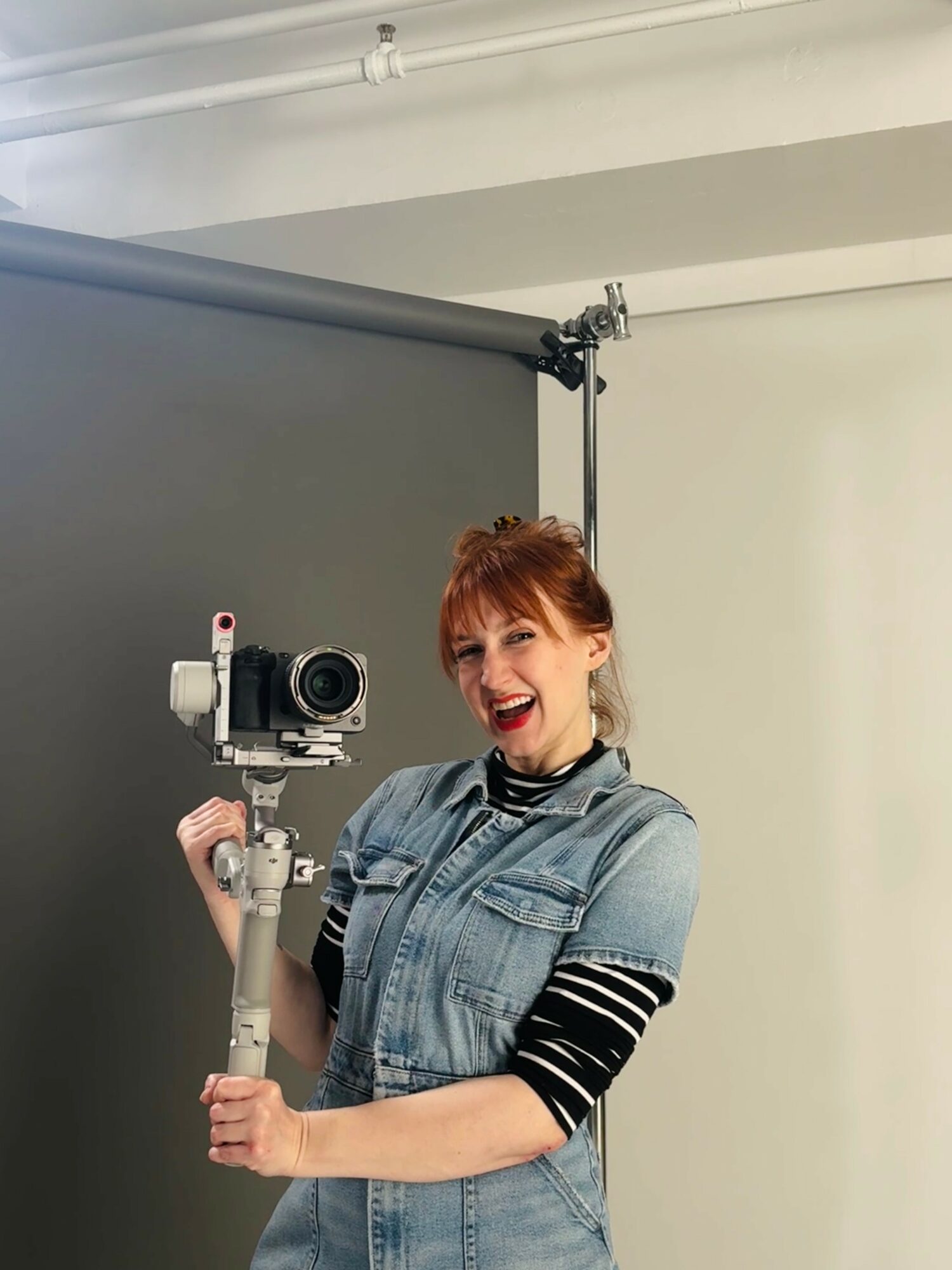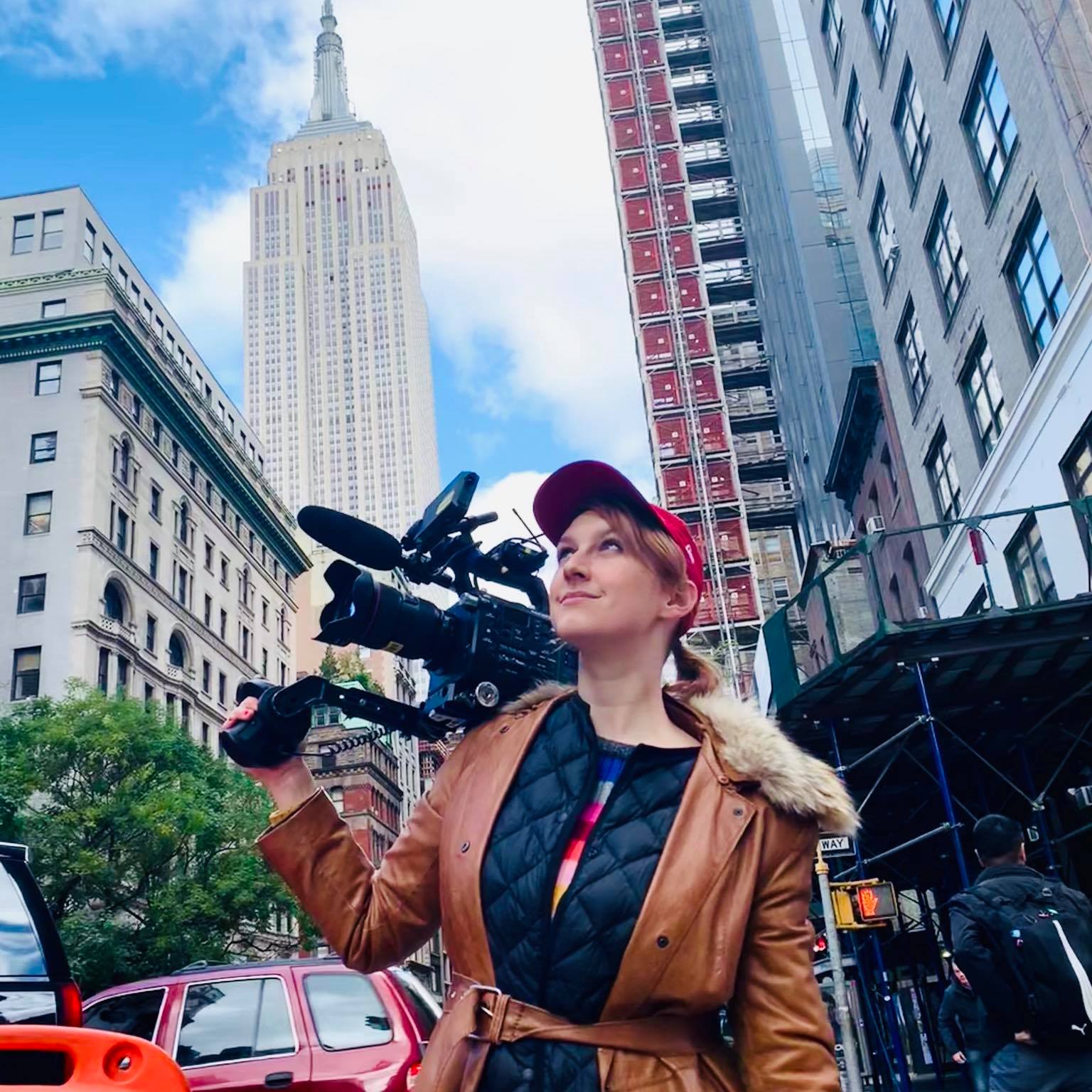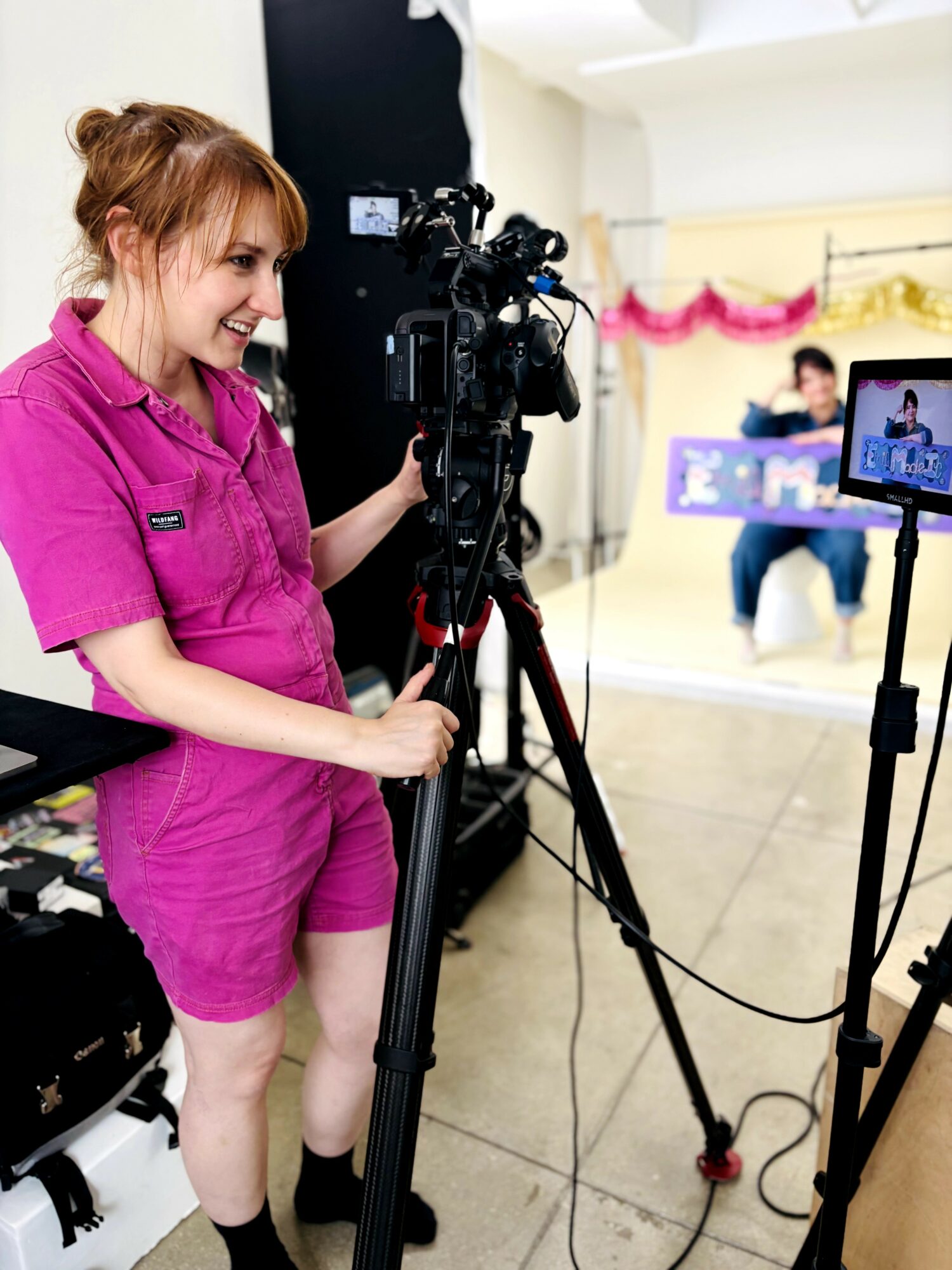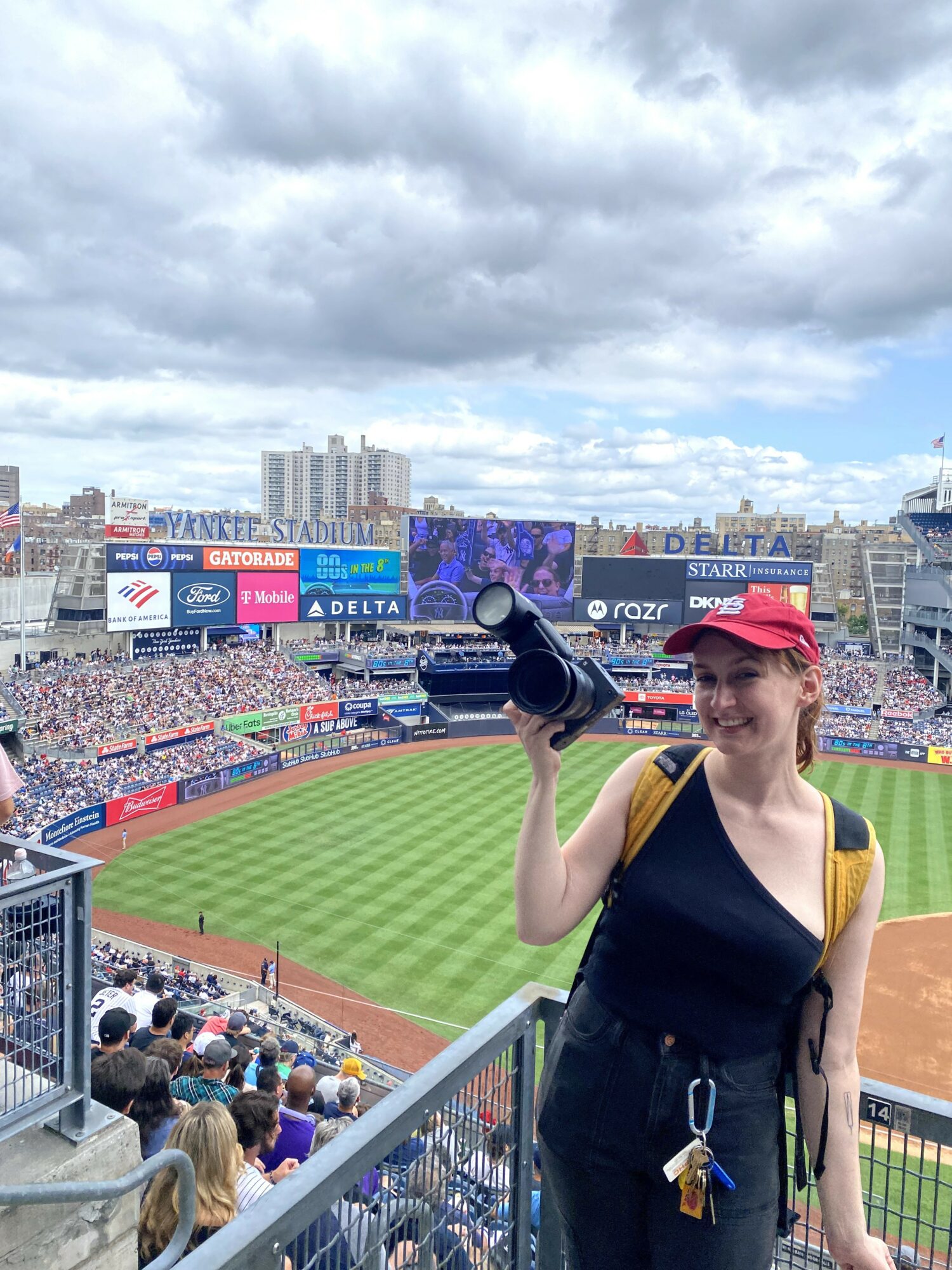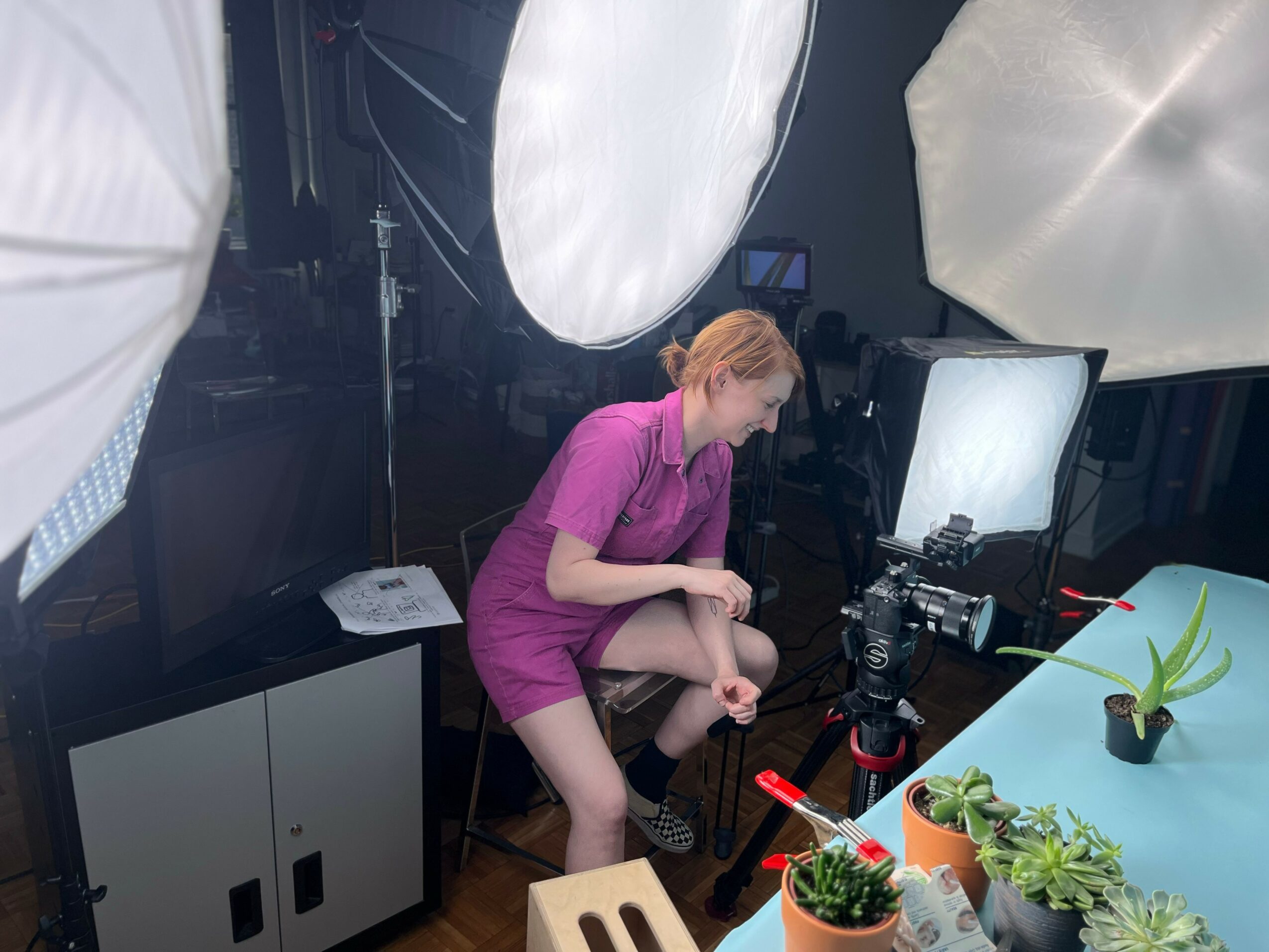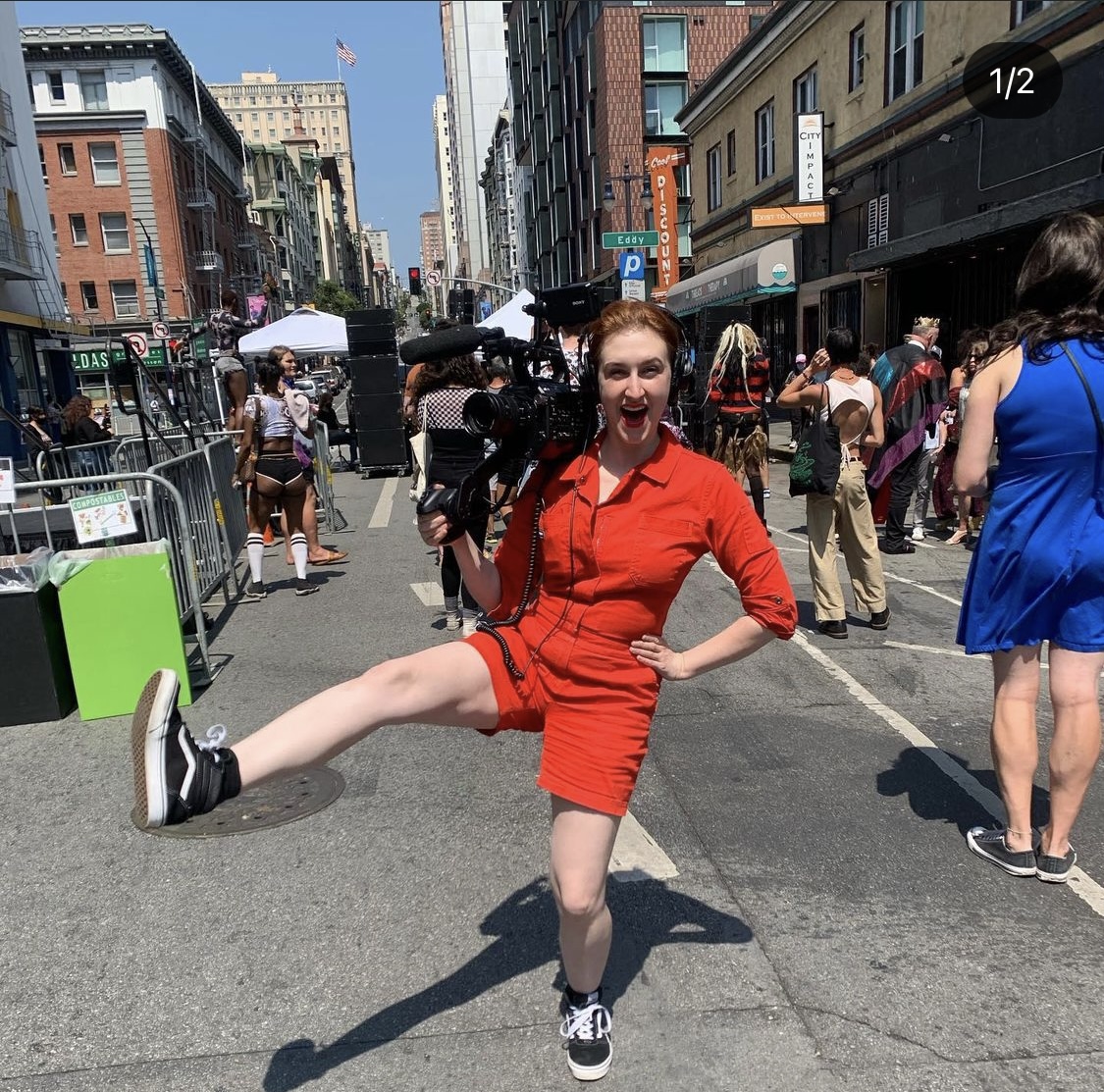
Today we’d like to introduce you to Emily Geraghty.
Hi Emily, please kick things off for us with an introduction to yourself and your story.
That’s a tall order, briefly sum up my life until this point!
I grew up in Shrewsbury. It was clear from a young age that athletics was not my strong suit, so my parents put me in community theatre at the Shrewsbury City Center when I was six. That kicked off my performing arts interest. When I got a little older, I was constantly running around with a VHS camera, making my friends and cousins be actors in my little movies.
In my early teen years I discovered Windows Movie Maker on my family PC, and that’s when I started making digital videos. I went to Ursuline Academy for high school and before my senior year, they built a brand new A/V lab. I spent every morning before school, every study hall, every day after school in there. I thought I would study theatre in college, but my dad very aptly suggested studying something with a clearer path to stable income. I thought about journalism, but it felt a little too formal for me. One day my dad said, “what about film?” For some reason I’d never thought of it myself, even though it was in front of my face the whole time. After that, I had a one track mind: I’m going to be a filmmaker.
My high school graduation gift was a road trip with my parents from St. Louis to New York City to see Broadway shows. I was a brat – when I opened and read the card, I thought, “ugh, I wanted a laptop.” I did not want to spend two days in a car with my parents (what 17-year-old does?) and I’d forcefully thrown my decade-long interest in theatre out the window to focus on film. But we drove to New York, and when I got there, I fell in love. I loved the energy, the feeling of possibility, I loved hearing 10 different languages on one block. I begged my parents to leave me on the streets (no luck).
We stayed with a family friend who was originally from St. Louis and had worked at Viacom, which is now Paramount, and owns MTV. He said, “you should be a summer intern at MTV,” and the idea lodged in my brain. I bought a poster of the New York skyline and hung it next to my bed in every dorm and apartment I had in Springfield – I got my undergrad degree at Missouri State University. The poster reminded me what I was working towards every day when I woke up and went to sleep.
I very consciously built my resume so I was a competitive candidate for the Viacom internship program. They preferred candidates with previous internships, so I interned at CBS Radio in St. Louis. I did work that ensured advertisements played correctly and made audio spots for the 102.5 and 98.1 stations. I was voicing commercials for Casino Queen before I was old enough to get in. I volunteered with the local NPR and PBS affiliates in Springfield, answering phones to take donations during pledge drives. Then in the summer of 2012, it finally happened: I got the Viacom internship. I was assigned to Logo, the LGBTQ+ channel that aired RuPaul’s Drag Race.
After 10 weeks of back-end website work and editing digital videos, I returned to Springfield for my last semester. Two weeks after December graduation, I was offered a job with MTV.com and I moved to New York. It’s pretty wild in hindsight that everything went exactly according to plan, but a lot of people said, “are you sure you can do that?” and that fueled me to put in the work and say, “watch me.”
My job at MTV wasn’t particularly creative. I was sitting in all these meetings about how MTV designed their website for the best user experience and how they got people to engage with their online content, so I decided to apply what I was learning to a creative project of my own. I started a fashion blog called That Cheap Bitch, where I wrote about my thrift store finds and dying my hair pastel colors. I taught myself about search engine optimization, how to get traffic via Pinterest, and DIY public relations. At it’s height, my blog had 72,000 unique visitors a month. That was a passion project for about three years.
Eventually I left MTV for a job at a reality TV production company, editing web series and proof-of-concept reels (a sample of a show idea to show perspective buyers). I was happy to be working full-time in video production, but I realized if I wanted to have any creative say over the videos I was editing, I’d have to become a producer. Well, actually – I had to become a director, but at that point I was afraid to say out loud that I wanted to be in charge. I didn’t feel like waiting around for someone to give me permission to make my own videos, so I cashed in savings bonds that were gifts when I was born to buy my first video-capable DSLR camera. I learned how to use it in a class at this little photography school that shared a dingy old space with a tattoo shop. It felt very New-York-hustle.
I set out to find a full-time video job where I handled creative and production from start to finish. The women’s publication Bustle.com had featured my blog, so I reached out and asked if they were hiring for video. The stars aligned – they were hiring their first video team members. That was my first job where I said “I have an idea,” and my boss said “okay, here’s a camera, go make it.”
I made some viral hits for Bustle in the heyday of Facebook video and BuzzFeed. That lead to being recruited to work as a Senior Producer for Condé Nast, the company that owns Vogue, GQ, Glamour, Allure, and other magazine brands. That job took my productions to a higher level of quality and really boosted my confidence. In the time I was at Conde Nast, I made a short documentary that was viewed over 23 million times, created a YouTube series for Glamour that averaged over a million views per episode, won a Webby Award, and was inducted into the Missouri Public Affairs Hall of Fame by my alma mater for my work in inclusive journalism. I was only 26. It’s sort of unbelievable to think about, even though it happened to me.
After working for companies for six years, I decided to take a leap of faith and go out on my own. I felt like I’d accomplished what I’d set out to do – creating video for legacy media brands. I was open to what might happen next, rather than working towards a specific career goal. I wanted to become a better cinematographer, which takes a lot of on-the-ground practice. I wanted to pitch video journalism stories to news outlets. I was commissioned by NBC News to produce, direct, shoot and edit five short documentaries, two of which were stories in St. Louis. I started directing and producing for advertising. I kept working for women’s publications making non-fiction series and editing video.
Within a few years, I was getting offered too much work to do it all myself, so I started my production company, GIRLCREW. I hired my first employee, who was also a St. Louis native, and grew the team from there. I opened an office and studio near Times Square, which was so far beyond anything I ever imagined for myself. I made web series for news and magazines, I made commercials for household-name brands that I’ve seen on TV, I filmed celebrities for magazine digital covers and so much more. Running a creative agency in one of the most competitive media and advertising markets in the world is not for the faint of heart, but I wouldn’t trade the experience of running at that level for anything. After five years of pedal-to-the-medal business growth, I decided it was again time to shift.
When I moved to New York at 21, I wanted to get as far away from home as possible. I wanted to work for brands that people thought were culturally influential. Now that I’ve done those things, I have a different perspective. I’m most interested in doing work for people I can really help. That might be helping grow a business by developing their brand and creating photo and video content that drives sales. It could be giving a voice to underrepresented communities through documentary and photojournalism. It could even be capturing a meaningful moment in time for families and couples. As for St. Louis, I have a new appreciation for my hometown. I miss my family! I never really got to explore St. Louis as an adult, so I love exploring, checking out new restaurants and venues, seeing what the art scene is like.
Finally we’ve made it to the present day part of this story. In 2025, I started working in St. Louis in addition to business-as-usual in New York. In St. Louis, I’ve worked as a photographer for Sony Music, who needed video and photo of a billboard promoting sign-ups to Bob Dylan’s fan club along Highway 61, a nod to his Highway 61 Revisited album. I created album art and Spotify video visualizers for a local musician, Maddi Sullivan. I was a cinematographer for a short documentary about maternity leave benefits offered by the Laborers International Union of North America, featuring a badass woman construction worker from St. Louis. I was a cinematographer for interviews with Kode with Klossy alumni – Kode with Klossi is Karlie Kloss’s non-profit that teaches young women and gender expansive folks to code. On top of that, I’ve taken many engagement and family photos for St. Louisans. But above all, I’m hoping to work with more St. Louis local businesses to help them grow their digital presence in the near future!
Would you say it’s been a smooth road, and if not what are some of the biggest challenges you’ve faced along the way?
The road looks pretty smooth when I list what I’ve accomplished, but it’s definitely been challenging. Just having the stamina to compete in such a cutthroat market is difficult. There was a time at the beginning where I was working at MTV in the day for eight hours, then running across the street to Logo to work as a freelance video editor for another six to eight hours. There’s a 2am phone call to my dad seared into my memory from that chapter. I was lying on a couch in an edit bay, alone in a dark office overlooking Times Square, wailing “I’m just so tired,” through sobs. That was the first of many nights over the past 13 years where I felt pushed to my energetic limit, fueled by ambition and the love of the craft.
I’ve faced a lot of rejection. I interviewed for a producer/editor job at a publication I really respected when I was 23, and I was interviewed by four men sitting in a line at a long table in a dark conference room, all at least 20 years older than me. It was like something out of a movie. They asked how I would cover the 2016 election, a question I was completely unprepared for. I didn’t get the job. I felt so defeated. You’re rejected far more often as a business owner pitching your creative vision and production services to clients. Within the last year, I was up for a job making woman-on-the-street comedy videos for a well-known jewelry brand. I was so excited, and I thought I was perfect for it. I lost out to a director who’d won multiple Emmys during his time working on The Daily Show. I often say to myself “rejection is God’s protection.” That news publication shut down within two years, and I got the job at Bustle instead, which was a much better fit for me and lead to my job at Conde Nast. The jewelry project was pretty complicated, involving production trailers and location and parking permits in arguably the busiest part of Manhattan. It all works out the way it’s supposed to.
Speaking of rejection – the actual labor it takes to run a business is intense, but the emotional labor is intense, too. You want to do right by everyone, and it’s impossible to make everyone happy. It’s a lot of social-cue reading when it comes to communicating with clients. I’ve definitely said the wrong thing at the wrong time. I’ve learned a lesson the hard way that sometimes I still trip on – never send the angry email! I’ve been adamant about approaches that in hindsight I think, “what the hell was I thinking?”
Overall, it’s all a learning experience that I’m grateful for. You learn to be really tough, but also flexible. You learn to admit when you’re wrong even though it’s hard. For every win, there’s 10 more moments that will knock you down a few pegs, and they’re just as important. It doesn’t make for a very interesting story if there isn’t any conflict!
Alright, so let’s switch gears a bit and talk business. What should we know?
I work as an independent visual creative and consultant, and I also run GIRLCREW, a production company that specializes in vibrant photo and video visuals for femme-first brands. If your target audience is women, we make colorful content with a distinct feminine style that helps convert curiosity into customers. My experience working for women’s publications like Glamour, Allure, Teen Vogue, Brides and Bustle helped me hone my creative eye with this particular audience in mind. Also, only 25% of camera operators and video editors are women. I wanted to use my experience to help other young women with the visual creativity bug get into these technical fields. As long as you support closing the hard-skill gender gap in production, you can be a part of GIRLCREW, regardless of your gender identity!
We typically work with brands that have a bold, unapologetic voice and are values-driven. We work often with women’s health clients like The Honey Pot Company and NURX, beauty and haircare brands like LaserAway and Not Your Mother’s, and with non-profits that support women’s rights like The Ms. Foundation for Women (Gloria Steinem’s charity) the ACLU, and Planned Parenthood.
We also work with brands that fall outside of the femme-first niche. One of our repeat clients is Manscaped razors and grooming products, the exact opposite of the audience we usually target. They came to GIRLCREW for our bold, colorful style and experience with comedic commercials. We made a social media campaign for a retirement home in the Bronx starring Barry Williams, a.k.a. Greg Brady from The Brady Bunch. We made a commercial for a dentist that was a parody of Love is Blind.
I’m particularly proud of the out-of-the-box wedding fashion show we made for The Knot’s YouTube channel called “Commit to the ‘Fit,” which was a dream project. I often thought “what is my life and how did I get everything I ever wanted” when I was working on that show. I’m also proud of the photo and video work I’ve done with Gently Soap, including product photos that look like an “elevated herbal escape,” a TV commercial and a brand video that the founder credits with landing her a spot on Shark Tank, where she got a $75,000 investment.
TLDR: if you need photo and video content with a bold voice and colorful visual style, I’m your woman.
Links to my website and work (please hyperlink instead of pasting plain text links):
girl-crew.com
emilyclairegeraghty.com
Commit to the ‘Fit: https://www.emilyclairegeraghty.com/?pgid=mj6hkcqi-2c6bc170-bc66-48b0-abbe-4dea790c211a
Gently Soap brand video: https://www.gc.nyc/?pgid=lydce47d-af2bd815-98a1-4e2b-848f-79770da72bba
Manscaped: https://www.emilyclairegeraghty.com/?pgid=mj6hkcqi-f1c3bd6b-2214-4f50-90a2-31afd59de291
Riverspring Living Retirement Home campaign: https://www.emilyclairegeraghty.com/?pgid=mj6hkcqi-cfb63695-8ec2-4a45-b7c6-049cbbf7aad9
Tend “Love is Blind” parody commercial: https://www.emilyclairegeraghty.com/?pgid=mj6hkcqi-e5172b5c-d00b-4803-9b91-80a2fab4d9b3
We’d love to hear about how you think about risk taking?
It’s all been a risk. It was a risk to move to the biggest city one of the most expensive in the country at 21, where I knew almost no one and had a total of $800 in my bank account. My first job was only guaranteed for 2-3 months. It was a risk to pursue a career in a notoriously competitive industry and aim for a high bar. It was a risk to bet on my creativity as a skill. It was a risk to start a business as a solo owner/operator, to rent an office an studio in Times Square. I’ve taken out business loans to pursue an idea, hired employees when I didn’t know if any work would be on our calendar next month. It’s a leap of faith every day. I think I’ve always been more on the risk-tolerant side of the spectrum when it comes to career and ambition, and I’ve learned to be even more risk-tolerant. Risk-tolerant doesn’t mean you’re comfortable with risk all the time, or you’re not scared. It means you do it anyway. It’s a muscle you have to build. But walking out the front door every day is a risk for all of us. You might as well go for what you really want.
Pricing:
- Projects range in cost depending on what it entails. The best way to get pricing information is to reach out and tell me what you’re looking to create.
Contact Info:
- Website: https://www.emilyclairegeraghty.com/
- Instagram: https://www.instagram.com/gc.nyc_girlcrew/
- Facebook: https://www.facebook.com/girlcrew
- LinkedIn: https://www.linkedin.com/in/emilygeraghty/?skipRedirect=true
- Other: https://girl-crew.com