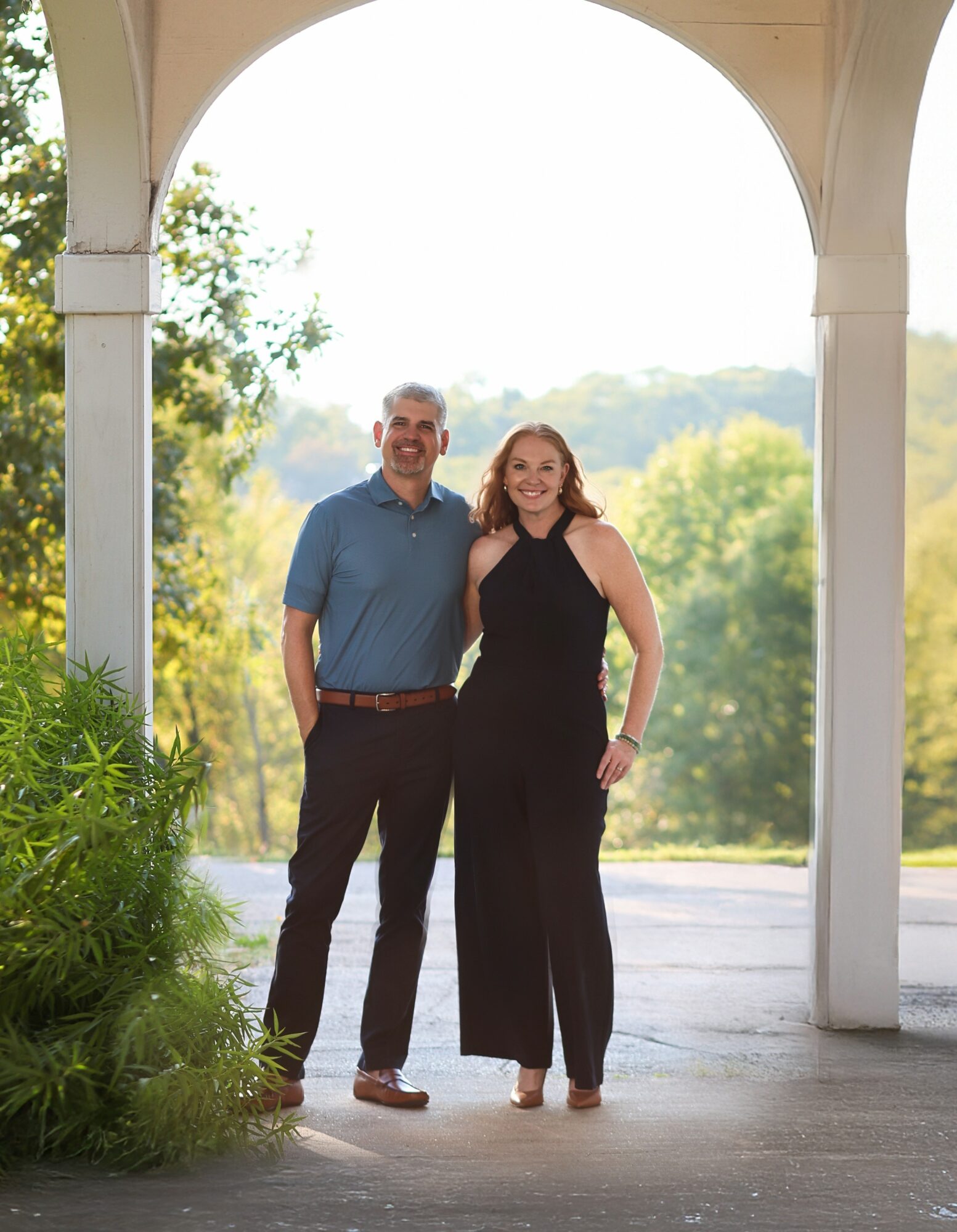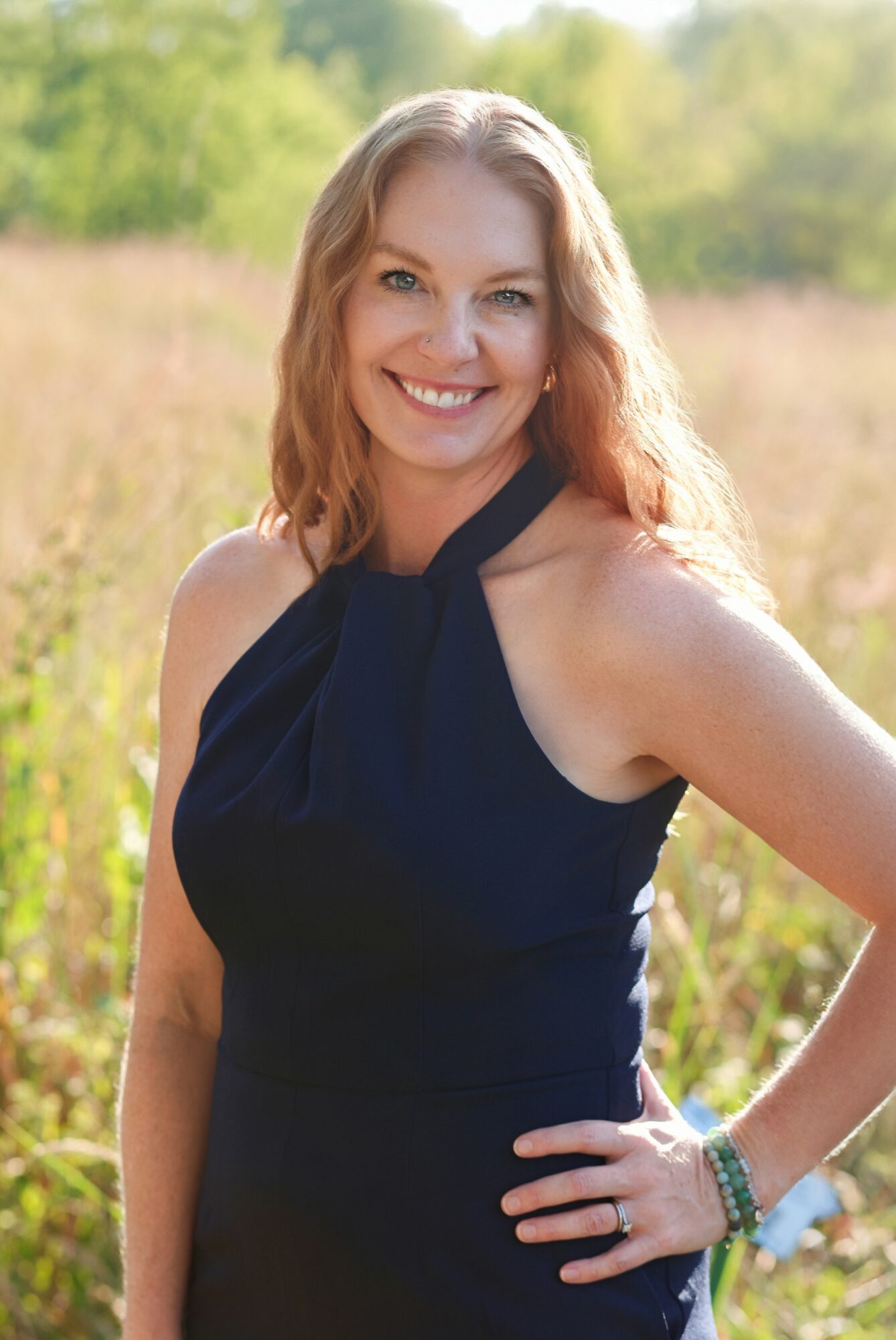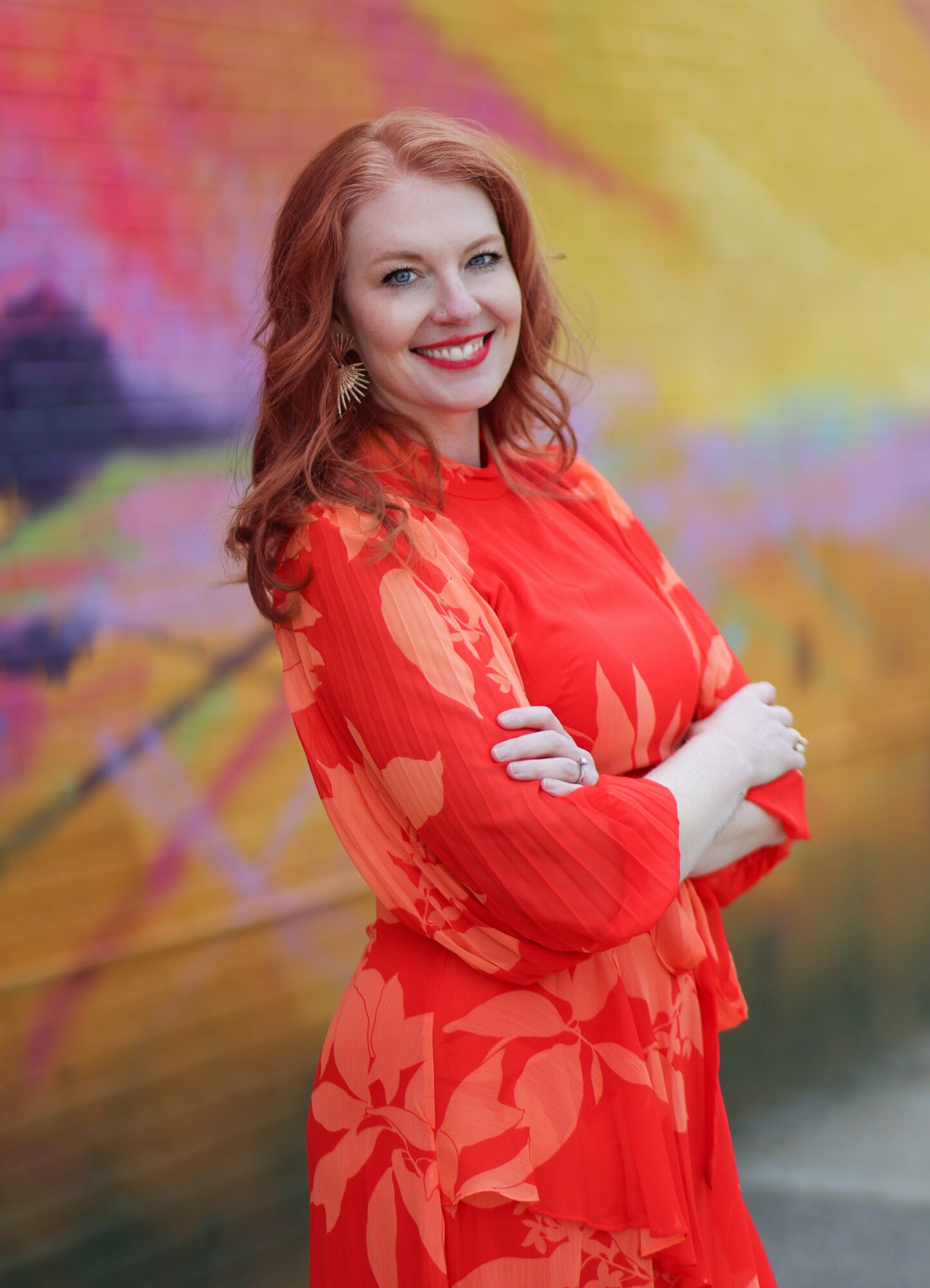
Today we’d like to introduce you to Kate Morrison.
Hi Kate, so excited to have you with us today. What can you tell us about your story?
If you asked me a few years ago what my life looked like, I would’ve told you I was doing all the “right” things.
I spent years in financial services and, by most measures, was successful. I was trusted, dependable, and high achieving. Outside of work, life was full — raising twins, building a marriage, showing up wherever I was needed. I carried so much: responsibility, expectations, pressure — and I wore it like armor, even calling the dresses I wore my uniform.
I didn’t see where the cracks were forming. The workplace trauma — subtle, constant, unnamed — wore down my safety and steadiness over time. What no one saw was the exhaustion underneath it all: bone-deep tired, the kind rest doesn’t touch.
So, my body made the decision for me.
I reached a point where I couldn’t ignore the warning signs anymore — anxiety, panic, physical symptoms and chronic insomnia. Eventually, I had to wave the white flag. Not because I failed — but because I had been surviving in a system that rewarded over-functioning and self-abandonment.
That season forced me to stop. To listen. To ask myself really uncomfortable questions about success, worth, and who I was outside of what I produced.
Recovery isn’t neat or fast. It’s slow and humbling. I’m learning how to regulate my nervous system and how much grief lives inside burnout. I’m learning that rest isn’t weakness — it’s required. I’m learning that “if it feels slow, you’re doing it right.” And little by little, I’ve found my way back to myself.
Sacred Solace was born from that place.
I was intentional about becoming a professional coach. After my own recovery, I made a conscious choice and sought out holistic, trauma-informed training and built my practice with care and intention — and along the way, women who needed exactly this kind of support began finding me. High-achieving women who were anxious, exhausted, angry, numb, overwhelmed, and quietly wondering, “Is it always going to feel like this?” I knew that place intimately. Sacred Solace exists to remind women that they are not broken — they are burned out — and that healing is possible without giving up their ambition or identity.
Around the same time, my husband and I stepped into another calling — becoming owners of Executive Home Care of Central St Louis County, a private-duty personal care company. We work intentionally to match professional caregivers with clients — and families — navigating some of the most vulnerable seasons of life. Sometimes that client is the one receiving care. Sometimes it’s the person loving them, holding it all together.
We didn’t want to build something transactional. We wanted to create something grounded in dignity, compassion, and humanity. Not just tasks, but presence. Not just services, but trust.
What ties both of these worlds together — coaching and home care — is the belief that how we care for people matters. Whether someone is navigating burnout or aging, transition or illness, they deserve to be met with respect, patience, and kindness.
Today, I hold a different definition of success.
It looks like alignment. Like boundaries. Like slowing down enough to actually feel my life instead of sprinting through it. It looks like helping women come home to themselves and helping families feel supported when things feel heavy.
And I believe we don’t have to wait until everything falls apart to choose ourselves.
This work — all of it — rose out of the hard places. And I wouldn’t change a single step.
Proud of us. All of us.
Can you talk to us a bit about the challenges and lessons you’ve learned along the way. Looking back would you say it’s been easy or smooth in retrospect?
The hardest part of my journey wasn’t learning how to run a business or becoming a coach — it was unlearning the conditioning that taught me to override myself.
One of my biggest challenges was navigating burnout that was rooted in workplace trauma. For a long time, I didn’t have language for what was happening — I just knew my nervous system was constantly on high alert. I learned how to perform through discomfort, silence my instincts, and push past limits that should’ve been respected. That way of surviving eventually caught up with me.
Another major challenge was rebuilding trust — with my body, my intuition, and my pace. Recovery required slowing down in a culture that rewards speed and productivity. As someone who had built her identity around being capable and reliable, learning to rest, ask for help, and move intentionally felt deeply uncomfortable at first.
Building two mission-driven businesses brings its own challenges. Starting over professionally meant letting go of certainty and stepping into risk. There are moments of doubt and fear — especially while creating work that centers care, dignity, and humanity in systems that often overlook those values.
Finally, learning to hold boundaries — without guilt — has been an ongoing challenge. Choosing alignment over approval, sustainability over hustle, and presence over perfection continues to be daily work.
What I’ve learned is that obstacles don’t disappear — but when you learn to listen to your nervous system and honor your limits, they stop running your life.
Great, so let’s talk business. Can you tell our readers more about what you do and what you think sets you apart from others?
At the heart of my work is care — real care — for people, nervous systems, and dignity.
Through Sacred Solace, I support high-achieving women who are burned out, anxious, or feel disconnected from themselves after years of over-functioning. As a holistic, trauma-informed practitioner, my work is about slowing things down, helping women understand what their bodies have been trying to say, and interrupting patterns of chronic stress that were never meant to be sustainable. This isn’t about fixing women — it’s about helping them come back into alignment, without shame and without sacrificing who they are.
Through Executive Home Care, that same value of care shows up in a different form. My husband and I support seniors and families navigating some of the most vulnerable seasons of life. Alongside our team, we focus on thoughtful caregiver matching, steady presence, and dependable support so people can feel safe, seen, and respected in their own homes.
Across both spaces, my work is about creating places where people don’t have to brace themselves. Where care is human, not transactional. Where trust, dignity, and healing aren’t extras — they’re the foundation.
We all have a different way of looking at and defining success. How do you define success?
For a long time, I defined success the way I was taught to. Titles. Output. Being the one who could handle more. Never dropping a ball. Never letting it show when things felt heavy.
That definition almost broke me.
Now, success looks very different.
Success is alignment — listening to my body and actually honoring what it’s telling me. It’s building work and a life that don’t require self-abandonment to function. It’s having energy at the end of the day instead of pride in pushing through.
Success is sustainable work. Work rooted in values, not urgency. Work that centers care, boundaries, and humanity — even when the systems around us reward speed and burnout.
Success looks like choosing rest before collapse. Saying no without a long explanation. Letting “enough” be enough.
And maybe most of all, success is wholeness. Feeling grounded in who I am, clear about what matters, and able to support others without sacrificing myself in the process.
Contact Info:
- Website: https://www.sacredsolace.co/ and https://executivehomecare.com/central-saint-louis-county/
- Instagram: @sacred.solace.coaching and @ehc.centralstlouiscounty
- LinkedIn: https://www.linkedin.com/in/kate-morrison-sacred-solace/