Today we’d like to introduce you to Kelly Bristol.
Hi Kelly, we’d love for you to start by introducing yourself.
My journey to becoming a therapist was not linear. As a kid I wanted to be on actress. I enjoyed performing and being on stage more than anything. As I reflect back, I think I also really loved getting to know the characters I was playing and their story. I loved bringing those stories to life. I have always been interested in people and how they think and act. In college, at Missouri State University, I began as a theater major, but switched to communications and found that I really enjoyed my coursework in interpersonal communications and public speaking. After graduation I worked sales and marketing. I worked in the business world for a few years, but I kept feeling this pull to go back to school to become a therapist/counselor. At the time I was particularly interested in working in schools. In 2004 I enrolled in Missouri Baptist University’s graduate counseling program and knew instantly that I was in the right spot. I graduated with my masters degree in K-12 school counseling and professional counseling in 2007. I worked as a school counselor from 2008-2023 where I built great relationships and learned so much about public education, mental health, at risk students, learning disabilities and the daily struggles of families living in poverty. I earned the title of educator of the year in my elementary building where I worked and was also named the St Louis Suburban School Counselor of the year in 2020. A school counselor is a jack of all trades and the heart of a school building. The relationships I made with staff and student will stay with me forever. The stories I heard broke my heart and taught me a lot about the resilience and grit of the human spirit. I never felt like I could give each child or family the attention and care they deserved as a school counselor. Again, I felt that pull to make a change. In 2020 I decided to complete my license in professional counseling with the goal of leaving the world of education to open up my own counseling private practice. The journey was not easy. It included taking another graduate course, completing 2000 practicum/internship therapy hours, weekly supervision and passing the national counselor exam. In the fall of 2023 I earned my license in professional counseling (LPC), left my school counseling job and opened up my own private practice where I provide therapy to kids, teens, young adults and their family’s.
I’m sure it wasn’t obstacle-free, but would you say the journey has been fairly smooth so far?
Deciding to leave education to open my own business was truly a leap of faith. Many people around me questioned my choice to leave the security and structure of education to start my own practice. While I too had moments I questioned my decision I knew it was the right choice and to follow my heart. Change is scary. I was never taught how to open or run a business in graduate school so I just had to figure it out. My Dad too had been a school counselor before creating a successful career in sales. He would famously give me the advice of “fake it till you make it” when I was going through something new or hard. He passed away from complications with Parkinson’s Disease in 2017, but I heard his voice reassuring me throughout the first two years in business. My Dad played a major role in who I am today and the type of therapist I have become.
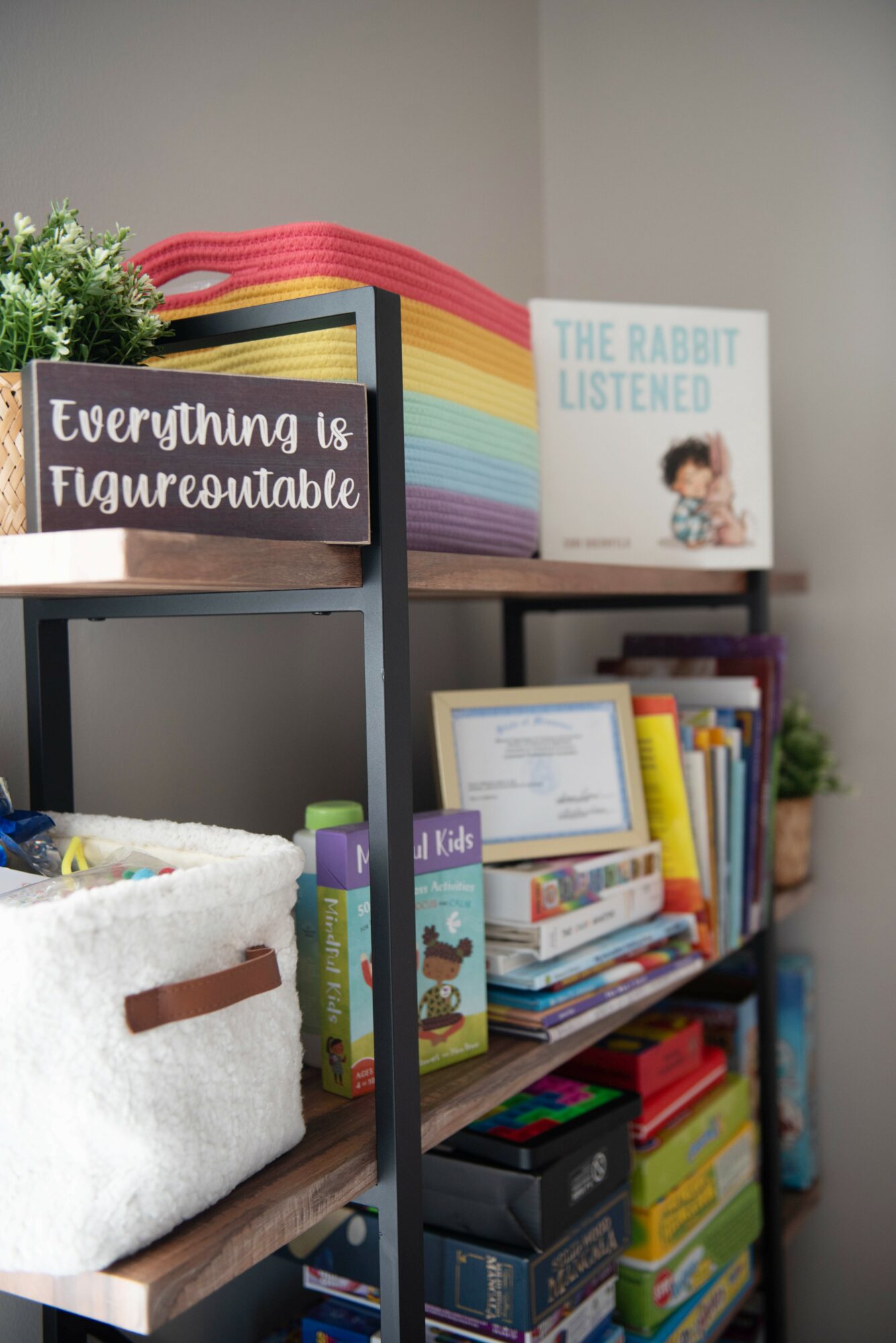
Opening and running a business was a series of steps, but most of those steps included language and hurdles that were all new to me. It was a paradigm switch. I am known to tell clients that sometimes they have to “do it scared” and I certainly had to listen to my own advice through this journey. I was not always confident or sure about the decisions I had to make or how to do certain things. Everything really is “figureoutable” and all hurdles can be jumped. If you set your mind to it and surround yourself with positive people who want to see you succeed anything is possible. I learned how important it is to ask questions and keep asking. Even on days you don’t feel confident you have to keep showing up. Eventually the hard stuff becomes the easy stuff. The support of family, colleagues and friends has helped and sustained me every step of the way to what is now my successful and thriving therapy practice.
Great, so let’s talk business. Can you tell our readers more about what you do and what you think sets you apart from others?
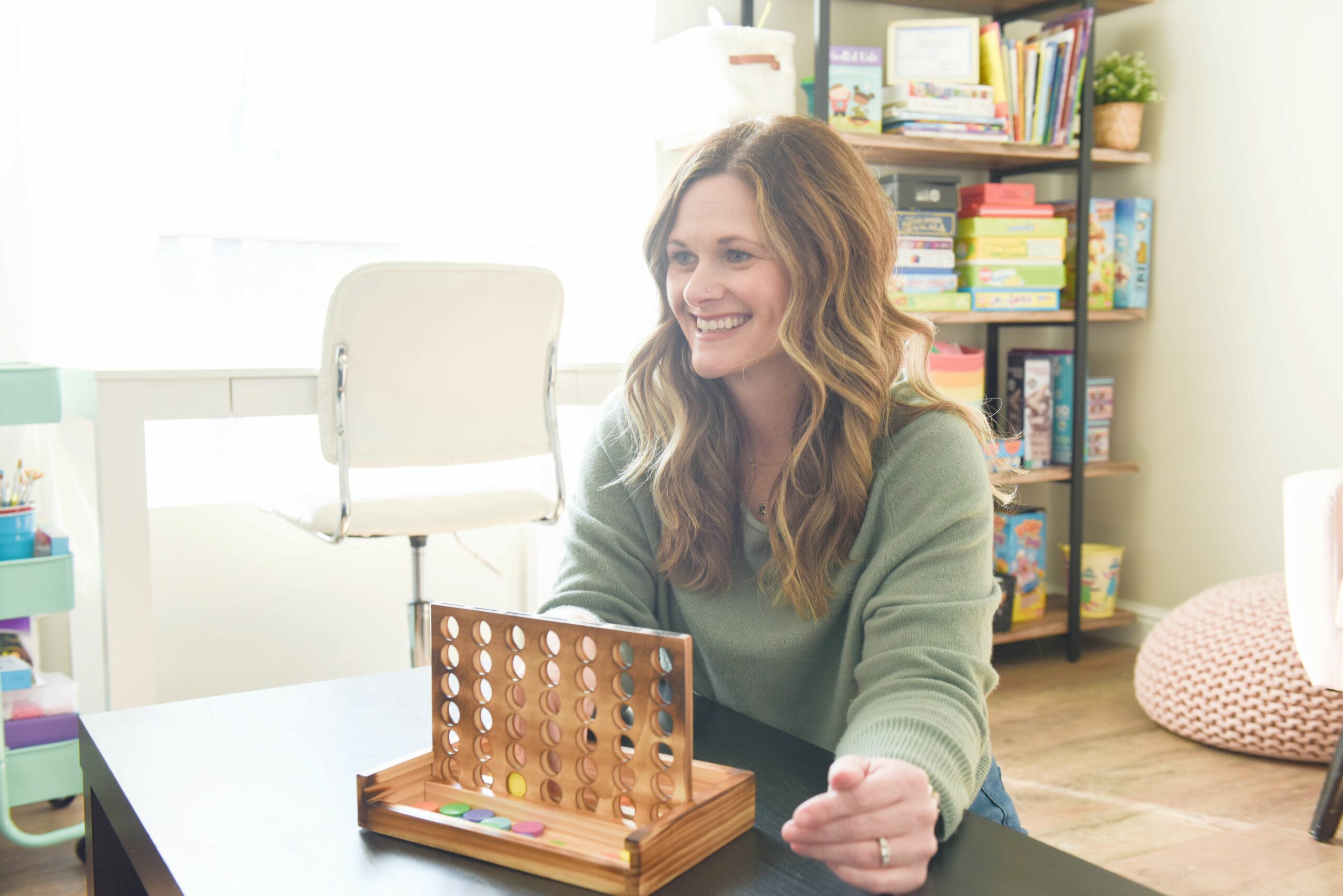
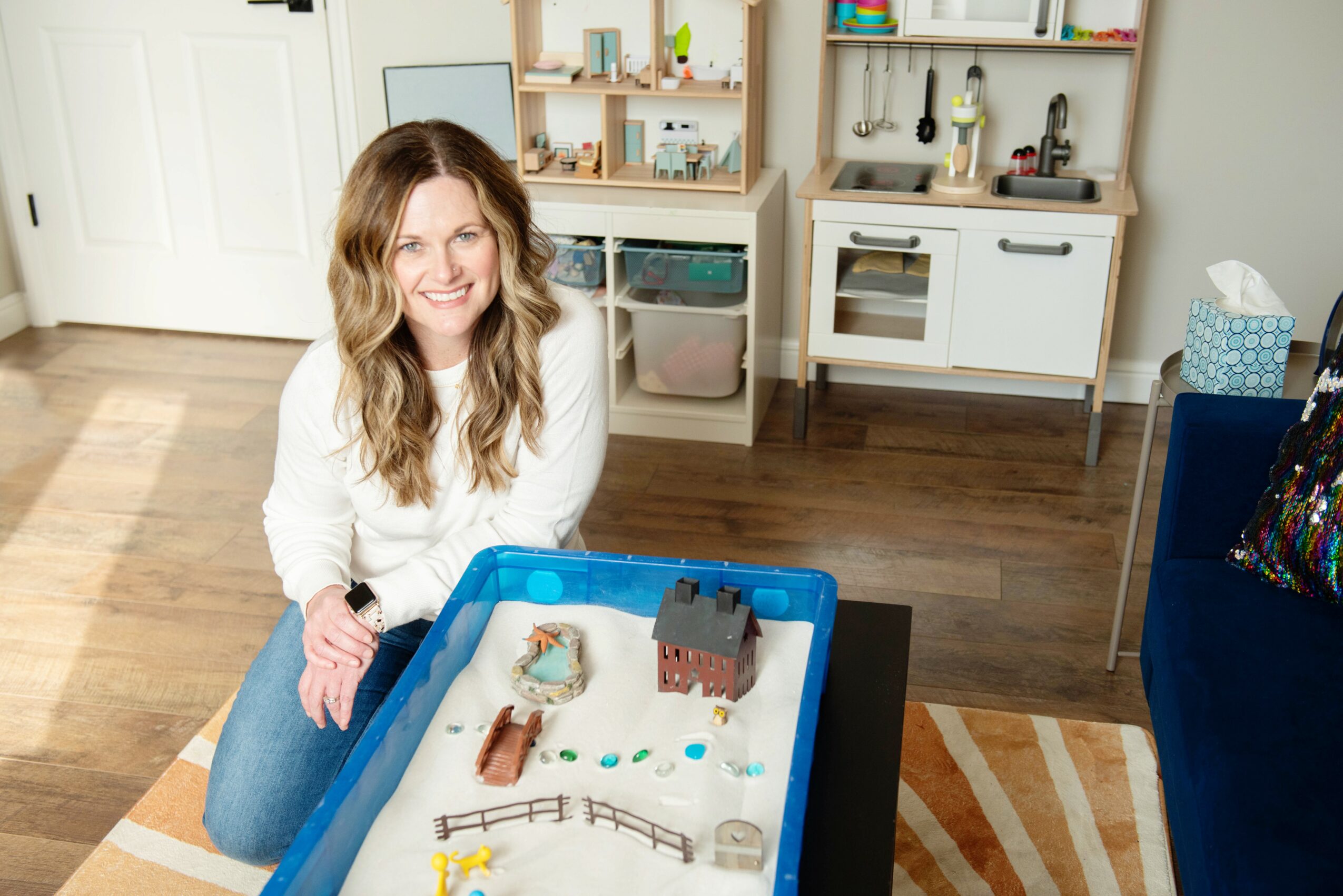
In my business I work with kids as young as 5 all the way thru the college/young adult years. I really love the diversity of this population and the various developmental stages. I specialize in play therapy and will earn the registered play therapy credentials in the next few months. Play therapy is a type of counseling for kids, teens and adults where the therapist uses play as the Childs “language” to help them express feelings, work through problems, and learn coping skills. Most kids cannot explain their emotions with words because they do not possess the abstract thinking and processing that adults do, but they often show what they are feeling through play, sand tray or expressive arts. As a play therapist I am trained to notice themes and patterns in play all while I track the play and validate emotions in a safe environment. Thus, providing the space for children to integrate those emotions, learn skills and heal.
In my office you can find a wide variety of things including dolls, action figures, sand tray, art supplies, pretend play things, books and games. Many people wonder what the difference is between regular play and play therapy. Regular play is for fun! Play therapy is fun too, but it serves a clinical purpose where the therapist is tracking themes and emotions in the way an adult therapist tracks conversation. Play therapy can help a child heal and change behavior without ever having a direct conversation about the presenting issue bringing them to therapy. Most kids really enjoy coming to play therapy because in the playroom, they are in charge and the therapist is with them unconditionally.
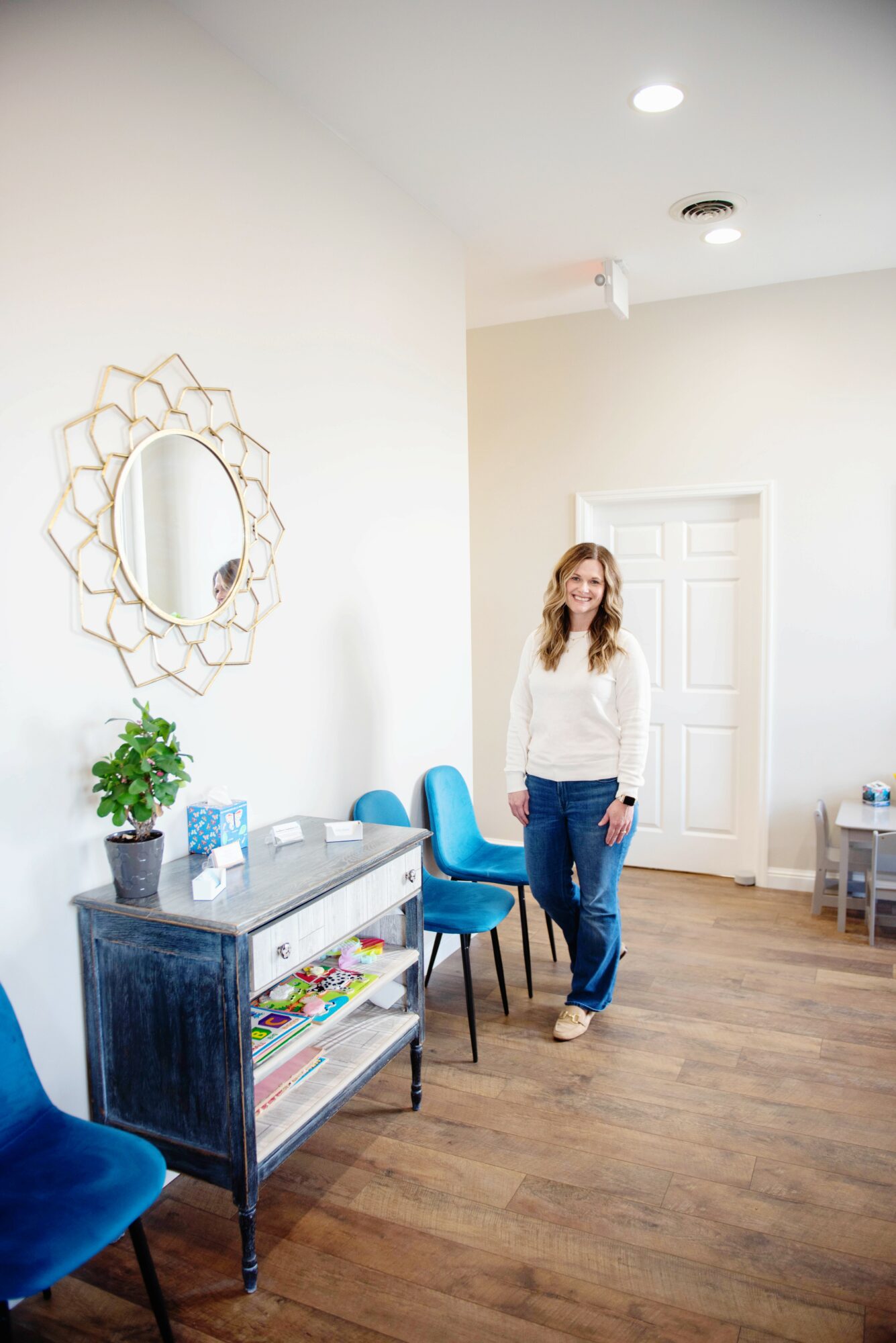
I am very proud of the practice I have built and the therapeutic relationships I have with each client and their family. My top priority is for each family to feel an unconditional positive regard from me. I want parents and care givers to feel part of the team. I help parents understand what is developmental appropriate and provide coaching on how to handle the tough behaviors and big emotions that their child might be experiencing. Parenting is the hardest job there is and when a child is struggling it can wreak havoc on a family system and feel very isolating for parents and caregivers. My practice is unique because when parents reach out to me to set up therapy they can communicate with me directly. I hope to give each family a personalized experience, because reaching out for help is hard and very brave.
Before we let you go, we’ve got to ask if you have any advice for those who are just starting out?
The best advice I could give someone who was starting out in their journey is to trust yourself. Making it through your first year is always the hardest. We know so much more than we think, but the imposter syndrome can feel very real at the beginning. We learn so much in graduate school and the information, theories, best practices and ethics can feel overwhelming and cumbersome at first. The most important quality of the therapist is the ability to build a relationship with the client. We must stay open minded and keep learning. We will never get to a point where we have learned it all. The road of learning and growing doesn’t end
Working with kids comes with some unique challenges because families often reach out when they are at their wits end and have tried everything else. Plus, kids are always brought to therapy by a well meaning adult yet sometimes the child doesn’t really want to be there at first. Families and kids sometimes don’t have much faith that therapy is going to work. So, it is very important to proceed with empathy and really honor each of them as the expert on their child and to validate how difficult their experience is. Stay positive, consistent, confident, and take your time with each client and family. Lastly, seek supervision and support from other therapist often.
Contact Info:
- Website: https://www.kellybristol.com
- Instagram: @my_counselor_kelly