Today we’d like to introduce you to Lacita Moody.
Hi Lacita, thanks for joining us today. We’d love for you to start by introducing yourself.
My path into mental health work was shaped long before I ever entered a counseling program. Growing up, I witnessed people in my family struggle with their mental health, often without the support they truly needed. At one point, a close family member became very sick, and the emotional impact of those changes deeply affected them. Watching that unfold gave me an early awareness of how much mental health can shape someone’s life and how isolating those struggles can feel.
At the same time, I was navigating my own relational wounds and difficult experiences. Those moments pushed me to reflect deeply on healing, resilience, and the ways people make meaning out of painful chapters in their lives. Over time, I realized that many people in my community were carrying similar stories, but there were very few spaces where they felt truly understood.
That realization became a turning point for me. I knew I wanted to help address the mental health gap in underserved communities, particularly for Black individuals and especially Black women. Too often, their experiences are minimized, misunderstood, or overlooked entirely.
I began my career in community mental health, where I gained valuable experience working with diverse populations and complex trauma. While that work taught me a great deal, I also started to realize that the nonprofit structure wasn’t the right long-term fit for me. The system often limited the depth of care I wanted to provide and left little room for the flexibility or autonomy I believed both therapists and clients needed.
Eventually, I decided to take a leap and start my own private practice. That decision came from a desire for greater control over the work I do, the ability to practice in ways that feel authentic to me, and the capacity to serve clients more intentionally. Today, my work focuses on helping people unpack trauma, challenge the beliefs that formed during painful experiences, and build lives that feel more grounded, purposeful, and self-directed.
Looking back, the journey feels full circle. The experiences that once challenged me ultimately became the foundation for the work I do today, helping others find their way through healing and growth.
Alright, so let’s dig a little deeper into the story – has it been an easy path overall and if not, what were the challenges you’ve had to overcome?
It definitely hasn’t been a smooth road. Like many people early in their careers, I spent a lot of time trying to find where I truly fit.
When I first entered the field, it was surprisingly difficult to find agencies that aligned with my values and the kind of work I wanted to do. I was drawn to trauma work and wanted to serve communities that often go overlooked, but not every organization approached mental health care in the same way. I also struggled to find licensing supervisors who were a good fit for my clinical interests and specialization areas. Because of that, I had to switch supervisors several times while working toward licensure, which added another layer of stress and uncertainty to an already demanding stage of my career.
Eventually, I joined a nonprofit agency that initially felt like it aligned with my values. At the time, it seemed like a place where I could grow and serve clients in meaningful ways. But over time, I realized that the organization didn’t fully live up to the mission it presented. The reality of the work environment and the way things operated behind the scenes didn’t match what I believed mental health care should look like.
Then came a moment that forced everything to change. I was unexpectedly let go from that job without having a plan in place. It was one of those moments where the ground feels like it suddenly shifts beneath you. I didn’t have money saved for a big transition, and I certainly didn’t have a full client caseload waiting for me.
But in that uncertainty, I made a decision that ultimately changed my career. Instead of trying to find another position that might put me back in the same situation, I took a leap of faith and started my private practice. At the time, I had very few clients and no financial safety net, which made the decision both scary and empowering.
Looking back, that difficult moment became the turning point. What felt like a setback at the time pushed me to build something that truly reflects my values and the kind of care I want to provide.
Thanks for sharing that. So, maybe next you can tell us a bit more about your business?
I run a local private practice called Female Empowered Progressions, where I provide mental health services primarily for Gen Z and millennial women from diverse backgrounds. Many of the clients I work with are navigating anxiety, depression, trauma, mother wounds, relational pain, and workplace stress. A large part of my work focuses on helping women unpack the emotional patterns that develop from difficult relationships and life experiences so they can move forward with more clarity, confidence, and self-trust.
One thing that sets my work apart is the role lived experience plays in how I connect with clients. Many of the areas I specialize in are things I’ve personally had to work through at different points in my own life. Because of that, I approach therapy with a level of understanding and empathy that goes beyond theory. I know what it feels like to question your worth, navigate complicated relationships, or carry trauma into adulthood. My goal is to help women move through those experiences and build healthier relationships with themselves and others.
Over time, I’ve become especially known for supporting women who are recovering from relational and interpersonal challenges. Whether that involves family dynamics, difficult breakups, workplace experiences, or long-standing patterns that affect how they show up in relationships, I help clients challenge the beliefs that were shaped by those experiences and create new ways of moving through life.
From a brand perspective, what I’m most proud of is that I built this practice from the ground up. The journey wasn’t always easy, but every step helped shape what Female Empowered Progressions has become. It’s more than a practice name, it represents growth, healing, and the idea that women can continue evolving into stronger versions of themselves at any stage of life.
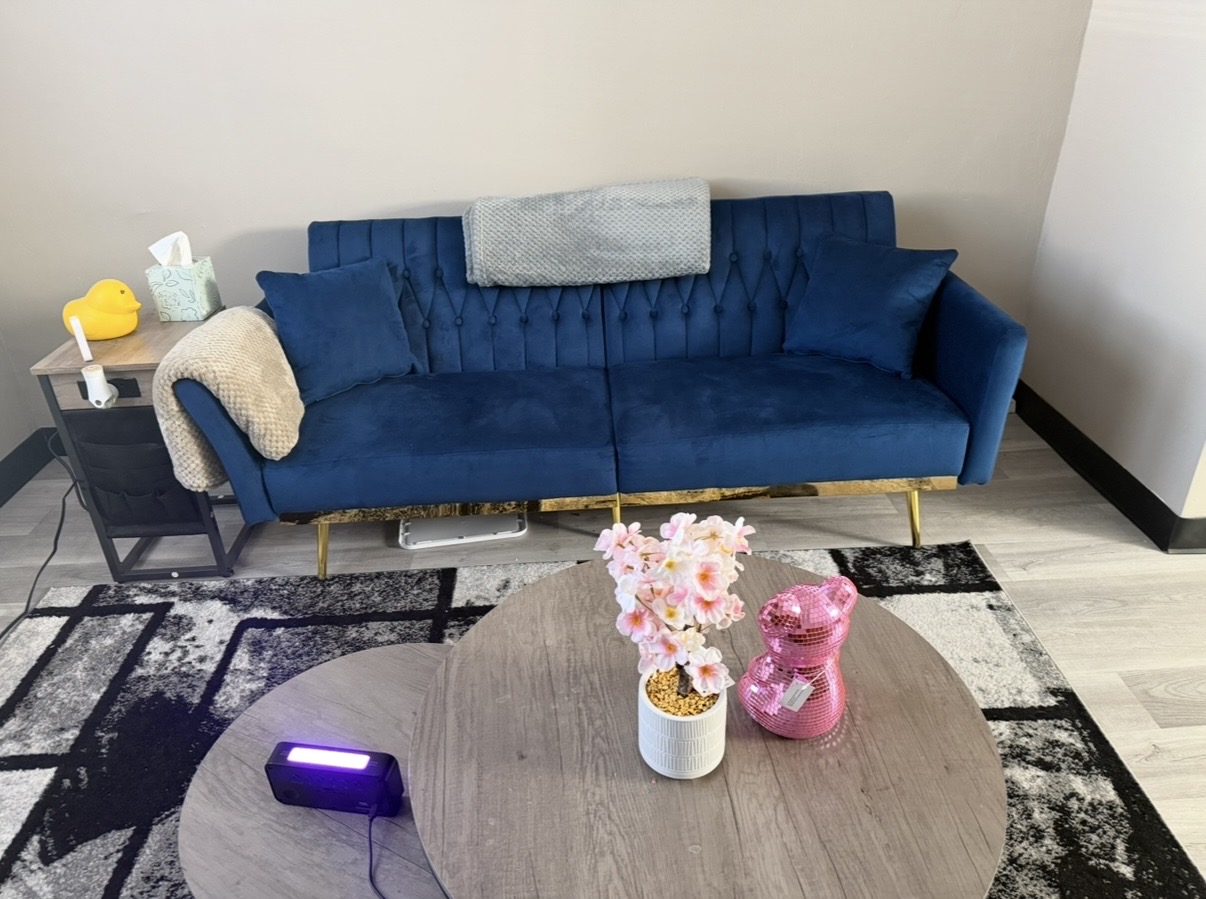
Right now, the practice is continuing to expand. I recently purchased my own private office suite in the Central West End, where I now see clients. The space was intentionally designed to feel warm, elevated, and welcoming. I wanted to create an environment that has a bit of a luxury feel while still being accessible and grounded in high-quality care. My hope is that when clients walk in, they immediately feel that they are in a space where their healing and personal growth truly matter.
Before we let you go, we’ve got to ask if you have any advice for those who are just starting out?
For anyone just starting out in the mental health field, my biggest advice is to remember that the road can be challenging, but it’s also incredibly meaningful. There will be moments where the process feels long, whether it’s navigating graduate school, supervision, licensing requirements, or finding the right professional environment. It’s easy to become discouraged along the way. But if this work is truly something you feel called to do, it becomes deeply rewarding once you reach the point where you’re actively helping people change their lives.
One thing that helped me push through difficult seasons was remembering why I entered the field in the first place. When the workload felt heavy or when I found myself in professional environments that didn’t feel aligned, coming back to that original purpose kept me grounded. Having a clear sense of your “why” becomes essential because it will carry you through the moments when things feel uncertain.
Looking back, there are a few things I wish I had known earlier. One is that it’s okay to trust yourself and move toward the work environment that truly fits you. I stayed in some spaces longer than I probably should have, hoping things would improve or align better with my values. If I could go back, I would have given myself permission to leave environments that didn’t feel like the right fit much sooner.
I also would have started my private practice earlier. When I finally made that leap, I realized how much freedom and creativity comes with building something of your own. If I had known then what I know now, I probably would have pursued that path with the same level of energy and commitment that I gave to other jobs at the time.
Overall, I would tell new therapists to stay connected to their purpose, trust their instincts about what environments support their growth, and don’t be afraid to take bold steps toward the kind of career you truly want to build. The path may not always be easy, but it can lead to incredibly meaningful work.
Pricing:
- Sliding Scale available
- Insurance Available
- Payment Plans Available
Contact Info:
- Website: https://www.fepcounseling.com/meet-lacita
- Facebook: https://www.facebook.com/lacita.moody.lpc/
- LinkedIn: https://www.linkedin.com/in/lacita-moody-m-ed-ncc-lpc-7633a980