We recently had the chance to connect with Katie Jett DNP, RN, MSN, FNP-BC and have shared our conversation below.
Can you briefly introduce yourself and share what makes you or your brand unique?
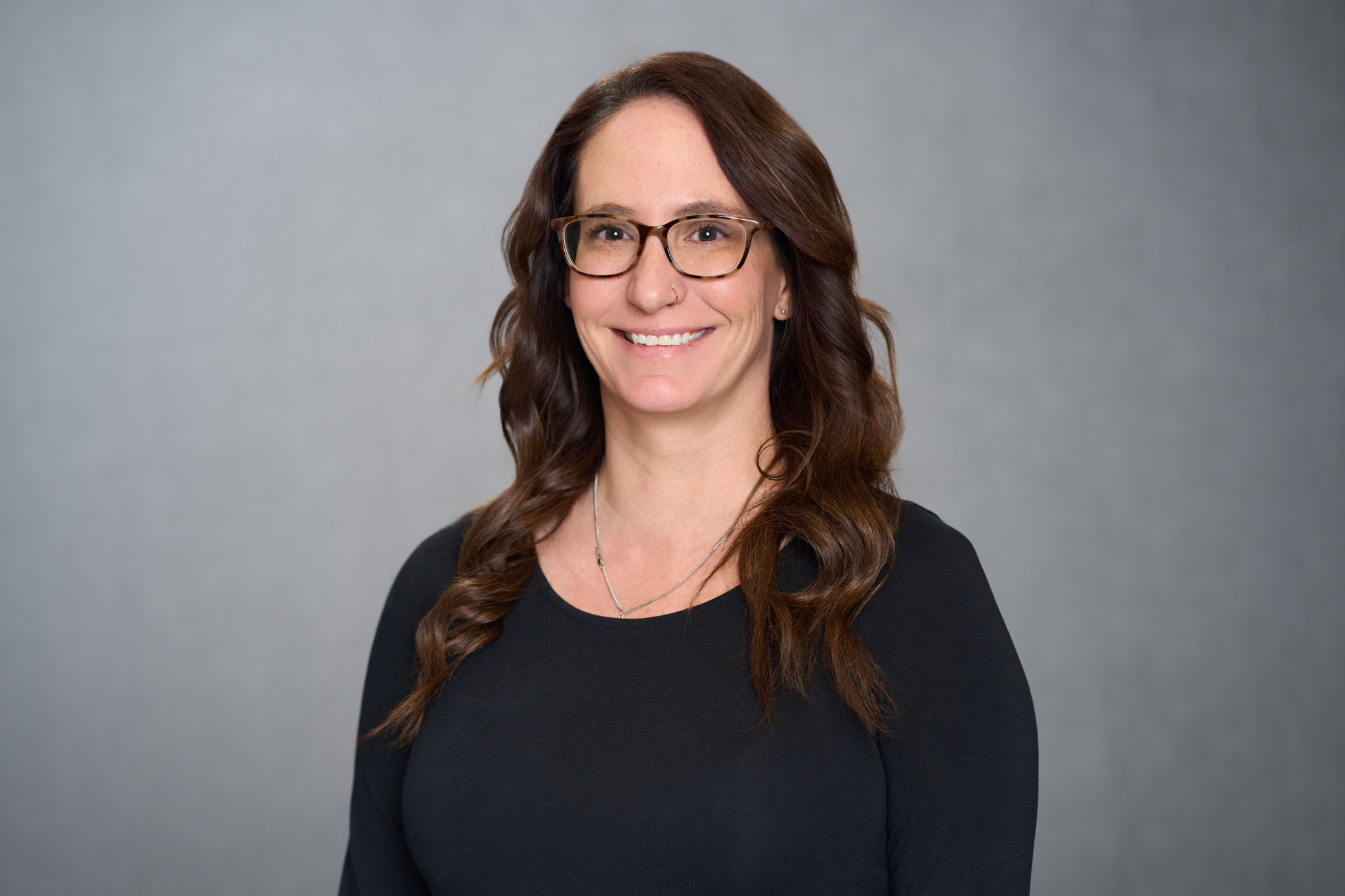
My name is Katie Jett, DNP, RN, MSN, FNP-BC, and I serve as the Dean of Nursing at Ponce Health Sciences University–St. Louis Campus. I am a St. Louis native and have been a nurse for more than 20 years. For the past 13 years, I have worked in higher education, serving in leadership roles for the last six.
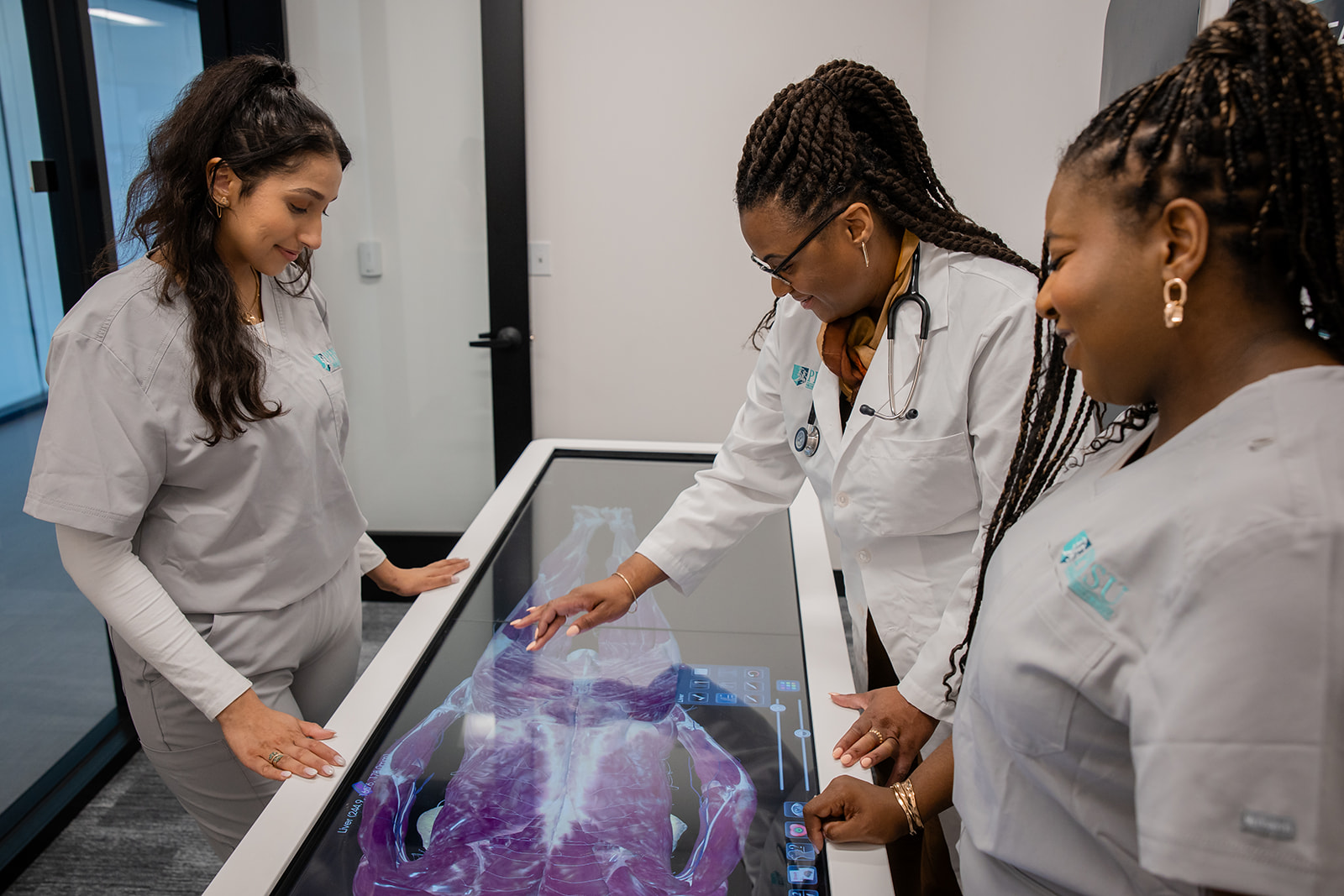
I joined PHSU earlier this year to establish our inaugural three-year Bachelor of Science in Nursing (BSN) program. What makes our university unique is the strength of our broader academic community—we are part of a thriving, growing health sciences institution that also houses a School of Medicine and a School of Behavioral and Brain Sciences, all located in the heart of downtown St. Louis.
Our BSN program offers an accelerated three-year track, unlike the traditional four-year path. While some programs allow students to transfer in prerequisite coursework, we provide a direct-entry option for focused, driven individuals who know they want to enter the healthcare profession. This approach allows our graduates to complete their degree a year sooner and begin pursuing their passion for patient care without delay.
Okay, so here’s a deep one: What’s a moment that really shaped how you see the world?
There have been many pivotal moments in my life, but one that stands out occurred in 2008, when I had the opportunity to travel to Peru on a medical mission trip. My role on the board of the organization was typically focused on operations, but this time I was one of only two nurse practitioners traveling with several nursing students.
We visited some of the most impoverished rural areas in South America—remote, mountainous communities where I witnessed a level of poverty I had never encountered before, and frankly struggled to put into words. Yet, I was equally moved by the resilience and warmth of the people we met. Over the course of just three clinic days, our small team cared for more than 500 patients.
The experience was deeply transformative. When I returned home, I felt an unexpected heaviness—almost like withdrawal—that took weeks to process. I found myself asking what I had been searching for when I went. My initial goal had been to do something meaningful and make a difference, but I realized I didn’t have to travel across the world to do that. The needs in my own community were profound, and I could have just as much impact—if not more—right here in St. Louis and Missouri.
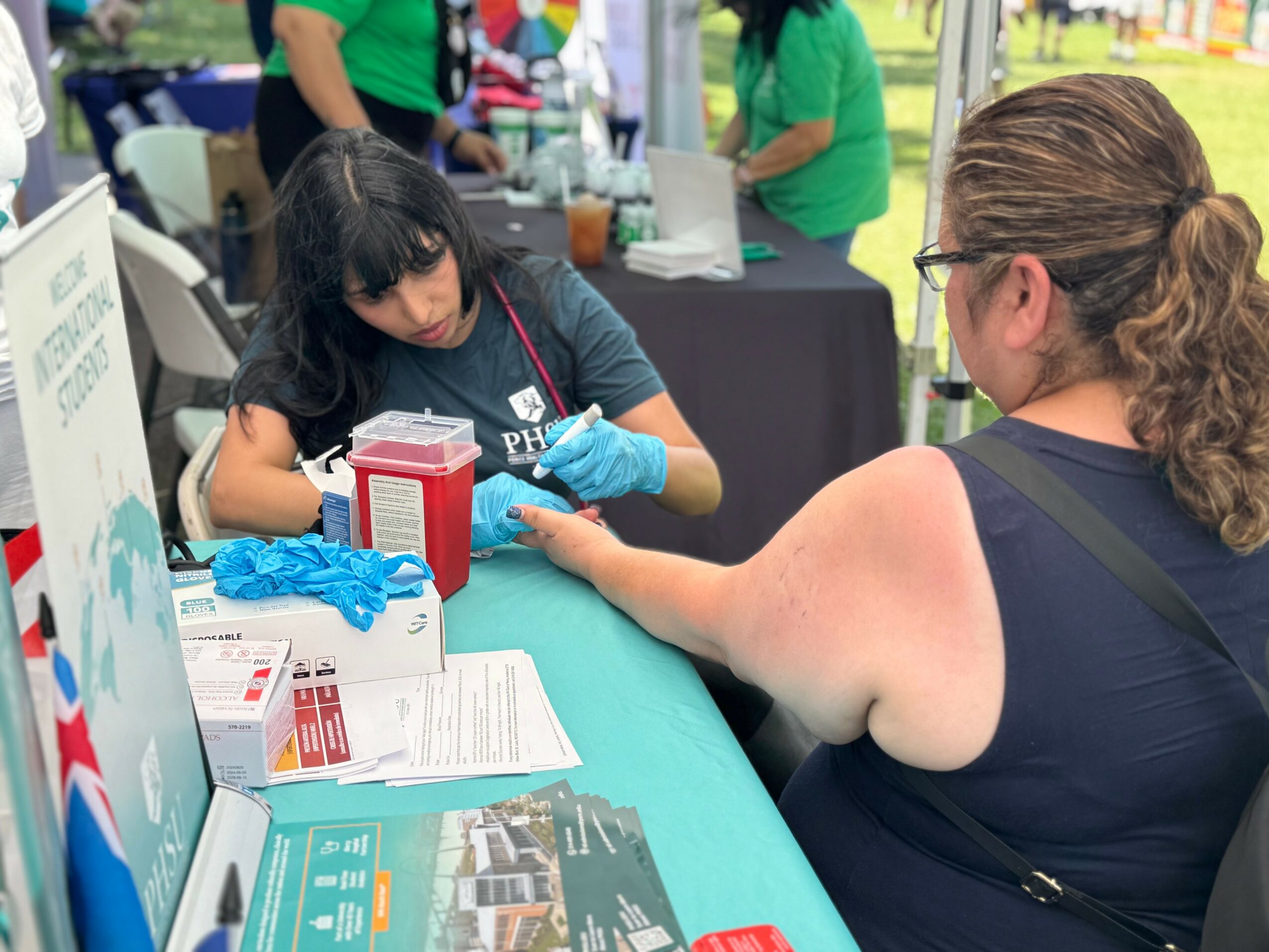
At that time, my background was in emergency nursing and family practice as a nurse practitioner, and I had never truly worked in community health. That trip opened my eyes to the value of transformative educational experiences and how they can shape not only us as professionals, but also our students. It reinforced the importance of taking nursing students beyond the classroom and hospital walls, into the very communities they will serve, so they can see and understand the social determinants of health firsthand.
We talk about those determinants in lectures, but until you stand in a home or neighborhood where basic needs are unmet, you can’t fully grasp how deeply they affect health outcomes. That realization ignited a renewed passion in me for service and service learning—not just as a global mission, but as a local calling. I wanted to lead future nurses into experiences that would spark that same awareness, creating a ripple effect of care and advocacy that could truly change lives—right here, right next door.
Was there ever a time you almost gave up?
When I began my nursing career, I started in emergency and trauma care at Barnes-Jewish Hospital—a Level I trauma center and the primary city hospital for St. Louis. No matter how well I had performed in school, nothing in my undergraduate education could have prepared me for the intensity of that environment.
Every shift brought something new—and often shocking. On my very first shift as an emergency nurse, my first patient was someone who had been shot in the leg. I had never even seen a gunshot wound before. From there, the pace never slowed: one moment I was caring for a chest pain patient, the next a victim of sepsis, a psychiatric crisis, or another gunshot wound. At 22 years old, without much life experience, I quickly learned that surviving in that environment meant compartmentalizing. I wasn’t processing what I was seeing; I was focused on tasks and diagnoses, simply to keep going.
Over time, though, my perspective shifted. I began to see my patients not just as cases, but as whole human beings. And with that shift came a wave of empathy—and heartbreak. The suffering and trauma were constant. The waiting room was always full; I would start a night shift with 50 people waiting, and leave 12 hours later with more still there. It felt endless, a cycle that never broke.
The stress was relentless, and I burned out quickly. There were moments I truly considered leaving nursing altogether. What kept me from walking away was the unique support system within that high-intensity environment. I had started alongside a cohort of new graduate nurses, and we became each other’s lifeline—running together after shifts, grabbing coffee, sharing the unspoken understanding of what we were experiencing.
Nursing, especially in trauma care, can feel isolating. It’s hard to explain the weight of it to family or friends who haven’t been there. But those colleagues—many of whom I met 20 years ago—are still some of my closest friends today. Even if we haven’t spoken in years, I know I could call and they would answer. That bond, forged in such a challenging season, remains one of the most enduring gifts of my early career.
Sure, so let’s go deeper into your values and how you think. What are the biggest lies your industry tells itself?
I think one of the biggest lies our industry tells—not just within nursing, but across healthcare—is the story that nurses are superheroes. During and after COVID, that message was everywhere. At first, it felt inspiring. But when you unpack it, the reality is that nurses are not superheroes.
We are mothers, daughters, husbands, fathers—human beings. And yet, we are often asked, day after day, to take on insurmountable, unrealistic workloads and responsibilities. We’re told we’re “the heart” of healthcare, but that label doesn’t come with the safety, protections, or resources we need to do our jobs sustainably.
This myth of the “superhero nurse” can be harmful. It creates an expectation that we will always rise above impossible circumstances without acknowledging the toll it takes. It fuels burnout, drives turnover, pushes people to leave the profession, and discourages others from entering it.
Nurses need more than praise—we need safe working conditions, the right tools, and the systemic support to practice effectively. Resilience is a strength, but it should not be the baseline requirement for survival in our profession.
We don’t wear capes. We are regular people, called to do extraordinary work. And if the healthcare system truly wants nurses to make meaningful, lasting differences, it must invest in our ability not just to endure, but to thrive.
Okay, so let’s keep going with one more question that means a lot to us: What are you doing today that won’t pay off for 7–10 years?
Today, I’m doing what I believe is one of the most important things in my career—not only educating the next generation of nurses, but building the very program that will serve as their foundation.
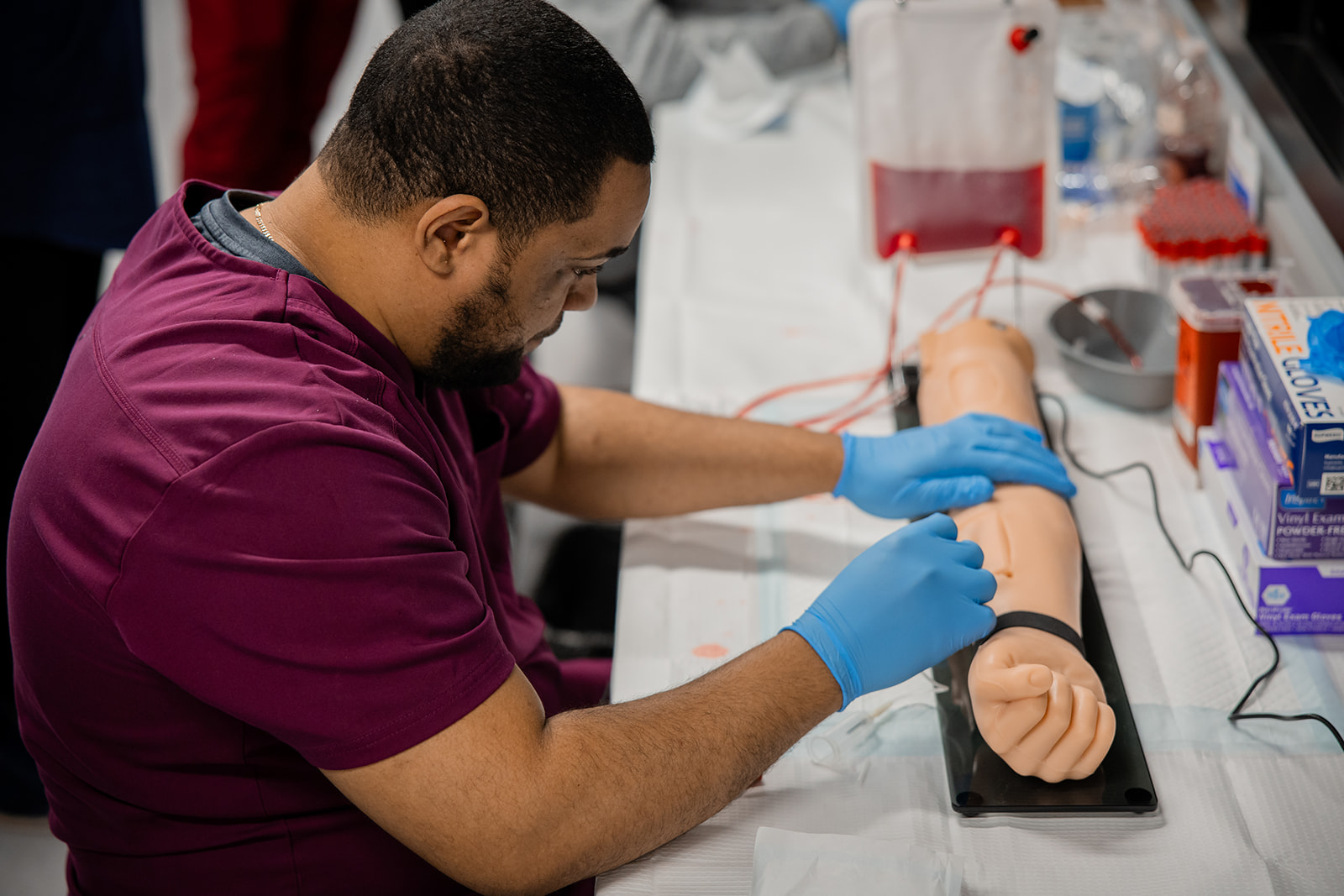
We are creating an innovative, future-focused, technologically advanced nursing program designed to not only thrive itself, but to shape and equip the next generation of healthcare professionals. The reality is, in education, we may never fully see the dividends of that work. You pour everything into ensuring your students become competent, compassionate clinicians, but the true impact may unfold years—or even decades—later.
Every now and then, a former student will return to share a memory, a thank-you, or a story of how something we taught inspired them. Those moments are meaningful, but even without them, we have to trust that what we are building matters—often in ways we’ll never witness firsthand. That’s the heart of this work: planting seeds of excellence and compassion, knowing they will grow into something far greater than ourselves.
Contact Info:
- Website: https://phsu.edu
- Instagram: https://www.instagram.com/phsustlouis/
- Linkedin: https://www.linkedin.com/company/ponce-health-sciences-university-st-louis/
- Facebook: https://www.facebook.com/PHSUStLouis/
- Youtube: https://www.youtube.com/channel/UCHRgoh62QHSZ2Mf_d0YAOVw