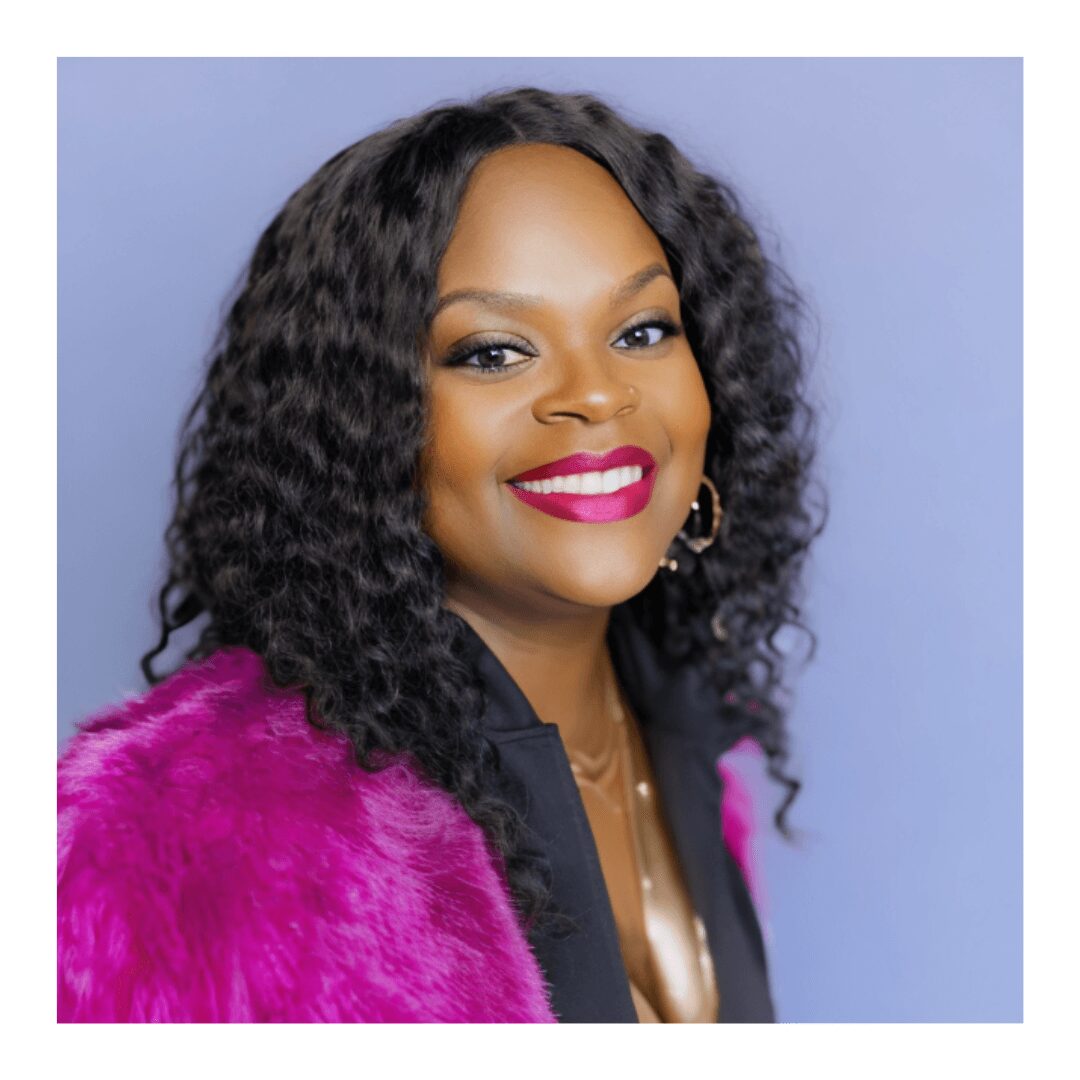
We’re looking forward to introducing you to Kristin Mosley. Check out our conversation below.
Good morning Kristin, it’s such a great way to kick off the day – I think our readers will love hearing your stories, experiences and about how you think about life and work. Let’s jump right in? When have you felt most loved—and did you believe you deserved it?
I felt most loved during a season when I had nothing to give. I was emotionally drained, my heart was broken, and it forced me to grieve multiple things at once; my sense of self, relationships that didn’t work out, and the weight of always being the strong one. And yet, even in that exhaustion, a few people showed up for me, not with solutions, but with stillness. They didn’t need me to be “on” or inspiring or resilient. They just let me be. One friend brought food without asking. Another checked in consistently, even when I barely replied. I received support from family. They loved me when I didn’t have the words to ask for it.
At the time, I struggled to believe I deserved that kind of tenderness. I had been so conditioned to be the giver, the builder, the helper, so much so that receiving felt unfamiliar, almost uncomfortable. But that chapter cracked something open in me. It showed me that love isn’t something to be earned through performance or perfection, it’s something you’re worthy of simply because you exist. And honesty, I’m still learning to believe that. But in period of my life, I got a glimpse of what unconditional love looks like. And it changed me.
Can you briefly introduce yourself and share what makes you or your brand unique?
Ok well I’m Kristin Mosley, an author, advocate, and community builder passionate about creating spaces where stories, especially those of Black women and children, are seen, heard, and celebrated.
I started my journey in children’s literature through Krissy’s Kids Book Club, where I’ve published two books that center Black joy and literacy. One of them was even inducted into the U.S. Library of Congress, something I never imagined when I first put pen to paper. But writing for kids was just the beginning. I’m now expanding into adult nonfiction, working on a deeply personal book that explores emotional healing, faith, and the power of tears, especially for women who have carried too much for too long.
At the heart of everything I do is a belief in belonging. Whether that’s through the pages of a book, the events I host, or the DEIB (Diversity, Equity, Inclusion, and Belonging) work I lead in the sports world. I want people to feel like they matter, like their stories matter. Because they do.
Presently, I’m quietly building something that will be specifically for those that are lovers of books, of reading, of gathering and chatting. It will be a cozy, intentional space designed to host book clubs, author events, and community gatherings with a focus on Black literature and wellness. More to come on that!!
My work lives at the intersection of storytelling, advocacy, and healing and if it helps someone feel a little less alone, then I know I’m doing something right.
Thanks for sharing that. Would love to go back in time and hear about how your past might have impacted who you are today. What did you believe about yourself as a child that you no longer believe?
As a child, I believed I had to be good to be loved. Quiet and a rules follower. I believed that if I was well-behaved and made everyone proud, then maybe, just maybe, I’d be enough. I spent a lot of my childhood trying to be a “good girl” and not breaking the rules, swallowing emotions, and trying not to be a burden.
What I no longer believe is that love has to be earned through perfection or being “good.”
Now I know I am worthy as is…soft, loud, unsure, quirky, healing, in-process, etc. I don’t have to shrink to be safe. I don’t have to overextend to be seen. That little girl truly believed being “good” was the key. That if she followed the rules, went to church, and didn’t ruffle any feathers, life would reward her. She didn’t yet understand that being obedient wasn’t the same as being whole. That staying small to make others comfortable would cost her parts of herself. She thought goodness guaranteed protection, but life had other lessons to teach. And boy oh boy it did! And still does! Ha!
Now, I define “good” on my own terms.
What did suffering teach you that success never could?
Suffering, by definition, is the state of undergoing pain, distress, or hardship. It strips you of pretense. It interrupts your timeline. It confronts every illusion you built about control, worth, or what you thought you deserved.
Success will celebrate who you appear to be.
Suffering will introduce you to who you really are.
Suffering held up a mirror I couldn’t avoid. Not the mirror I fixed my makeup in or posed for, but the one that showed me the cracks. The beliefs I’d built out of fear. The version of myself I’d constructed to survive. And as painful as it was, it was real. And real is where transformation begins.
When everything fell apart, I didn’t just meet grief, I met myself.
Suffering stripped away what wasn’t real.
And failure? It wasn’t the end; it was the invitation. To grow. To heal. To become.
Sometimes in suffering it brings solitude. And solitude isn’t always a bad thing, because, for me, it taught me how to stay with myself.
To hear God when everything else went quiet.
To stop chasing validation and start practicing self-compassion.
To stop asking, “Why me?” and start asking, “What is this here to teach me?”
Success never taught me that. It couldn’t. Because success is polished, suffering is messy. And sometimes, suffering isn’t silent at all. It’s loud. It wails. It breaks things. But buried in all that noise was something sacred. A new me. You can’t truly achieve success without first passing through some form of struggle, failure, or deep learning, what often feels like suffering. That process forces you to yield, to let go of what no longer serves you, and to grow in ways comfort never could. Suffering shapes the character that success demands. Kind of like going through the process of becoming a diamond. In short, diamonds are formed under intense heat and pressure. Sounds like some suffering, right? And we totally forget about what the diamond went through to become polished and shiny, it had to suffer!
But here’s the beauty in it all, a version of myself was reveal that I had never met before. I am now a diamond, and I shine bright!
Sure, so let’s go deeper into your values and how you think. Where are smart people getting it totally wrong today?
I’ll speak to the world of DEIB (Diversity, Equity, Inclusion and Belonging), I think a lot of smart people are getting it wrong by intellectualizing the work instead of embodying it; assuming that knowledge is the same as transformation. They read the books, attend the workshops, memorize the right language but never truly interrogate their own power, privilege, or proximity to harm or doing the uncomfortable, ongoing work of shifting culture from the inside out.
They want inclusion without disruption. Representation without redistribution. They want to look progressive without confronting how their own behaviors, decisions, or silence may be complicit in the very systems they say they want to dismantle. They treat equity like a checklist, not a commitment. Like an initiative, not a lifestyle. And they think because they “know better,” they must be doing better which isn’t always true.
What’s often missing is humility. Heart. The willingness to get it wrong publicly, to listen deeply, and to let those most impacted lead. DEIB isn’t JUST about policy, it’s about proximity. And some of the smartest people stay too far removed from the communities they say they want to serve.
You can’t strategize your way into belonging. You have to live it. And that requires more than intellect, it requires intention. What this work also requires now is courage over convenience. Heart over ego. The real question isn’t “What do you know?” it’s “What are you willing to change?”
Smarts alone won’t save us. Action coupled with it will.
Thank you so much for all of your openness so far. Maybe we can close with a future oriented question. What is the story you hope people tell about you when you’re gone?
I hope they say I made people feel seen. That I created spaces through my words, my work, and my presence where others could be their full, honest selves. Especially Black women. I want to be remembered as someone who helped them heal and heal out loud. To take off the mask, to feel what they feel, and to know that their softness is not a weakness, it’s a superpower.
I also hope people say I created stories that reflected the beauty, imagination, and brilliance of Black children. That because of my books, a little Black kids felt proud, valued, and visible that they saw themselves on the page and knew they belonged.
I want to be remembered as someone who carried both truth and tenderness. Who didn’t just talk about justice or healing or belonging but lived it, modeled it, and made it accessible.
That I loved deeply. Led boldly. That I walked in my purpose, fully and freely unashamed of the light God placed in me. That I answered the call. That I poured out everything He gave me until there was nothing left to hold back.
And more than anything, I hope they say:
“Because of her, I stopped hiding my feelings and started honoring them. She gave Black women permission to heal out loud, and she gave Black children the chance to see themselves as worthy, joyful, and whole. Because of her, we felt seen, we felt safe, and we felt possible.”
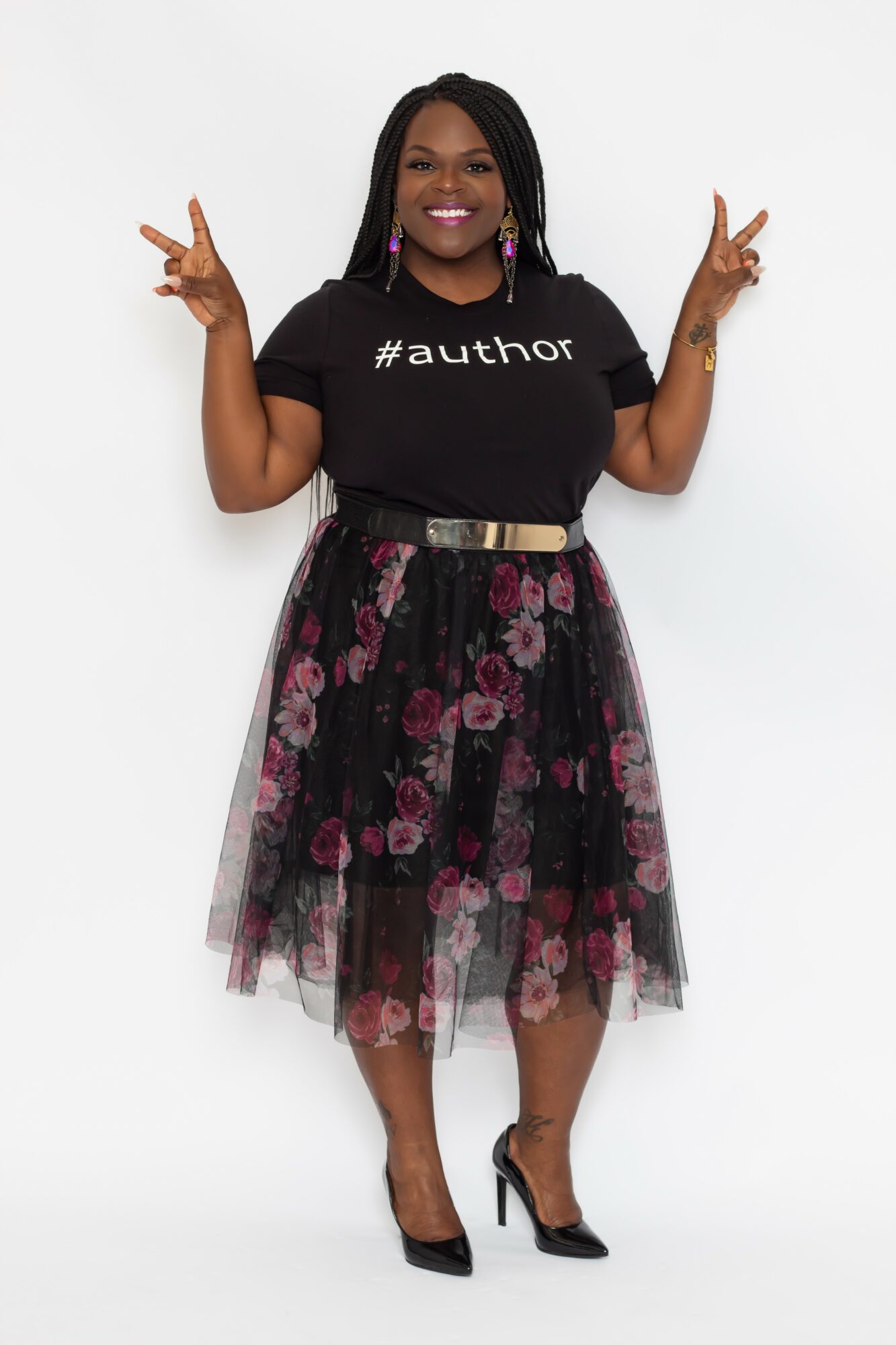
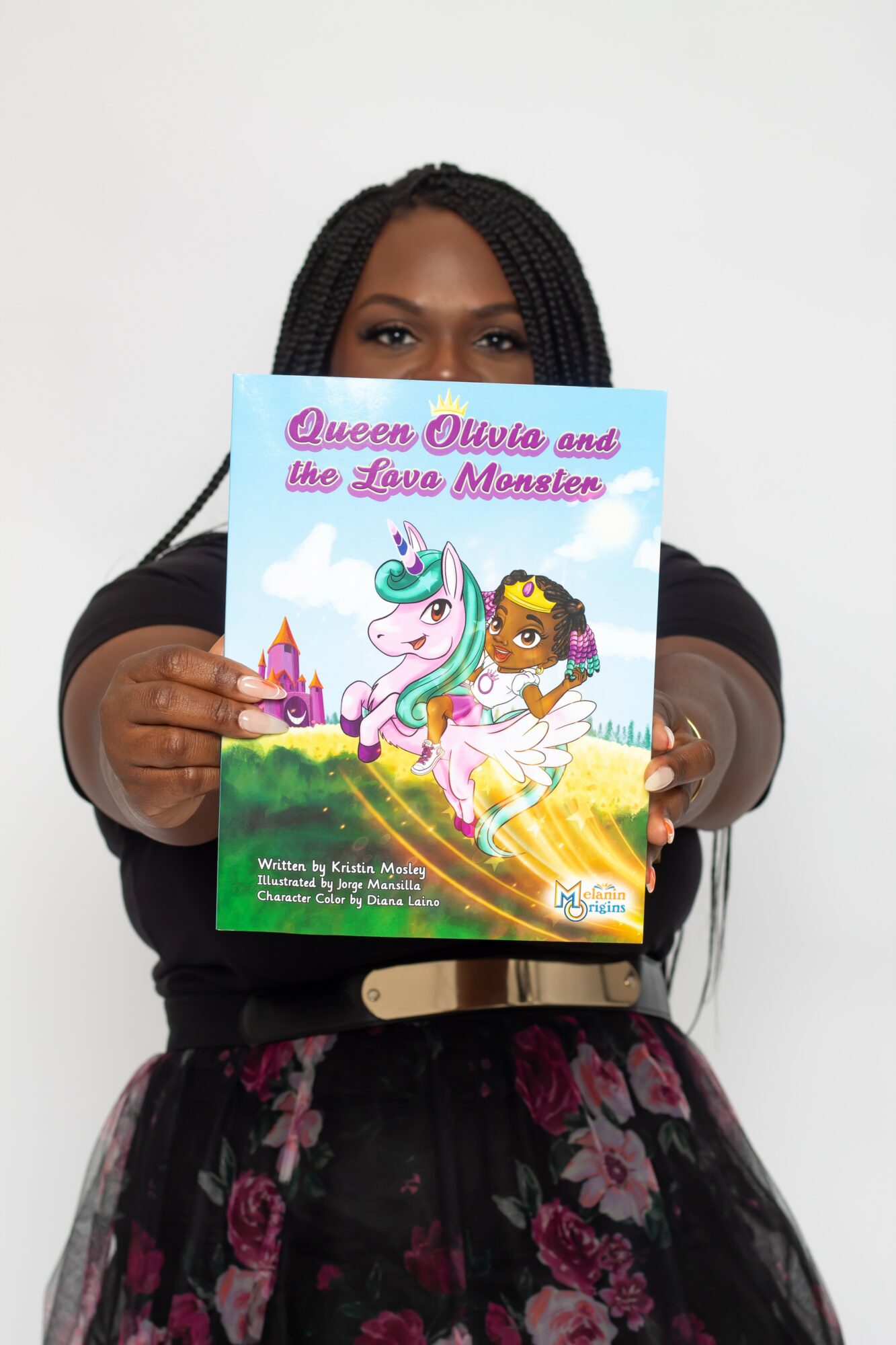
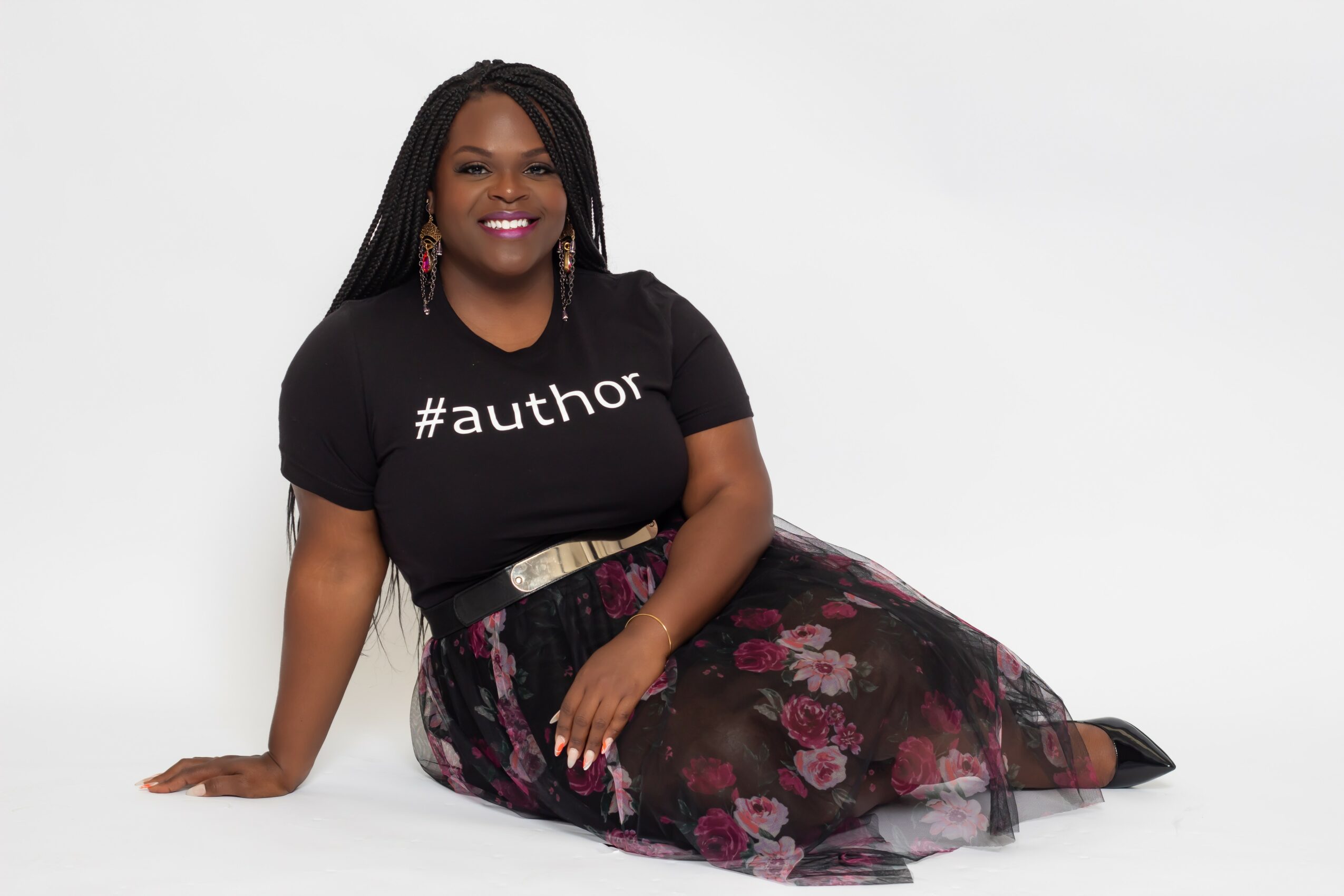
Image Credits
Photographer Jaea Williams