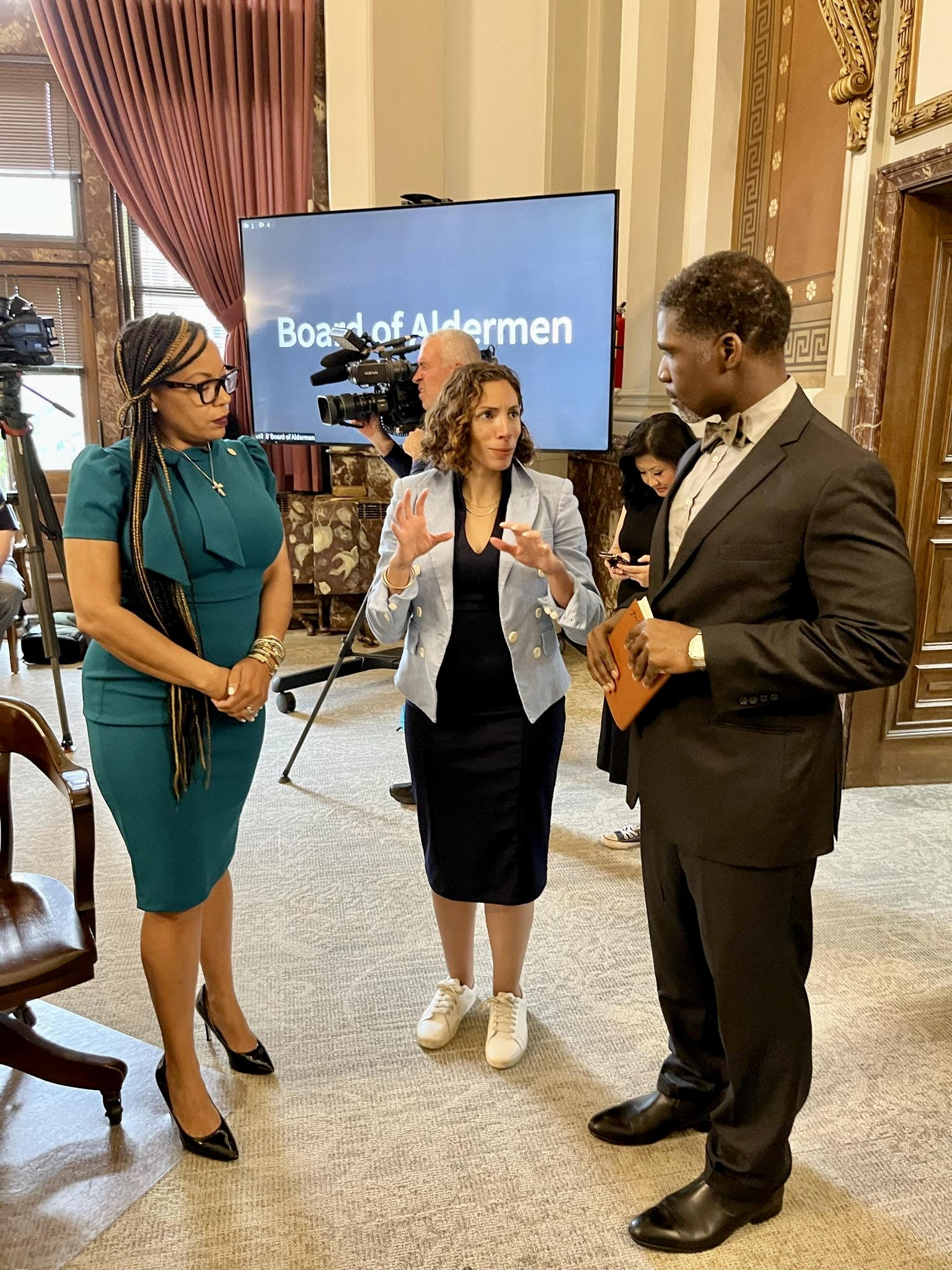
We recently had the chance to connect with Dr. Fredrick Echols and have shared our conversation below.
Hi Fredrick, thank you for taking the time to reflect back on your journey with us. I think our readers are in for a real treat. There is so much we can all learn from each other and so thank you again for opening up with us. Let’s get into it: When was the last time you felt true joy?
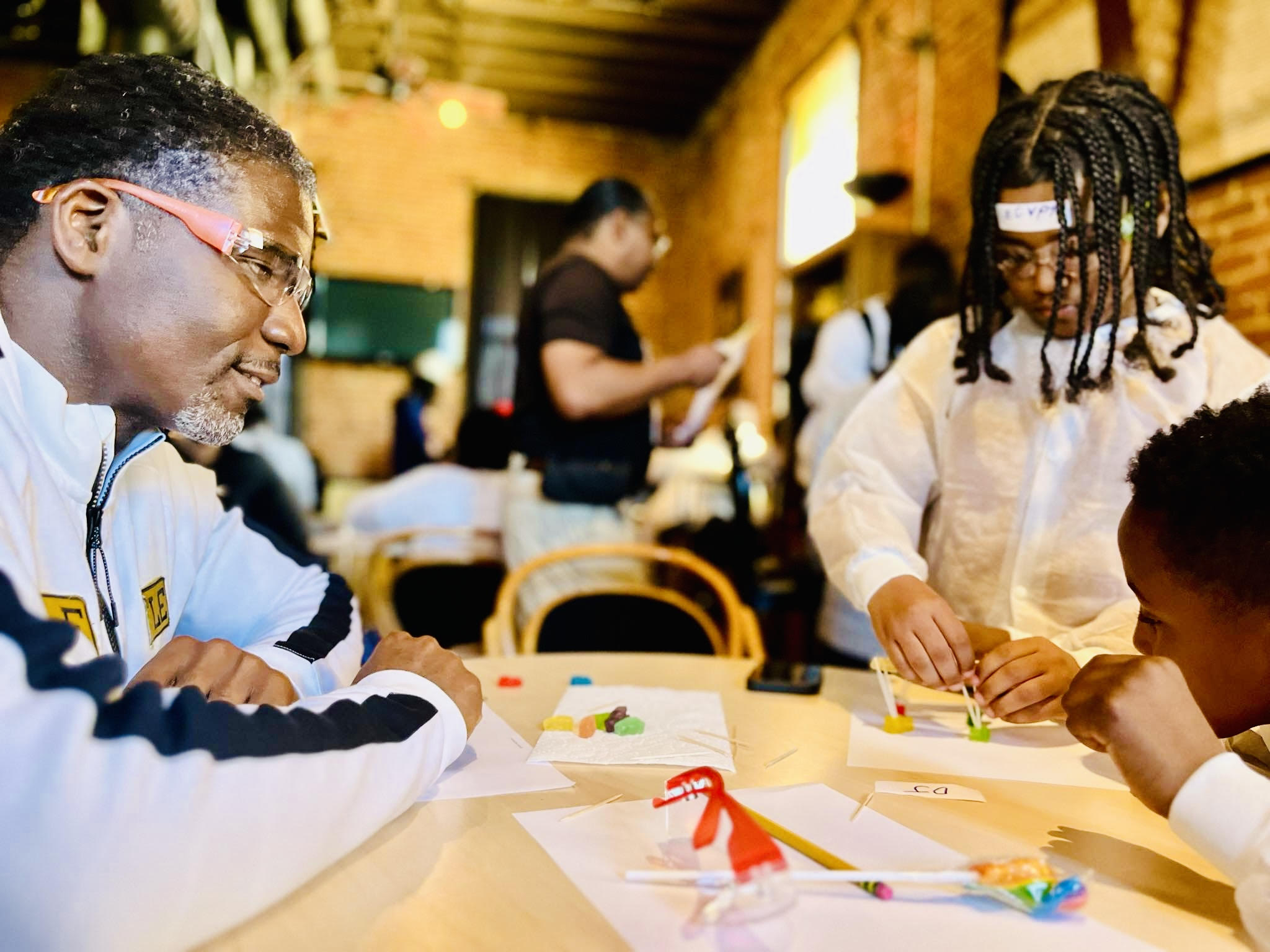
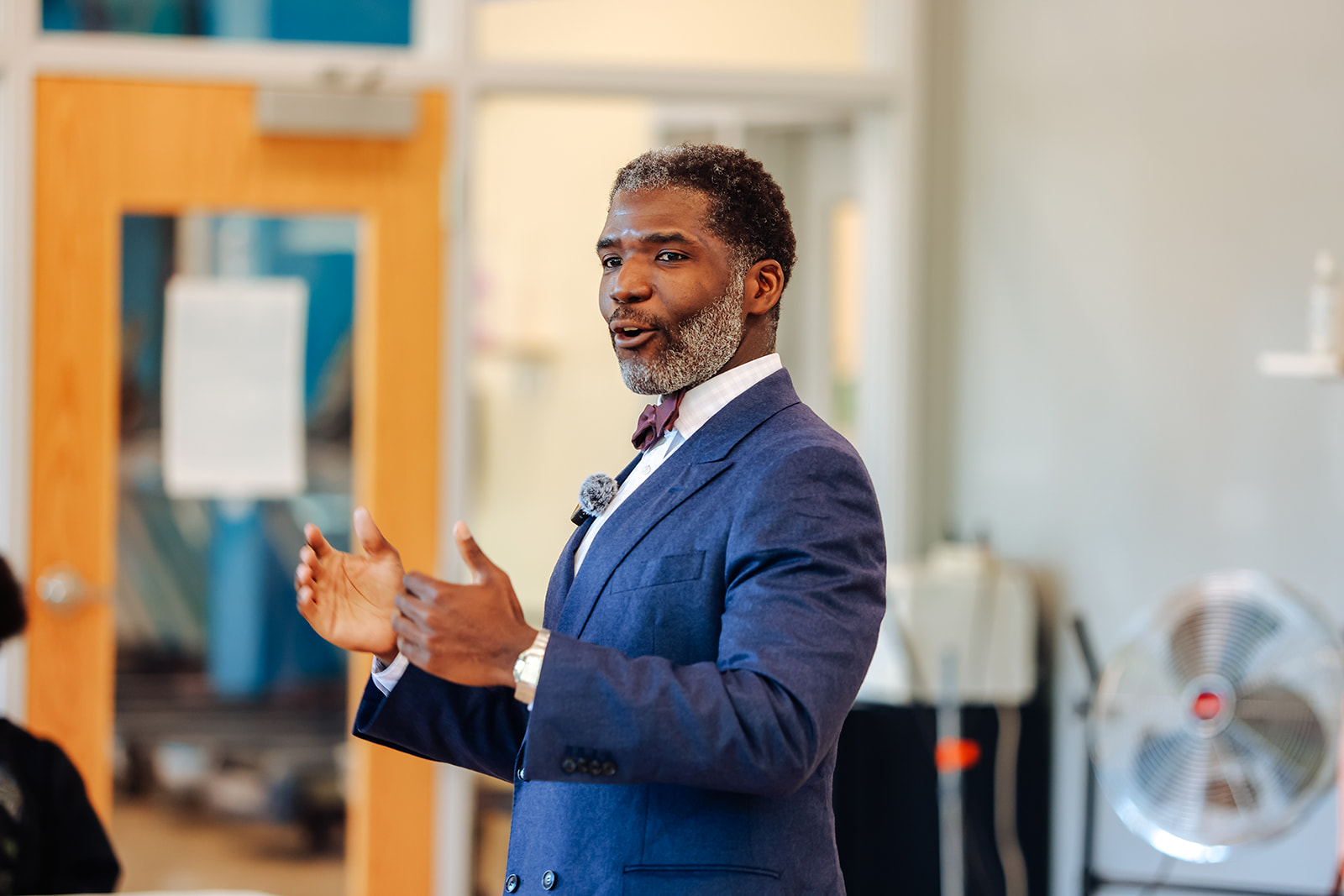
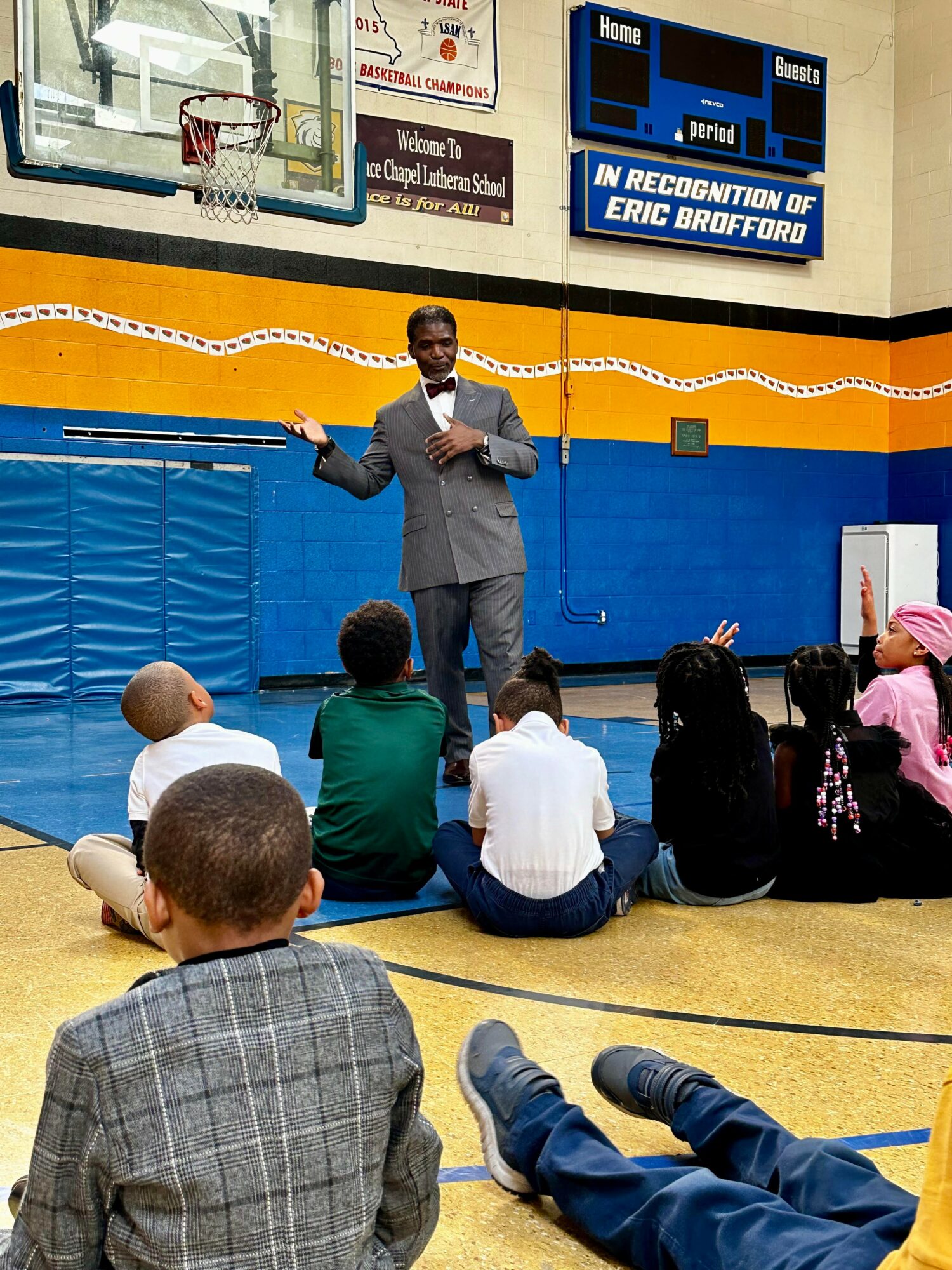
The last time I felt true joy was this past weekend during the Project Alpha experience with Alpha Phi Alpha Fraternity, Inc., Epsilon Lambda Chapter. While delivering a session on sexual health and healthy relationships to over 200 young Black males, I had the privilege of sharing the stage with my mentee. This experience felt like a full-circle moment, affirming why mentorship is one of the most meaningful investments we can make. My joy was not simply in teaching but in watching him step into his leadership as a public health professional and engage school-age youth with confidence, clarity, and purpose.
As mentors, we often talk about preparing the next generation, but there is something powerful about witnessing that preparation come to life. Standing beside him, rather than in front of him, reminded me that legacy is strengthened when we make room for others to lead. That moment captured what joy means to me: seeing impact reflected in someone you have poured into and recognizing that the work continues beyond the individual.
True joy, for me, is collective elevation. It is seeing young Black males equipped with knowledge that protects and empowers their futures. It is sharing the mic instead of holding it alone. It is watching potential become practice, and knowing that the cycle of leadership and service grows stronger.
Can you briefly introduce yourself and share what makes you or your brand unique?
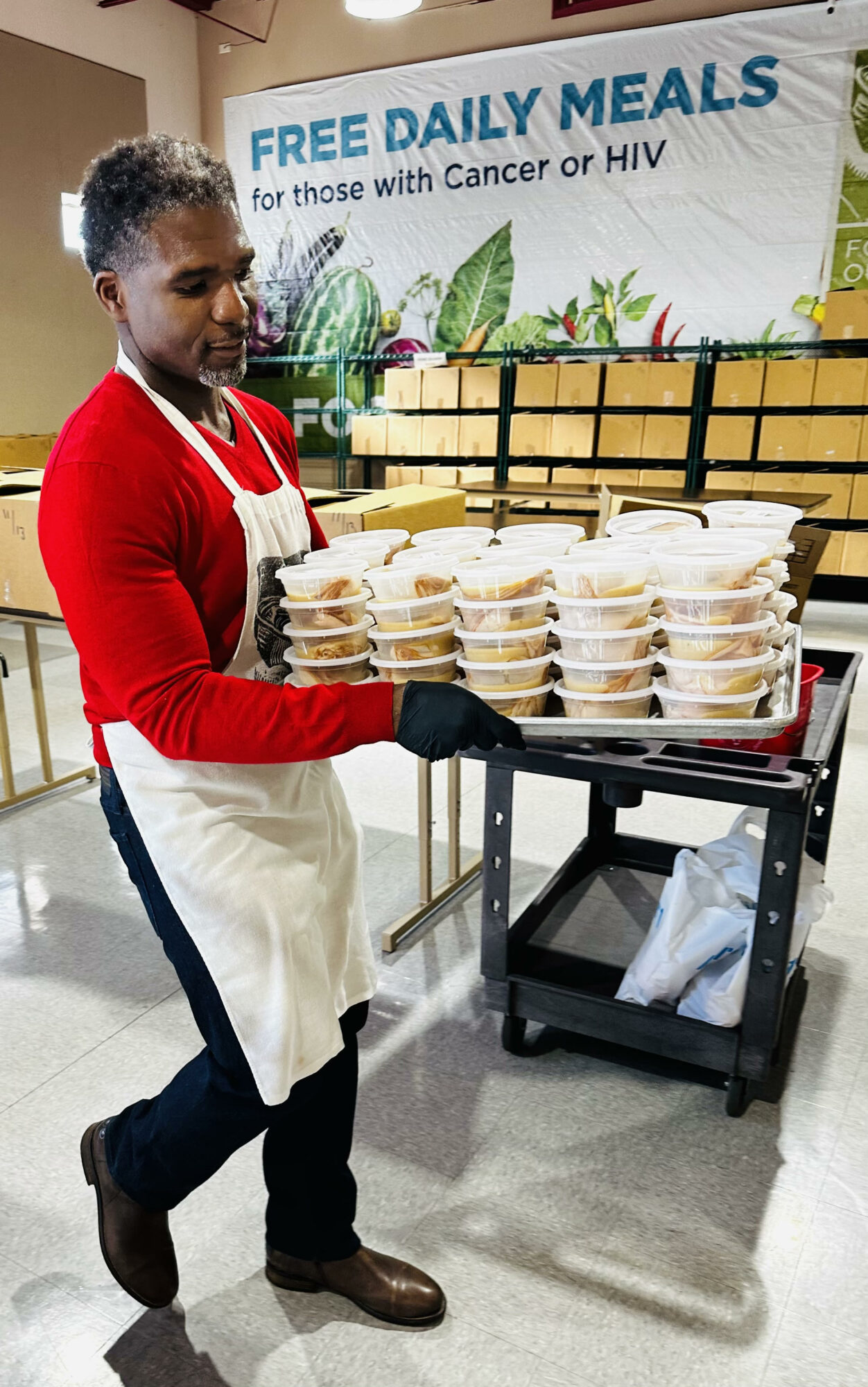
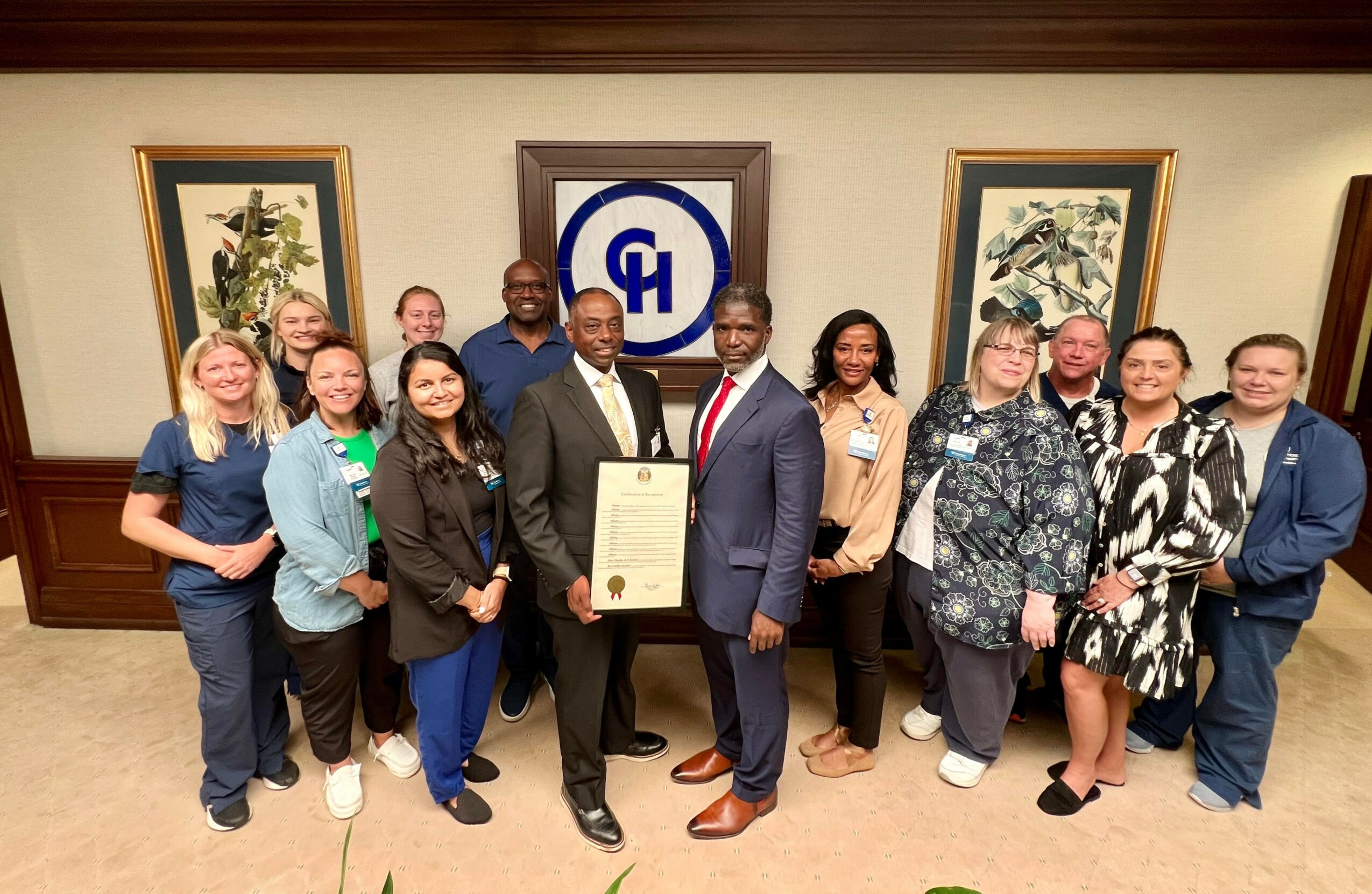
My name is Dr. Fredrick Echols. I am a public health physician and humanitarian leader dedicated to strengthening national readiness, advancing disaster recovery systems, and building resilient communities across the United States and beyond. In my role with the Federal Emergency Management Agency (FEMA), I lead and oversee readiness and training for the nation’s Incident Management Assistance Teams (IMATs). These federally deployed teams provide early coordination and federal support during disasters, helping communities stabilize, restore essential functions, and begin recovery. I am responsible for developing and overseeing the implementation of new readiness standards that ensure IMATs are equipped, trained, and mission-ready before deployment. Preparedness is more than an operational exercise. It is a critical factor that influences how quickly communities heal, recover, and return to a place where health and well-being can be sustained.
Beyond federal service, I work at the community and global levels to advance health equity and build human-centered systems of support. I serve on the Executive Board of The Village and the United Nations Association Saint Louis Chapter, and on the Community Advisory Board of PreventEd. My work focuses on youth empowerment, health equity, and capacity building, recognizing that national resilience is rooted in strong neighborhoods and informed communities. As an Obama Foundation USA Leader, I collaborate with peers worldwide to advance population health initiatives, share strategies to reduce inequities, and co-design solutions that uplift vulnerable communities. This global network reminds me that although geography differs, the pursuit of dignity, safety, and opportunity is universal.
Both scientific understanding and lived experience guide my approach. I grew up in the inner city of Atlanta, where I witnessed both the impact of inequity and the power of perseverance. My mother’s sacrifice and unwavering determination taught me that systems must serve people fairly and humanely. Those early lessons anchor my leadership today as I develop evidence-based, culturally informed, and people-centered operational policies and training frameworks. Leadership is not only about structure and strategy. It is about empathy, access, and ensuring no community is left behind.
I am currently advancing initiatives focused on population health education, climate readiness, youth leadership development, and equitable access to resources. I am also developing tools and written materials that translate policy into practice, helping organizations prepare more effectively and improve outcomes for real people in real time.
My story is one of service, advocacy, and hope. I believe that when we prepare our teams, strengthen our systems, and invest boldly in people, we do more than respond to disaster. We protect lives, preserve possibilities, and move closer to a nation where resilience is not an aspiration, but a lived reality for all.
Okay, so here’s a deep one: What relationship most shaped how you see yourself?
The relationship that has most shaped how I see myself is the one I share with my mother. Her love was expressed not only through her sacrifices, but also through the way she spoke life into me. Growing up, society often painted Black boys and Black men as problems, threats, or statistics waiting to unfold. My mother refused to let that narrative settle in my spirit. She made sure I never internalized those messages. Instead of seeing myself through the lens of deficit, she taught me to see myself through the lens of possibility.
She told me that I was not a problem to be managed, but a dream and a promise to be fulfilled. Through long workdays, quiet prayers, and the resources she stretched to make sure I had opportunities she never had, she affirmed my worth. Her words carried power, reminding me that my existence was valuable, that I had purpose, and that my future could extend beyond the limits of our circumstances.
Her belief in me became the foundation of my own. Her sacrifices taught me responsibility. Her encouragement taught me resilience. And her love taught me to lead with compassion and conviction. Today, when I serve, advocate, or mentor young Black males, I do so with her voice echoing in the background, reminding me of who I am and who I am called to be.
I am who I am because my mother saw in me what the world often overlooked. She spoke promise into my life when others spoke doubt. She planted hope where fear tried to take root. She raised me not to shrink in the face of narrative, but to rise and redefine it.
What did suffering teach you that success never could?
Suffering taught me something that success alone was never designed to teach. It taught me to understand humanity not as an abstract idea, but as something living, breathing, and felt. For me, humanity is the recognition of every person’s dignity, even when life is unkind. It is understood that strength and struggle can coexist in the same body. It is true that love, pain, hope, and resilience are shared experiences that connect us more than they separate us.
Suffering revealed humanity in others, but it also revealed humanity in myself. It taught me to sit with my own vulnerability rather than outrun it. I learned that acknowledging my emotions did not diminish my strength. It sharpened it. It helped me recognize that my story, like so many others, is shaped by challenges that did not break me, but formed me. I learned to honor the parts of myself that struggled, the parts that healed slowly, and the parts that continued to believe in something better even when evidence was scarce.
Through struggle, I learned that humanity is not defined by perfection or achievement. It is characterized by the willingness to rise, to keep loving, to keep giving, and to keep hoping. Suffering taught me to see myself with compassion, not just expectation. It helped me understand that leadership rooted in humanity is more powerful than leadership rooted only in success. It taught me that true impact is born from authenticity and that healing begins when we allow ourselves to be human first.
Success can celebrate accomplishments, but suffering uncovers depth. It taught me to meet people where they are because I had to learn to meet myself where I was. It softened me where success might have hardened me, and it helped me see that transformation is possible for every person, including me.
Suffering shaped my purpose. It taught me that empathy is a strength. It taught me to carry people with grace. And it reminded me that, to honor humanity truly, I must continue to honor my own.
Sure, so let’s go deeper into your values and how you think. What are the biggest lies your industry tells itself?
One of the biggest lies the public health and medical systems tell themselves is that we consistently care for the most vulnerable. We speak about equity in mission statements and strategic plans, but care is not proven by language. It is proven by action. If we truly prioritized those who stand at the margins, our funding decisions, policy structures, and models of access would reflect that commitment. Instead, resources often flow toward populations that are already well supported, while people who need care the most face barriers at every turn, including cost, transportation, limited insurance coverage, and environments that lack cultural alignment or trust.
There is also a history, both distant and recent, of using vulnerable communities as research subjects rather than partners. Some groups are observed but not served, monitored but not supported, studied but not valued. Others are excluded entirely because they are considered too costly, too complex, or inconvenient to engage. This reveals an uncomfortable truth: we cannot claim to care for the vulnerable while we create systems that restrict their access to care, voice, and dignity.
Caring for the vulnerable demands more than awareness of disparities. It requires action that supports equity. Equity is not symbolic. It calls for restructuring systems, sharing power, investing in prevention, and building solutions alongside communities instead of imposing them. It is the willingness to move from intention to implementation, from language to measurable impact.
The lie is that we already do enough.
The truth is that if we truly cared, we would act like it.
Thank you so much for all of your openness so far. Maybe we can close with a future oriented question. Could you give everything your best, even if no one ever praised you for it?
Yes. I believe purpose is bigger than praise. My motivation is not immediate gratification or public recognition. It is the quiet knowing that I am doing my best to create clearer, smoother paths for the leaders who will come after me. Some seeds we plant will not bloom for ten or even twenty years. I am at peace with that because legacy is measured by impact, not applause.
I do not serve for approval. I serve because God placed a calling on my life that requires consistency, patience, and faith. The work I do today may go unnoticed in this moment, and that is perfectly acceptable. What matters most is that someone years from now will walk farther, with less resistance, because those of us here now did the work to remove barriers, lift others, and leave the world better than we found it.
Success may be celebrated, but legacy is lived. I give my best because it is the right thing to do, not because someone is watching. Even in silence, purpose speaks.
Contact Info:
- Instagram: https://www.instagram.com/f.echolsmd/
- Linkedin: https://www.linkedin.com/in/drfredrickechols/
- Facebook: https://www.facebook.com/directorofcityofstldoh