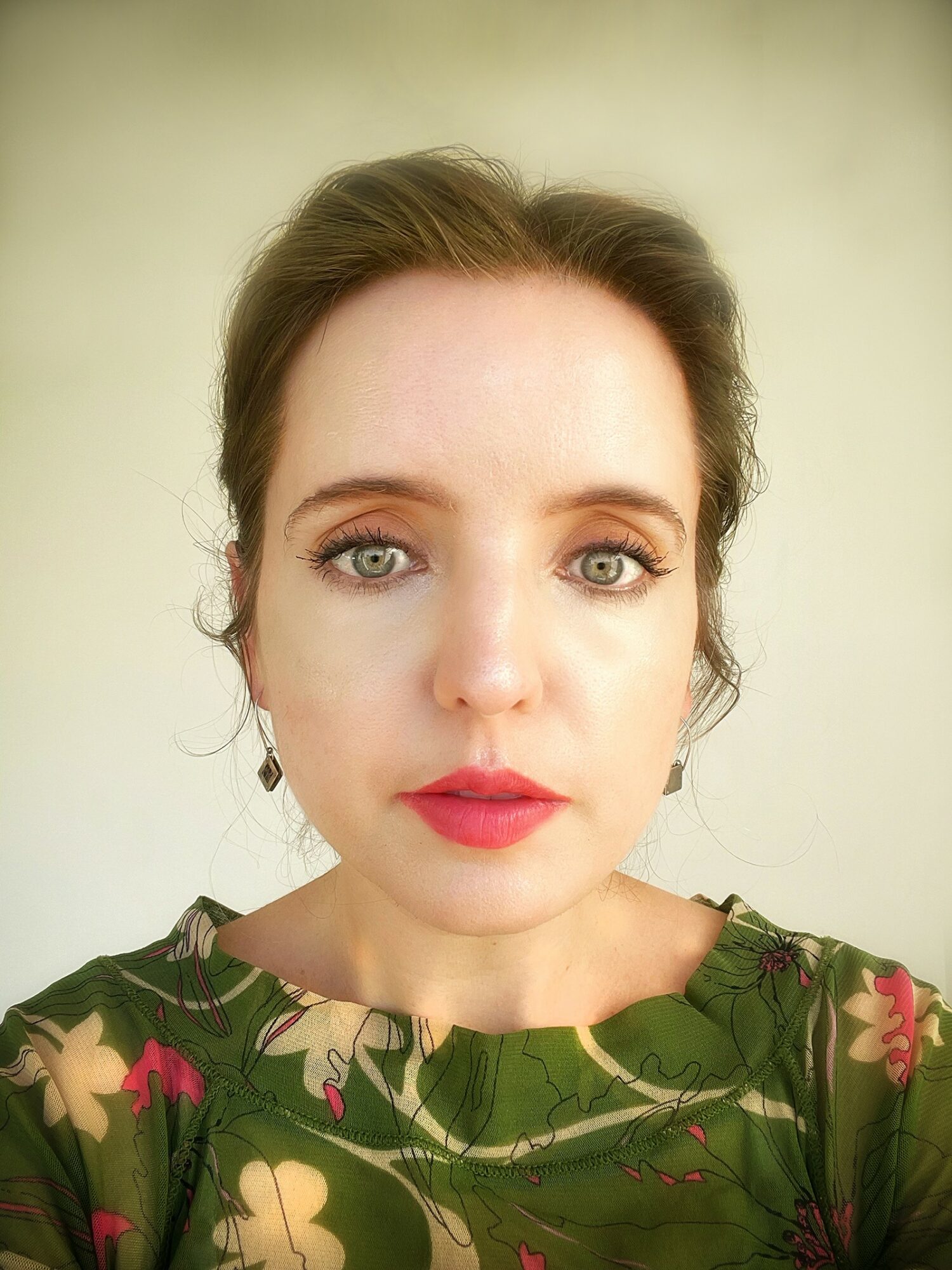
We recently had the chance to connect with Erin Schalk and have shared our conversation below.
Erin, a huge thanks to you for investing the time to share your wisdom with those who are seeking it. We think it’s so important for us to share stories with our neighbors, friends and community because knowledge multiples when we share with each other. Let’s jump in: What are you being called to do now, that you may have been afraid of before?
In summer 2018, I was walking down the hallway to a job that was slowly draining me in mind, body, and spirit. About fifteen paces from the office door, I braced myself for that familiar wave of dread to hit. But this time, something different happened. A nearly complete idea for a novel flooded my mind—a school community reeling in the aftermath of tragedy through the lens of students’ grief, resilience, and search for meaning.
I stopped in my tracks. I was overcome with the feeling of a train rushing past. One I had to leap on before it was gone.
That said, lightning-bolt inspiration is rare. I can count the times I’ve experienced those moments on one hand. At least 99% of my creative work comes from the daily grind: sitting down at my desk or easel, often tired, inching forward, and showing up whether or not I feel like it. Creative inspiration is portrayed as glamorous in the media, but in real life it can be just as terrifying as it is thrilling.
Still, I didn’t follow the call immediately. By 2018, I’d invested nearly a decade into visual art. Shifting to writing, without extensive formal training, felt drastic at best and foolhardy at worst. I’d only published short poems but not long-form work. Unsure where to begin, I drafted a third of the novel, then abandoned it out of doubt and overwhelm. In 2022, I pushed through the rest in a rush, leaving myself with a very rough manuscript. Again, I set it aside, having no idea where to begin with the editing process.
But a calling doesn’t let you off the hook. Knocks on the door kept coming, louder each time, until life forced me back. A career change and a cross-country move pushed me into starting over.
Now I’m working, almost daily, through deep developmental and surgical line edits. Each day I face the mix of fear and relief many creatives know––the blinking cursor daring me to begin, followed by the quiet calm at day’s end, knowing I’ve done the work I was supposed to do, and that I’ll return tomorrow.
Can you briefly introduce yourself and share what makes you or your brand unique?
It’s not always easy to sum up what I do, but at heart I’m both a creative and an educator. I’m a professional writer and visual artist. For over thirteen years I’ve also taught, supporting both students and fellow educators. I’m a strong advocate for disability accessibility, especially for the neurodivergent and vision loss communities, as well as people living with chronic illnesses.
Beyond writing and art, I’ve ventured into narration and acting, lending my voice to a variety projects including audiobooks, museum tours, and instructional videos with image and audio description. I also consult with organizations and individuals on writing, editing, visual arts education, accessibility in online and in-person education, professional development for educators, and institutional strategies for disability inclusion.
My creative life tends to move in phases. Teaching has defined most years, and visual art took center stage for over a decade. Now writing makes up the majority of my current work. My novel-in-progress has challenged me to complete extensive research and wrestle with critical questions about violence, memory, trauma, and healing. This book has been and continues to be both daunting and deeply meaningful work.
As founder of my own creative studio and consulting practice, I anchor everything I do in a few guiding commitments: delivering the highest-quality work I can, continually educating myself, listening deeply to the needs of my collaborators and their audiences, and working with compassion and integrity. At the core, I’ve been a self-educator since childhood, and I believe ongoing learning and growth are essential to effective professional work. And, they’re essential to being a good human.
Great, so let’s dive into your journey a bit more. Who were you before the world told you who you had to be?
I return to my childhood self—somewhere between ages five and ten. She was braver and more amplified than I am now, though I catch glimpses of her returning.
She lived in possibilities. Her imagination poured into reading, writing, drawing, and envisioning brighter futures. She never questioned the worth of art, writing, or creative practice—she immersed herself fully in them, not burdened with self-doubt.
She was a natural leader, even though always one of the smallest in her class. She offered direction when it was missing, counseling when asked, and stood up to bullies. Her voice was strong, assured, and sometimes too much. In learning to soften, that voice was nearly silenced. Authenticity gave way to masking, to maintaining harmony at too many costs, and more often than not, keeping herself small.
Over the years, I have struggled to share my voice, to even uncover it amid the expectations of others. Slowly, with leadership through creative practice, I’ve begun reclaiming it. My leadership style doesn’t fit the typical American mold. It’s quieter, rooted in mentorship and service, building slowly but deeply.
Now, I’m returning to writing, art, and imagination with a steadier sense of hope, rebuilding the voice I almost lost, and trusting where I’m being led—even when the path is still unfolding.
What did suffering teach you that success never could?
My life has been marked by chronic illness, tragedy and loss, war, violence, and deep sacrifice. Over time, I’ve learned to see suffering as an unrelenting teacher—one that can recalibrate and redirect when life is no longer working.
I want to be clear: this isn’t to diminish suffering or the long, difficult work required to move through it. Some suffering is lifelong. Not everyone has the resources, safety, or support they need, and no two journeys look alike. Suffering is, undeniably, hard.
Suffering has taught me patience and the willingness to endure the long game. It has given me the determination to keep trying, to keep pushing forward in the face of obstacles I might not otherwise withstand. It continues to teach me empathy, helping me build the discipline of slowing down, taking time, truly listening, and thinking deeply about what others are going through. It has pushed me to seek a life of depth rather than skimming the shallows. Suffering has shown me that it can be a place where meaning is eventually made, and that weathering and speaking about it can become a beacon for others facing similar circumstances, especially those who may have felt alone.
Even many years later, I’m still trying to untangle some moments of suffering whose purpose I cannot yet see. But I know this—had my life been easier, I would be less resilient, less compassionate, and less of a person than I am today. Suffering has shaped me into someone I could not have become without it.
Alright, so if you are open to it, let’s explore some philosophical questions that touch on your values and worldview. What’s a belief or project you’re committed to, no matter how long it takes?
In the shorter term, after first taking on the novel in 2018, then cycling through deep immersion, followed by long stretches of fear disguised as distraction, I’m now committed to finishing this project. By the end of 2025, the manuscript will be complete: fully fleshed out and deeply edited.
What happens next remains to be seen. Finding the right path to publication is rarely easy and can take years. Sometimes a creative work becomes a necessary stepping stone to the next project—and the first may never be widely distributed or seen. I’m trying to stay pragmatic, preparing myself for all kinds of scenarios.
In the longer-short term, I’m committed to the reality that, after periods as a visual artist and educator, I’m now in a writing-focused season. I’ve worked in these disciplines long enough to have a better understanding of their unique capacities for communication. Both can educate, illuminate, and inspire, but they often do so differently. In recent years, I’ve found that while I still communicate through visual art, certain ideas demand language.
For instance, the visual art I make often invites a visceral, bodily response. Something can shift when a person stands in front of a piece. Viewers tend to interpret the artwork emotionally or on a more subconscious level, and the experience is often deeply personal and internal.
My writing, in contrast, sometimes does the heavy lifting of creating change: shifting perspectives, expanding understanding, opening up possibilities. I’ve seen it spark moments of clarity for individuals and institutions. It can name the unnamed and challenge the unexamined. Writing expands not only how I express ideas, but how those ideas can be received, interpreted, and acted upon.
So, this is the work in front of me, and I intend to follow it through to the end—however long this takes.
Thank you so much for all of your openness so far. Maybe we can close with a future oriented question. What is the story you hope people tell about you when you’re gone?
I hope people will say that I was someone who truly valued others, who operated with kindness and integrity. That through creative work and teaching practice, I made a positive difference in their lives, whether in big ways or small. That I helped them understand something more deeply and brought light to an unfamiliar issue or perspective. Or feel something they’d buried for a long time. A catharsis.
That the work offered some kind of map or set of coordinates. Something to draw upon, even years later, to help navigate a similar life experience. A way to make even a small corner of the human condition—this journey we are all on—make greater sense.
And I hope they’ll say: She did her best with what she had and what she was given. She always tried to do the right thing. She was a good person.
Contact Info:
- Website: https://www.erinschalk.com
- Instagram: @erin.schalk
- Linkedin: https://www.linkedin.com/in/erinschalk/
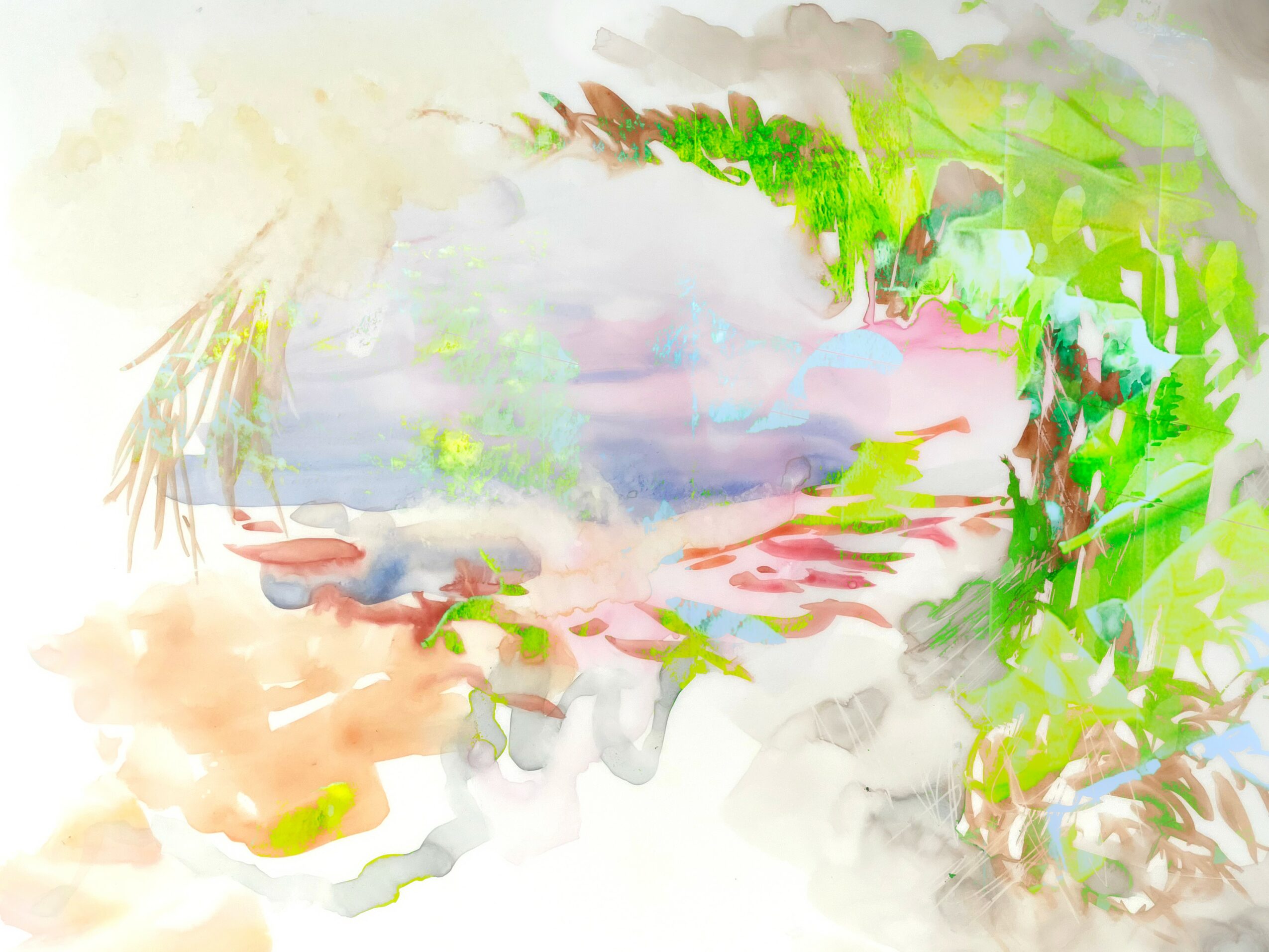
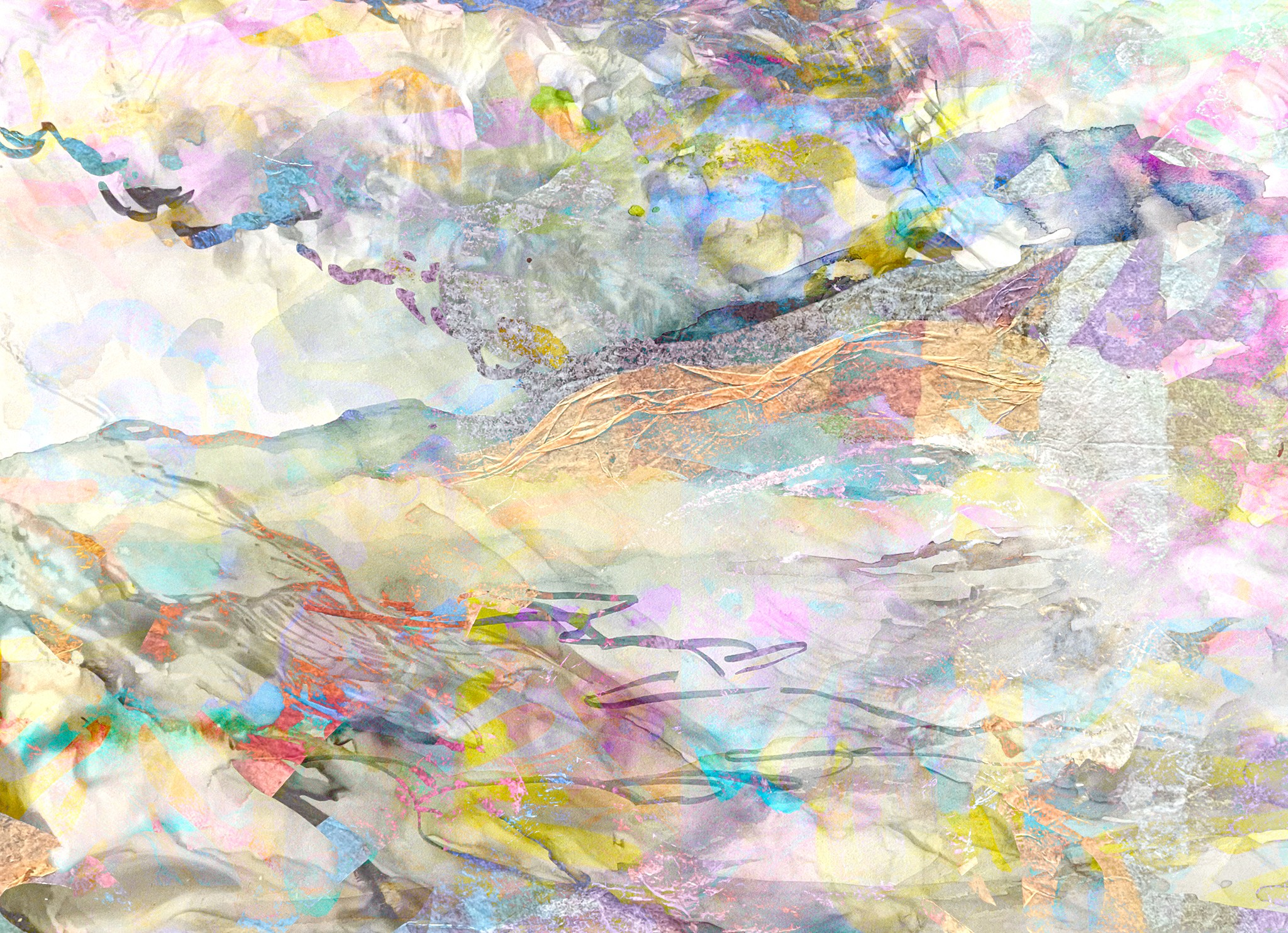
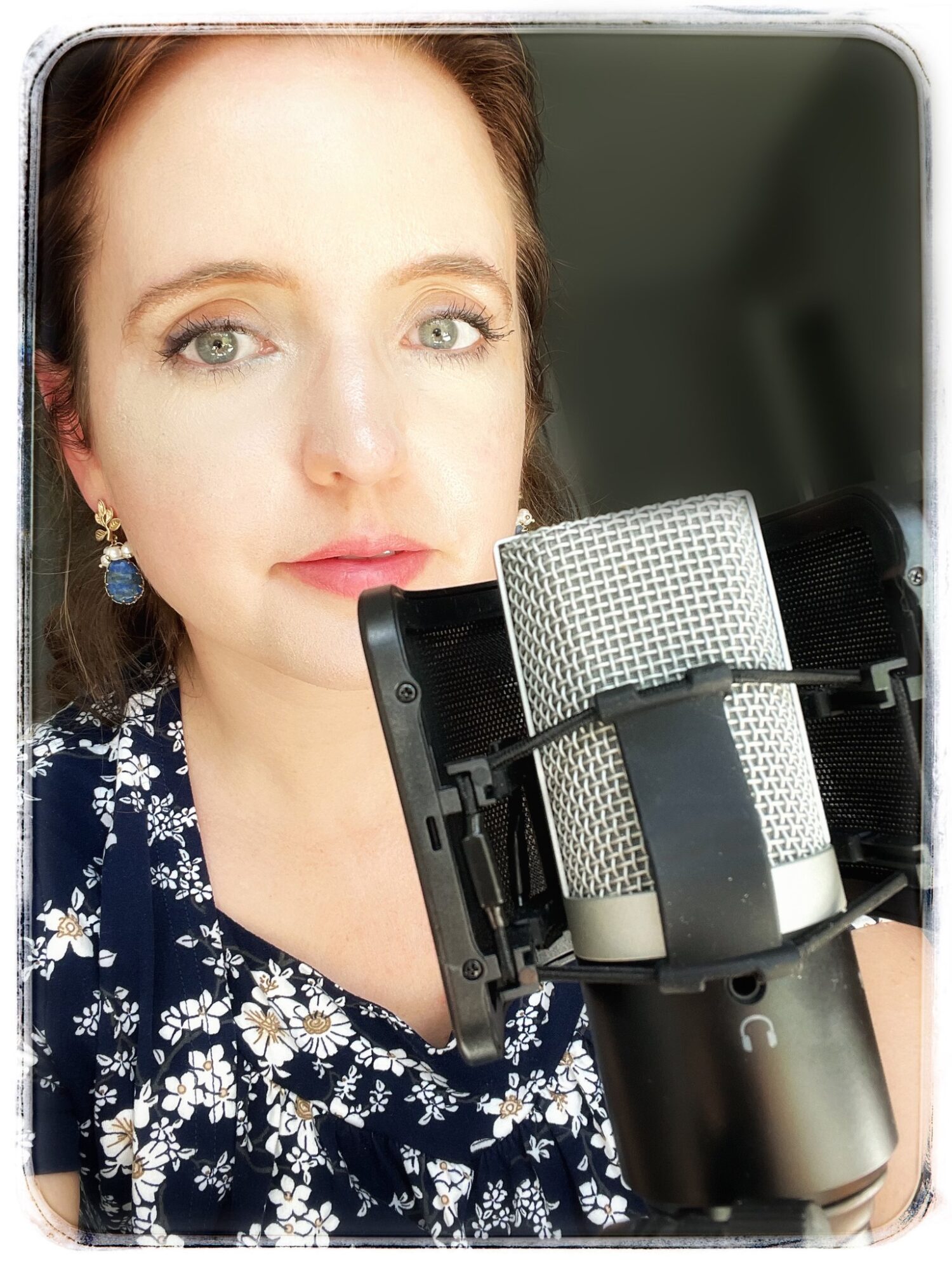
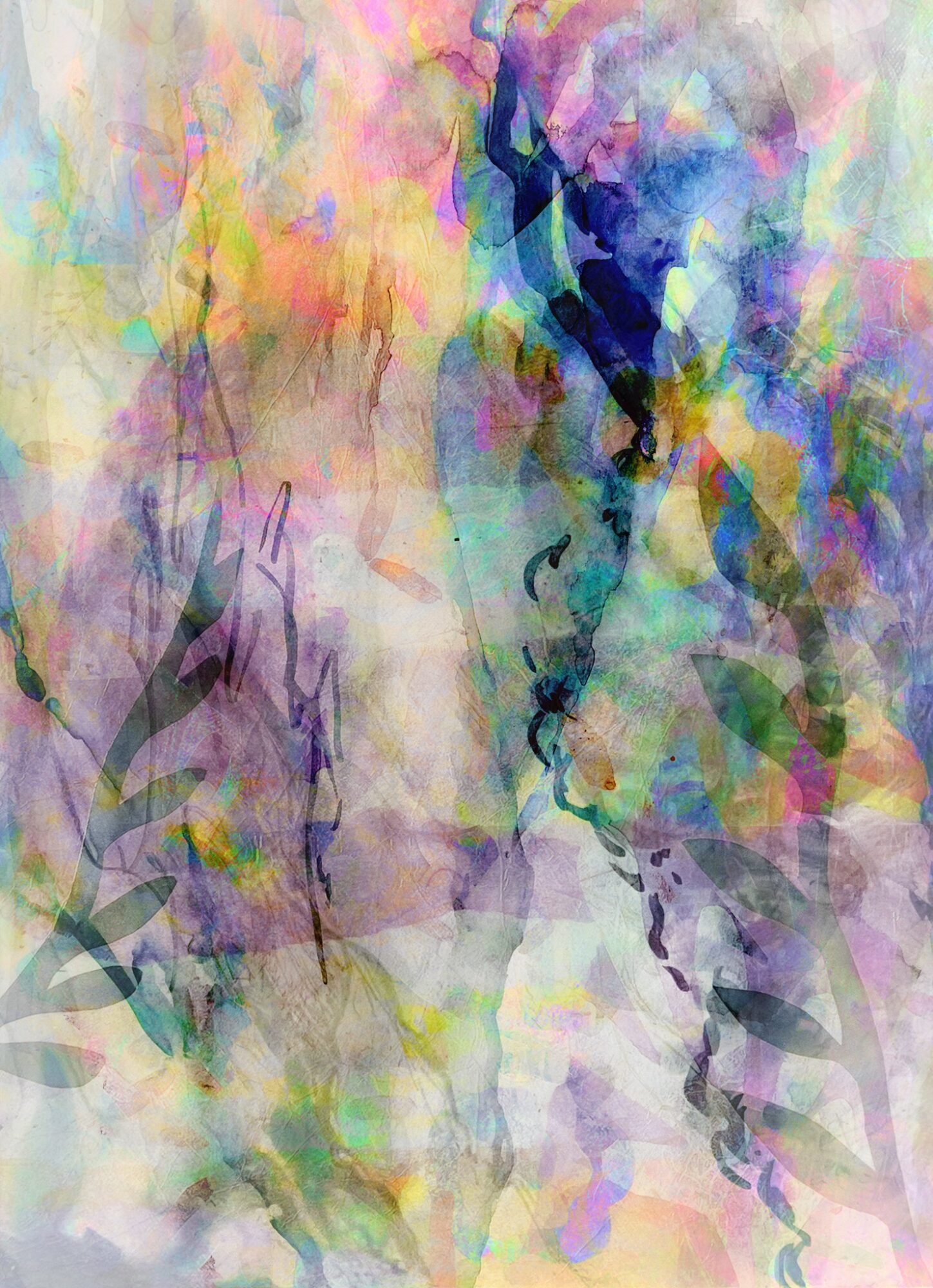
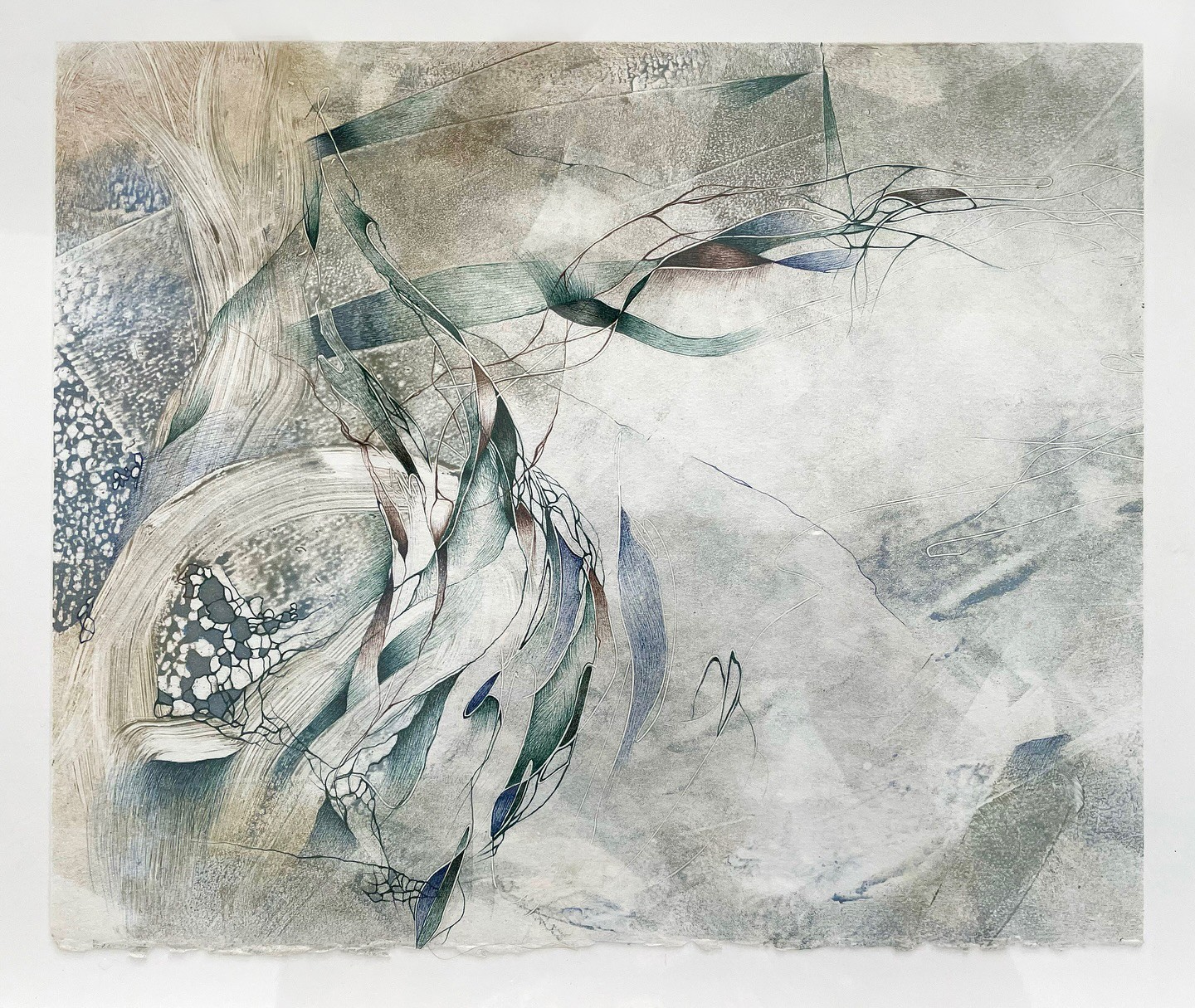
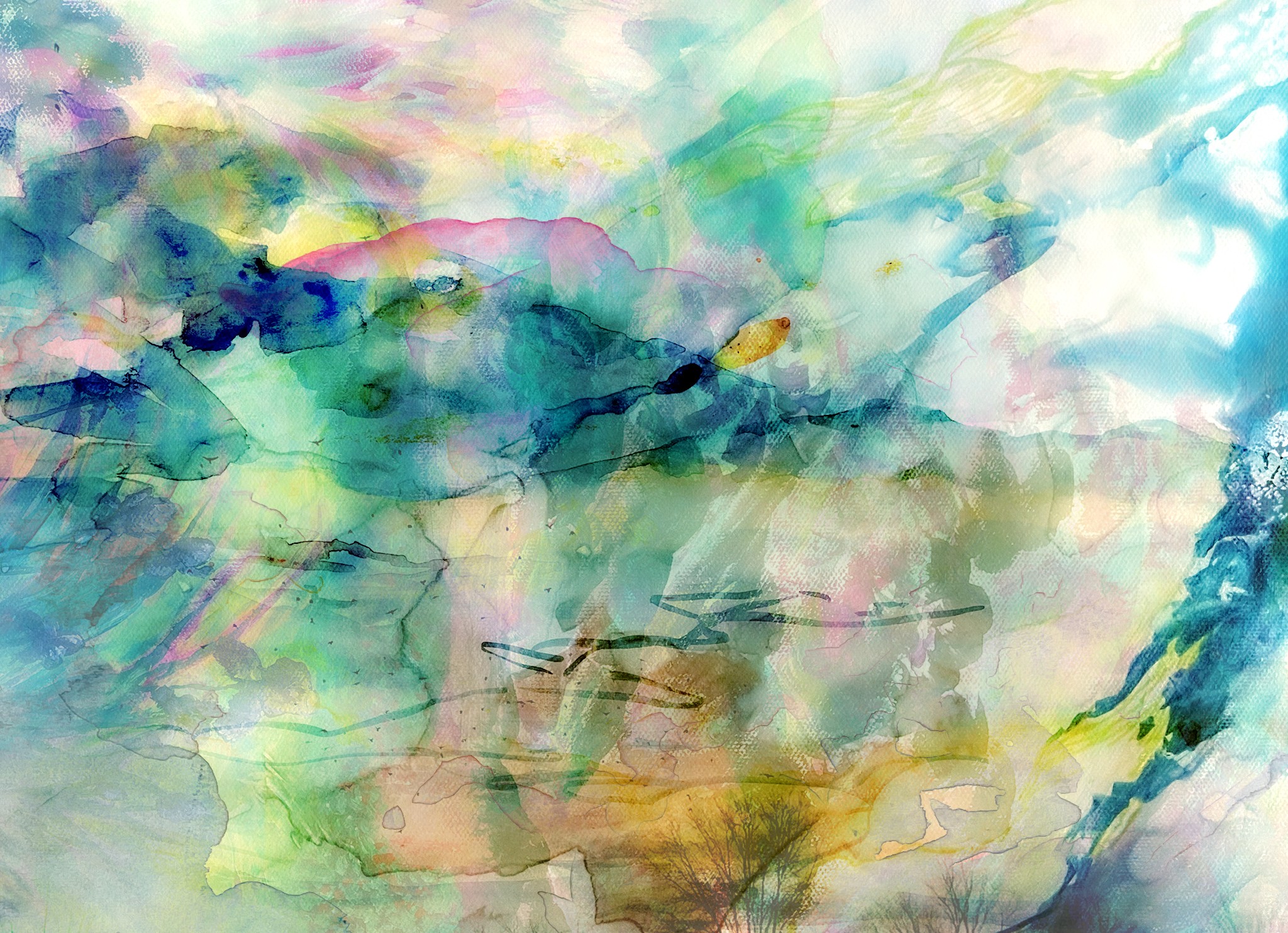
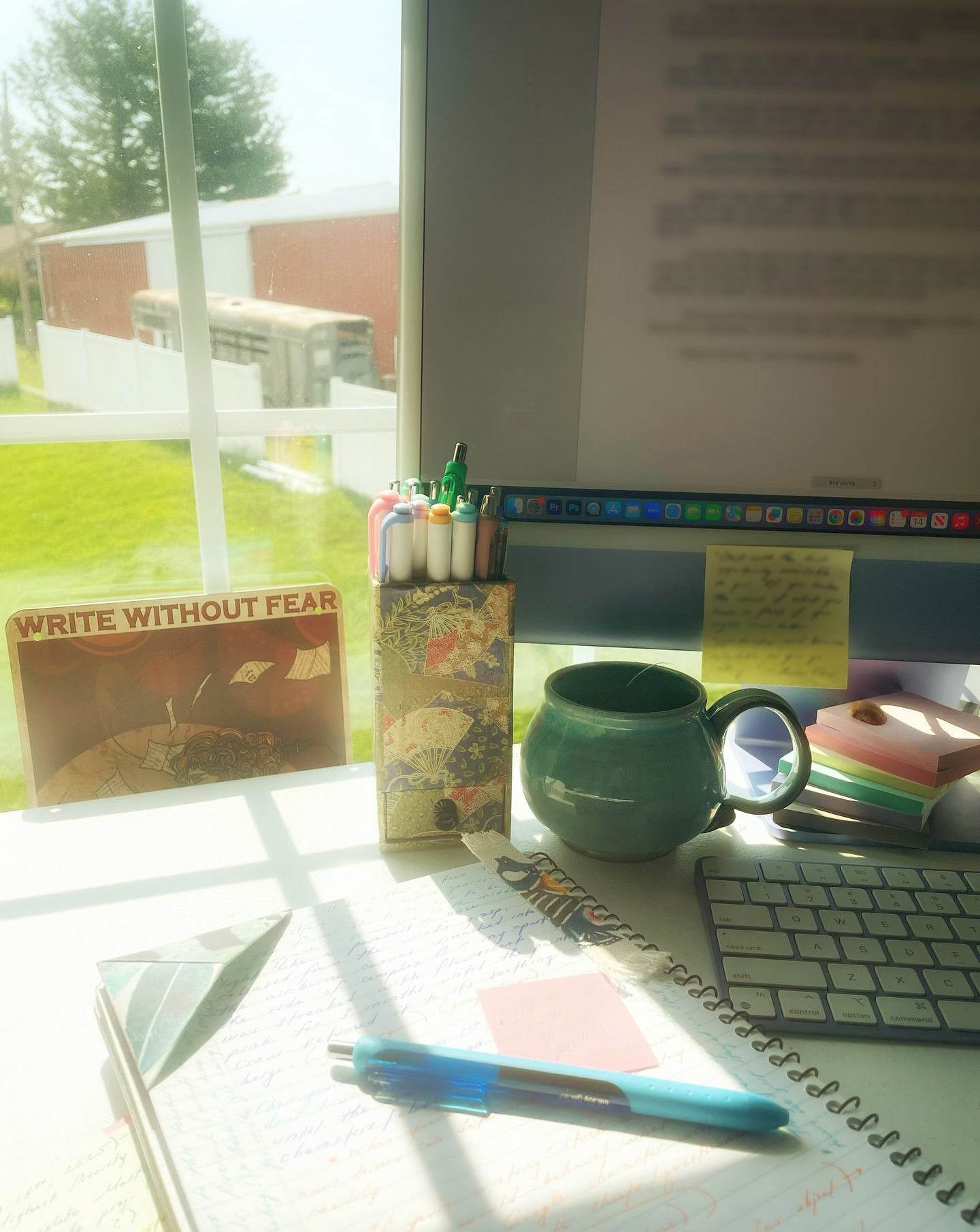
Image Credits
(All of the images provided were photographs taken by me. All artworks provided were created by me).