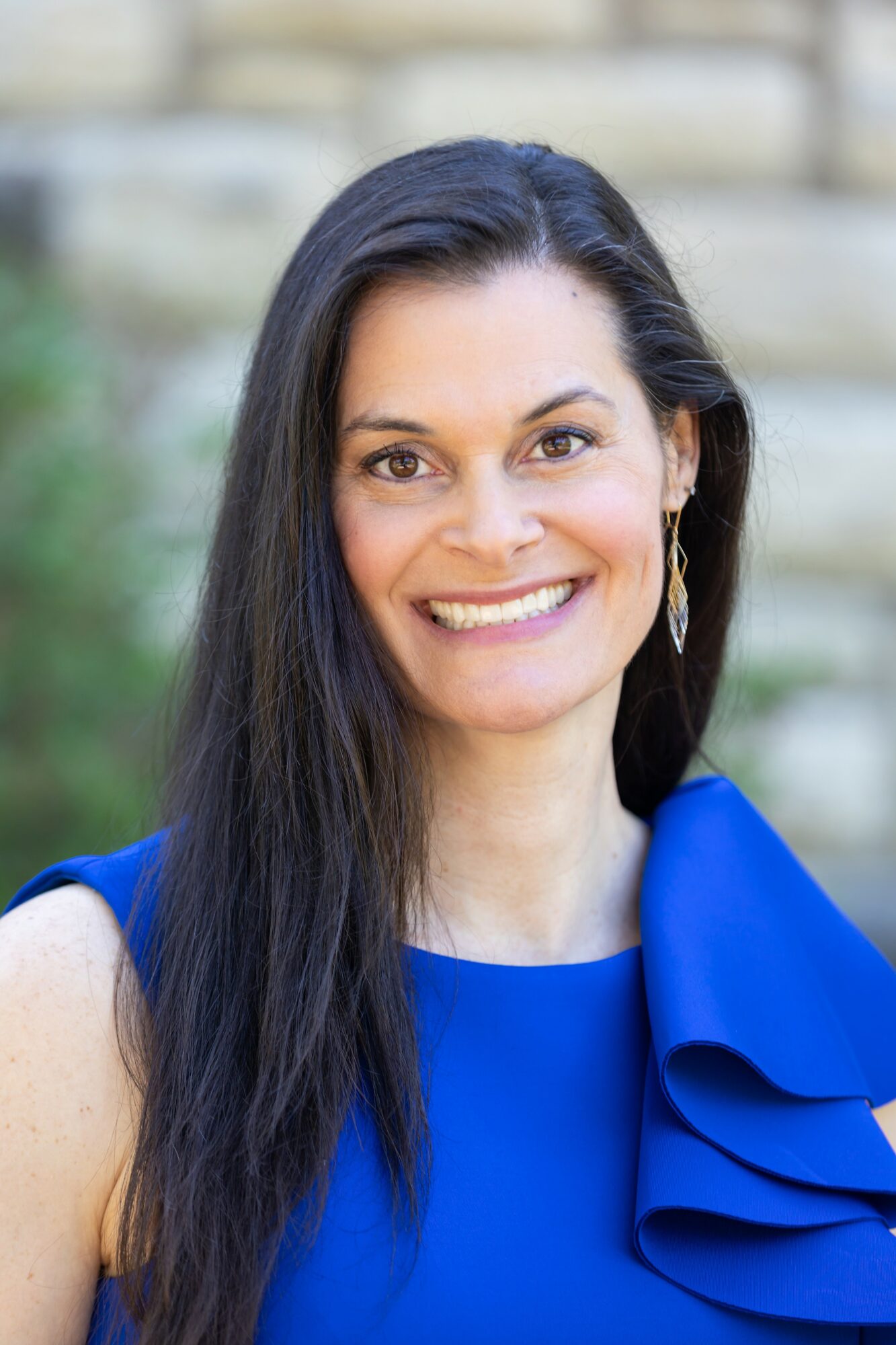
Lori Becker shared their story and experiences with us recently and you can find our conversation below.
Hi Lori, thank you for taking the time to reflect back on your journey with us. I think our readers are in for a real treat. There is so much we can all learn from each other and so thank you again for opening up with us. Let’s get into it: What is a normal day like for you right now?
I wake up, exercise, eat breakfast, head to work, see my patients, come home, make dinner, walk my dog, and unwind with a good show to clear my head.
Can you briefly introduce yourself and share what makes you or your brand unique?
Hi, I’m Dr. Lori Becker, a board-certified clinical psychologist in Clayton, MO. I provide psychotherapy for adults and adolescents facing challenges such as anxiety, depression, grief and loss, relationship stress, coping with chronic illness, and navigating life transitions. I see therapy as a collaborative process—working together to understand what may be contributing to your distress and to build the skills that support a more balanced, meaningful, and fulfilling life.
My work is rooted in a psychodynamic approach, which explores how past experiences shape present struggles. Together, we uncover patterns, address overwhelming emotions, deepen insight, and work toward lasting growth and change. Psychodynamic therapy isn’t about quick fixes—it’s about meaningful transformation grounded in self-understanding and authentic connection.
A special focus of my practice is supporting transgender, non-binary, and gender diverse patients. I provide therapy, evaluations, and support letters consistent with WPATH Standards of Care, and I also work with families as they navigate the changes that come with a loved one’s transition.
Amazing, so let’s take a moment to go back in time. What breaks the bonds between people—and what restores them?
Bonds between people are often broken when trust is disrupted. This can happen in many ways: Betrayal, dishonesty, neglect, unacknowledged hurt, or even when people are simply unable to be emotionally present with each other. Sometimes bonds are strained not by deliberate harm but by the everyday wear of stress, miscommunication, or life transitions. From a psychodynamic perspective, old wounds and unspoken expectations can also quietly erode connection when they remain unrecognized.
Restoring bonds usually begins with honesty, empathy, and repair. It requires slowing down enough to listen, to acknowledge the hurt and process the emotions, and to take responsibility where needed. Bonds are healed when people feel seen, understood, and safe again; when there is space for vulnerability without fear of rejection.
In therapy, I often see that restoration doesn’t come from grand gestures or “the perfect intervention” but from consistent efforts toward honesty, emotional attunement, and the willingness to connect with compassion.
When did you last change your mind about something important?
I had envisioned and planned for a career in a hospital setting, as I greatly enjoyed working in interdisciplinary patient care. In 2019, I made the important decision to leave my staff position at the St. Louis VA Medical Center and open my own private practice. This shift challenged me in ways I hadn’t anticipated (such as navigating the responsibilities of running a small business and moving from a team of 25 colleagues to working independently), but it also reignited my passion for my work. I returned to my “roots” as a psychologist, with the chance to connect more authentically with my patients and focus on the aspects of care that matter most to me.
Alright, so if you are open to it, let’s explore some philosophical questions that touch on your values and worldview. What’s a cultural value you protect at all costs?
A cultural value I protect at all costs is the value of good, thoughtful communication. Throughout history, societies have recognized the importance of communicating well. This means not just exchanging information, but connecting meaningfully with others. For me, this includes attention to eye contact, pace and cadence, word choice, and the patience both to think before speaking and to truly listen.
In our shifting culture, with social media, AI technology, remote work, and the increasing convenience of online interactions, there are fewer natural opportunities to practice these skills, which can dilute interpersonal connection. I still deeply value and prioritize clear, intentional communication, both in my personal life and in my work as a psychologist. Communication is fundamental to understanding, empathy, and the bonds that bring people together.
Okay, we’ve made it essentially to the end. One last question before you go. If you knew you had 10 years left, what would you stop doing immediately?
I would stop saving for retirement! I would travel more and dine out more often!
Contact Info:
- Website: https://drloribecker.com/