We recently had the chance to connect with Maria Kinney and have shared our conversation below.
Hi Maria, thank you so much for taking time out of your busy day to share your story, experiences and insights with our readers. Let’s jump right in with an interesting one: What are you most proud of building — that nobody sees?
What I am most proud of is building the invisible infrastructure that allows leaders to operate at their highest level.
Across my professional roles inside large, complex organizations and in building my own consultancy, what I am most proud of is the invisible architecture I create behind the scenes.
Within global enterprises, I have built executive ecosystems that most people never notice but everyone benefits from. Decision pathways that prevent bottlenecks. Governance rhythms that keep leaders aligned across continents. Information flows that ensure the right data reaches the right person at the right moment. Calendar architectures that protect strategic thinking time. These systems quietly eliminate friction before it ever becomes visible. What others see is a leadership team that feels calm under pressure, a board that arrives prepared, and an organization that moves with coherence and velocity. That outcome is never accidental.
I bring the same discipline into my consulting work. Many founders and creative leaders have extraordinary vision but lack the structural foundation to support it. I help them build the unseen framework that allows their business to scale with intention. Operational playbooks. Executive presence. Communication systems. Standards that mirror what exists inside the world’s most sophisticated organizations.
Whether inside a multinational enterprise or a growing entrepreneurial brand, the work is the same at its core. I design environments where complexity becomes manageable, leaders can think clearly, and momentum continues long after a meeting ends. It is quiet work, but it is foundational. That invisible infrastructure is what I am most proud of building.
Can you briefly introduce yourself and share what makes you or your brand unique?
I am a Chief of Staff and executive operations leader who works at the center of complex, global organizations. My role is to bring clarity, structure, and momentum to senior leadership teams inside a multinational enterprise with operations across multiple continents. I partner directly with executive leadership, lead a distributed team of executive assistants, and design the systems that allow leaders to focus on vision while the organization moves with precision.
My background is both global and interdisciplinary. I hold two MBAs, including a degree from Cornell, and a graduate certificate in strategy from Harvard. I am fluent in German at a native level, a dual U.S. and Dutch citizen, and have lived and worked across the United States, Europe, and Asia. That blend of academic rigor, cultural fluency, and operational leadership shapes everything I do. I am deeply comfortable navigating complexity, whether that is across time zones, cultures, or boardrooms.
Alongside my corporate work, I co-own a boutique consultancy and creative firm with my husband. We help organizations translate vision into execution by refining executive presence, modernizing brand identity, and implementing enterprise-grade operational practices. Our clients range from professional sports organizations and financial institutions to global automotive brands, award-winning hospitality groups, and growth-stage companies. Most recently, our work has taken us internationally, partnering with specialized hospitality leaders in Europe to help them capture their essence and elevate their global presence.
What makes my work unique is the bridge it creates between worlds. I bring Fortune 500 discipline into entrepreneurial spaces, and entrepreneurial agility into enterprise environments. Whether inside a global organization or a founder-led business, my focus is the same: build the invisible infrastructure that allows people and ideas to move forward with clarity, confidence, and purpose.
Okay, so here’s a deep one: What’s a moment that really shaped how you see the world?
A moment that fundamentally shaped how I see the world happened early in my career, when I found myself working across borders, languages, and cultures for the first time. I was coordinating between leaders who were equally intelligent, equally capable, and deeply committed, yet often misunderstanding one another simply because they came from different cultural frameworks. What one side perceived as direct and efficient, the other experienced as abrupt. What felt thoughtful to one group felt hesitant to another.
It was the first time I truly understood that brilliance alone is not enough. Perspective matters. Context matters. How something is said can matter as much as what is said.
That experience rewired the way I operate. I began to see leadership not as authority, but as translation. My role became about creating shared understanding where none naturally existed. I learned to listen for what is not being said, to anticipate friction before it appears, and to design systems that honor difference while still driving momentum.
That lens now defines everything I do. Whether I am working with a global executive team, a board of directors, or a founder building something from scratch, I operate as a bridge. Between cultures. Between vision and execution. Between complexity and clarity.
That moment taught me that progress is not about being the loudest or the smartest in the room. It is about helping people move forward together.
What did suffering teach you that success never could?
Suffering taught me discernment. Success can validate you, but it does not teach you how to listen to yourself. It does not teach you how to recognize misalignment, how to trust your instincts, or how to leave what no longer serves you. Pain does.
There were moments in my life when everything looked right on paper, yet something inside me knew it was wrong. Those moments forced me to learn the difference between endurance and alignment. I learned that strength is not staying at any cost. Strength is knowing when to walk away, when to redraw boundaries, and when to choose yourself even if the world does not yet understand why.
That awareness reshaped how I lead. I no longer confuse urgency with importance, or noise with truth. I listen more carefully. I move with intention. I create space for others to be fully seen, because I know what it feels like not to be.
Success can teach you how to win. Suffering teaches you who you are. It gave me clarity, empathy, and an unshakeable sense of self. Those are the qualities that now anchor my work, my leadership, and the way I move through the world.
Alright, so if you are open to it, let’s explore some philosophical questions that touch on your values and worldview. What important truth do very few people agree with you on?
An important truth I hold that many people resist is that speed does not come from doing more. It comes from doing less, with far greater clarity.
In most organizations, when pressure increases, people respond by adding meetings, adding process, adding urgency. They mistake motion for progress. The result is noise, fatigue, and fragmentation. I believe the opposite is true. Real momentum comes from subtraction. From knowing what matters, eliminating what does not, and designing systems that allow people to move with intention.
The same is true of leadership. Many assume it is about presence, charisma, or authority. I believe it is about coherence. About creating alignment so that hundreds or thousands of people can move in the same direction without friction. The best leaders I have worked with are not the loudest in the room. They are the clearest.
Structure does not stifle creativity. It liberates it. When people know where they are going and how decisions are made, they stop wasting energy on uncertainty. They can think, build, and innovate.
That belief shapes everything I do. Whether I am working inside a global enterprise or with a founder building something new, my goal is always the same: remove noise, create clarity, and let momentum emerge naturally.
Before we go, we’d love to hear your thoughts on some longer-run, legacy type questions. What is the story you hope people tell about you when you’re gone?
I hope they say that I made things clearer. That I brought order to complexity, calm to chaos, and direction to moments that felt uncertain.
I hope they remember that I did not simply help organizations run, but helped people feel capable inside them. That leaders trusted me not just with logistics, but with their thinking. That teams felt steadier because I was there. That ideas moved further because someone built the path beneath them.
I also hope they say that I understood the world in a way that connected people rather than dividing them. That I moved easily across cultures, languages, and perspectives. That I honored the nuances of the places and people I worked with, and helped them feel seen. My global mindset is not about geography. It is about curiosity, respect, and the belief that difference is a strength when it is understood.
I would want them to say that I saw what others missed. That I listened deeply. That I created space for others to lead well. That I built systems that outlived me and relationships that mattered beyond results.
And on a human level, I hope they say I was kind. That I moved through rooms with intelligence and grace. That I left people stronger than I found them.
If that is the story, then I will have done meaningful work.
Contact Info:
- Website: https://www.sajphoto.com/
- Linkedin: https://www.linkedin.com/in/maria-a-kinney

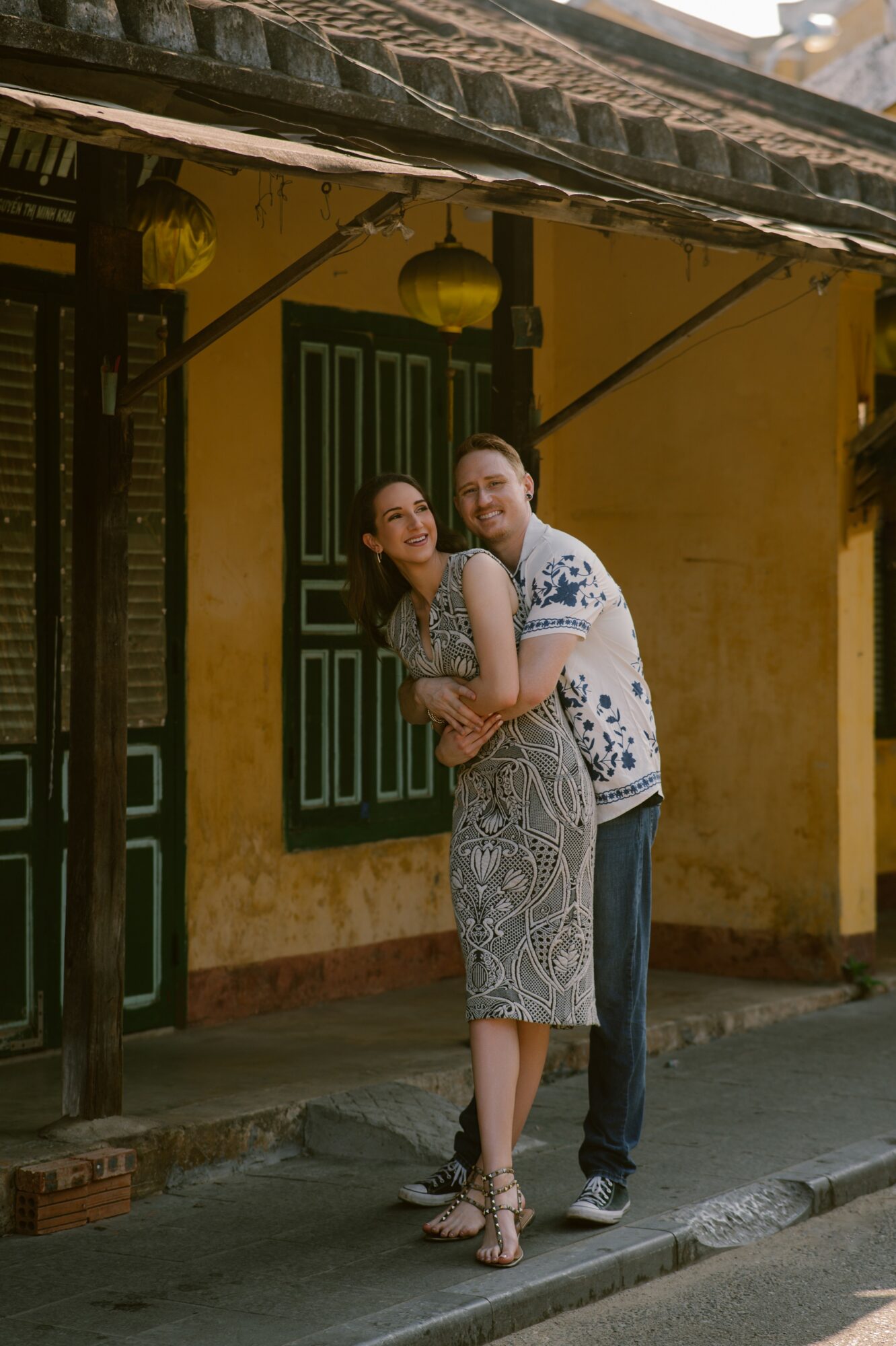
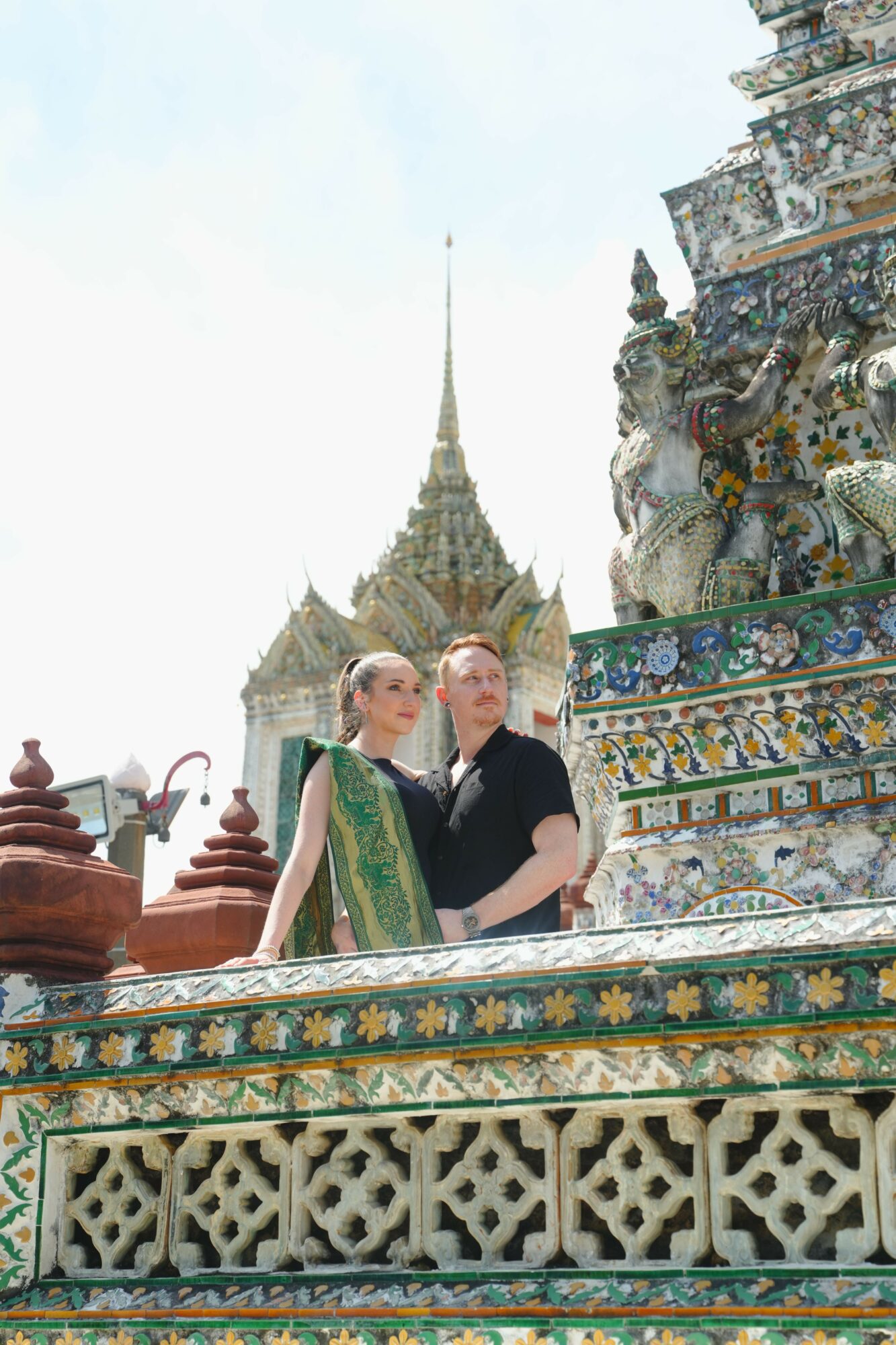
Image Credits
I own these images outright i have permission.